
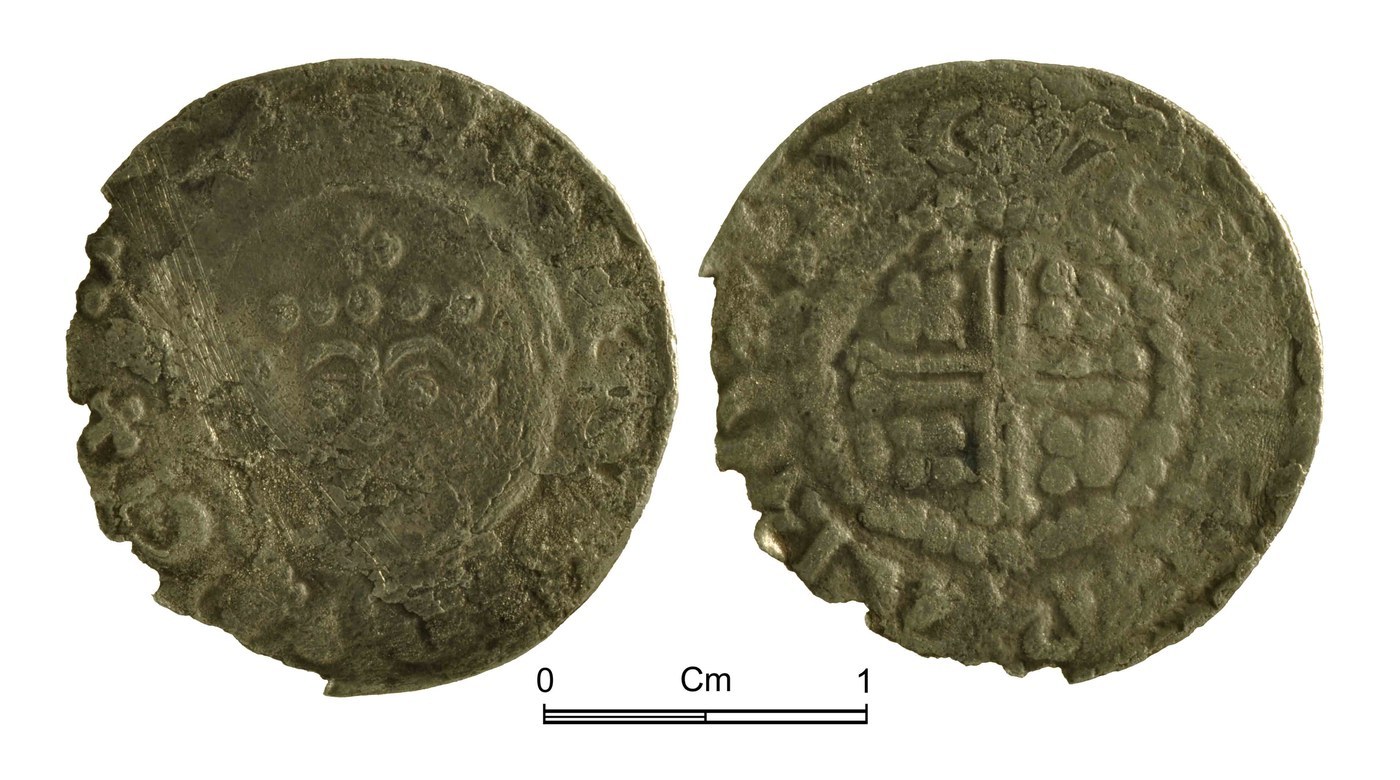
Short Cross Penny
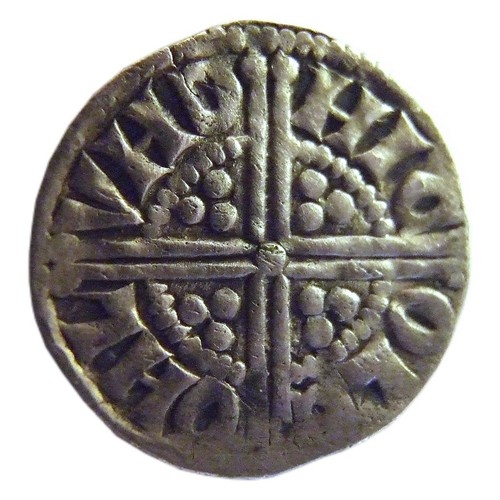
Hammered silver penny of Henry II showing a crowned facing-left royal portrait and a cross-crosslet (cross-and-crosslets) reverse.
- Country
- England
- Denomination
- Penny
- Metal
- Silver
Got a coin like this?
Identify any coin from a photo, free.
Overview
The Short Cross Penny shown here is a hammered silver penny of Henry II of England, carrying a crowned royal portrait with the head turned to the left on the obverse and a cross with small crosslets in the angles on the reverse. It is a small, thin coin struck by hand, and belongs to the earlier "Cross-and-Crosslets" coinage that Henry II introduced during his reign.
This type is widely known to collectors as the "Tealby" coinage, after a large hoard of these pennies found at Tealby in Lincolnshire. The penny was the workhorse denomination of medieval England, and coins of this design circulated as everyday money in the second half of the twelfth century. Because they were struck by hand from individually cut dies, no two are exactly alike, and surviving examples are frequently found off-center or unevenly struck.
History & Background
Henry II came to the English throne in 1154 at the end of a long civil war, and in 1158 he reformed the coinage with a new penny type meant to restore confidence in the currency. That reform produced the Cross-and-Crosslets, or "Tealby," penny, whose reverse shows a plain cross with a small crosslet in each quarter and whose obverse bears the crowned facing or turned royal bust with a sceptre. The type stayed in production until it was replaced by the Short Cross coinage in 1180.
The pennies were struck at a network of royal and ecclesiastical mints across England, with the moneyer's name and mint town named in the reverse legend, a long-standing English practice that made each moneyer accountable for the coin's silver content. The coins are notorious for crude, uneven striking, and complete, well-centered legends are the exception rather than the rule. The great Tealby hoard, containing thousands of these pennies, is the reason the whole coinage carries that nickname today.
How to Identify
Look for a small, thin hammered silver coin roughly 18-20 mm across and only about a gram or so in weight, with a crowned royal bust whose head is turned to the left and a sceptre before the face. The surface is typically irregular and the flan often slightly ragged, since the coin was struck by hand rather than machine.
The defining feature is the reverse: a plain cross reaching to or near the edge with a small cross (a crosslet) set in each of the four angles, giving the "cross-and-crosslets" name. A Latin legend runs around the reverse naming the moneyer and the mint town, though on many surviving coins parts of the legend are weak, off-flan, or blundered. Wear and weak strike usually leave the portrait indistinct while the cross pattern remains recognizable.
Value & Collectibility
Tealby pennies survive in reasonable numbers thanks to large hoards, so value is driven mainly by strike quality, centering, legibility of the mint and moneyer, and overall condition rather than by rarity of the type itself. Crude, off-center, or partially struck coins with weak legends are the most affordable, while well-centered examples with a clear portrait and a readable mint-and-moneyer legend command strong premiums.
Certain mints and moneyers are much scarcer than others, and coins that can be firmly attributed tend to be worth more than anonymous or illegible pieces. As with all hammered medieval silver, values range widely and depend on the individual coin, so treat any single figure as approximate and compare against recent auction and dealer sales for similar strike and condition.
Frequently asked questions
Why is it called a Tealby penny?
The name comes from a large hoard of these Cross-and-Crosslets pennies found at Tealby in Lincolnshire, England. Collectors use "Tealby" as a nickname for the whole Henry II coinage of this type.
Who is on the coin?
The crowned bust is King Henry II of England, who reigned from 1154 to 1189. This Cross-and-Crosslets type was struck from 1158 until it was replaced by the Short Cross coinage in 1180.
Is it real silver?
Yes. It is a hand-struck (hammered) silver penny, small and thin at roughly 18-20 mm across and about a gram in weight, typical of medieval English pennies.
Why is the striking so crude?
The coin was struck by hand from individually engraved dies onto a small silver flan, so off-center strikes, ragged edges, and partial or blundered legends are common and normal for the type.
What does the reverse design mean?
The reverse is a plain cross with a small crosslet in each angle, which is why it is called the cross-and-crosslets type. The surrounding legend names the moneyer and the mint town where the coin was struck.
Short Cross Penny guides
In-depth guides for identifying, valuing, and collecting Short Cross Penny.
Other coins you may enjoy
Edward IV Ryal
c. 1465-1470
Penny of Offa
c. 757-796 (8th century)
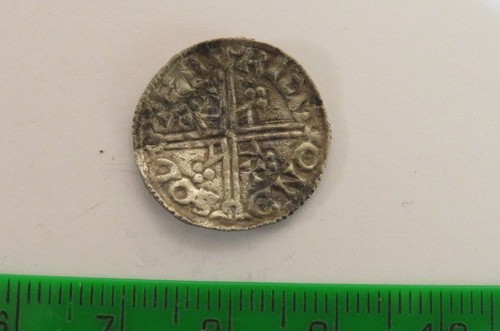
Medieval Penny
c. 8th-15th century
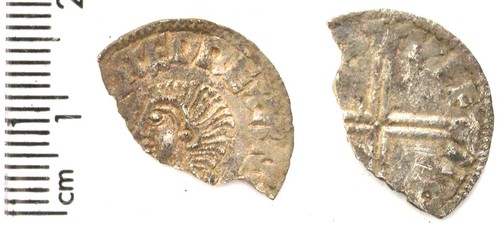
Penny of Aethelred II
978-1013
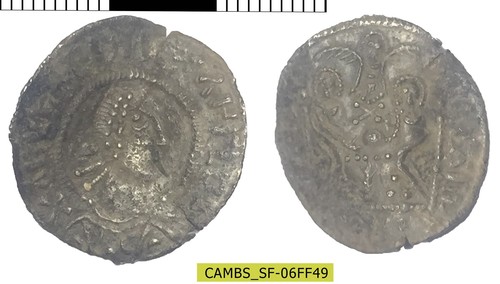
Penny of Alfred the Great
c. 871-899 (late 9th century)
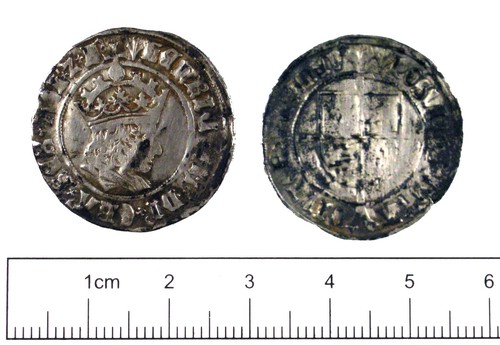
Henry VII Groat
1485-1509
Edward V Angel
1483
Edward IV Half Groat
1461-1483
Penny of Cnut
1024-1030
Henry VII Sovereign
1485-1509
Long Cross Penny
1247-1279 (13th century)
Anglo-Saxon Styca
8th-9th century