
How to Identify the Short Cross Penny
Collector checks for the Henry II Tealby penny: crowned bust, cross-and-crosslets reverse, small silver flan, mint and moneyer legends, and look-alikes.
Read the full Short Cross Penny encyclopedia entry →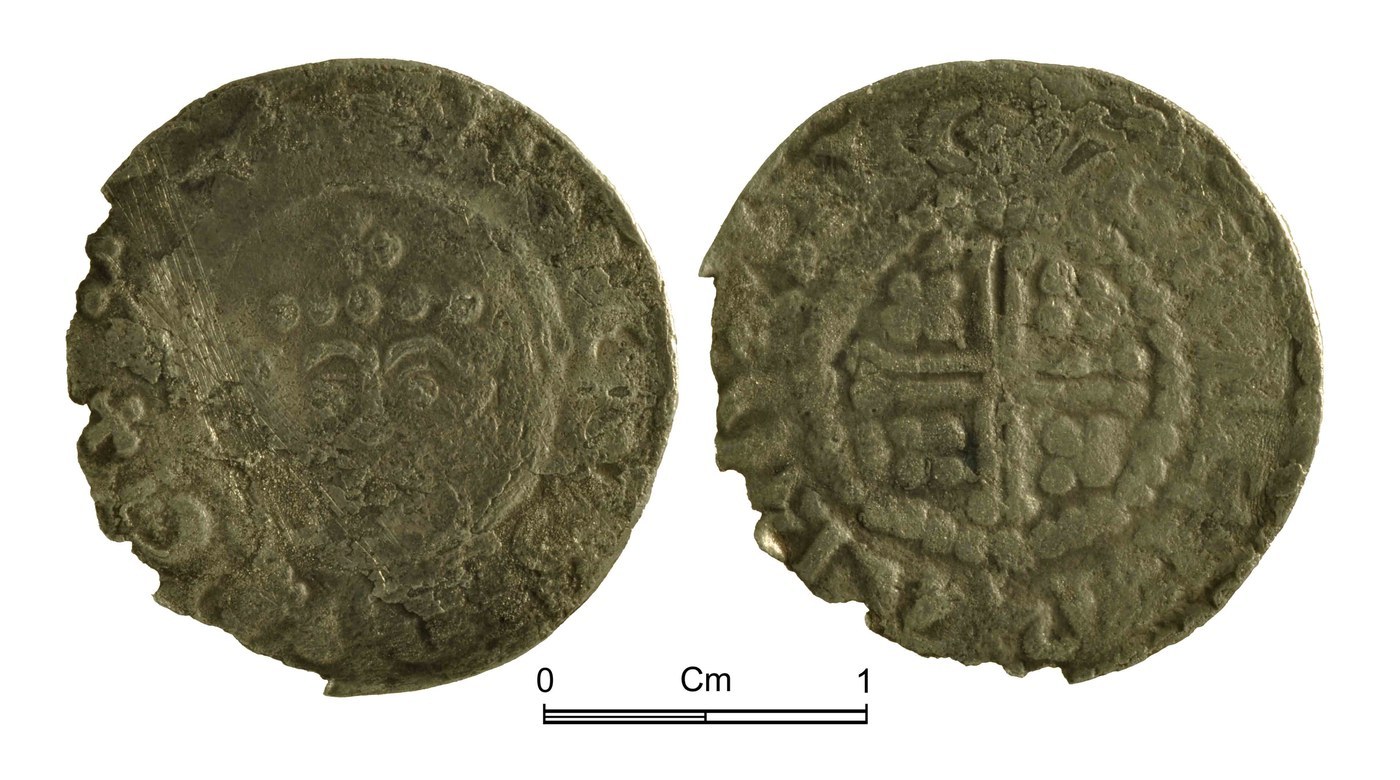
Start with size and fabric. This is a small, thin hammered silver penny, roughly 18-20 mm across and only about a gram in weight, with an irregular flan and a hand-struck, often uneven surface. If your coin is thick, perfectly round, or machine-sharp, it is not a genuine medieval penny of this type.
Read the obverse. Look for a crowned royal bust with the head turned to the left and a sceptre held before the face, surrounded by a Latin legend naming the king. On many coins the portrait is weak or partly off the flan, so use the crown, the sceptre, and the facing bust together rather than relying on one detail.
Confirm the reverse, which is the decisive test. You want a plain cross extending toward the edge with a small crosslet in each of the four angles, the "cross-and-crosslets" pattern. The circular legend names the moneyer and the mint town; even when it is partly blundered or off-flan, a readable moneyer or mint greatly aids attribution and value.
Separate look-alikes. The later Short Cross coinage (from 1180 onward, under Henry II's successors) uses a short voided cross without the crosslets in the angles and keeps a fixed "hENRICVS" name across several reigns, so the crosslets are the key difference. Earlier pennies of Stephen and the anarchy period use different bust and cross styles, and cut halfpennies and farthings (coins deliberately cut into halves or quarters) are common and should not be mistaken for damage.
Authenticate with care. Genuine coins show hand-cut die detail, honest wear consistent with silver circulation, and a flan that is thin and slightly irregular rather than cast. Be wary of cast copies with soft, mushy detail or a seam around the edge, and of tooled or added legends. When value is significant, seek an experienced hammered-coin dealer or a recognized attribution reference before buying or selling.
Frequently asked questions
What is the single best test for this type?
The reverse. A plain cross with a small crosslet in each of the four angles marks the Cross-and-Crosslets (Tealby) type. If the angles are empty or hold pellets instead of crosslets, it is a different coinage.
How do I tell it from a Short Cross penny proper?
The later Short Cross coinage uses a short voided cross with no crosslets in the angles and a fixed hENRICVS legend. This Tealby type has the crosslets in the angles, which is the distinguishing feature.
The legend is unreadable. Is the coin worthless?
Not necessarily. Weak or partial legends are very common on hand-struck coins. The type is still identifiable from the bust and cross-and-crosslets reverse, though a legible mint and moneyer will increase interest and value.
My coin looks cut or broken. Is it damaged?
Possibly not. Medieval pennies were often deliberately cut into halves or quarters to make small change, so a clean cut through the coin can be original rather than damage. Ragged, casual breaks or holes are different and do affect value.