
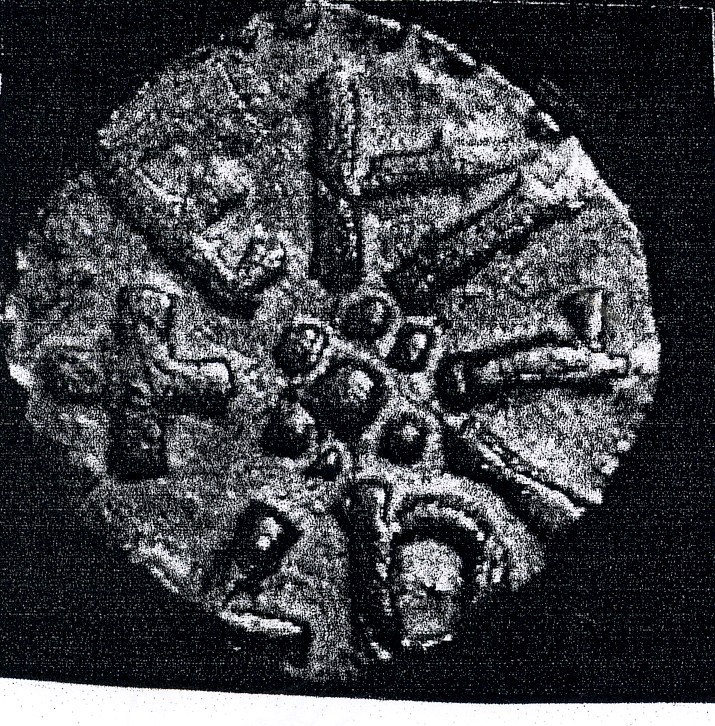
Styca of Aethelred
Small base-metal coin of the Anglo-Saxon kingdom of Northumbria, naming King Aethelred, with a central device and legend on one face and a cross on the other.
- Country
- England
- Denomination
- Styca
- Metal
- Bronze
Got a coin like this?
Identify any coin from a photo, free.
Overview
The Styca of Aethelred is a tiny base-metal coin of Anglo-Saxon Northumbria, struck in the name of King Aethelred. The styca was made of a copper-based alloy (a bronze or brass rather than silver), and this example shows a decorated central device surrounded by the king's name on the obverse and a cross with symbolic ornament on the reverse.
Stycas are unusual among early English coins because they carry no portrait king in the classic sense, but instead pair the ruler's name with the name of a moneyer, each set around a small central motif. They were struck in very large numbers in the 9th century and are today among the most frequently encountered Anglo-Saxon coins, making an Aethelred styca an accessible piece of early medieval English history.
History & Background
Northumbria was the northernmost of the Anglo-Saxon kingdoms, centered on York (Eoforwic). By the 9th century its coinage had shifted away from the silver of earlier sceattas to the styca, a small coin of debased alloy in which the silver content dwindled until the pieces were effectively copper, bronze, or brass. This makes the styca one of the few base-metal coinages of early medieval England.
The name most often linked to the great flood of styca production is Aethelred II of Northumbria, who reigned in the 840s (roughly 841-848, with a brief interruption). Stycas were issued in the king's name by numerous moneyers, and enormous quantities survive, many recovered from hoards such as those associated with Hexham and other Northumbrian sites. The styca coinage came to an end around the middle of the 9th century, not long before the Viking capture of York in 866 reshaped the region's money.
How to Identify
Expect a very small, thick coin, typically around 11-13 mm across and roughly 1 gram, struck in a copper-based alloy rather than silver. The surface is usually brown, reddish, or green from the base metal, and the flans are often slightly irregular. On this example the obverse carries a central device with decorative elements ringed by the royal legend, a Latin-and-runic mix reading the king's name in forms such as EDILRED or AEDILRED with the title REX.
The reverse shows a cross or central symbol surrounded by a second legend, which is the name of the moneyer (the official responsible for the striking) rather than a mint or ruler. Because each die was cut by hand, spelling varies and letters can be blundered or retrograde, and centering is frequently off, leaving part of the inscription off the flan. Reading both legends, king on one side and moneyer on the other, is the key to attributing the coin.
Value & Collectibility
Stycas were produced in huge quantities and survive in large numbers, so ordinary examples of Aethelred are among the most affordable Anglo-Saxon coins. Value depends mainly on the completeness and clarity of the legends, the condition of the surfaces, centering, and whether the moneyer or die variety is a scarce one.
Well-struck coins with both legends fully legible and even, problem-free surfaces bring a premium over corroded, off-center, or partly illegible pieces. Rare moneyers, unusual central symbols, and error or blundered types can attract specialist interest. Because these are small base-metal coins, condition and eye appeal matter more than metal content; treat any single figure as a rough guide and check recent auction results for comparable pieces before buying or selling.
Frequently asked questions
What is a styca?
A styca is a small base-metal coin of the Anglo-Saxon kingdom of Northumbria, struck in the 9th century. Unlike most early English coins it was made of a copper alloy rather than silver.
Who was Aethelred on this coin?
The coin names Aethelred, a king of Northumbria whose reign in the 840s coincided with a large output of stycas. His name appears in the obverse legend, often spelled EDILRED or AEDILRED with REX.
Why is there no king's portrait?
Stycas generally do not carry a lifelike royal portrait. Instead they place the king's name around a small central device on one face and the moneyer's name around a cross on the other.
Is the coin made of silver?
No. By this period the styca had lost most of its silver and was struck in a copper-based alloy, so it reads as bronze or brass. The base metal is a defining feature of the denomination.
Are stycas rare?
No. Aethelred's stycas were struck in enormous numbers and are common today, which keeps most examples affordable. Value comes mainly from legibility, condition, and scarce moneyers.
Styca of Aethelred guides
In-depth guides for identifying, valuing, and collecting Styca of Aethelred.
Other coins you may enjoy
Edward IV Ryal
c. 1465-1470
Penny of Offa
c. 757-796 (8th century)
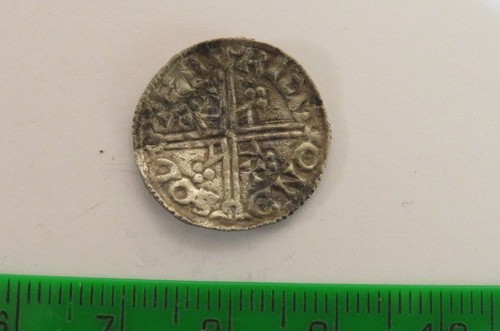
Medieval Penny
c. 8th-15th century
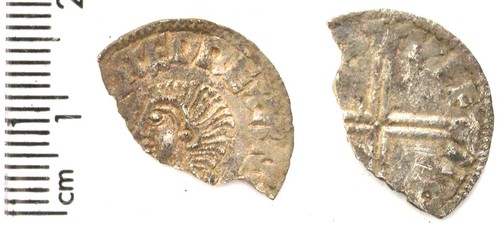
Penny of Aethelred II
978-1013
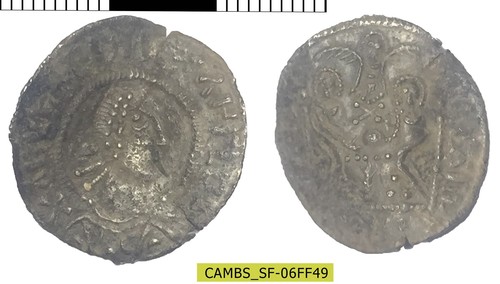
Penny of Alfred the Great
c. 871-899 (late 9th century)
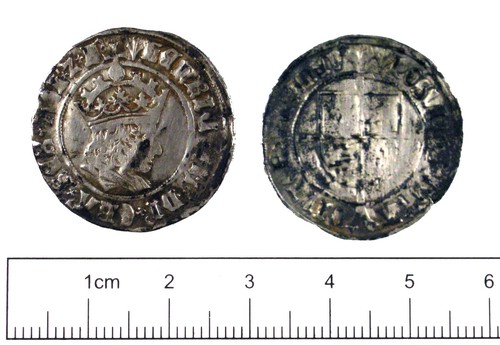
Henry VII Groat
1485-1509
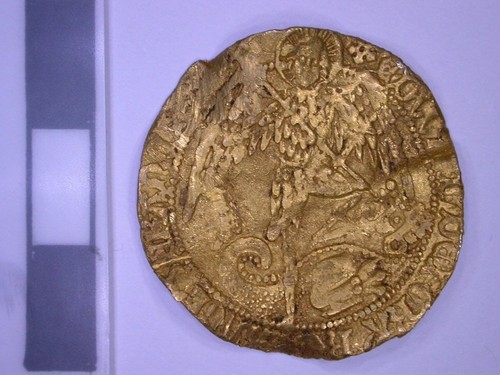
Edward V Angel
1483
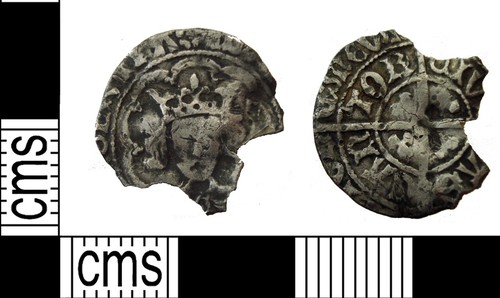
Edward IV Half Groat
1461-1483
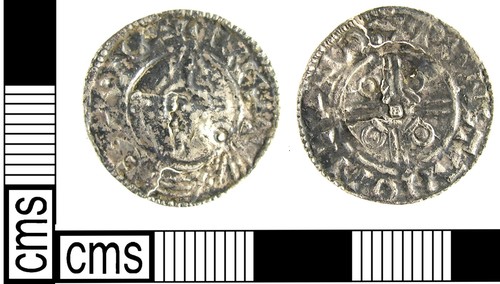
Penny of Cnut
1024-1030
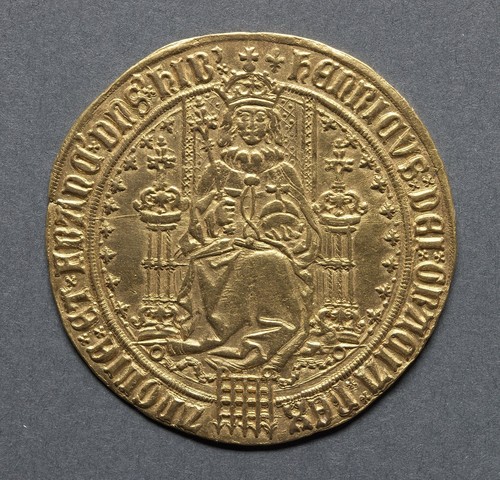
Henry VII Sovereign
1485-1509
Long Cross Penny
1247-1279 (13th century)
Anglo-Saxon Styca
8th-9th century