
Coin Encyclopedia
Search and identify coins from around the world — with country, denomination, metal, mint, history, and how to tell them apart.
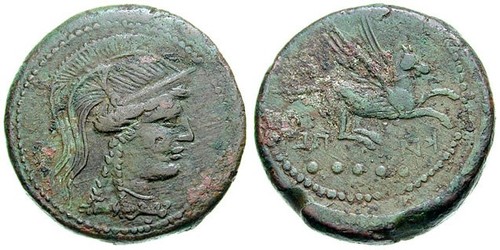
Quincunx of Capua
Bronze quincunx (5 unciae) struck by Capua in Campania in the 3rd century BC, pairing a diademed female head with a lion or griffin and five value pellets.
Ancient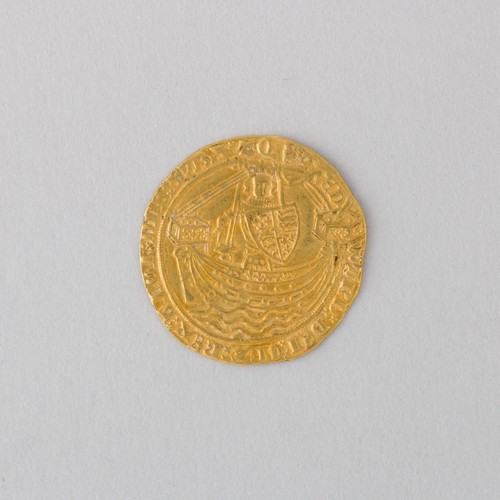
Edward III Noble
Large medieval English gold coin of King Edward III, showing the crowned king standing in a ship and an ornate floral cross on the reverse.
Medieval Coins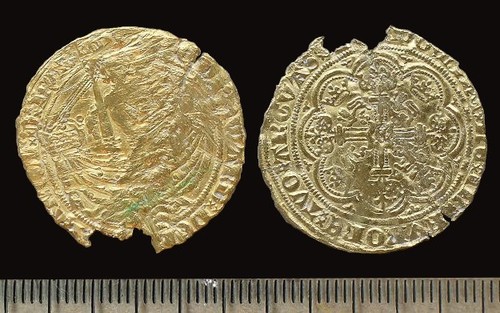
Edward III Half Noble
Medieval English gold coin worth half a noble, this example showing King Edward III crowned with heraldic devices and a shielded, ornamented reverse.
Medieval Coins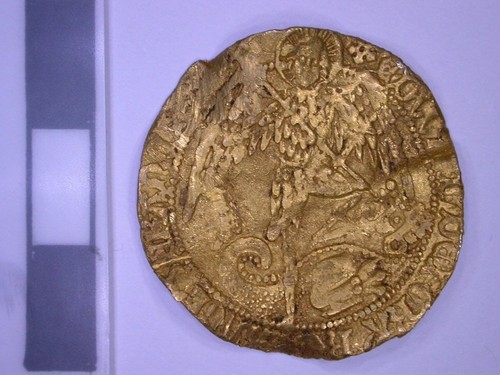
Edward V Angel
Gold angel struck in the brief 1483 reign of Edward V, showing Saint Michael the archangel spearing a demon, with a royal shield of arms on the reverse.
Medieval Coins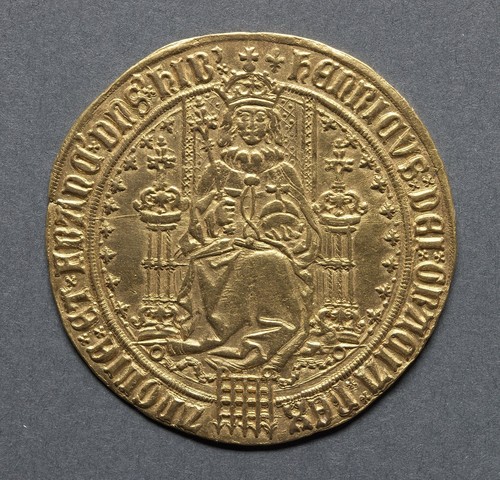
Henry VII Sovereign
The first English gold sovereign, struck under Henry VII, showing the crowned king enthroned in majesty on an elaborate Gothic throne.
Medieval Coins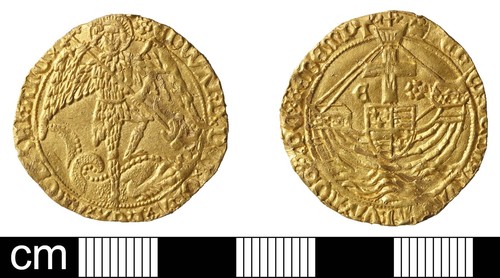
Edward IV Angel
Medieval English gold coin showing Saint Michael the Archangel slaying a dragon-demon, with a heraldic cross-and-shield reverse.
Medieval Coins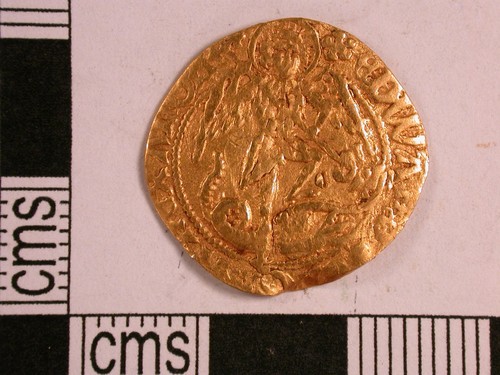
Edward IV Half Angel
Medieval English gold coin of King Edward IV, half the value of the angel, showing Saint Michael slaying a dragon with a spear and shield.
Medieval Coins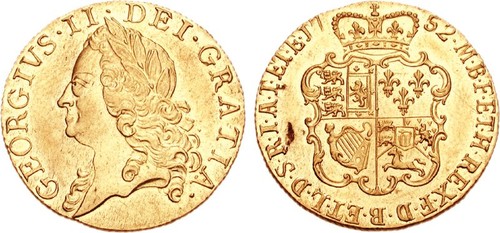
Guinea of George II
A milled gold guinea of Great Britain struck during the reign of George II, with a left-facing royal bust and a crowned heraldic shield reverse.
Milled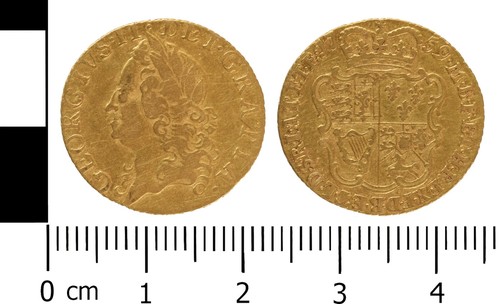
Half Guinea of George II
A small British gold coin of the reign of George II, worth half a guinea, with the king's left-facing bust and a crowned heraldic shield reverse.
Milled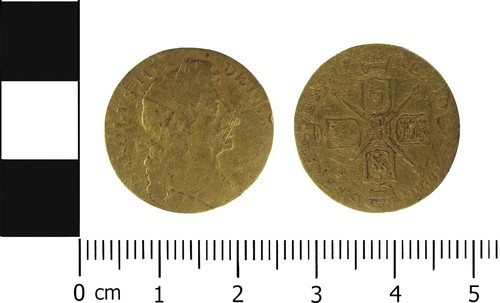
Charles II Half Guinea
A small milled gold coin of Charles II showing the king's laureate profile and a cruciform arrangement of crowned shields on the reverse.
Milled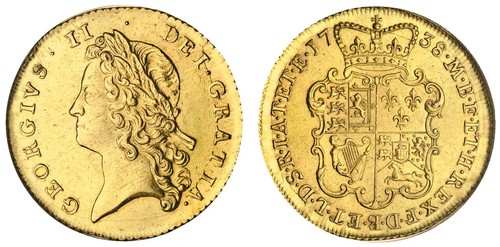
Two Guineas of George II
A large milled gold two-guinea piece of George II, with his left-facing laureate head and a crowned garnished shield of the royal arms; the pictured coin is dated 1738.
Milled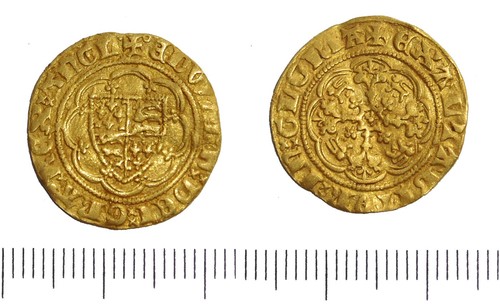
Edward III Quarter Noble
Small medieval English gold coin of Edward III, showing a crowned shield of arms on the obverse and an ornate floral cross design on the reverse.
Medieval Coins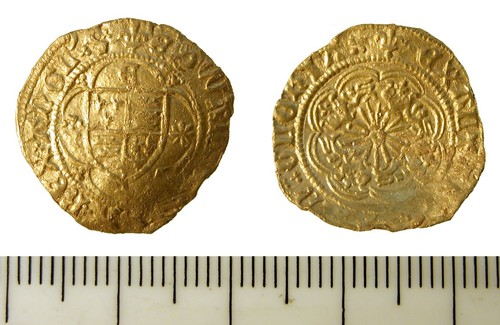
Edward IV Quarter Ryal
Small English medieval gold coin of Edward IV, bearing the crowned royal arms and an ornate radiate cross with a rose-on-sun at its center.
Medieval Coins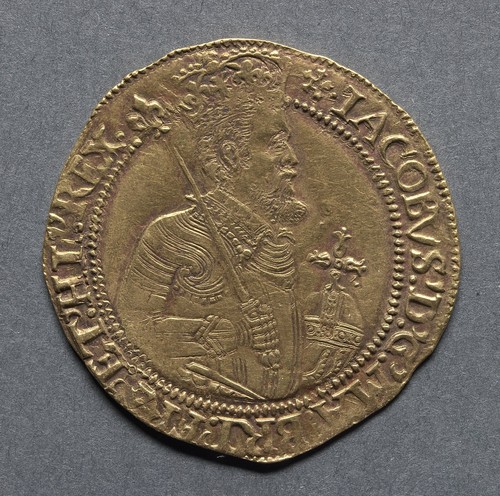
Unite of James I
A hammered gold pound coin of James I, named to celebrate the union of England and Scotland under one crown.
Hammered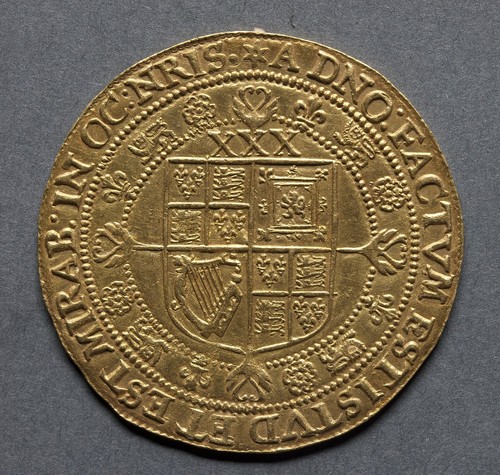
Edward IV Ryal
English medieval gold coin of Edward IV showing the king armored in a ship with a shield, and a radiant rose-on-sun design on the reverse.
Medieval Coins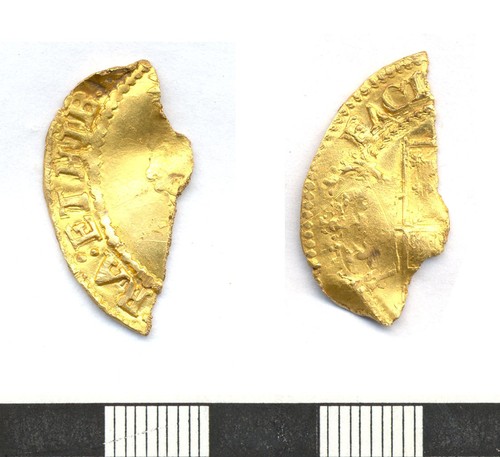
Laurel
A hammered English gold coin of James I worth twenty shillings, named for the king's laurel-wreathed profile, struck 1619-1625.
Hammered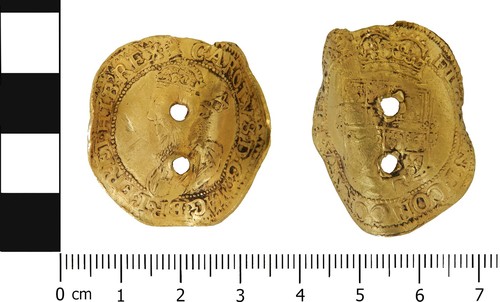
Charles I Unite
A large hammered gold coin of Charles I worth twenty shillings, showing his crowned profile and a crowned quartered shield of lions and fleur-de-lis.
Hammered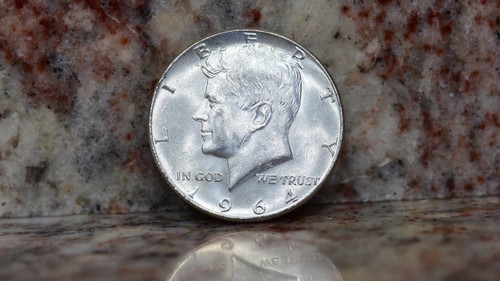
Kennedy Half Dollar
U.S. fifty-cent piece introduced in 1964 to honor President John F. Kennedy; the first-year 1964 coins were struck in 90% silver.
United States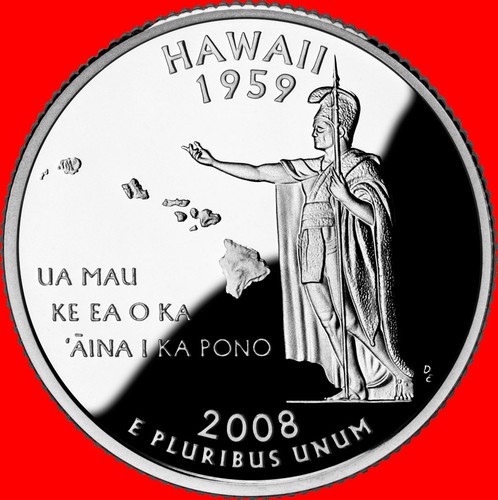
Hawaii State Quarter
The 2008 Hawaii State Quarter, final coin in the 50 State Quarters series, showing King Kamehameha I reaching over the islands.
Quarter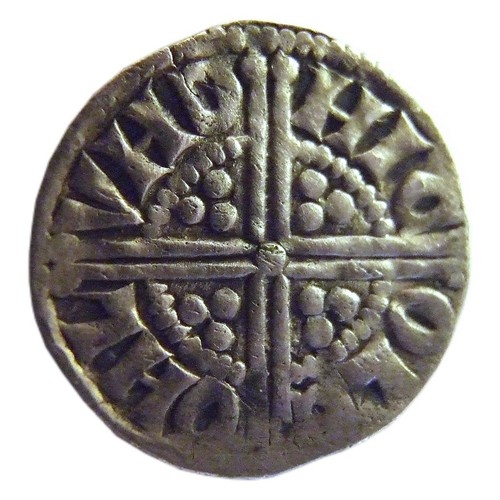
Long Cross Penny
Hand-struck medieval English silver penny with a crowned royal bust and a long voided cross reaching the rim, dividing the reverse legend.
Medieval Coins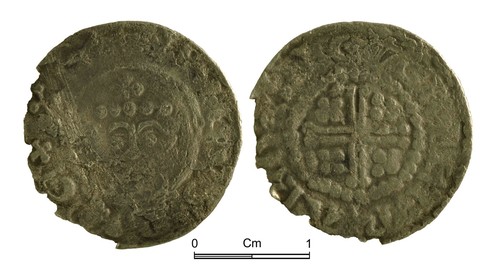
Short Cross Penny
Hammered silver penny of Henry II showing a crowned facing-left royal portrait and a cross-crosslet (cross-and-crosslets) reverse.
Medieval Coins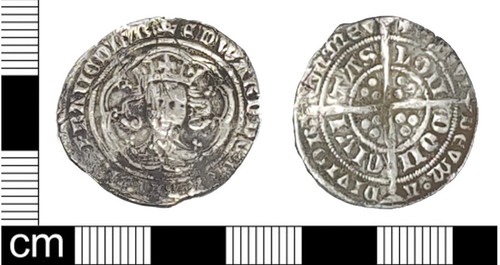
Edward IV Groat
A hammered silver fourpence of King Edward IV of England, struck 1461-1483, with a crowned facing bust on one side and a long cross with rosettes on the other.
Medieval Coins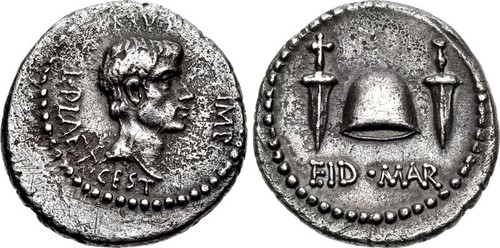
Brutus & Plaetorius Denarius
The silver EID MAR denarius: M. Junius Brutus on the obverse, a Phrygian cap between two daggers and EID MAR on the reverse, struck 42 BC.
Ancient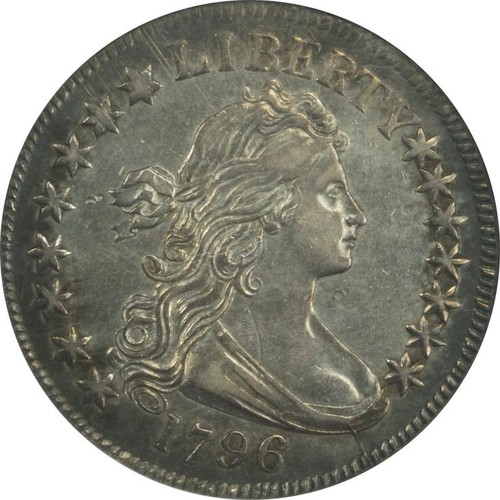
Draped Bust Half Dollar
Early U.S. silver fifty-cent piece of 1796–1807. The pictured 1796 Small Eagle with 15 stars is among the rarest of all American coins.
Half Dollar