
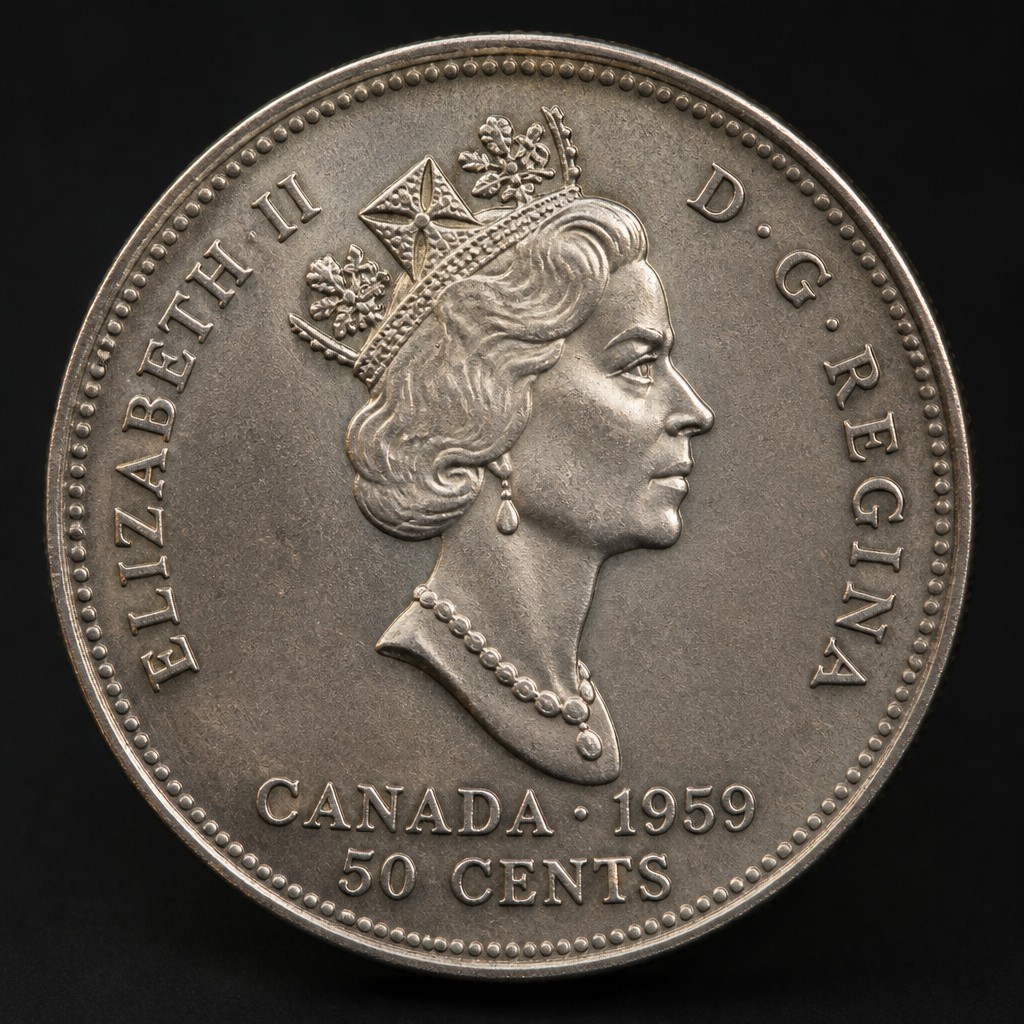
Coat of Arms Fifty Cents (Elizabeth II)
Canada's modern fifty-cent piece, showing the Canadian coat of arms on the reverse since 1959 under successive obverse portraits of Queen Elizabeth II and, later, King Charles III.
- Country
- Canada
- Denomination
- Fifty Cents
- Metal
- 80% Silver (1959–1967); Nickel (1968–1999); Nickel-plated Steel (2000–present)
Got a coin like this?
Identify any coin from a photo, free.
Overview
The Coat of Arms fifty-cent coin has been the standard Canadian half dollar since 1959, replacing the older shield-and-wreath reverse with a more elaborate rendering of the full Canadian coat of arms. Unlike most other circulating Canadian denominations, the fifty-cent coin sees relatively little everyday commercial use, making it something of a semi-key piece that many Canadians rarely encounter in change.
Because mintages for many dates are comparatively low, and because collectors often had to specifically request the coin from banks or purchase it in mint sets, the series includes a number of genuinely scarce dates alongside more common years.
History & Background
The redesigned reverse was created by Canadian artist and engraver Thomas Shingles, whose detailed depiction of the Royal Arms of Canada replaced the simpler shield design used for decades prior. It was introduced in 1959, early in Queen Elizabeth II's reign, and has remained the standard reverse design for the denomination ever since, aside from minor updates to the coat of arms itself in 1994 to reflect the modern heraldic version.
Over the following decades the coin's composition changed along with the rest of Canada's coinage: silver through 1967, pure nickel from 1968 to 1999, and nickel-plated steel from 2000 onward, tracking the same metallurgical shifts seen across Canada's circulating coins.
How to Identify
The obverse carries the standard Canadian portrait of the reigning monarch used on coinage of the corresponding period, while the reverse shows the full Canadian coat of arms, including the shield, supporters, crown, and motto "A MARI USQUE AD MARE," surrounded by "50 CENTS" and "CANADA."
Earlier silver examples (1959–1967) have the same general weight and slightly warmer tone as other Canadian silver coins of the era, while nickel and nickel-plated steel issues are lighter and brighter. Because the coin is not needed for everyday change, most surviving pieces from any era tend to be well preserved.
Mint mark and composition differences are generally identified by date rather than any visible mark, since Canadian coins of this era do not typically carry mint marks.
Value & Collectibility
Common recent-date fifty-cent coins are generally worth close to face value in worn condition, since collector demand is modest for the most plentiful years. Silver-era coins (1959–1967) carry a base value tied to their silver content, with a modest numismatic premium for better condition.
A number of lower-mintage dates from the nickel and steel eras are considerably scarcer than the coin's low general profile might suggest, and these can command real premiums among specialists who track the denomination closely.
Frequently asked questions
Why don't I see fifty-cent coins in everyday change?
Canada's fifty-cent piece has low commercial demand and is mainly distributed through banks and mint sets rather than general circulation.
Who designed the coat of arms reverse?
Canadian engraver Thomas Shingles created the design introduced in 1959.
What is the coin made of today?
Modern issues since 2000 are struck in nickel-plated steel.
Are all coat of arms fifty-cent coins common?
No, several lower-mintage dates are notably scarcer than typical years despite the coin's overall low profile.
Other coins you may enjoy
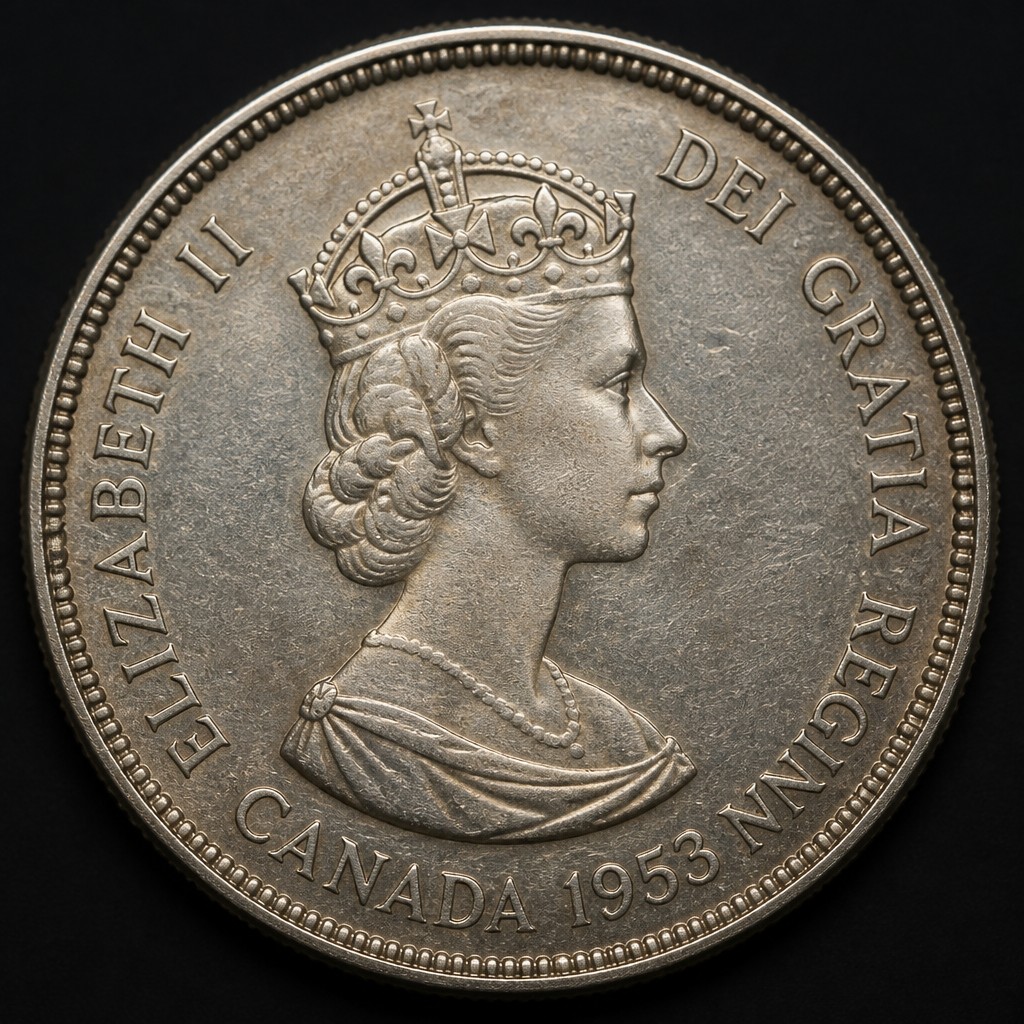
1953 Coronation Voyageur Dollar
1953
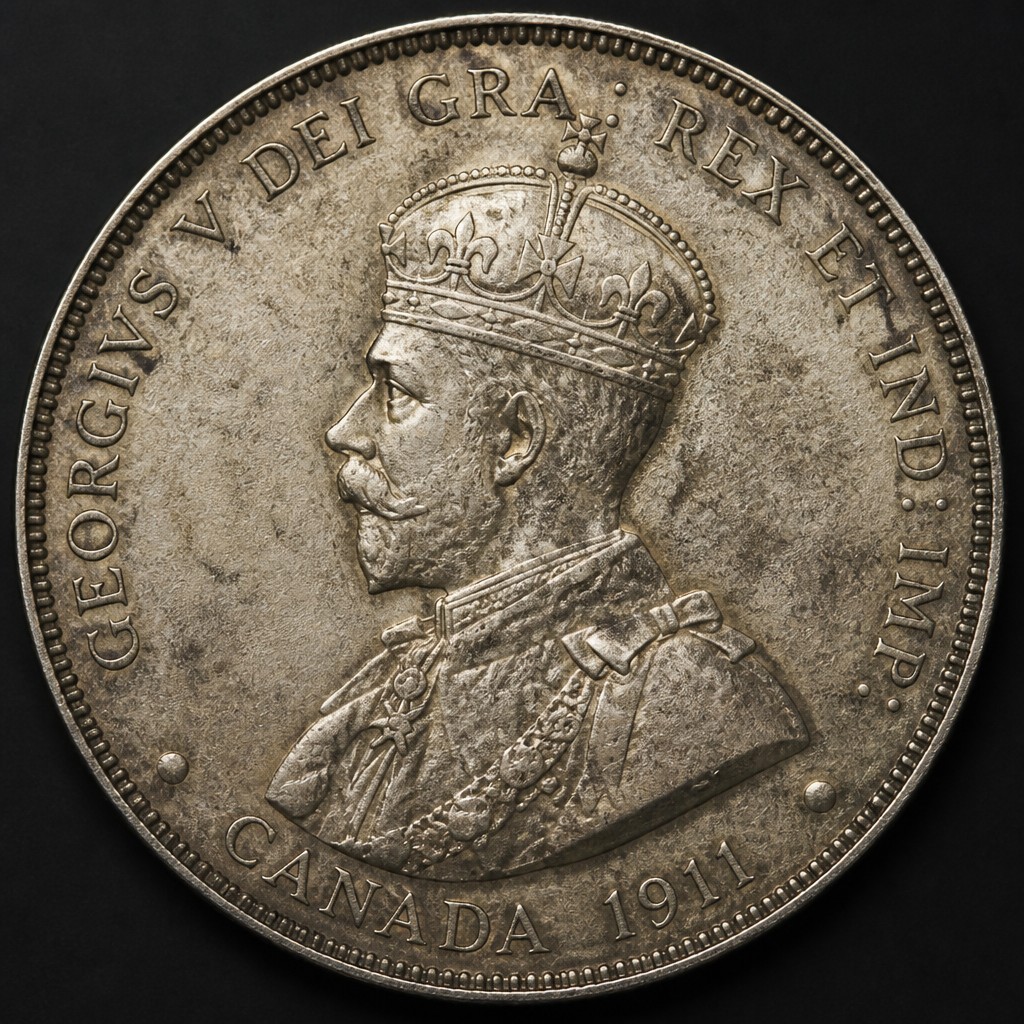
1911 Canadian Silver Dollar (Pattern)
1911
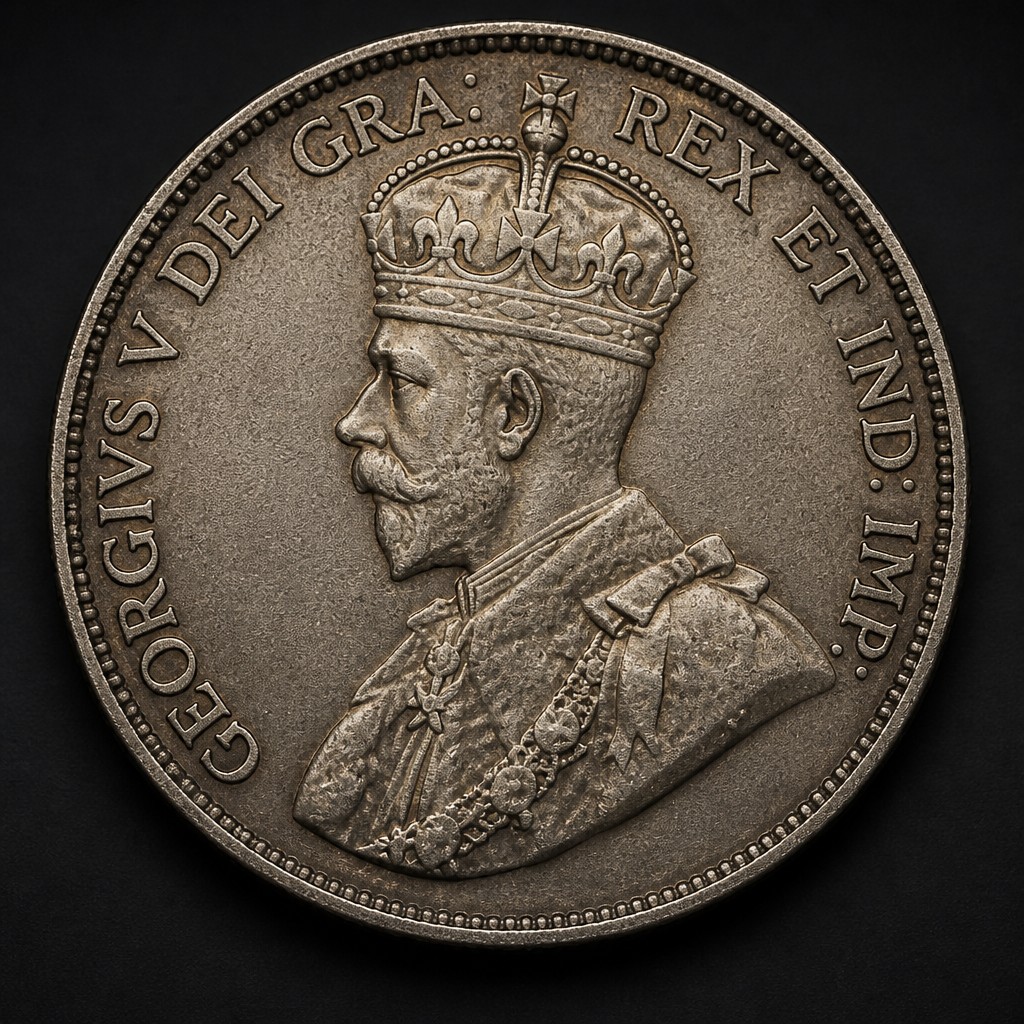
George V Twenty-Five Cents (silver)
1911–1936
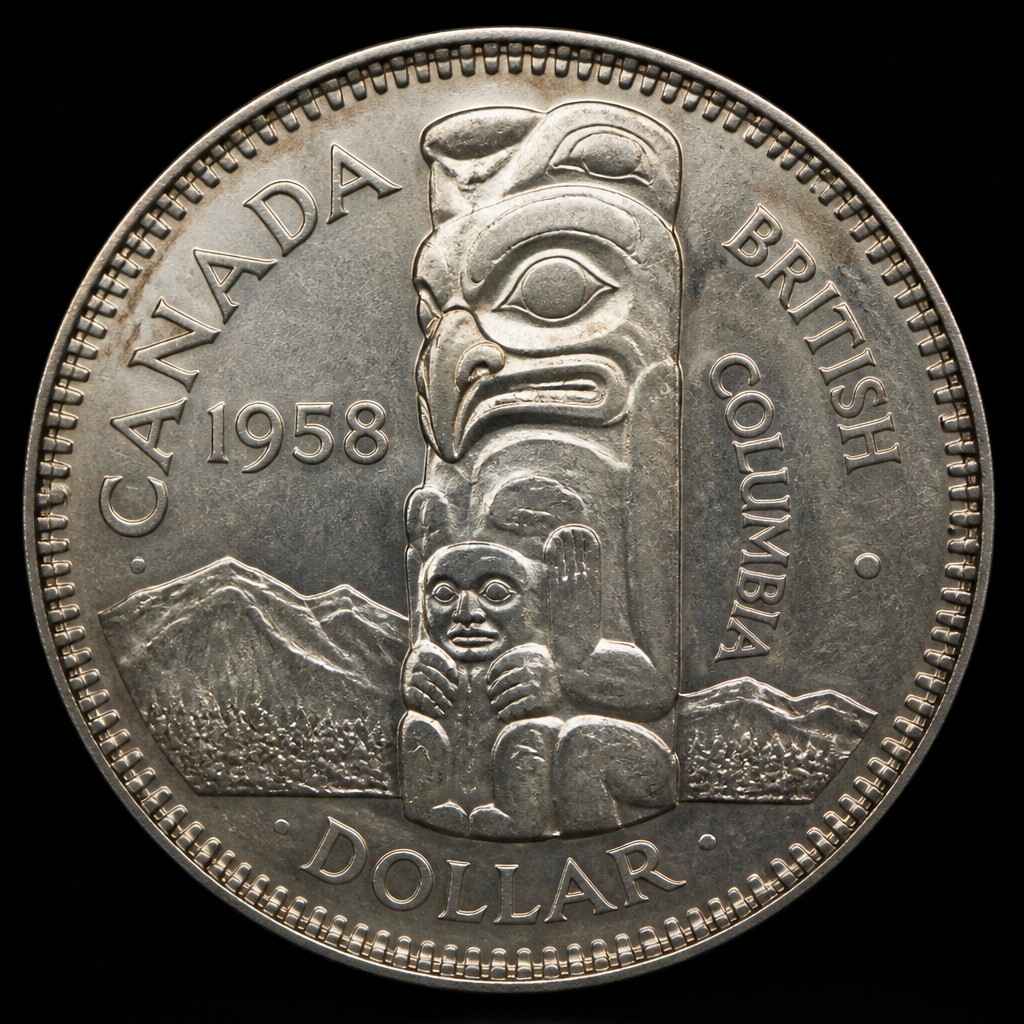
1958 British Columbia Totem Pole Dollar
1958
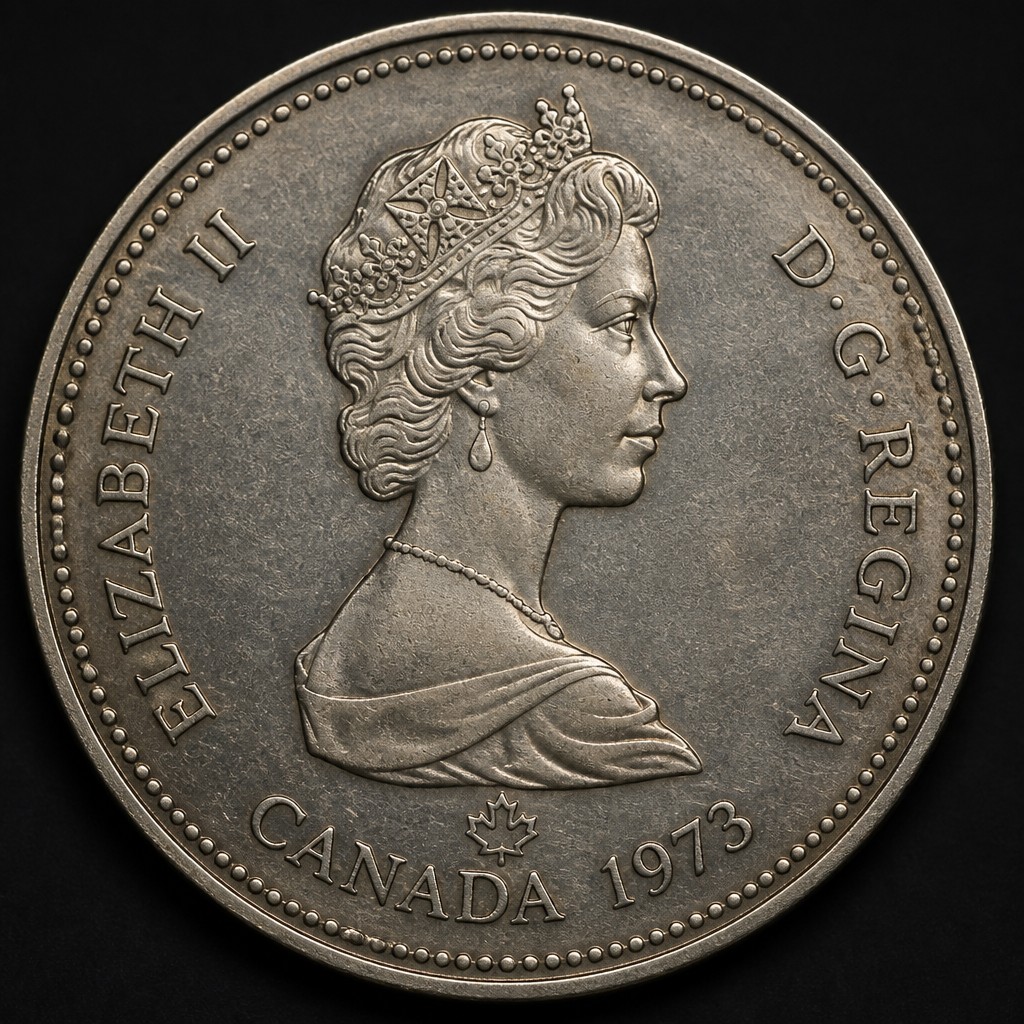
1973 RCMP Centennial Dollar
1973
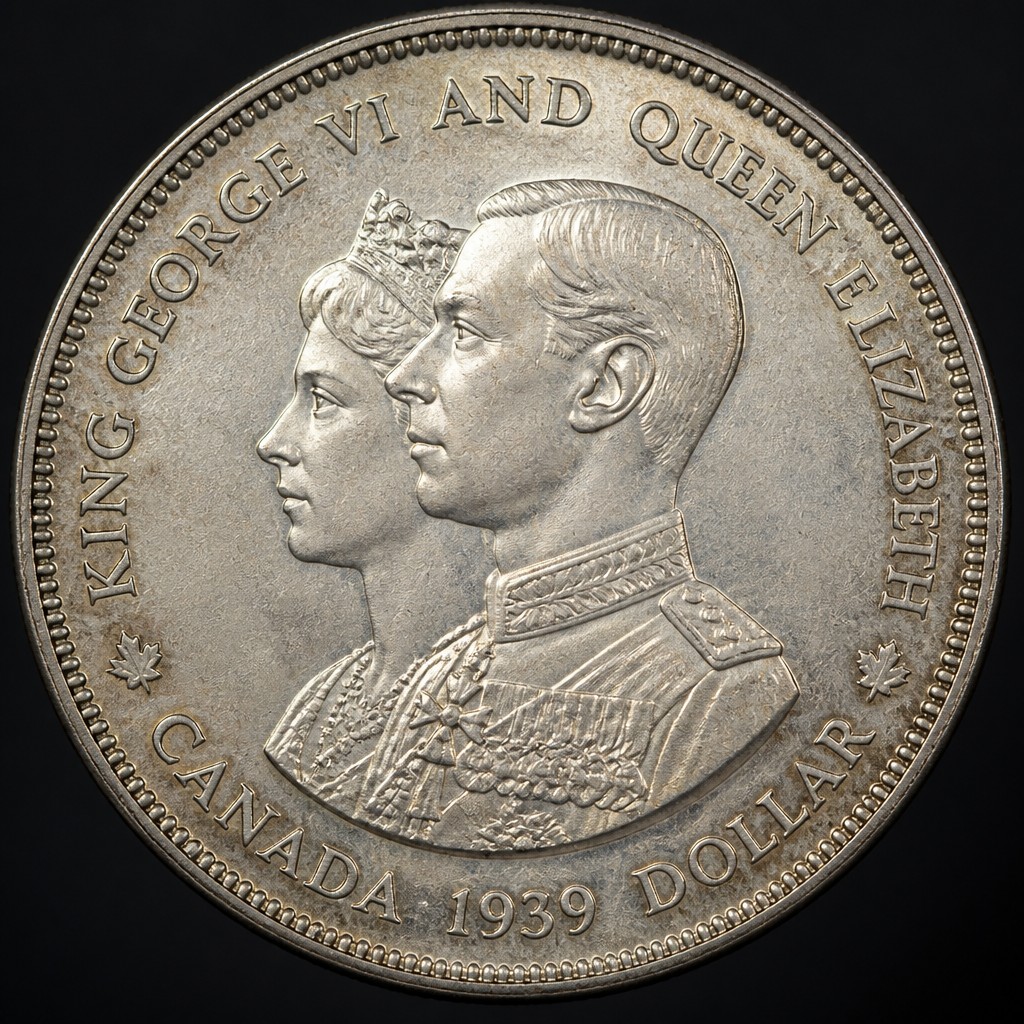
1939 Royal Visit Silver Dollar (Parliament)
1939
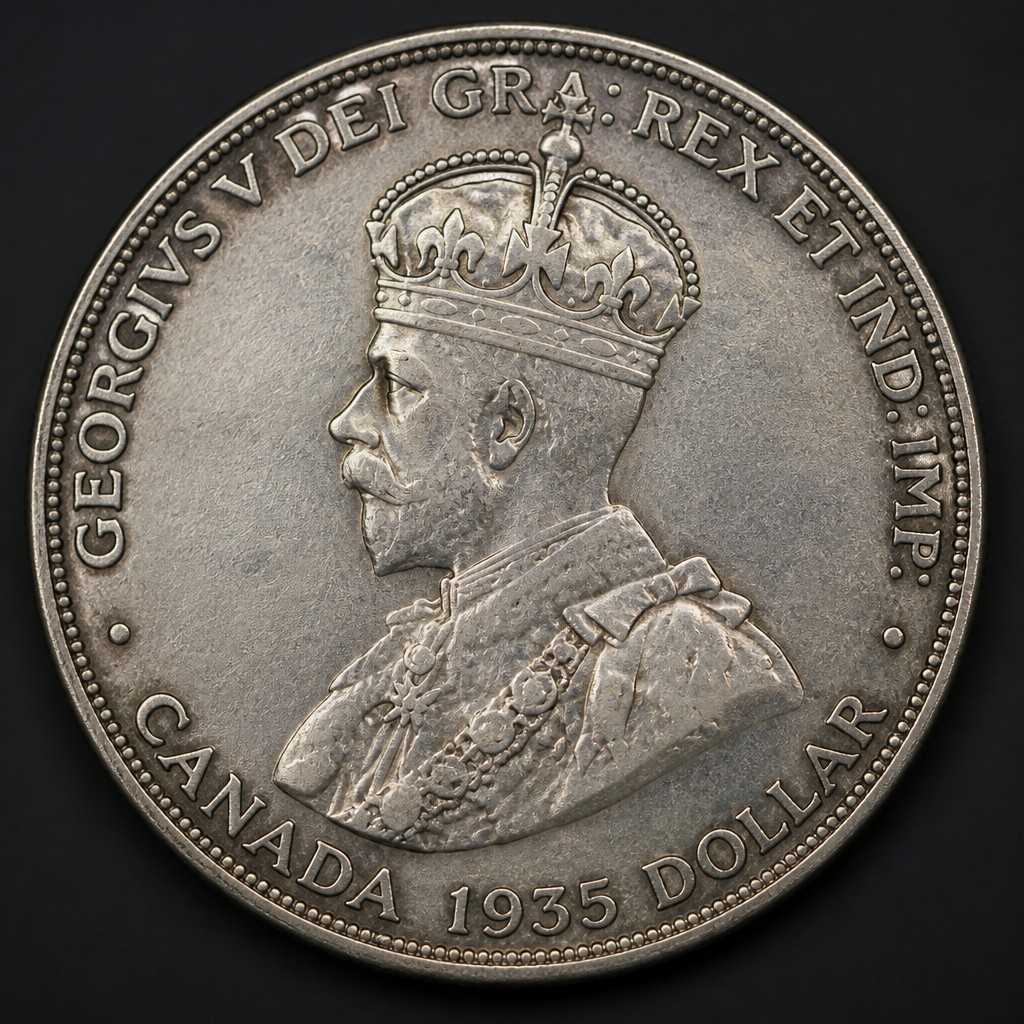
1935 George V Silver Jubilee Dollar (Voyageur)
1935
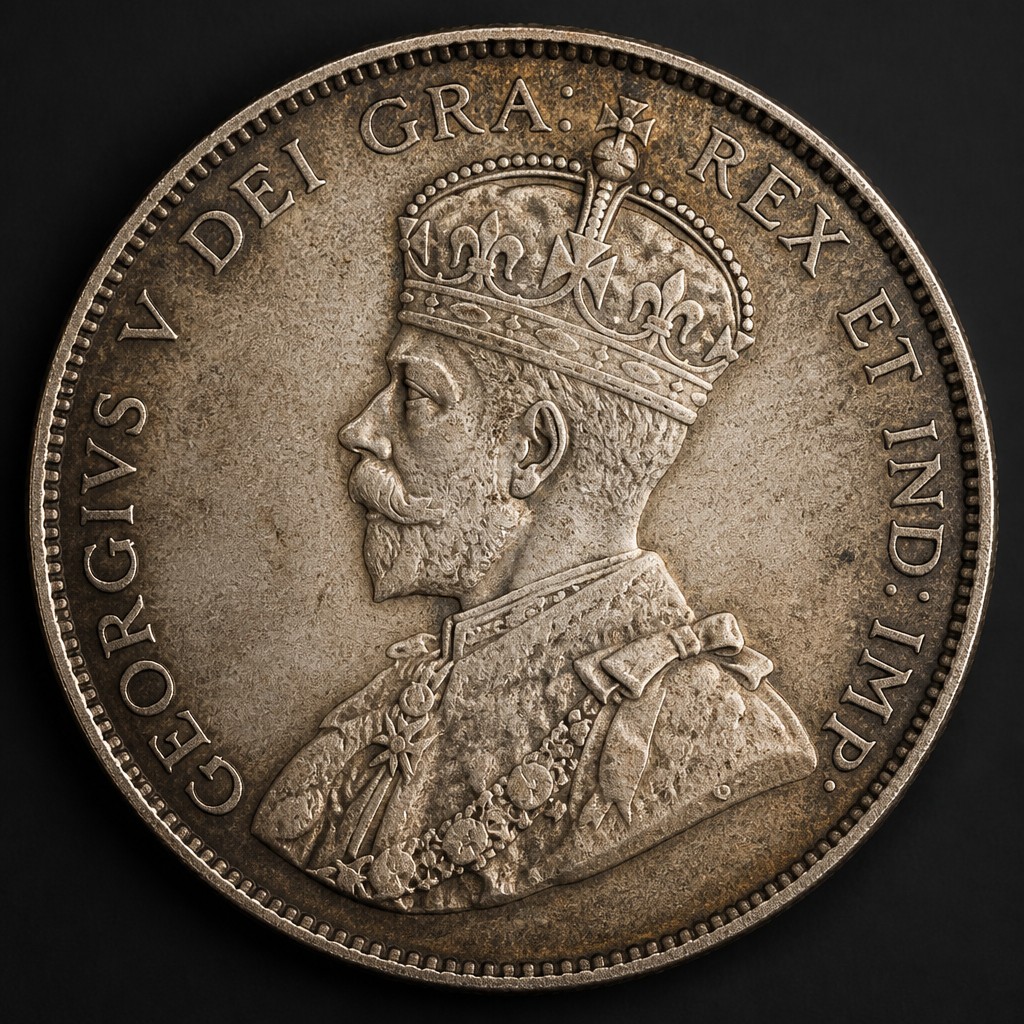
1921 Fifty Cents (King of Canadian Coins)
1921
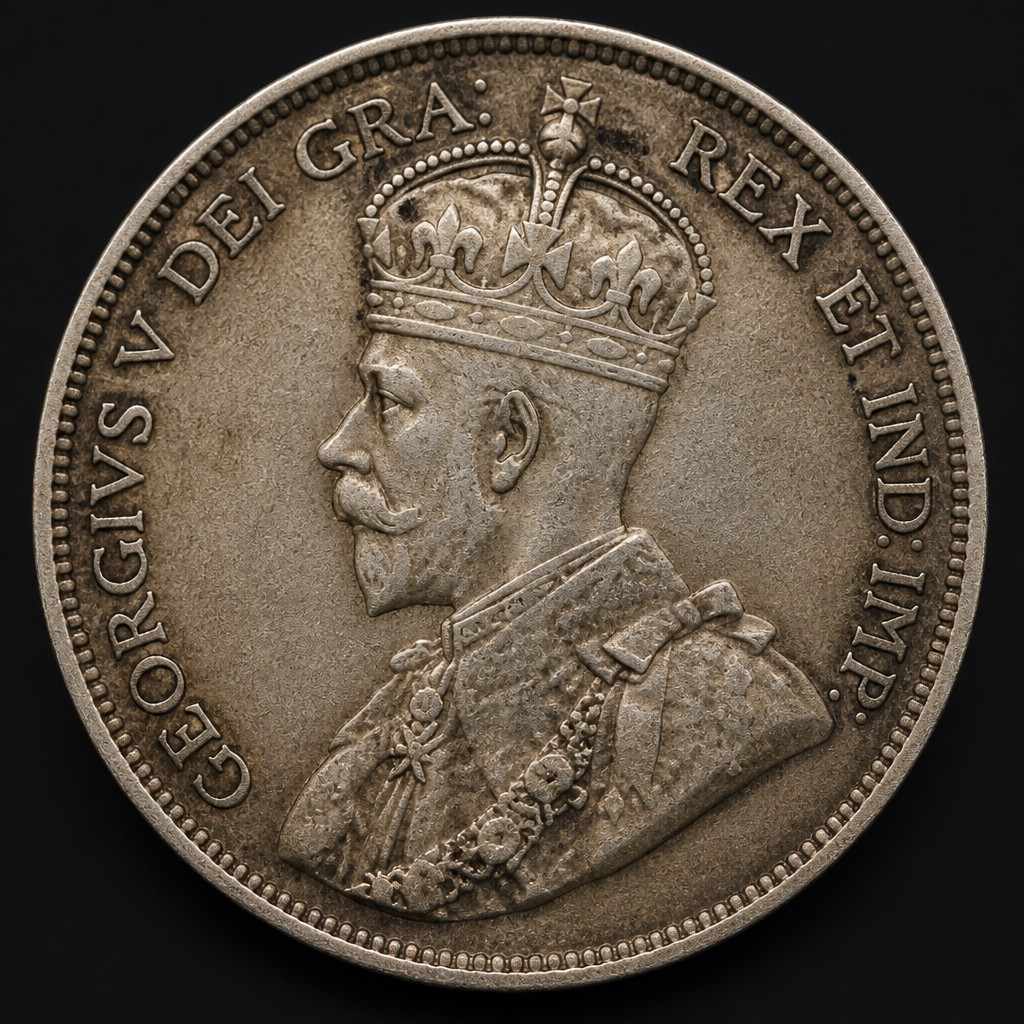
George V Fifty Cents
1911–1936
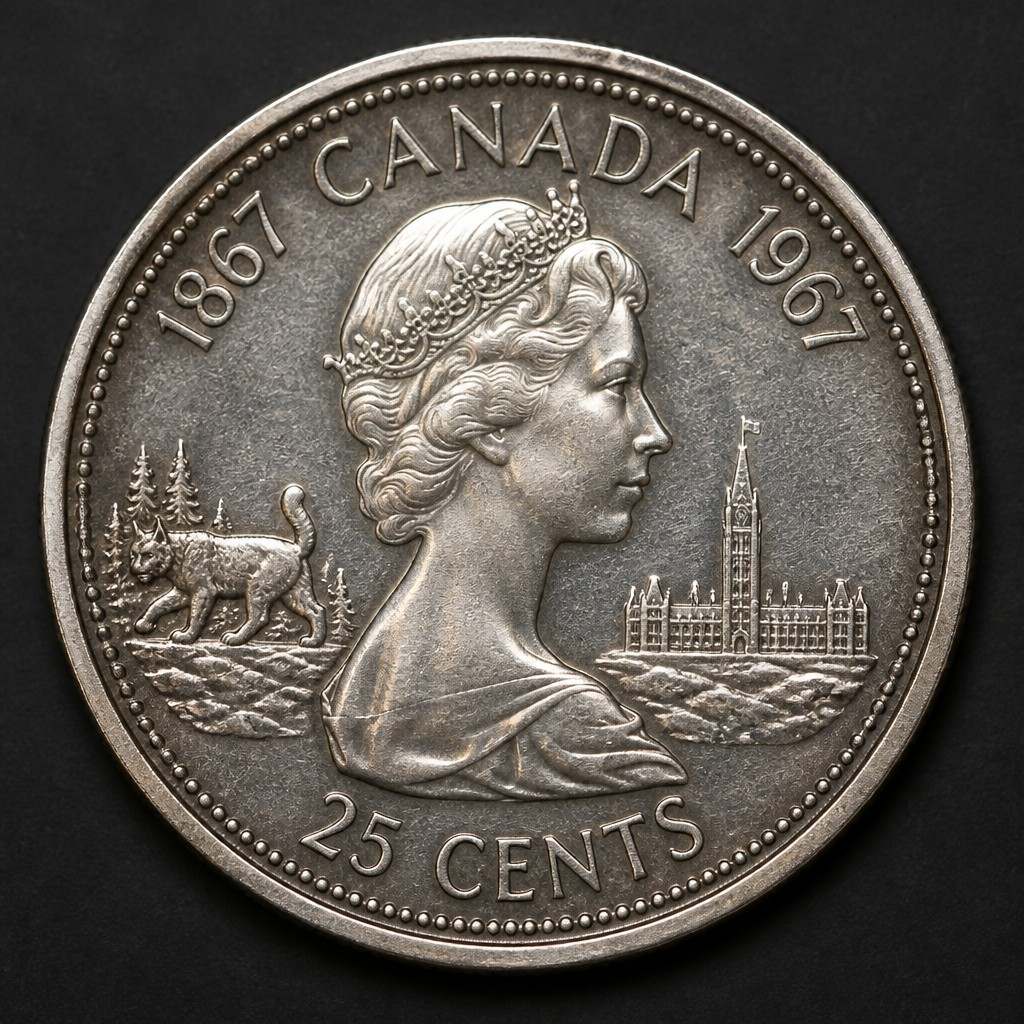
1967 Bobcat Centennial Quarter
1967
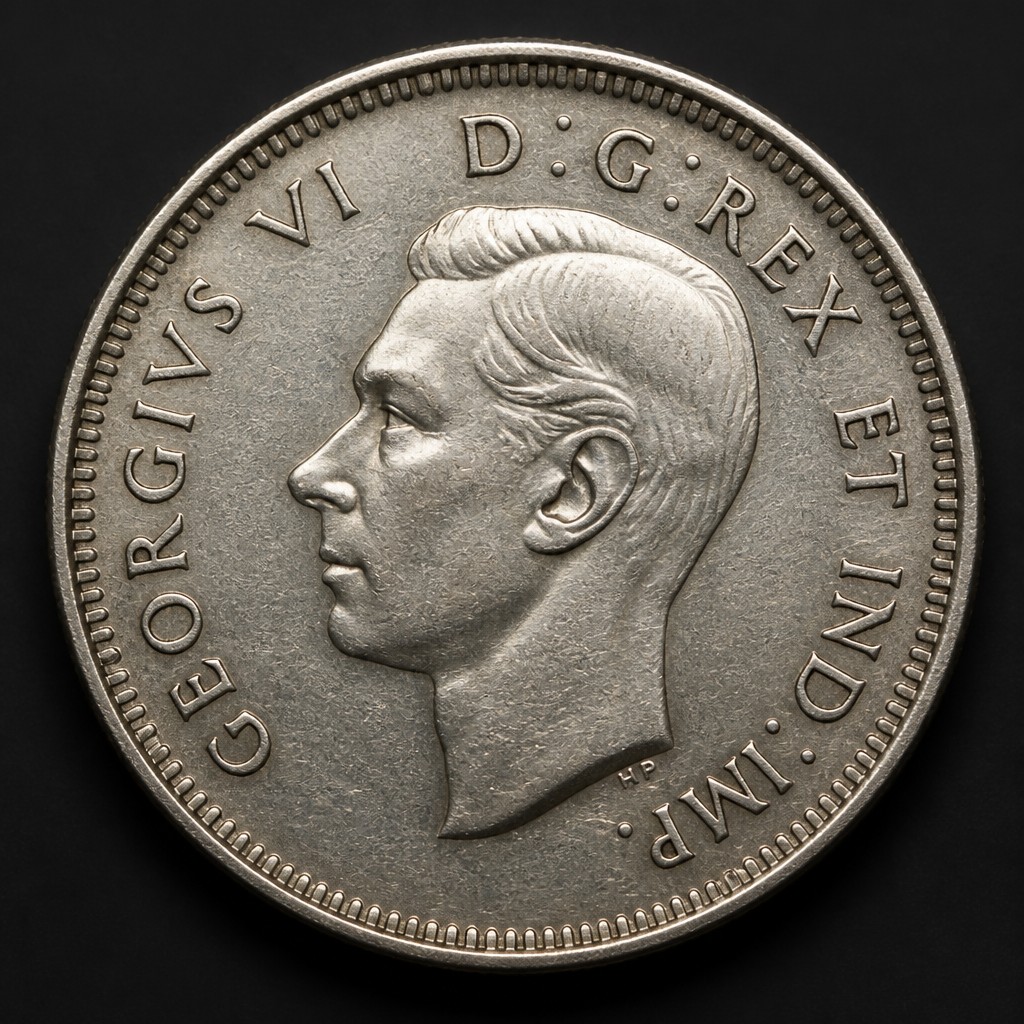
Caribou Twenty-Five Cents (quarter)
1937–present
1936 Voyageur Silver Dollar
1936