
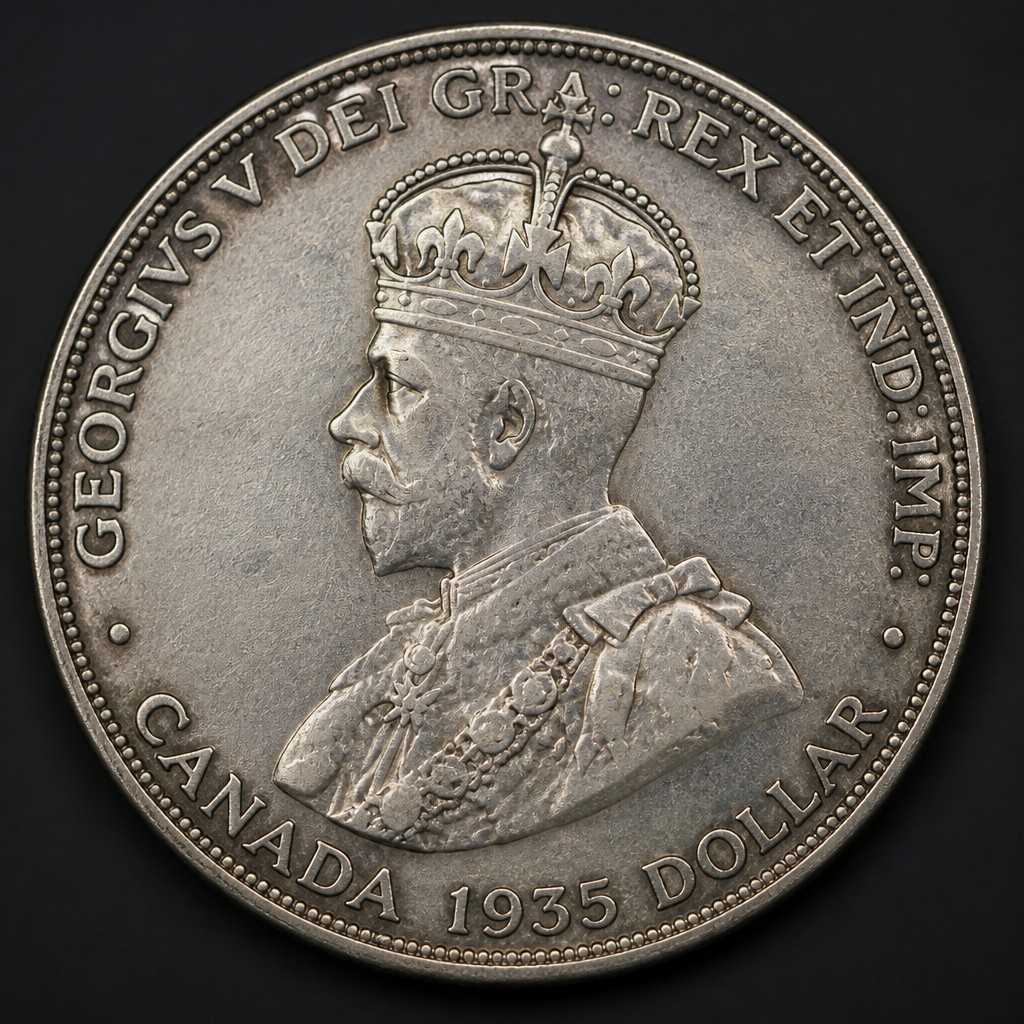
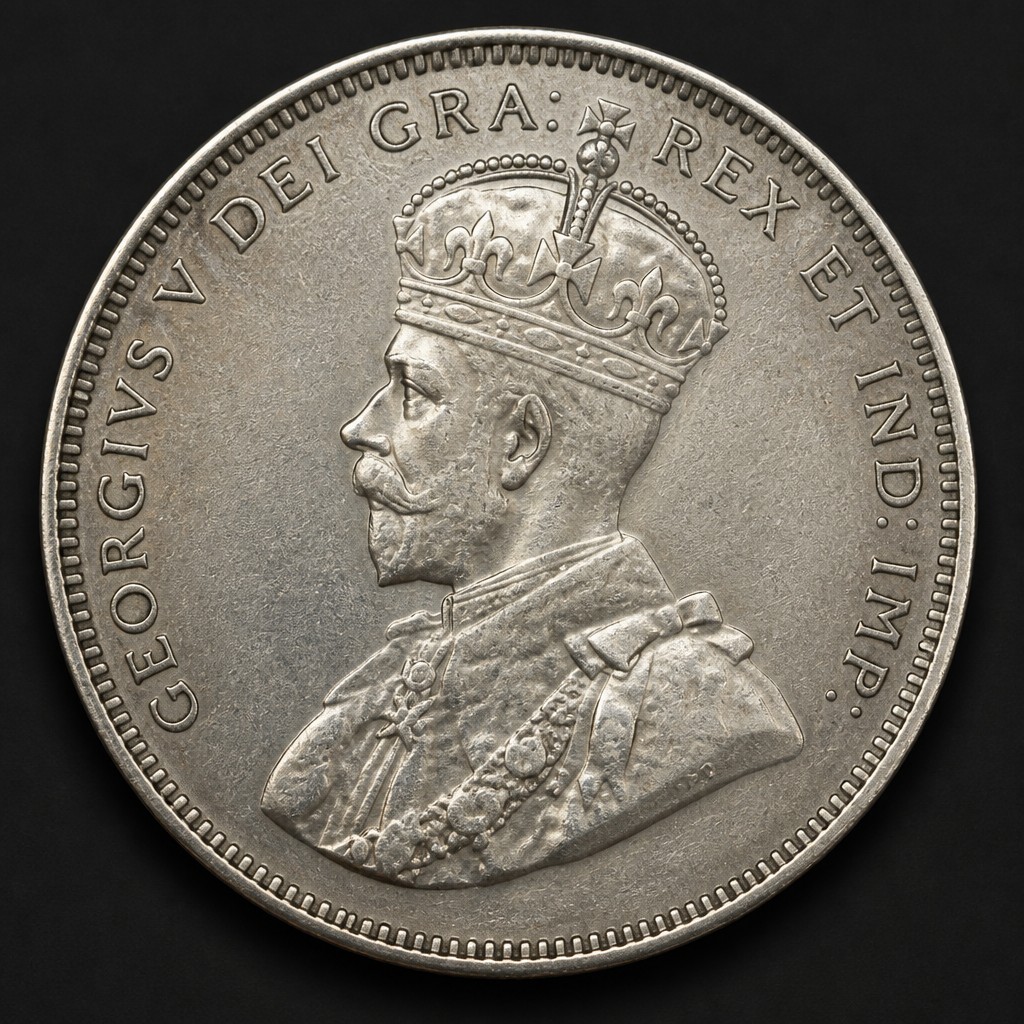
1935 George V Silver Jubilee Dollar (Voyageur)
Canada's first-ever silver dollar, struck in 1935 to mark King George V's Silver Jubilee, introducing the famous Voyageur canoe reverse design.
- Country
- Canada
- Denomination
- One Dollar
- Metal
- 80% Silver
Got a coin like this?
Identify any coin from a photo, free.
Overview
The 1935 dollar holds a special place in Canadian numismatics as the very first silver dollar issued by the Dominion of Canada, minted to commemorate the twenty-fifth anniversary, or Silver Jubilee, of King George V's accession to the throne. Its reverse introduced the iconic "Voyageur" design of a fur trader and Indigenous guide paddling a canoe, an image that would go on to define Canadian silver dollars for decades.
As both a one-year commemorative and the inaugural issue of an entirely new denomination for Canada, the 1935 dollar is a foundational coin for any collector building a Canadian silver dollar set.
History & Background
Until 1935, Canada had never issued a circulating silver dollar coin, relying instead on paper currency and smaller denomination coinage for larger transactions. To mark King George V's Silver Jubilee, the government authorized the striking of a special commemorative silver dollar, the first of its kind for the country.
The reverse design, generally credited to sculptor Emanuel Hahn based on a concept developed with input from others at the Mint, depicts a voyageur and an Indigenous paddler navigating a canoe loaded with trade goods, evoking Canada's fur trade history. The design proved so popular that it became the standard reverse for Canadian silver dollars in subsequent years, beginning with the 1936 issue.
How to Identify
The obverse shows King George V's portrait with the standard royal titles and the date 1935. The reverse depicts two figures paddling a canoe across water, with a small islet and northern lights in the background, and the legend "CANADA" and "ONE DOLLAR" surrounding the scene.
The coin is struck in .800 fine silver, with a diameter and weight matching the standard Canadian silver dollar specifications used from 1935 into the 1960s. It has a reeded edge typical of the denomination.
Collectors distinguish the 1935 dollar from later Voyageur dollars primarily by its date, since the design itself remained essentially the same (with minor engraving refinements) for the 1936 and subsequent issues.
Value & Collectibility
As the first-year issue of an entirely new and celebrated design, the 1935 dollar is consistently in demand and typically commands a premium over generic silver dollar values, even in circulated grades. Well-struck, high-grade, and problem-free examples are especially sought after.
While not among the rarest dates in the broader silver dollar series, its historical significance as the debut Voyageur dollar keeps steady collector interest and support for its price relative to common-date silver dollars from later years.
Frequently asked questions
Why was the 1935 dollar issued?
It commemorated the Silver Jubilee, the twenty-fifth anniversary of King George V's reign, and was Canada's first-ever silver dollar.
Who designed the Voyageur reverse?
The design is generally credited to sculptor Emanuel Hahn, drawing on Canada's fur trade history.
What is the coin's silver content?
It is struck in .800 fine silver, the Canadian standard for that period.
Did the Voyageur design continue after 1935?
Yes, it became the regular reverse design for Canadian silver dollars starting the following year, 1936.
Other coins you may enjoy
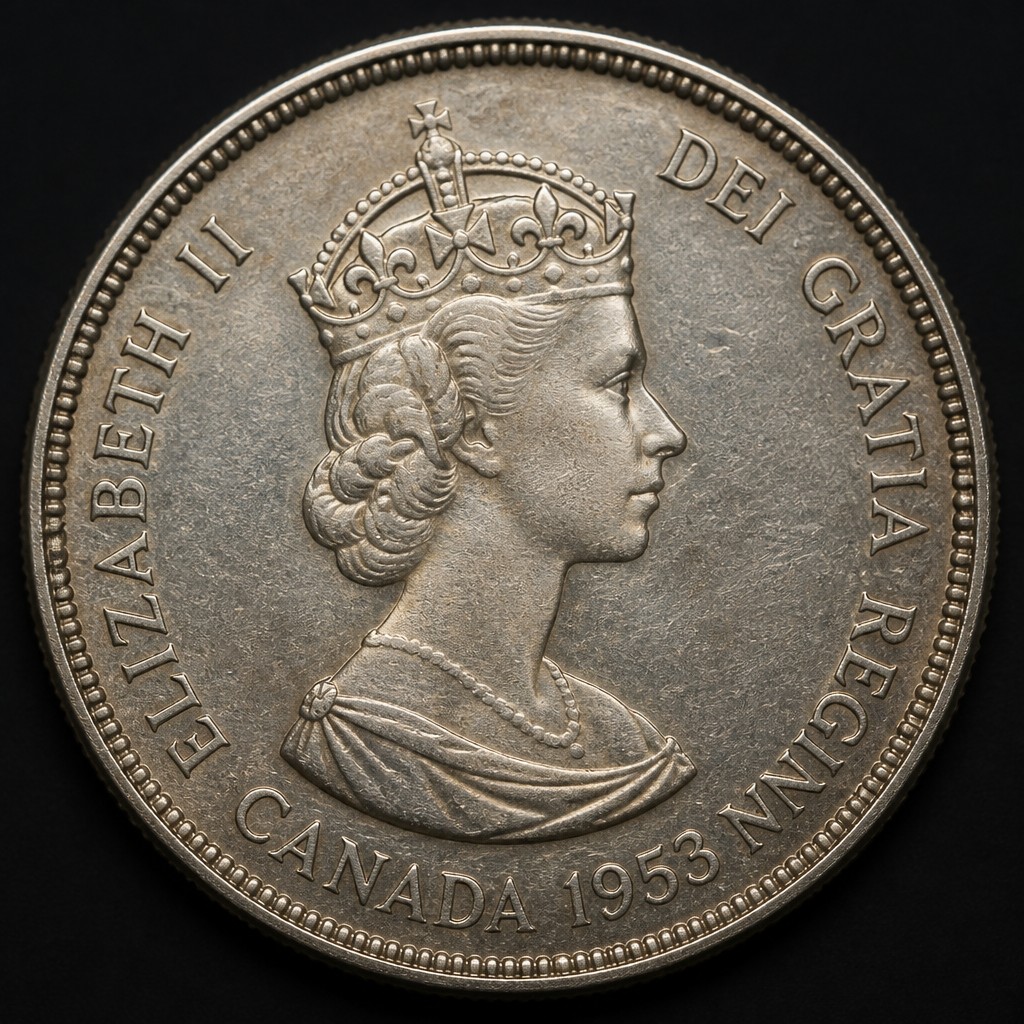
1953 Coronation Voyageur Dollar
1953
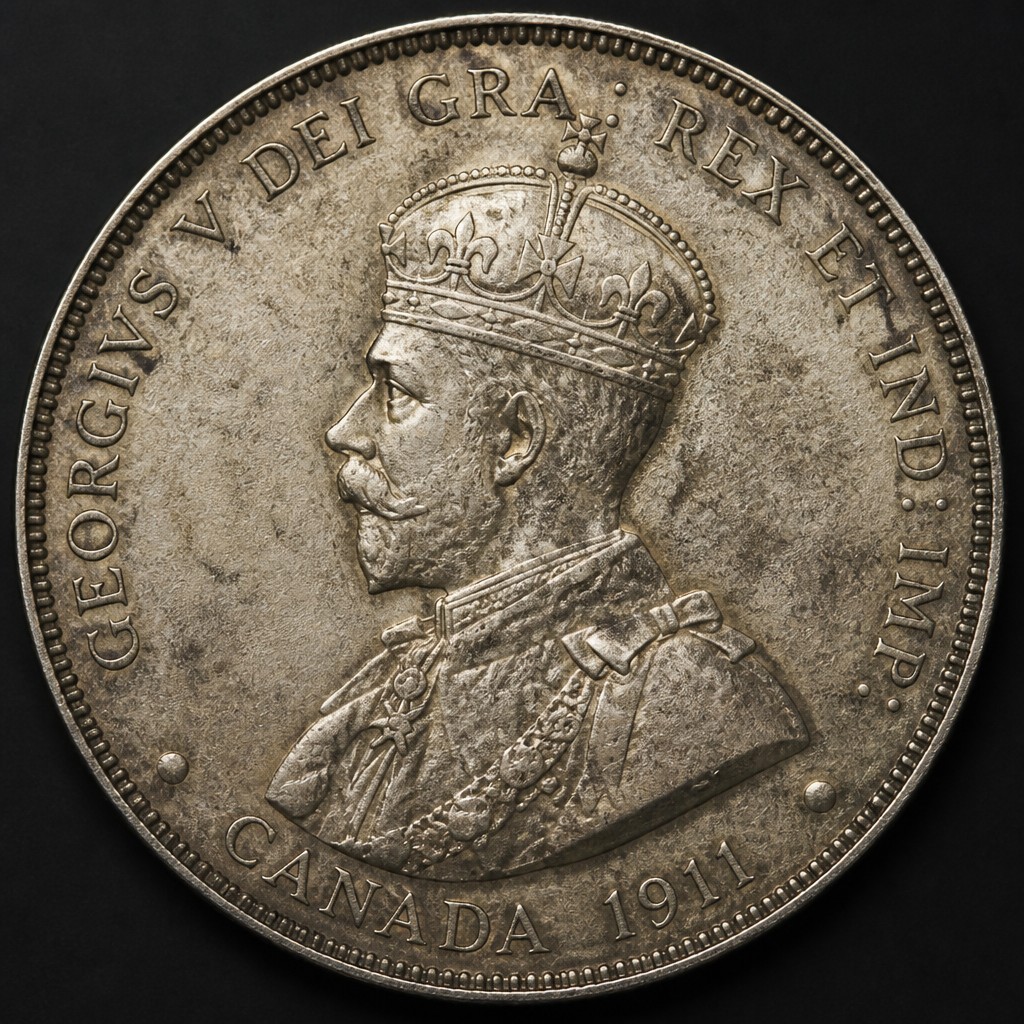
1911 Canadian Silver Dollar (Pattern)
1911
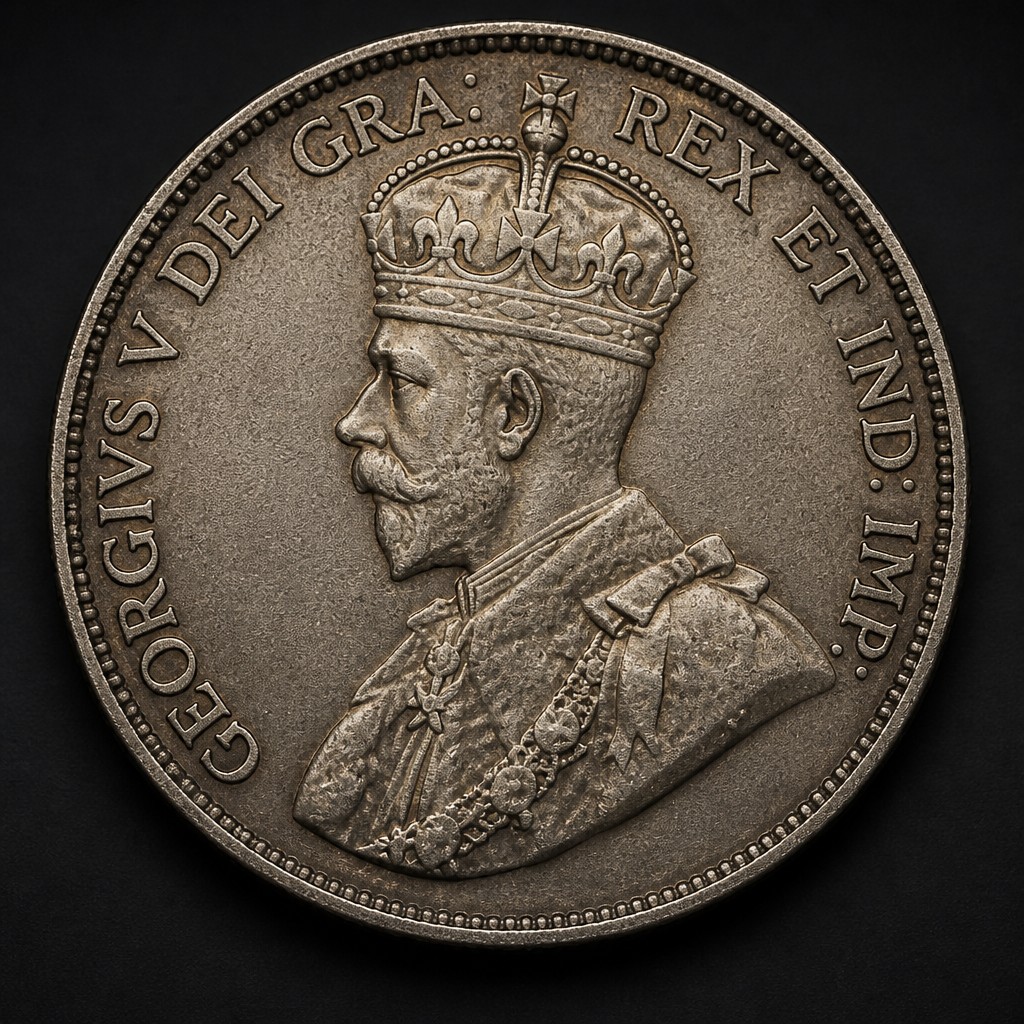
George V Twenty-Five Cents (silver)
1911–1936
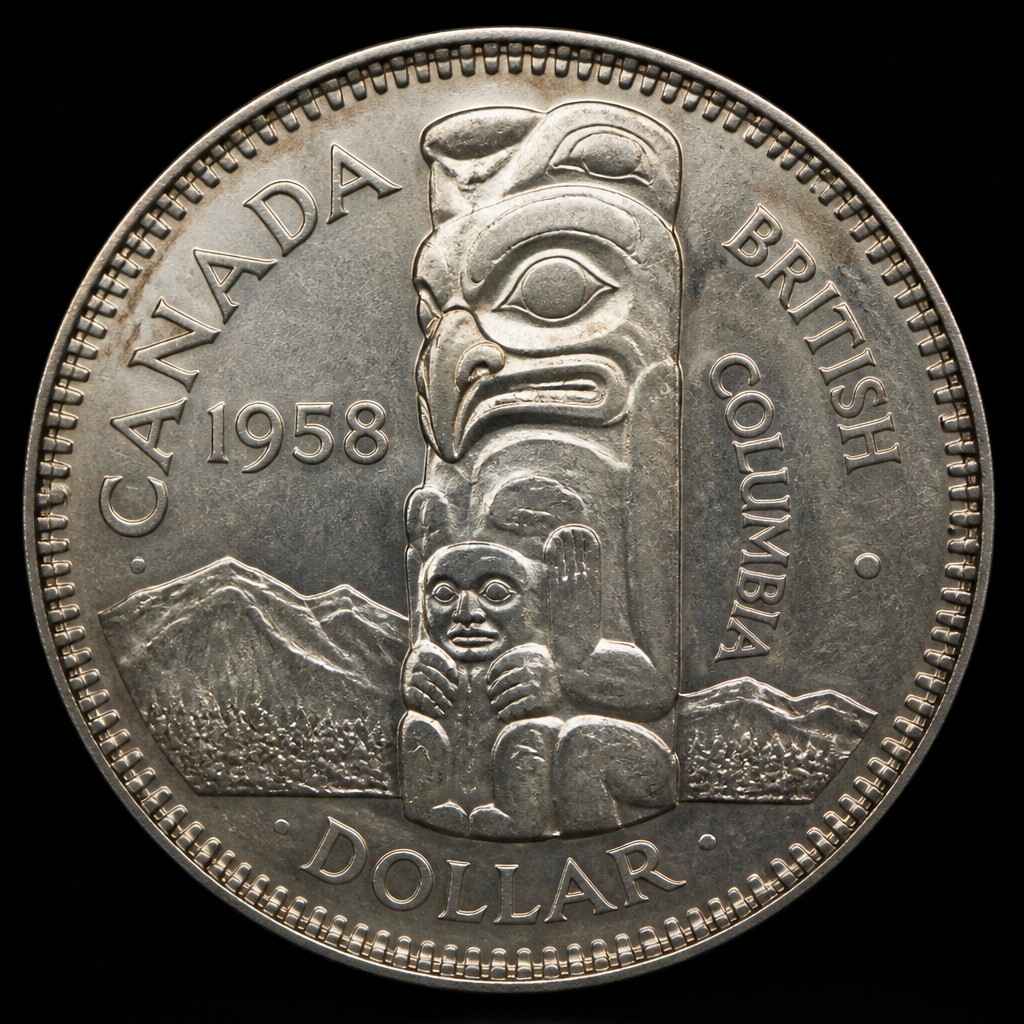
1958 British Columbia Totem Pole Dollar
1958
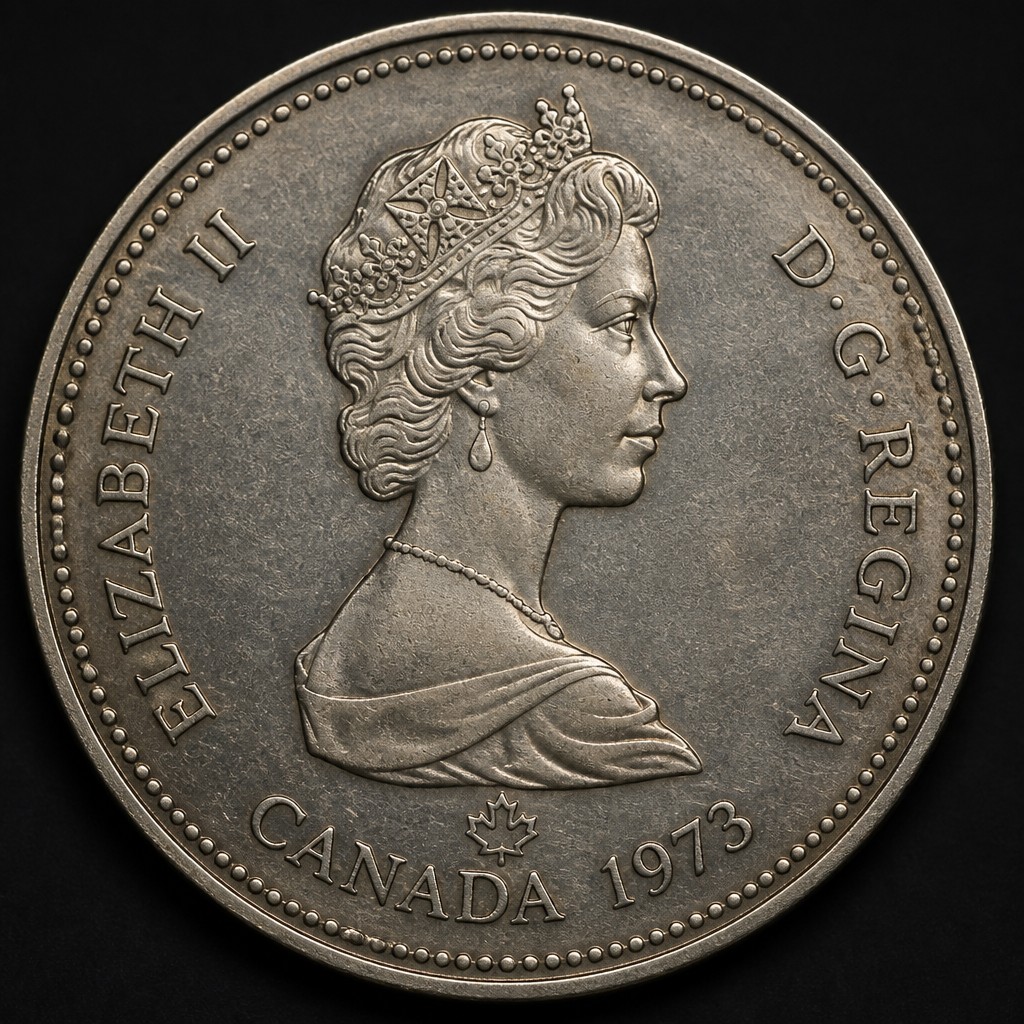
1973 RCMP Centennial Dollar
1973
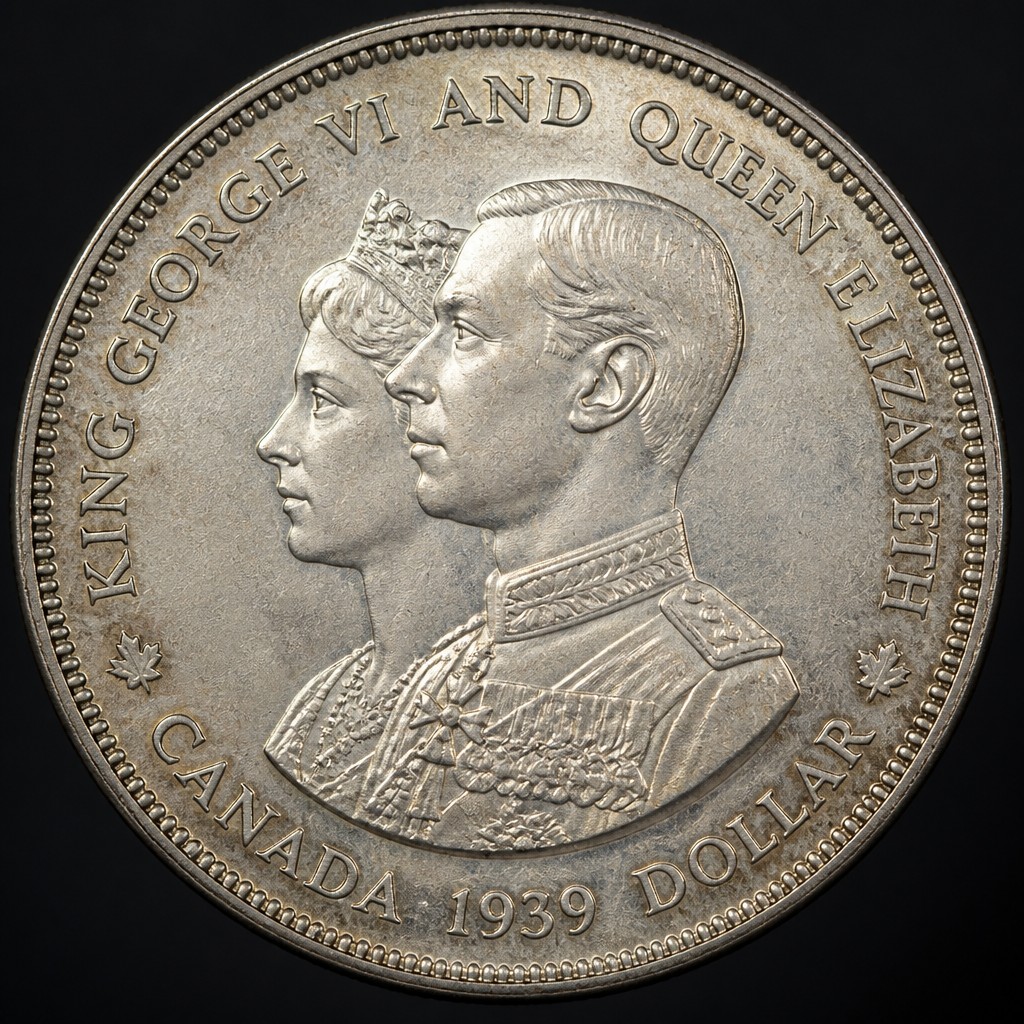
1939 Royal Visit Silver Dollar (Parliament)
1939
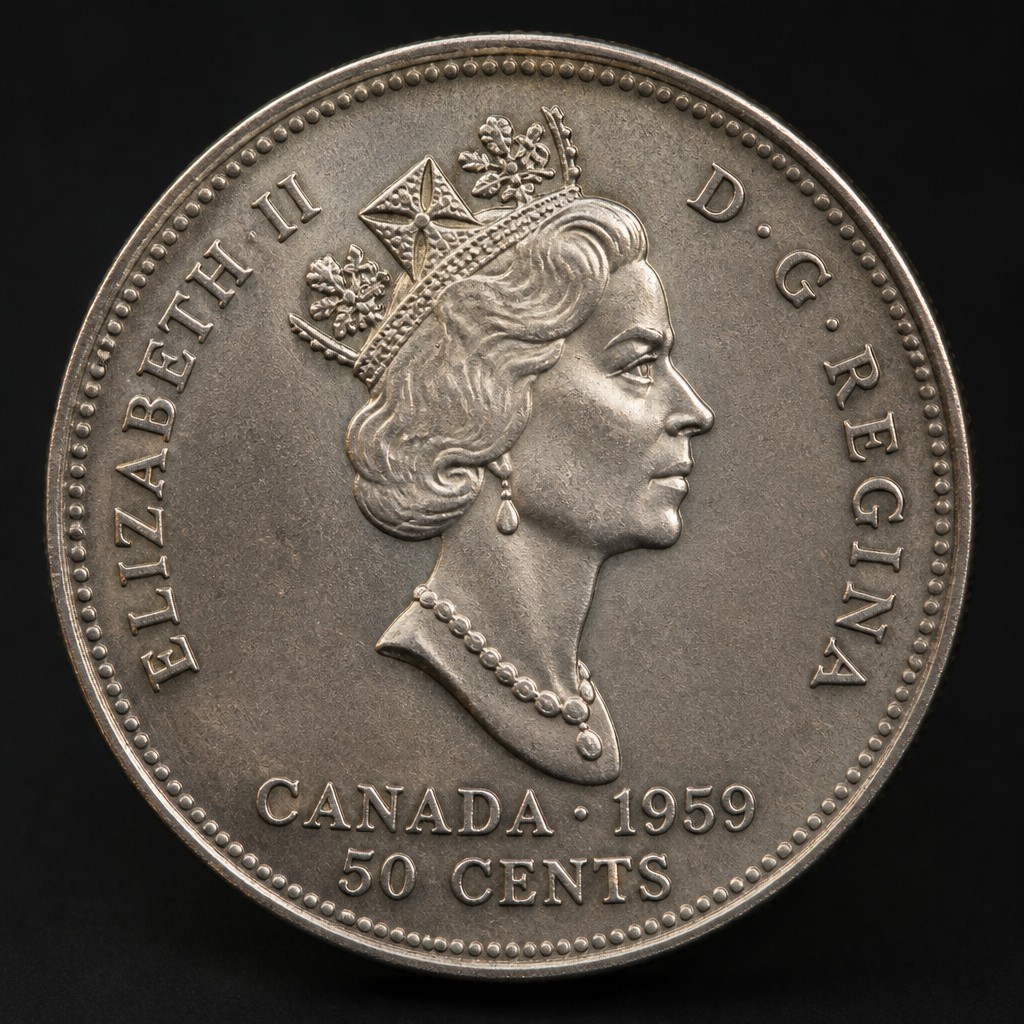
Coat of Arms Fifty Cents (Elizabeth II)
1959–present
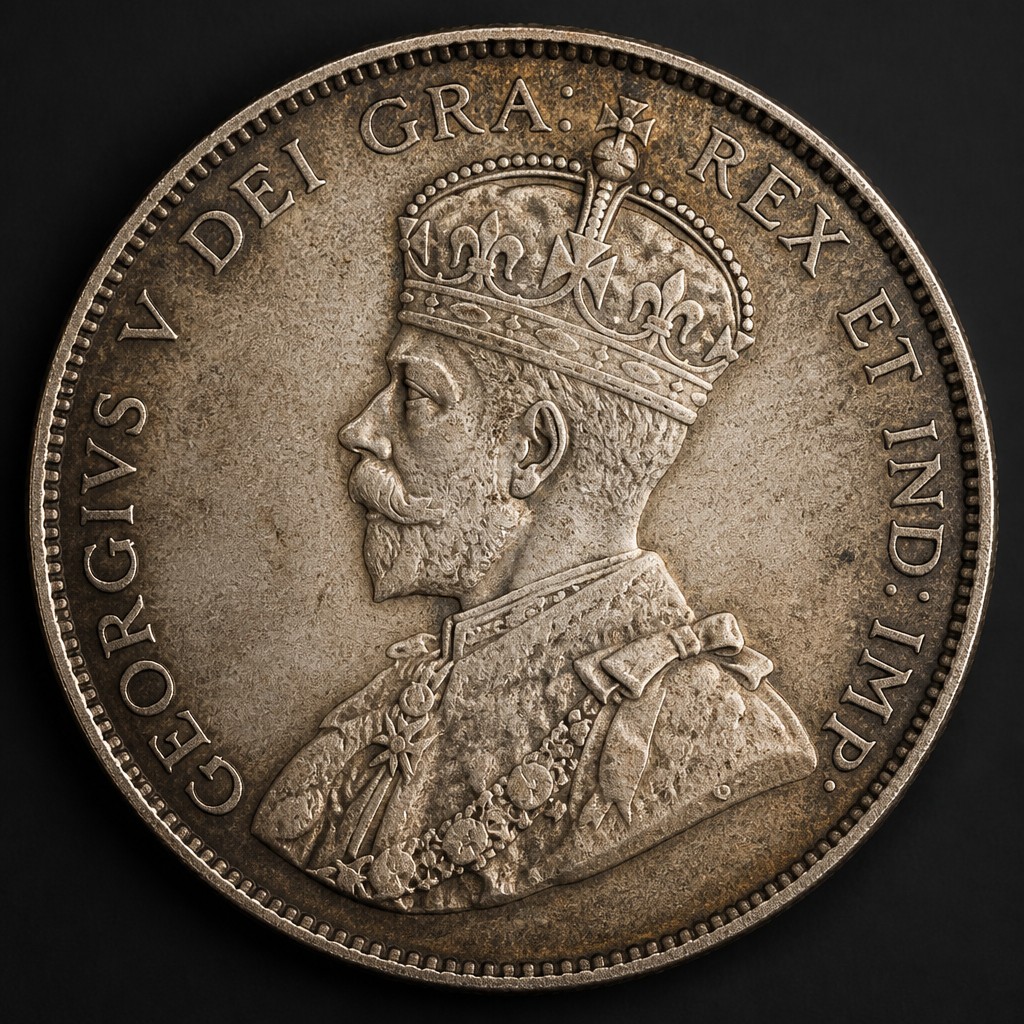
1921 Fifty Cents (King of Canadian Coins)
1921
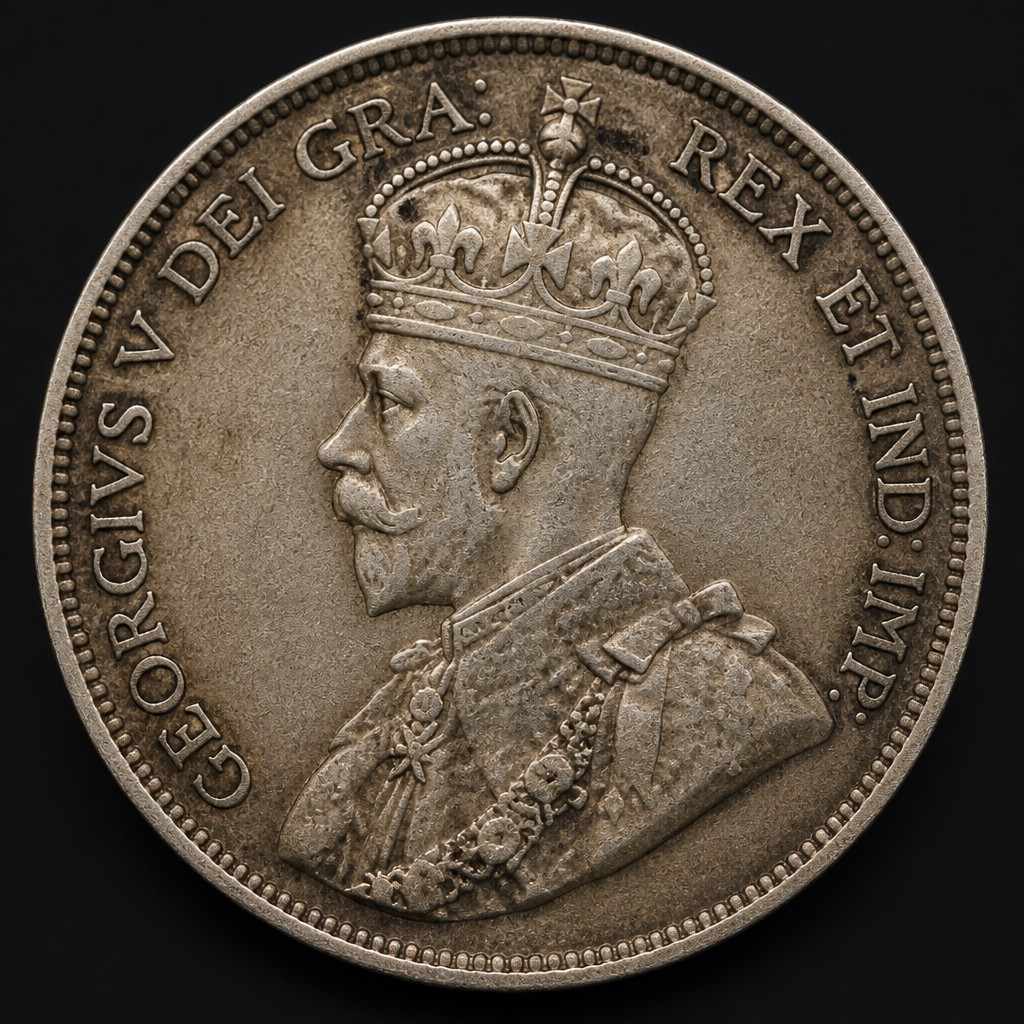
George V Fifty Cents
1911–1936
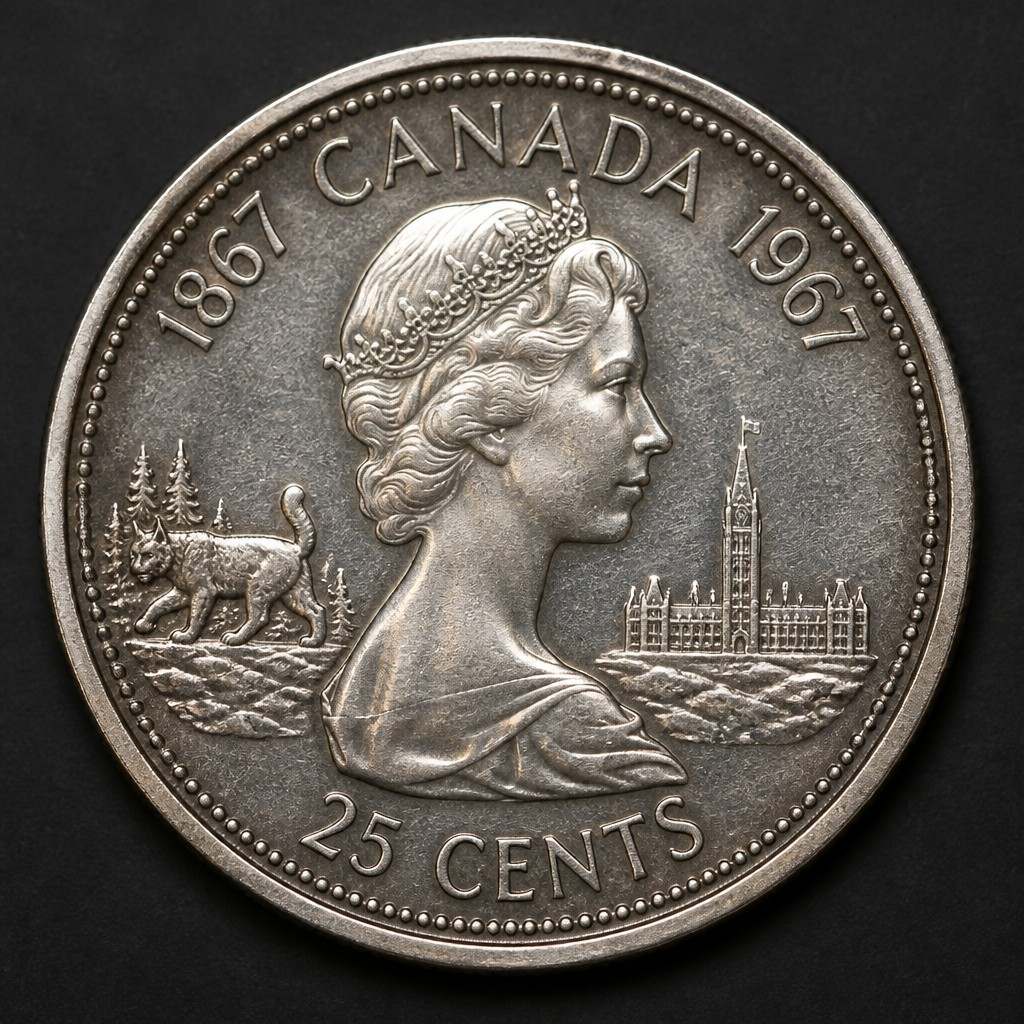
1967 Bobcat Centennial Quarter
1967
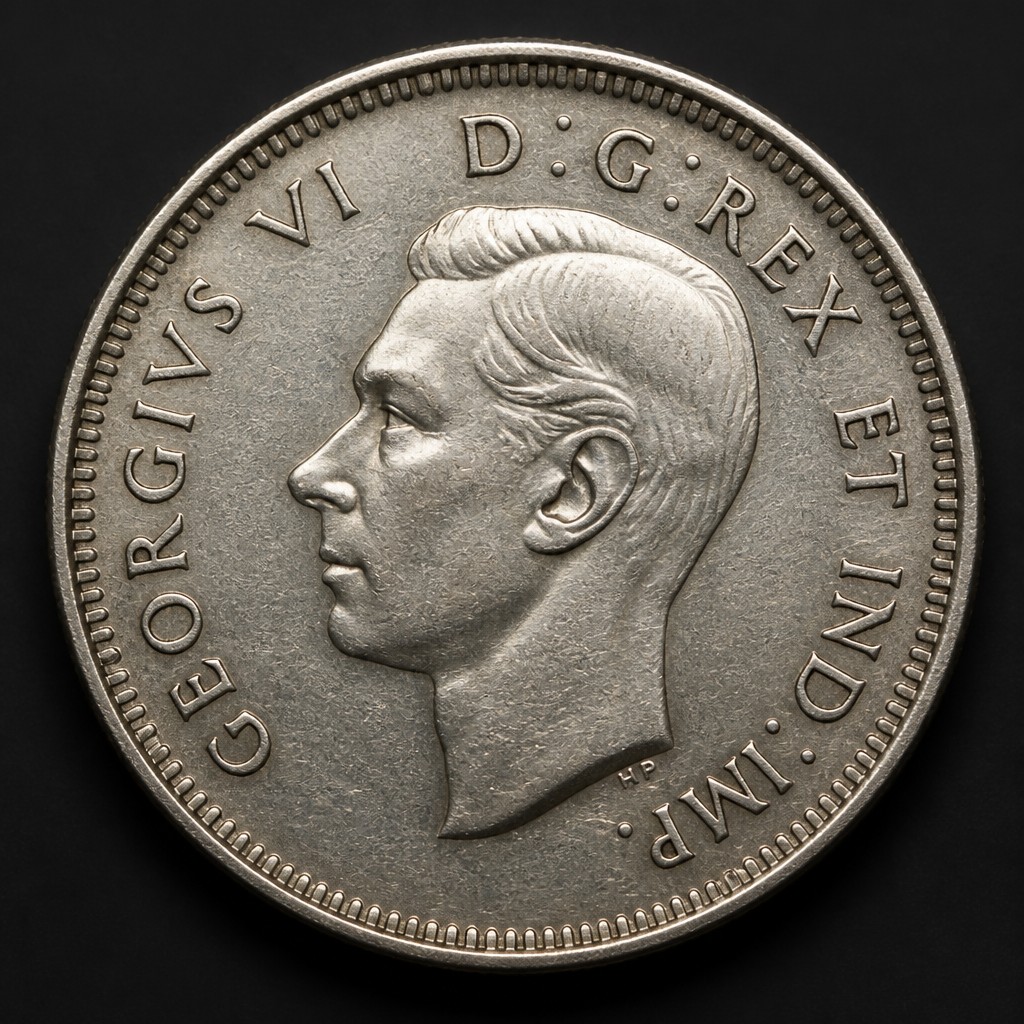
Caribou Twenty-Five Cents (quarter)
1937–present
1936 Voyageur Silver Dollar
1936