
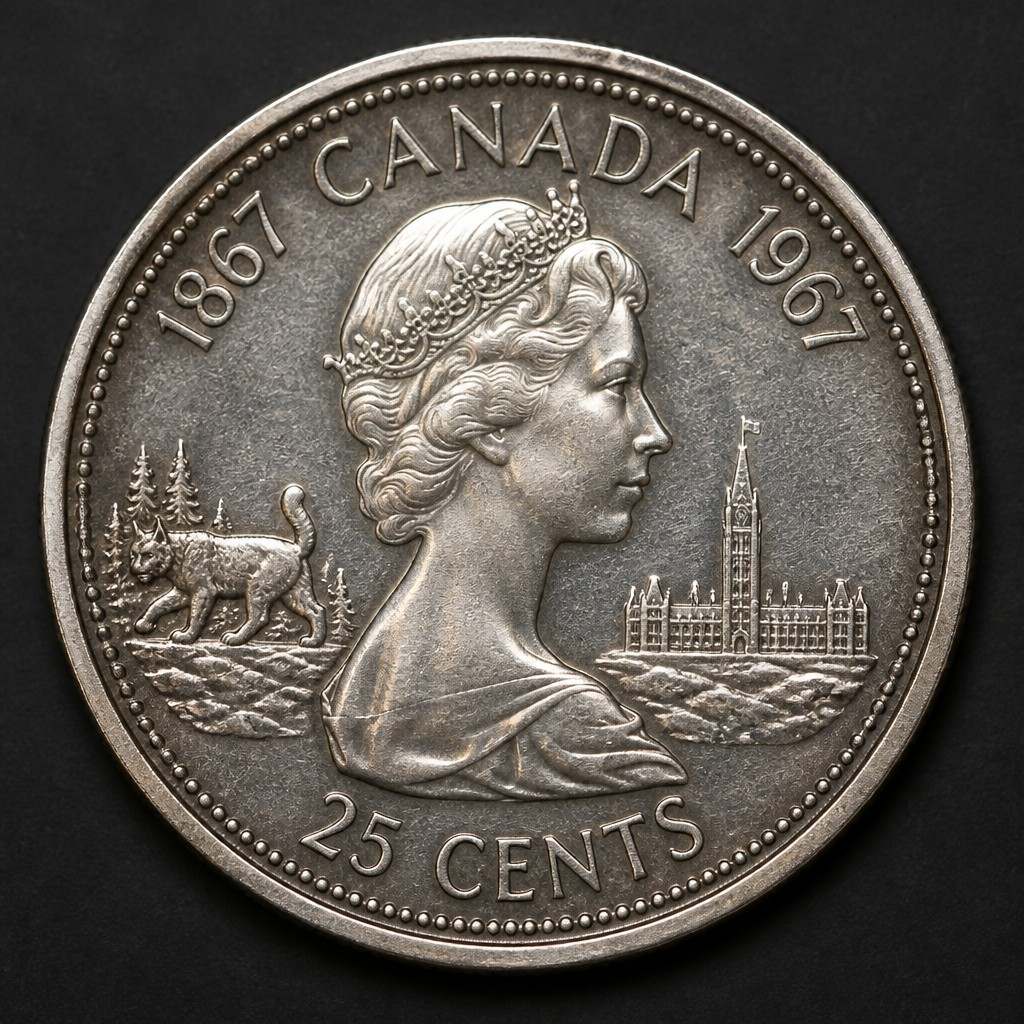
1967 Bobcat Centennial Quarter
A one-year-only Canadian quarter struck for the 1967 Centennial of Confederation, featuring a bobcat on the reverse instead of the usual caribou.
- Country
- Canada
- Denomination
- Twenty-Five Cents
- Metal
- Silver (.800 fine)
Got a coin like this?
Identify any coin from a photo, free.
Overview
For Canada's 1967 Centennial celebrations, the Royal Canadian Mint temporarily set aside its regular circulating designs and issued a full set of coins featuring native Canadian wildlife, each dual-dated 1867–1967. The twenty-five cent piece in that series depicts a bobcat (also popularly called a wildcat or lynx) in a naturalistic crouching pose.
The series was a departure from the staid heraldic and animal designs used for decades and remains one of the most fondly remembered commemorative issues in Canadian numismatics, appealing both to type collectors and to casual collectors who saved the coins from circulation in 1967.
History & Background
To mark the hundredth anniversary of Canadian Confederation, the government commissioned Canadian artist Alex Colville to design a complete set of wildlife reverses for the six circulating denominations for use during 1967 only. The bobcat quarter was part of this set, which also included a dove (cent), rabbit (five cents), mackerel (ten cents), wolf (fifty cents), and Canada goose (silver dollar).
All centennial coins were dual-dated "1867–1967" instead of a single year, marking them clearly as commemorative issues rather than the ordinary annual coinage, and no separate 1967-only mintmark or effigy changes were needed since the reverse designs themselves signaled the special occasion.
How to Identify
The obverse retains the standard Queen Elizabeth II portrait used on Canadian coinage of the era, with the dual date "1867-1967" replacing a single year. The reverse shows a bobcat in profile, crouched among stylized rocks or foliage, with "25 CENTS" and "CANADA" in the legend.
The coin is the same size, weight, and .800 fine silver composition as the regular Caribou Quarter, so identification rests entirely on the distinctive bobcat reverse and the dual date, not on any physical difference in metal or diameter.
Because millions were struck and widely saved as souvenirs, well-preserved circulated and uncirculated examples are both easy to find today.
Value & Collectibility
The 1967 centennial quarter was struck in large numbers and heavily saved by the public, so common circulated and even many uncirculated examples are inexpensive, generally trading close to silver bullion value with a modest numismatic premium.
Higher-grade, well-struck specimens and coins from official Proof-Like sets command more, and a small number of unusual die varieties from the centennial series attract specialist interest, but the coin as a type is considered affordable and accessible for beginning collectors.
Frequently asked questions
Why does the 1967 quarter show a bobcat instead of a caribou?
For Canada's Centennial in 1967, the Mint temporarily replaced regular reverse designs with a wildlife series designed by Alex Colville.
What is the coin made of?
It is struck in .800 fine silver, the same standard used for other Canadian silver quarters of the era.
Is the 1967 centennial quarter rare?
No, it was minted in large quantities and heavily saved, so it is common in most grades.
How can I tell it apart from a regular caribou quarter?
Look for the dual date '1867-1967' and the bobcat design on the reverse instead of the caribou.
Other coins you may enjoy
1953 Coronation Voyageur Dollar
1953
1911 Canadian Silver Dollar (Pattern)
1911
George V Twenty-Five Cents (silver)
1911–1936
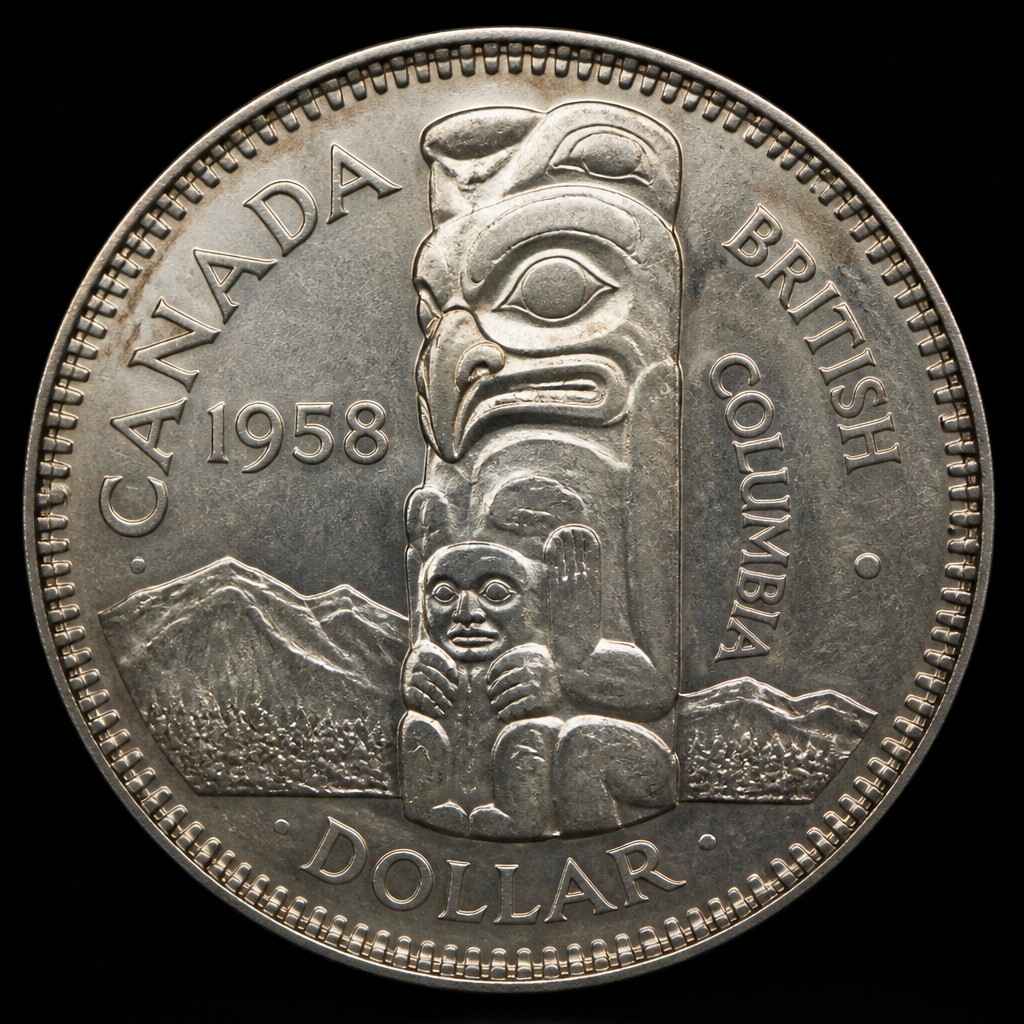
1958 British Columbia Totem Pole Dollar
1958
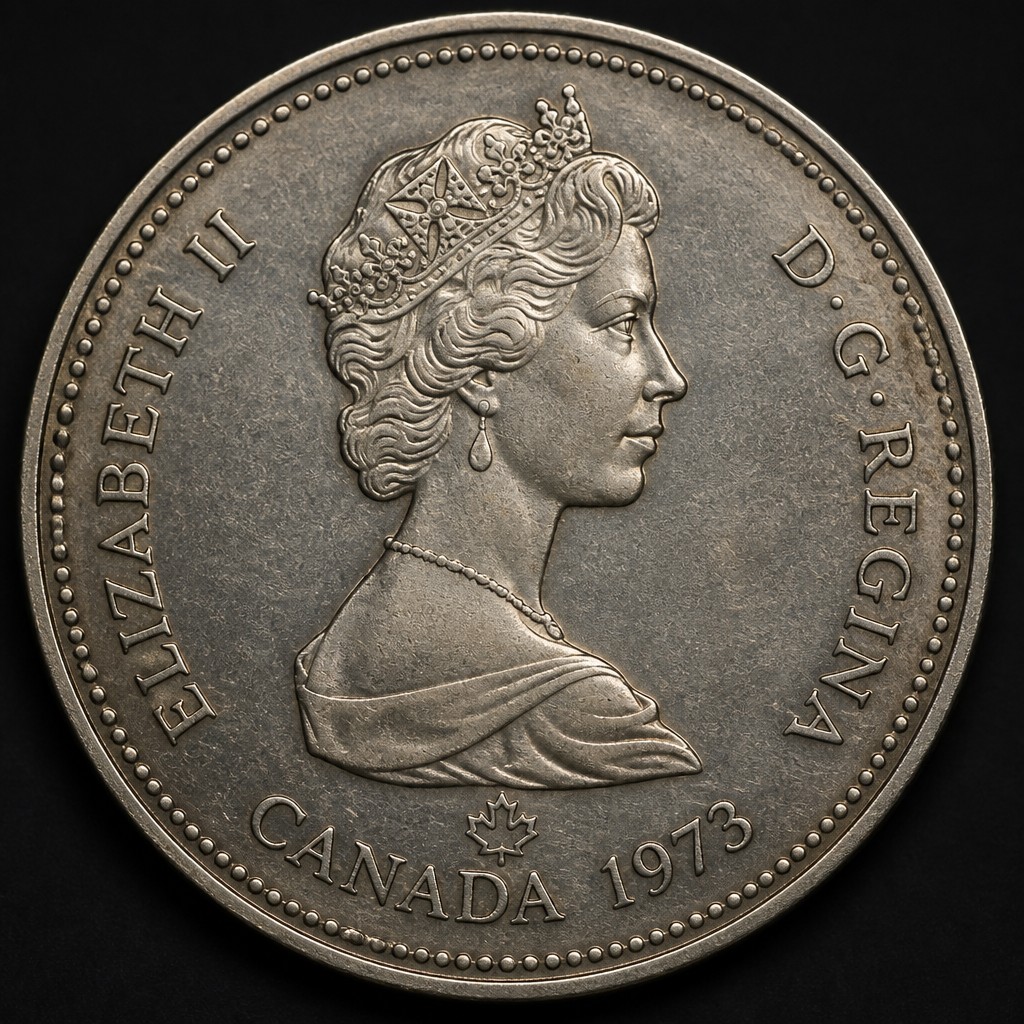
1973 RCMP Centennial Dollar
1973
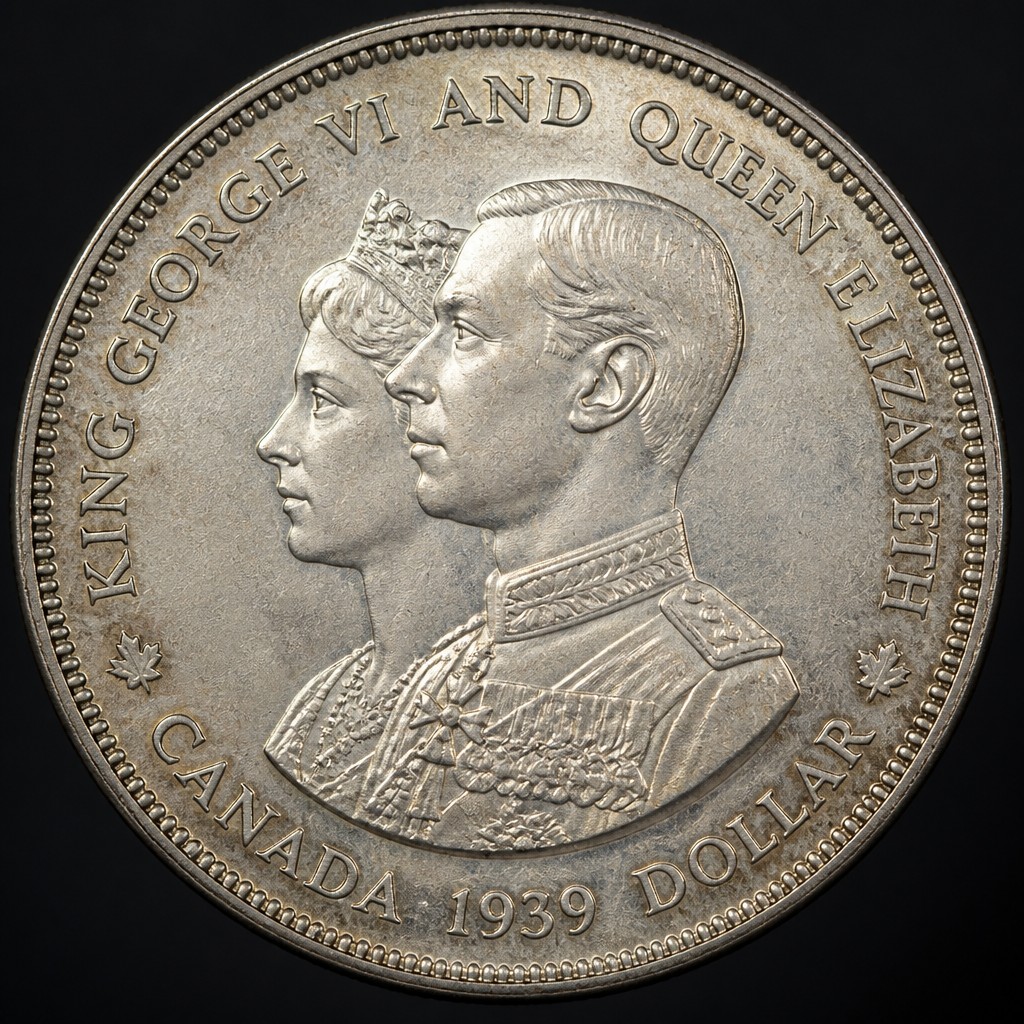
1939 Royal Visit Silver Dollar (Parliament)
1939
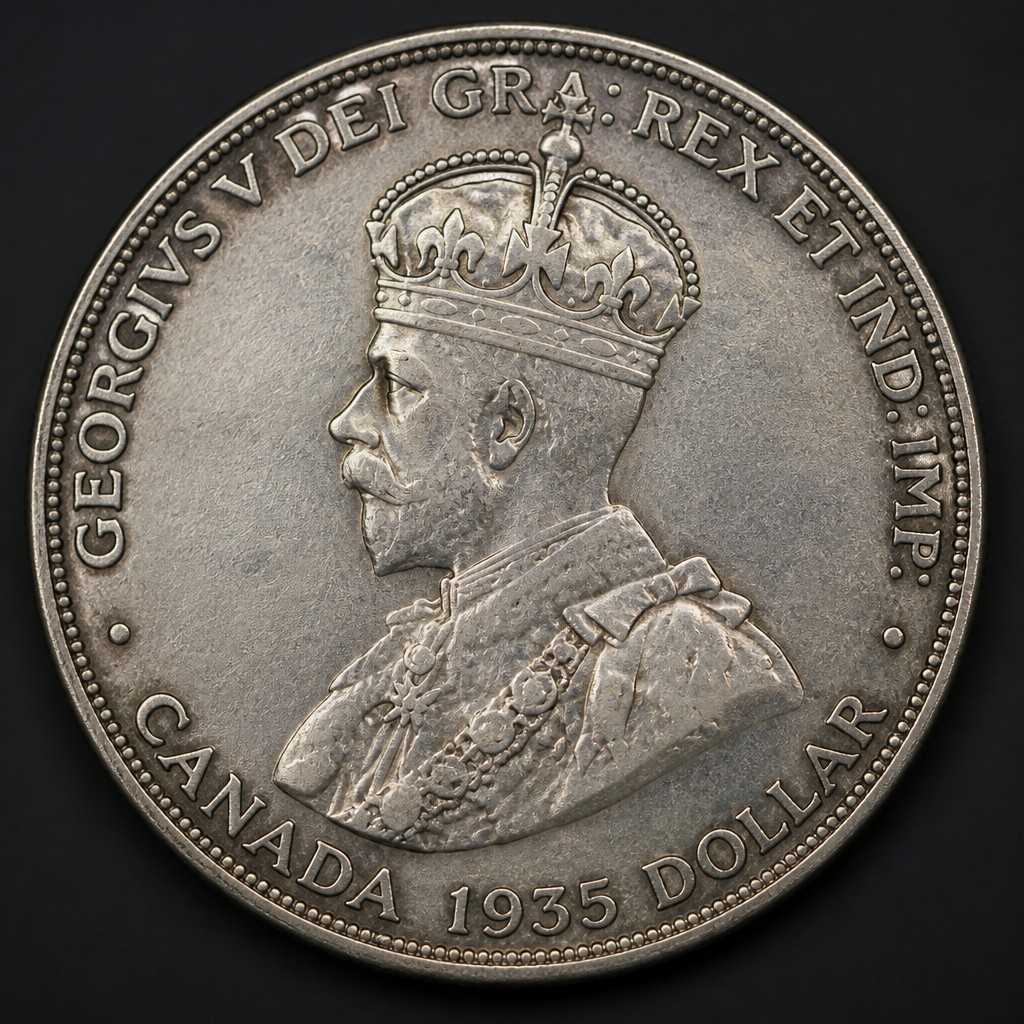
1935 George V Silver Jubilee Dollar (Voyageur)
1935
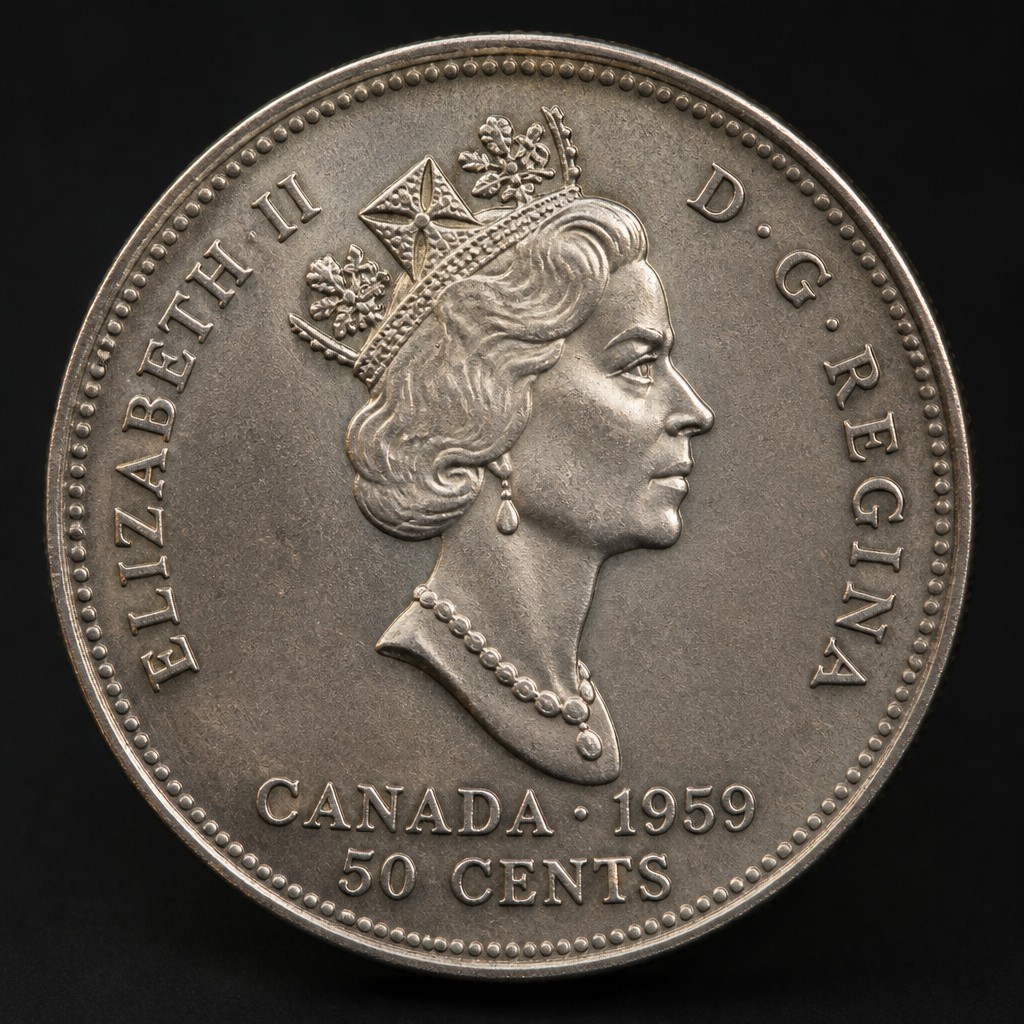
Coat of Arms Fifty Cents (Elizabeth II)
1959–present
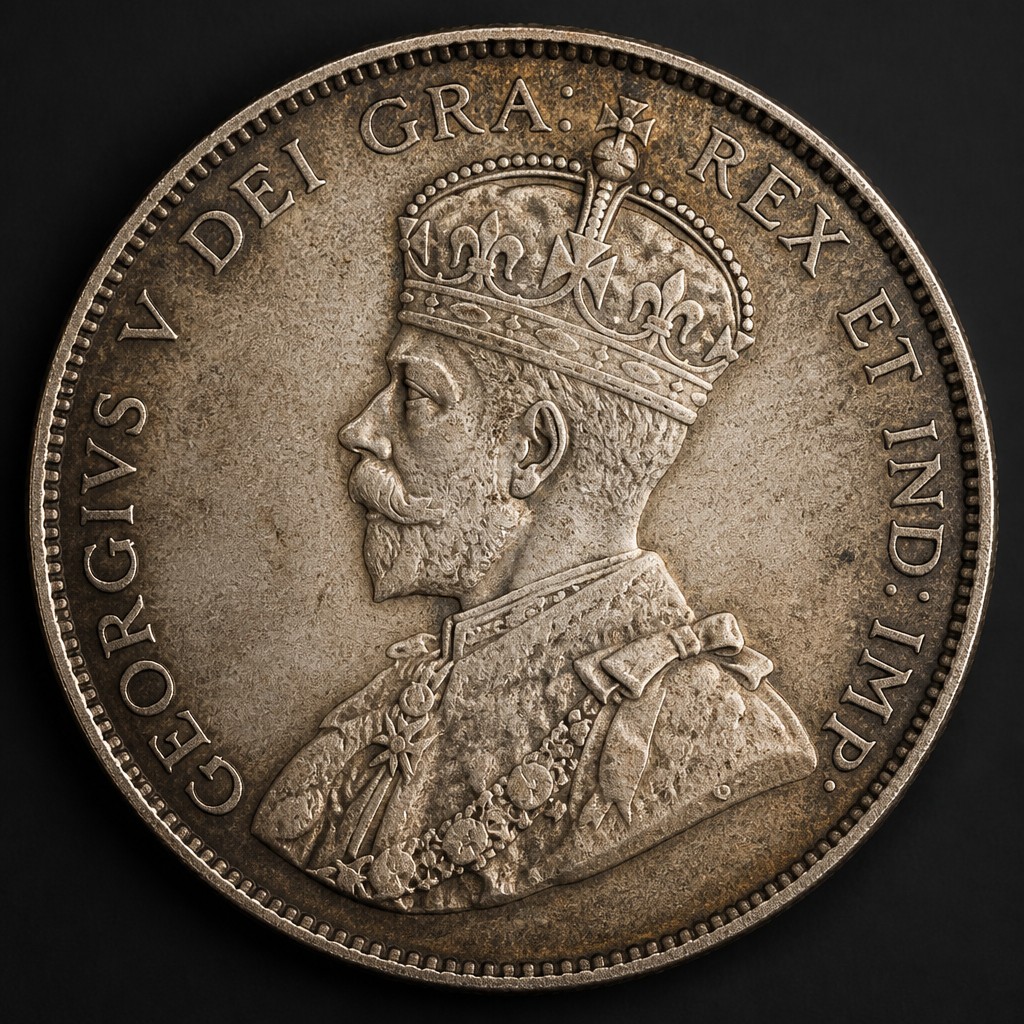
1921 Fifty Cents (King of Canadian Coins)
1921
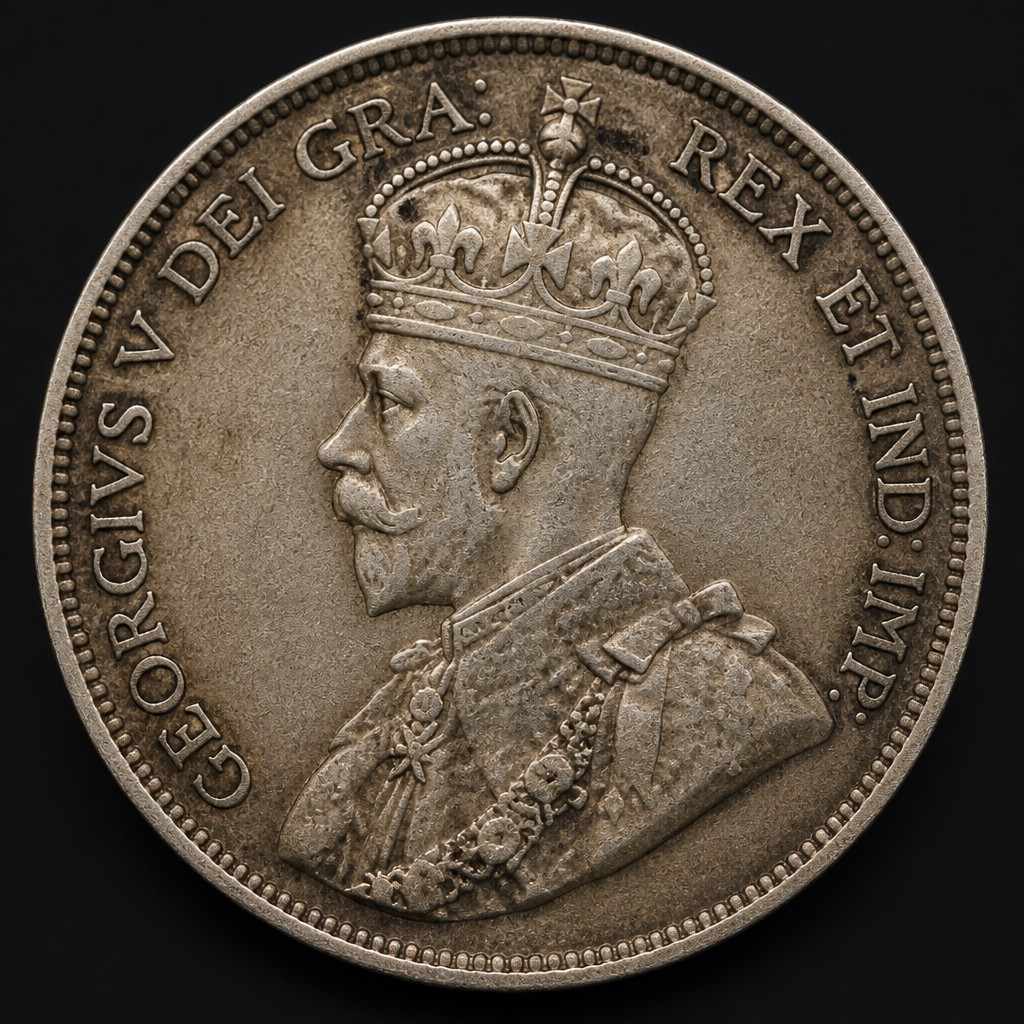
George V Fifty Cents
1911–1936
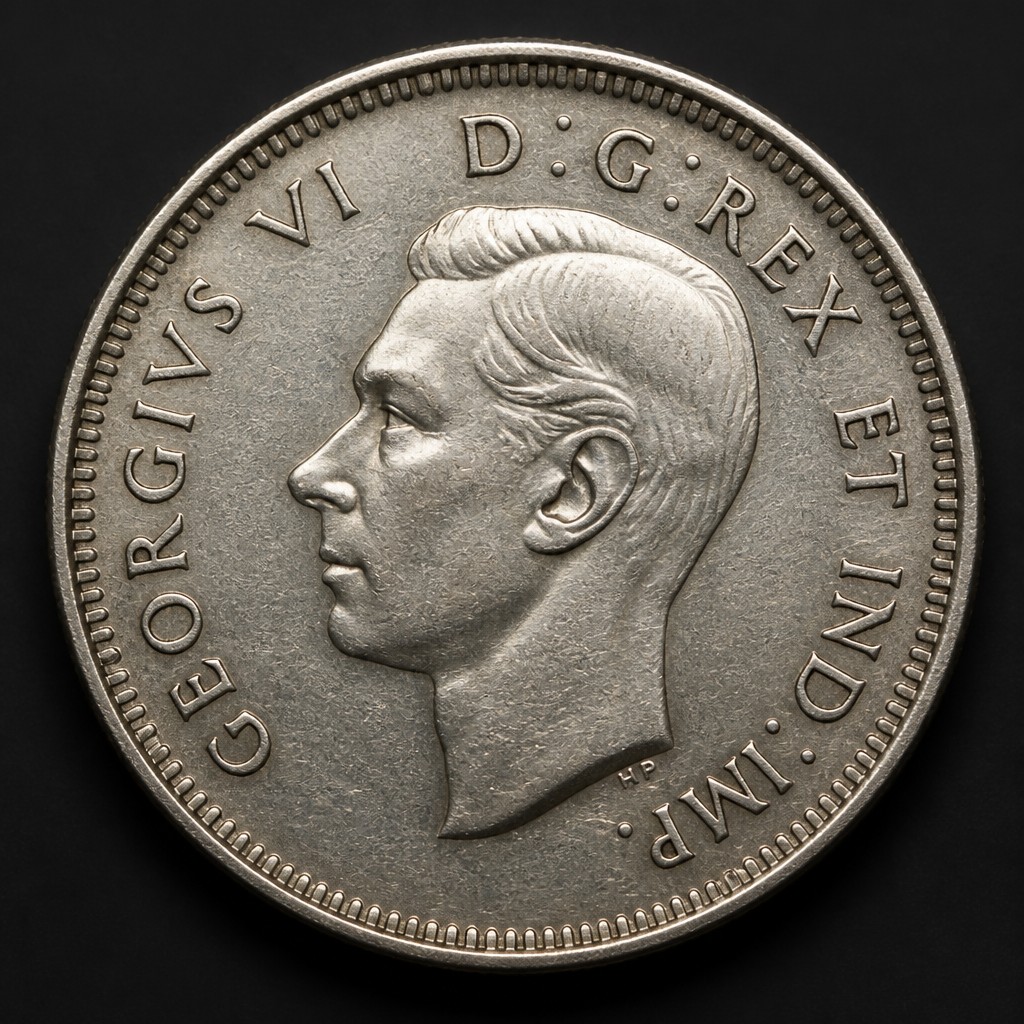
Caribou Twenty-Five Cents (quarter)
1937–present
1936 Voyageur Silver Dollar
1936