
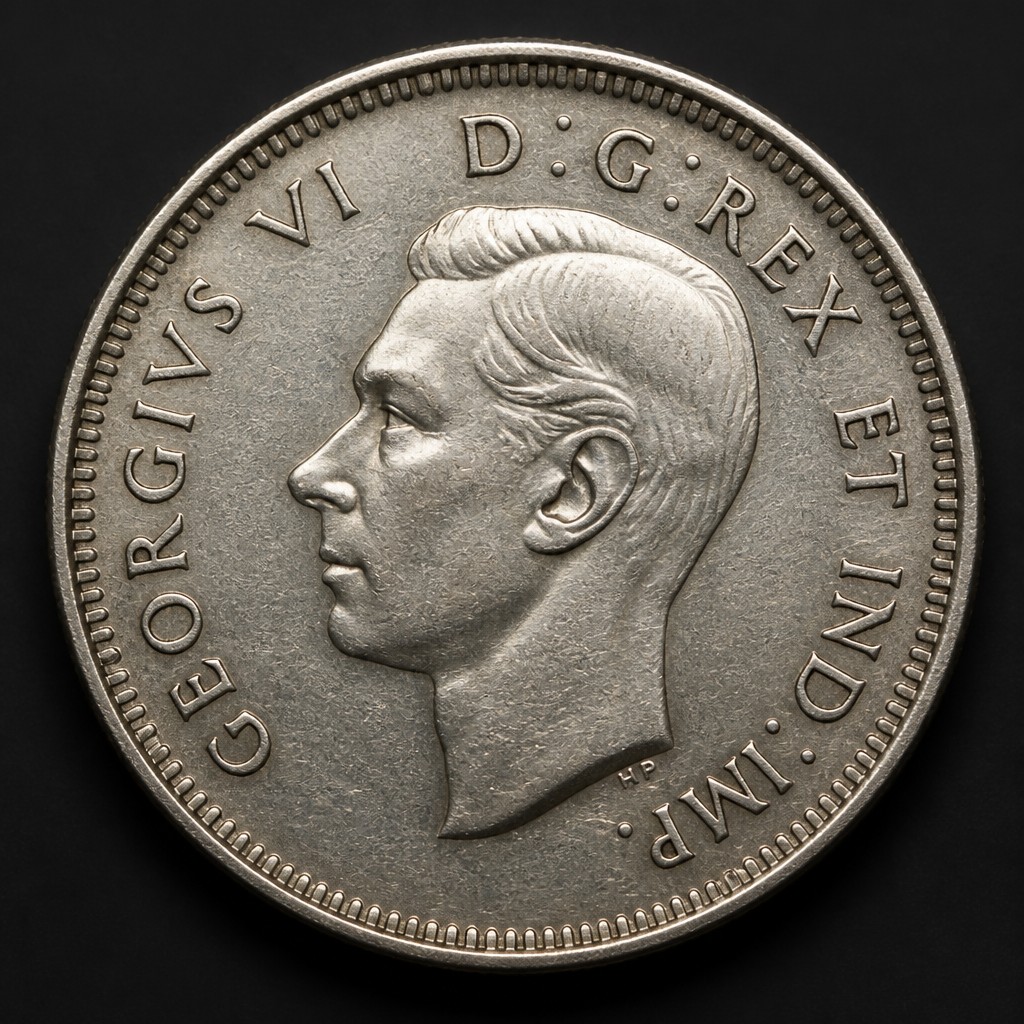
Caribou Twenty-Five Cents (quarter)
Canada's long-running 25-cent piece featuring a caribou head on the reverse, designed by Emanuel Hahn and struck continuously (with special anniversary exceptions) since 1937.
- Country
- Canada
- Denomination
- Twenty-Five Cents
- Metal
- Silver (.800 fine, 1937–1967); Nickel (1968–present)
Got a coin like this?
Identify any coin from a photo, free.
Overview
The Caribou Quarter is the standard circulating twenty-five cent coin of Canada, instantly recognized by the profile of a caribou standing on a rocky outcrop that has graced its reverse since 1937. It replaced the earlier shield-and-wreath quarter design as part of a broader modernization of Canadian coinage under King George VI.
Because the design has remained largely unchanged for decades (aside from one-off commemorative reverses in years like 1967, 1992, and 2017), the Caribou Quarter is one of the most familiar coins in Canadian pocket change and a staple building block for type collectors and date/mint-mark specialists alike.
History & Background
In the mid-1930s the Royal Canadian Mint commissioned new reverse designs for its silver coinage, moving away from Victorian-era heraldic motifs toward distinctly Canadian wildlife and symbols. Sculptor and medallist Emanuel Hahn, a German-born Canadian artist responsible for several iconic Canadian coin designs, created the caribou reverse that debuted in 1937 alongside George VI's new obverse portrait.
The design proved durable, surviving the transition from silver to nickel planchets in 1968 and remaining the default quarter reverse through multiple reigns and portrait changes on the obverse (George VI, then Elizabeth II in several different obverse effigies over the decades).
How to Identify
The obverse carries the reigning monarch's portrait with the standard Latin legends identifying the ruler and, on modern issues, "D.G. REGINA" or similar abbreviations. The reverse shows a caribou standing on rocky terrain with "25 CENTS" and "CANADA" along with the date.
Early issues (1937–1967) are struck in .800 fine silver and have a noticeably denser feel and a light silver-white color when uncirculated, toning to grey or golden hues with age. From 1968 onward the coin is struck in nickel, appearing brighter and more silvery-white with a lighter weight.
Collectors should watch for special one-year reverse substitutions (such as the 1967 wildcat design or later anniversary reverses) which temporarily replace the caribou; these are treated as distinct types rather than variations of the standard caribou quarter.
Value & Collectibility
Most twentieth-century Caribou Quarters are common in circulated grades and trade for modest premiums over silver melt value (for the 1937–1967 silver issues) or face value (for post-1968 nickel issues). Condition, not rarity, drives most of the value for common dates, with uncirculated and gem examples commanding stronger premiums.
Certain lower-mintage dates and known die varieties within the series can be considerably more valuable than typical dates, so collectors often consult date-by-date mintage references before assuming a coin is common.
Frequently asked questions
What is the Caribou Quarter made of?
Issues from 1937 to 1967 are .800 fine silver; from 1968 onward the coin is struck in nickel.
Who designed the caribou reverse?
Canadian sculptor Emanuel Hahn designed the caribou design introduced in 1937.
Is my caribou quarter valuable?
Most dates are common and worth close to silver content or face value; a few scarcer dates and varieties are worth more.
Why do some caribou quarters look different?
Certain years replaced the caribou temporarily with special commemorative reverses, such as 1967's wildcat design.
Other coins you may enjoy
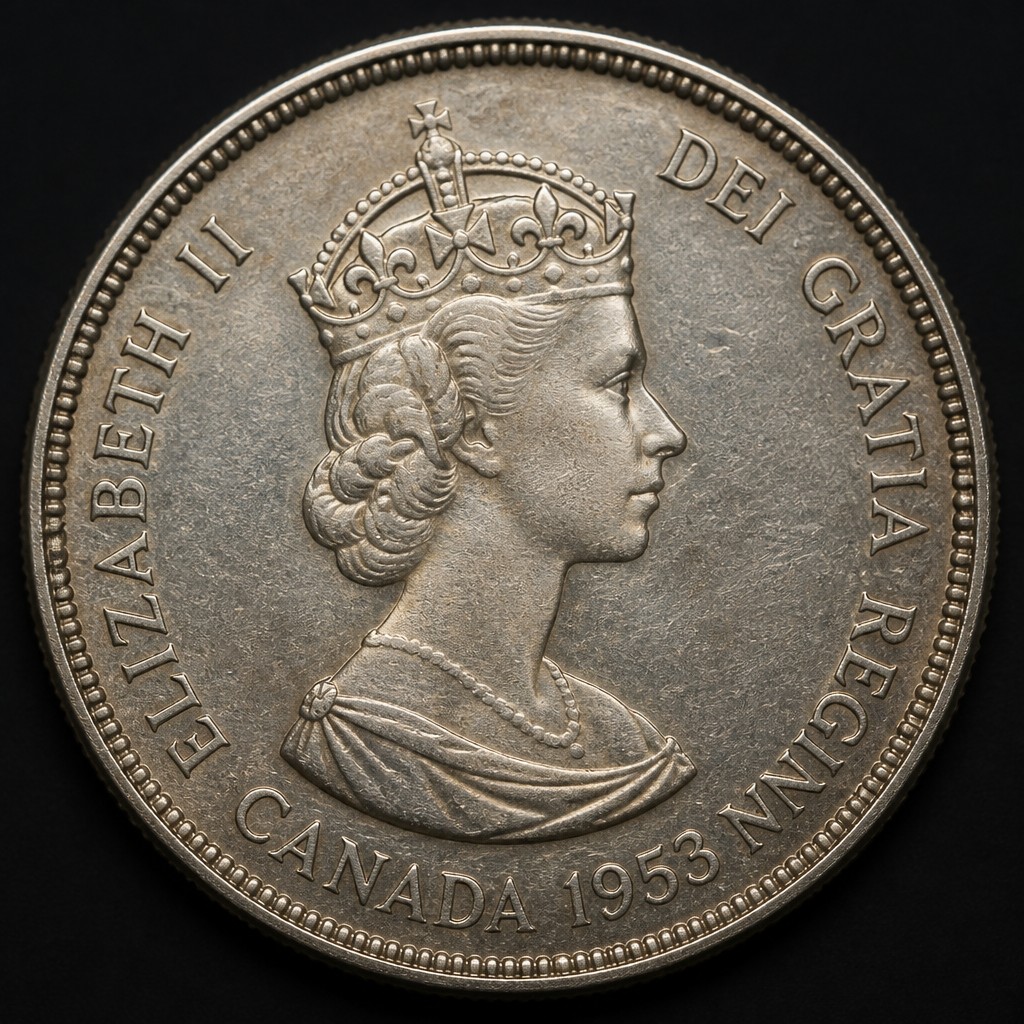
1953 Coronation Voyageur Dollar
1953
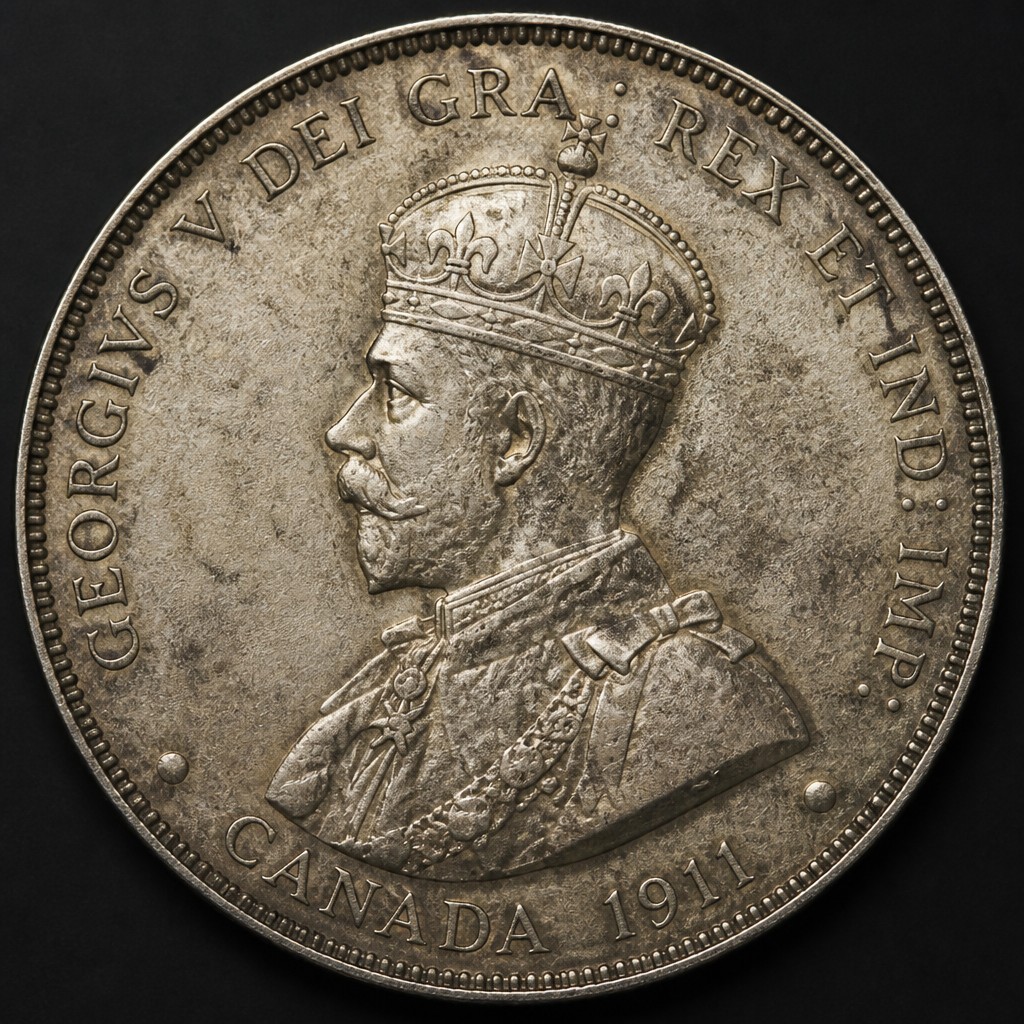
1911 Canadian Silver Dollar (Pattern)
1911
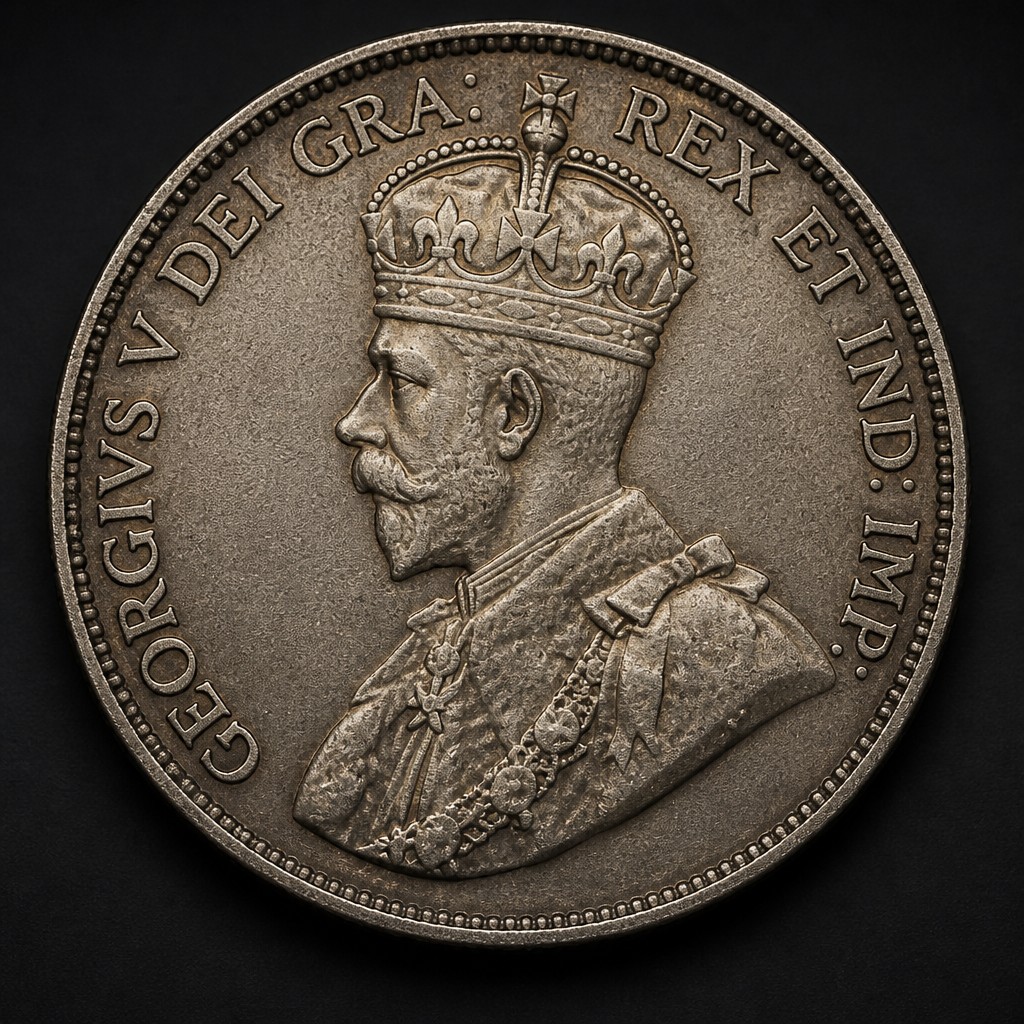
George V Twenty-Five Cents (silver)
1911–1936
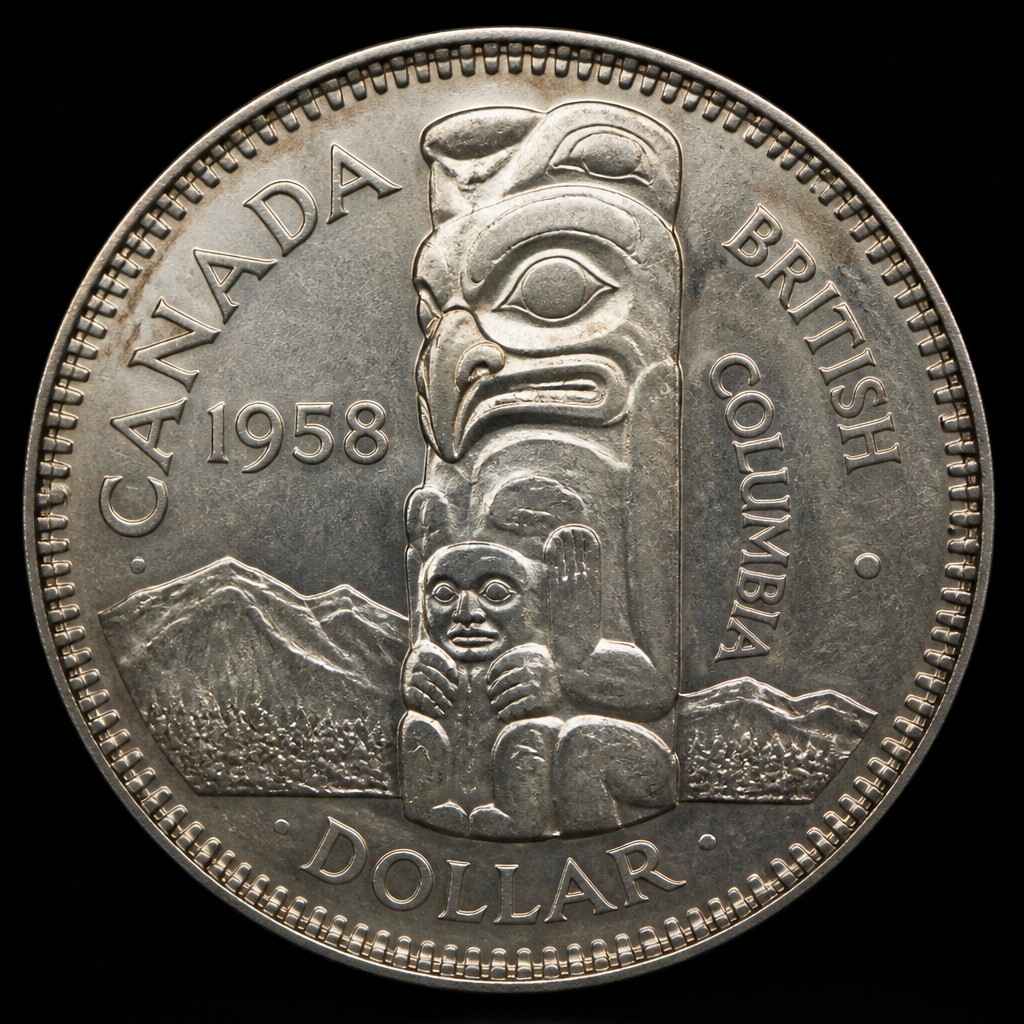
1958 British Columbia Totem Pole Dollar
1958
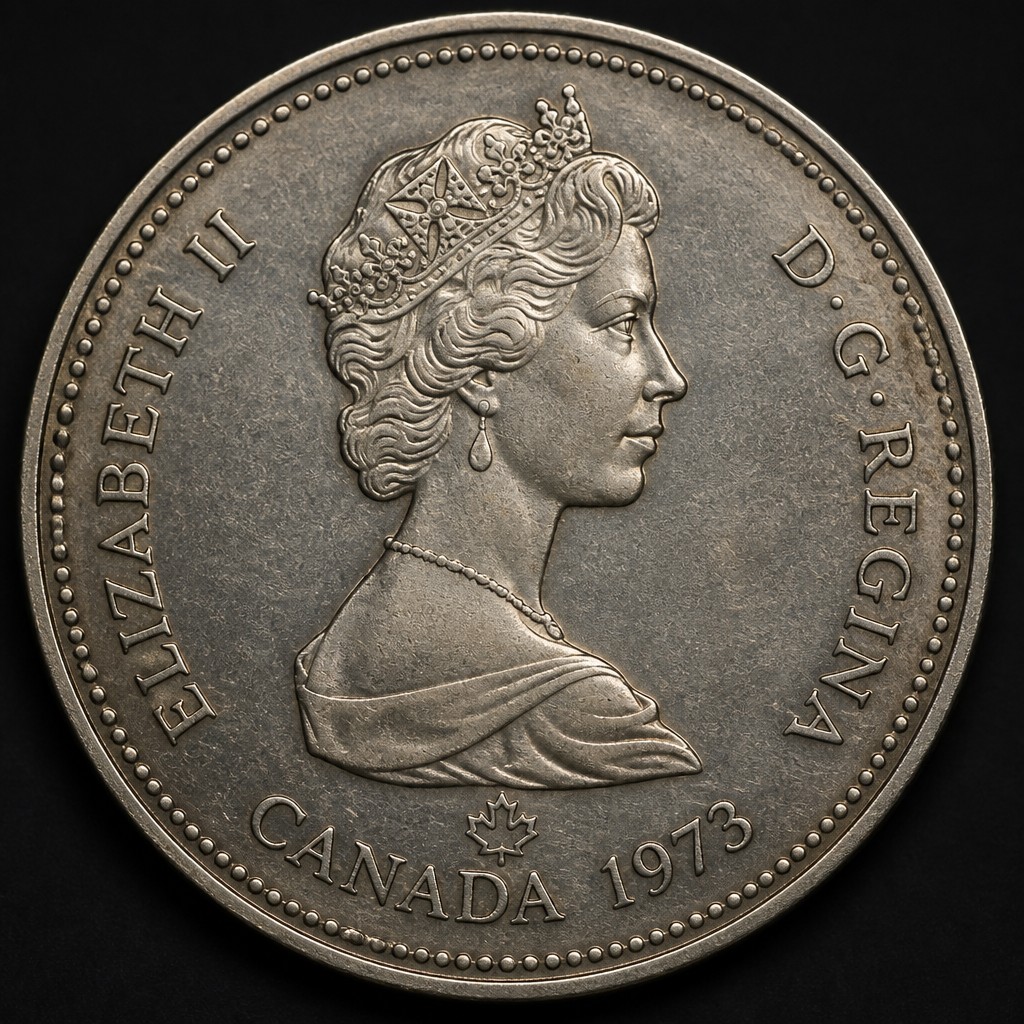
1973 RCMP Centennial Dollar
1973
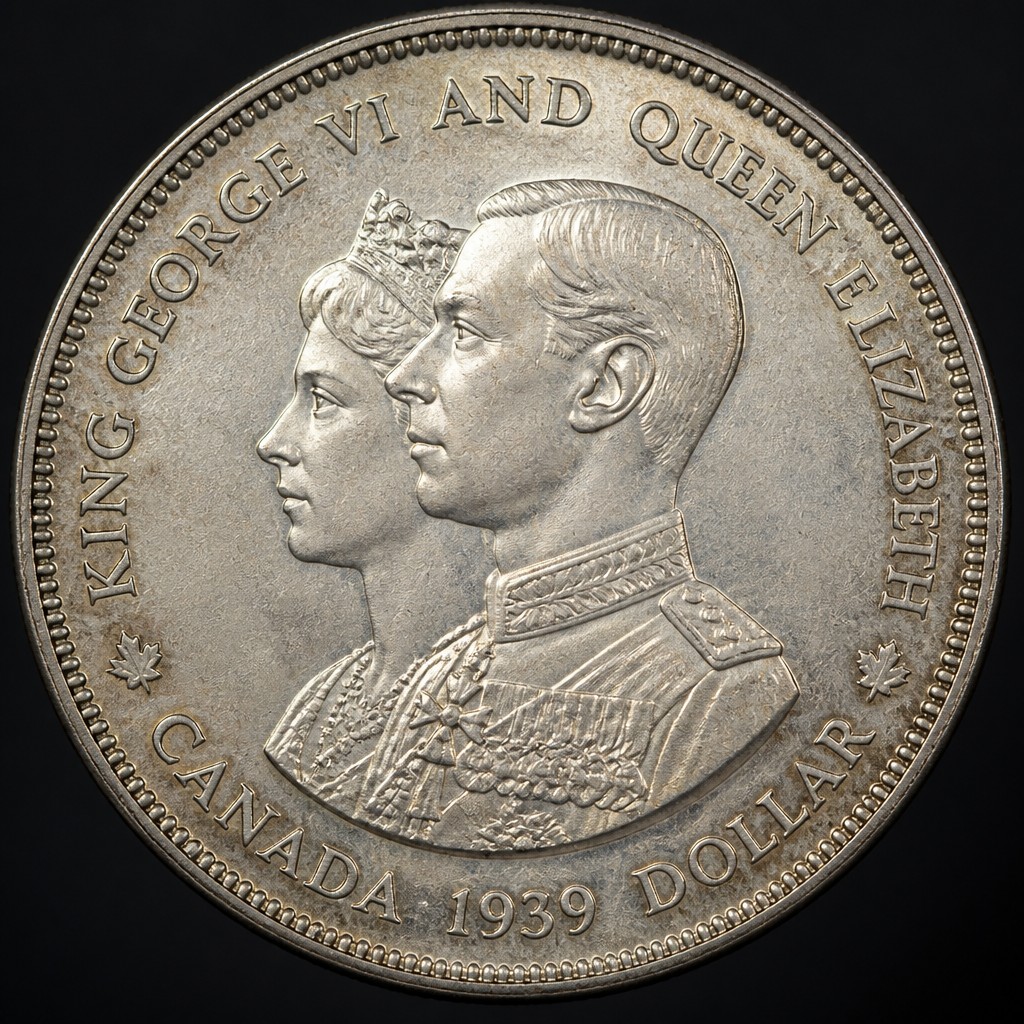
1939 Royal Visit Silver Dollar (Parliament)
1939
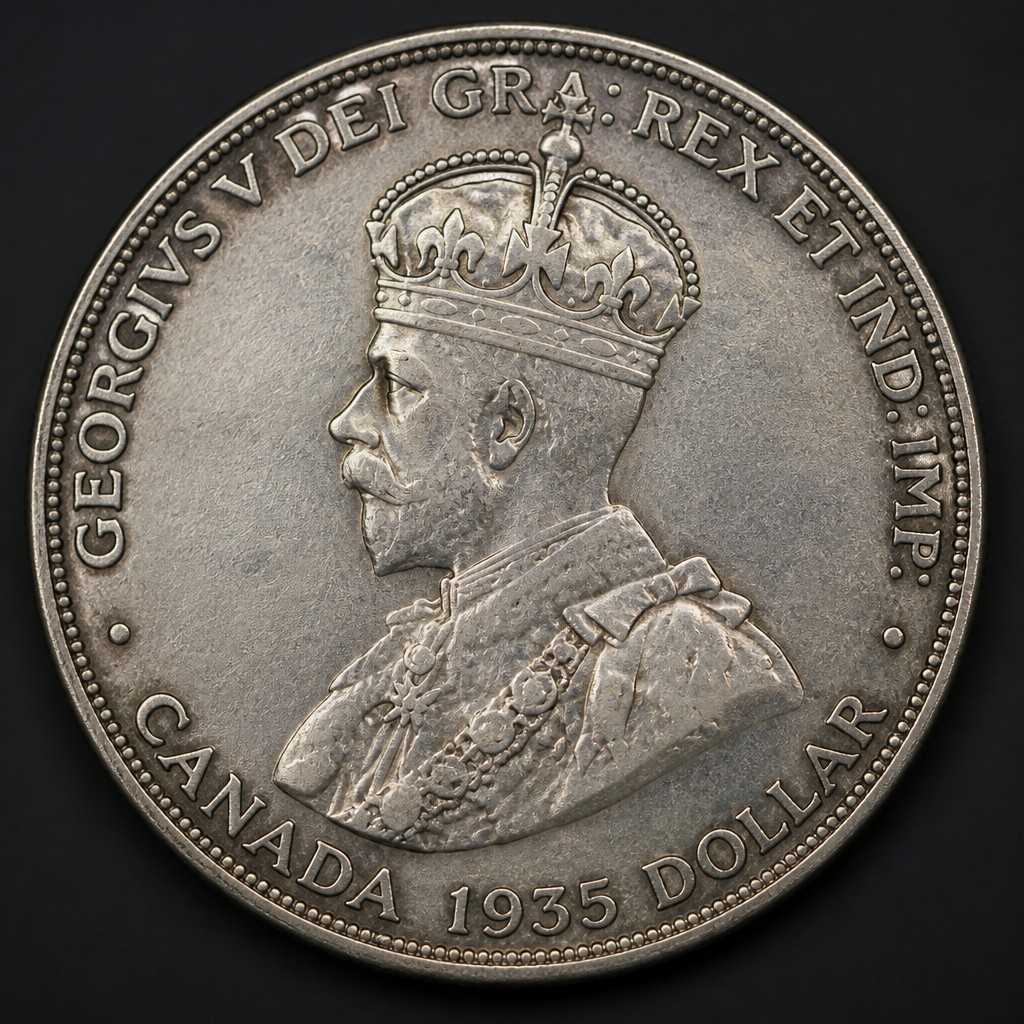
1935 George V Silver Jubilee Dollar (Voyageur)
1935
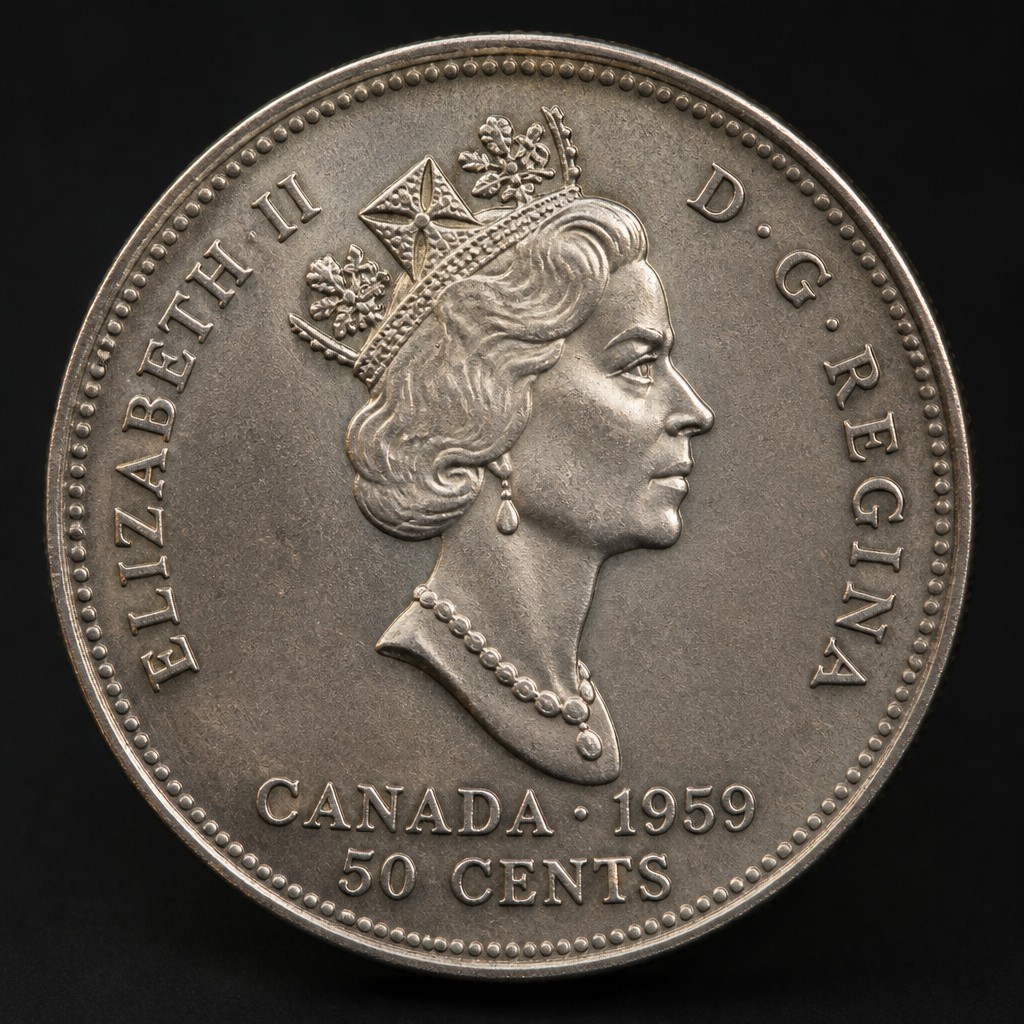
Coat of Arms Fifty Cents (Elizabeth II)
1959–present
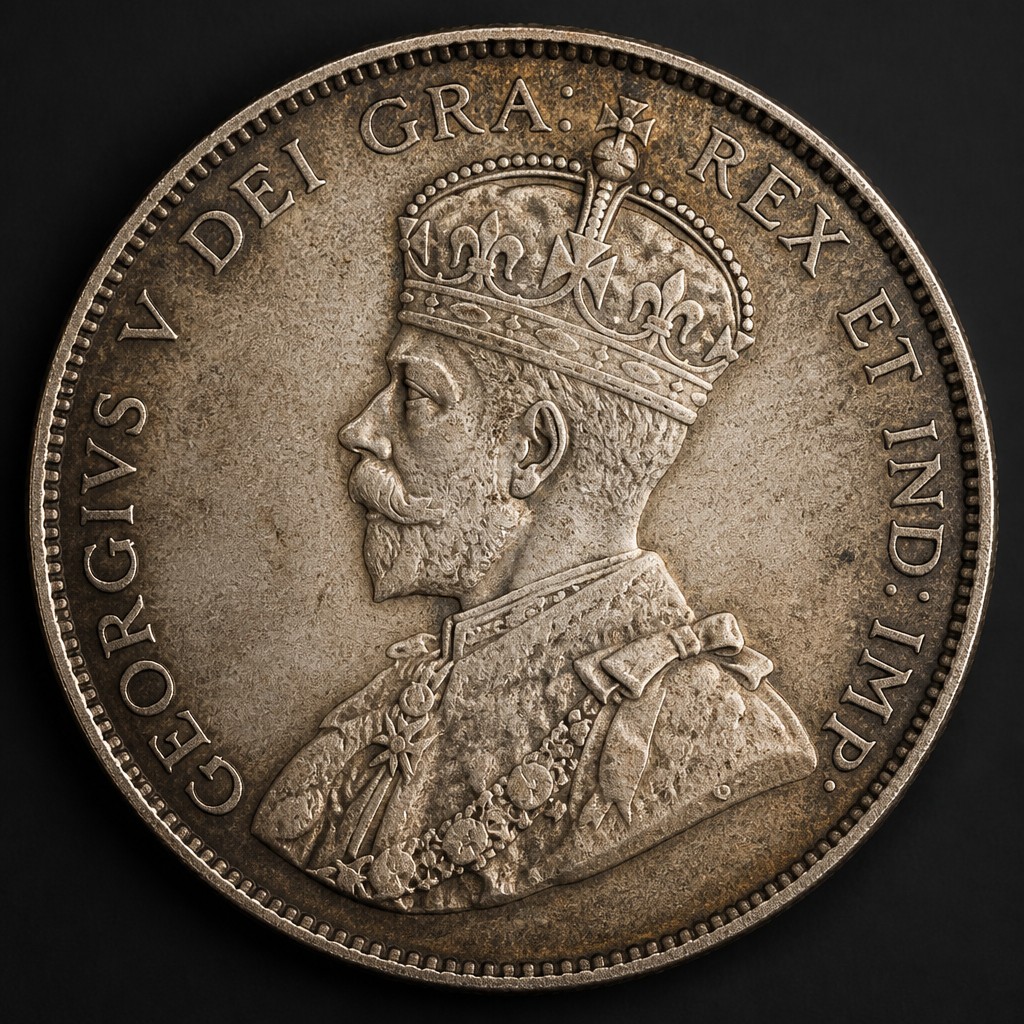
1921 Fifty Cents (King of Canadian Coins)
1921
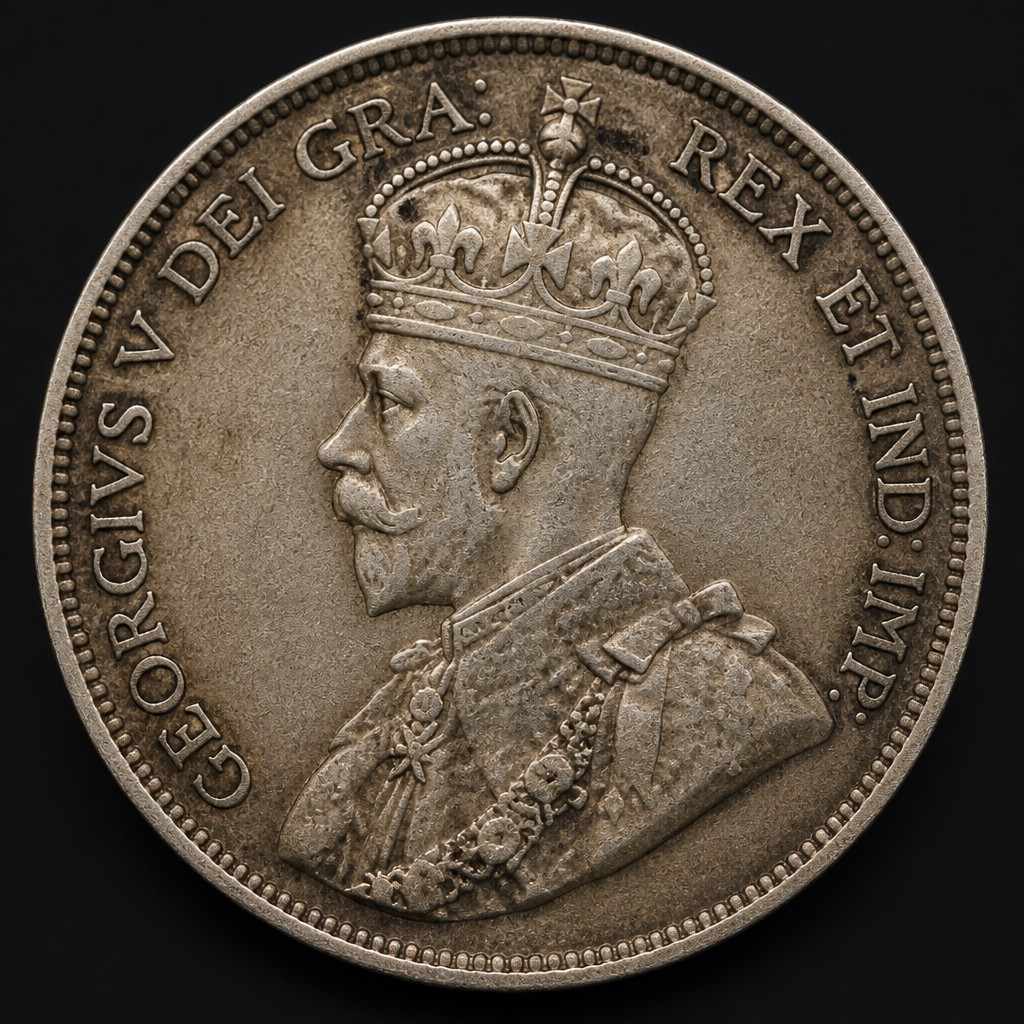
George V Fifty Cents
1911–1936
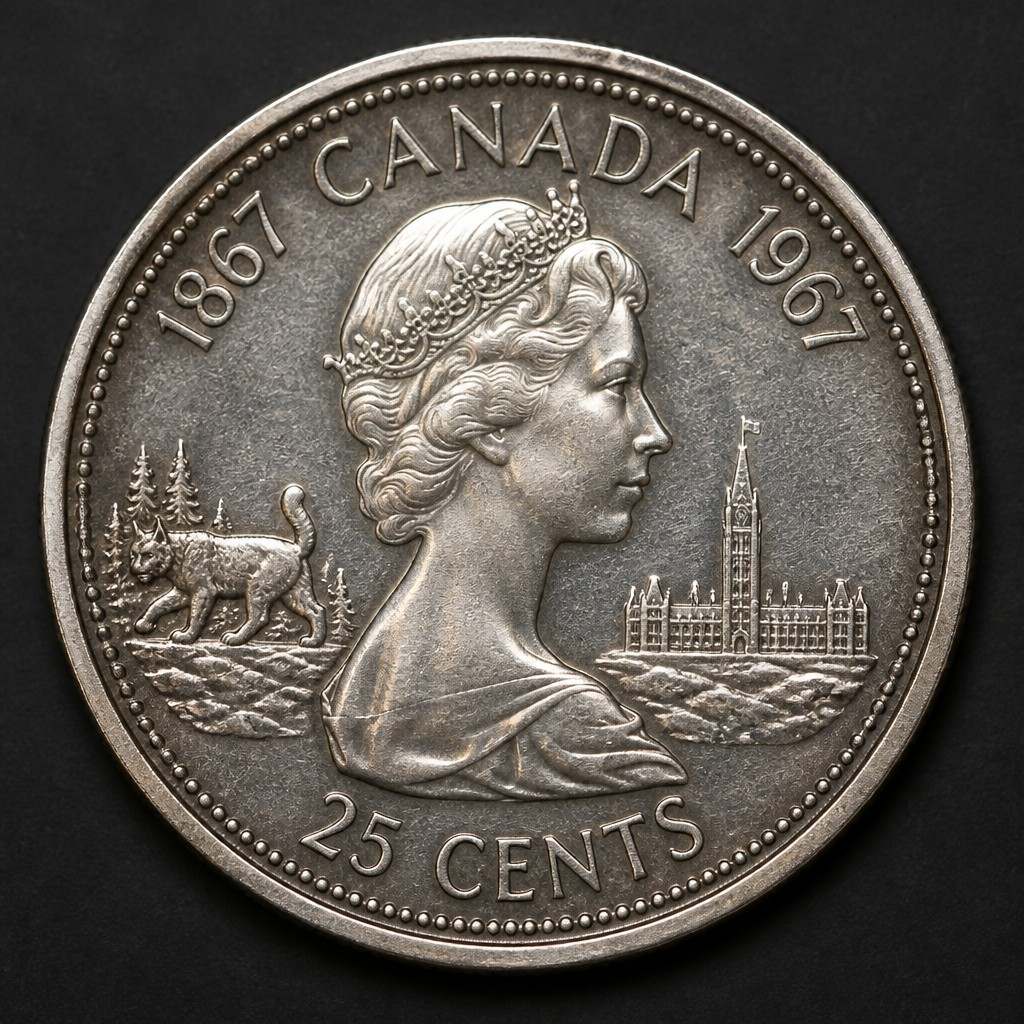
1967 Bobcat Centennial Quarter
1967
1936 Voyageur Silver Dollar
1936