
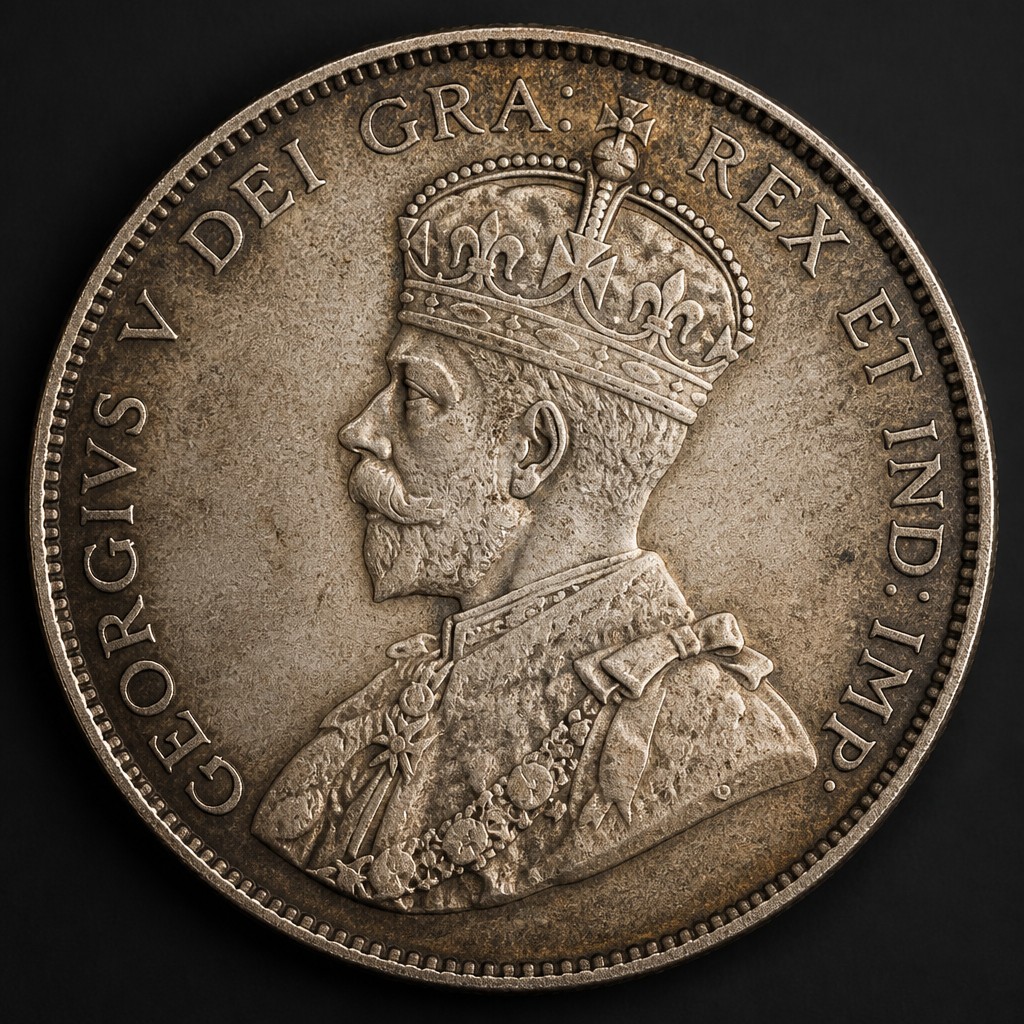
1921 Fifty Cents (King of Canadian Coins)
Canada's most famous rarity, the 1921 fifty-cent piece survives in only a small number of known examples after most of its mintage was melted, earning it the nickname King of Canadian Coins.
- Country
- Canada
- Denomination
- Fifty Cents
- Metal
- 80% Silver
Got a coin like this?
Identify any coin from a photo, free.
Overview
The 1921 fifty-cent piece holds legendary status in Canadian numismatics as the rarest widely known regular-issue Canadian coin, commonly called the "King of Canadian Coins." Although struck in a normal production run like any other year, the overwhelming majority of the mintage was later melted down by the Mint, leaving only a small, well-documented population of survivors.
Because so few examples exist and their pedigrees are often individually traceable, the 1921 half dollar is a centerpiece coin for advanced collectors of Canadian silver and one of the most requested (and most counterfeited) dates in the series.
History & Background
In the early 1920s, demand for circulating fifty-cent pieces in Canada was weak, and after the coins were struck the Royal Canadian Mint held back much of the year's production rather than releasing it into circulation. Years later, facing an inventory of unneeded coinage and a need for silver, the Mint melted down the great bulk of the 1921 half dollar mintage along with unsold or returned coins from other years.
The fifty-cent denomination was not struck again until 1929, further underscoring how unusual the 1921 issue was within the broader half-dollar series, and by the time collectors recognized the coin's importance, only a limited number of pieces had already survived in private hands, forming the basis of today's known population.
How to Identify
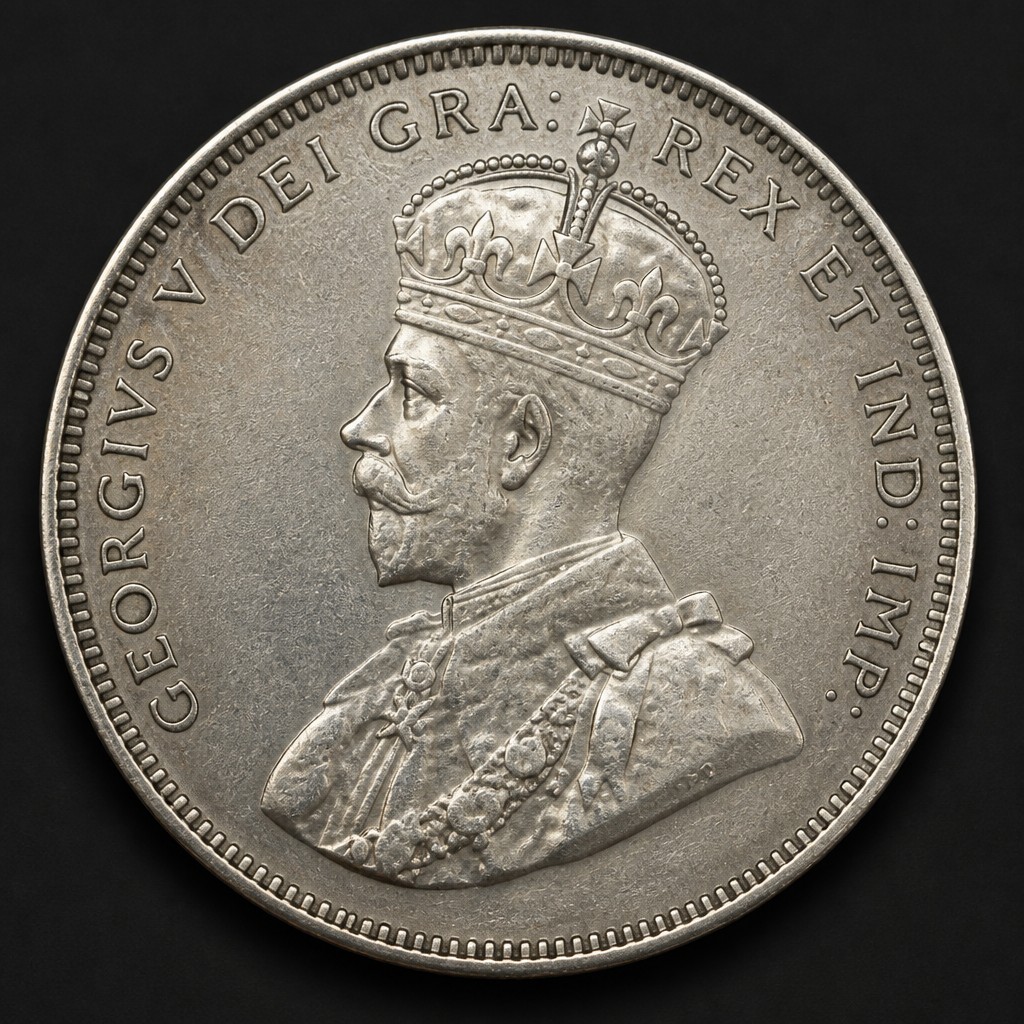
In basic design the 1921 half dollar looks like other George V fifty-cent pieces of the period: the obverse shows King George V's portrait with the standard royal titles, and the reverse displays the Canadian shield within a wreath, with "50 CENTS" and the date. Genuine identification therefore relies heavily on the coin's date and, critically, on established provenance and expert authentication given the coin's value and the existence of altered or counterfeit examples.
Because of the coin's fame and price, buyers are strongly encouraged to seek pieces with a clear chain of ownership or professional grading from a recognized third-party grading service rather than relying on visual inspection alone.
Value & Collectibility
As one of the scarcest and most celebrated Canadian coins, the 1921 fifty-cent piece commands substantial prices even in heavily worn condition, with values escalating steeply for higher grades. Because so few genuine pieces are known, individual coins are often tracked by collectors and dealers, and prices can vary widely based on grade, eye appeal, and documented history.
Given the coin's fame, counterfeits and alterations of lesser-date half dollars into "1921" examples are a known risk, making professional authentication and grading especially important for anyone considering this coin.
Frequently asked questions
Why is the 1921 fifty-cent coin so rare?
The Royal Canadian Mint melted down most of the year's production years later, leaving only a small number of survivors.
Why is it called the King of Canadian Coins?
Its extreme rarity relative to other regular-issue Canadian coins earned it this nickname among collectors.
How can I tell if my 1921 half dollar is genuine?
Given the value and known counterfeits, professional authentication by a recognized grading service is strongly recommended.
Was the fifty-cent coin struck again after 1921?
No circulating fifty-cent pieces were struck for several years afterward; production resumed in 1929.
Other coins you may enjoy
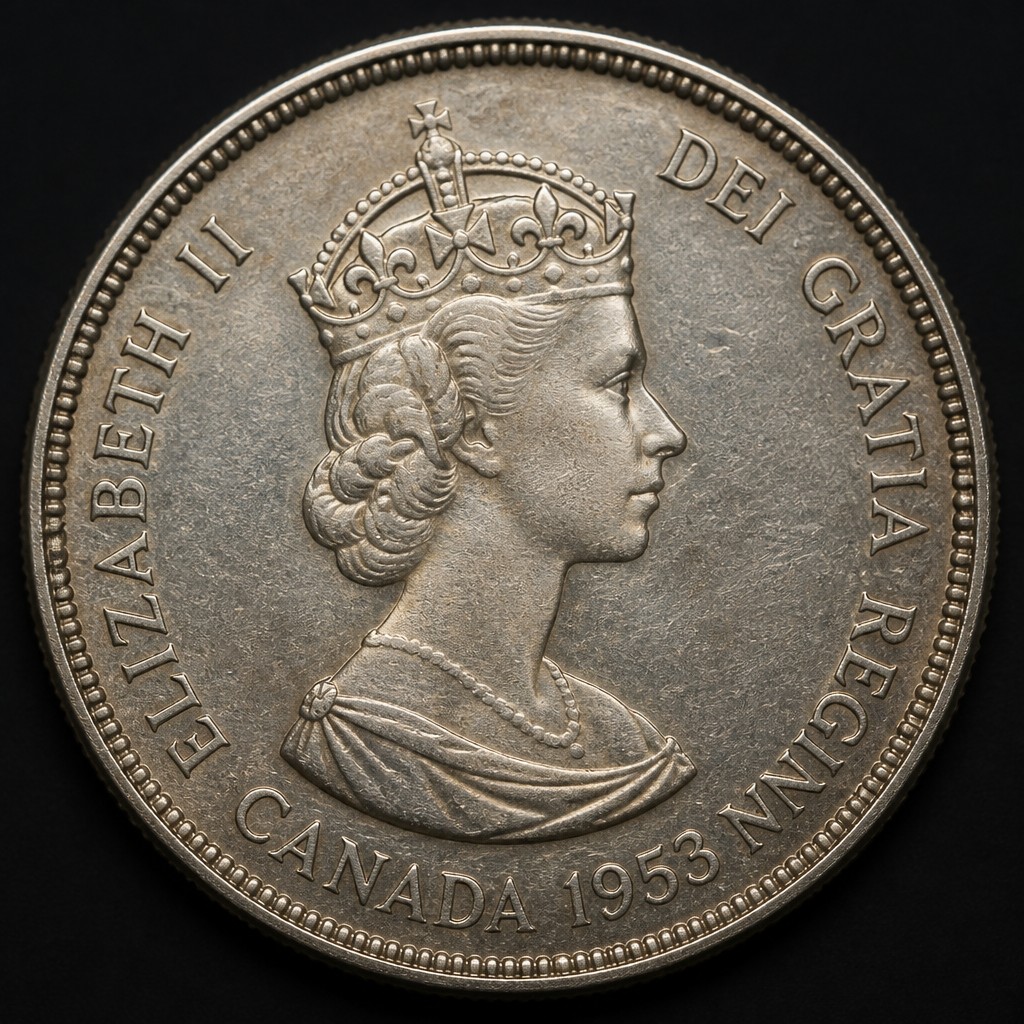
1953 Coronation Voyageur Dollar
1953
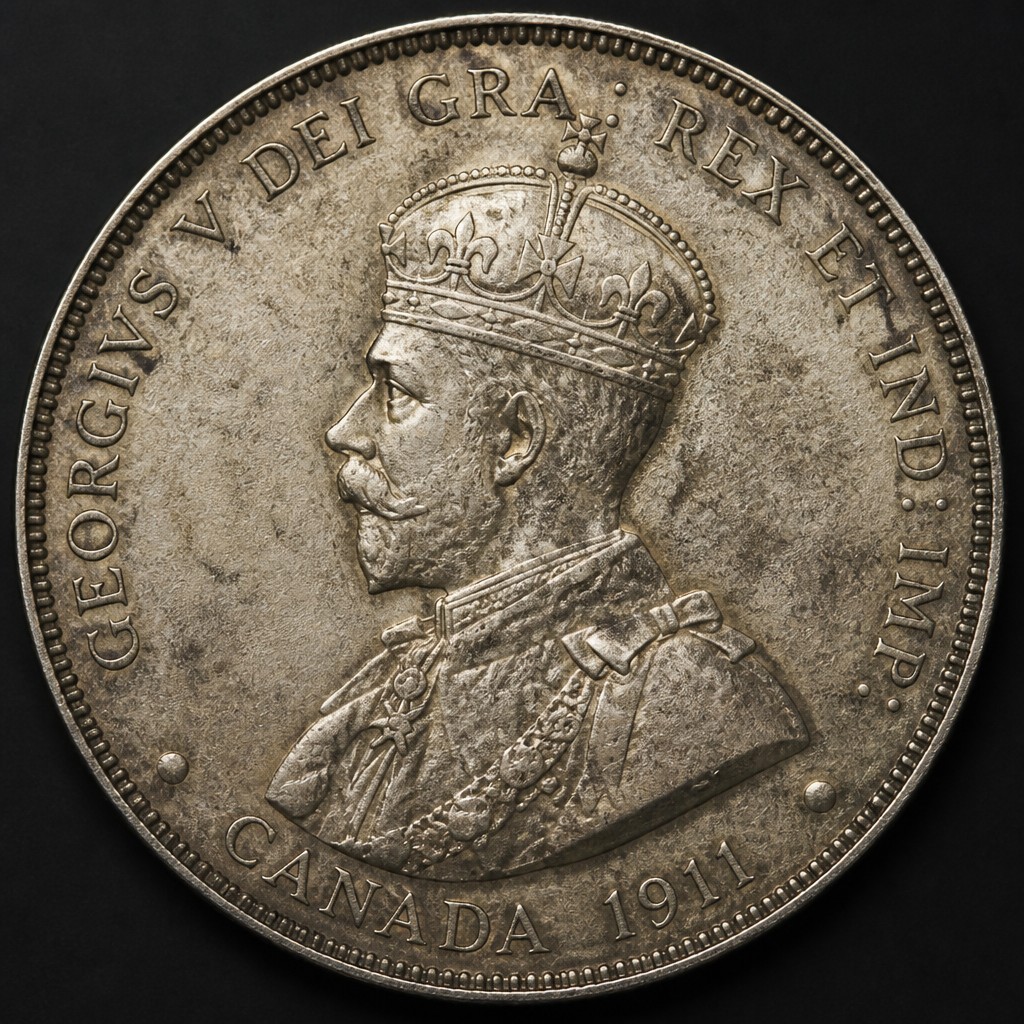
1911 Canadian Silver Dollar (Pattern)
1911
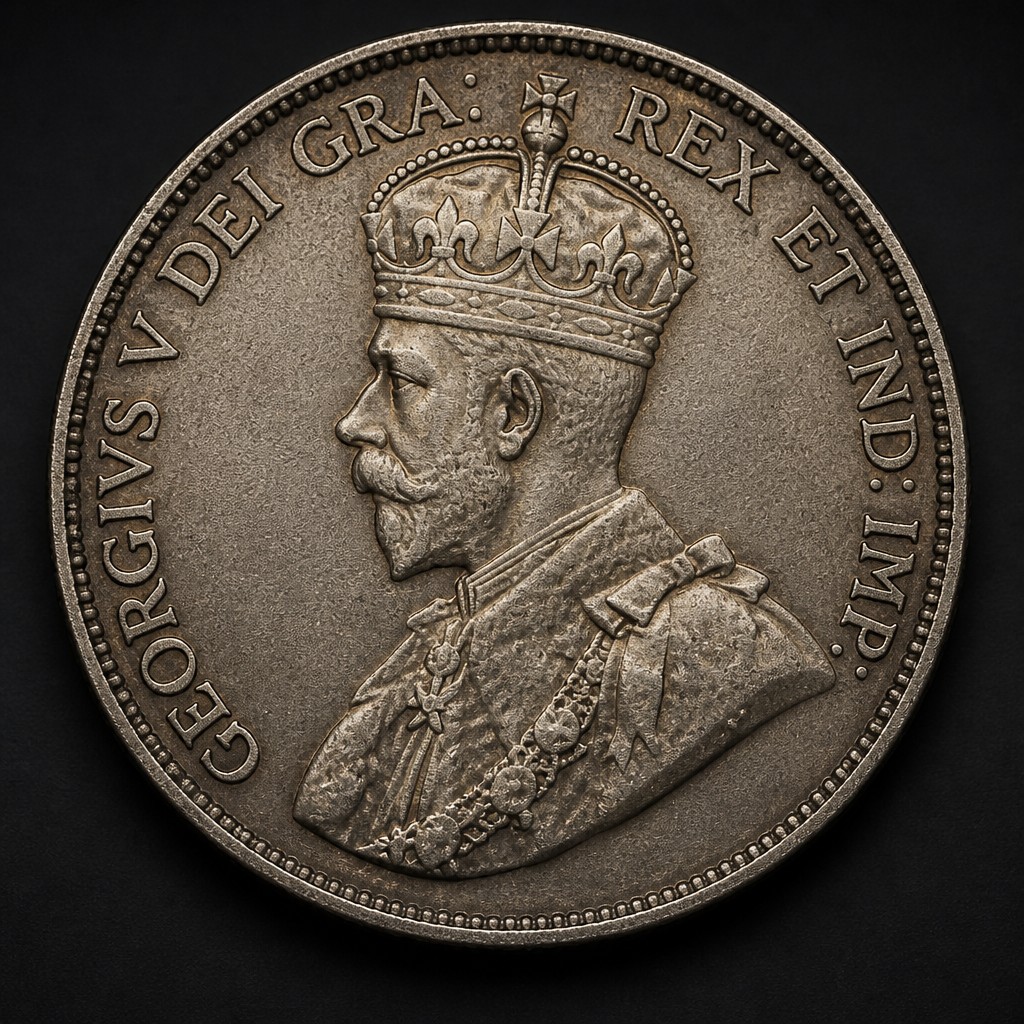
George V Twenty-Five Cents (silver)
1911–1936
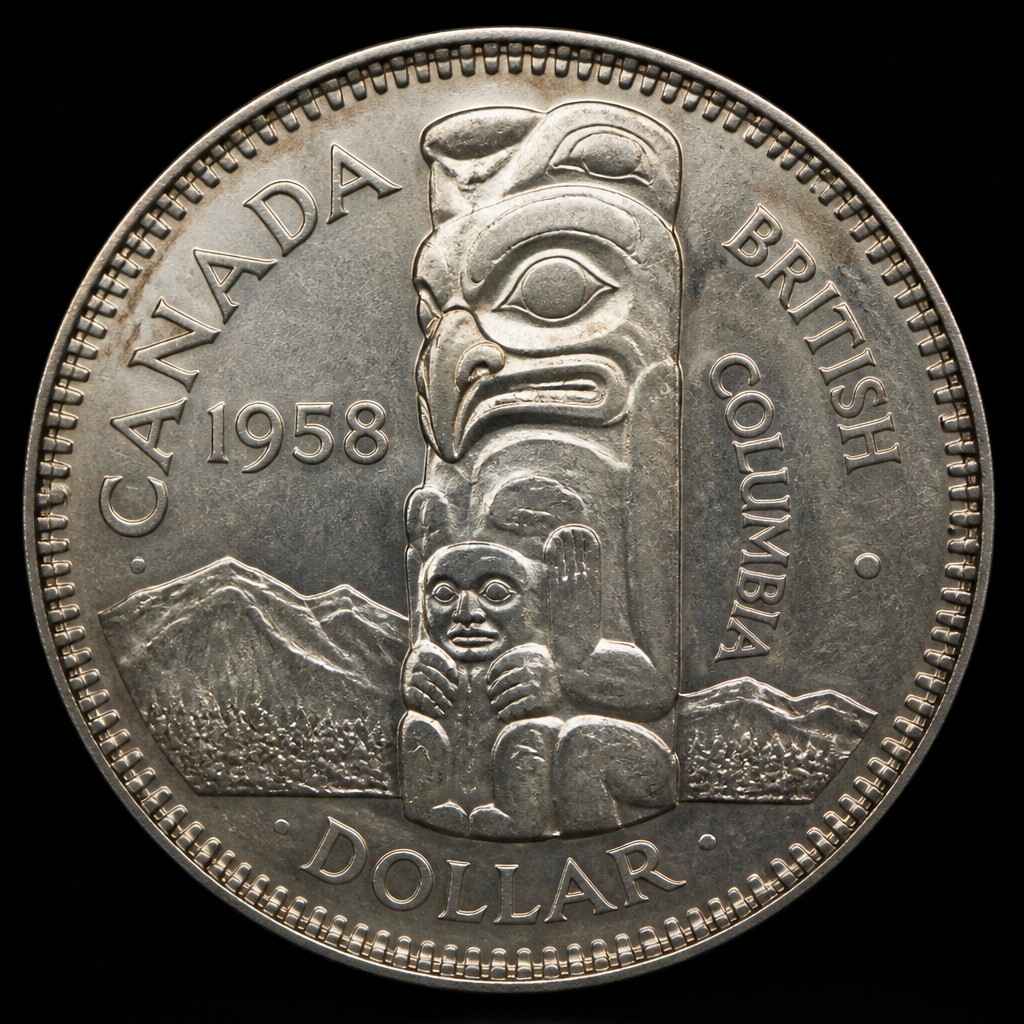
1958 British Columbia Totem Pole Dollar
1958
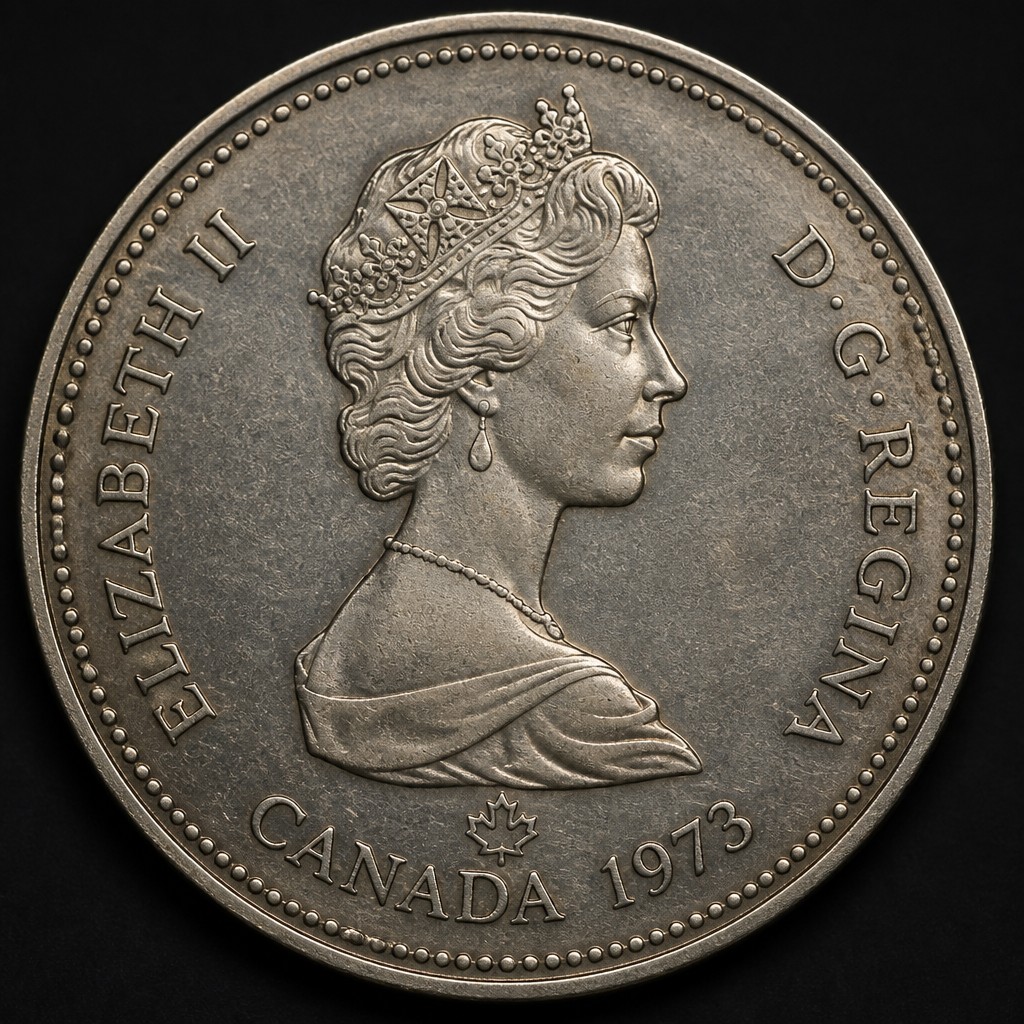
1973 RCMP Centennial Dollar
1973
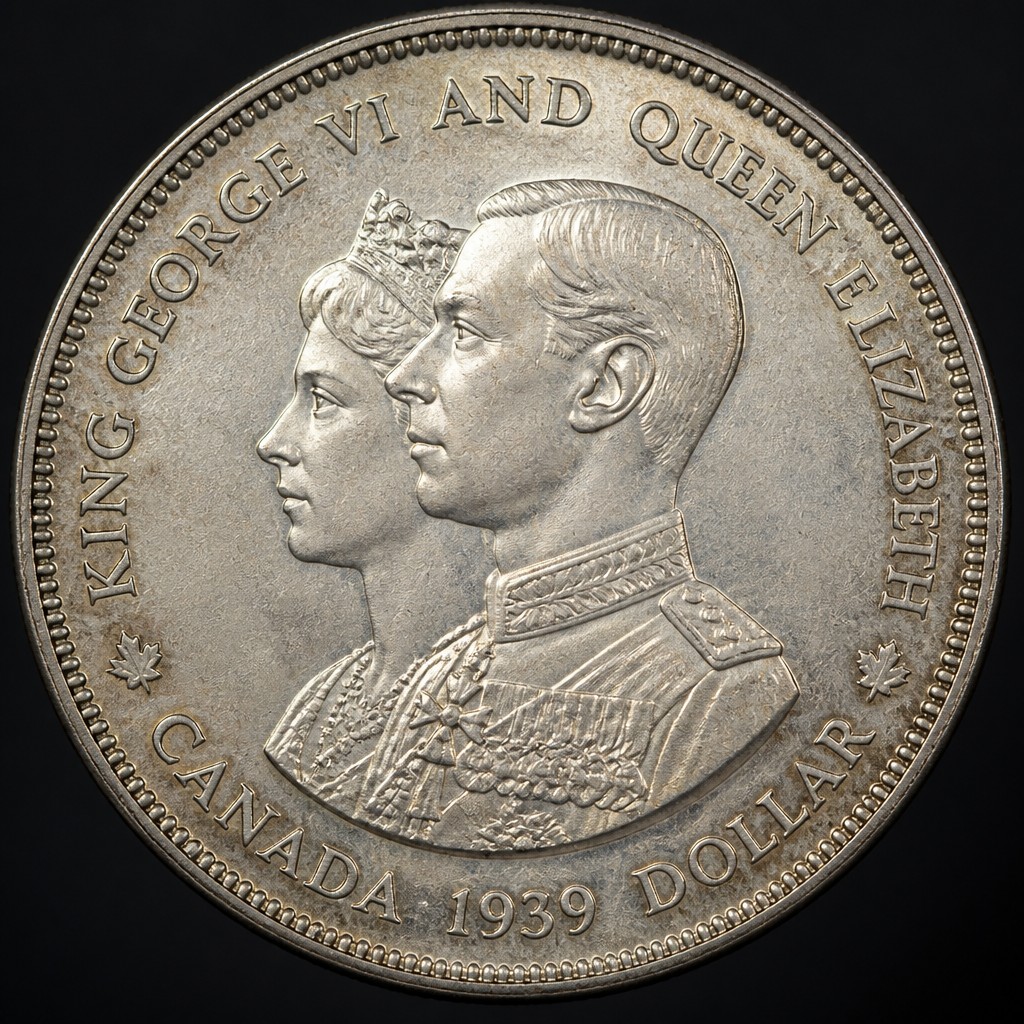
1939 Royal Visit Silver Dollar (Parliament)
1939
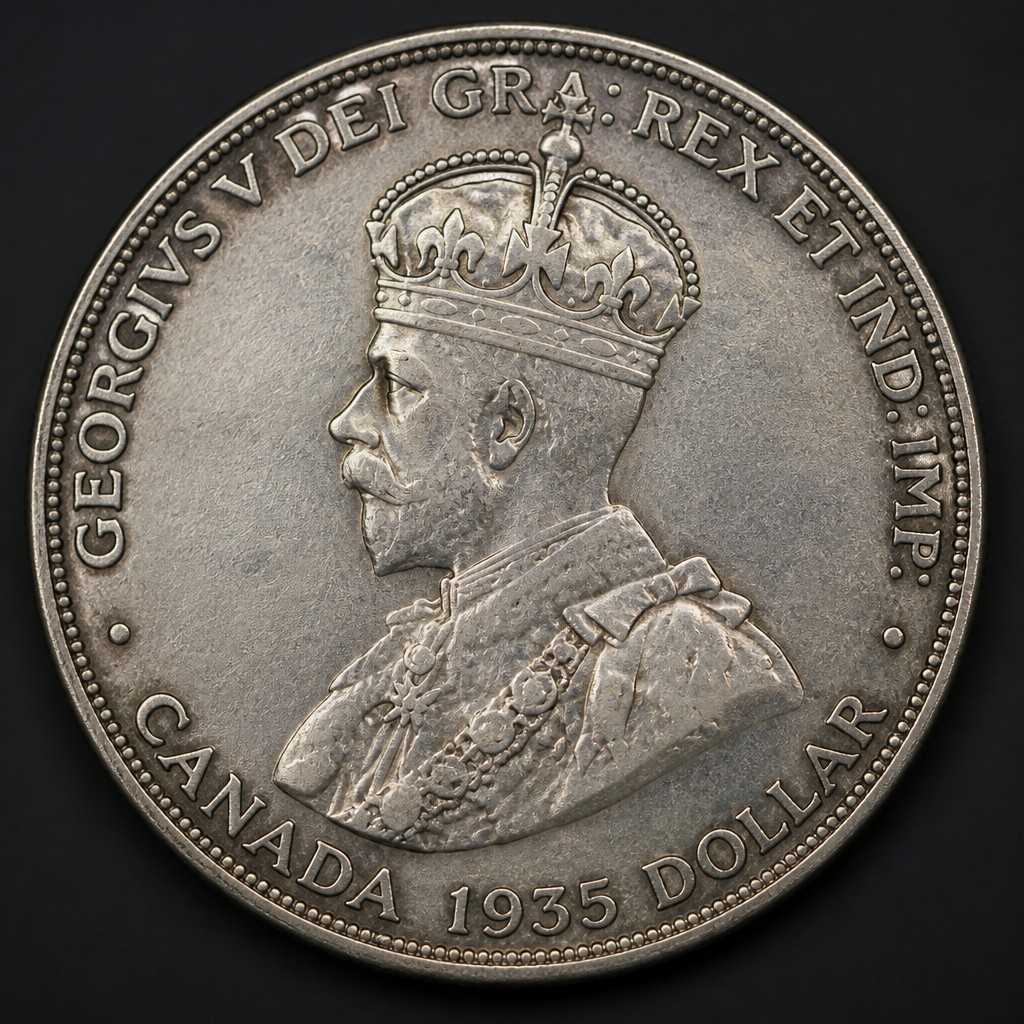
1935 George V Silver Jubilee Dollar (Voyageur)
1935
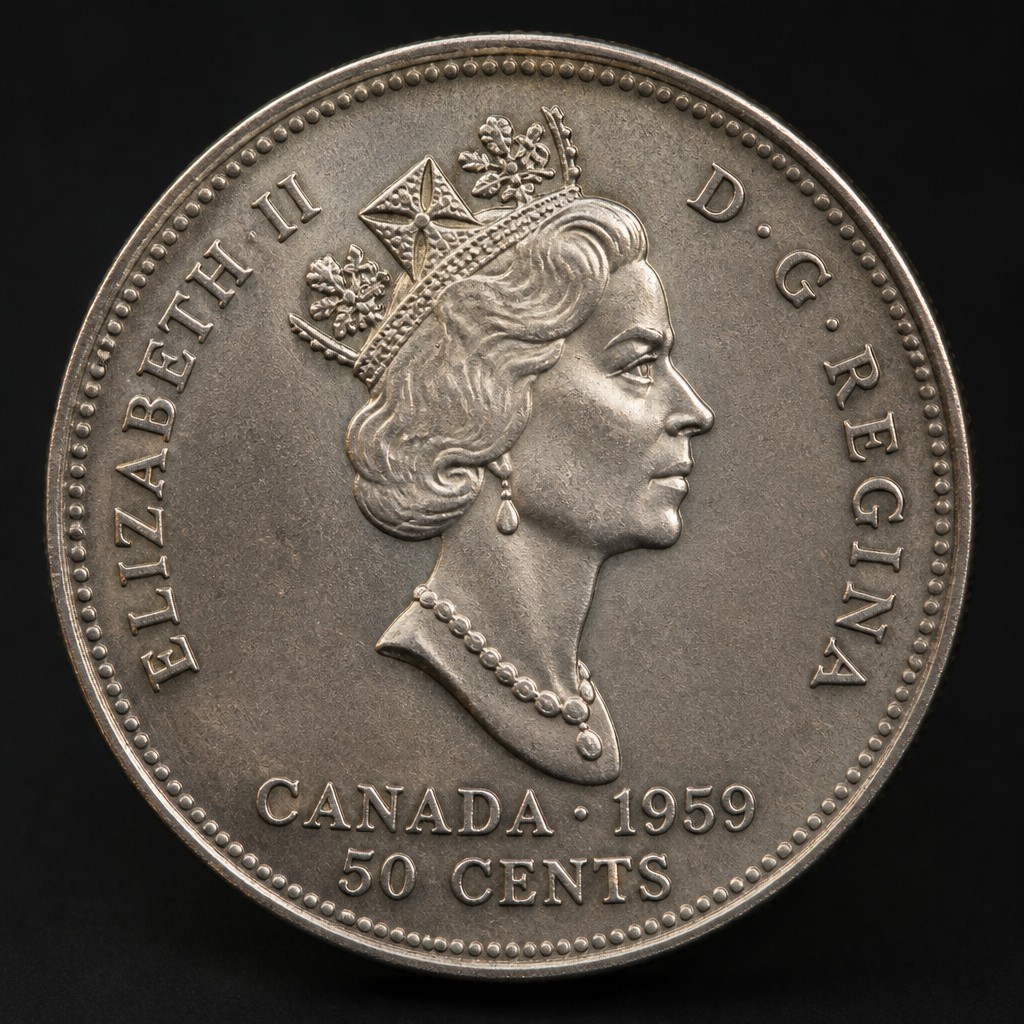
Coat of Arms Fifty Cents (Elizabeth II)
1959–present
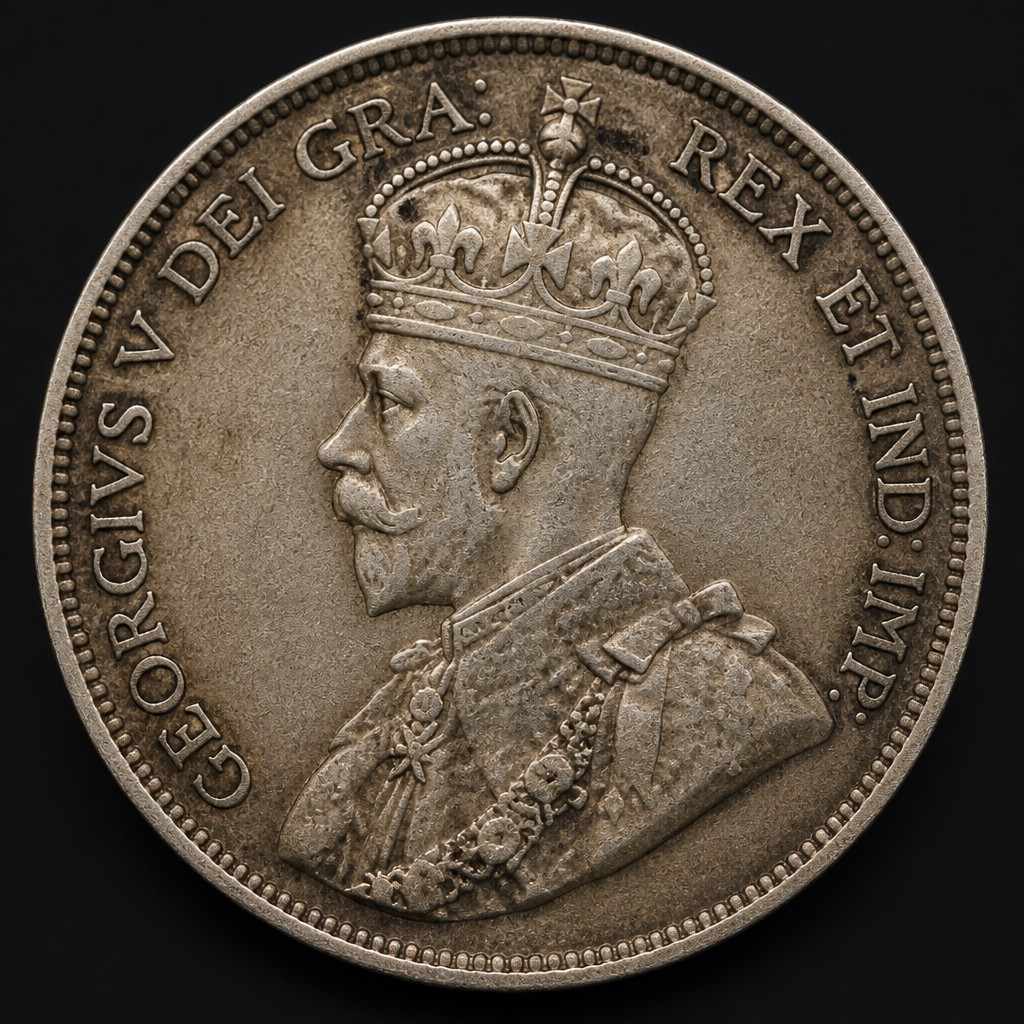
George V Fifty Cents
1911–1936
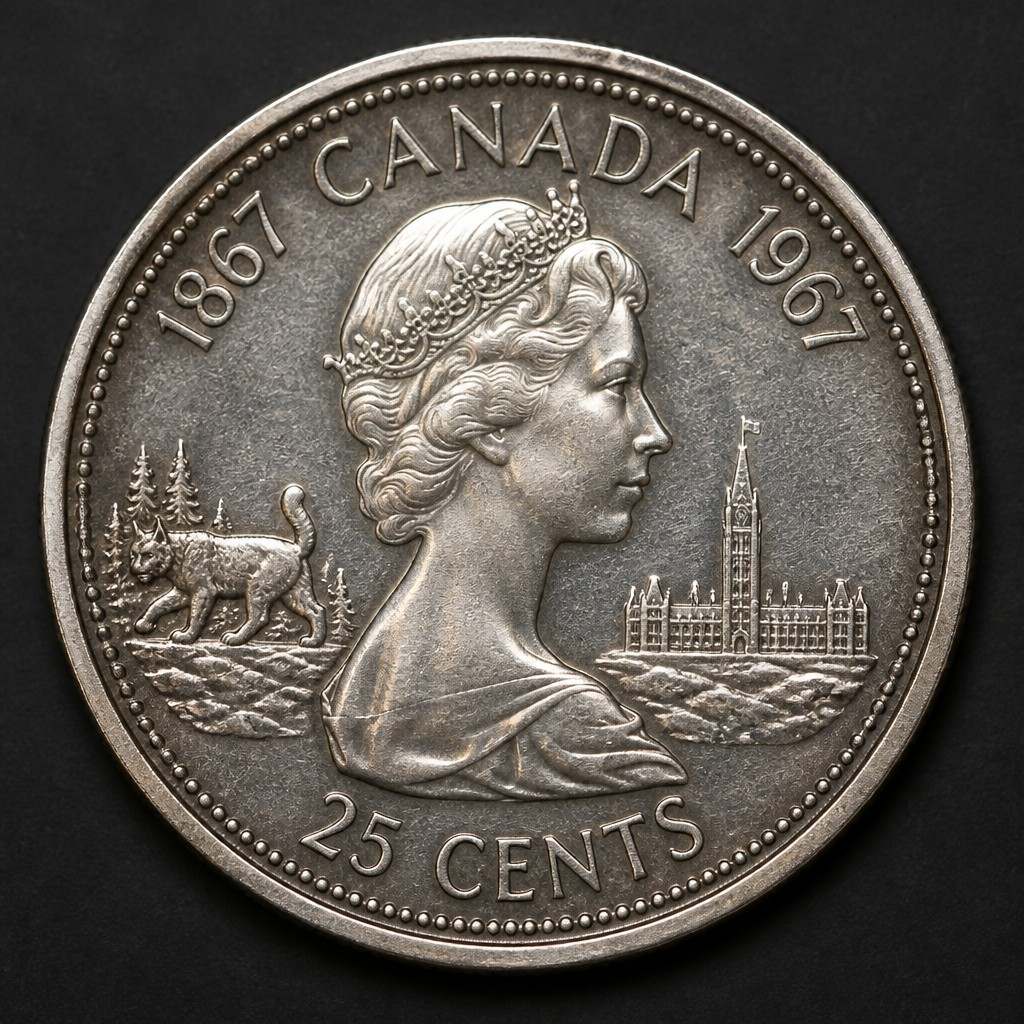
1967 Bobcat Centennial Quarter
1967
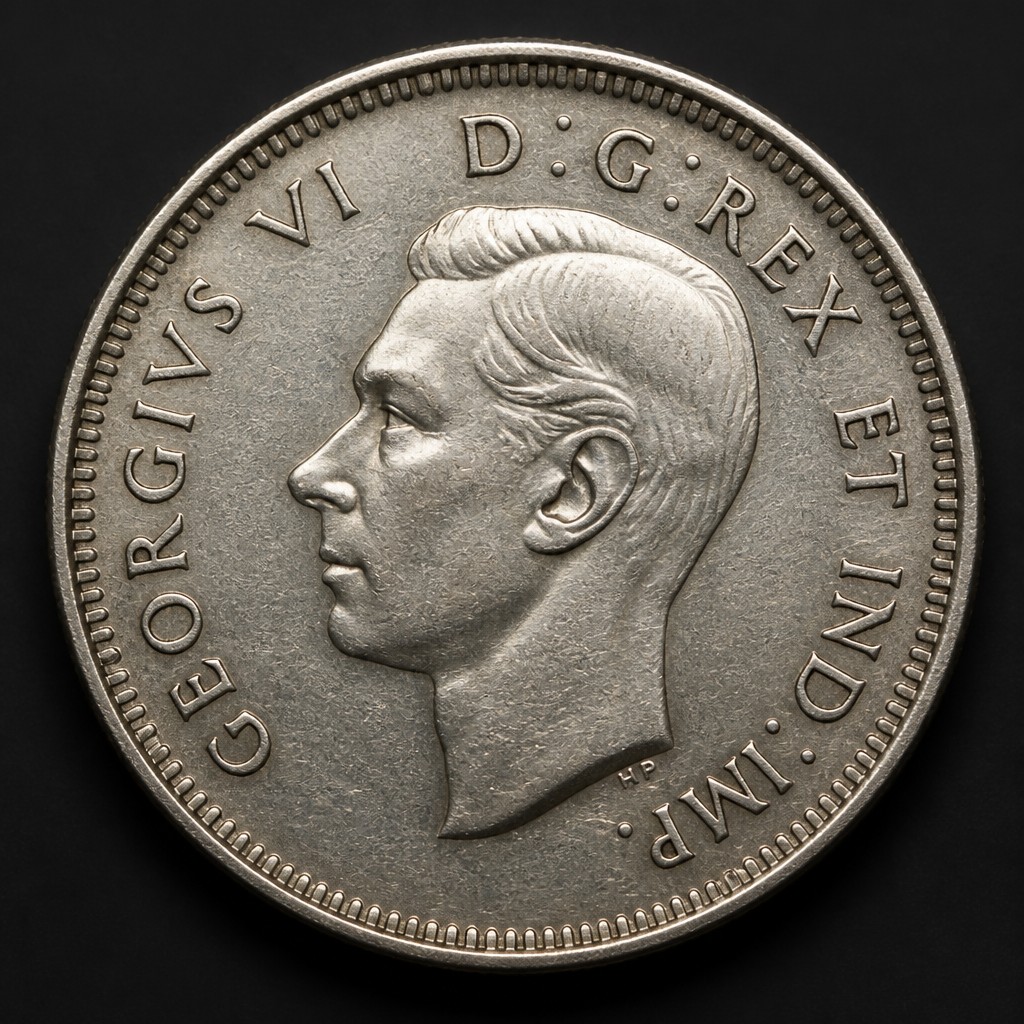
Caribou Twenty-Five Cents (quarter)
1937–present
1936 Voyageur Silver Dollar
1936