
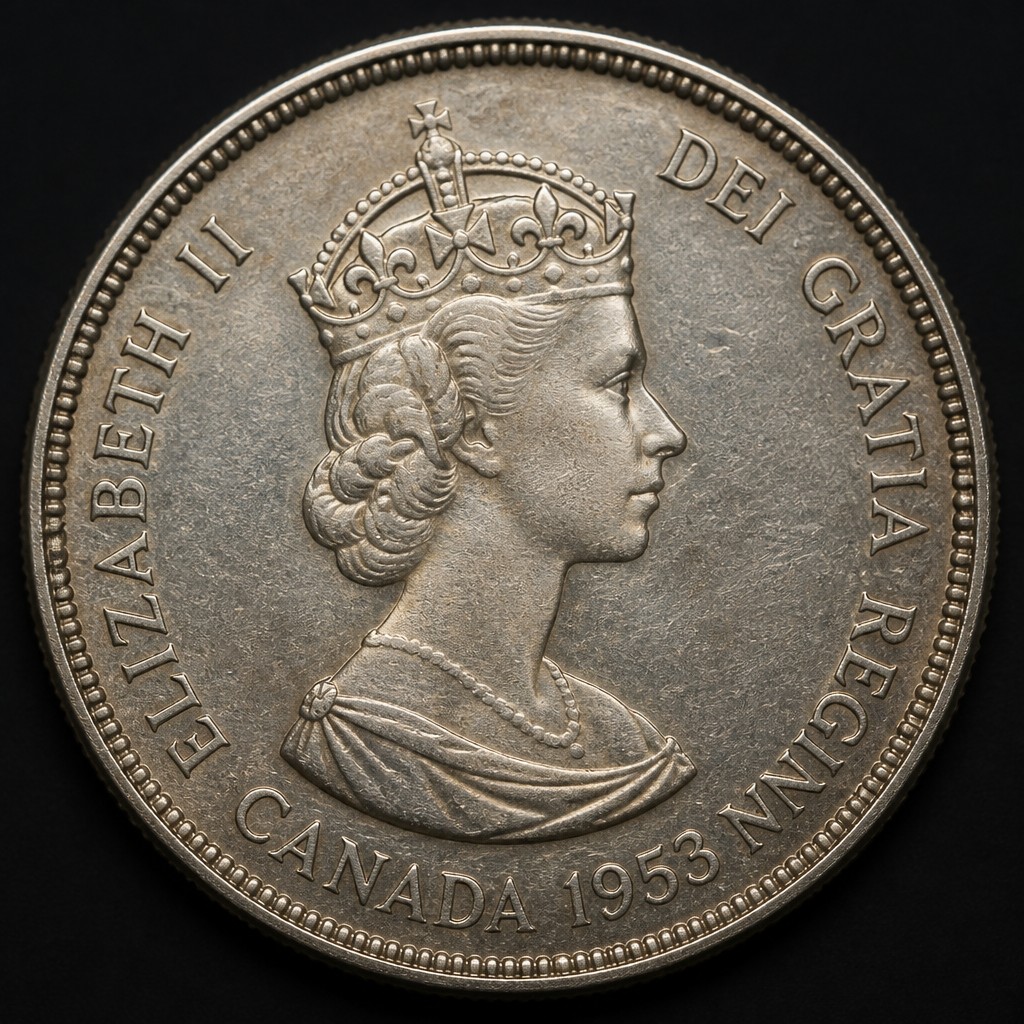
1953 Coronation Voyageur Dollar
The first Canadian silver dollar of Queen Elizabeth II's reign, issued in her coronation year, featuring the classic Voyageur canoe reverse and known for two collectible obverse varieties.
- Country
- Canada
- Denomination
- One Dollar
- Metal
- 80% Silver, 20% Copper
Got a coin like this?
Identify any coin from a photo, free.
Overview
The 1953 silver dollar introduced the young Queen Elizabeth II to Canada's dollar coinage, marking both her coronation and the continuation of the long-running Voyageur design on the reverse. It is a popular type coin for collectors assembling a run of Canadian silver dollars by reign.
What makes the date especially interesting to specialists is the existence of two obverse varieties struck the same year, created when the Mint adjusted the queen's portrait partway through production.
History & Background
Following the death of King George VI in 1952 and the coronation of Elizabeth II in June 1953, the Royal Canadian Mint updated its coinage with a new obverse portrait of the young queen, sculpted by British artist Mary Gillick. The reverse retained the well-established "Voyageur" design created by Emanuel Hahn in 1935, showing a fur trader and an Indigenous guide paddling a canoe, which had become a hallmark of the Canadian silver dollar series.
During 1953 production, the Mint made a small modification to the drapery lines on the queen's shoulder, resulting in two recognized varieties from the same year: an initial "No Shoulder Fold" version and a later "Shoulder Fold" version with an added fold line in the queen's gown.
How to Identify
The obverse shows a young, uncrowned bust of Queen Elizabeth II facing right with the legend "ELIZABETH II DEI GRATIA REGINA" and the date below. The reverse depicts the Voyageur design: two men paddling a canoe past an islet, flanked by the denomination "CANADA" and "ONE DOLLAR."
To distinguish the two 1953 varieties, collectors examine the drapery on the queen's shoulder just below her portrait bust: the "No Shoulder Fold" variety has a smooth, single line, while the "Shoulder Fold" variety shows an additional fold or crease in the fabric. Some 1953 dollars also show a small raised dot near the reverse rim from a die-polishing artifact, sometimes called the "large date" or "strap" variety by specialists, though the shoulder fold distinction is the most collected.
Value & Collectibility
Common 1953 dollars in typical circulated grades are inexpensive and readily available. The "No Shoulder Fold" variety is scarcer than the "Shoulder Fold" variety and commands a meaningful premium, particularly in higher mint state grades.
As with most mid-20th-century Canadian silver dollars, value is driven heavily by grade and eye appeal, with gem uncirculated coins bringing significantly more than lightly worn examples.
Frequently asked questions
What are the two varieties of the 1953 dollar?
They are known as the "No Shoulder Fold" and "Shoulder Fold" varieties, referring to a small difference in the drapery lines on the queen's portrait.
Which 1953 variety is scarcer?
The "No Shoulder Fold" variety is generally considered scarcer and more valuable than the "Shoulder Fold" variety.
Who designed the reverse Voyageur scene?
Canadian sculptor Emanuel Hahn designed the Voyageur reverse in 1935, and it was used on Canadian silver dollars for decades afterward.
What is the coin's silver content?
It is struck in 80% silver and 20% copper, matching other Canadian silver dollars of the period.
Other coins you may enjoy
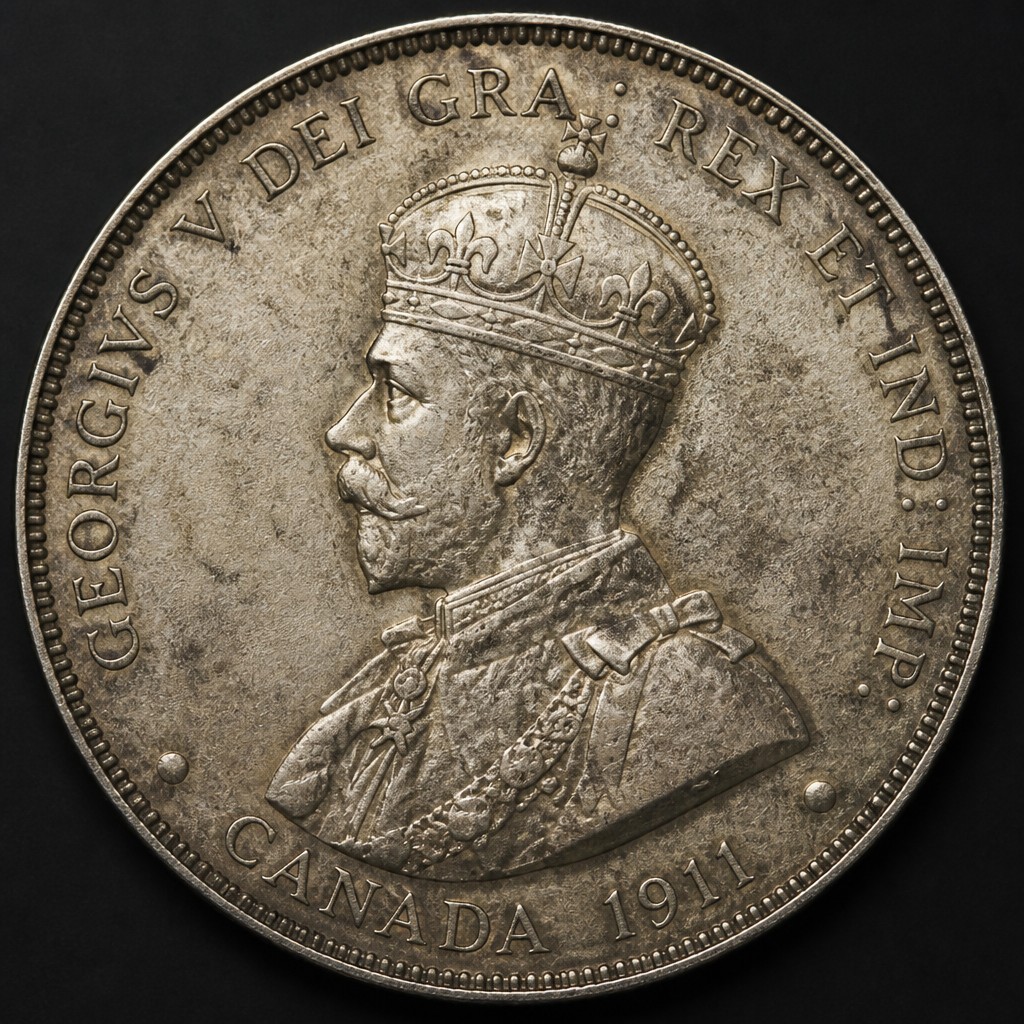
1911 Canadian Silver Dollar (Pattern)
1911
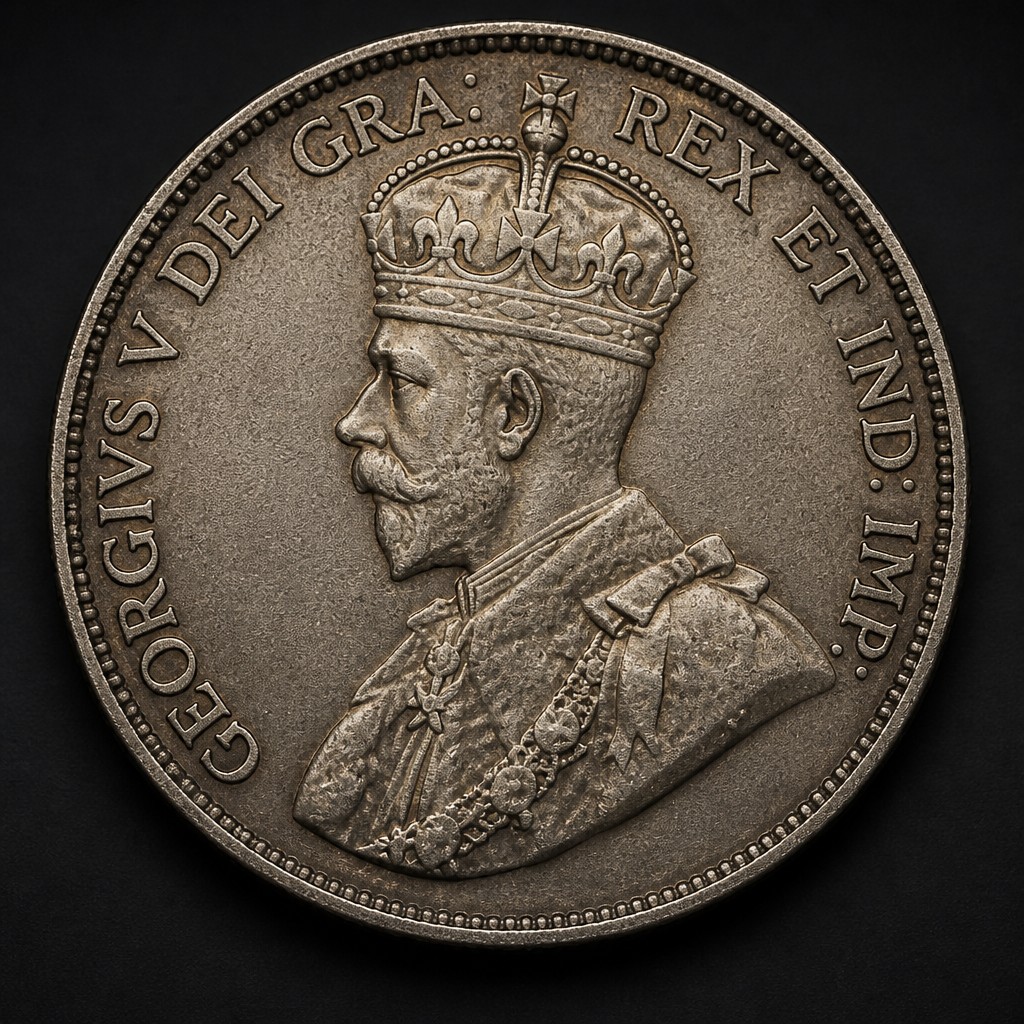
George V Twenty-Five Cents (silver)
1911–1936
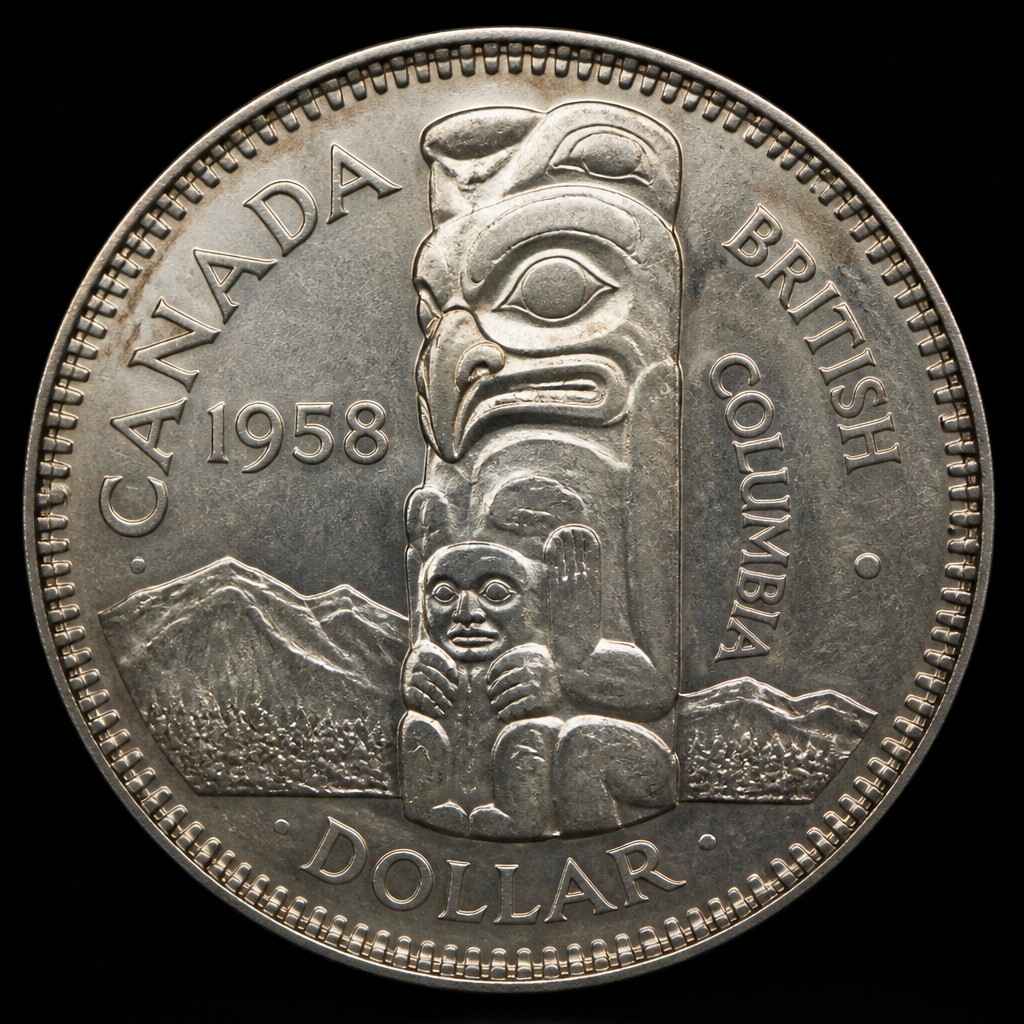
1958 British Columbia Totem Pole Dollar
1958
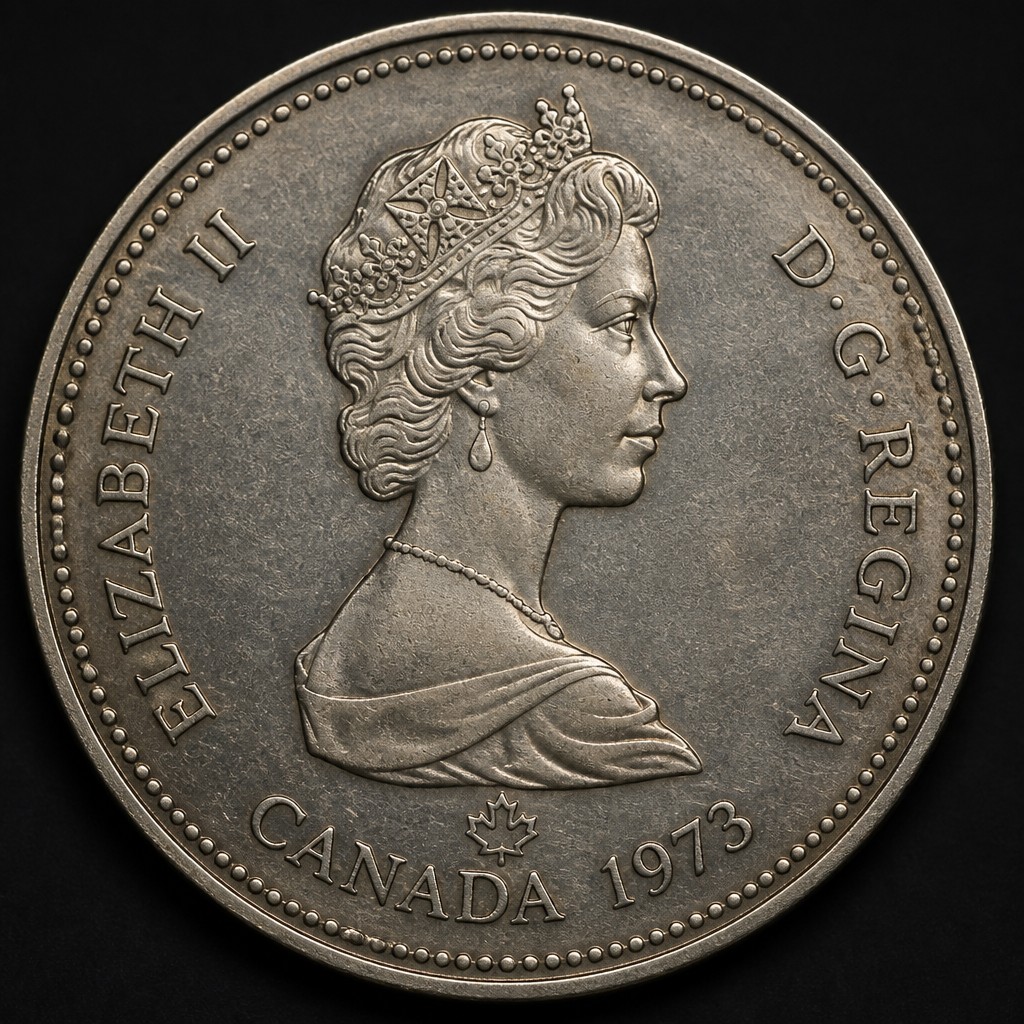
1973 RCMP Centennial Dollar
1973
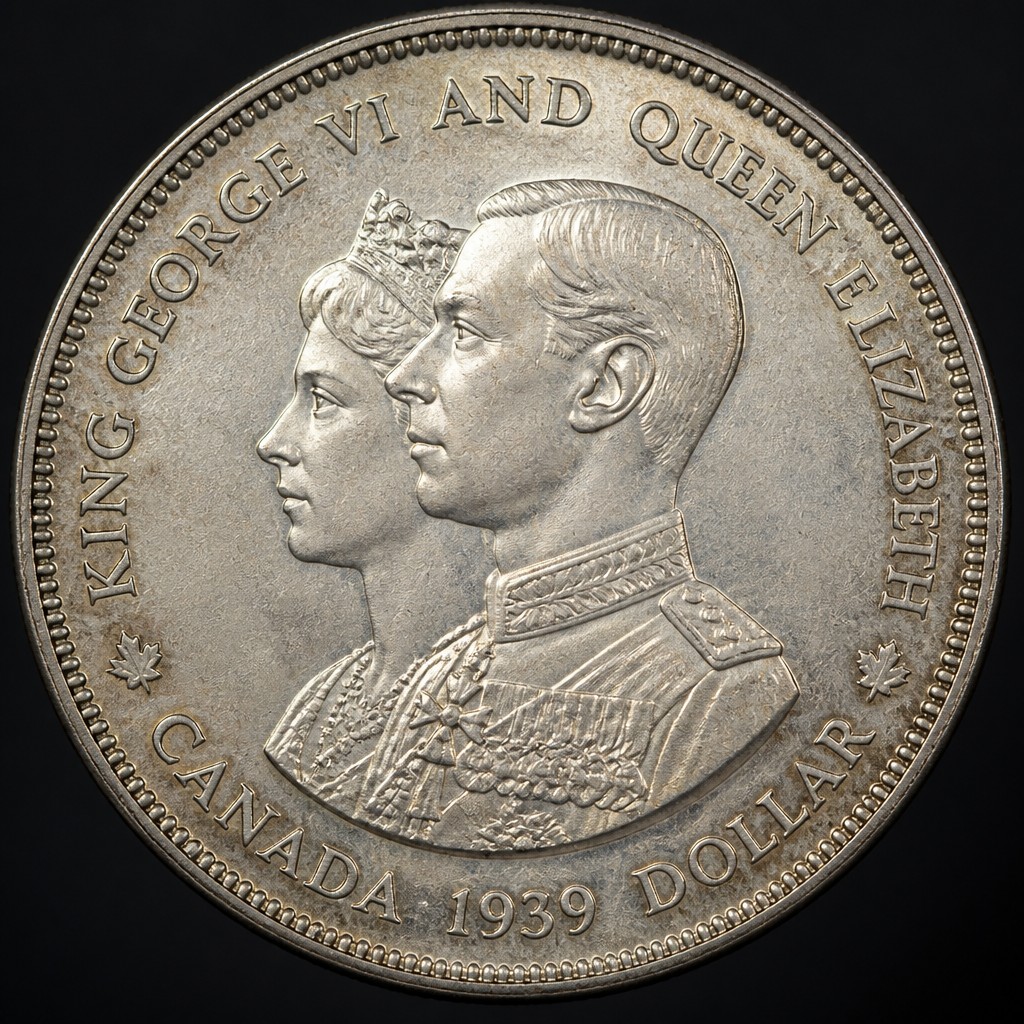
1939 Royal Visit Silver Dollar (Parliament)
1939
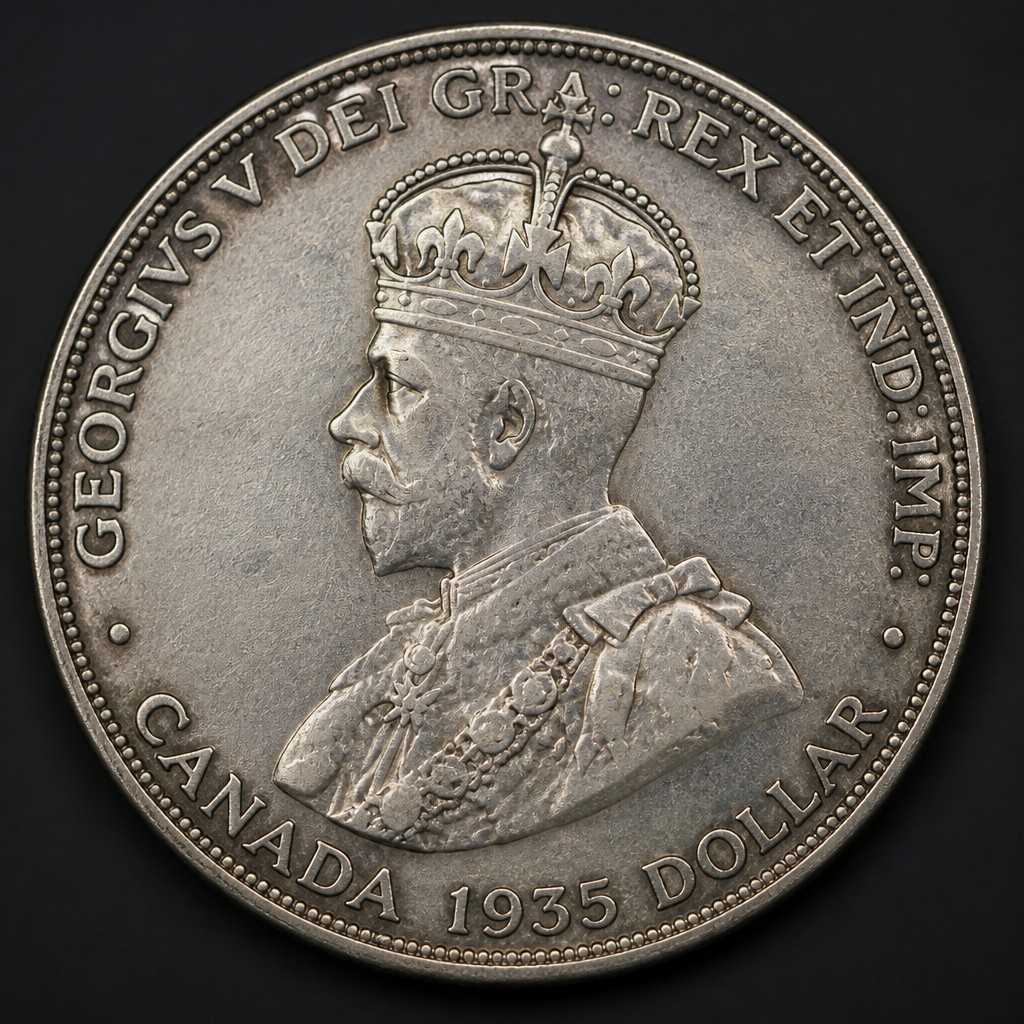
1935 George V Silver Jubilee Dollar (Voyageur)
1935
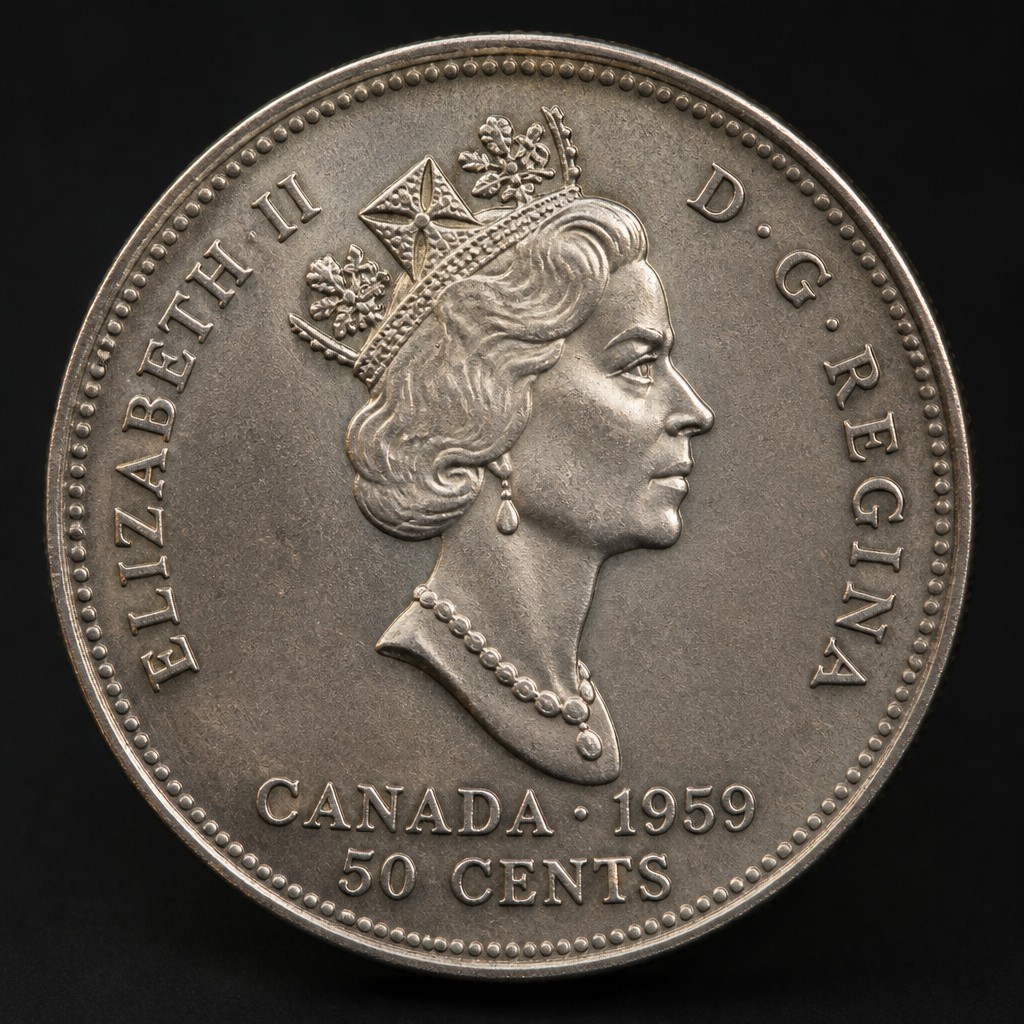
Coat of Arms Fifty Cents (Elizabeth II)
1959–present
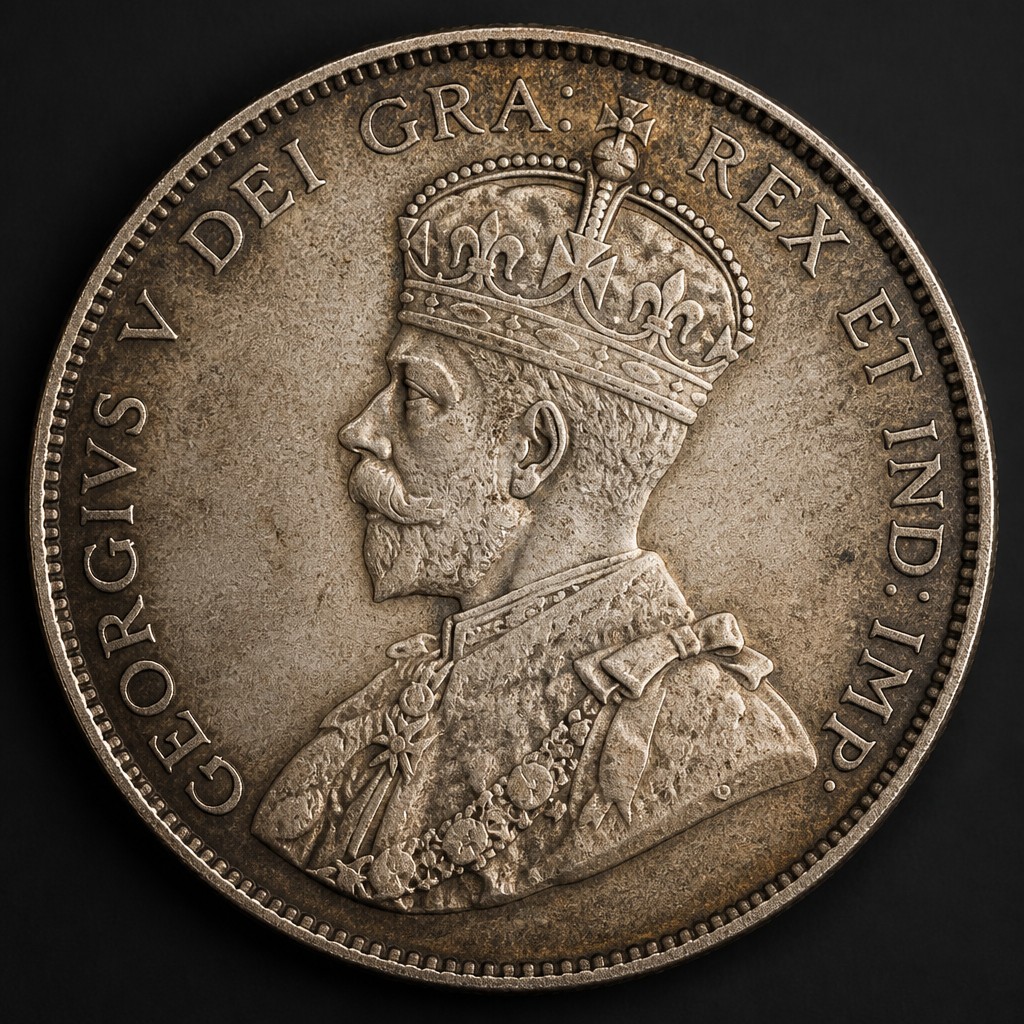
1921 Fifty Cents (King of Canadian Coins)
1921
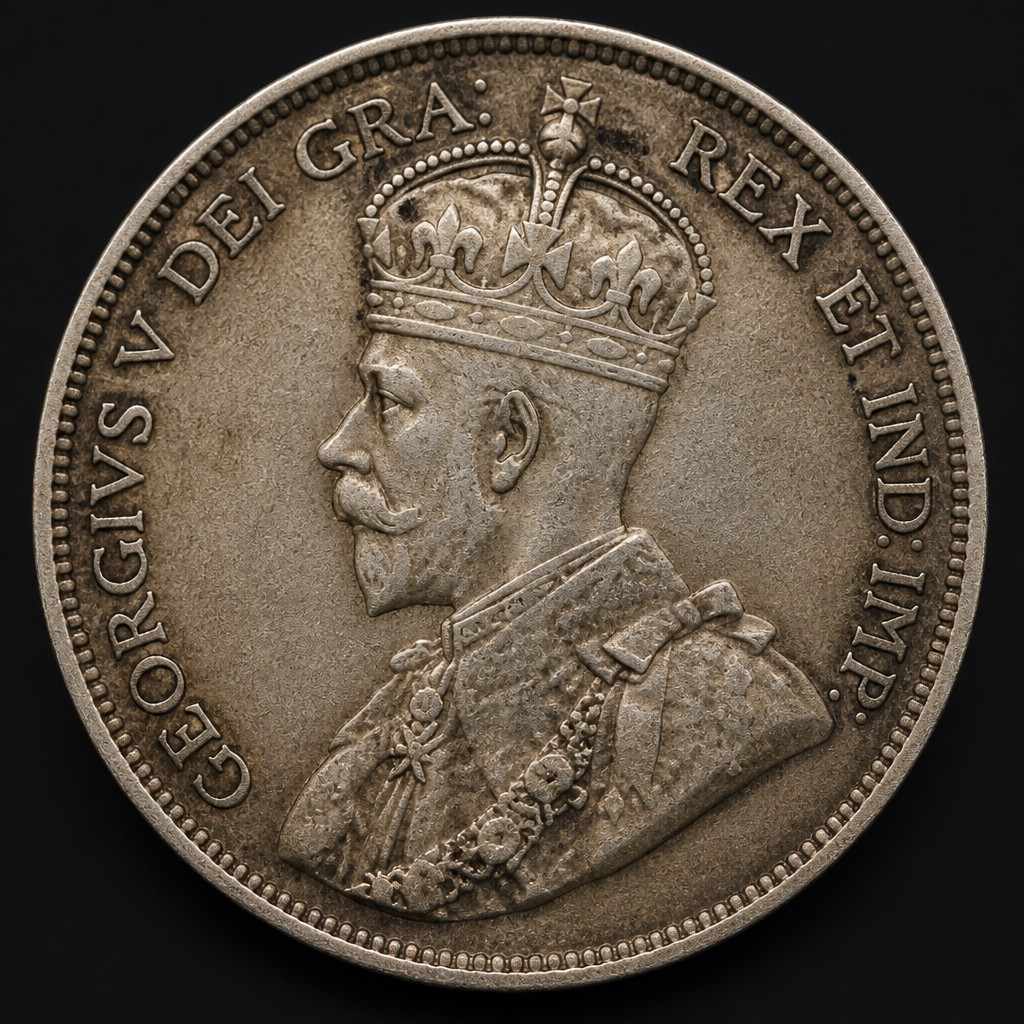
George V Fifty Cents
1911–1936
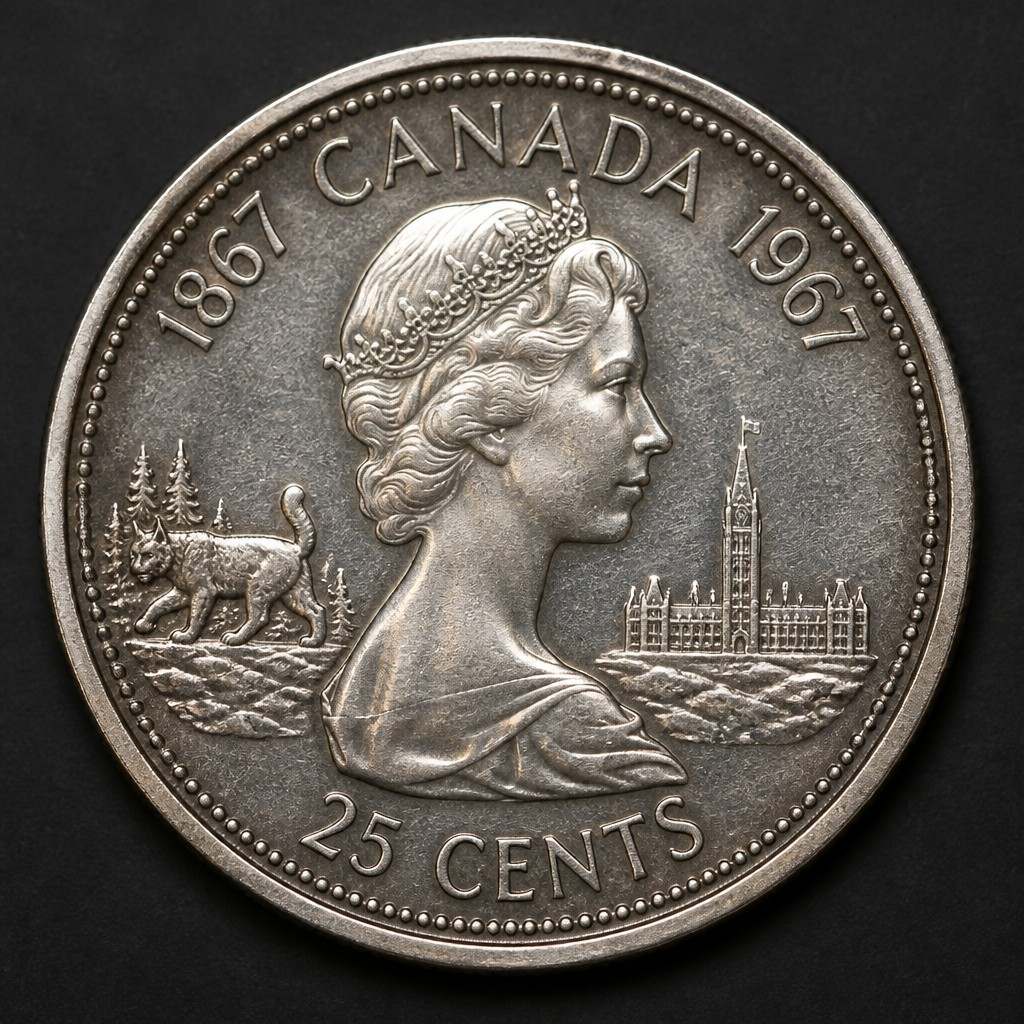
1967 Bobcat Centennial Quarter
1967
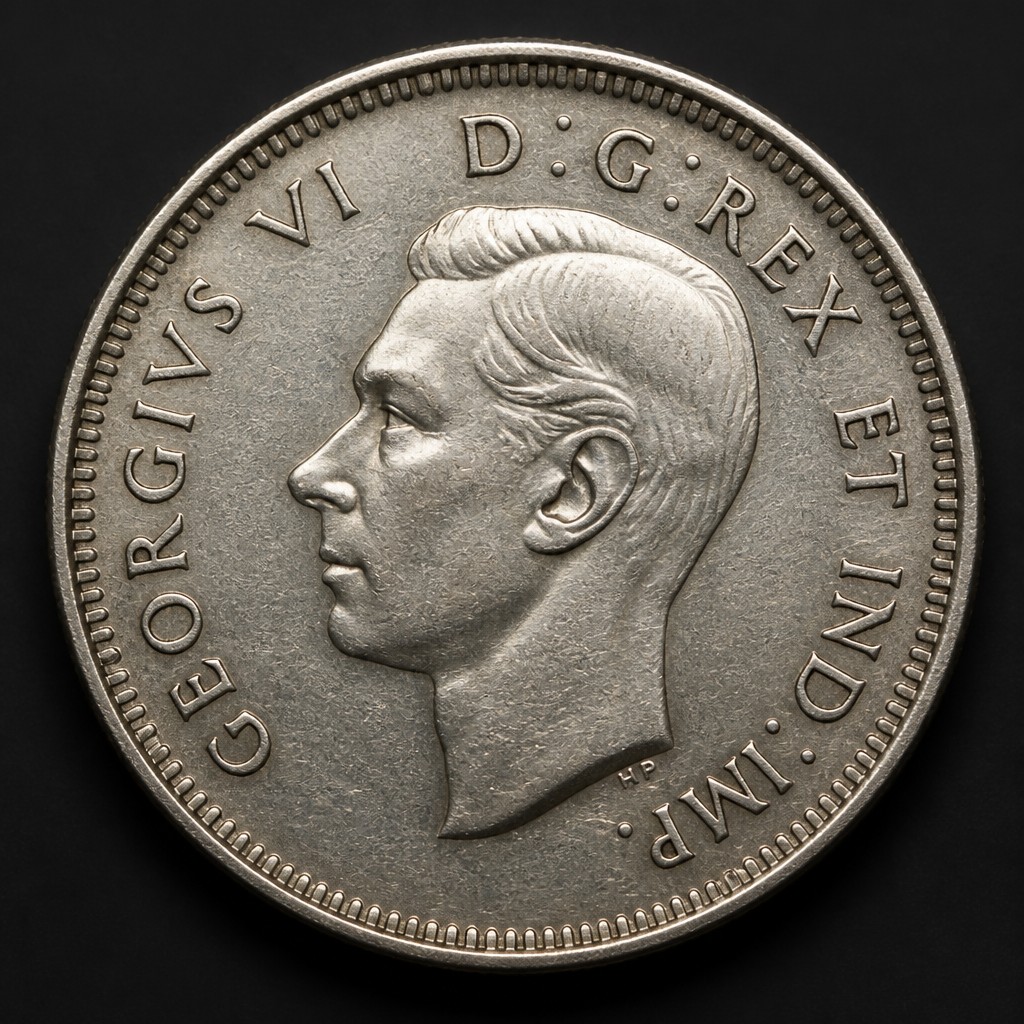
Caribou Twenty-Five Cents (quarter)
1937–present
1936 Voyageur Silver Dollar
1936