
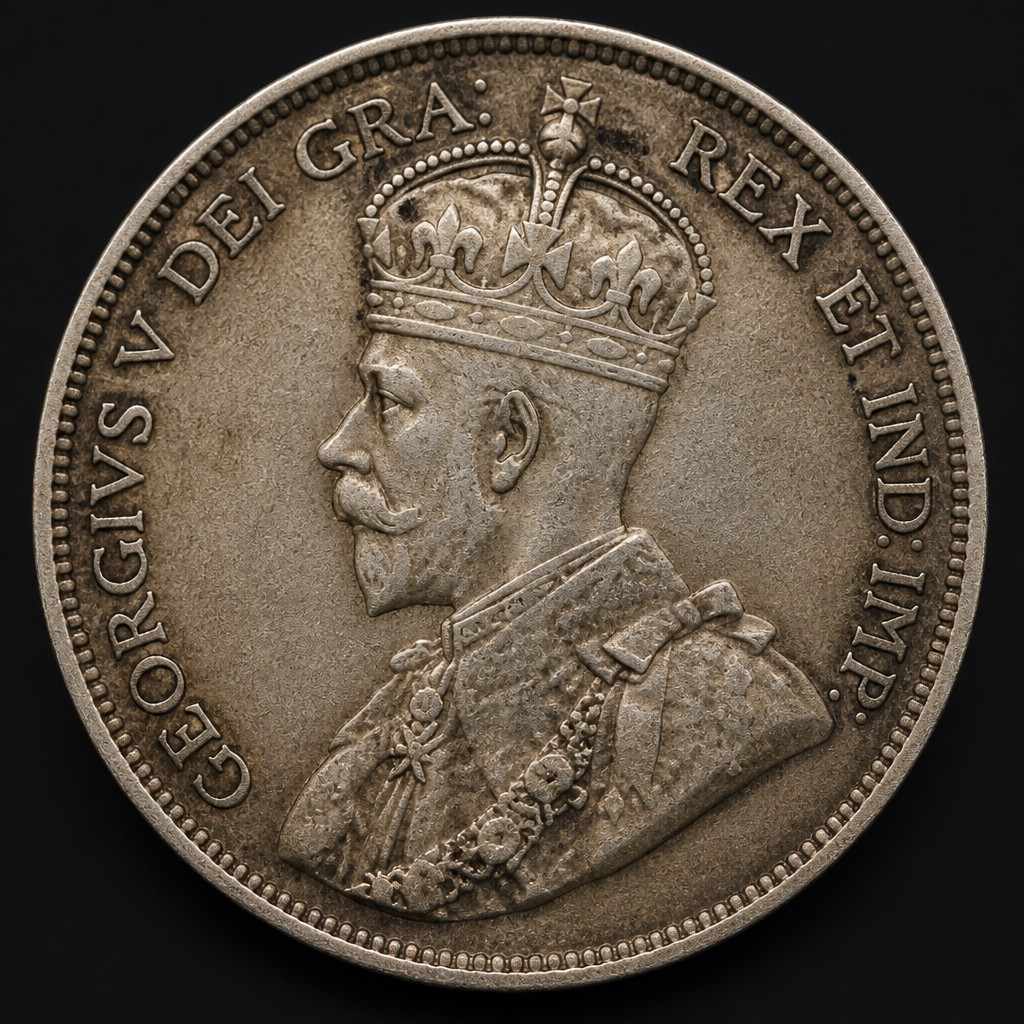
George V Fifty Cents
Canada's fifty-cent silver coin issued under King George V, spanning a reduction in silver fineness in 1920 and including the famously rare 1921 date.
- Country
- Canada
- Denomination
- Fifty Cents
- Metal
- 92.5% Silver (1911–1919); 80% Silver (1920–1936)
Got a coin like this?
Identify any coin from a photo, free.
Overview
The George V fifty-cent piece carried Canada's largest common circulating silver denomination through the 1910s and into the 1930s, bridging the transition from Edwardian-era coinage to the modern Canadian series. It continues the shield-and-wreath reverse design used since Confederation while updating the obverse to King George V's portrait.
The series is notable for spanning a change in silver fineness in 1920 and for including the celebrated 1921 rarity, making it a popular target for collectors assembling a complete date run as well as those chasing the series' single standout key date.
History & Background
King George V ascended to the British throne in 1910, and Canadian coinage was updated accordingly starting in 1911, continuing the long-established design conventions of a monarch's portrait obverse paired with a Canadian shield reverse. Coins from 1911 through 1919 were struck in sterling (.925) silver, matching the standard used since Victoria's reign.
In 1920, in response to rising global silver prices after the First World War, Canada reduced the silver fineness of its coinage to .800, a standard that would remain in place for decades. Production of the fifty-cent piece was inconsistent through the following years, including the famously scarce 1921 date and a gap in striking from 1922 through 1928.
How to Identify
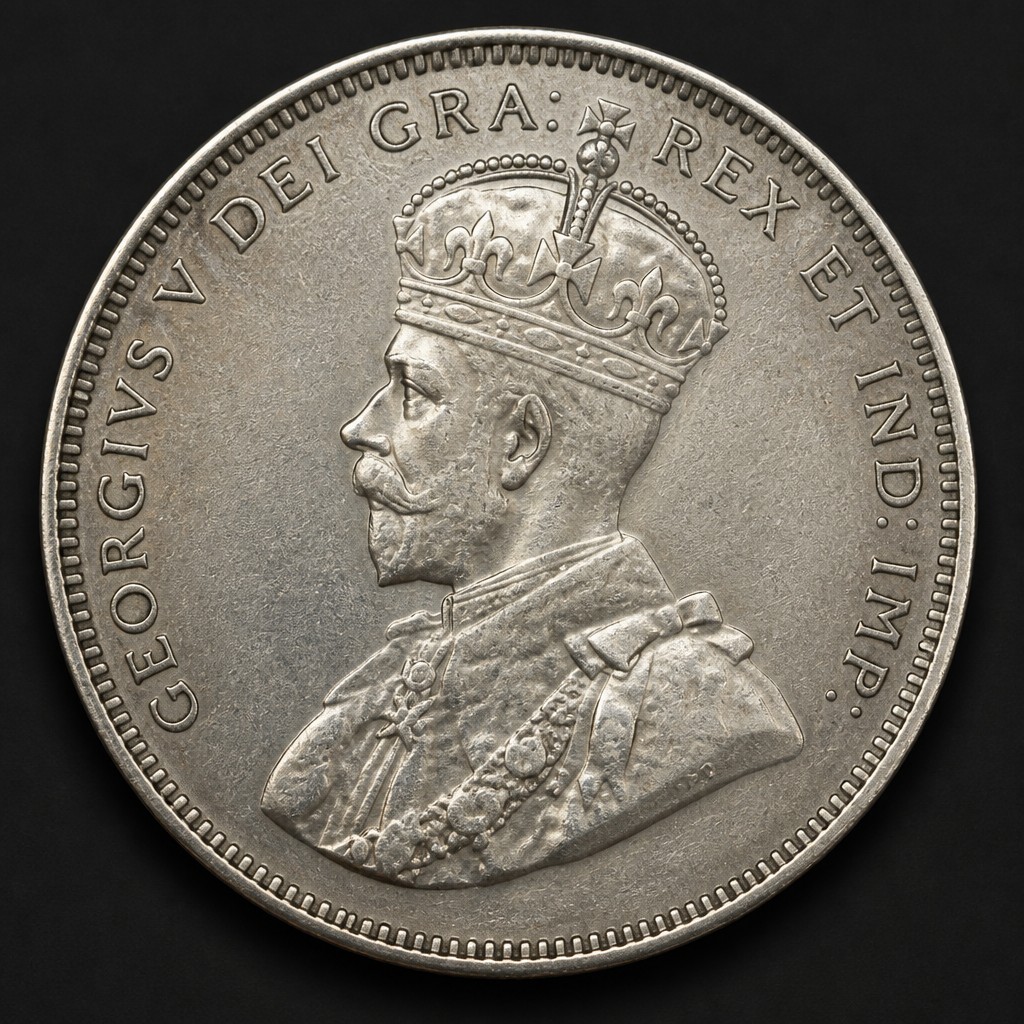
The obverse depicts King George V in profile with the Latin royal titles, while the reverse retains the traditional Canadian shield within a wreath, flanked by "50 CENTS" and "CANADA." The date appears below the shield on the reverse.
Collectors can distinguish earlier sterling silver issues (1911–1919) from later .800 fine issues (1920 onward) mainly through documented fineness by date rather than visual appearance, since the color difference is subtle. All pieces share the same general size and reeded edge typical of Canadian silver half dollars.
The most critical date to identify correctly within this series is 1921, given its enormous value differential compared to other years; careful date verification and, for that date, professional authentication are essential.
Value & Collectibility
Common dates in the George V fifty-cent series are readily available in circulated grades at modest premiums over silver value, with better condition and fully struck details commanding more from collectors of Canadian type coins. Certain lower-mintage years beyond 1921 also carry noticeable premiums.
The 1921 date stands apart as an extreme rarity worth vastly more than any other date in the series, so accurate date attribution is essential when evaluating a George V half dollar.
Frequently asked questions
What silver content do George V fifty-cent coins have?
Coins from 1911–1919 are .925 sterling silver, while those from 1920 onward are .800 fine silver.
Was the fifty-cent coin struck every year under George V?
No, there was a gap in production between 1922 and 1928.
Which date in this series is the most valuable?
The 1921 fifty-cent piece is by far the most valuable and famous date in the series.
How do I identify the obverse design?
It shows King George V's portrait in profile with the standard Latin royal titles.
Other coins you may enjoy
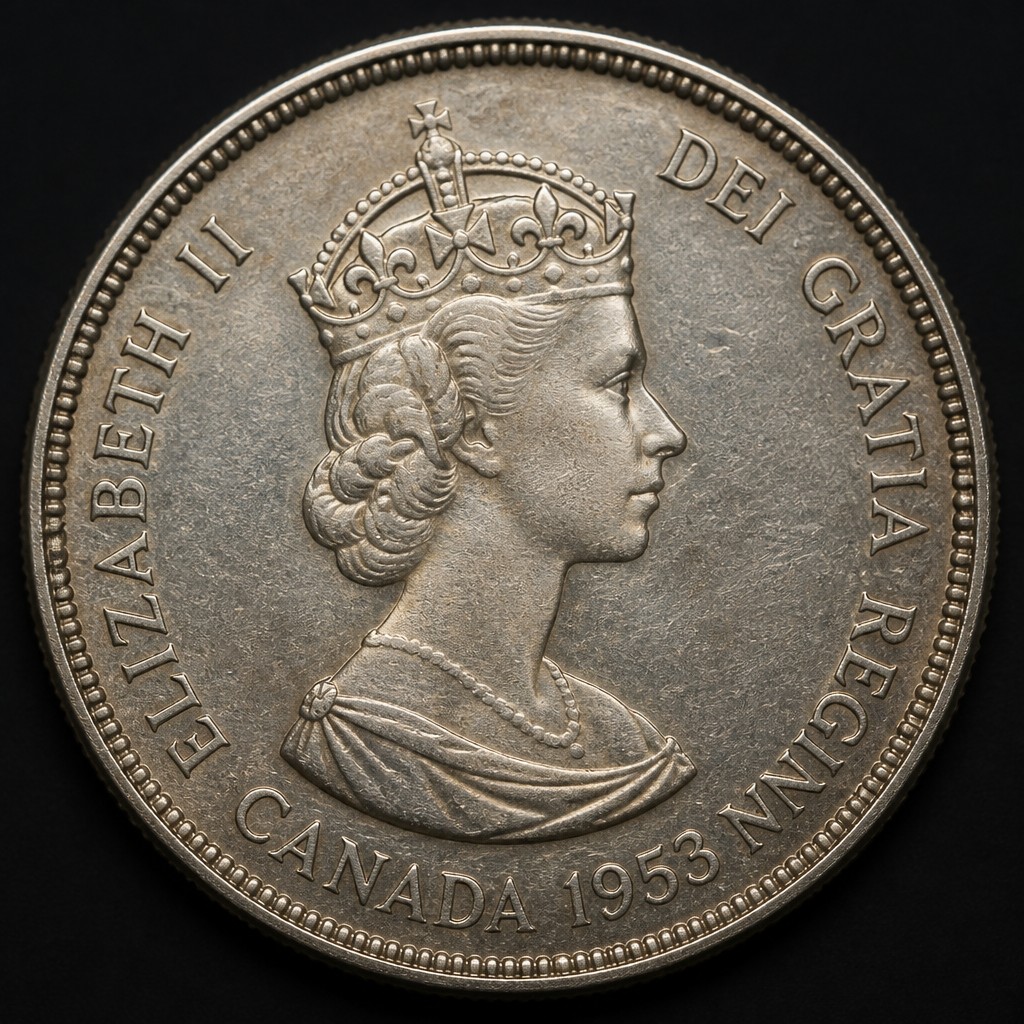
1953 Coronation Voyageur Dollar
1953
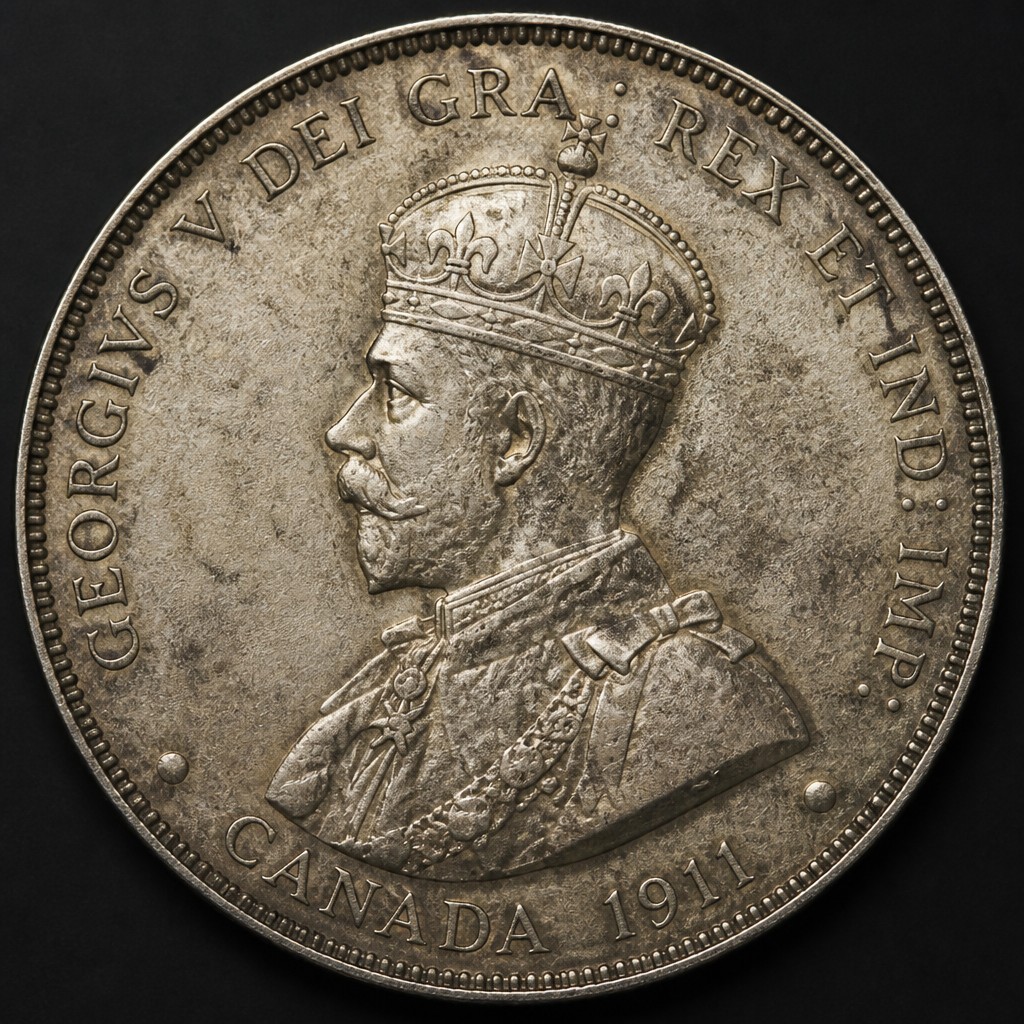
1911 Canadian Silver Dollar (Pattern)
1911
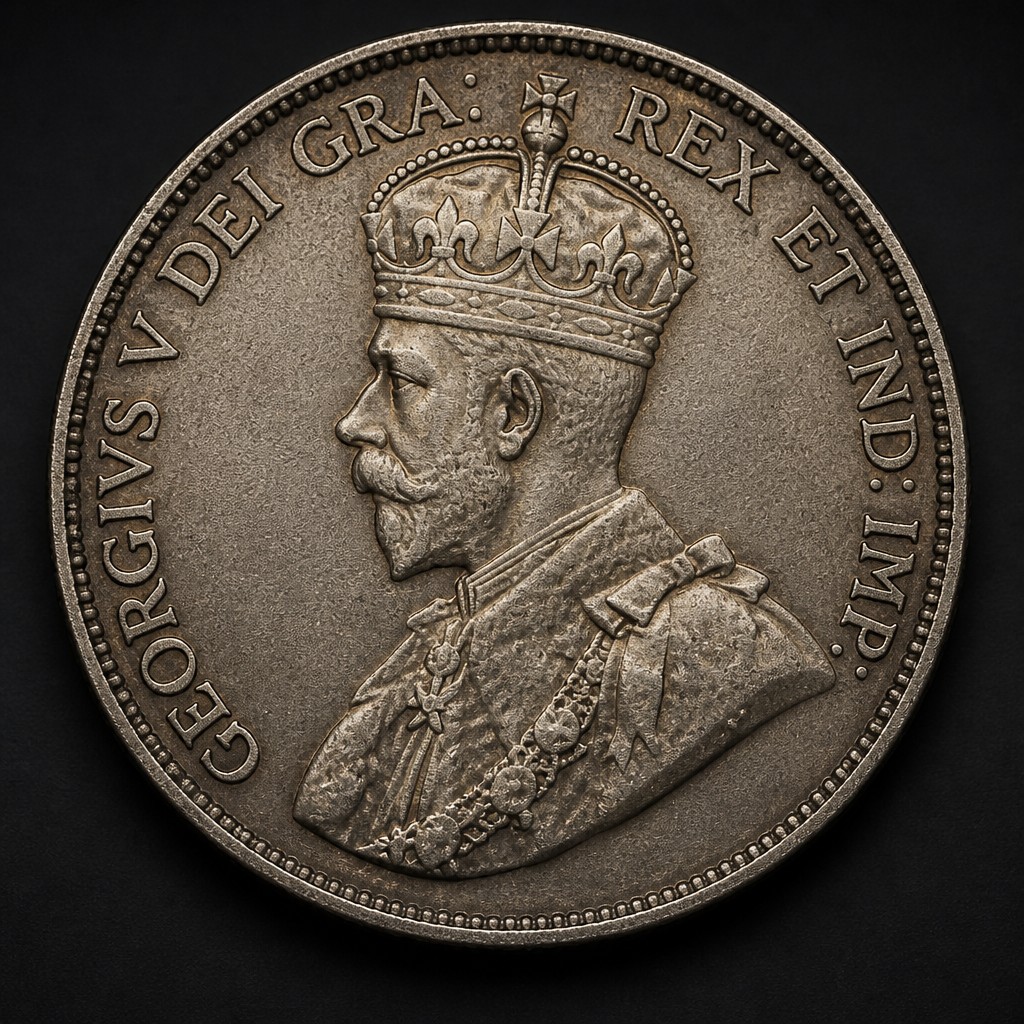
George V Twenty-Five Cents (silver)
1911–1936
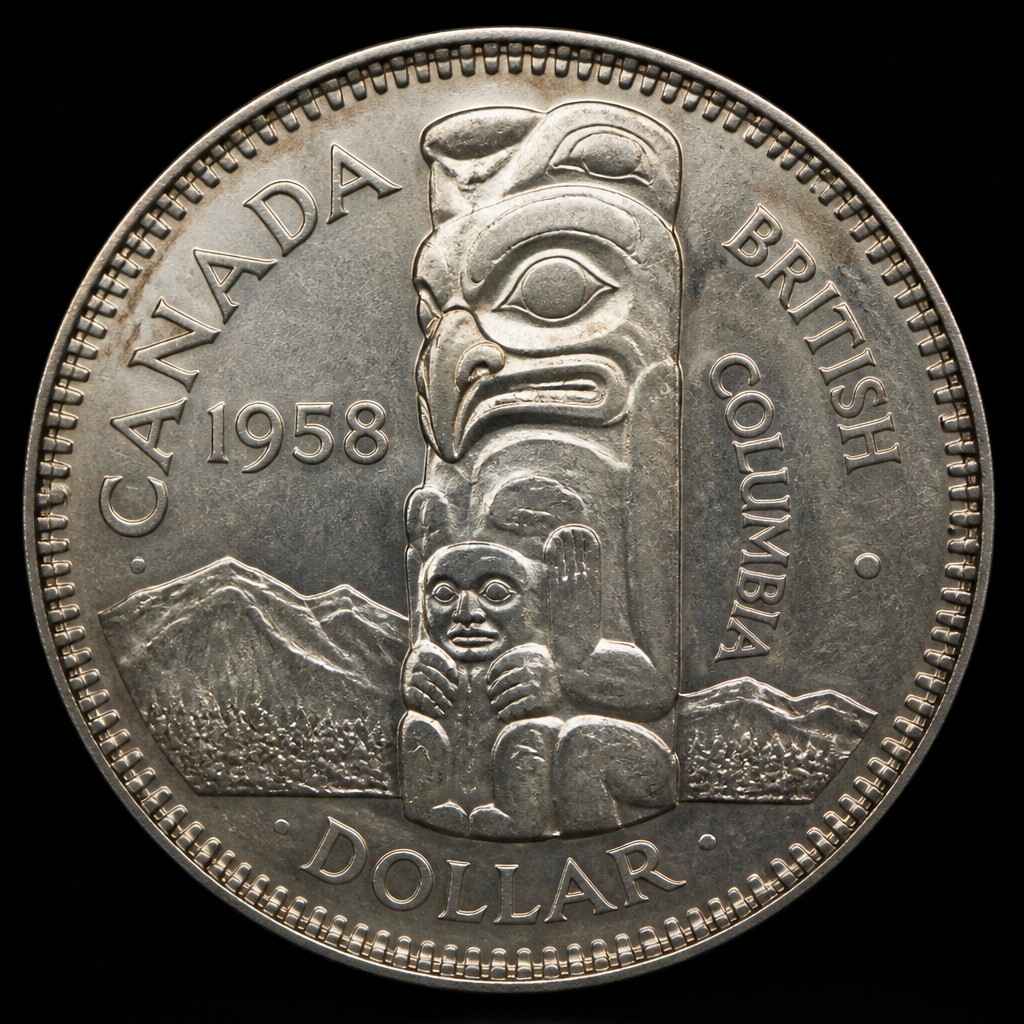
1958 British Columbia Totem Pole Dollar
1958
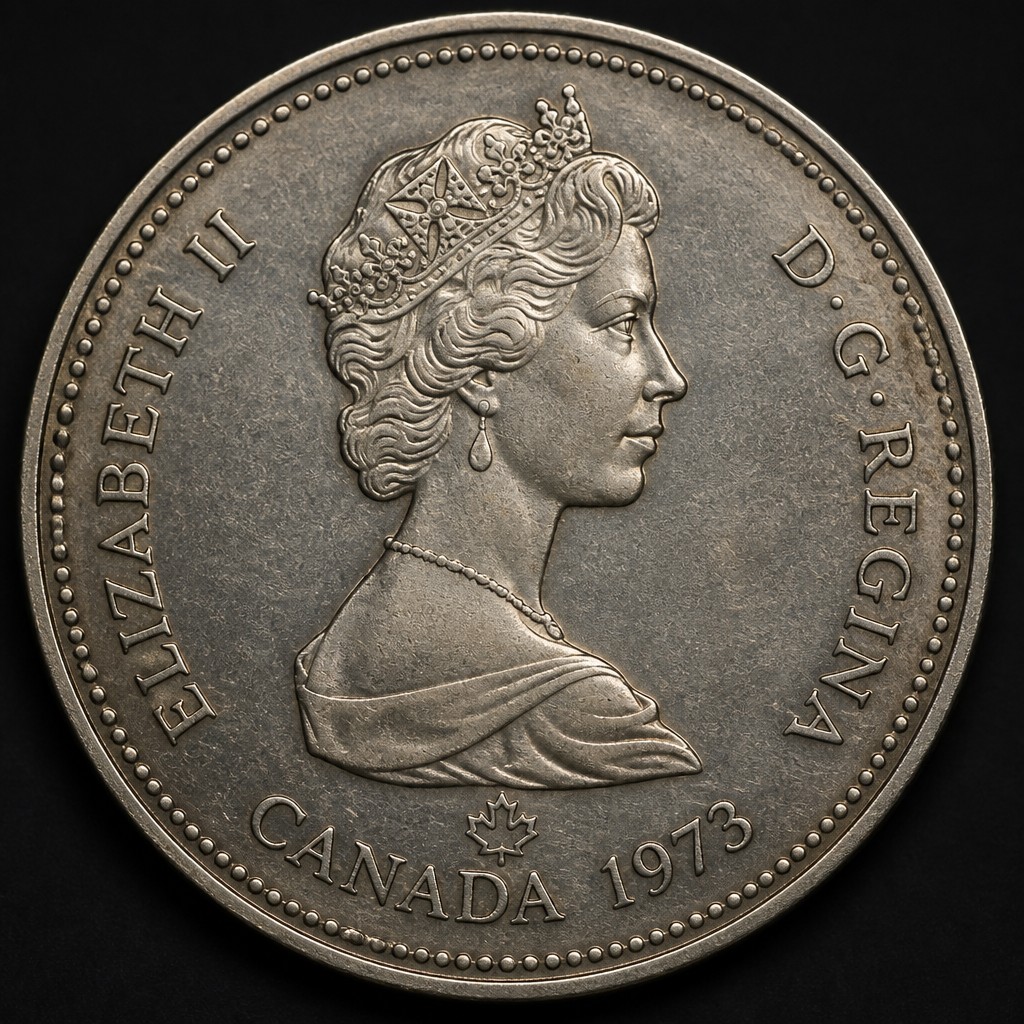
1973 RCMP Centennial Dollar
1973
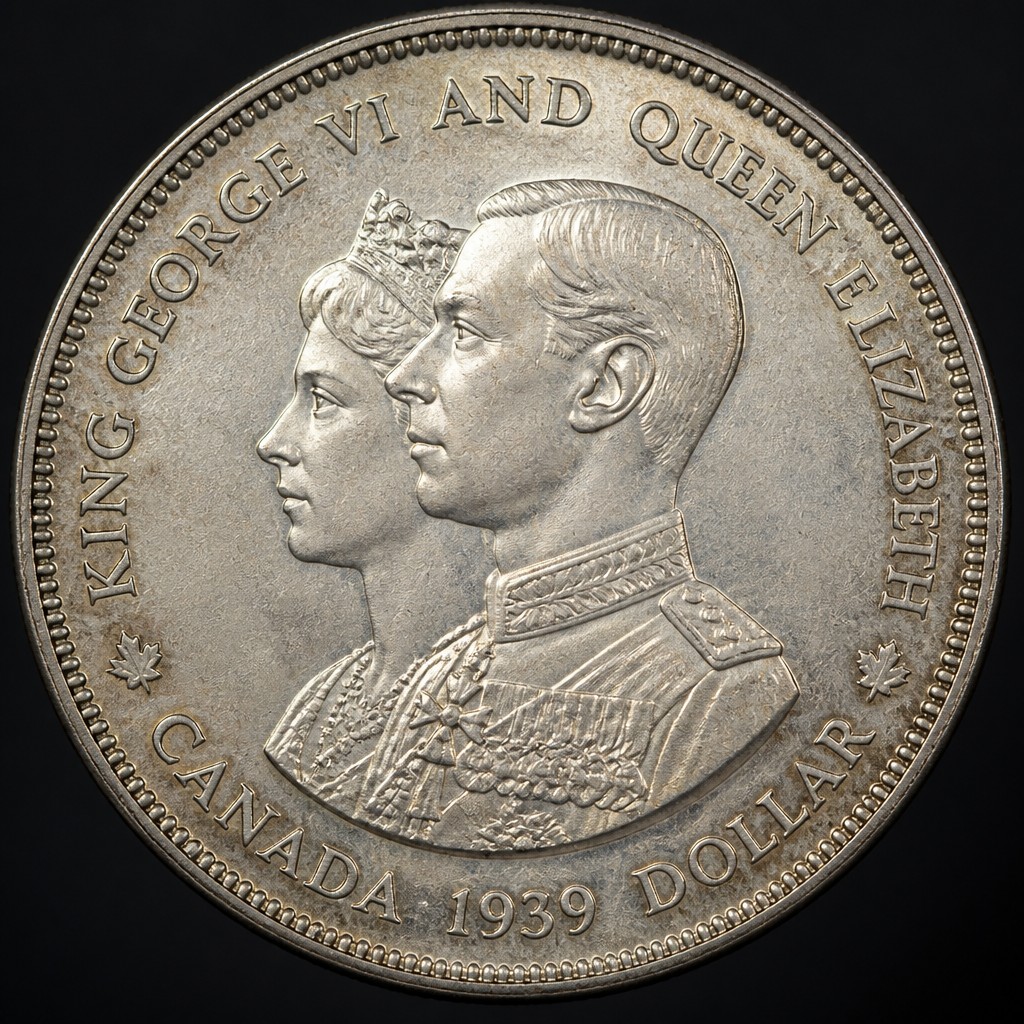
1939 Royal Visit Silver Dollar (Parliament)
1939
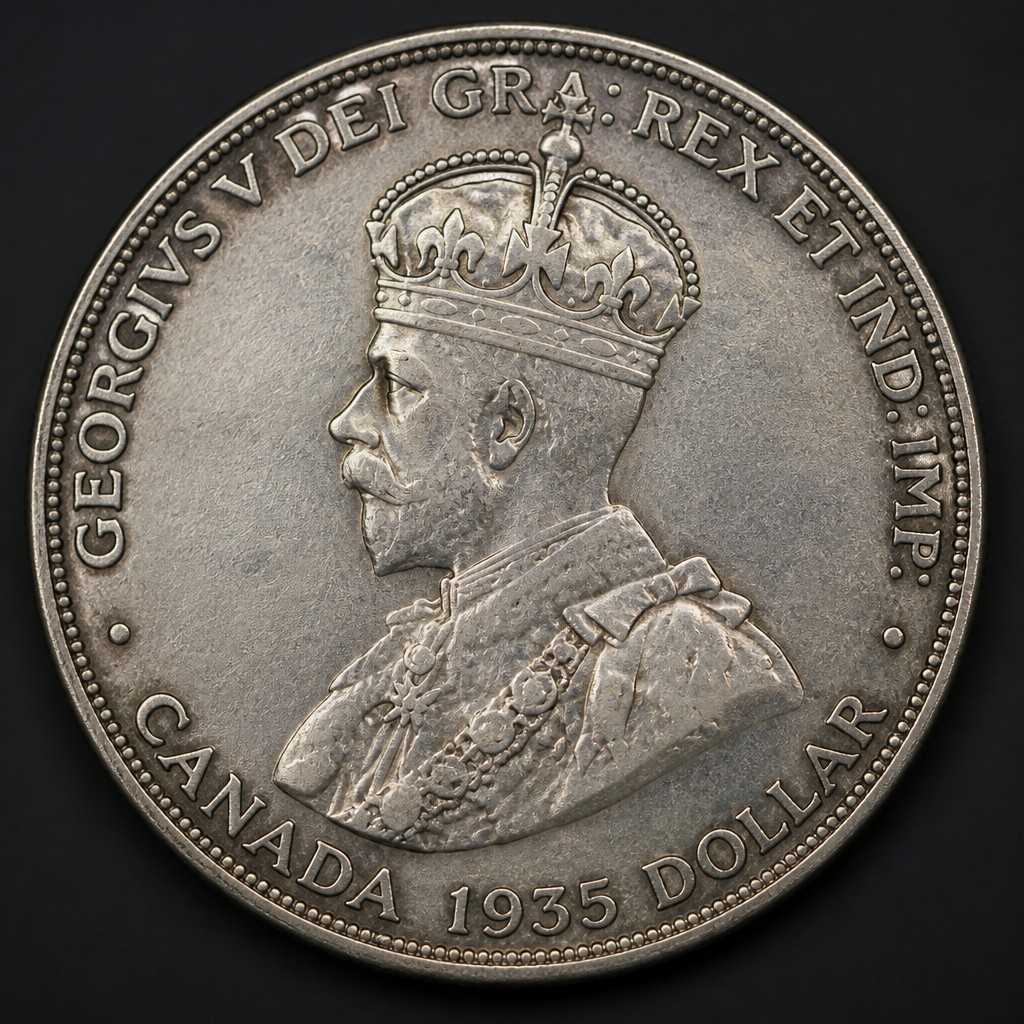
1935 George V Silver Jubilee Dollar (Voyageur)
1935
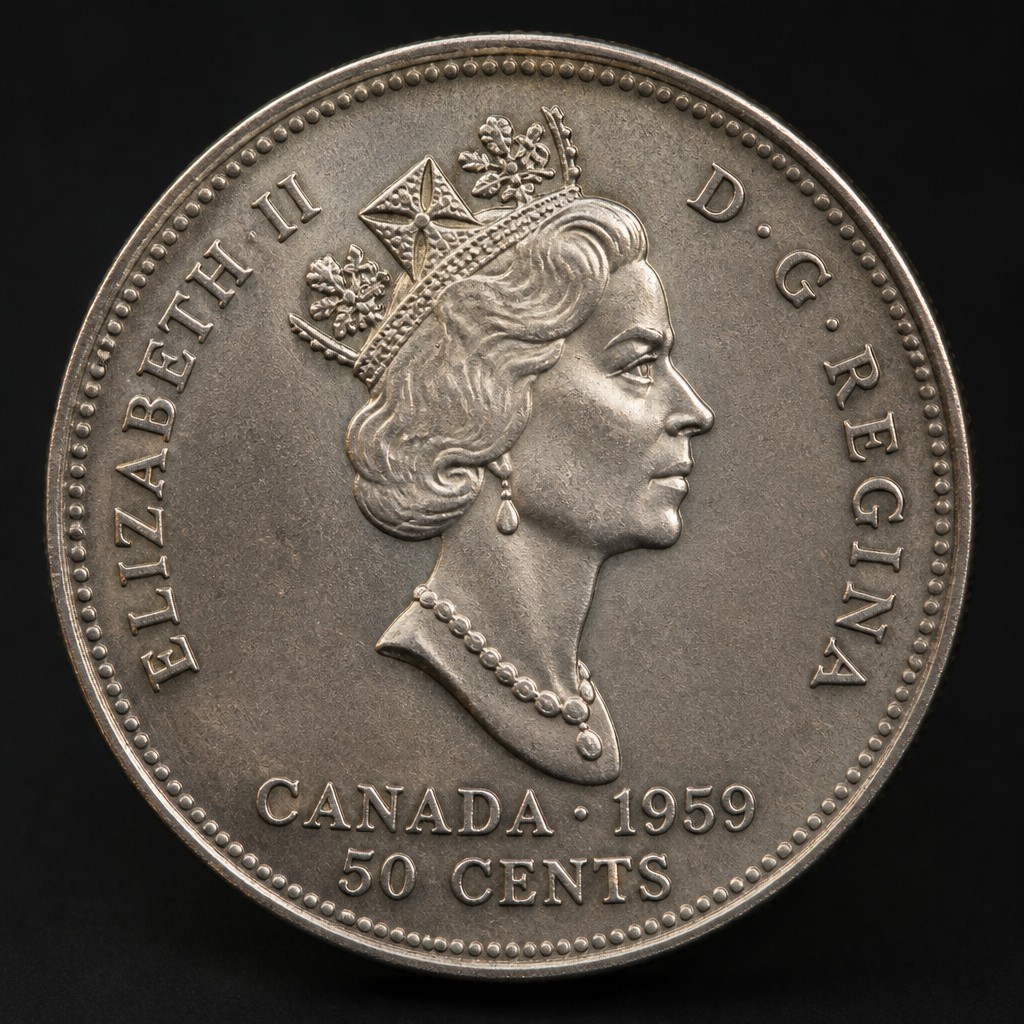
Coat of Arms Fifty Cents (Elizabeth II)
1959–present
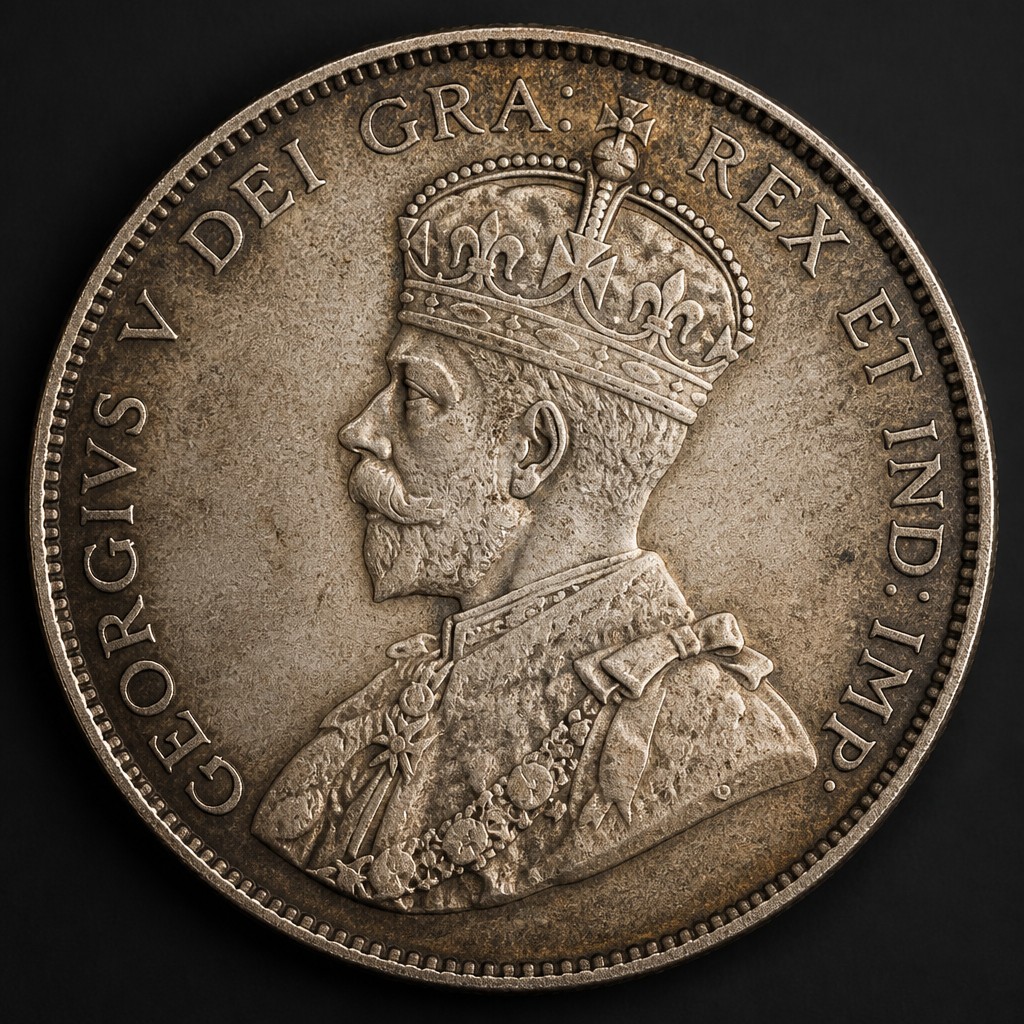
1921 Fifty Cents (King of Canadian Coins)
1921
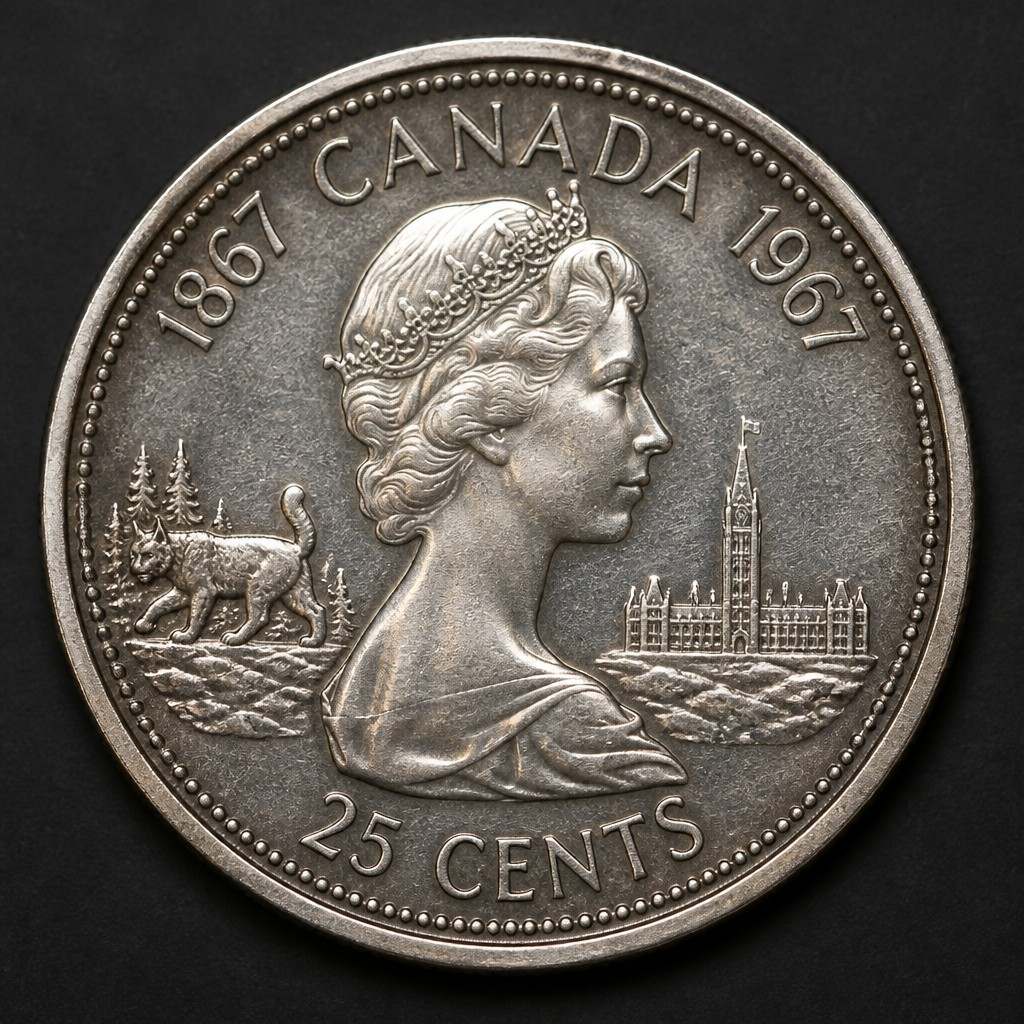
1967 Bobcat Centennial Quarter
1967
Caribou Twenty-Five Cents (quarter)
1937–present
1936 Voyageur Silver Dollar
1936