
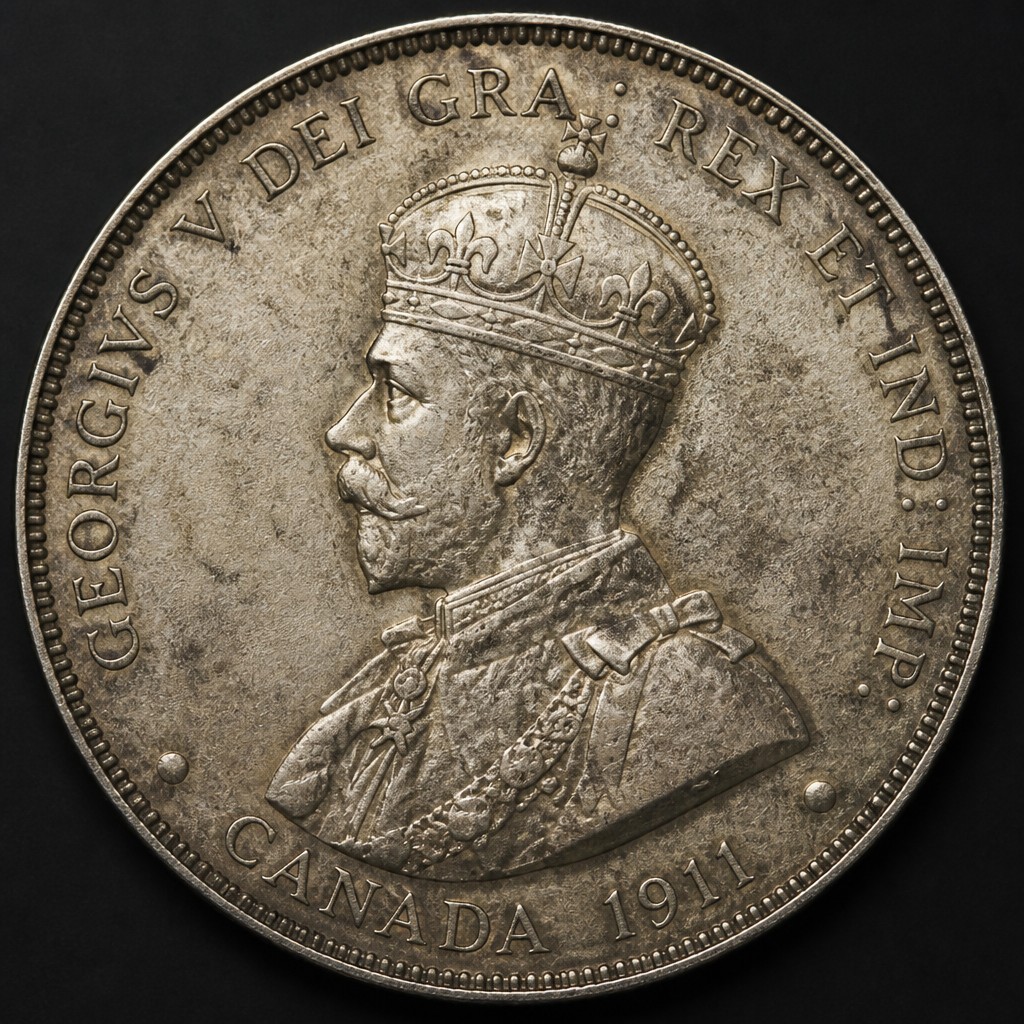
1911 Canadian Silver Dollar (Pattern)
An extraordinarily rare 1911 trial striking exploring a Canadian silver dollar decades before the denomination was actually introduced, with only a handful of specimens known.
- Country
- Canada
- Denomination
- One Dollar (Pattern)
- Metal
- 92.5% Silver (silver specimens); lead trial piece also reported
Got a coin like this?
Identify any coin from a photo, free.
Overview
The 1911 pattern dollar is widely regarded as the single greatest rarity in Canadian numismatics. It represents an experimental trial striking made by the Royal Canadian Mint to test a silver dollar design, more than two decades before Canada actually began issuing circulating silver dollars in 1935.
Because only a tiny handful of specimens were ever produced, and fewer still survive, the coin is often called the "Emperor of Canadian Coins" and is essentially unobtainable for all but the most well-resourced collectors or institutions.
History & Background
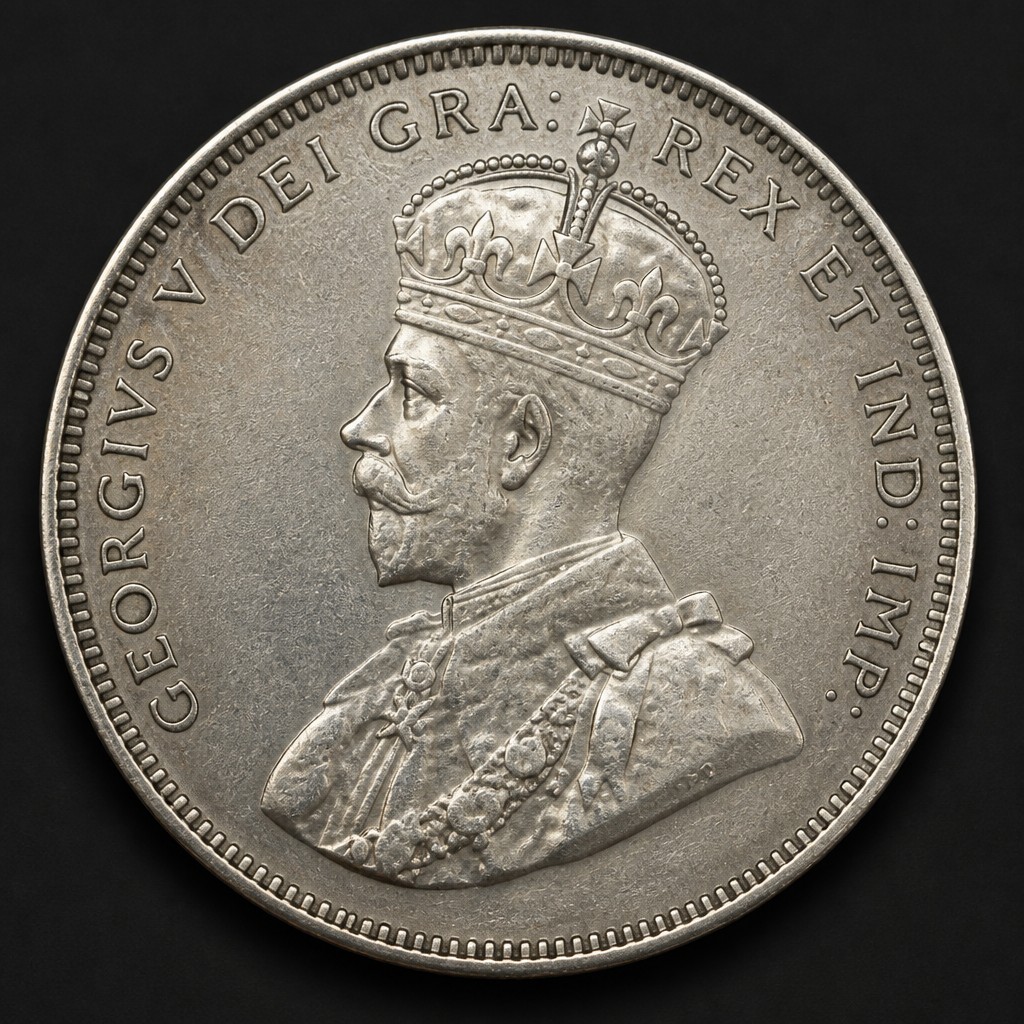
In 1911, the Royal Canadian Mint considered introducing a silver dollar coin to the country's coinage lineup and prepared pattern, or trial, pieces to evaluate a proposed design featuring King George V. The project was ultimately shelved, and Canada would not issue a circulating silver dollar until 1935 with the Voyageur design.
Only a very small number of 1911 patterns were struck before the project was abandoned: two known pieces in silver, and a separate specimen reportedly struck in lead as an additional trial. These pieces remained essentially unknown to the wider collecting public for decades before their existence and importance became fully appreciated.
Today the surviving specimens are held privately or by major institutions, and their extreme scarcity, combined with their status as the first attempt at a Canadian silver dollar, has cemented their legendary reputation among collectors of Canadian coinage.
How to Identify
The obverse depicts King George V in profile, similar in style to other Canadian coinage of the period. The reverse carries a unique pattern design created specifically for this trial, differing from the canoe-themed Voyageur reverse later adopted in 1935.
Genuine specimens are documented individually due to their extreme rarity, and any coin claiming to be a 1911 pattern dollar would require rigorous, expert-level authentication and provenance research, since the population is so small that each known piece has an established history.
Value & Collectibility
Because so few examples exist and they essentially never appear on the open market, the 1911 pattern dollar has no meaningful, regularly updated market price; when pieces have changed hands historically, it has been for sums reflecting extreme rarity, placing it among the most valuable Canadian coins ever recorded. Value in this case is driven entirely by rarity and documented provenance rather than typical grading considerations.
Given the coin's near-mythical status, any claimed example would warrant extraordinary scrutiny before its authenticity could be accepted.
Frequently asked questions
Why is the 1911 dollar called the "Emperor of Canadian Coins"?
It refers to the coin's status as the rarest and most legendary of all Canadian coins, given that only a handful of pattern specimens were ever struck.
How many 1911 pattern dollars exist?
Only two silver specimens are generally recognized, along with a separate specimen reportedly struck in lead as a trial piece.
Was the 1911 dollar ever circulated?
No, it was a pattern (trial) piece only; Canada did not introduce a circulating silver dollar until 1935.
Can I find one of these in pocket change or old collections?
It is exceedingly unlikely; the known specimens are documented and held privately or by institutions, so any claimed find would need rigorous expert authentication.
Other coins you may enjoy
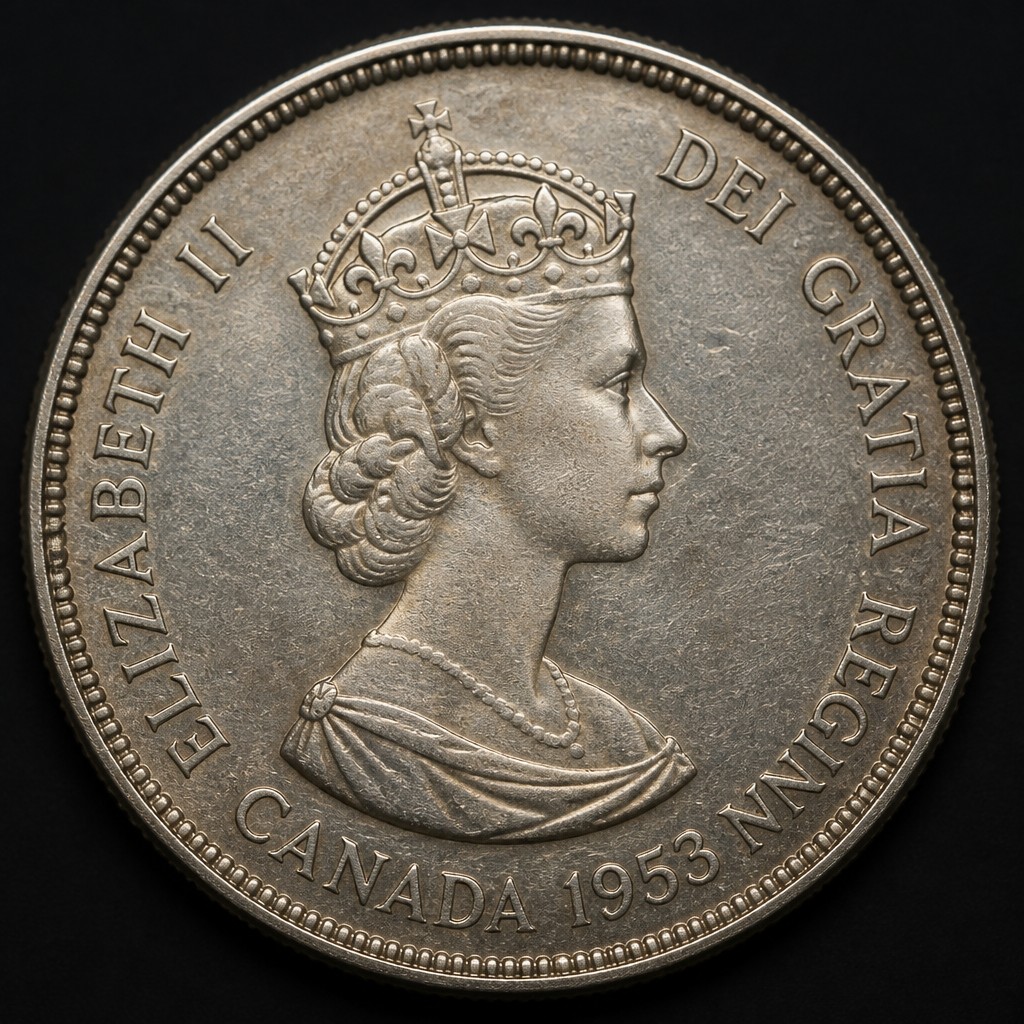
1953 Coronation Voyageur Dollar
1953
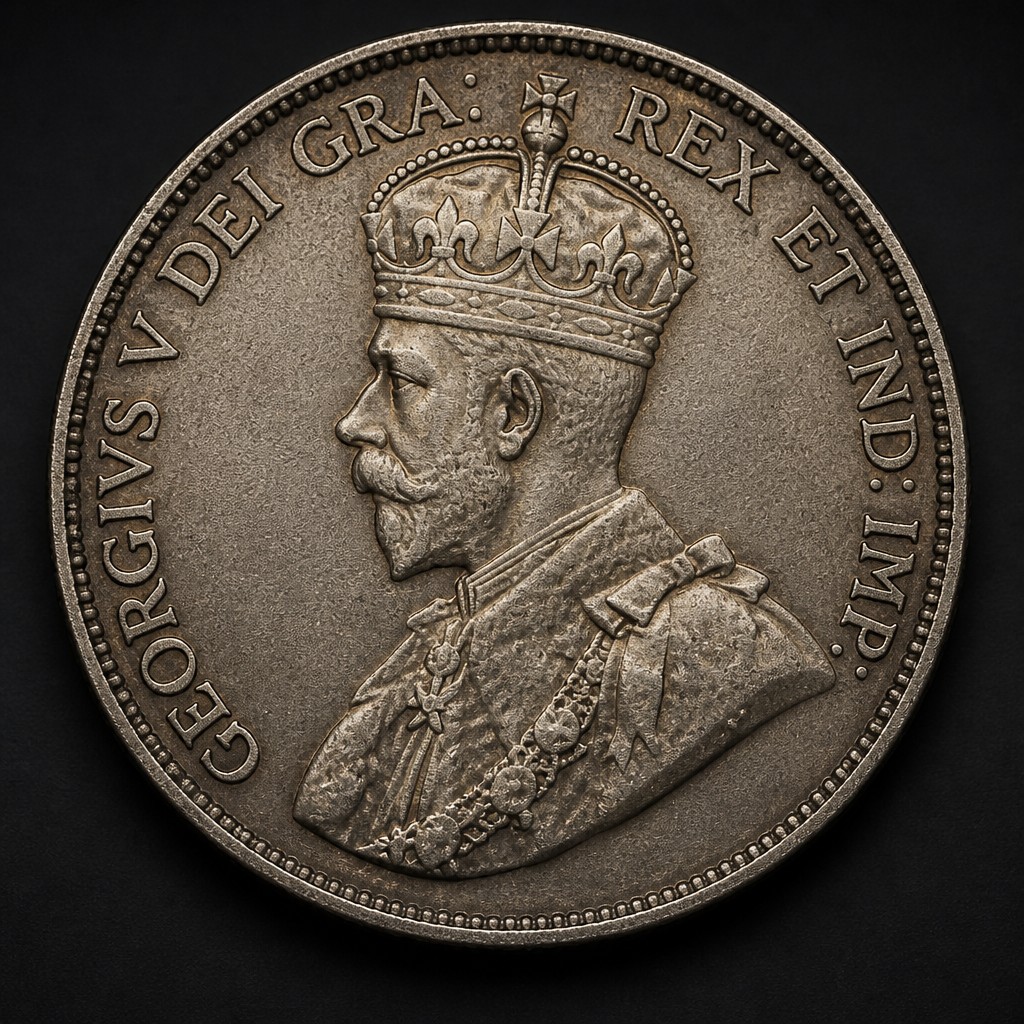
George V Twenty-Five Cents (silver)
1911–1936
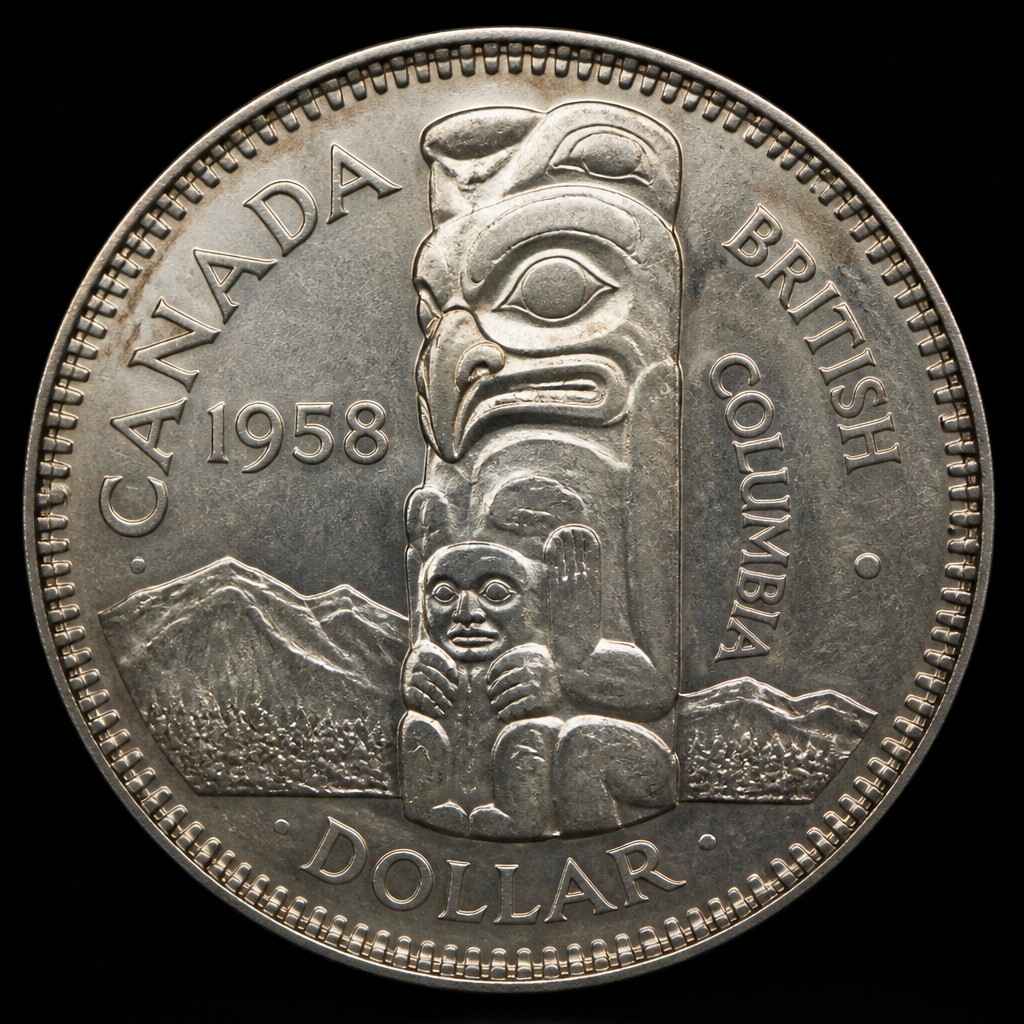
1958 British Columbia Totem Pole Dollar
1958
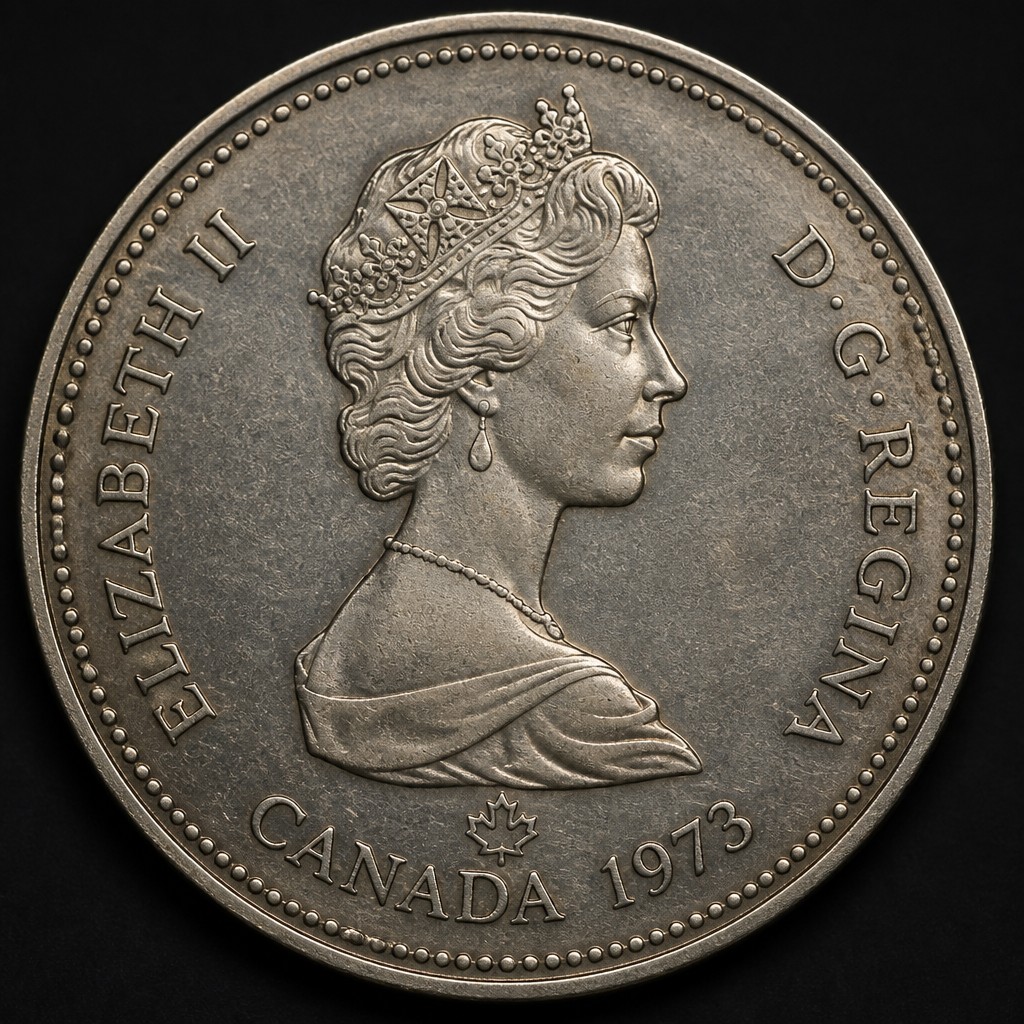
1973 RCMP Centennial Dollar
1973
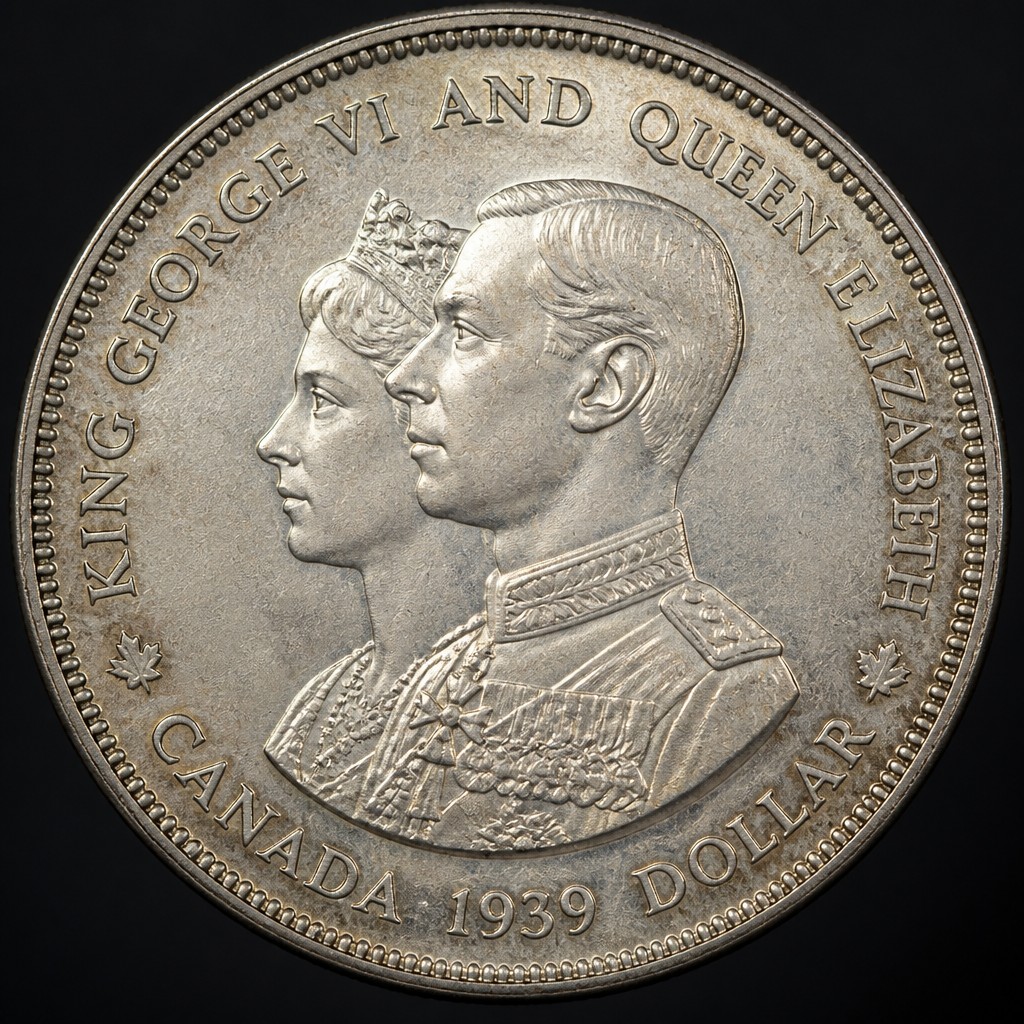
1939 Royal Visit Silver Dollar (Parliament)
1939
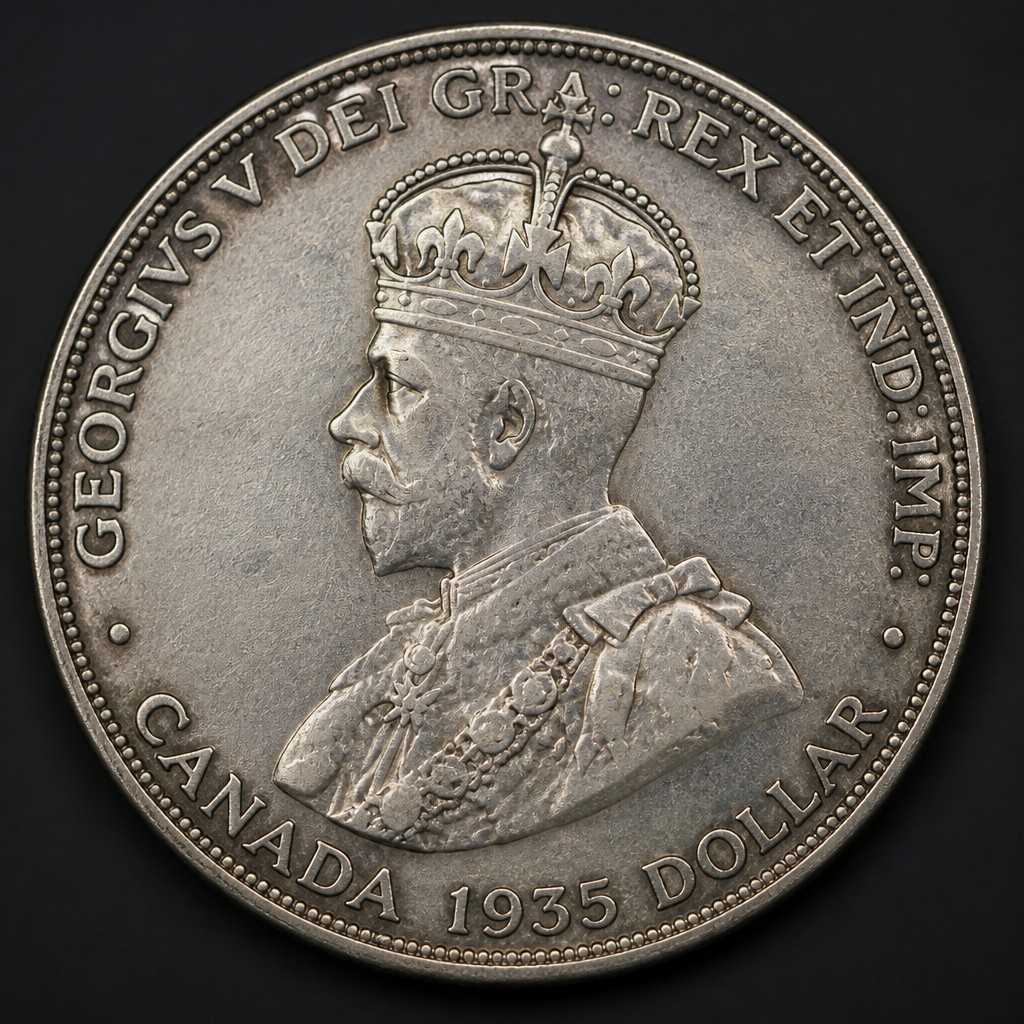
1935 George V Silver Jubilee Dollar (Voyageur)
1935
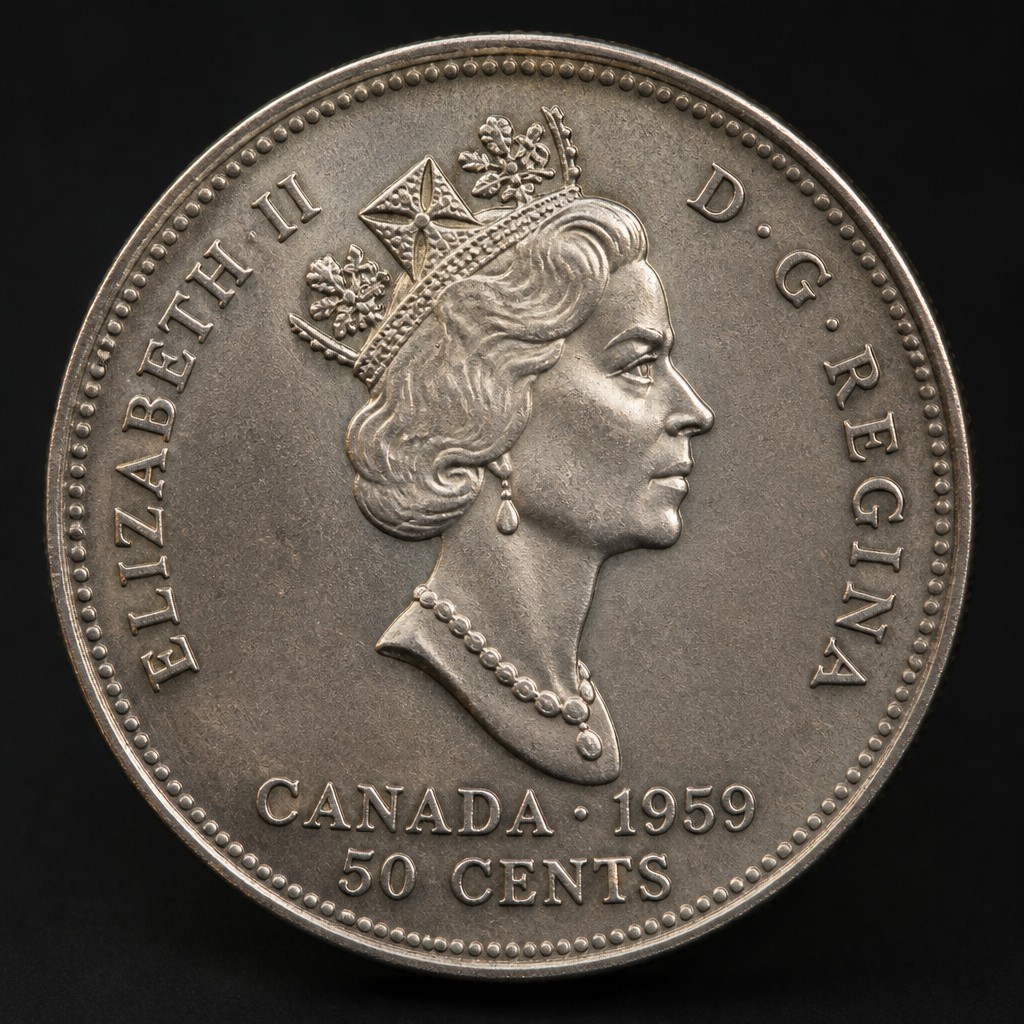
Coat of Arms Fifty Cents (Elizabeth II)
1959–present
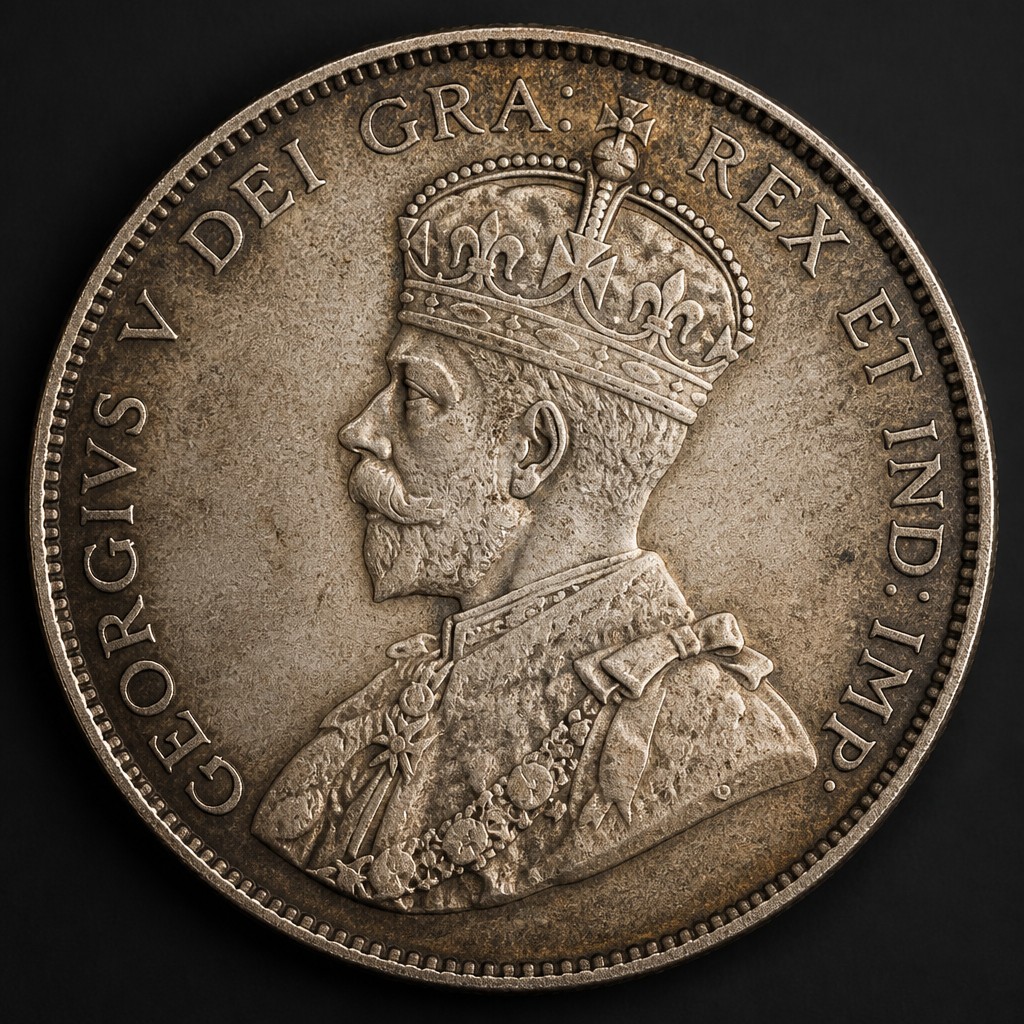
1921 Fifty Cents (King of Canadian Coins)
1921
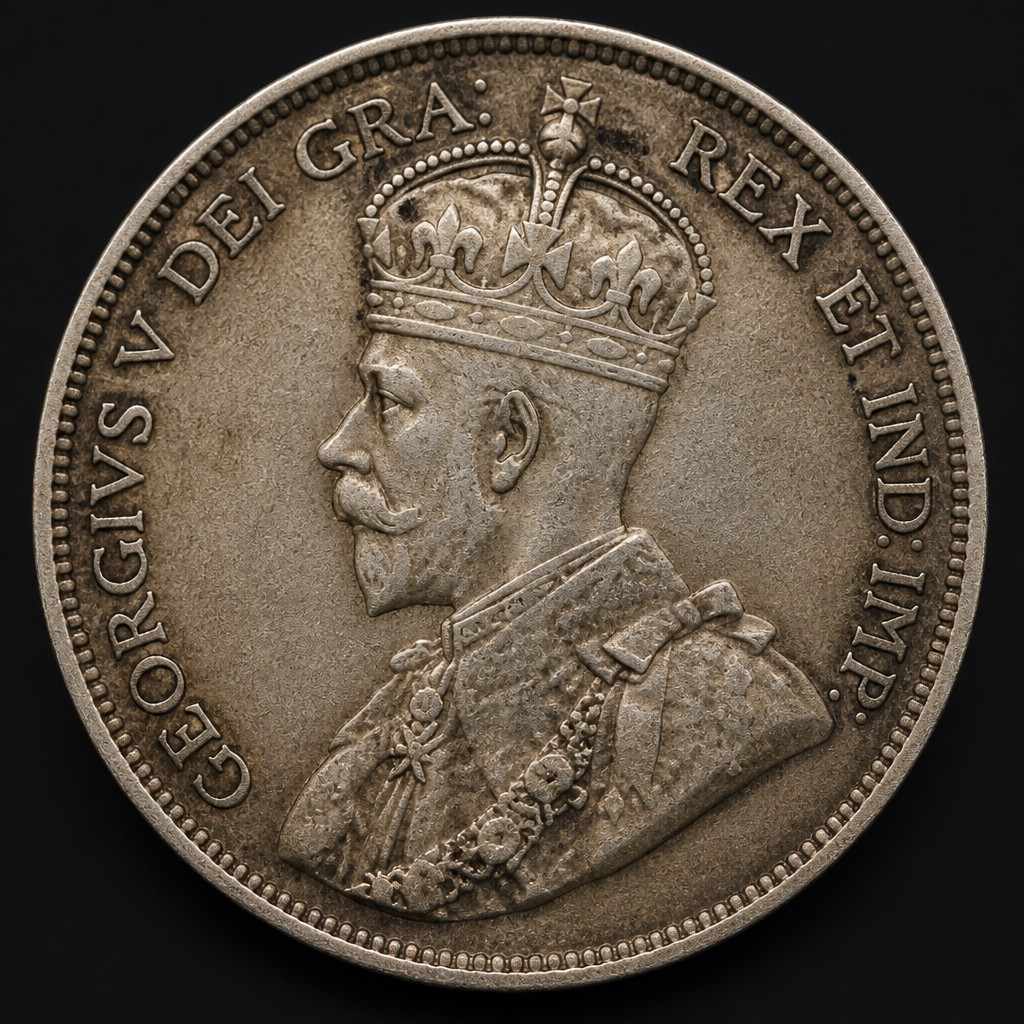
George V Fifty Cents
1911–1936
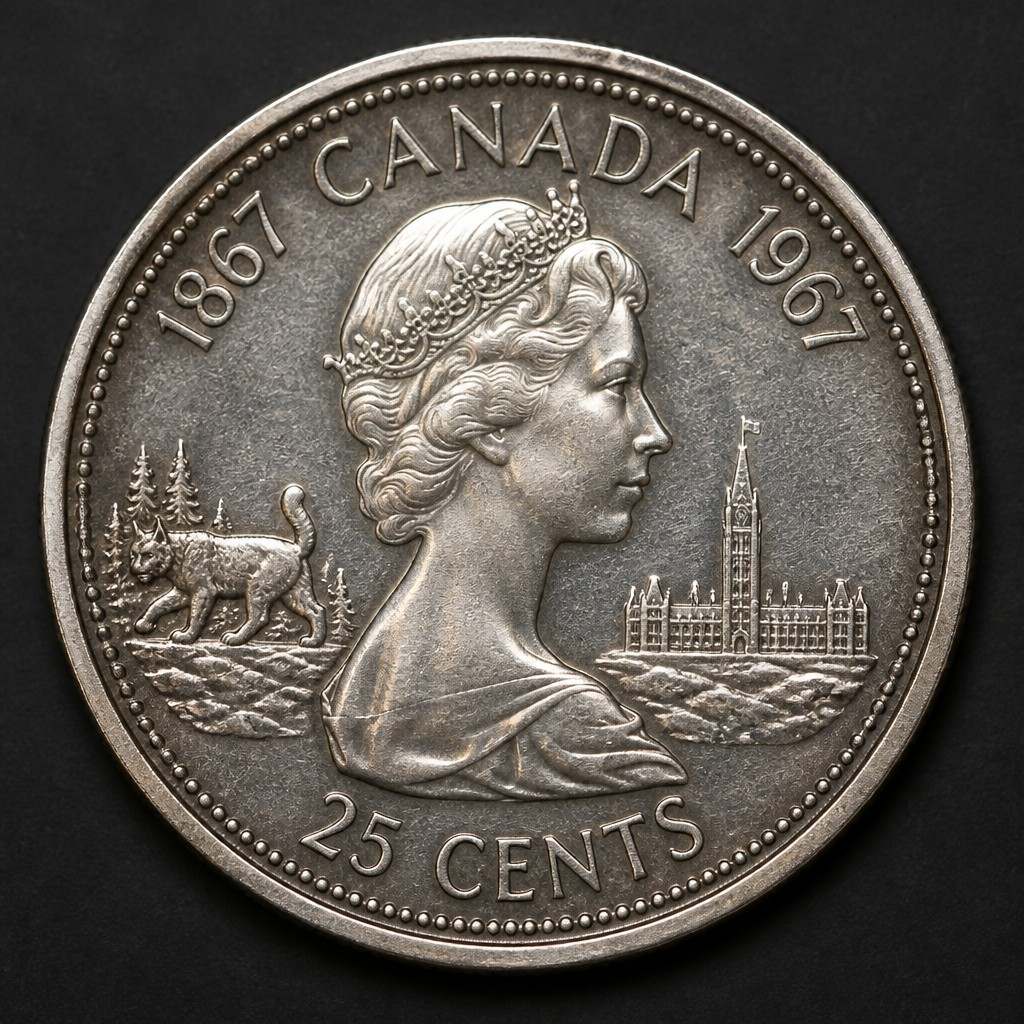
1967 Bobcat Centennial Quarter
1967
Caribou Twenty-Five Cents (quarter)
1937–present
1936 Voyageur Silver Dollar
1936