
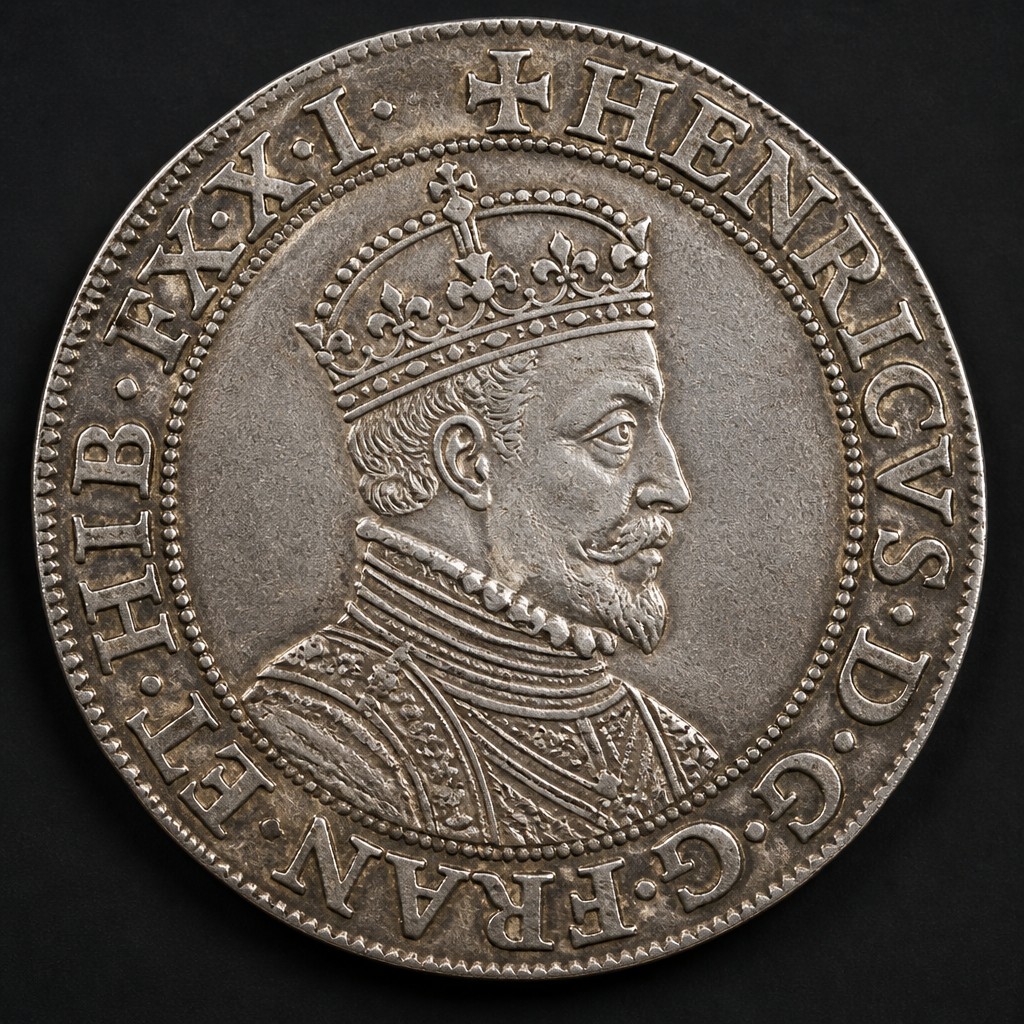
Testoon
The earliest English coin to carry a realistic royal portrait, introduced under Henry VII around 1487 as the forerunner of the shilling, later continued and debased under Henry VIII.
- Country
- England
- Denomination
- Shilling (Twelve Pence)
- Metal
- Silver
Got a coin like this?
Identify any coin from a photo, free.
Overview
The Testoon holds a special place in English numismatics as the first coin to depart from the old stylized, flat royal image in favor of a more lifelike, sculptural portrait of the monarch, foreshadowing the shilling that would follow. Struck first under Henry VII, it also appeared in later, often debased, form under Henry VIII.
Collectors value the Testoon for its historical importance as a design milestone in English coinage and for the visible contrast between the earlier fine-silver issues and the later heavily debased Henry VIII testoons, which reflect the well-documented monetary crisis of that reign.
History & Background
Henry VII introduced the Testoon around 1487 as part of a broader effort to modernize and standardize English coinage, drawing inspiration from Renaissance-style portrait coinage already common on the European continent. The name itself derives from the Italian 'testa,' meaning head, reflecting its innovative profile portrait.
Under Henry VIII, the Testoon continued to be issued but became closely associated with the Great Debasement of the 1540s, when the silver content of English coinage was sharply reduced to help finance costly wars, leaving later Testoons visibly duller and lower in silver purity than their predecessors. A related Scottish testoon series was also issued in the same era, most notably under Mary, Queen of Scots.
How to Identify
The obverse shows a right- or left-facing profile portrait of the king, a marked departure from the earlier facing, crown-only royal image used on pennies and groats, with a Latin legend naming the ruler. The reverse typically bears a crowned Tudor rose or shield with a legend referencing the mint or royal title.
Early Henry VII Testoons in good silver have a bright, appealing finish, while later Henry VIII debasement-era testoons often show a grayish or coppery tone where the thin silver wash has worn away to reveal the base-metal core beneath, a direct physical record of the coinage's reduced fineness. Mint marks in the legend help identify specific issues and periods.
Value & Collectibility
Testoons are relatively scarce and historically significant, so even modestly preserved examples attract strong collector interest, particularly the pioneering Henry VII issues. Condition, portrait clarity, and, for later issues, the degree of visible debasement all affect desirability.
Because of their importance as the ancestor of the English shilling, well-documented Testoons can command prices from several hundred to several thousand dollars depending on reign, rarity, and preservation, with the earliest Henry VII examples generally the most prized.
Frequently asked questions
Why is the Testoon historically important?
It was the first English coin to feature a realistic profile portrait of the monarch, setting the pattern followed by later English coinage, including the shilling.
Is the Testoon the same as a shilling?
The Testoon is generally regarded as the direct forerunner of the shilling, sharing its twelve-pence value before the shilling name became standard.
Why do some Testoons look dull or copper-colored?
Many later Henry VIII testoons were struck during a period of debasement when silver content was reduced, causing the base metal to show through as the thin silver surface wore away.
Were Testoons also issued in Scotland?
Yes, Scotland issued its own related testoon coinage, notably under Mary, Queen of Scots, though it followed a separate design tradition.
Other coins you may enjoy
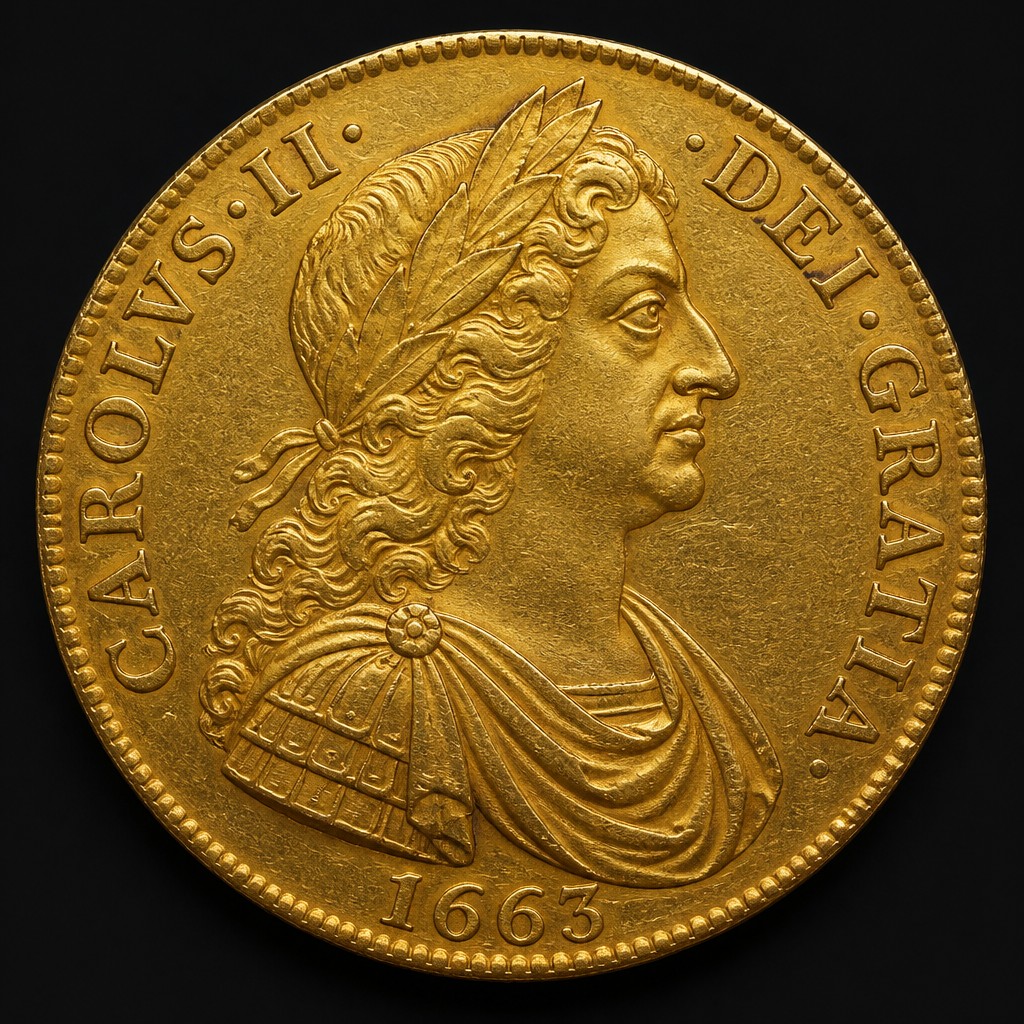
British Guinea
1663–1814
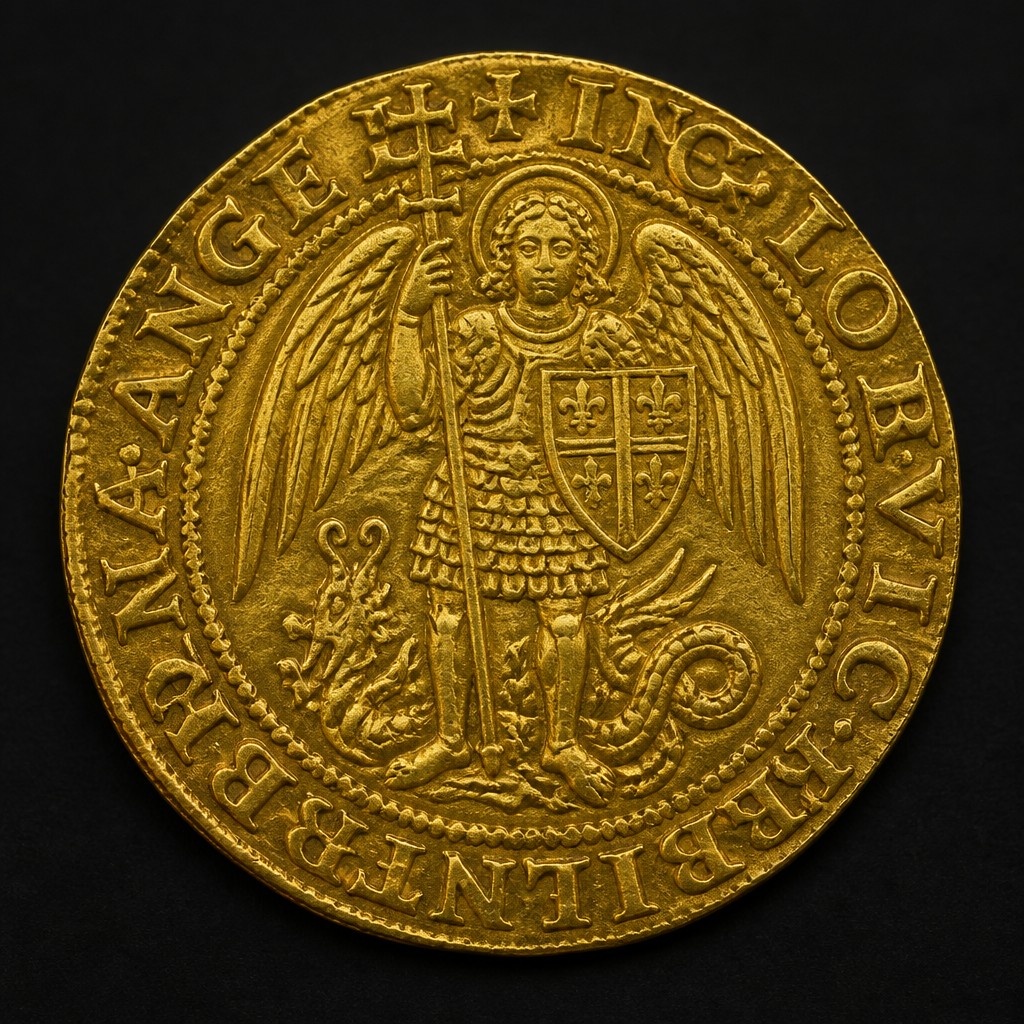
English Angel
1465–1642
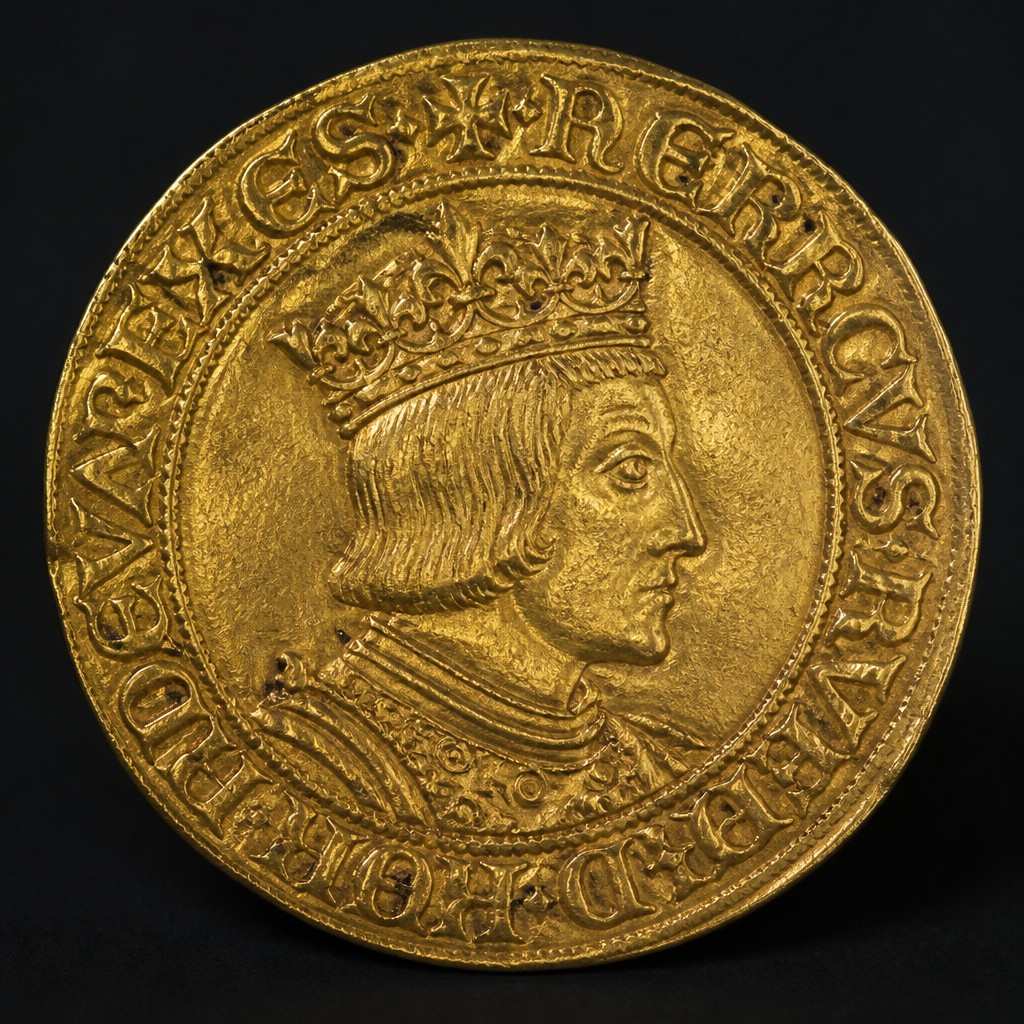
English Sovereign of Henry VII
1489–1509
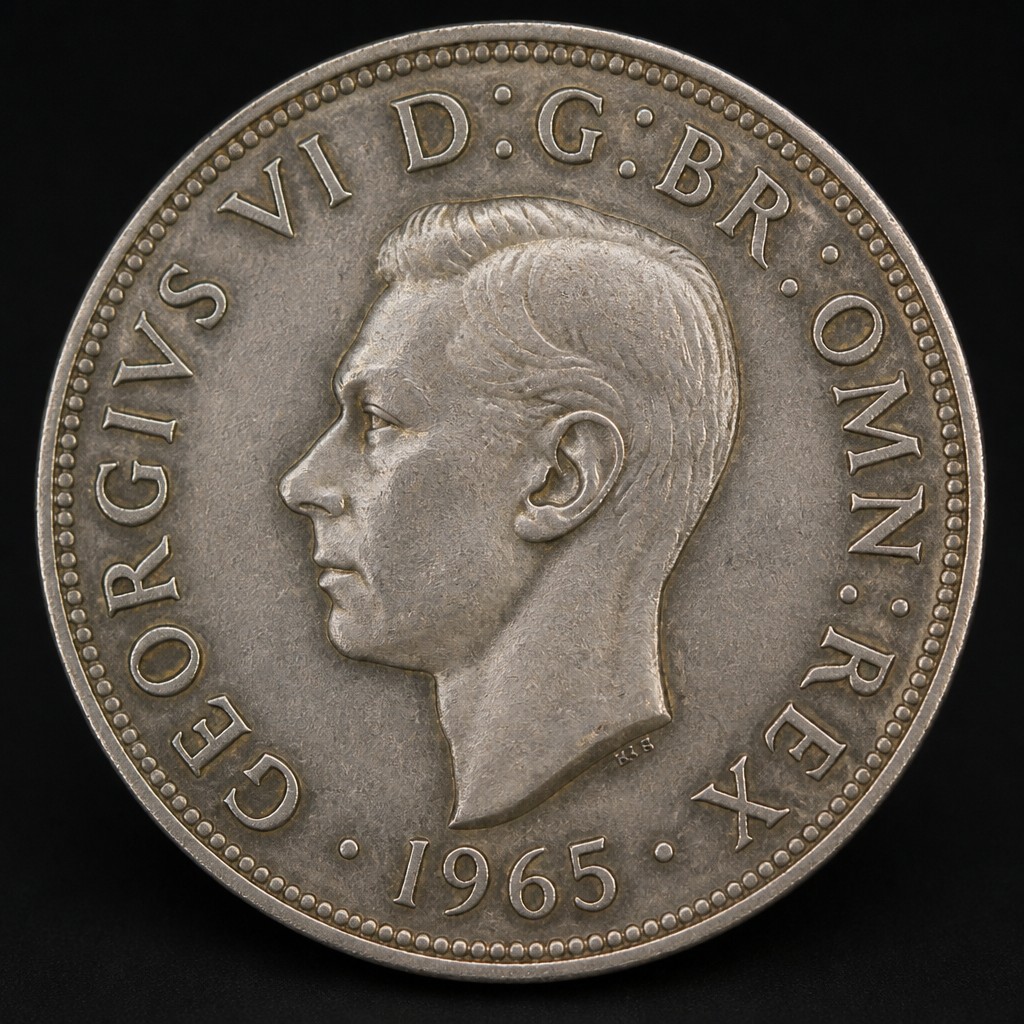
English Crown
1526–1965 (pre-decimal; commemorative crown-sized coins continue as five pound coins)
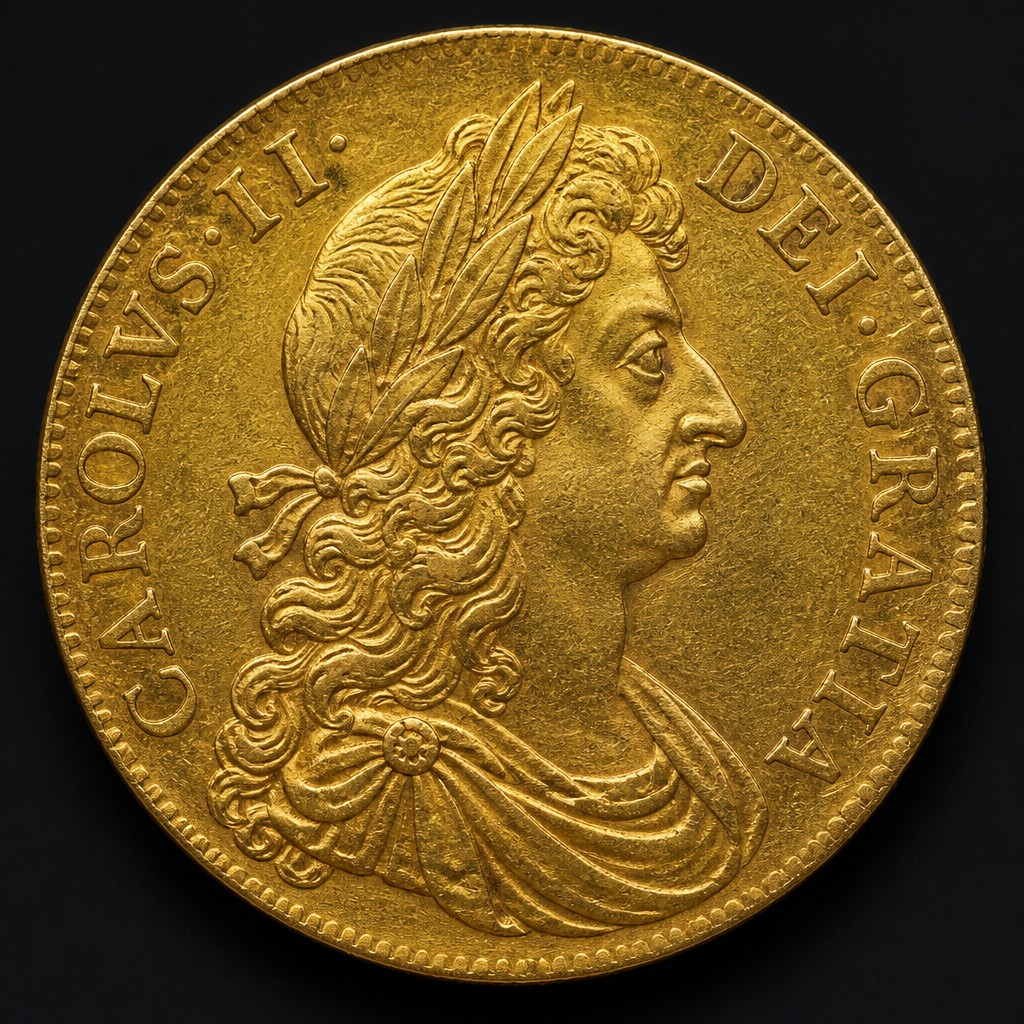
British Gold Guinea
1663–1814
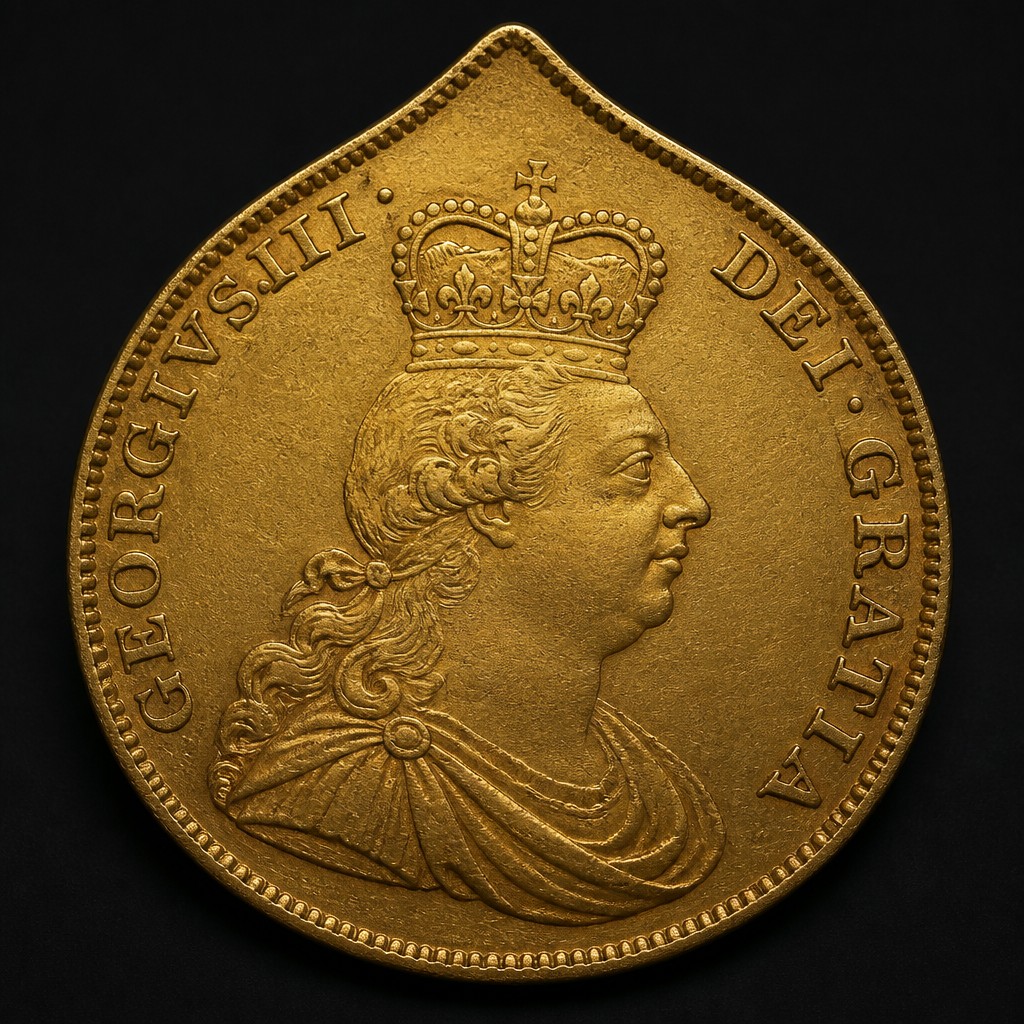
Spade Guinea
1787–1799
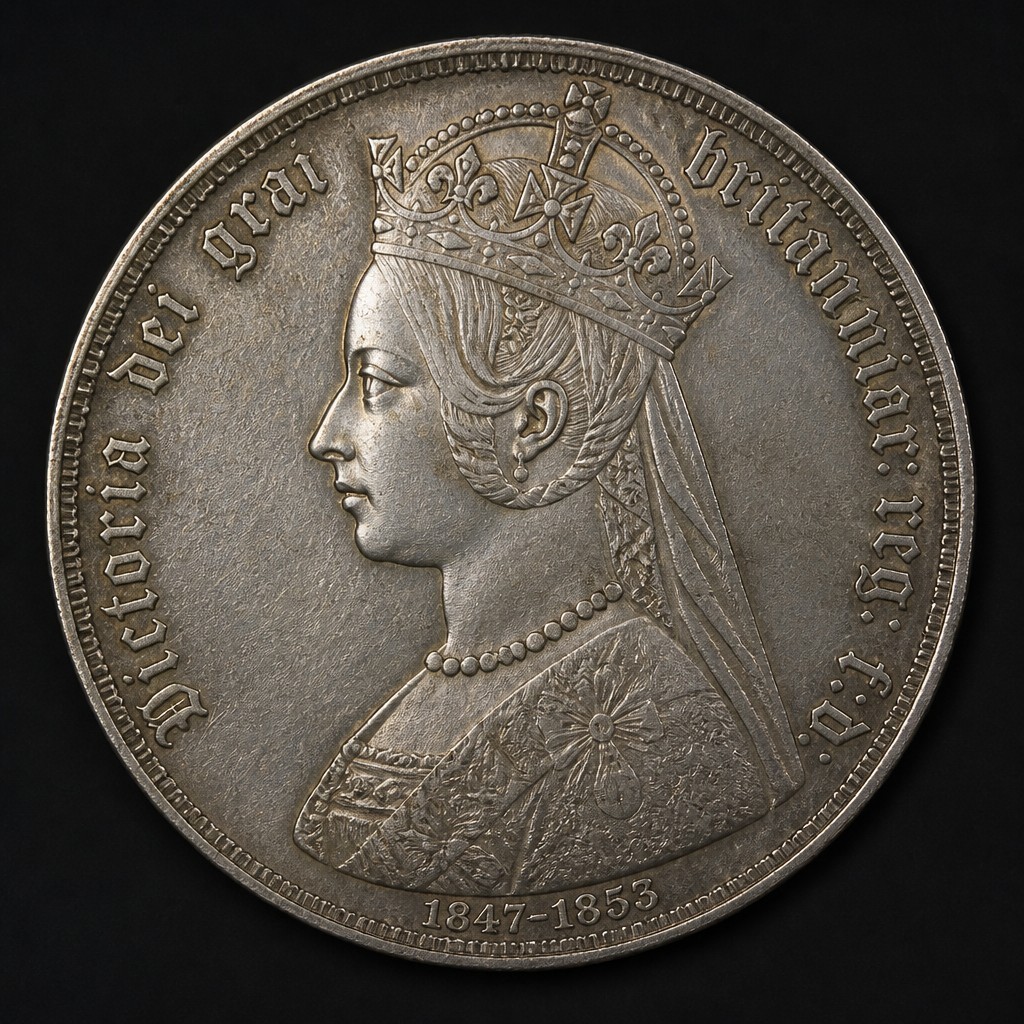
Gothic Crown
1847–1853
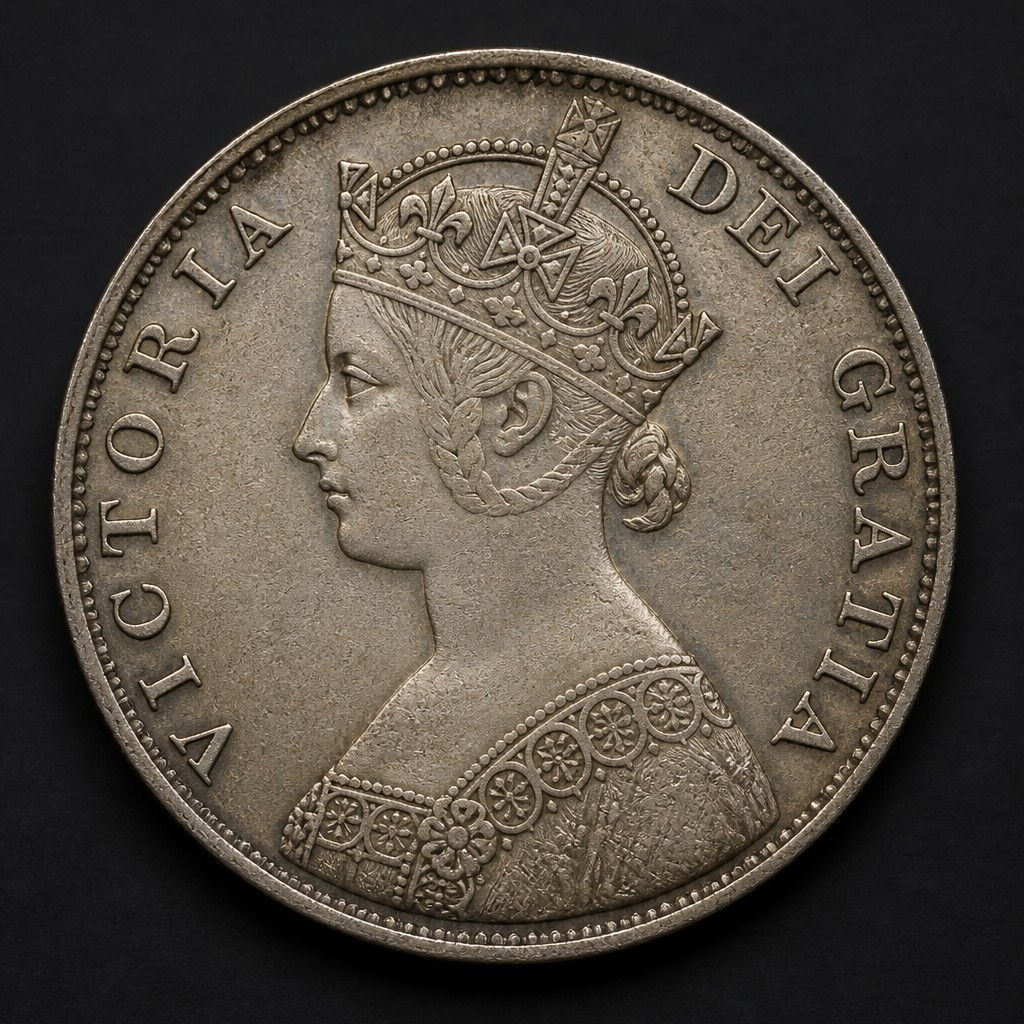
Groat (Fourpence)
1279–1888 (various revivals)
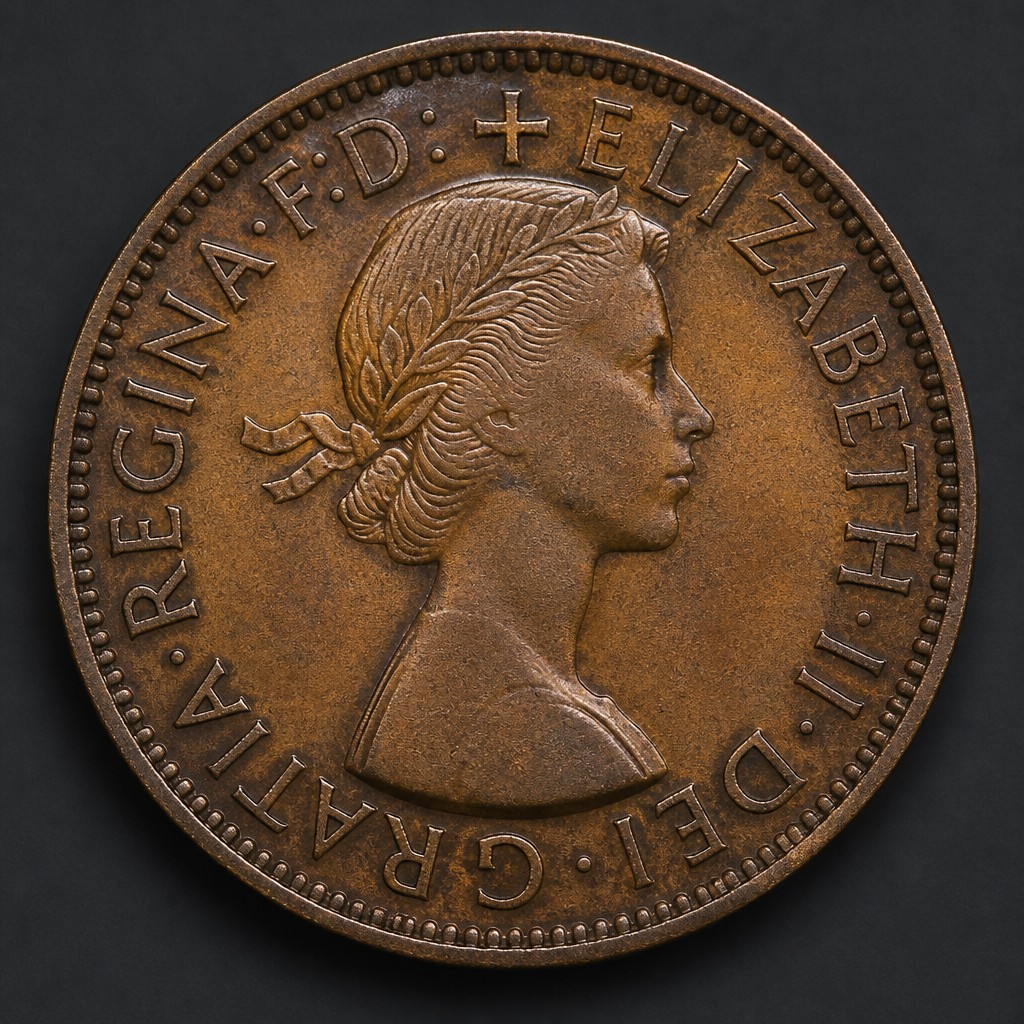
Farthing
13th century–1956
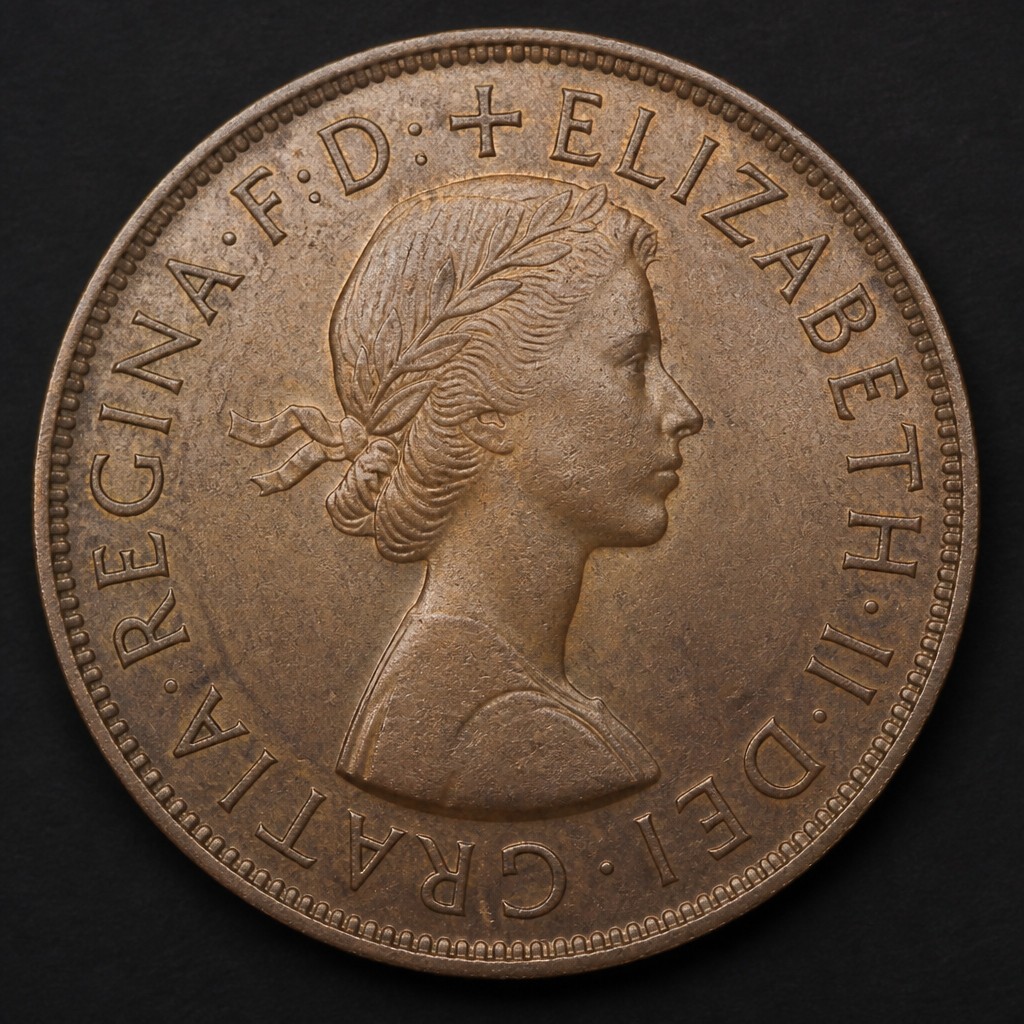
Halfpenny
c. 800s–1969
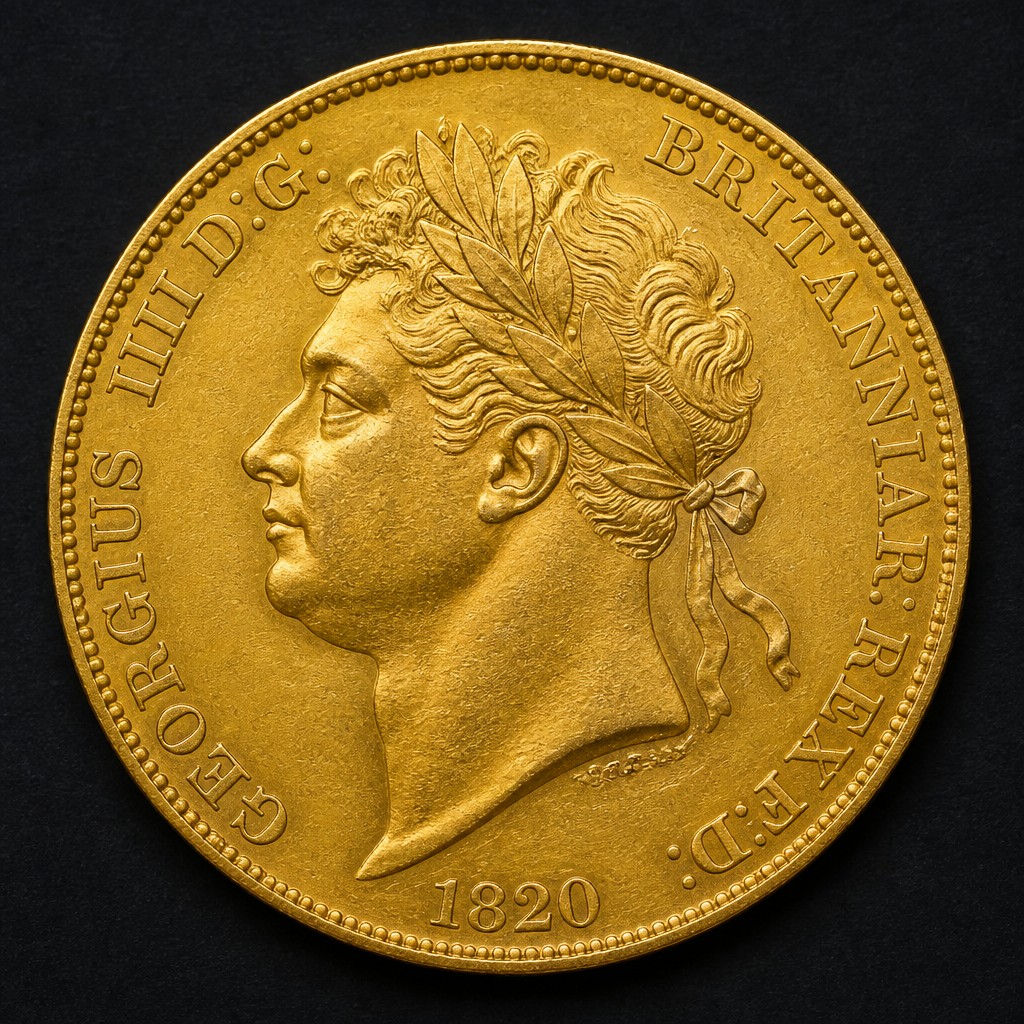
Five Pound Gold (Quintuple Sovereign)
1820–present (intermittent)
Threepence
1547–1970