
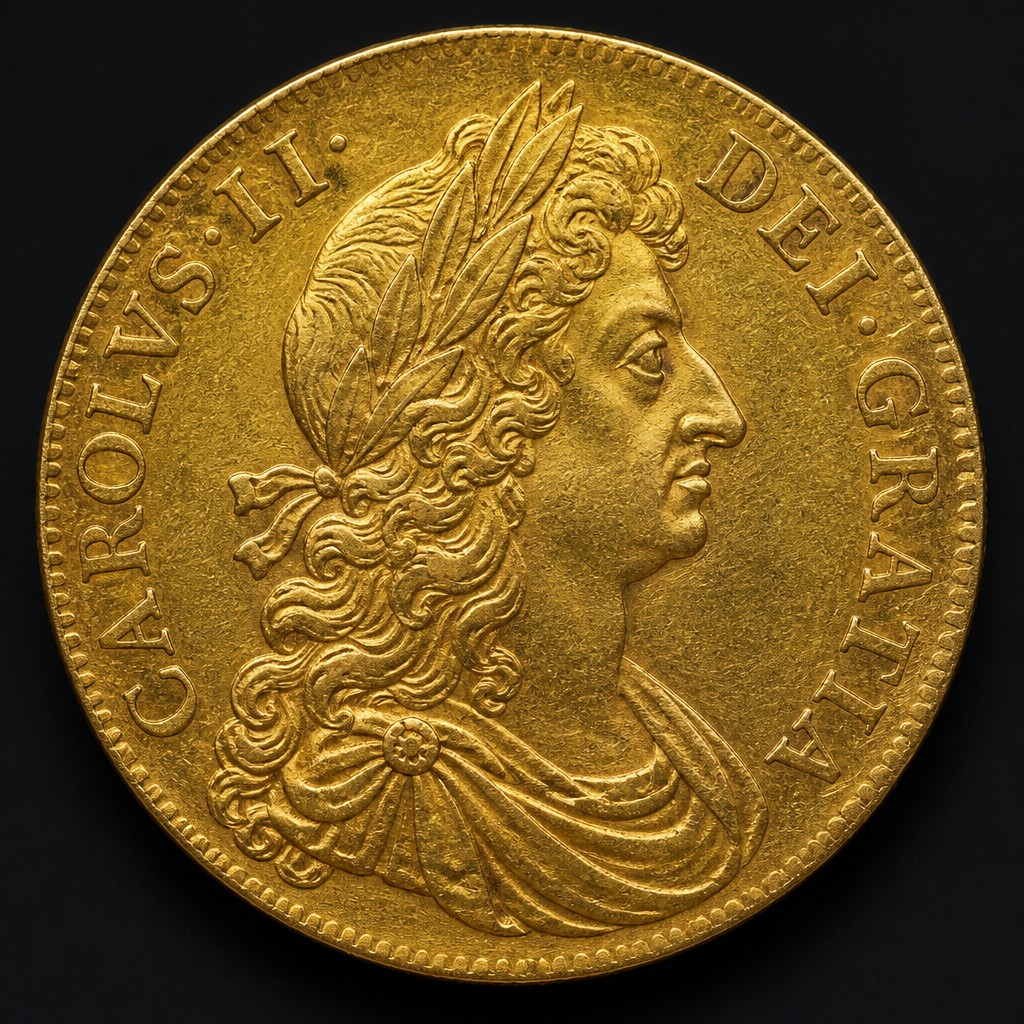
British Gold Guinea
Struck from 1663 to 1814 and named for the West African gold used in its earliest issues, the guinea was Britain's leading gold coin and gave its name to a unit of value still referenced today.
- Country
- United Kingdom (Kingdom of England / Great Britain)
- Denomination
- Guinea (21 Shillings)
- Metal
- Gold (approx. 22 karat / .916 fine)
Got a coin like this?
Identify any coin from a photo, free.
Overview
The guinea was the principal gold coin of England and later Great Britain for over 150 years, originally valued at one pound sterling (20 shillings) but famously fluctuating in value, eventually settling at 21 shillings due to shifts in the relative market value of gold and silver. Its long production run spans several monarchs and significant periods of British history.
Collectors are drawn to the guinea both for its historical importance as a benchmark gold coin of the British Empire's rise and for the variety of portraits and design changes across the reigns of Charles II through George III, including notable rarities tied to specific short-lived designs or scarce dates.
The term 'guinea' also survived long after the coin itself stopped circulating, remaining in use in Britain well into the 20th century as a customary unit for pricing certain professional fees, auctions, and luxury goods, equal to 21 shillings, or one pound and one shilling.
History & Background
England began striking the guinea in 1663 under King Charles II, using gold sourced partly from the Guinea coast of West Africa, brought to England by the Royal African Company, which gave the coin its name. Early guineas sometimes carry a small elephant, or elephant-and-castle, mark referencing this African gold source.
Through the following century and a half, the guinea's value in shillings fluctuated with the relative market prices of gold and silver, eventually being fixed at 21 shillings in 1717 under Isaac Newton's tenure as Master of the Mint, a rate that then held for the remainder of the coin's production. Successive monarchs including James II, William and Mary, Anne, George I, George II, and George III all issued guineas bearing their own portraits.
Britain finally discontinued the guinea in 1814, replacing it in practical circulation with the new sovereign coin introduced in 1817 as part of the Great Recoinage, though the guinea's name lived on informally in British commerce and professional pricing conventions for another century and a half.
How to Identify
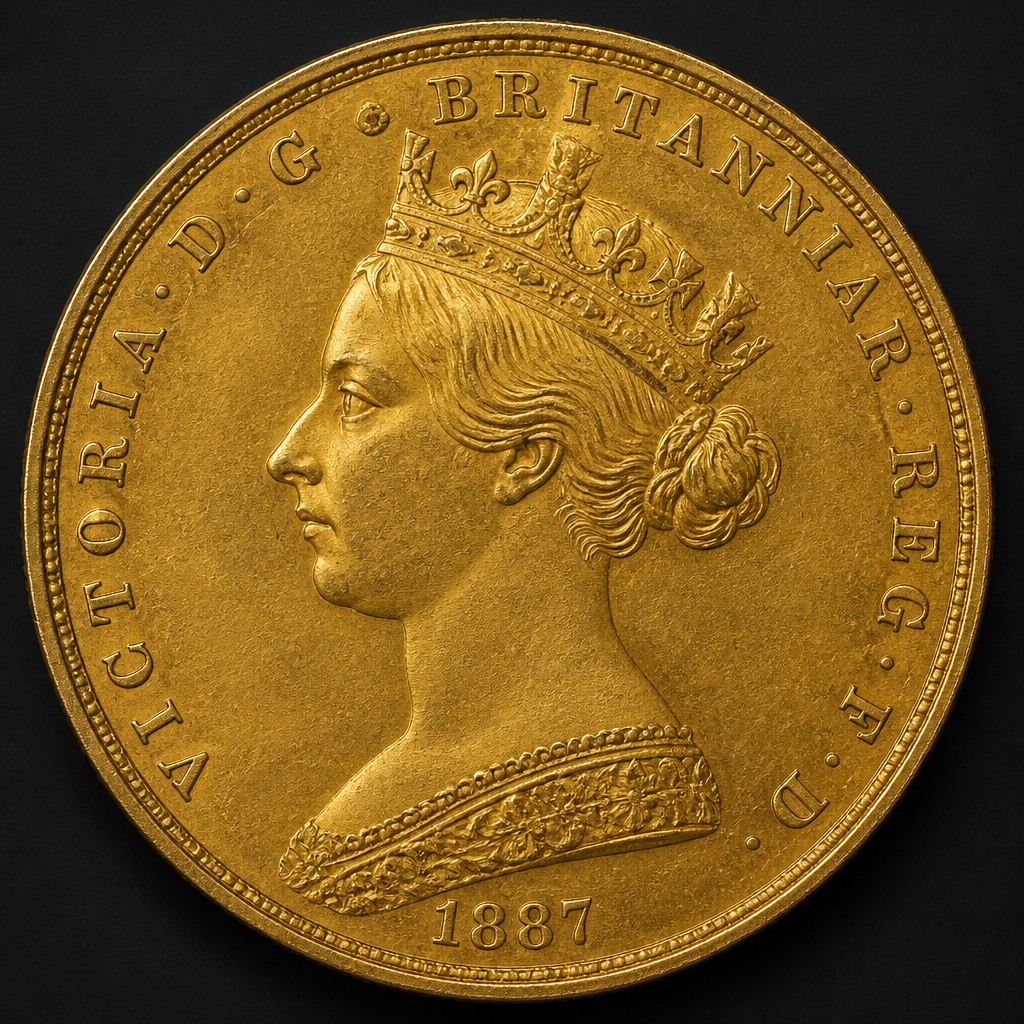
The obverse of a guinea shows the portrait bust of the reigning monarch with a Latin legend giving the ruler's name and titles. The reverse typically shows a crowned shield of the royal arms, sometimes with small marks such as an elephant referencing the sourcing of the gold, appearing beneath the bust or within the design.
The coin is struck in gold, roughly 22 karat (.916 fine), and relatively small and thick for its value, generally around 25mm in diameter for the standard guinea, with related half-guinea, two-guinea, and five-guinea denominations following similar design themes at different sizes. Various guinea types have specific popular nicknames based on subtle design features, such as the 'spade guinea' for George III issues with a spade-shaped shield.
Collectors distinguish guineas primarily by monarch, date, and specific design variety, since the basic obverse-portrait, reverse-shield format remained consistent while these details changed across the roughly century-and-a-half production span.
Value & Collectibility
Common George III guineas from later in the coin's production, particularly the popular 'spade guinea' type, are relatively accessible to collectors, generally trading from a few hundred dollars in circulated grades. Guineas from earlier reigns, scarcer dates, or unusual varieties, such as certain Charles II or William and Mary issues, can be considerably more valuable, sometimes reaching well into four figures or more in nice condition.
As with most historic gold coinage, condition, rarity of the specific date and monarch, and overall eye appeal drive value, with well-preserved, sharply struck examples commanding significant premiums over heavily worn or damaged coins.
Frequently asked questions
What is a British guinea worth in old money?
It was originally valued at 20 shillings (one pound) but was later fixed at 21 shillings from 1717 until the coin was discontinued in 1814.
Why is it called a guinea?
Early guineas were struck partly from gold sourced from the Guinea coast of West Africa, brought to England by the Royal African Company.
When did Britain stop making guineas?
Guinea production ended in 1814, and the coin was effectively replaced in circulation by the new sovereign introduced in 1817.
What is a spade guinea?
It is a popular nickname for George III guineas featuring a spade-shaped shield on the reverse, one of the more commonly collected guinea types.
Is the guinea still used in Britain today?
The physical coin stopped circulating long ago, though the term survived informally as a unit equal to 21 shillings in some pricing traditions well into the 20th century.
Other coins you may enjoy
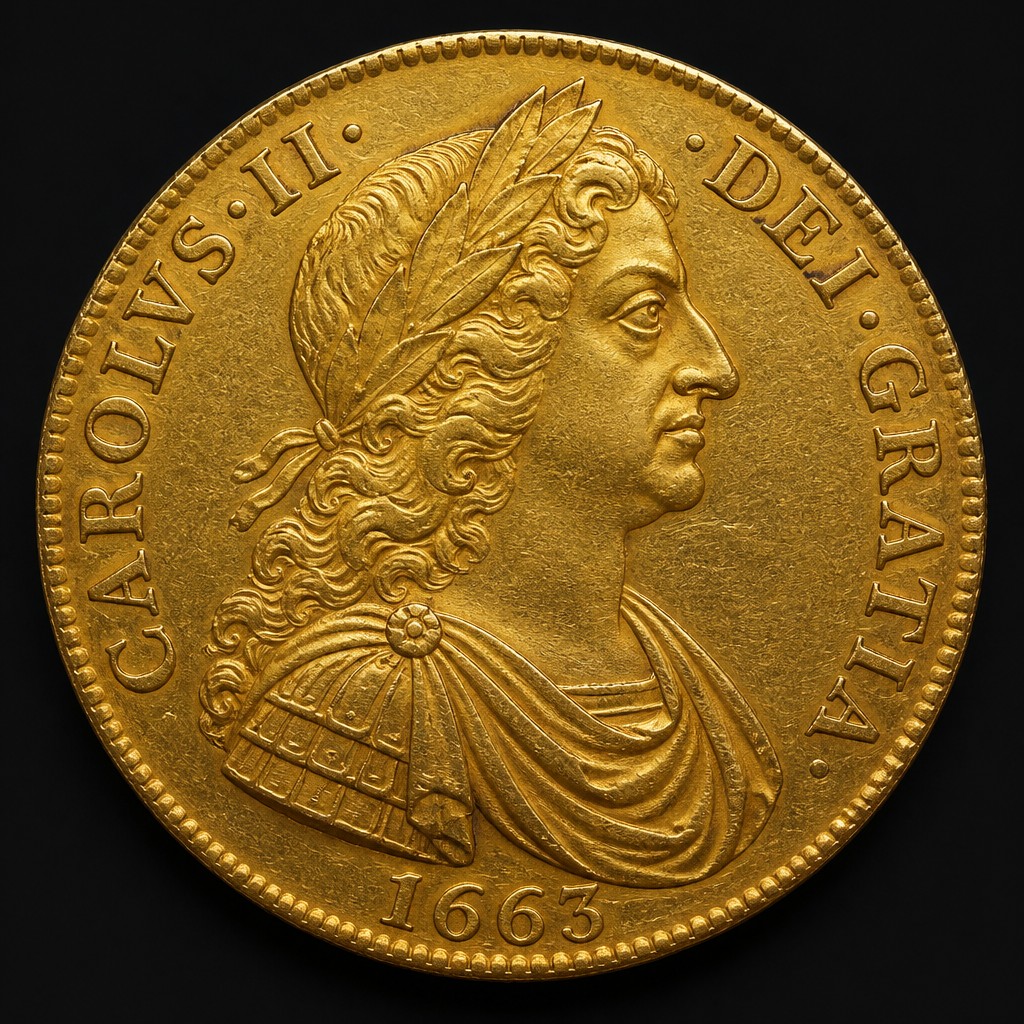
British Guinea
1663–1814
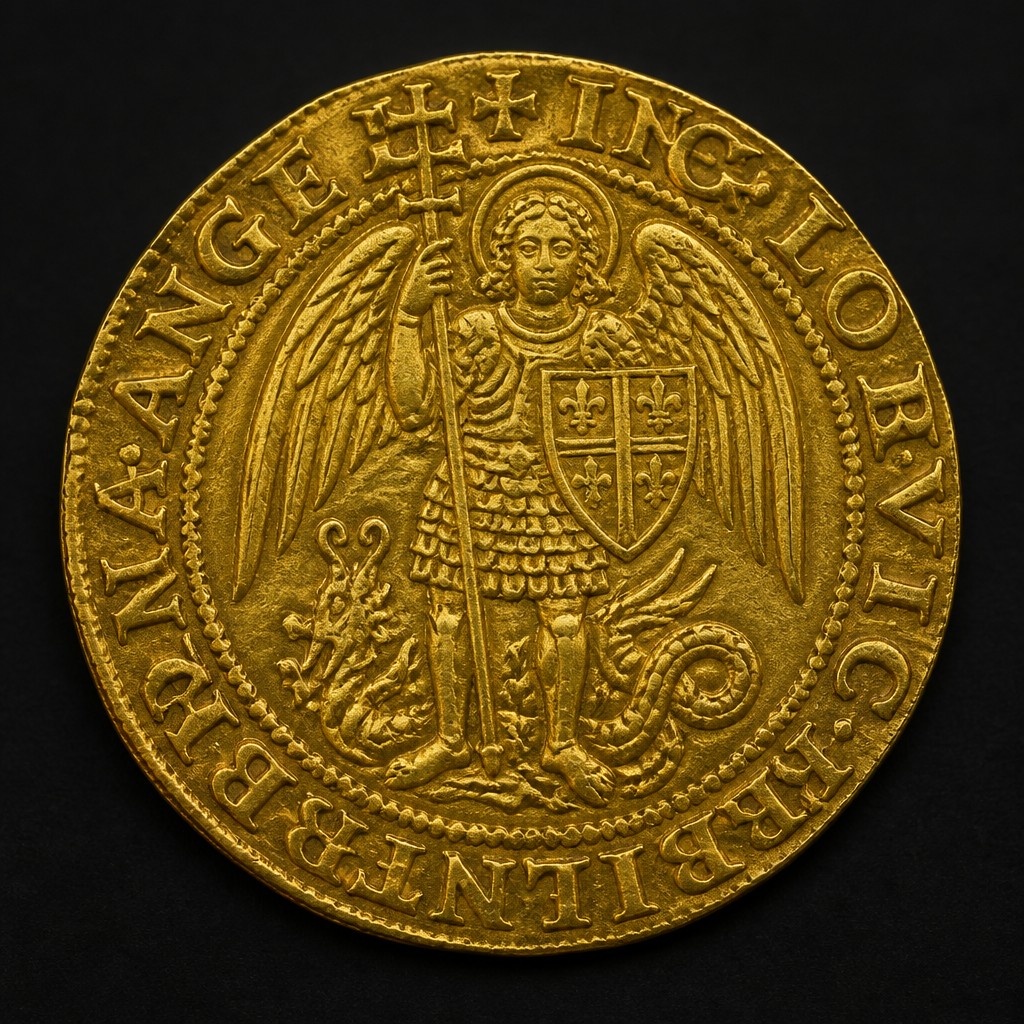
English Angel
1465–1642
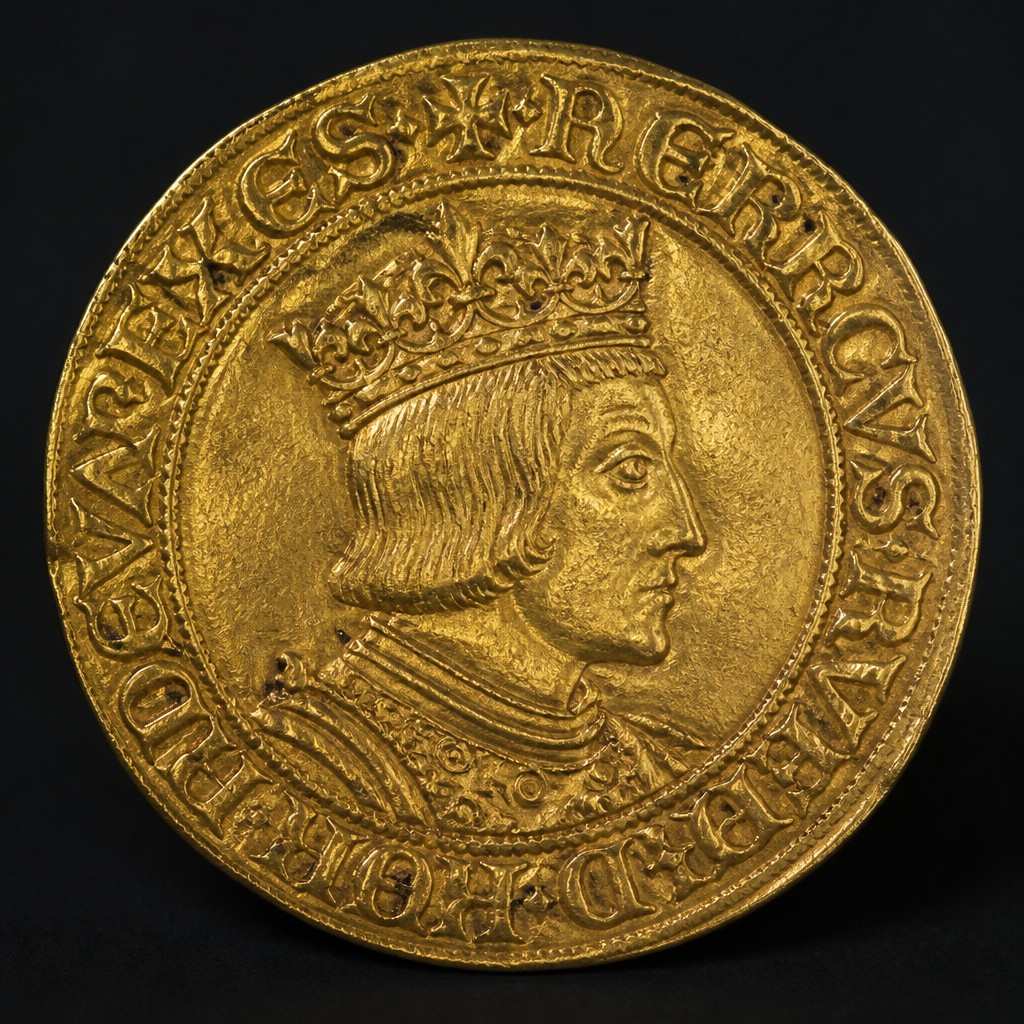
English Sovereign of Henry VII
1489–1509
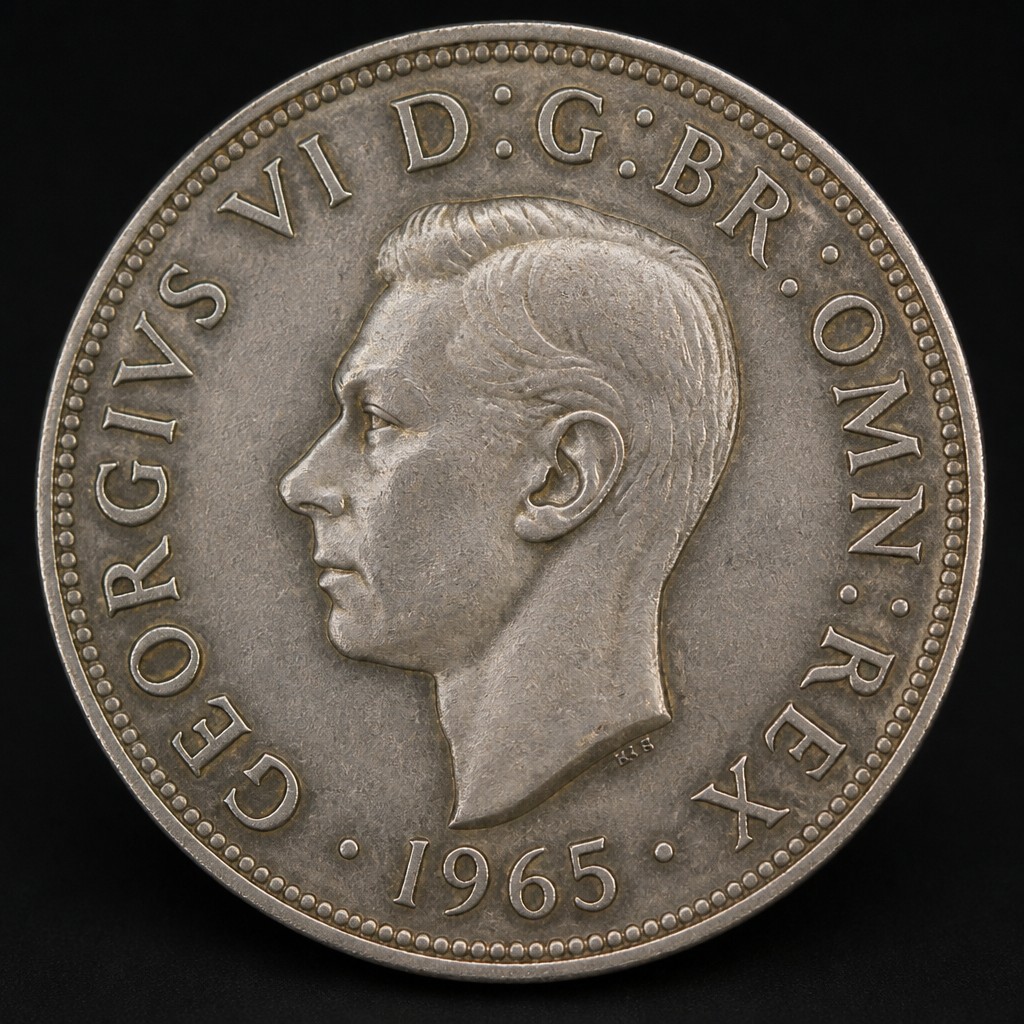
English Crown
1526–1965 (pre-decimal; commemorative crown-sized coins continue as five pound coins)
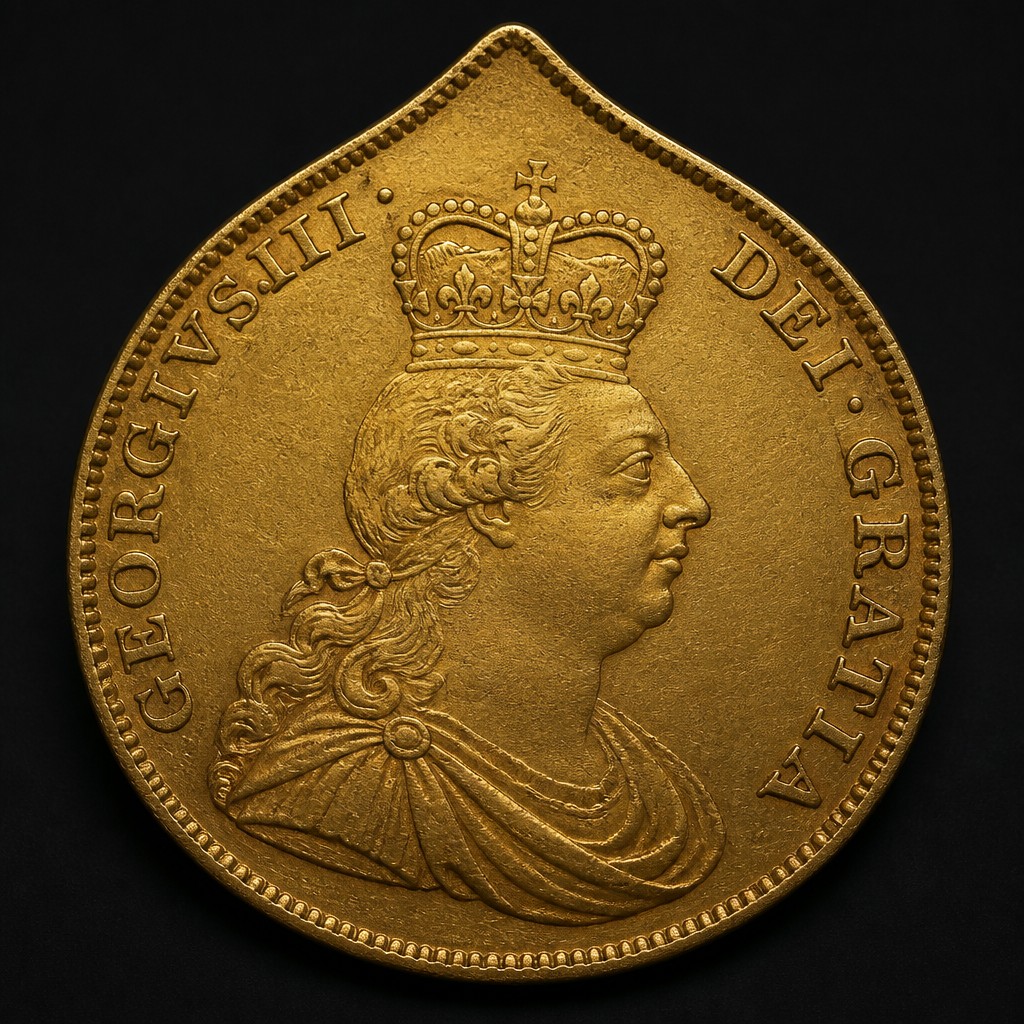
Spade Guinea
1787–1799
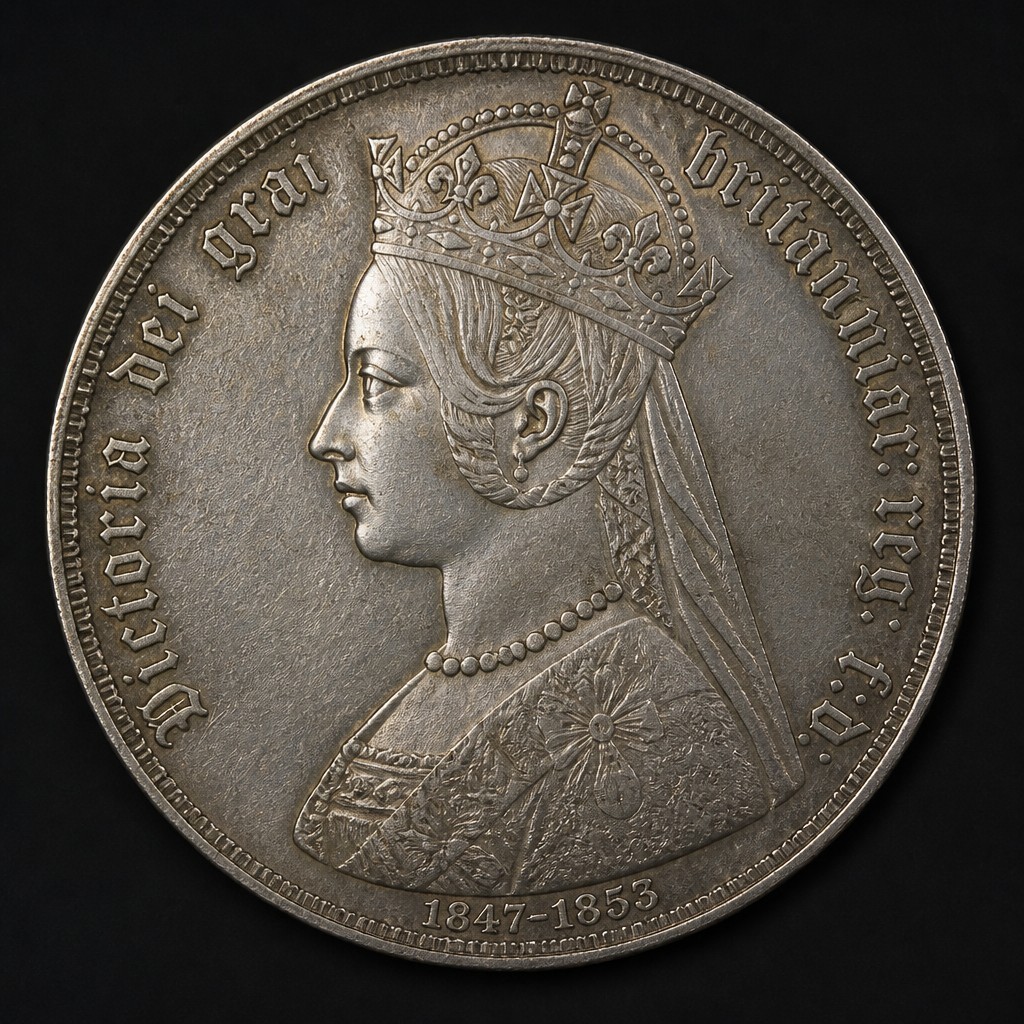
Gothic Crown
1847–1853
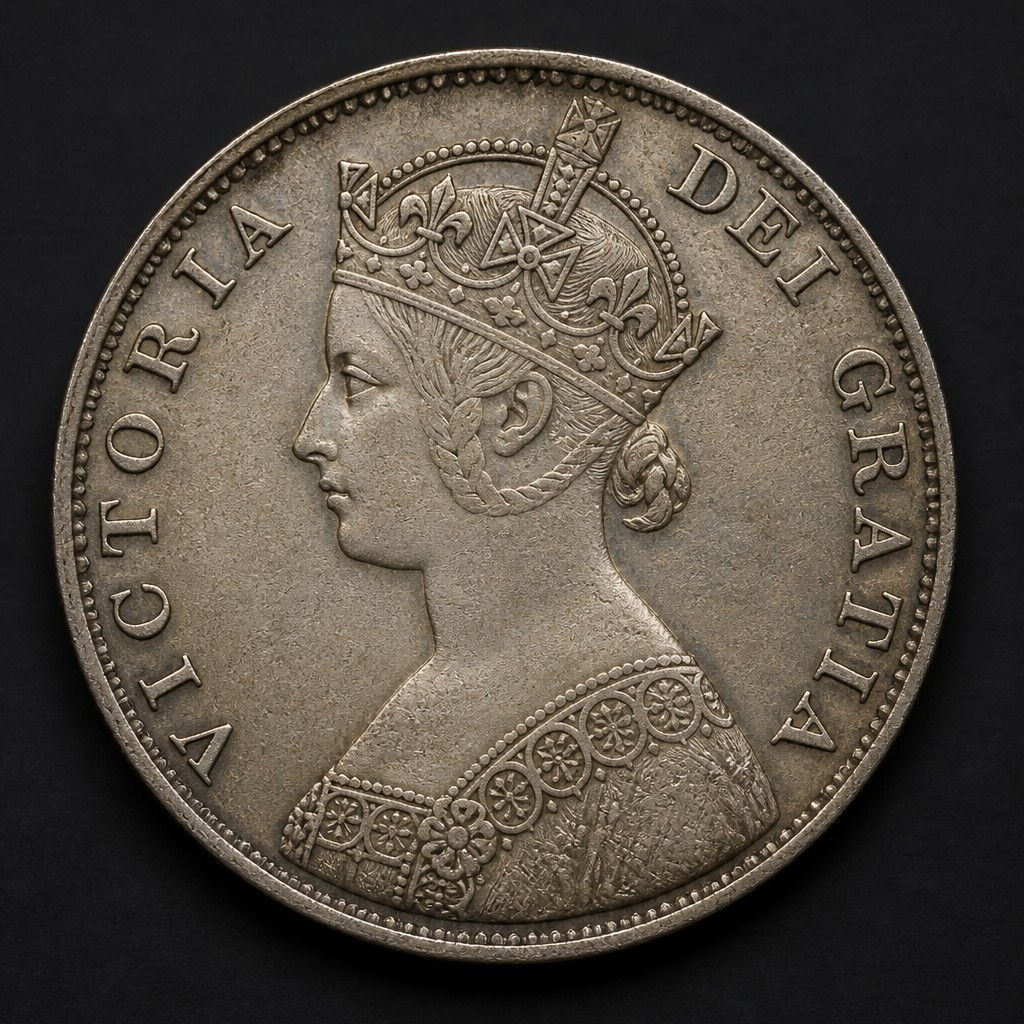
Groat (Fourpence)
1279–1888 (various revivals)
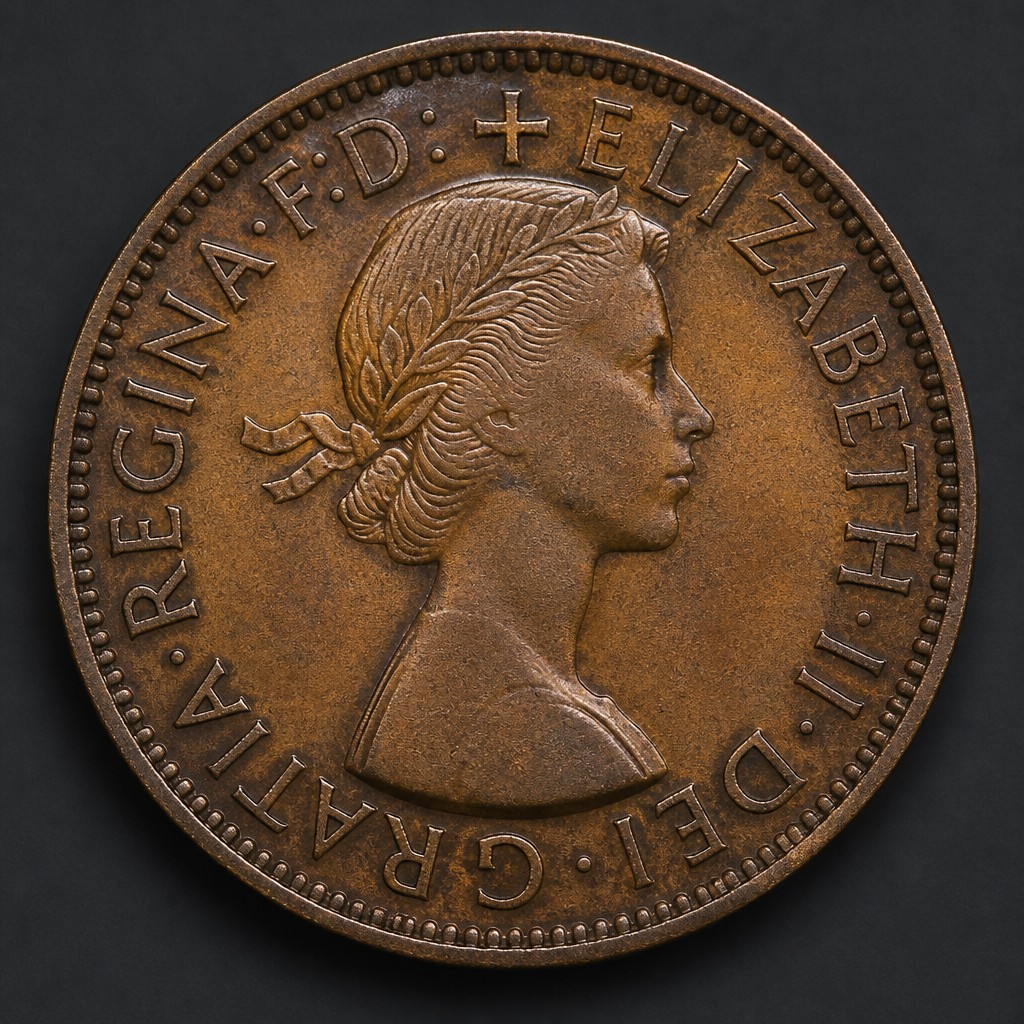
Farthing
13th century–1956
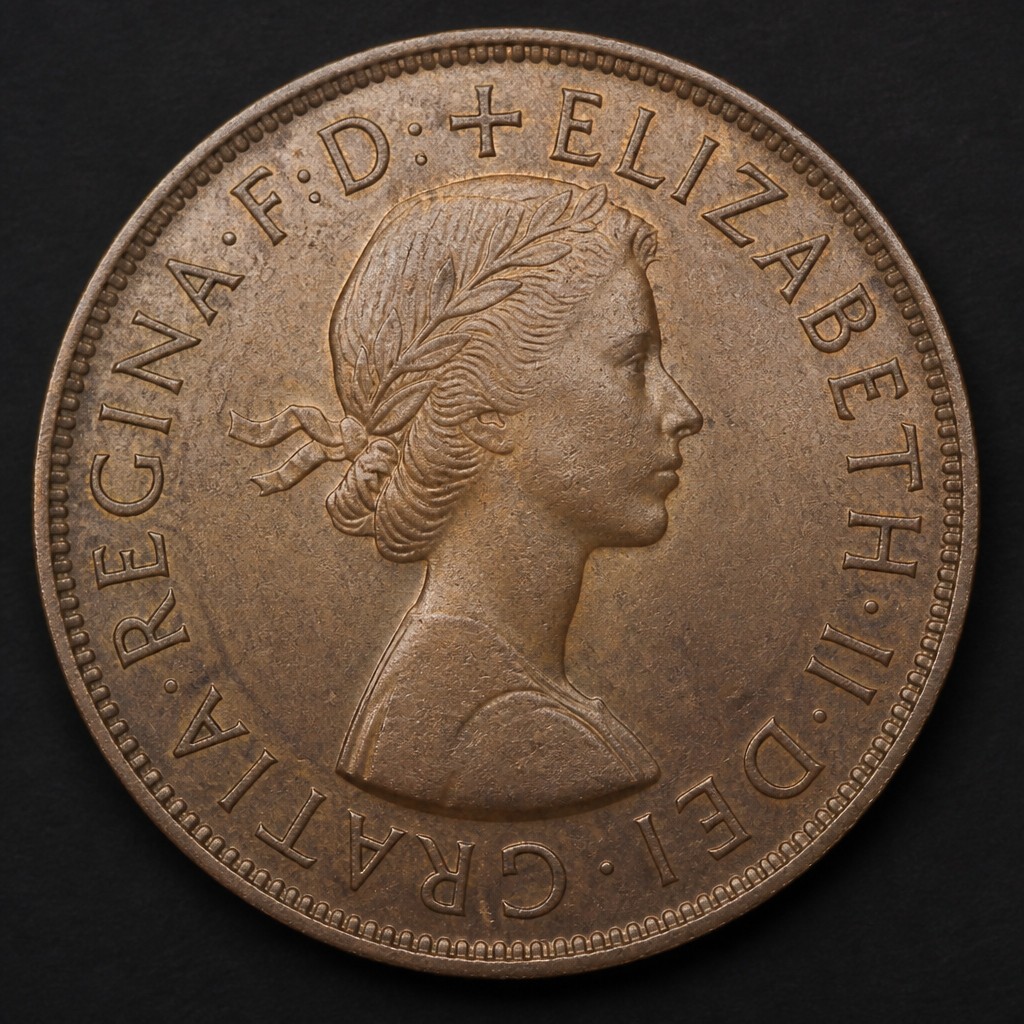
Halfpenny
c. 800s–1969
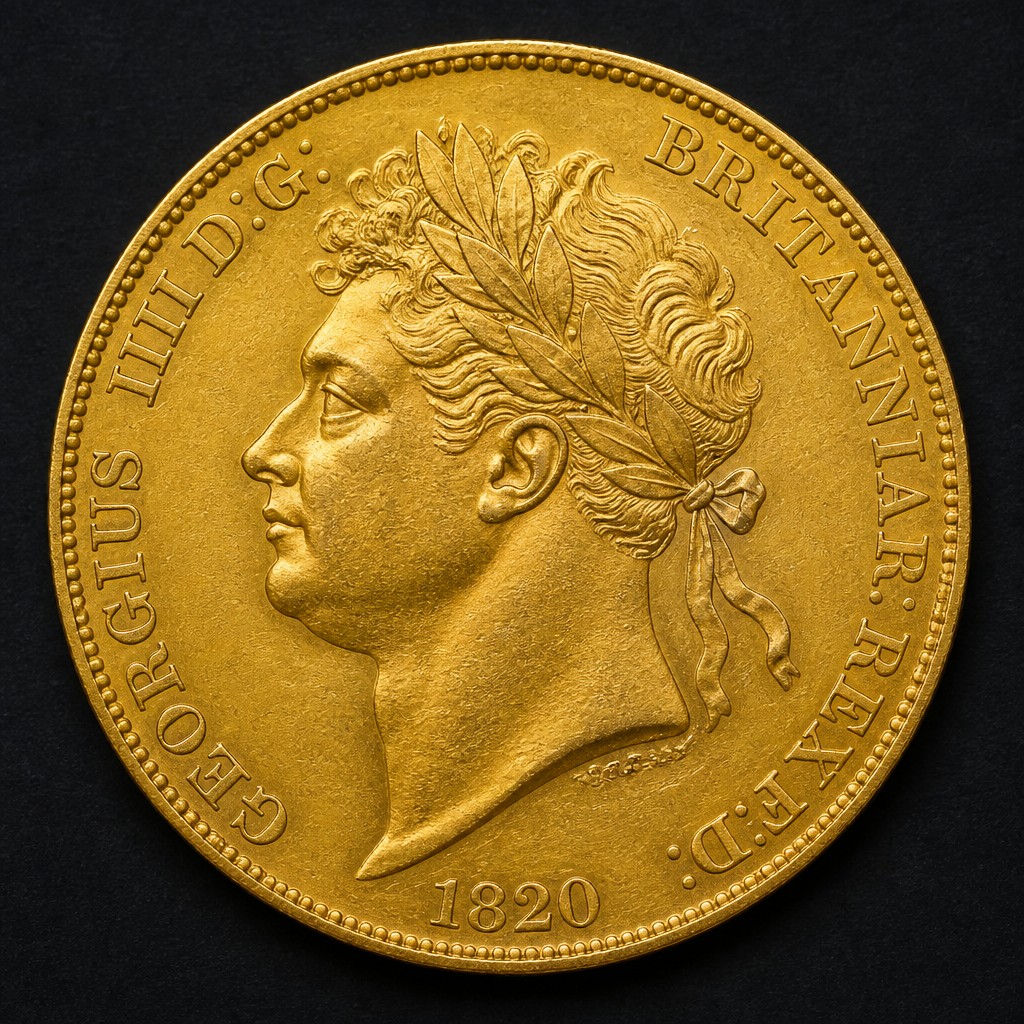
Five Pound Gold (Quintuple Sovereign)
1820–present (intermittent)
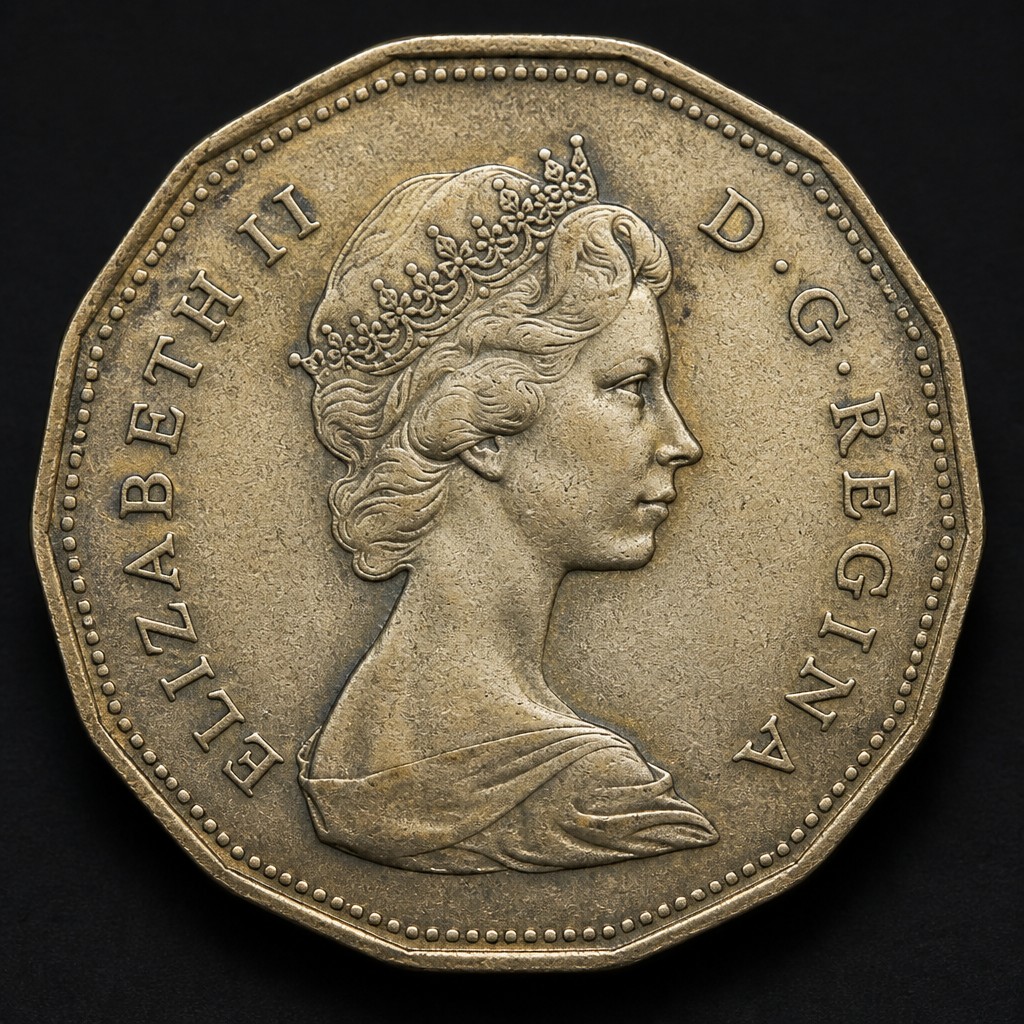
Threepence
1547–1970
Double Sovereign
1820s–present (intermittent)