
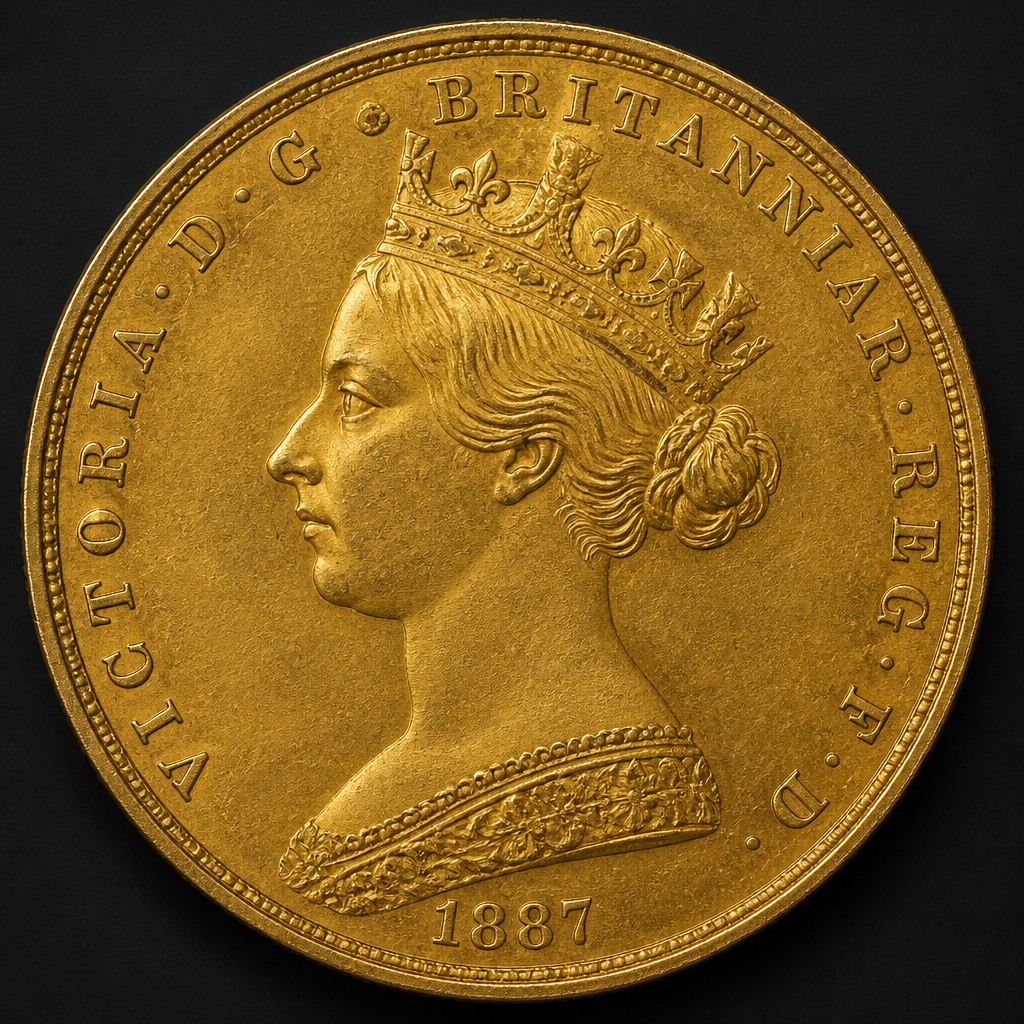
Double Sovereign
A British gold coin worth two pounds, twice the value of the standard sovereign, struck intermittently since the nineteenth century for commemorative and bullion purposes.
- Country
- United Kingdom
- Denomination
- Two Pounds (£2)
- Metal
- Gold (.9167 or .9999 Fine)
Got a coin like this?
Identify any coin from a photo, free.
Overview
The double sovereign is a gold coin with a face value of two pounds, representing double the weight and value of the standard gold sovereign, and it has been struck at various points since the early nineteenth century, primarily for proof sets, commemorative occasions, and collector demand rather than everyday circulation. Its larger size than the sovereign makes it an impressive showcase piece for the traditional Saint George and the dragon reverse design.
Collectors value the double sovereign both for its substantial gold content and for the artistry it shares with the broader sovereign family, particularly Benedetto Pistrucci's celebrated Saint George and the dragon design that has graced sovereigns and their multiples for two centuries.
Because it has been issued intermittently rather than continuously, certain double sovereign dates and commemorative editions are considerably scarcer than others, adding a layer of date-specific collecting interest beyond simple bullion appeal.
History & Background
Double sovereigns were first struck in the 1820s under George IV as part of the broader modernization of British gold coinage following the Great Recoinage of 1816, which had established the sovereign as Britain's standard gold coin. Unlike the sovereign, the double sovereign was never intended for everyday circulation and was instead produced mainly for special occasions, proof sets, and collectors.
Through the nineteenth and twentieth centuries, double sovereigns appeared periodically to mark significant royal events, jubilees, and coronations, often included in high-value proof and specimen sets alongside the sovereign and five-pound gold piece. Modern Royal Mint double sovereigns continue this tradition, frequently issued for royal anniversaries, jubilees, and other commemorative themes.
Today, the Royal Mint periodically strikes double sovereigns in gold as premium collector and gift items, often as part of matched sets with the sovereign and quarter sovereign, continuing a tradition that links directly back to the original nineteenth-century Saint George design.
How to Identify
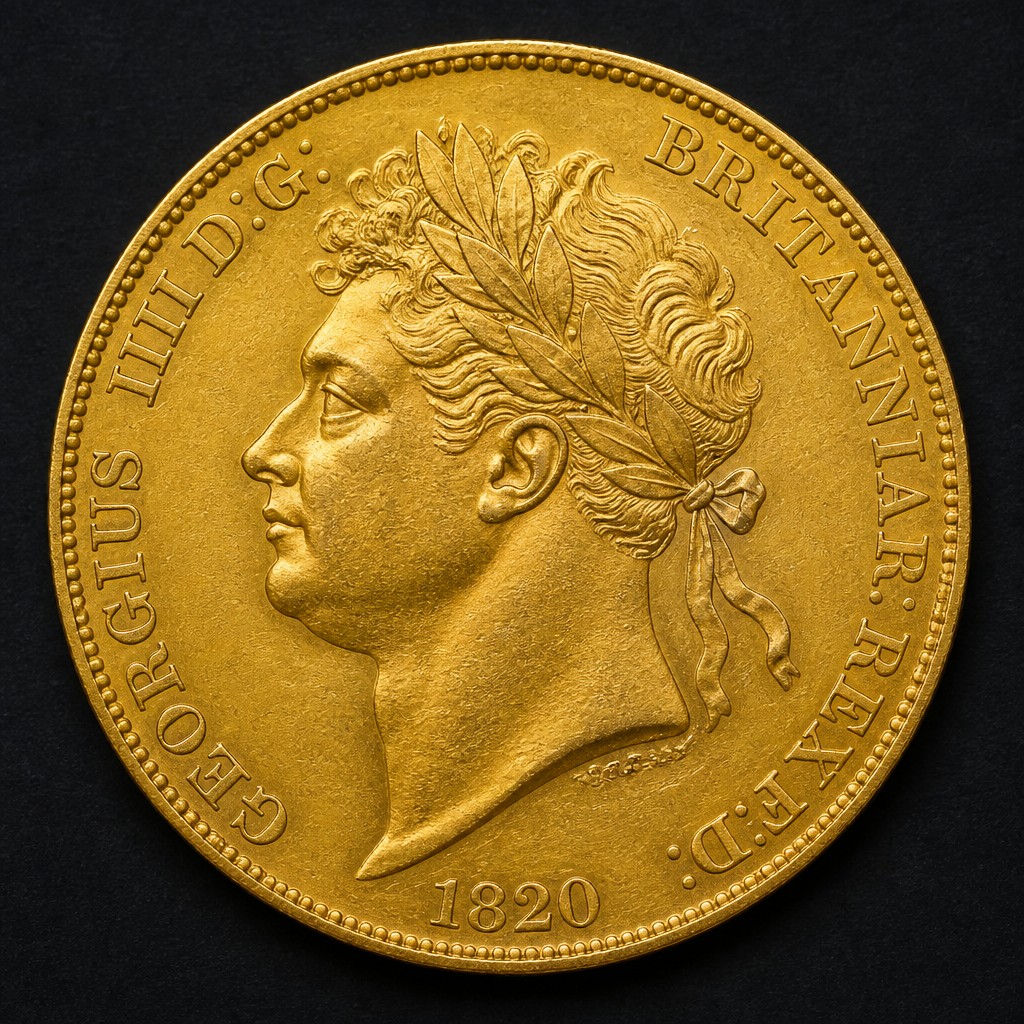
Obverses show the reigning monarch's portrait with the standard regnal Latin legend. Reverses predominantly feature Benedetto Pistrucci's iconic depiction of Saint George on horseback slaying a dragon, the same design long associated with the standard sovereign, though some commemorative double sovereigns feature special reverse designs marking specific royal or national events.
The double sovereign is larger and heavier than the standard sovereign, weighing approximately 15.98 grams (twice the sovereign's weight) with a diameter of about 28.4mm, giving it a noticeably substantial feel compared to the smaller sovereign or half sovereign.
Gold fineness for historic double sovereigns is .9167 (22 carat), the traditional sovereign standard, while some modern commemorative issues have been struck in .9999 fine gold; checking the specific issue's fineness and any accompanying certification is useful for precise identification of modern pieces.
Value & Collectibility
Double sovereigns generally trade at a premium over their gold content due to their scarcity relative to standard sovereigns, with historic nineteenth and early twentieth-century examples commanding solid four-figure sums or more depending on date, condition, and rarity. Modern commemorative double sovereigns from the Royal Mint, especially proof and limited-edition strikings, are priced based on both gold weight and collector demand for the specific occasion or design.
Key historic dates and lower-mintage double sovereigns can be significantly scarcer and more valuable than common gold sovereign dates, making careful date identification important for accurate valuation.
As with other gold sovereign-family coins, condition, strike quality, and originality of surfaces meaningfully affect value, with problem-free, well-struck examples commanding stronger prices than cleaned or heavily handled coins.
Frequently asked questions
What is a double sovereign worth in face value?
Two pounds, twice the one-pound face value of the standard sovereign, though its actual market value is driven by gold content and collector demand.
Was the double sovereign ever used in everyday circulation?
No, it was primarily struck for proof sets, commemorative purposes, and collectors rather than general circulation.
What design appears on the reverse?
Most double sovereigns feature Benedetto Pistrucci's Saint George and the dragon design, shared with the standard sovereign.
How much gold does a double sovereign contain?
Historic issues contain approximately 15.98 grams of .9167 fine gold, twice the gold content of a standard sovereign.
Other coins you may enjoy
British Guinea
1663–1814
English Angel
1465–1642
English Sovereign of Henry VII
1489–1509
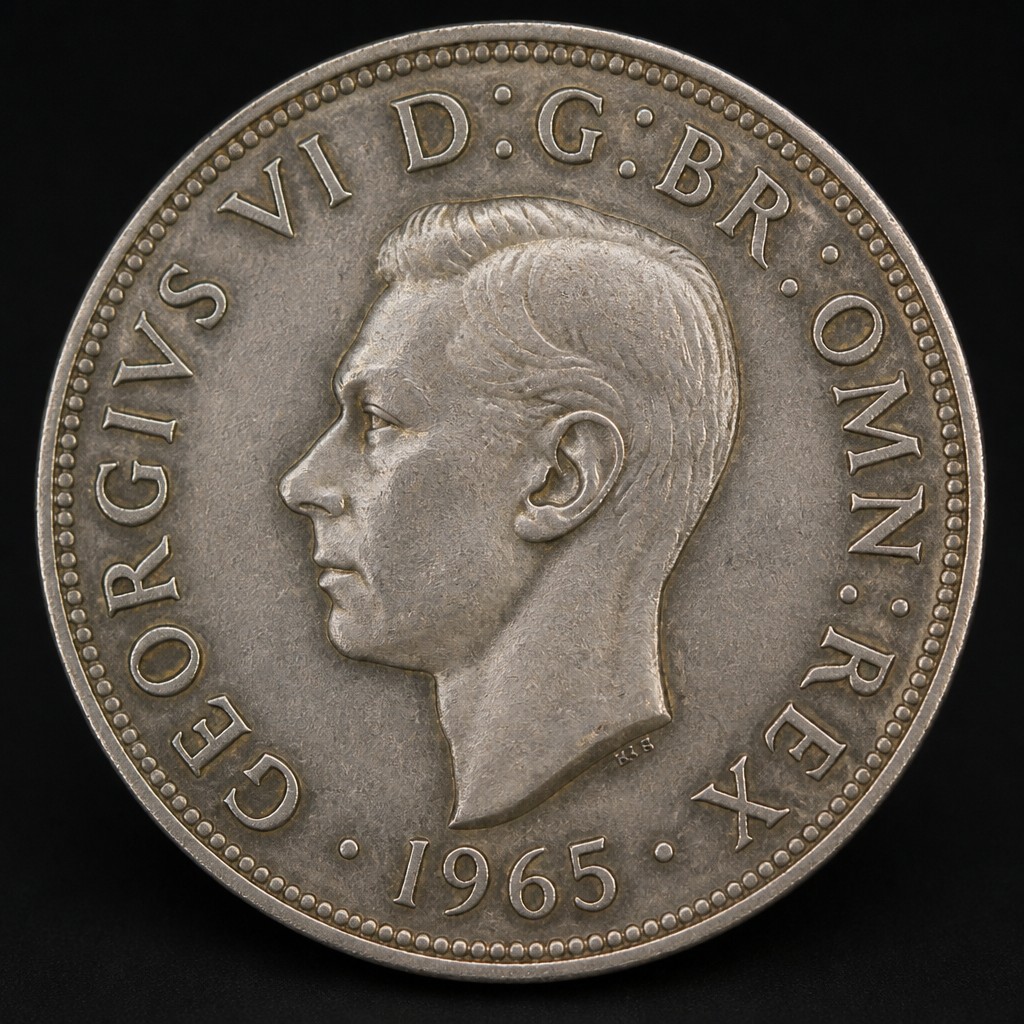
English Crown
1526–1965 (pre-decimal; commemorative crown-sized coins continue as five pound coins)
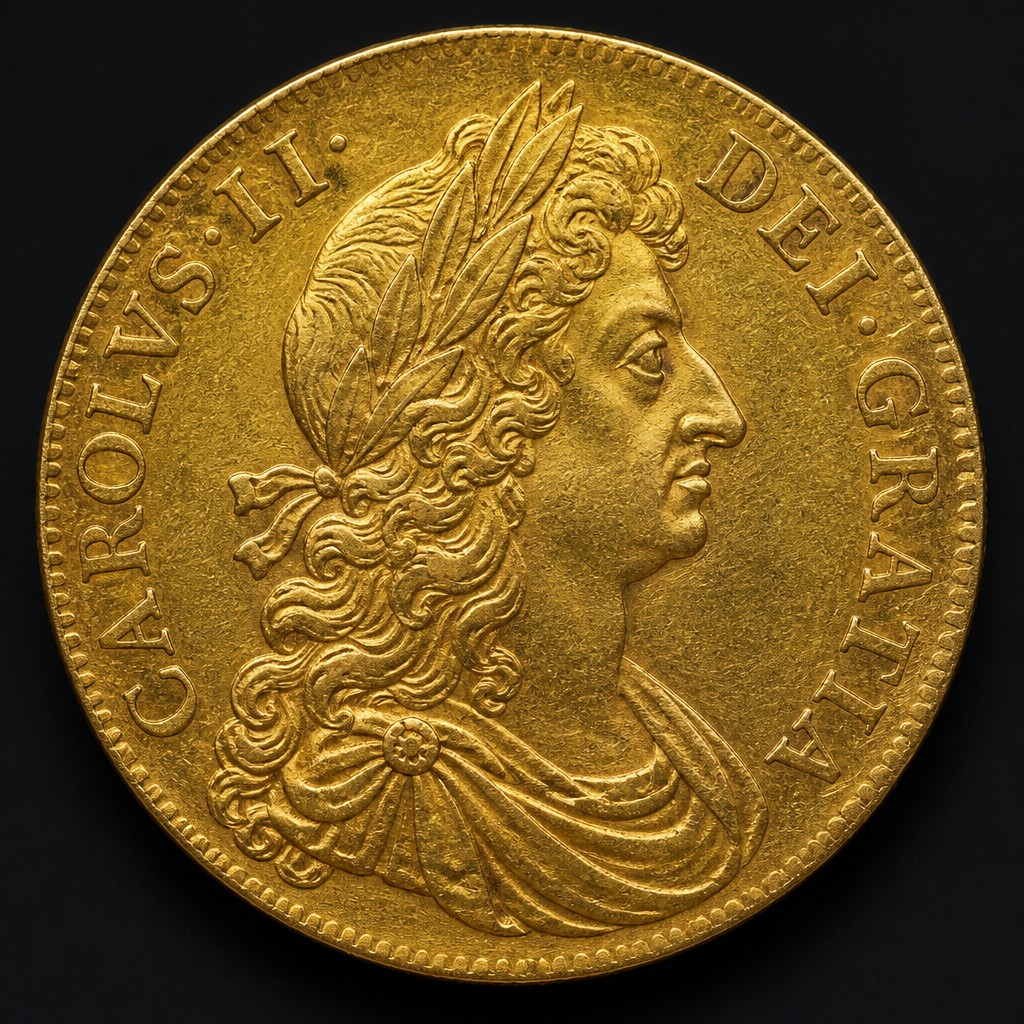
British Gold Guinea
1663–1814
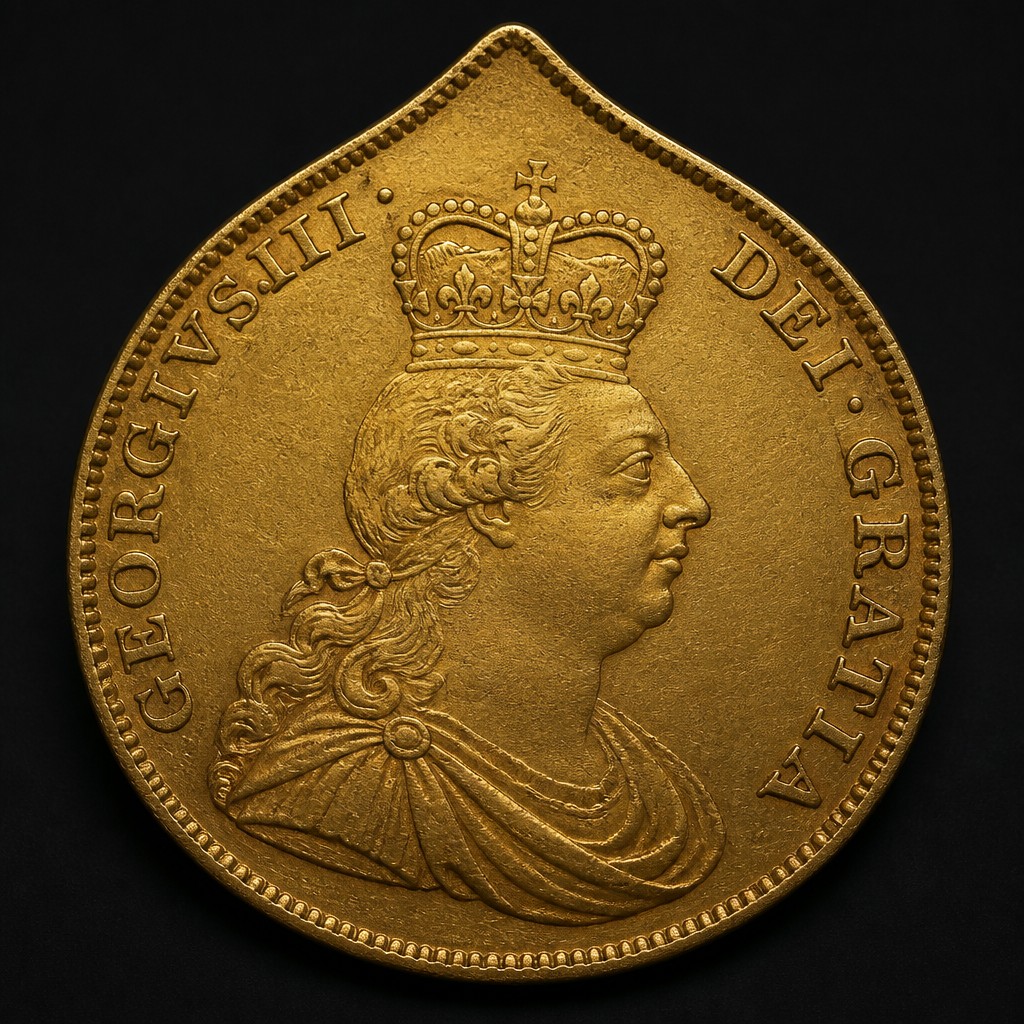
Spade Guinea
1787–1799
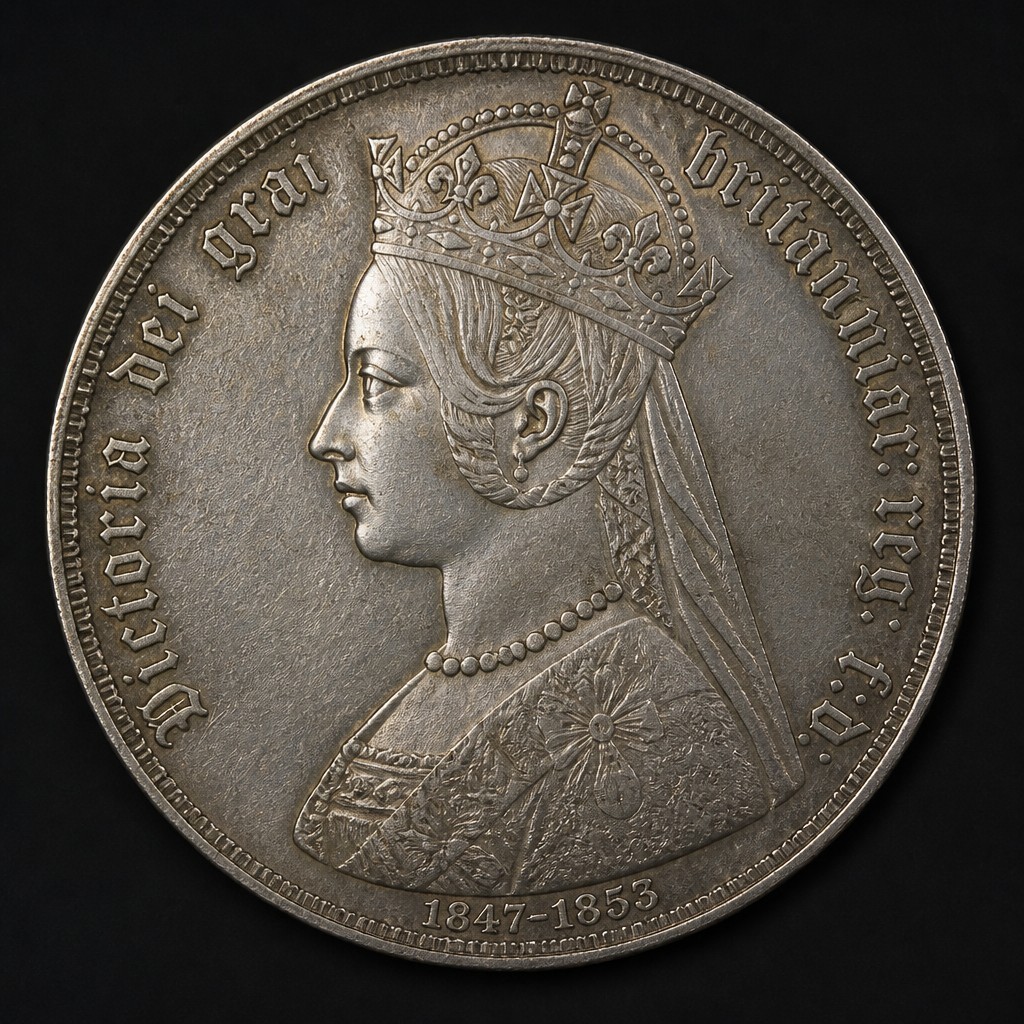
Gothic Crown
1847–1853
Groat (Fourpence)
1279–1888 (various revivals)
Farthing
13th century–1956
Halfpenny
c. 800s–1969
Five Pound Gold (Quintuple Sovereign)
1820–present (intermittent)
Threepence
1547–1970