
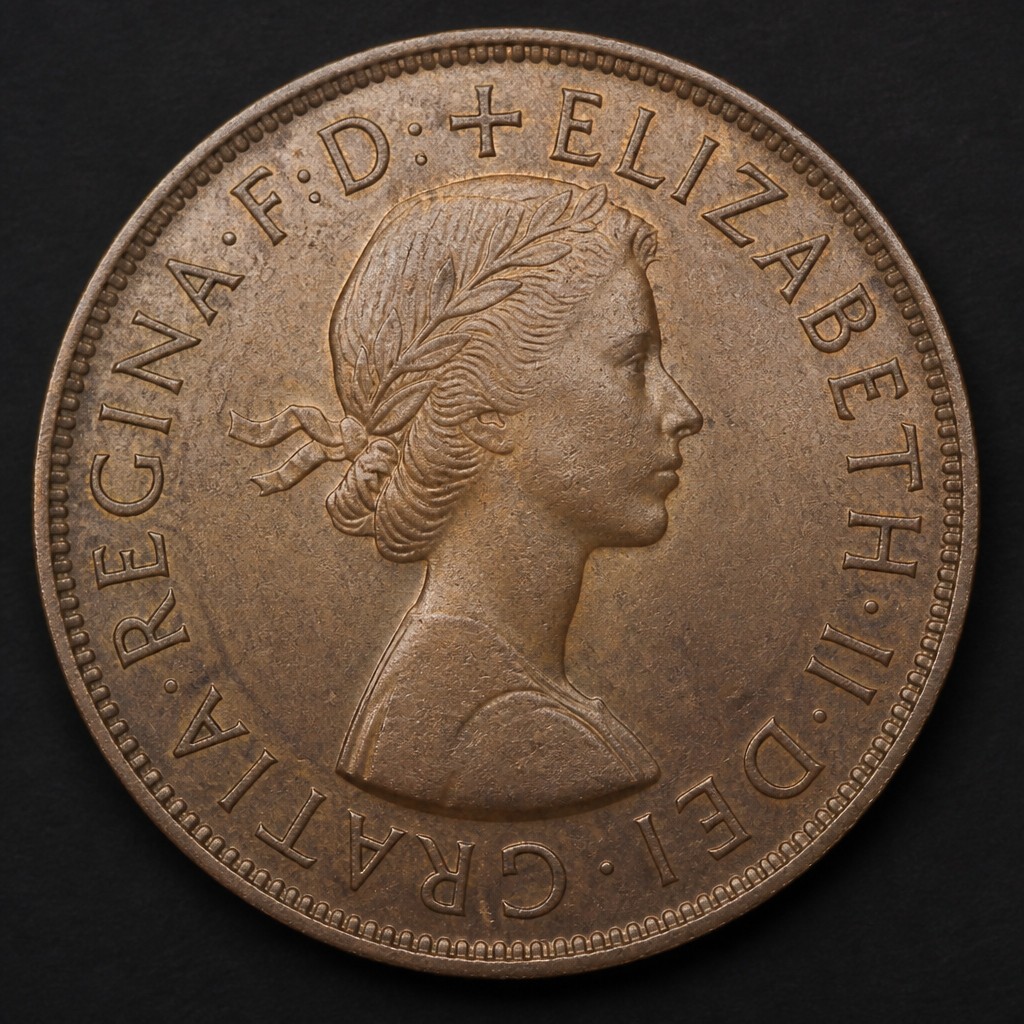
Halfpenny
A small British bronze coin worth half a penny, best known in its twentieth-century form featuring Sir Francis Drake's ship the Golden Hind on the reverse.
- Country
- United Kingdom
- Denomination
- Halfpenny (1/2d)
- Metal
- Copper then Bronze
Got a coin like this?
Identify any coin from a photo, free.
Overview
The halfpenny was a low-value denomination worth half of one penny, used for centuries in everyday British small change, and it descends from an even older tradition of hammered silver halfpennies dating to the early medieval period. The bronze halfpenny most collectors encounter today dates from the nineteenth and twentieth centuries and shares design conventions with the larger penny.
Its most iconic modern design, introduced in 1937, depicts Sir Francis Drake's ship the Golden Hind under full sail, a design cherished by collectors for its nautical detail and historical resonance with the Elizabethan age of exploration.
The halfpenny is a popular, affordable addition to a British bronze type set and pairs naturally with the penny and farthing to illustrate the full range of pre-decimal minor coinage.
History & Background
Halfpennies existed in silver form from the Anglo-Saxon period onward, but the large copper and bronze halfpenny familiar to most collectors emerged alongside the reformed penny coinage of the late eighteenth and nineteenth centuries under George III and Victoria. Like the penny, it long featured a seated Britannia design on the reverse.
In 1937, under George VI, the Royal Mint redesigned the halfpenny's reverse to depict the Golden Hind, the galleon in which Sir Francis Drake circumnavigated the globe in the sixteenth century, a design that continued through the reign of Elizabeth II with only portrait changes.
The halfpenny was withdrawn from circulation on 31 July 1969, ahead of decimalisation, since its value did not translate cleanly into the new decimal system, making it one of the earliest pre-decimal coins formally retired.
How to Identify
Obverses carry the monarch's portrait with the standard regnal Latin legend. From 1937 onward, the reverse shows the Golden Hind sailing ship in full detail with rigging and sails clearly rendered, along with the denomination "HALF PENNY" and date; earlier nineteenth-century halfpennies instead show a seated Britannia similar to the penny but smaller in scale.
The coin is noticeably smaller and lighter than the penny, roughly 25–26mm in diameter, but larger than the farthing, helping collectors place it correctly within the bronze denomination family by size comparison alone.
As with the penny, halfpennies were struck in copper before 1860 and bronze afterward, and condition assessment focuses on the sharpness of the ship's rigging or Britannia's fine details, which wear down relatively quickly with circulation.
Value & Collectibility
Most twentieth-century halfpennies, particularly common George V, George VI, and Elizabeth II dates, are inexpensive and widely available for a few dollars even in decent circulated grades. Nineteenth-century Victorian halfpennies are similarly affordable in worn condition, though scarcer dates and mint varieties command higher prices.
Uncirculated, well-struck examples with strong luster on the Golden Hind's sails or Britannia's figure are worth considerably more than heavily worn specimens, and certain low-mintage years are recognized key dates within the series.
As a generally low-value but historically rich denomination, the halfpenny offers collectors an economical way to explore British coinage design across more than a century of production.
Frequently asked questions
What ship is shown on the halfpenny?
The Golden Hind, the ship Sir Francis Drake used to circumnavigate the globe, appears on the reverse from 1937 onward.
How much was a halfpenny worth?
Half of one old penny, a very small unit of pre-decimal British currency.
When was the halfpenny withdrawn?
It was withdrawn from UK circulation on 31 July 1969, ahead of decimalisation.
Is the halfpenny made of pure copper?
Issues before 1860 are copper; those from 1860 onward are bronze, an alloy of copper, tin, and zinc.
Other coins you may enjoy
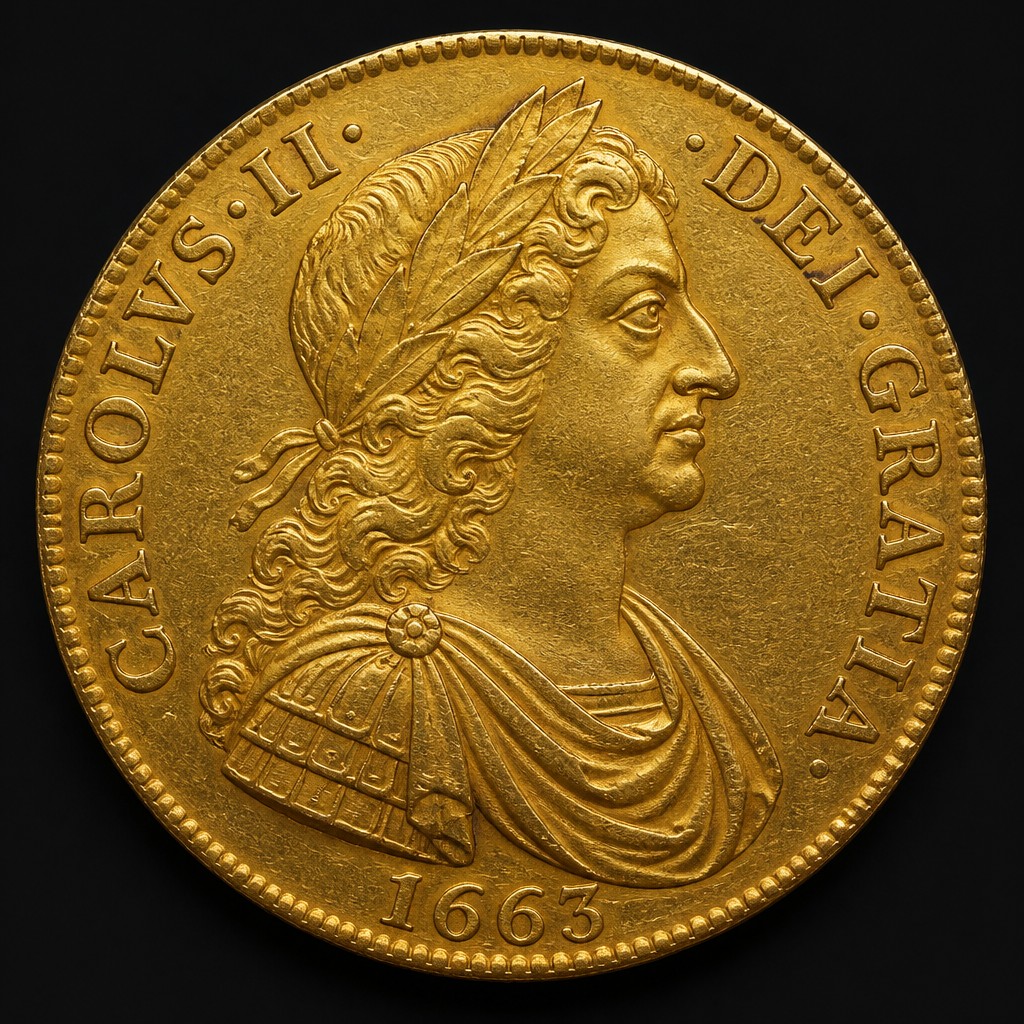
British Guinea
1663–1814
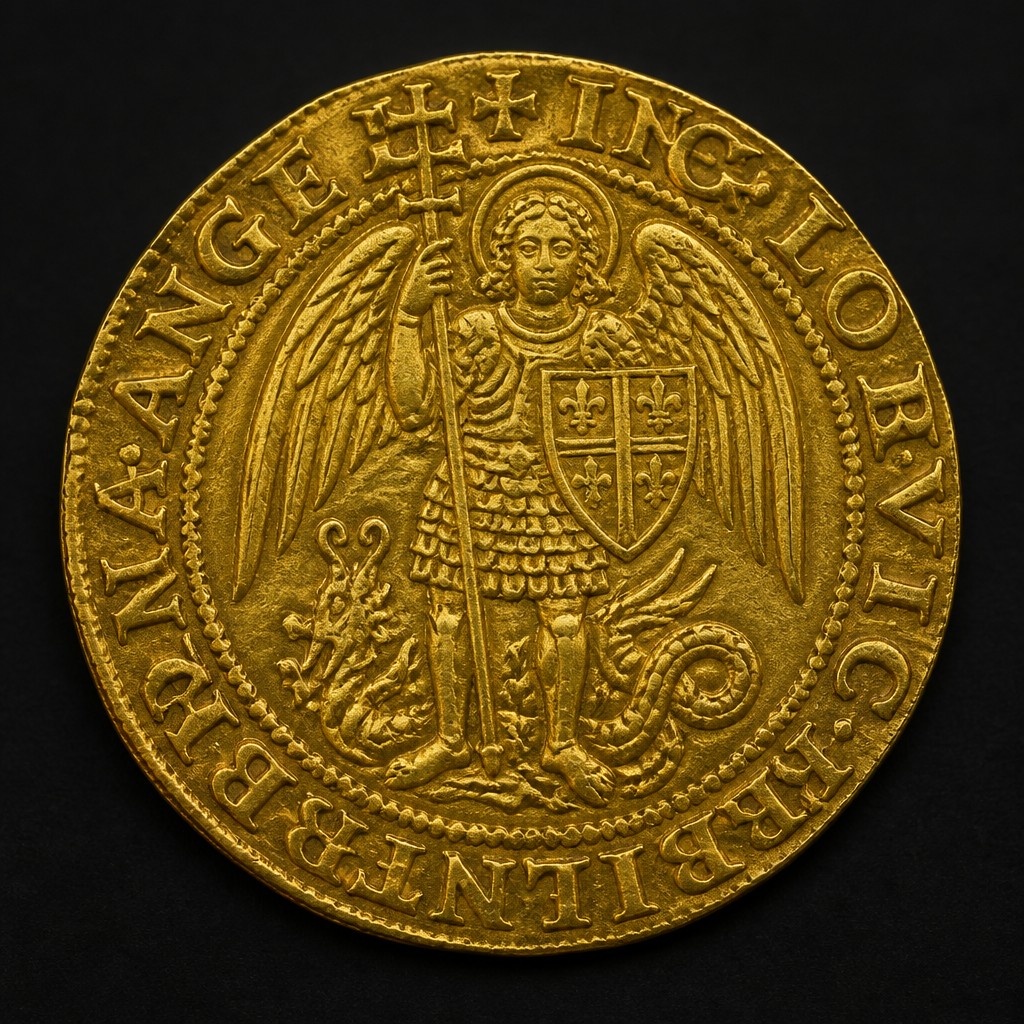
English Angel
1465–1642
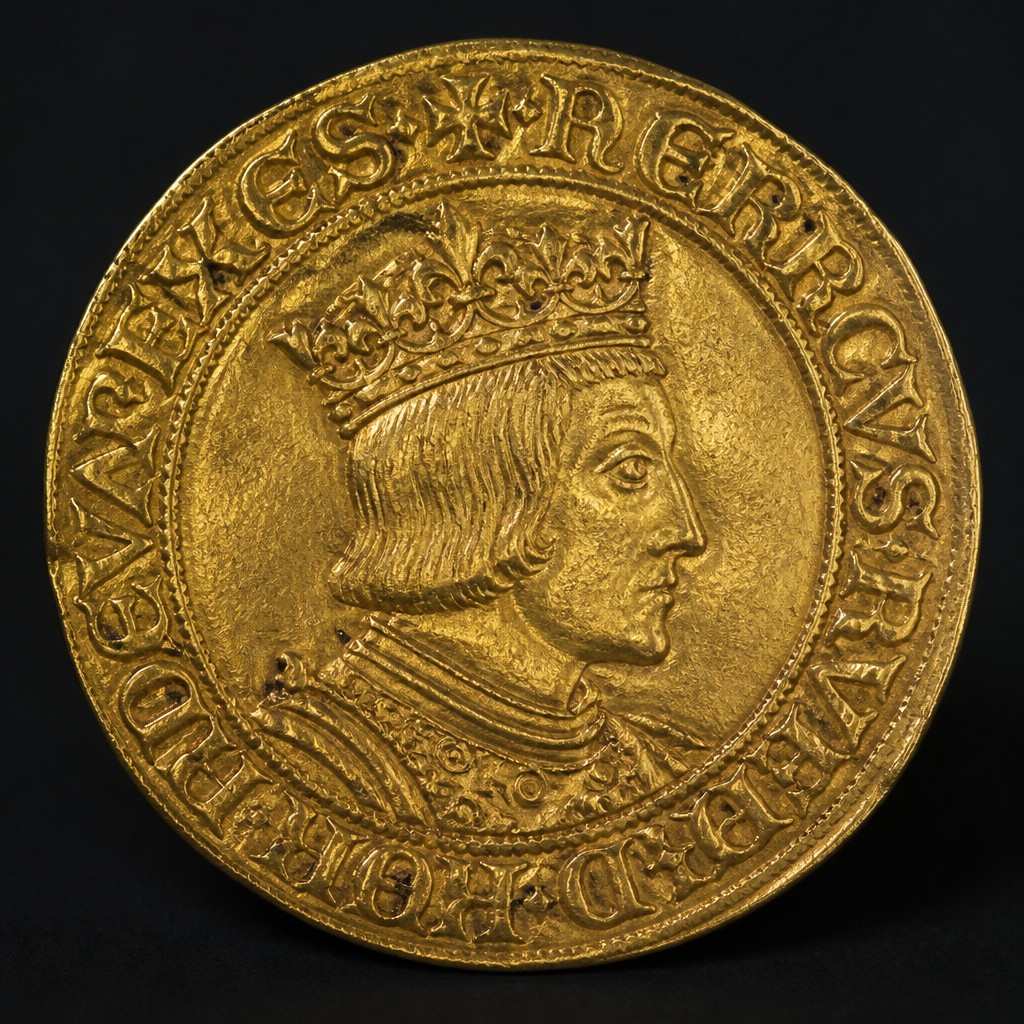
English Sovereign of Henry VII
1489–1509
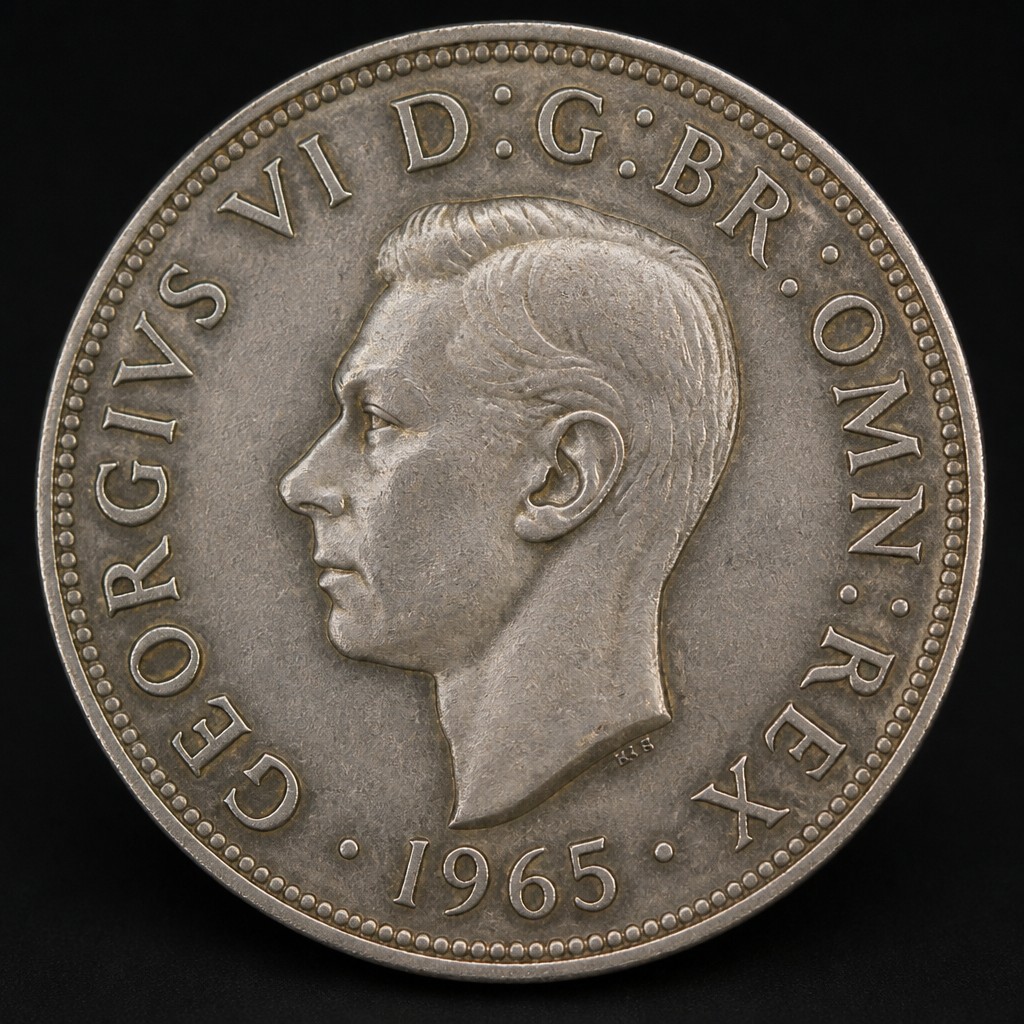
English Crown
1526–1965 (pre-decimal; commemorative crown-sized coins continue as five pound coins)
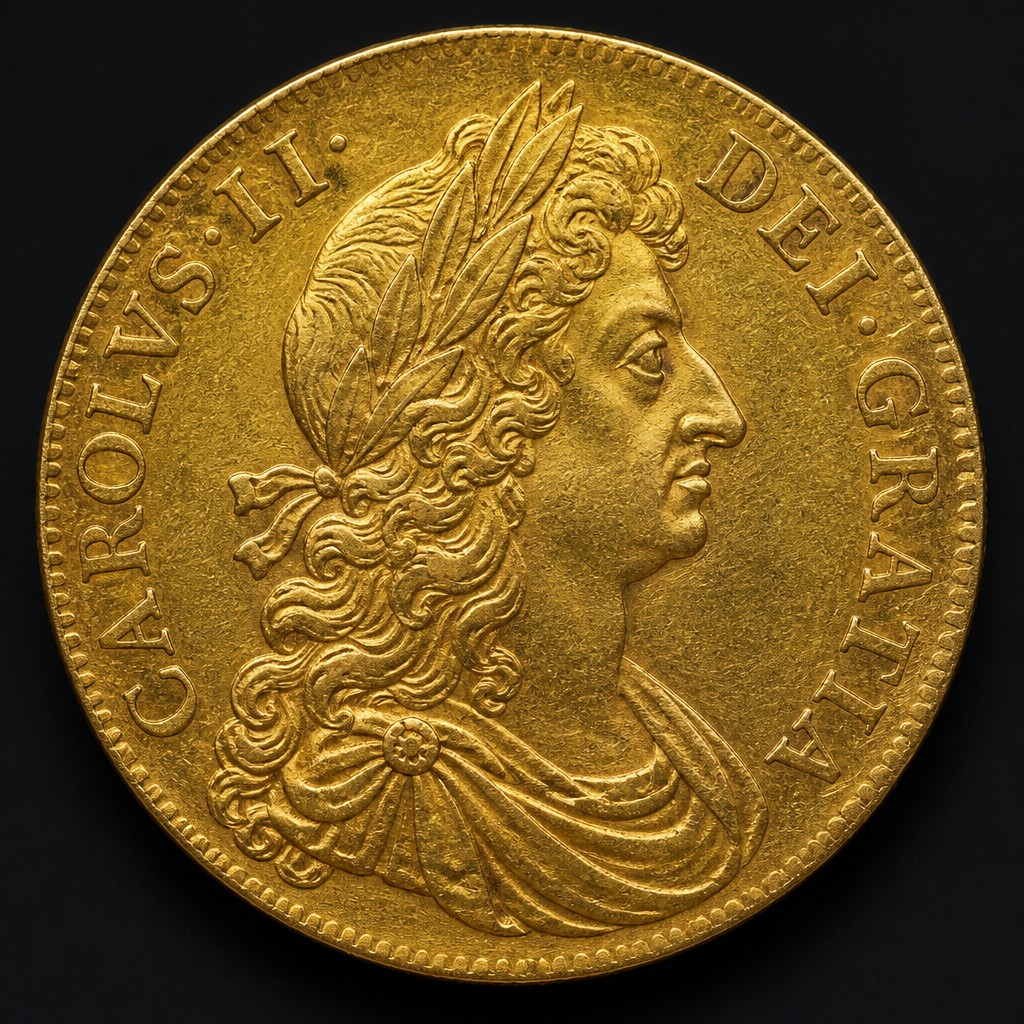
British Gold Guinea
1663–1814
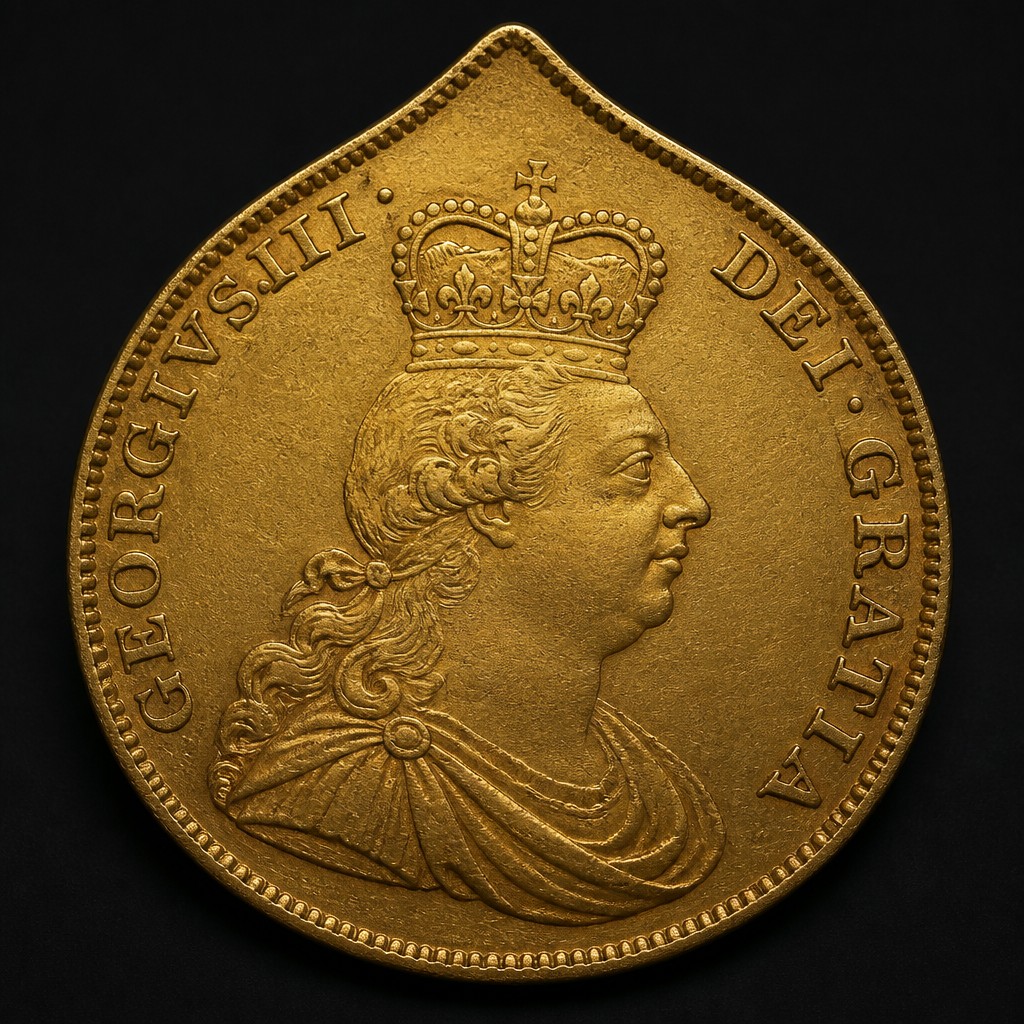
Spade Guinea
1787–1799
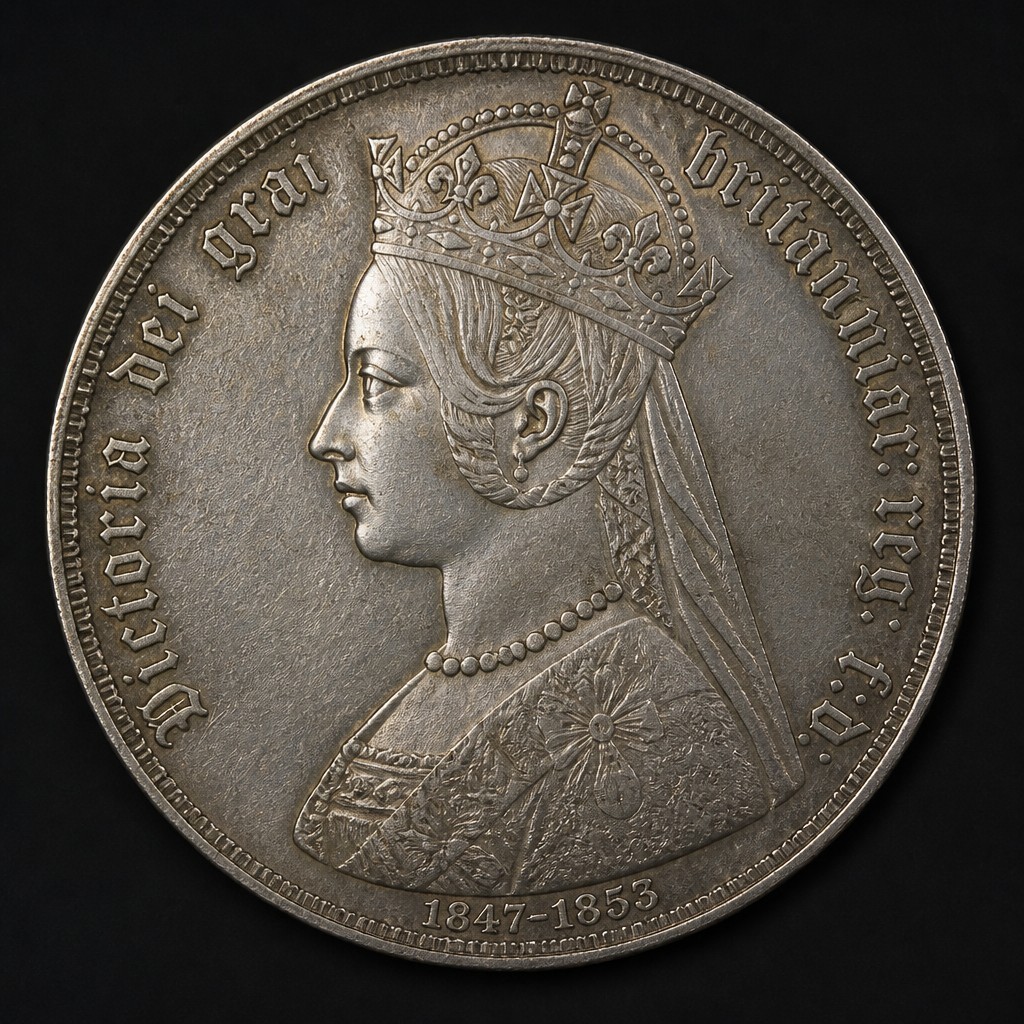
Gothic Crown
1847–1853
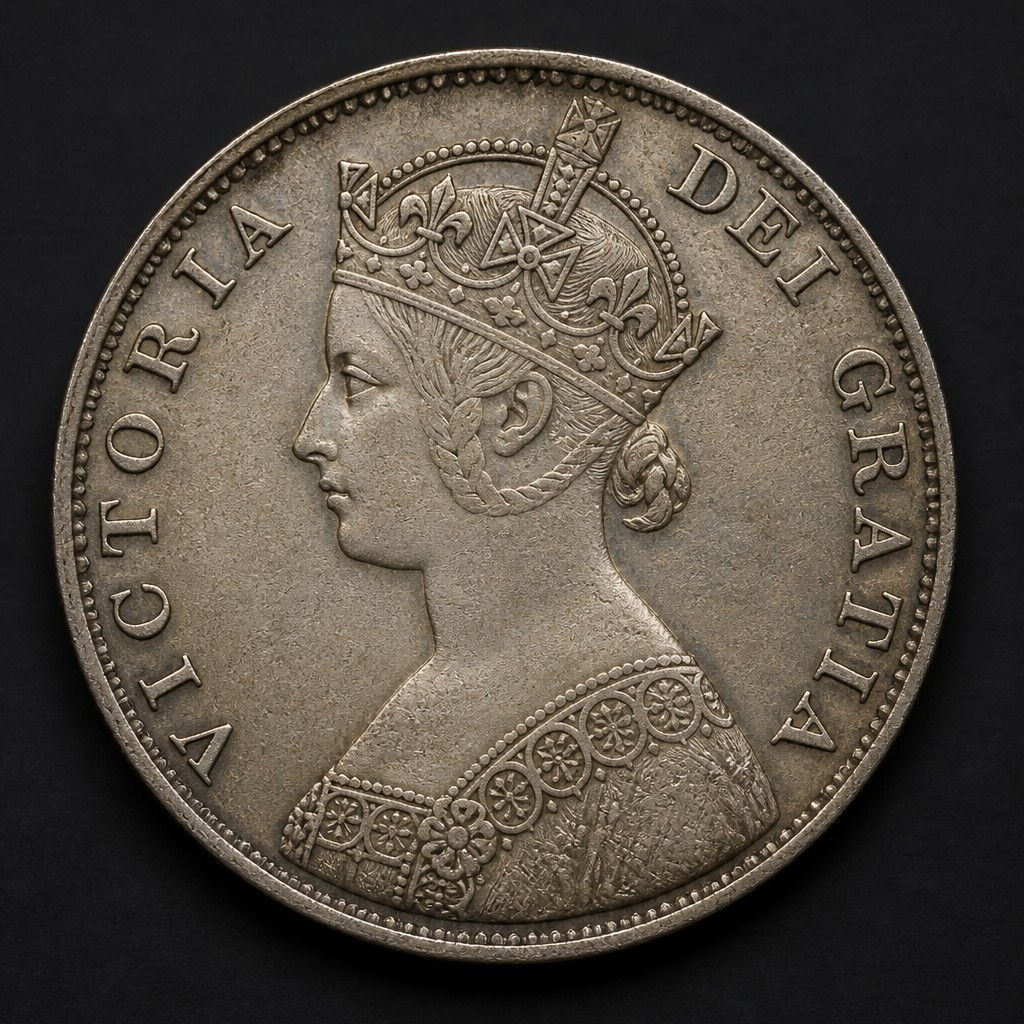
Groat (Fourpence)
1279–1888 (various revivals)
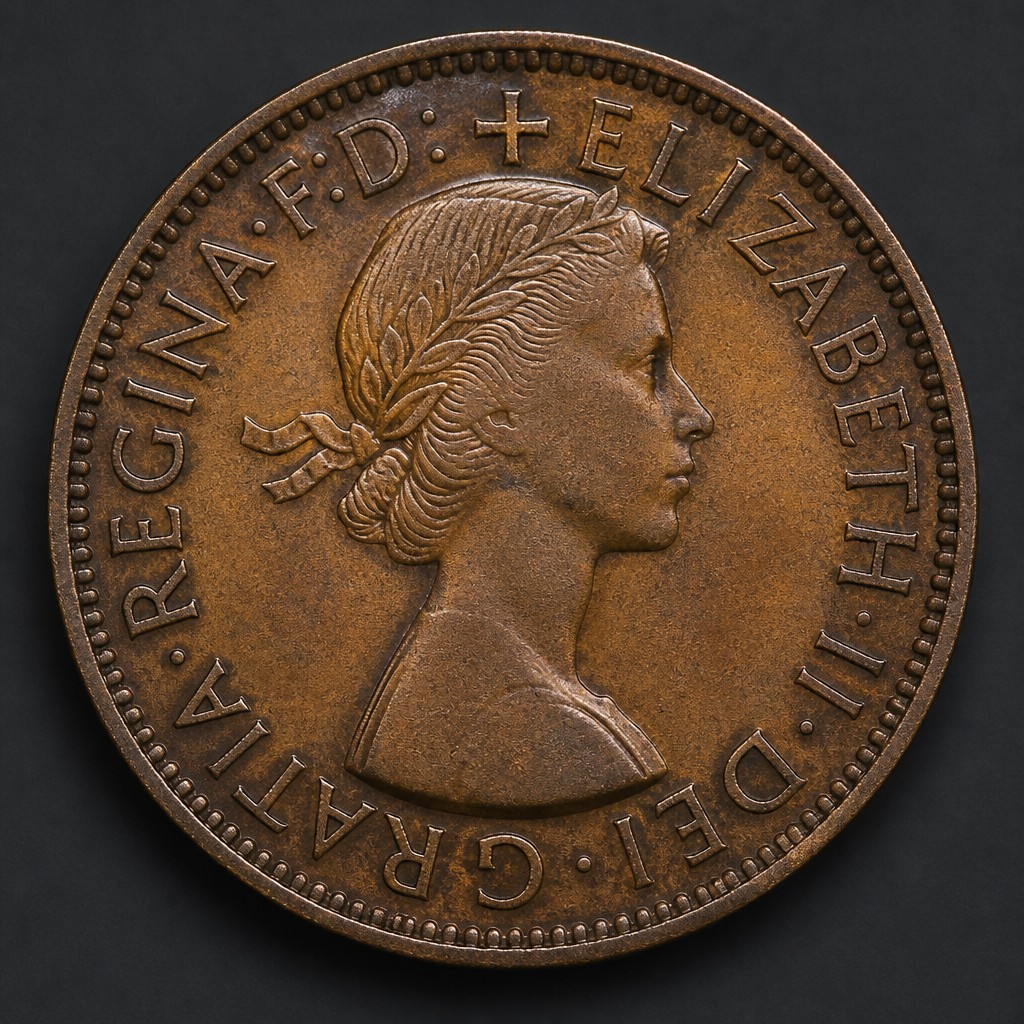
Farthing
13th century–1956
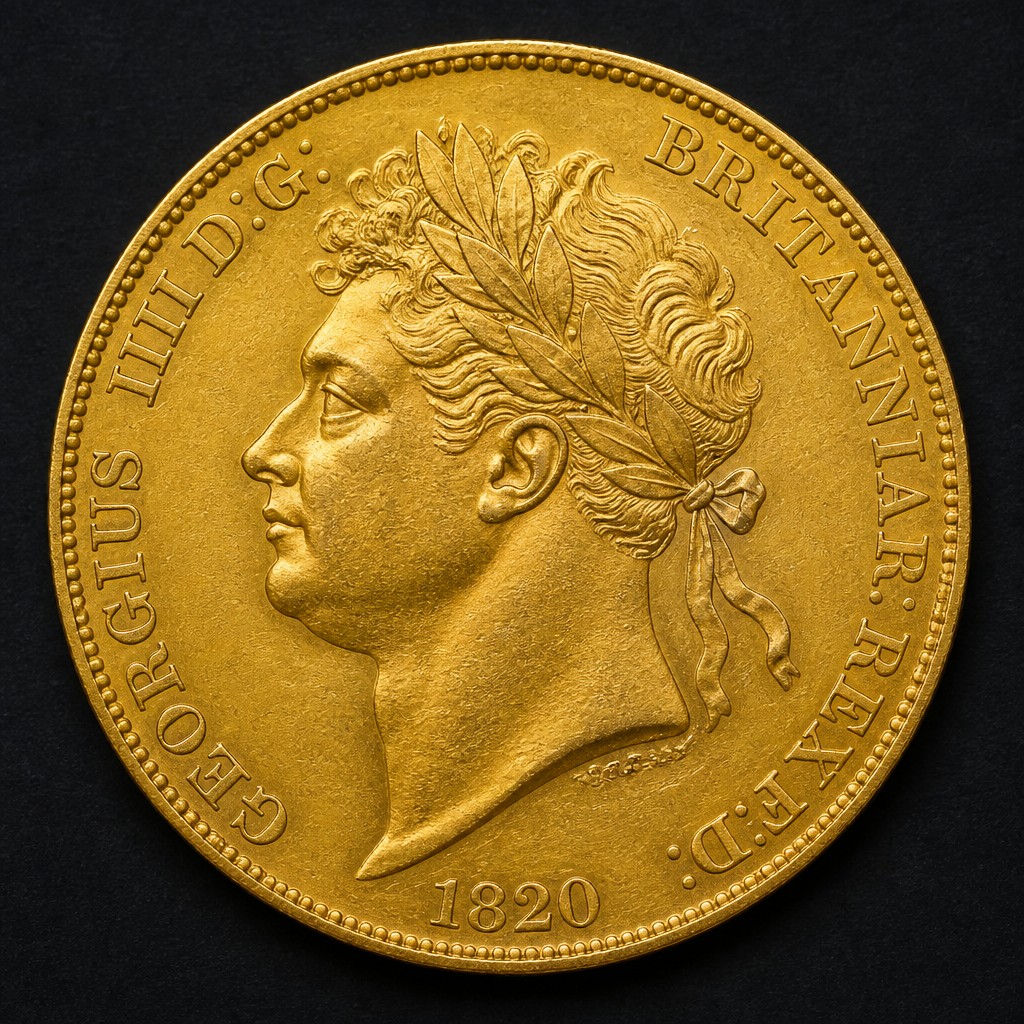
Five Pound Gold (Quintuple Sovereign)
1820–present (intermittent)
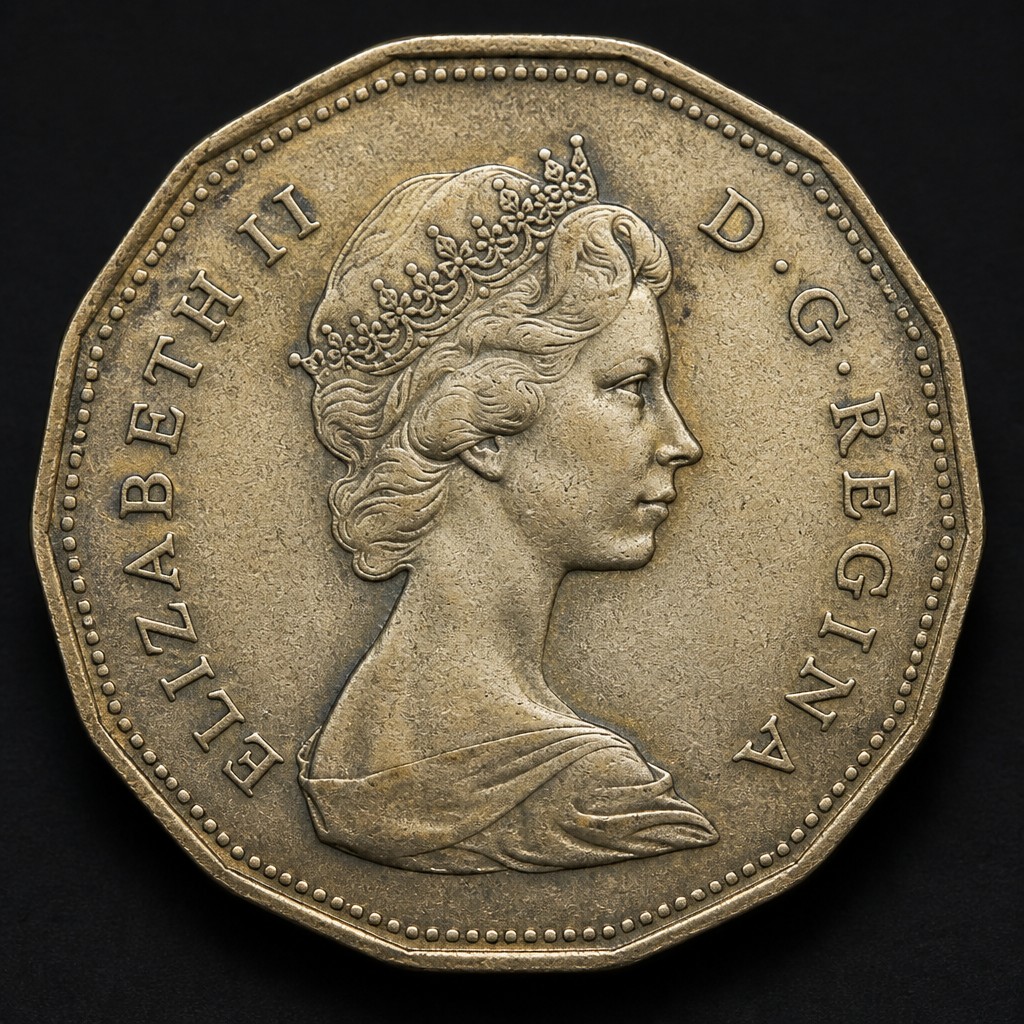
Threepence
1547–1970
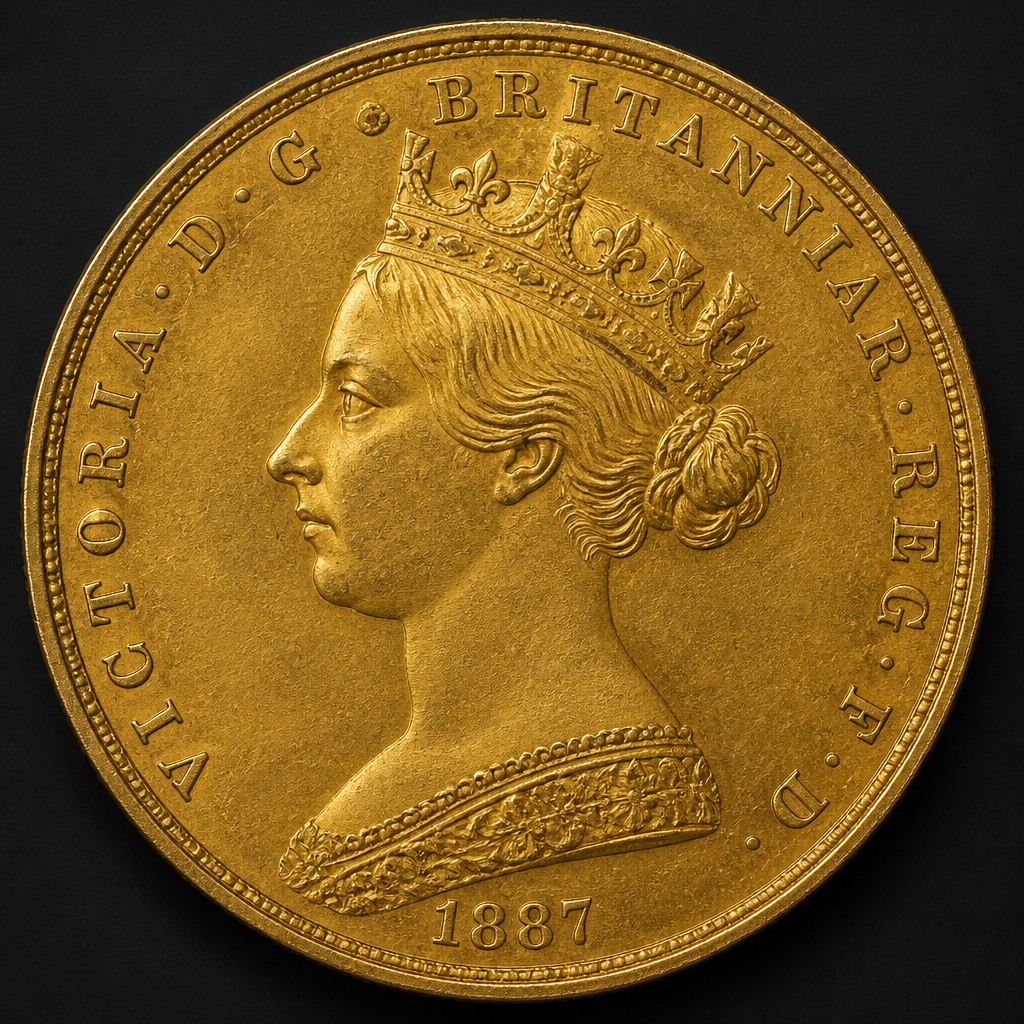
Double Sovereign
1820s–present (intermittent)