
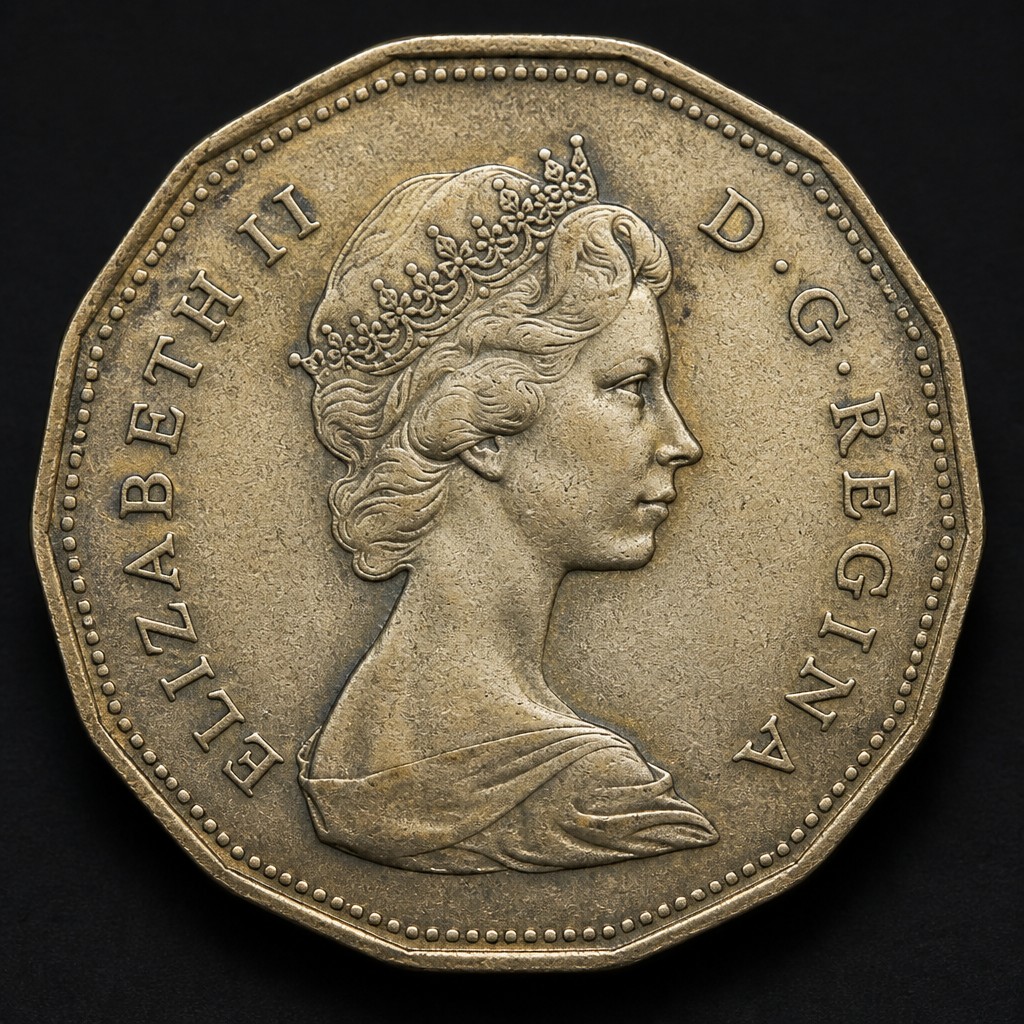
Threepence
A small British coin worth three pence, issued first as a tiny silver piece and later as the distinctive 12-sided brass 'threepenny bit' beloved for its unusual shape.
- Country
- United Kingdom
- Denomination
- Threepence (3d)
- Metal
- Silver (small type) / Nickel-Brass (12-sided type)
Got a coin like this?
Identify any coin from a photo, free.
Overview
The threepence existed in two very different physical forms across its history: a tiny silver coin used mainly for Maundy money and small change from the Tudor period onward, and, from 1937, a larger 12-sided nickel-brass coin that became instantly recognizable for its unusual dodecagonal shape and golden color. The 12-sided threepenny bit is the version most familiar to modern collectors and the general public.
Its unique shape made it identifiable by touch alone, a genuinely practical design feature in circulation, and it remains a favorite starter coin for new collectors due to its low cost, charm, and easily recognizable form.
The threepence's whimsical portcullis and later floral thrift-plant reverse designs also made it a popular subject for jewelry and keepsakes even after it left circulation.
History & Background
The small silver threepence dates back to the reign of Edward VI in the mid-sixteenth century, and it continued in production for centuries mainly for everyday small change and, notably, for the annual Maundy Money ceremony where the reigning monarch distributes specially minted coins to elderly recipients on Maundy Thursday.
In 1937, the Royal Mint introduced a bold new nickel-brass threepence with a distinctive 12-sided shape, intended to be easily distinguished by touch from other coins, particularly useful during blackout conditions in the Second World War. Its reverse originally featured a thrift plant design, later changed to a crowned portcullis with chains, symbolizing the House of Commons.
The 12-sided threepence remained in circulation until decimalisation, with its last dated issues from 1967, and it was officially withdrawn on 31 August 1971, shortly after decimal currency was introduced, since three old pence had no clean decimal equivalent.
How to Identify
The small silver threepence, roughly 16–17mm and thin, shows the monarch's portrait on the obverse and a simple crowned numeral "3" or wreath design on the reverse in most circulation issues; Maundy threepences share this general design across the four Maundy denominations (1d, 2d, 3d, 4d).
The 12-sided brass threepence is unmistakable due to its shape: it has twelve flat sides rather than being round, is thicker and heavier than most small coins, and has a distinctive yellowish nickel-brass color. Its obverse carries the monarch's portrait, while the reverse, from 1937 to 1952, shows a thrift plant, and from 1953 onward under Elizabeth II shows a crowned portcullis with chains.
Because the 12-sided threepence is so visually and tactilely distinct, it is rarely confused with any other British coin; the main identification task for collectors is distinguishing date and portrait variety rather than denomination.
Value & Collectibility
Common 12-sided threepenny bits from the 1940s through 1960s are widely available and inexpensive, often just a few dollars, making them a popular low-cost collectible and even a common choice for costume jewelry conversion. Certain early dates, low-mintage years, and pristine uncirculated coins fetch higher premiums.
Small silver threepences and Maundy threepences, being struck in much lower numbers and primarily for ceremonial rather than general circulation use in the modern era, generally command higher values than their brass cousins, particularly in high grade or as part of a complete Maundy set.
Overall the 12-sided threepence remains one of the most affordable and charming entry points into British coin collecting, while true scarcity is concentrated in early silver types and Maundy issues.
Frequently asked questions
Why is the threepence 12-sided?
The nickel-brass version introduced in 1937 was made 12-sided so it could be identified by touch, which proved useful during wartime blackouts.
What is Maundy money?
Small silver coins, including the threepence, specially struck and distributed by the monarch to elderly recipients each Maundy Thursday, a tradition that continues today.
When was the threepence withdrawn?
It was withdrawn from UK circulation on 31 August 1971, following decimalisation.
Is the threepenny bit silver or brass?
The famous 12-sided version is nickel-brass, not silver; only the earlier small round threepence was struck in silver.
Other coins you may enjoy
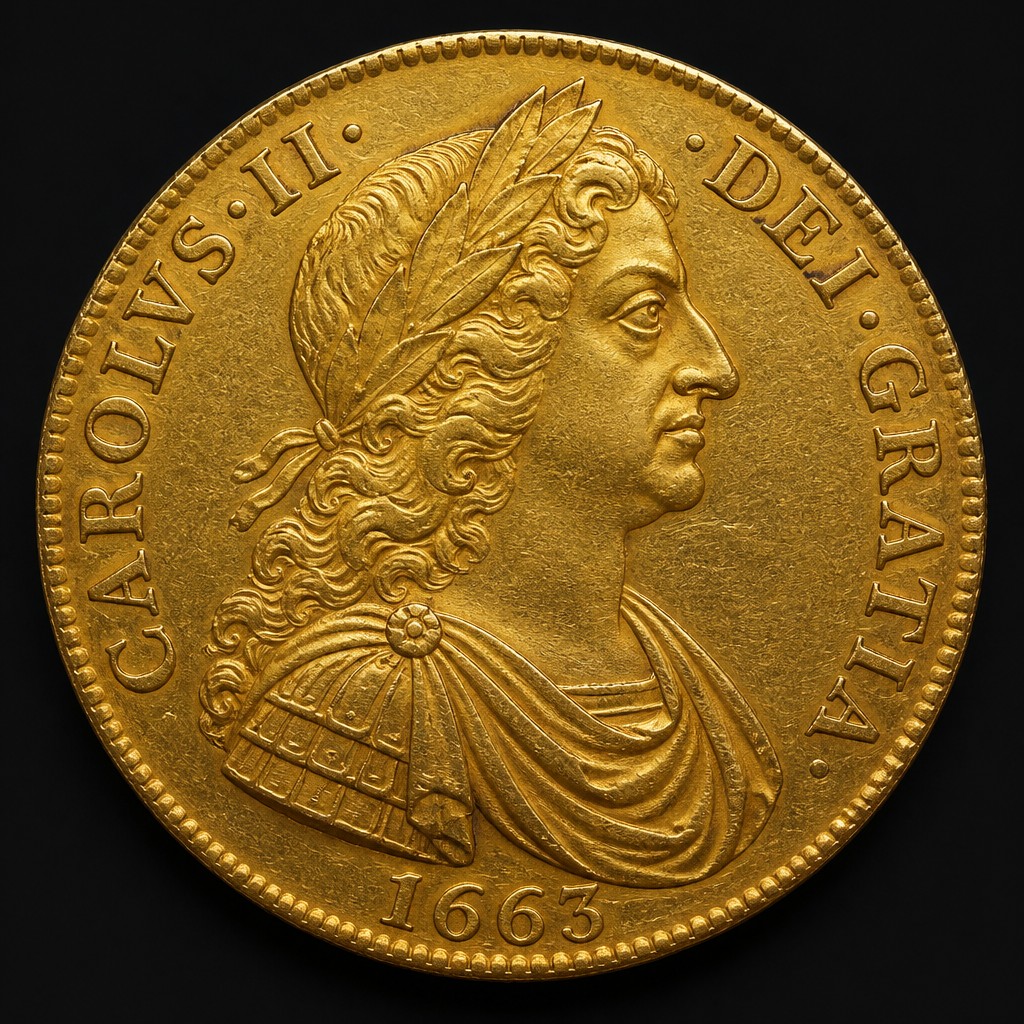
British Guinea
1663–1814
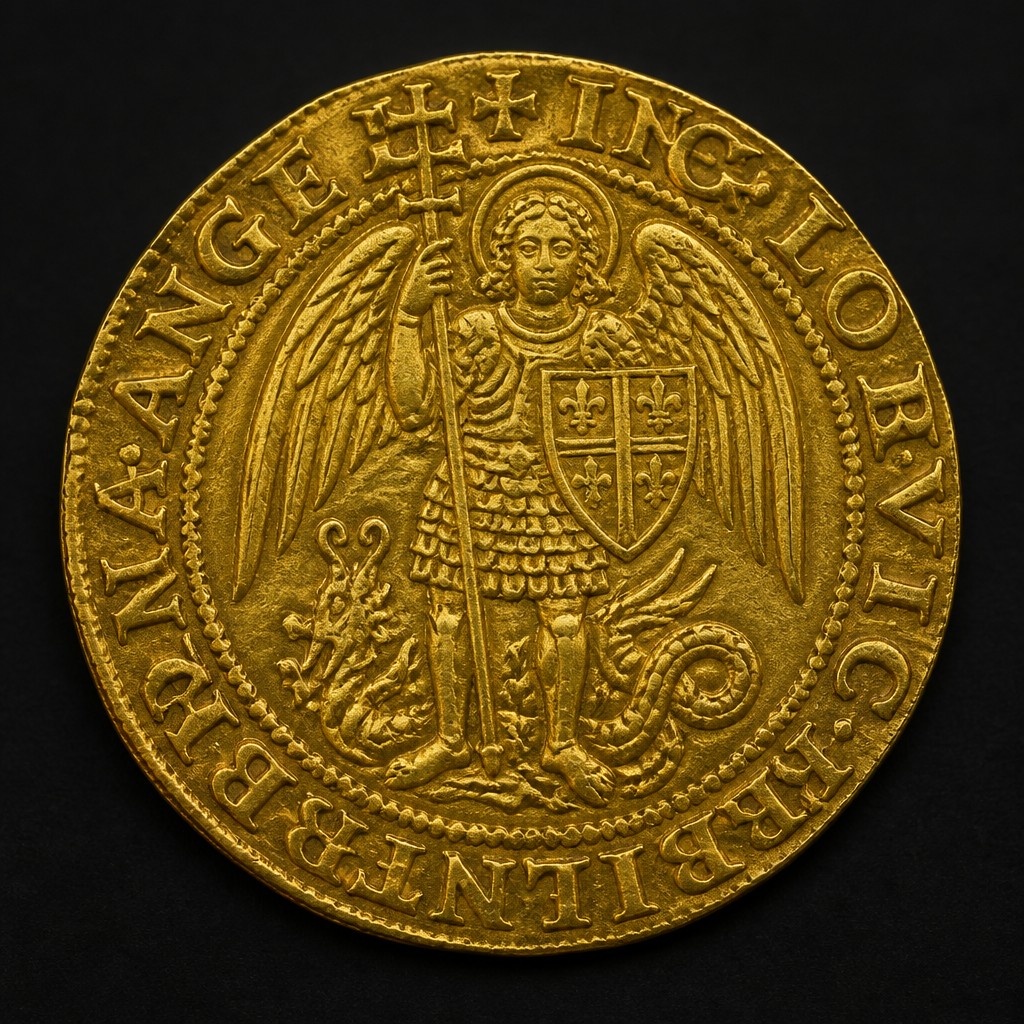
English Angel
1465–1642
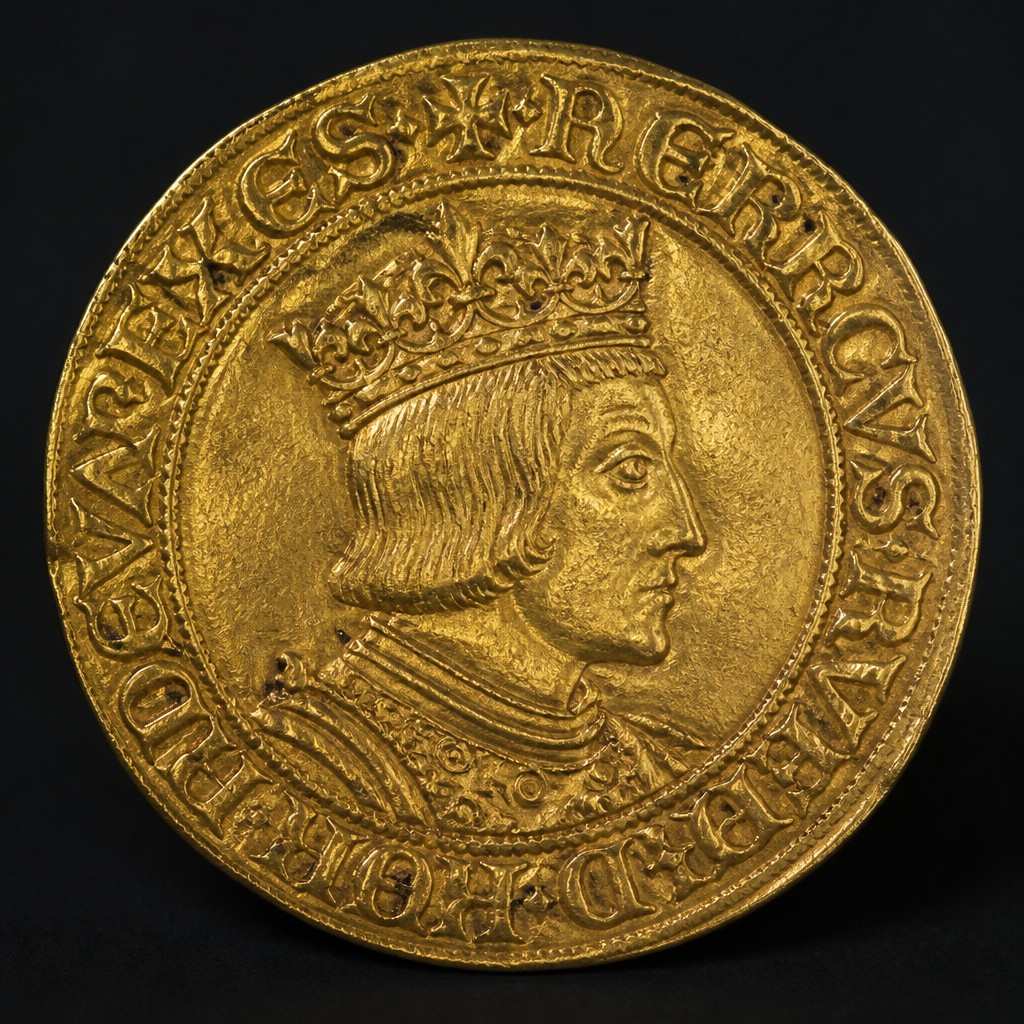
English Sovereign of Henry VII
1489–1509
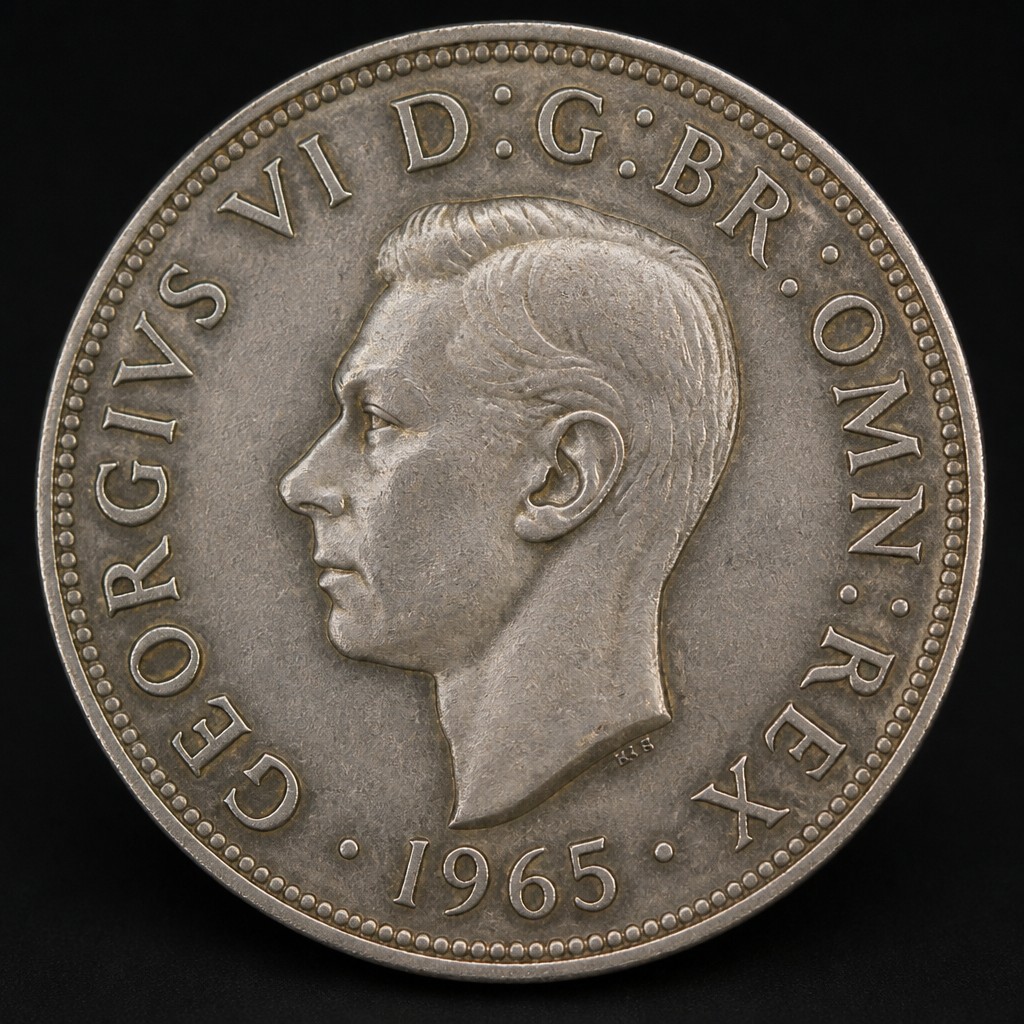
English Crown
1526–1965 (pre-decimal; commemorative crown-sized coins continue as five pound coins)
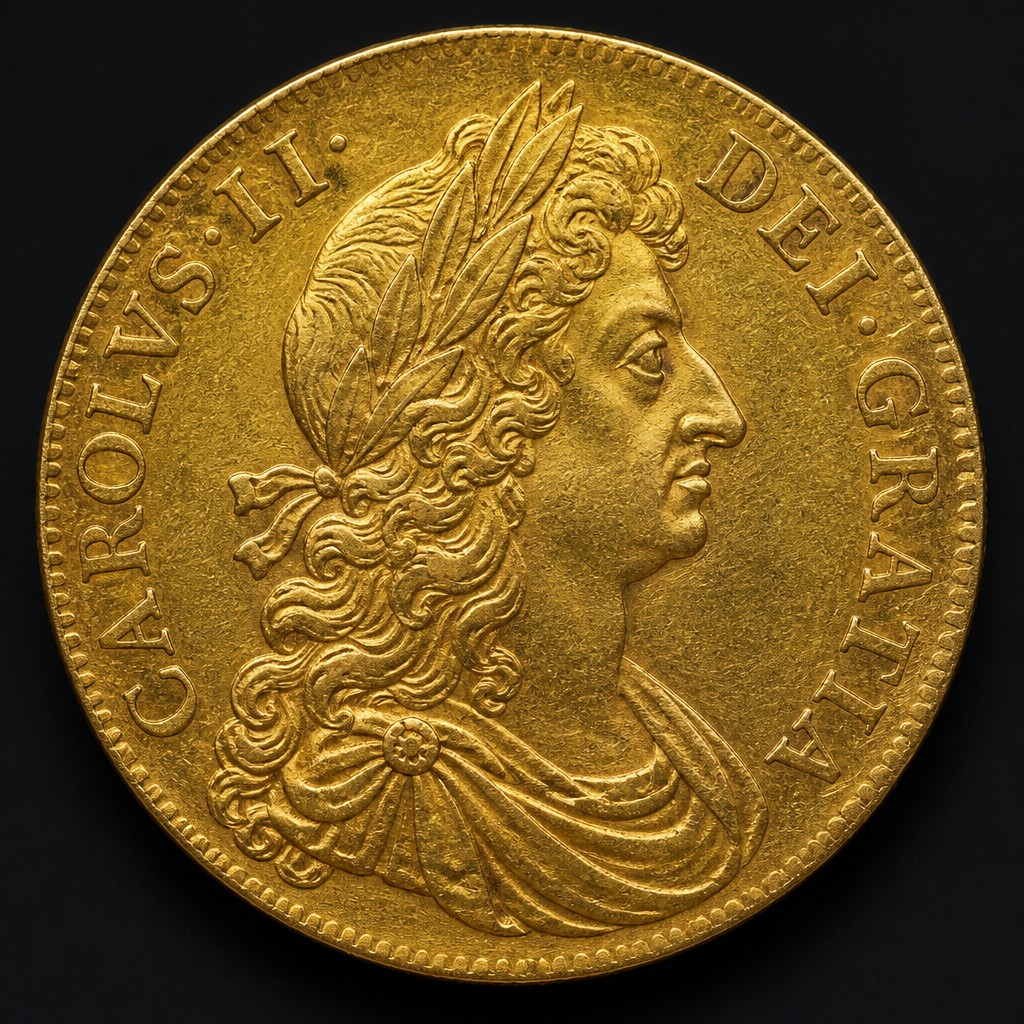
British Gold Guinea
1663–1814
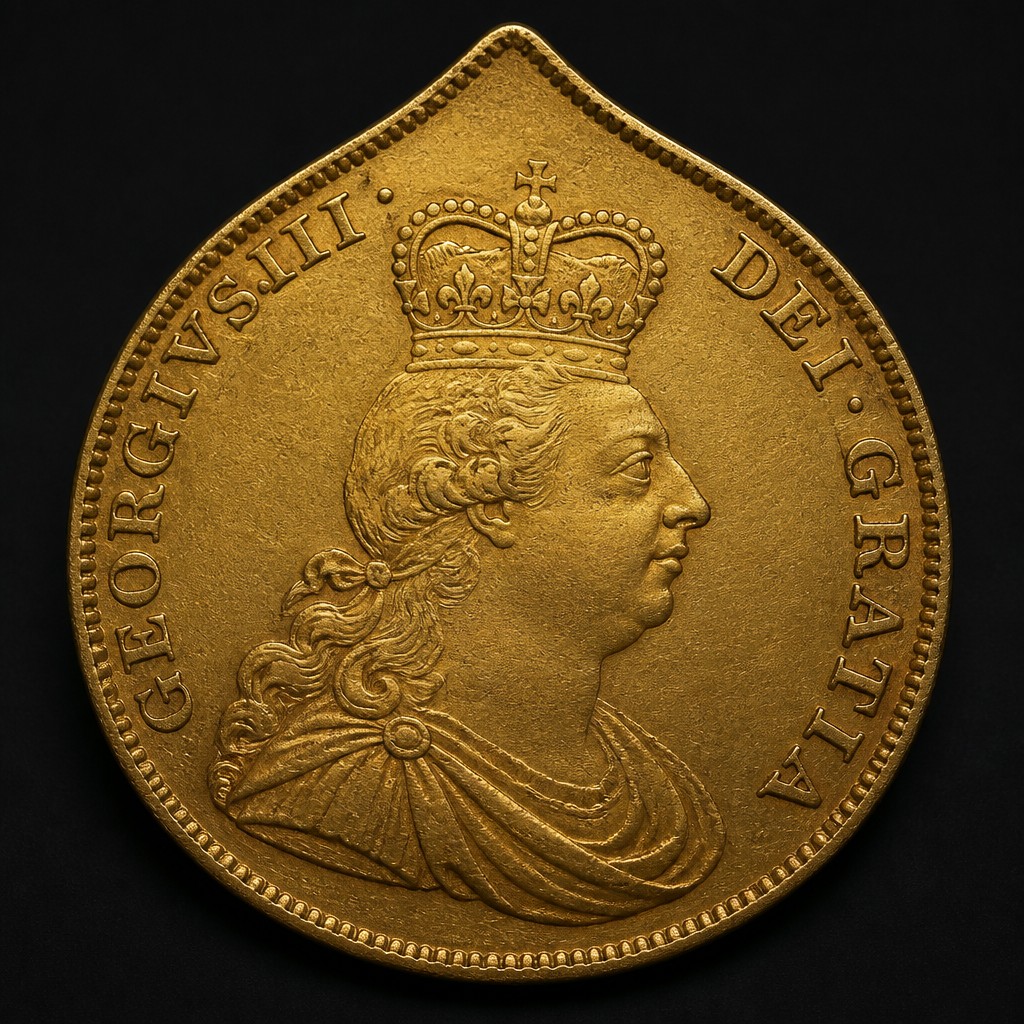
Spade Guinea
1787–1799
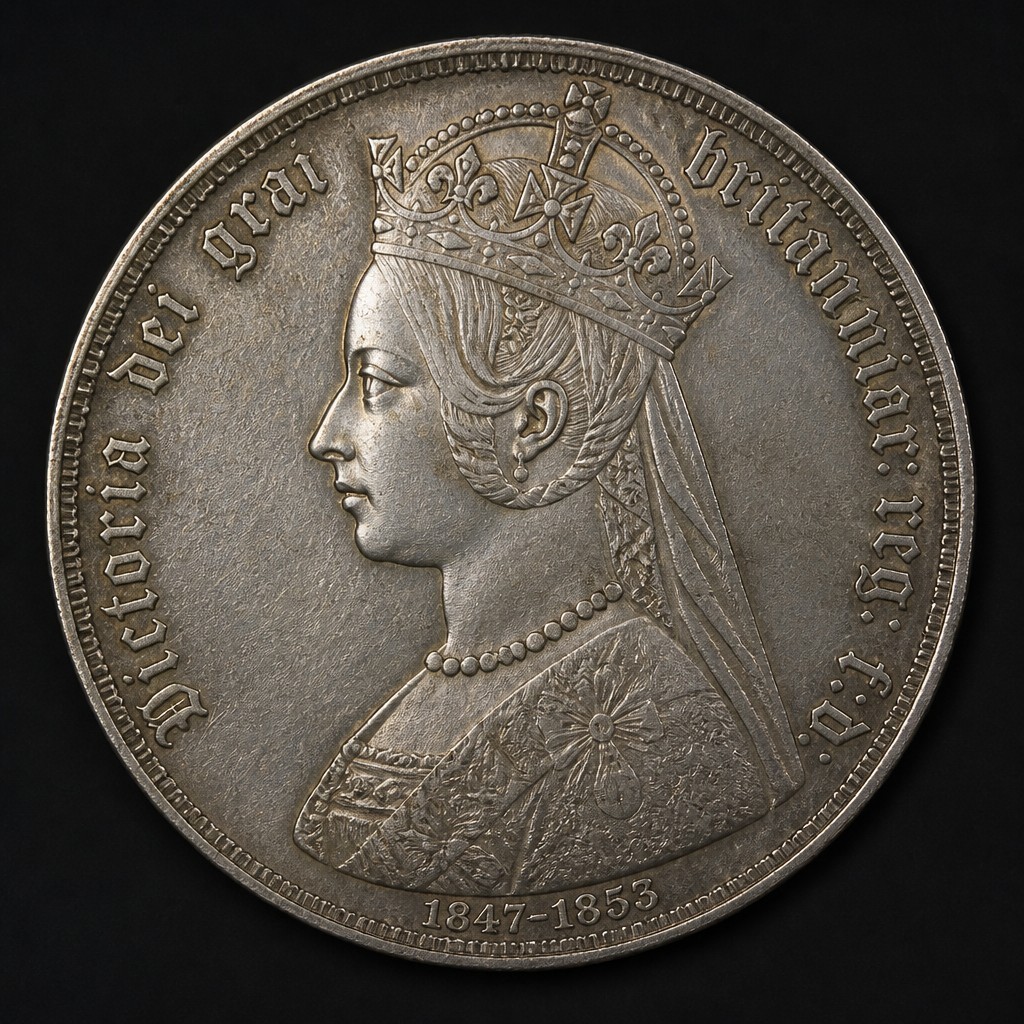
Gothic Crown
1847–1853
Groat (Fourpence)
1279–1888 (various revivals)
Farthing
13th century–1956
Halfpenny
c. 800s–1969
Five Pound Gold (Quintuple Sovereign)
1820–present (intermittent)
Double Sovereign
1820s–present (intermittent)