
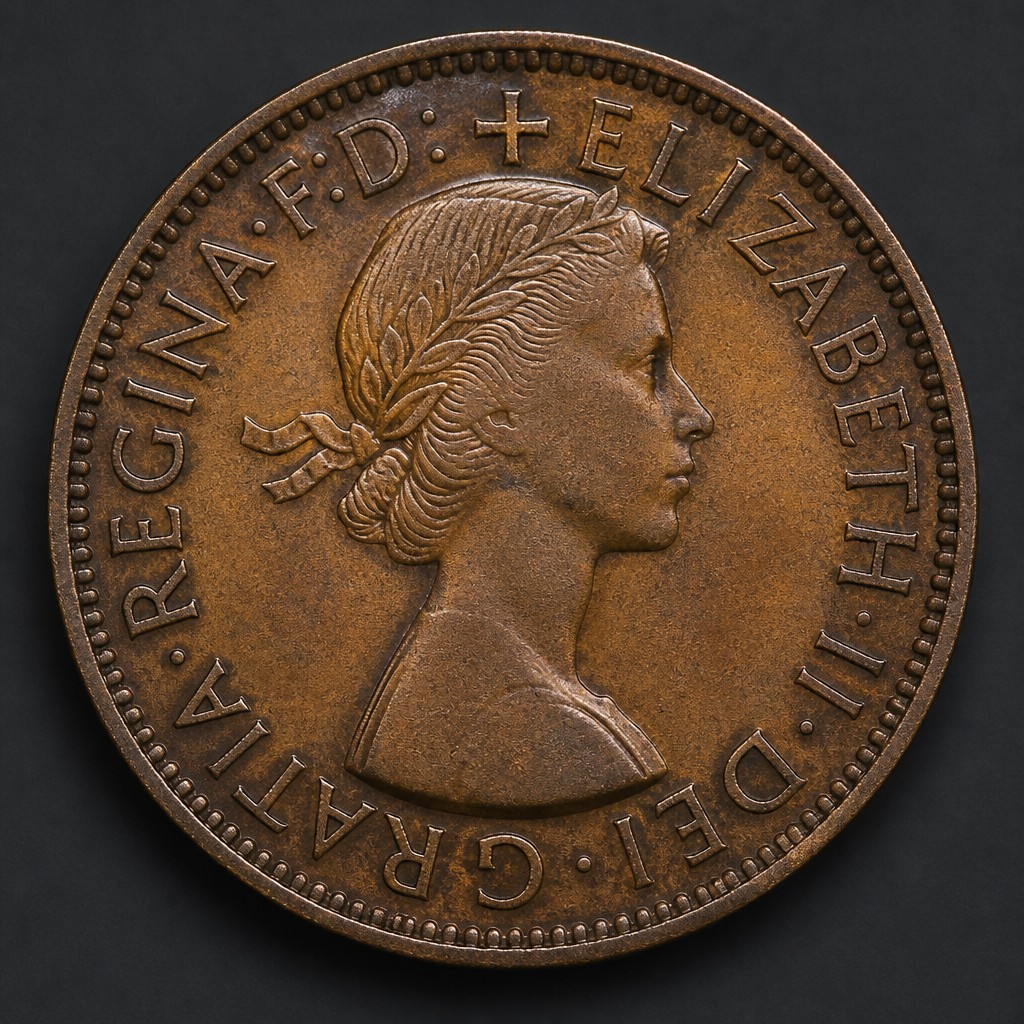
Farthing
The smallest-value British bronze coin, worth a quarter of a penny, fondly remembered for its charming wren reverse design used from 1937 until its withdrawal.
- Country
- United Kingdom
- Denomination
- Farthing (1/4d)
- Metal
- Copper then Bronze
Got a coin like this?
Identify any coin from a photo, free.
Overview
The farthing was the lowest-denomination coin in regular British circulation for much of its history, worth just one-quarter of a penny, and it served practical roles in pricing goods at fractions of a penny well into the twentieth century. Its name derives from "fourthing," reflecting its status as a quarter part of the penny.
The farthing's most beloved design, introduced in 1937, features a small wren, Britain's tiny but feisty native bird, rendered in charming detail on the reverse, a design many collectors consider one of the most artistically appealing British coin reverses of the era.
Because it became increasingly impractical as inflation eroded its purchasing power, the farthing was the first pre-decimal British coin to be withdrawn, making it historically significant as an early sign of decimalisation reforms to come.
History & Background
Farthings were struck in England from at least the thirteenth century, initially as tiny silver coins, evolving into copper and later bronze issues that mirrored the penny and halfpenny in style and material. Victorian and Edwardian farthings generally carried the seated Britannia design shared with the larger bronze denominations.
In 1937, under George VI, the Royal Mint introduced the now-famous wren design on the farthing's reverse, created to give the coin a distinctive and appealing identity separate from the penny and halfpenny, and this design was carried through into the early reign of Elizabeth II.
As inflation reduced the farthing's practical usefulness, it was withdrawn from circulation on 1 January 1961, the earliest of the pre-decimal denominations to be retired, well before the broader decimalisation of the currency in 1971.
How to Identify
Obverses show the monarch's portrait with the standard Latin regnal legend, matching the style of contemporary pennies and halfpennies. From 1937 the reverse shows a small wren perched and facing left, with "FARTHING" and the date inscribed around it; earlier issues instead show a seated Britannia figure similar to, but smaller than, the penny's design.
The farthing is the smallest of the bronze denomination family, roughly 20mm in diameter, distinctly smaller than the halfpenny and penny, which is usually sufficient on its own to identify the denomination.
As with other bronze British coins, farthings struck before 1860 are copper while later issues are bronze, and the wren's fine feather detail is a useful gauge of a coin's preservation and grade.
Value & Collectibility
Most twentieth-century farthings, especially the charming wren-type coins from the 1930s through 1950s, are common and very affordable, often just a couple of dollars even in nice condition, making them popular starter pieces for young or budget-conscious collectors. Victorian and Edwardian farthings in worn grades are similarly modest in price, though certain scarce dates and proof strikings command real premiums.
Uncirculated, richly toned wren farthings with full luster are sought after by design enthusiasts even though they are not objectively rare, simply because the wren motif is so well loved.
As the smallest and generally least expensive pre-decimal British coin, the farthing remains an accessible and charming entry point into the broader field of British numismatics.
Frequently asked questions
What bird is on the farthing?
A wren, a small British bird, appears on the reverse of farthings minted from 1937 onward.
How much was a farthing worth?
One-quarter of an old penny, the smallest standard denomination in pre-decimal British currency.
When did the farthing stop being legal tender?
It was withdrawn from circulation on 1 January 1961, the earliest pre-decimal coin to be retired.
Are farthings valuable today?
Most common dates are inexpensive collectibles, though certain rare dates and pristine uncirculated examples can be worth considerably more.
Farthing guides
In-depth guides for identifying, valuing, and collecting Farthing.
Other coins you may enjoy
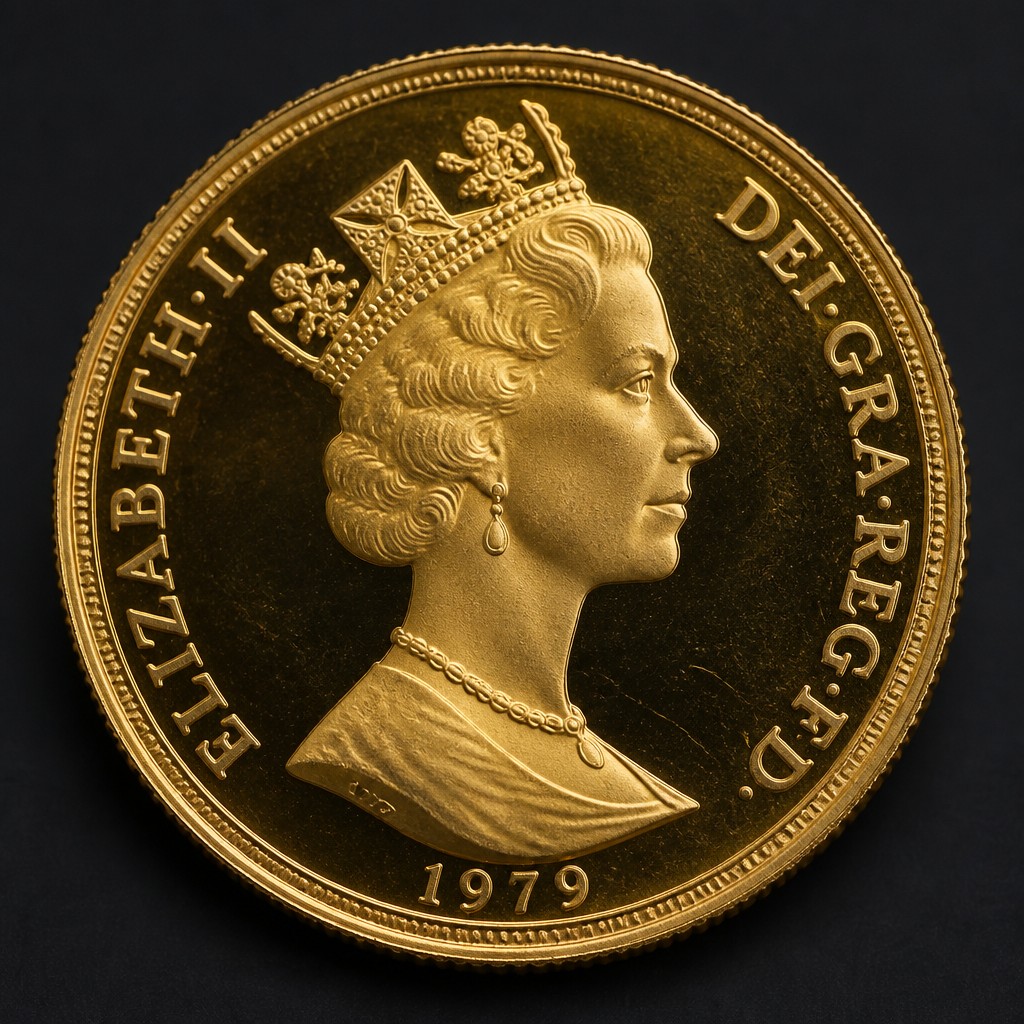
British Sovereign (modern proof)
1979–present (modern proof era)
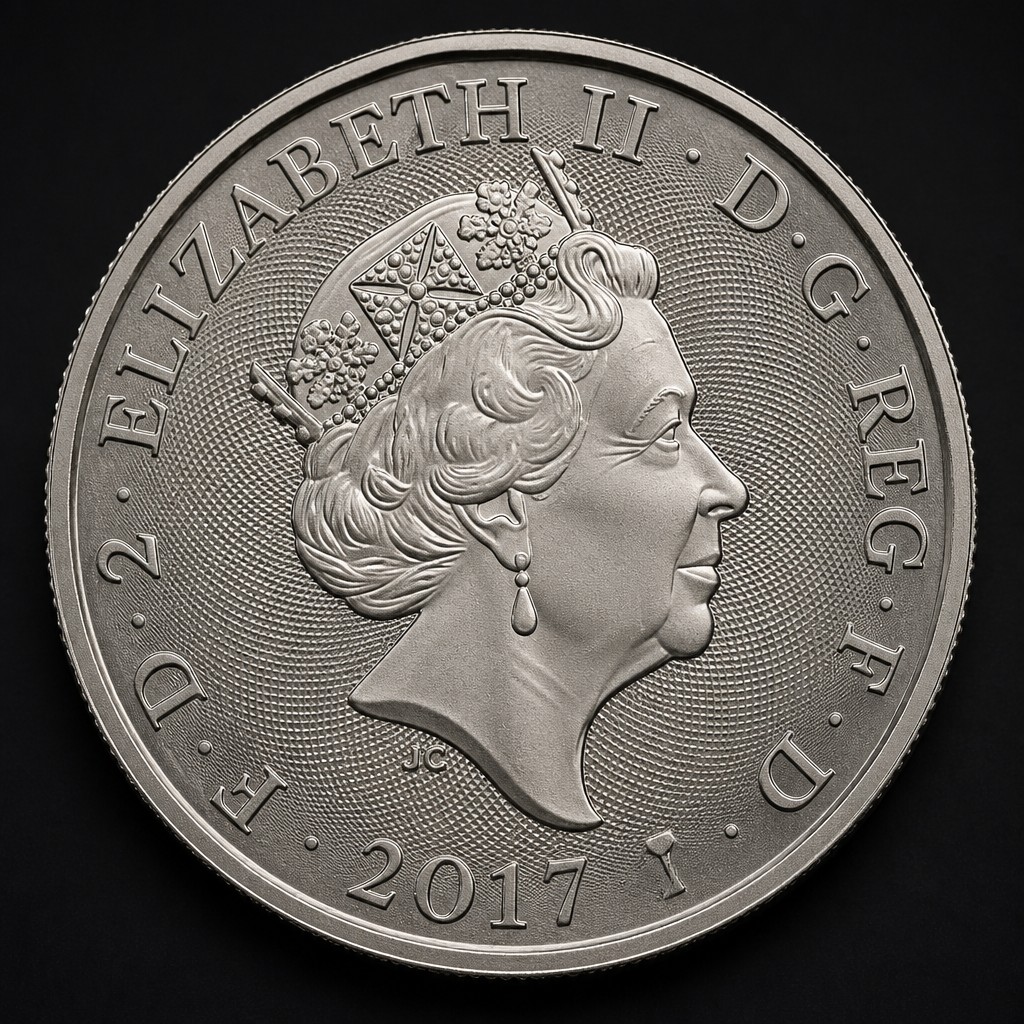
British Queen's Beasts Silver Series
2016-2021
British Silver Lunar Series
2014-present
Half Guinea
1669–1813
Guinea
1663–1813
Gold Sovereign
1489–1604 (Tudor); 1817–present (modern)
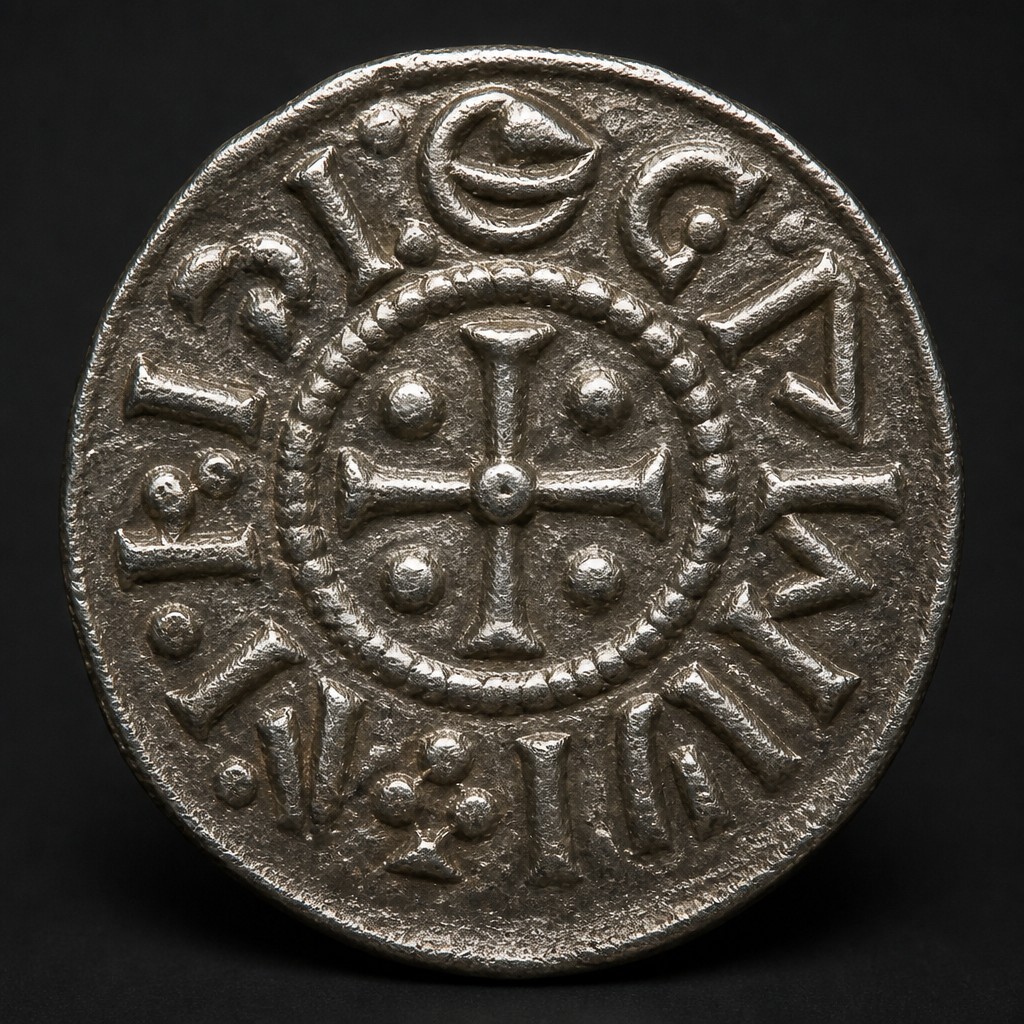
Anglo-Saxon Silver Sceat
c. 680–750 AD
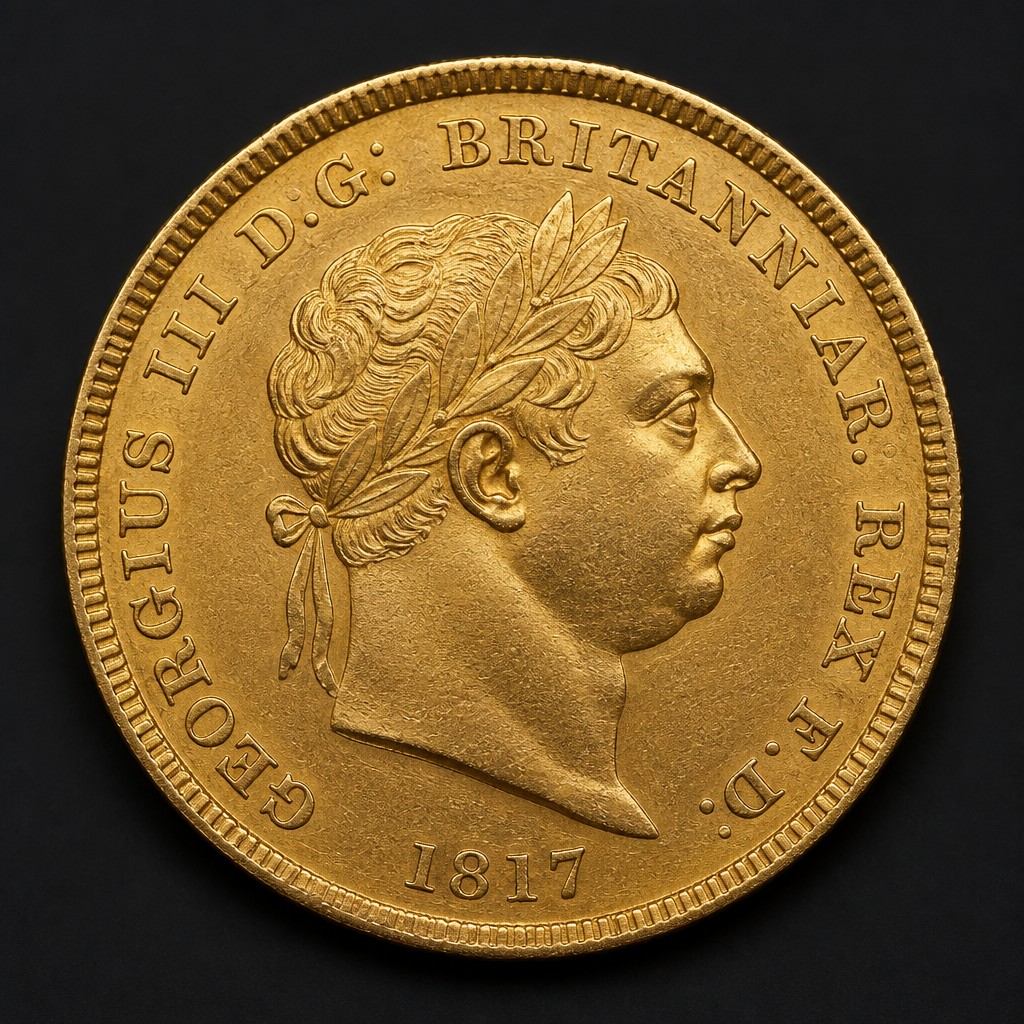
Gold Half Sovereign
1544–1553 (Tudor); 1817–present (modern)
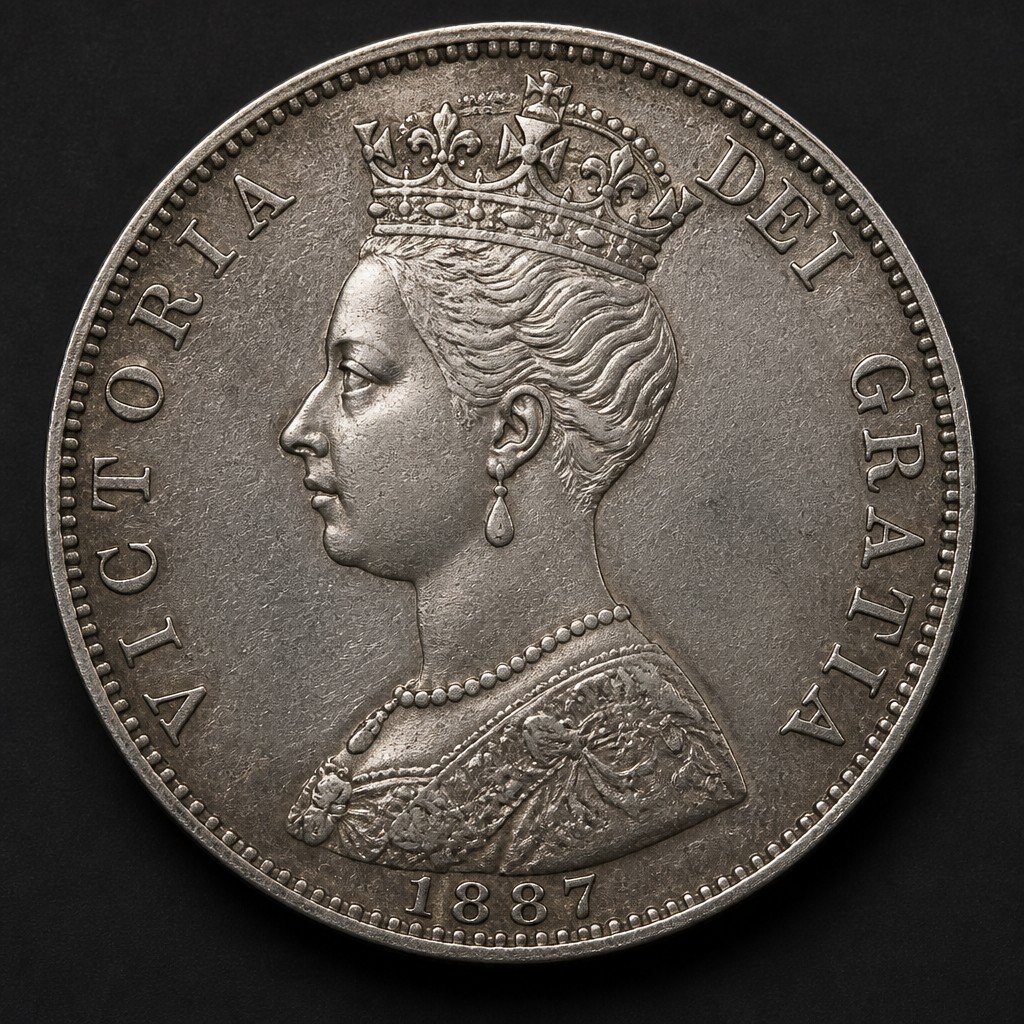
Crown
1551–present
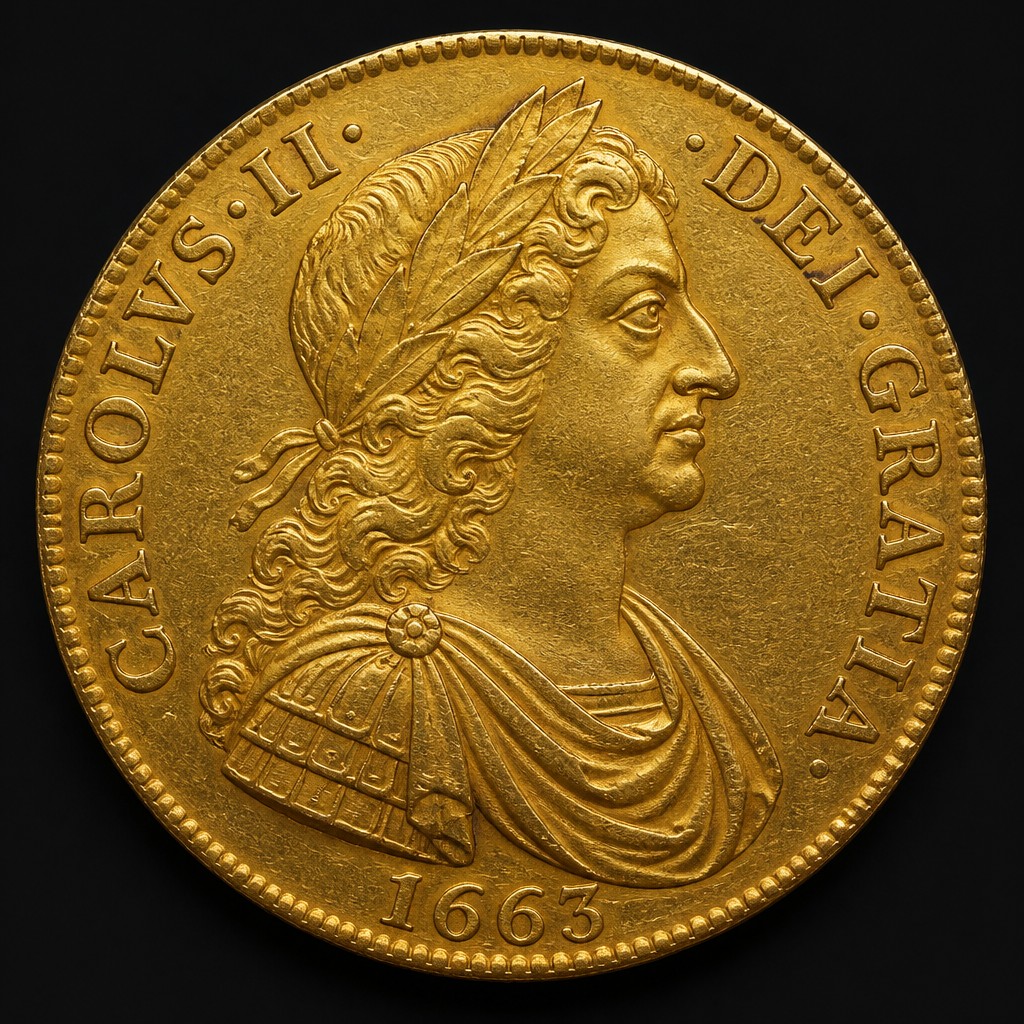
British Guinea
1663–1814
Viking Silver Penny of York
c. 895–954 AD
English Angel
1465–1642