
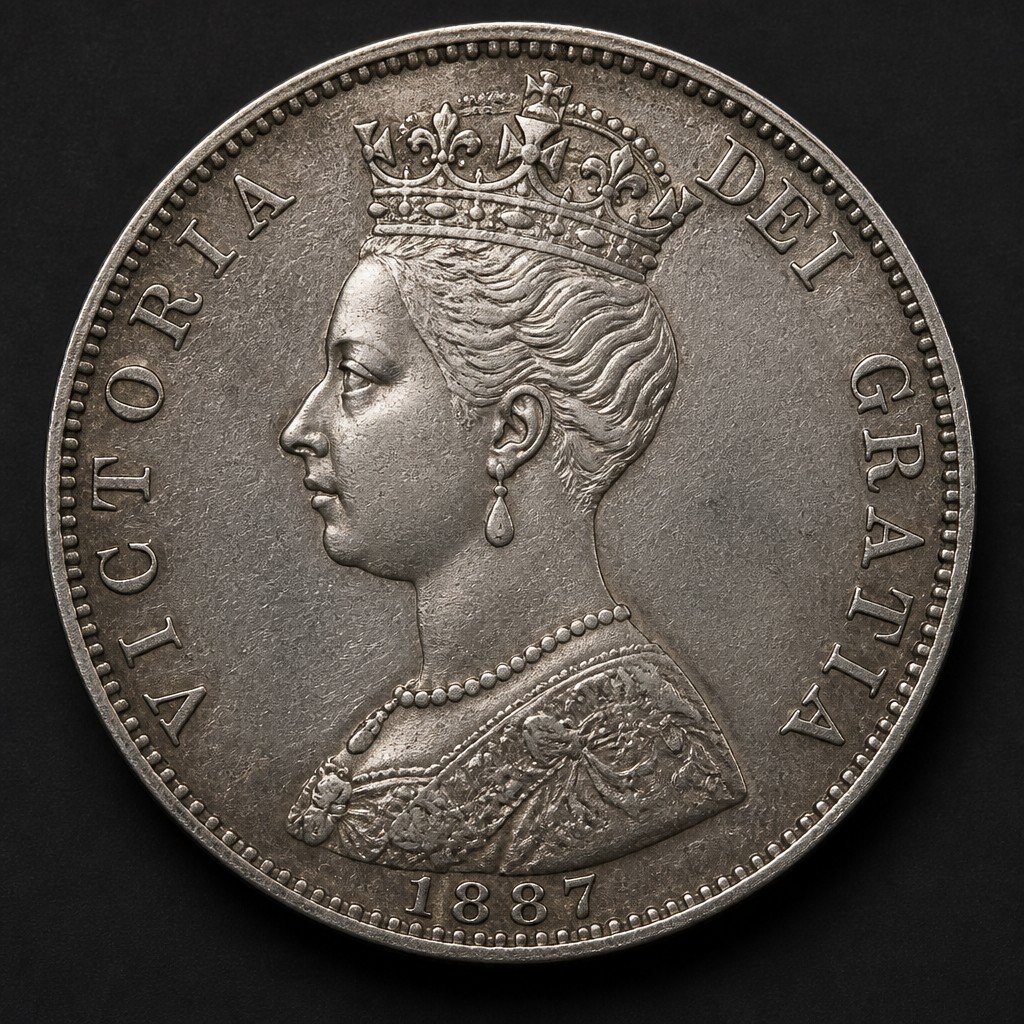
Crown
Large British coin traditionally worth five shillings, historically struck in silver and famed for elaborate designs, now issued mainly as a cupro-nickel commemorative.
- Country
- United Kingdom / Kingdom of England
- Denomination
- Five shillings (25 pence decimal equivalent)
- Metal
- Sterling silver (historic issues); cupro-nickel (modern commemoratives)
Got a coin like this?
Identify any coin from a photo, free.
Overview
The crown is one of the most storied denominations in British coinage, historically a large silver coin worth five shillings, first struck under King Edward VI in 1551. Over nearly five centuries it has evolved from a substantial circulating silver coin into today's non-circulating cupro-nickel commemorative piece, but it has retained its prestige and visual grandeur throughout.
Historic silver crowns are prized for their artistic ambition, since their large size gave engravers ample space for elaborate equestrian, heraldic, and allegorical designs, culminating in celebrated rarities such as the 1663 "Petition Crown" engraved by Thomas Simon and Victorian-era "Gothic crowns" with their distinctive medieval-revival lettering and design.
Since decimalization in 1971, the crown has continued in a modern form as a commemorative coin with a face value of 25 pence (later restyled as a £5 coin), issued periodically to mark royal anniversaries, jubilees, and other significant national occasions, no longer intended for everyday circulation.
History & Background
The crown denomination traces its origins to the gold crown of the early Tudor period, but the silver crown proper began under Edward VI in 1551, part of a broader mid-Tudor effort to restore confidence in English coinage after earlier debasements. It became a staple large-denomination silver coin through the Stuart, Hanoverian, and Victorian eras.
Among the most celebrated historic crowns is the 1663 "Petition Crown" of Charles II, engraved by Thomas Simon, whose edge inscription literally petitions the king to recognize the superiority of Simon's craftsmanship over that of rival Dutch engravers, the Roettier brothers, a fascinating episode in the history of coin engraving. Queen Victoria's reign also produced the ornate "Gothic crown," prized for its distinctive lettering and Gothic-revival artistic style.
After British decimalization in 1971, the crown's role shifted permanently from circulating currency to commemorative issue, with the Royal Mint periodically striking crown-sized coins (eventually restyled with a £5 face value) to mark coronations, jubilees, royal weddings, and other major national events, a tradition that continues into the present day.
How to Identify
Historic silver crowns typically feature the reigning monarch's portrait, sometimes on horseback in an equestrian pose (as on many Stuart-era crowns), on the obverse, with elaborate heraldic shields, a cross, or later Victoria's famous shield-and-Garter-star "Gothic crown" reverse. Their large size, historically about 38–39mm in diameter and around 28–30 grams of sterling silver, made them the grandest circulating coin denomination of their day.
Modern commemorative crowns, struck since decimalization, are made of cupro-nickel rather than silver for general issues (with silver and gold versions also struck for specialist collector sets) and typically feature a special commemorative reverse design tied to whatever royal or national event they mark, such as a coronation anniversary, jubilee, or royal wedding, alongside the standard current monarch's portrait on the obverse.
Collectors distinguish historic silver crowns from other large British silver coins primarily by their five-shilling denomination and characteristic size, while modern commemorative crowns are identified by their explicit 25 pence or £5 face value and thematic commemorative reverse designs rather than any circulating monetary role.
Value & Collectibility
Historic silver crowns vary enormously in value depending on monarch, date, and condition, with common Victorian or George V crowns often available affordably in circulated grades, while rarities like the 1663 Petition Crown or certain scarce Stuart and early Georgian dates can be worth substantial sums, sometimes reaching well into the tens of thousands of dollars for the most famous individual pieces.
Modern commemorative crowns issued since decimalization are generally struck in large numbers for cupro-nickel base versions and trade close to face value or modest collector premiums, while limited-mintage silver or gold proof versions of the same designs command significantly higher prices tied to their precious metal content and limited availability.
As with most historic British coinage, strike quality, surface preservation, and specific date or design rarity are the key value drivers for silver crowns, while for modern commemoratives, the metal composition (base metal versus proof silver or gold) and limited edition size are the primary factors separating common pieces from premium collector issues.
Frequently asked questions
How much was a crown worth?
Historically it was valued at five shillings, equivalent to 25 pence in Britain's post-1971 decimal currency system.
What is the Petition Crown?
It is a famous 1663 pattern crown of Charles II engraved by Thomas Simon, whose edge inscription petitions the king to judge his work superior to that of rival engravers.
Are crowns still made today?
Yes, the Royal Mint periodically issues commemorative crowns, now generally with a £5 face value, to mark royal and national occasions, though they no longer circulate as everyday currency.
What metal are historic crowns made of?
Historic circulating crowns were struck in sterling silver, while most modern commemorative crowns use cupro-nickel, with limited silver and gold versions available for collectors.
What is a Gothic crown?
It refers to an ornate Victorian-era crown design featuring distinctive Gothic-revival lettering and artistic style, highly regarded by collectors.
Other coins you may enjoy
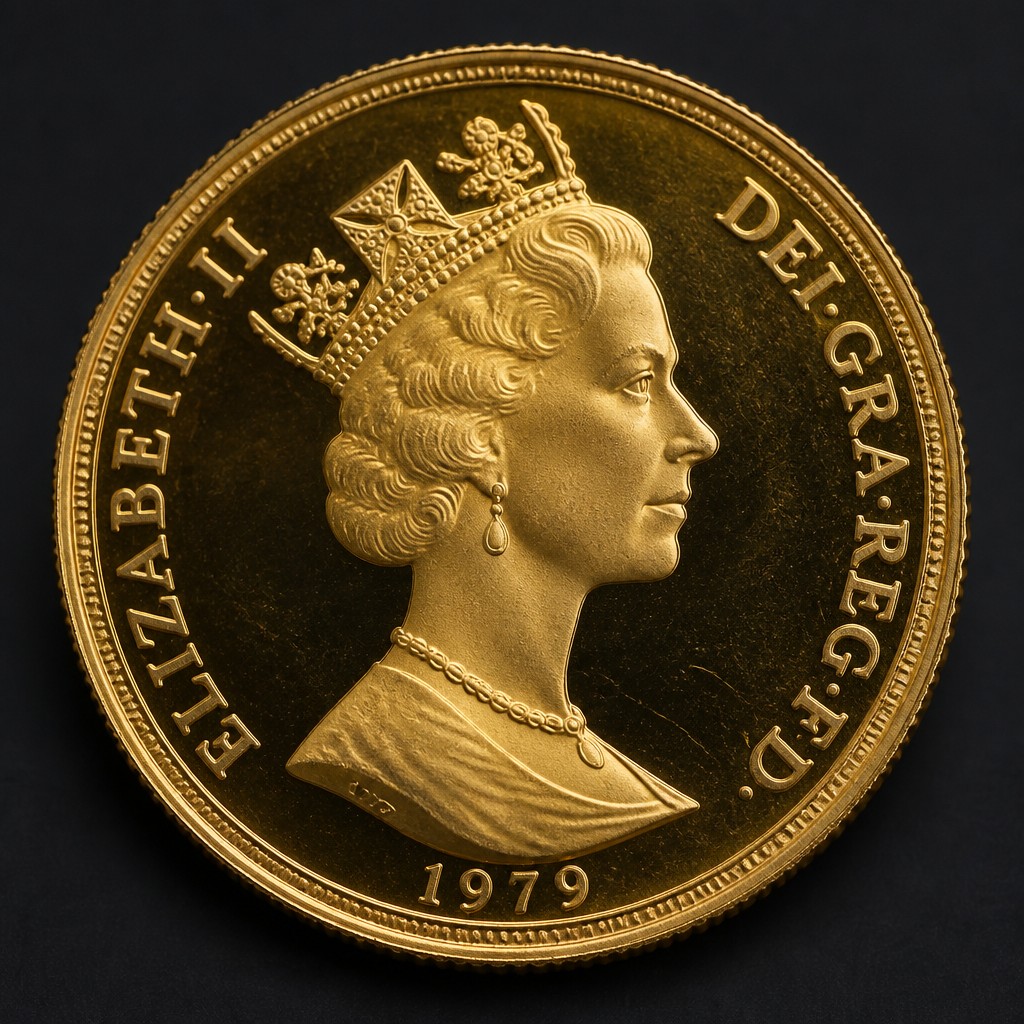
British Sovereign (modern proof)
1979–present (modern proof era)
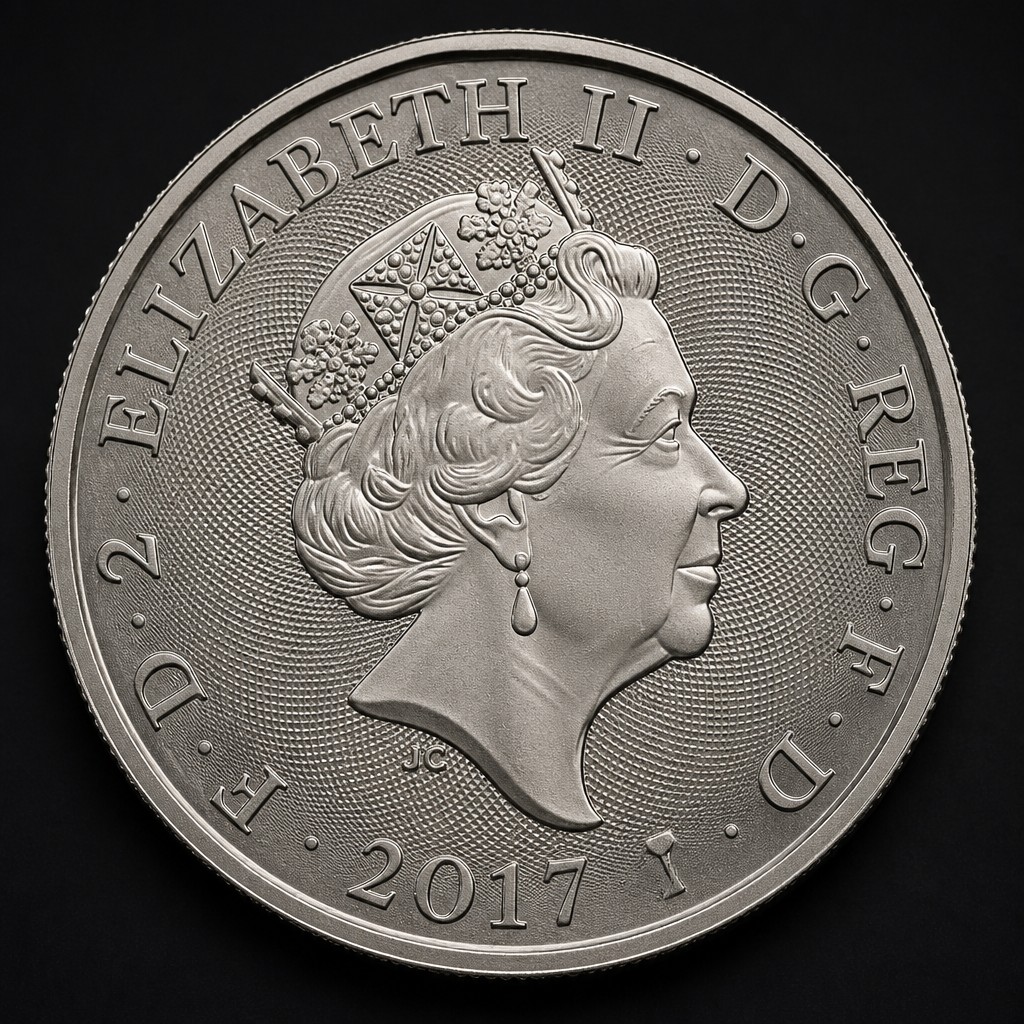
British Queen's Beasts Silver Series
2016-2021
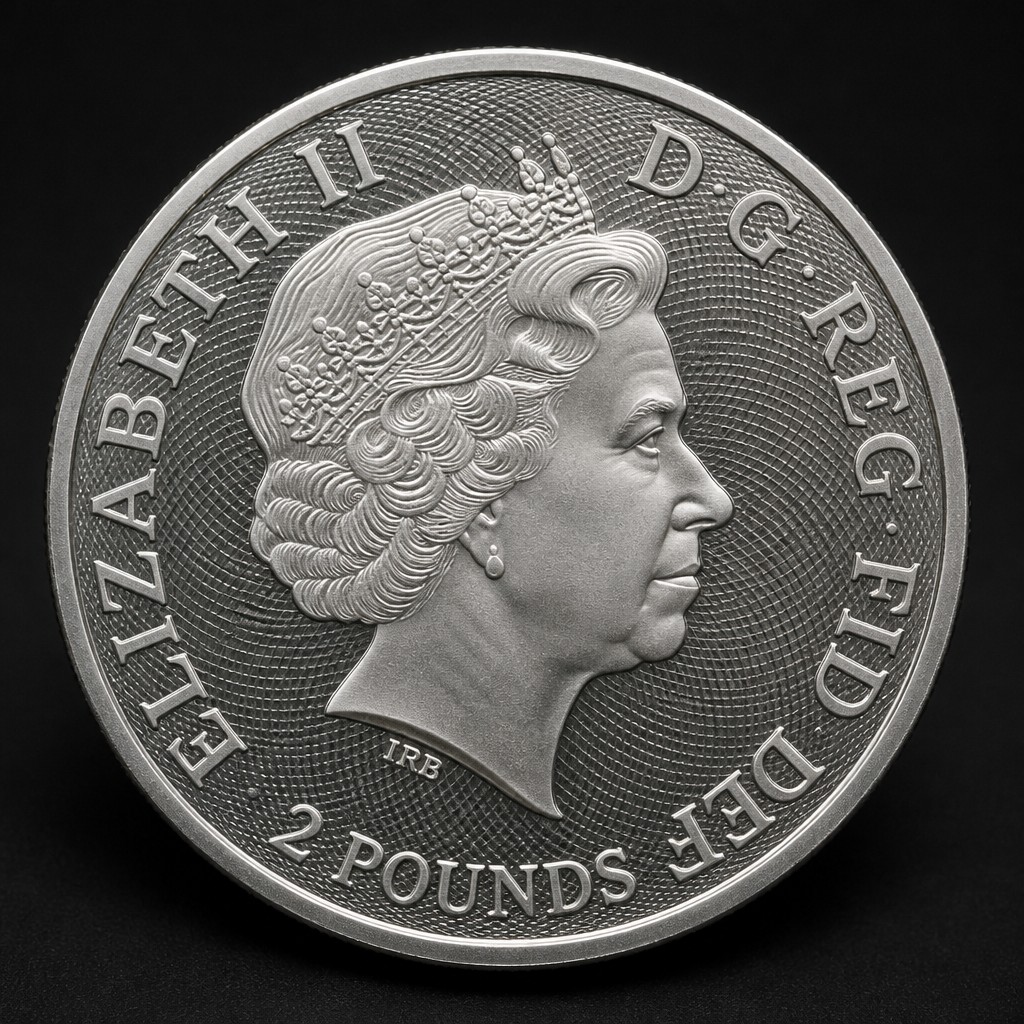
British Silver Lunar Series
2014-present
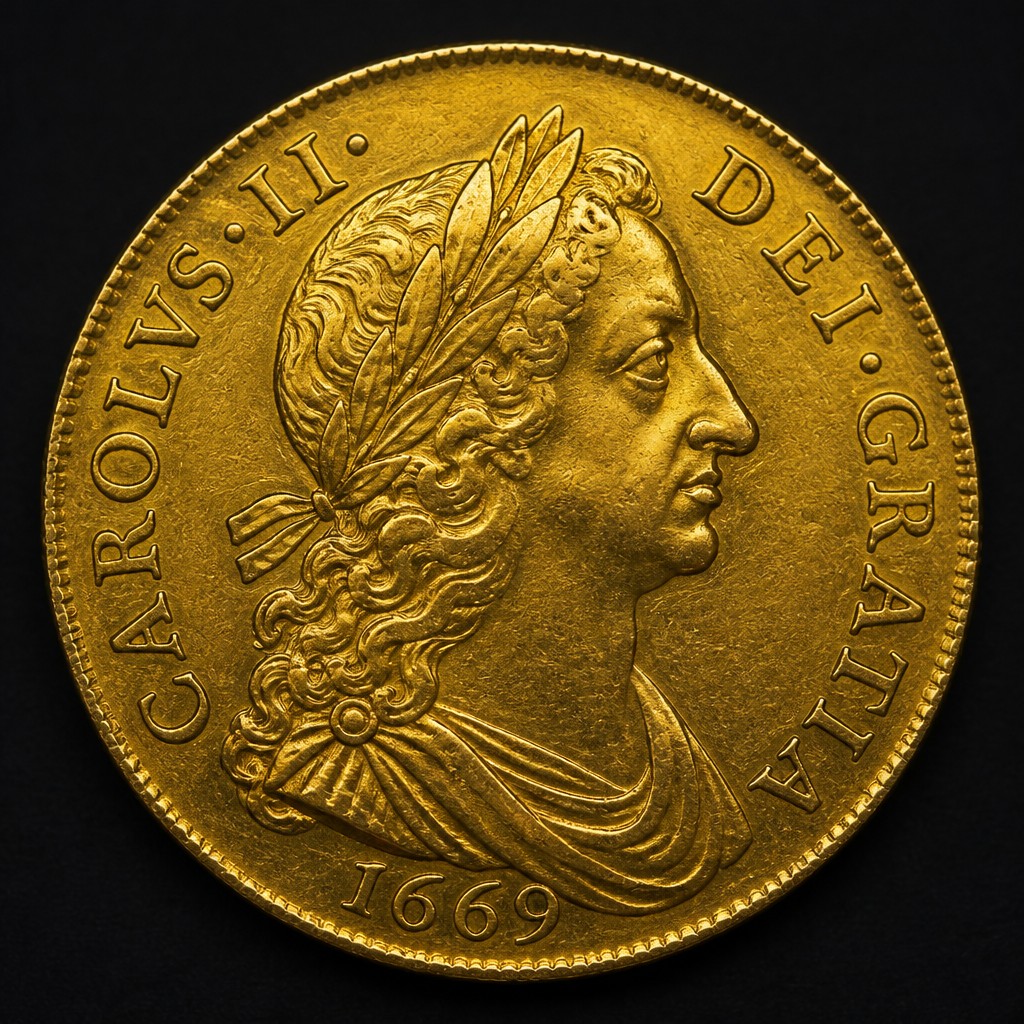
Half Guinea
1669–1813
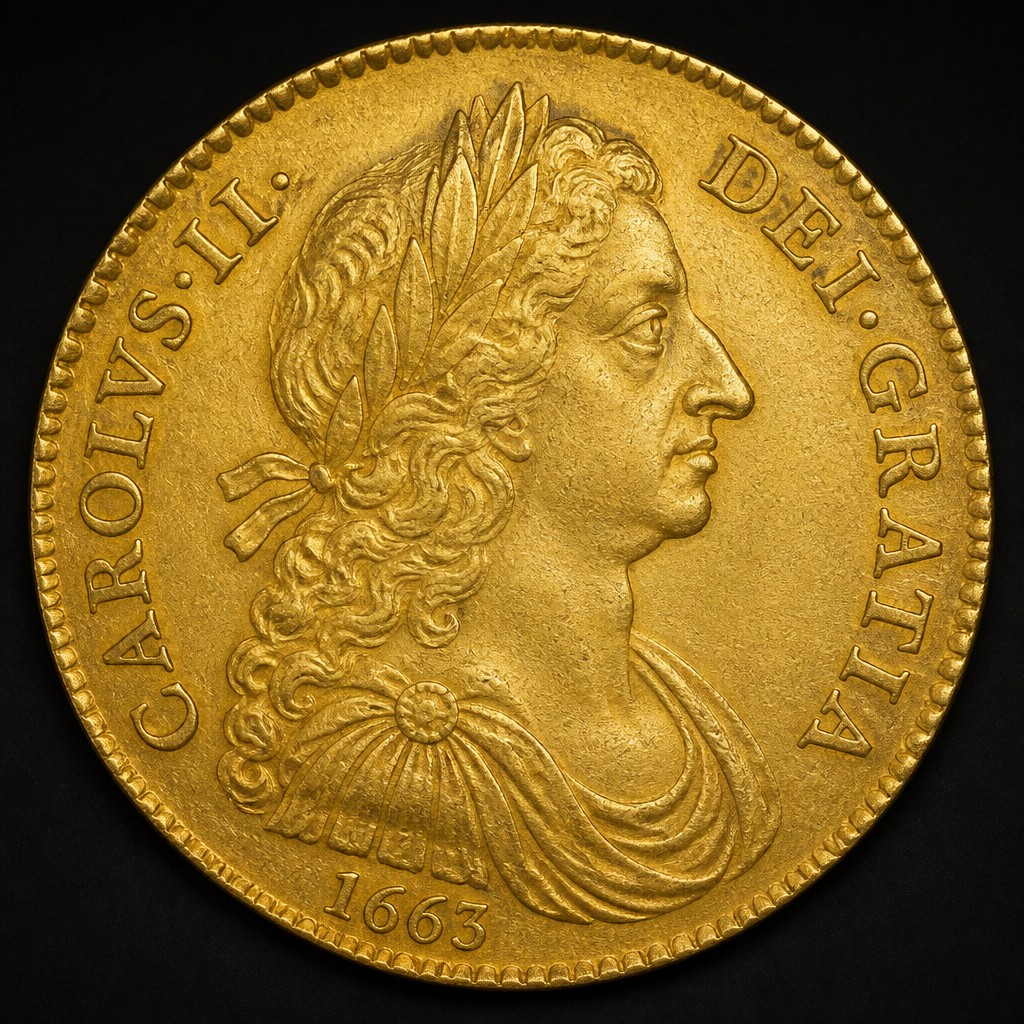
Guinea
1663–1813
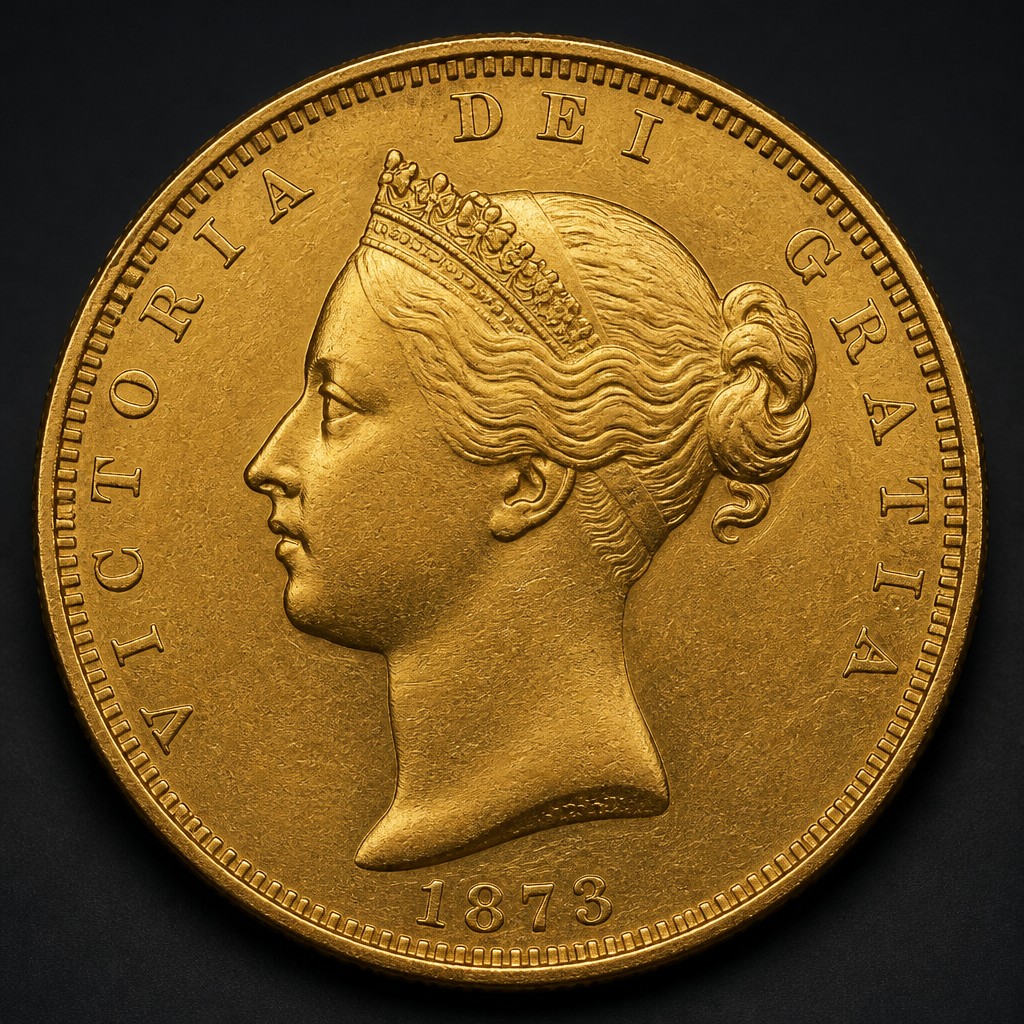
Gold Sovereign
1489–1604 (Tudor); 1817–present (modern)
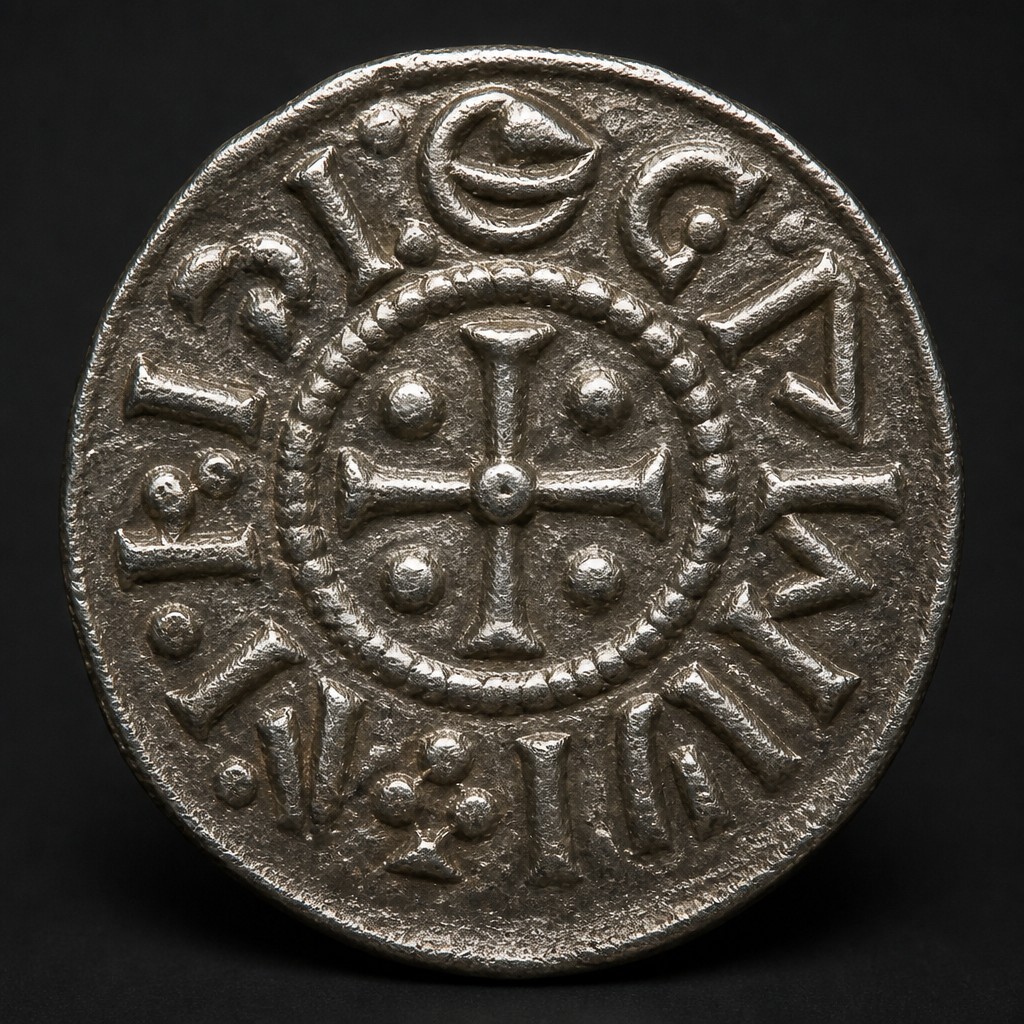
Anglo-Saxon Silver Sceat
c. 680–750 AD
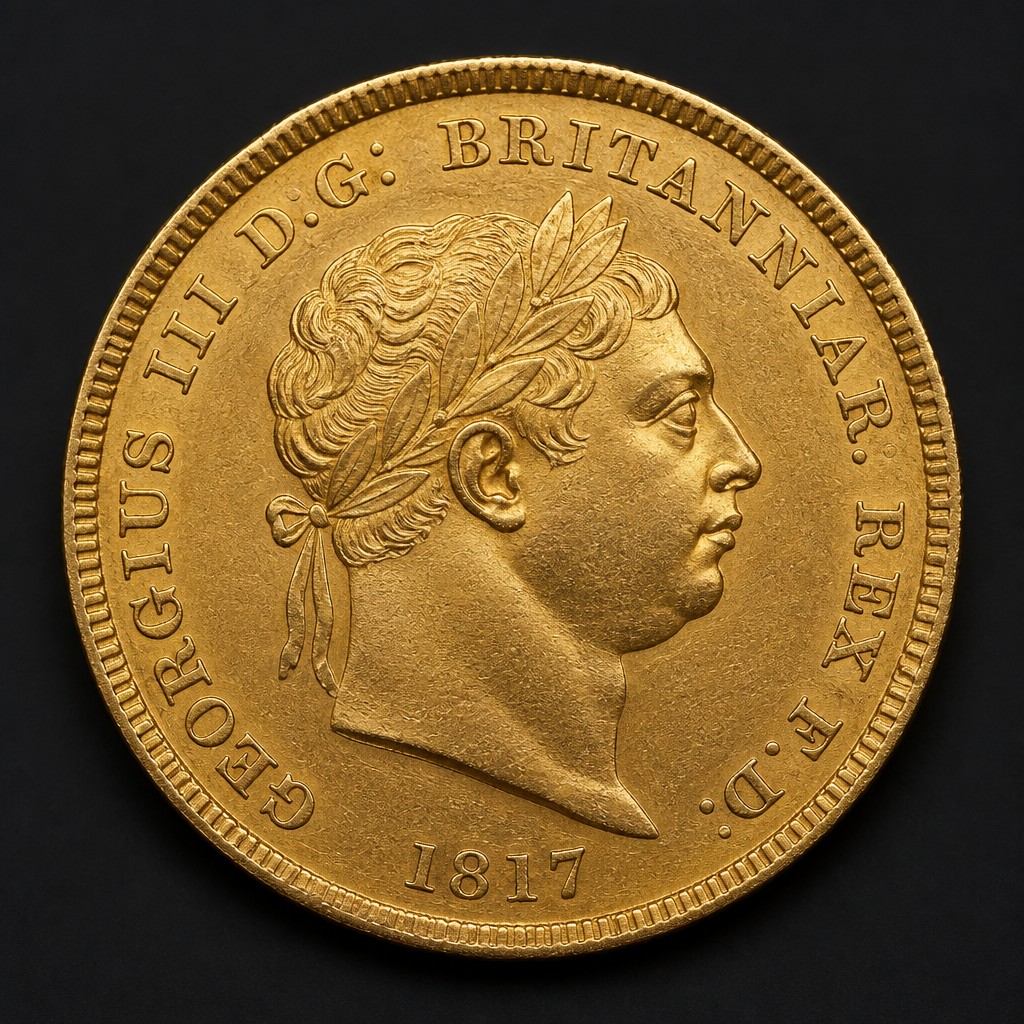
Gold Half Sovereign
1544–1553 (Tudor); 1817–present (modern)
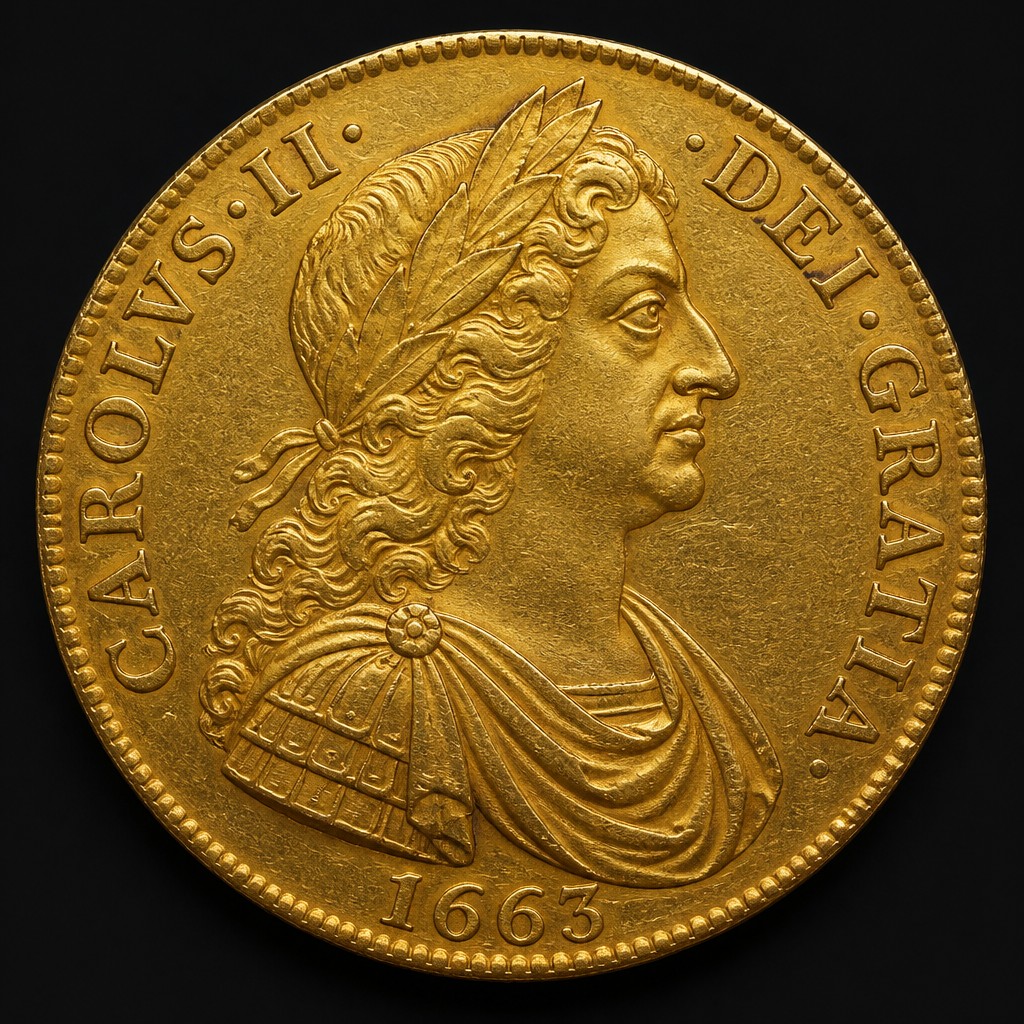
British Guinea
1663–1814
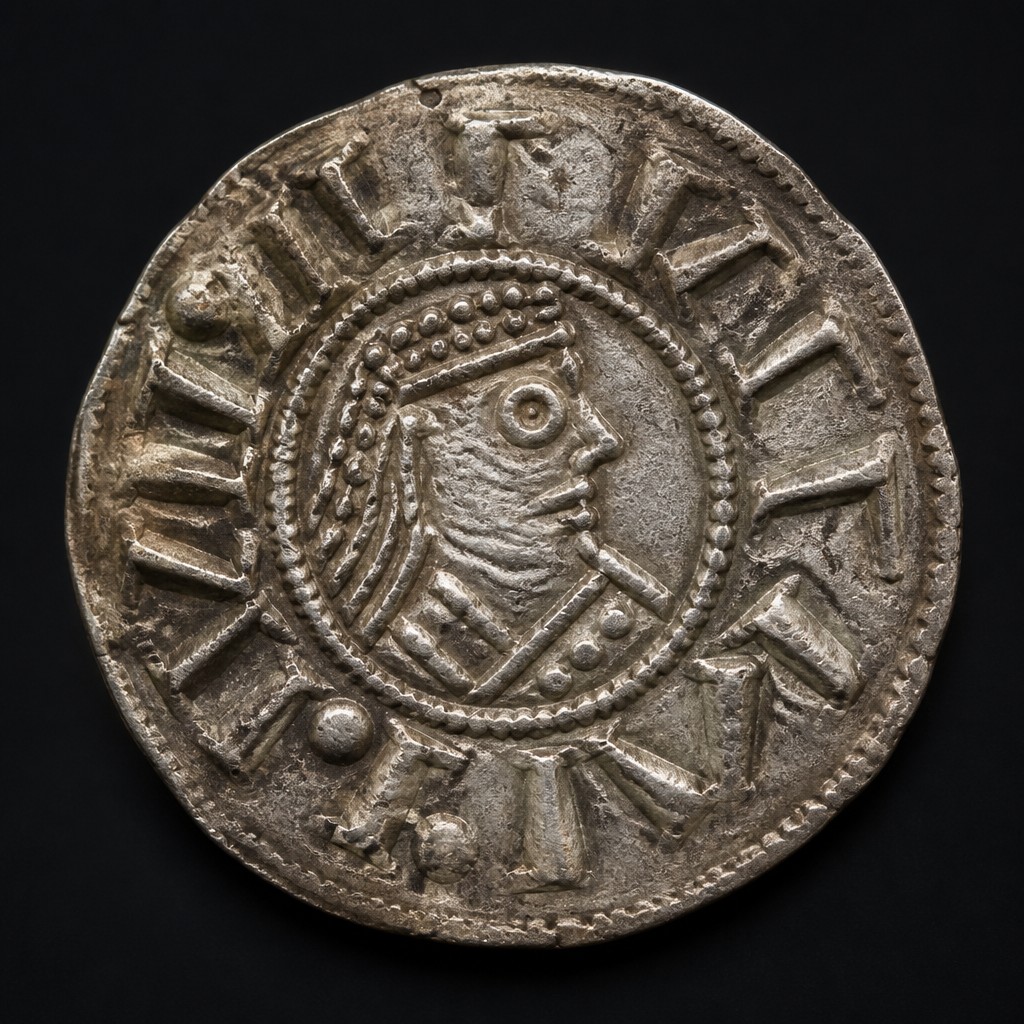
Viking Silver Penny of York
c. 895–954 AD
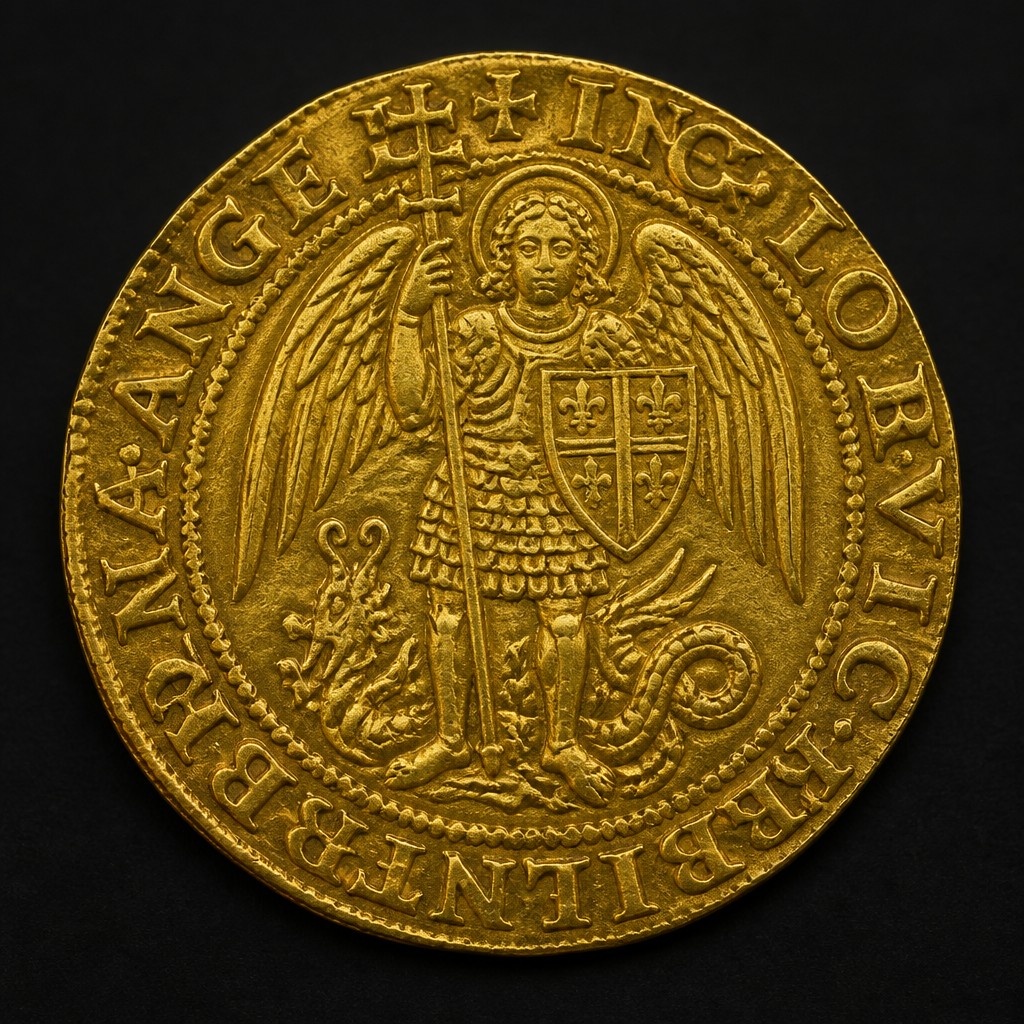
English Angel
1465–1642
English Sovereign of Henry VII
1489–1509