
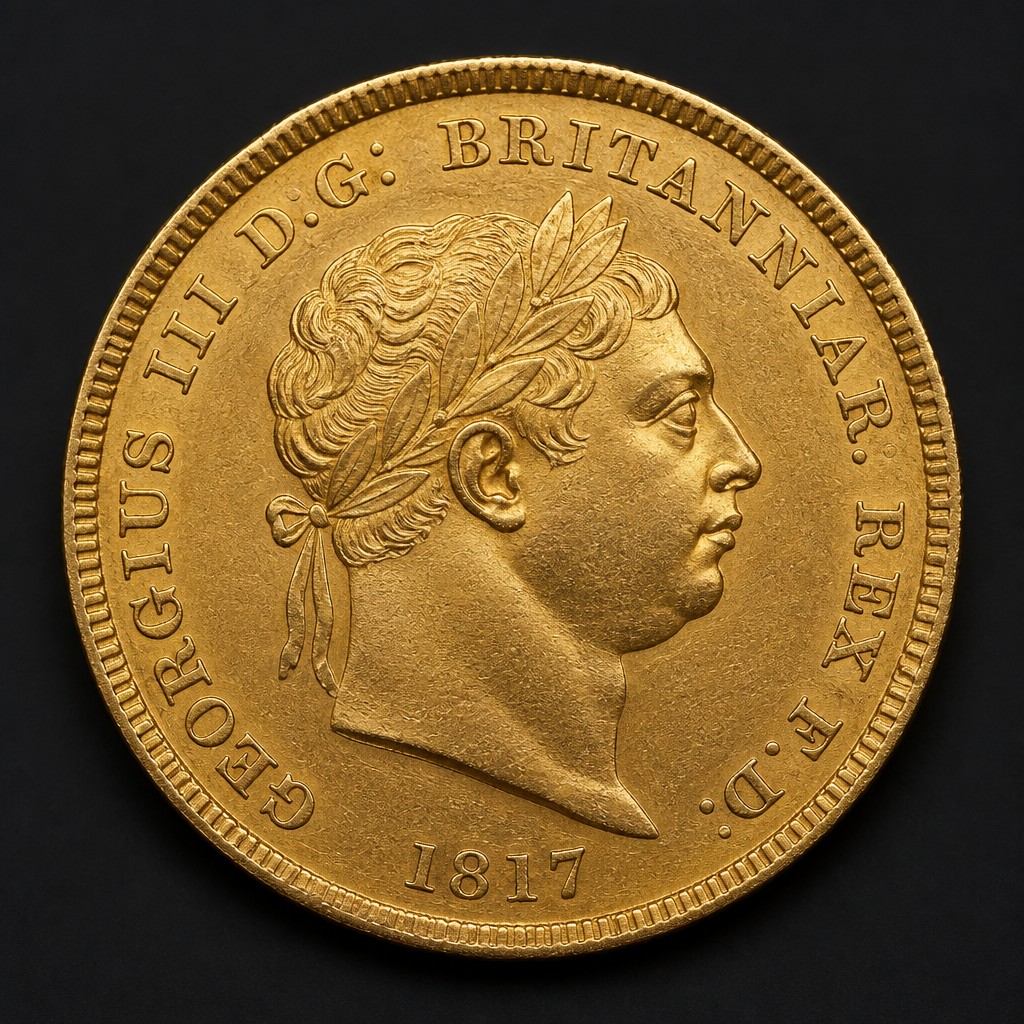
Gold Half Sovereign
Smaller companion to the gold sovereign, struck since 1817 at half the weight and value, sharing the same monarch portraits and often the same St George reverse design.
- Country
- United Kingdom
- Denomination
- Half Sovereign (10 shillings)
- Metal
- 22 karat (91.7%) gold
Got a coin like this?
Identify any coin from a photo, free.
Overview
The gold half sovereign is the smaller companion denomination to the full sovereign, struck to the same 22 karat gold standard but at exactly half the weight and value, ten shillings rather than a full pound. Introduced alongside the modern sovereign in the 1817 Great Recoinage, it filled the role of a more affordable gold coin for everyday higher-value transactions before its circulation role diminished in the twentieth century.
Like its larger counterpart, the half sovereign has carried Benedict Pistrucci's St George and the Dragon reverse design during various periods, as well as alternative shield-of-arms reverses at other points in its history, and its obverse has always featured the reigning monarch's portrait.
Though it largely disappeared from everyday circulation after the early twentieth century, the half sovereign has continued to be minted periodically for collectors and bullion investors, remaining a popular smaller-format gold coin choice.
History & Background
A half sovereign denomination existed briefly in Tudor times under Henry VIII and Edward VI in the sixteenth century, predating the modern series by centuries, but the coin most familiar to collectors today dates from 1817, when it was introduced alongside the redesigned full sovereign as part of Britain's post-Napoleonic War currency reform.
Throughout the nineteenth and early twentieth centuries, the half sovereign circulated as a practical mid-value gold coin for everyday commerce, particularly useful for transactions too large for silver coinage but not requiring a full sovereign. Production slowed considerably after the First World War as gold coinage generally receded from circulation across Britain and much of the world.
In more recent decades, the Royal Mint has periodically revived the half sovereign for commemorative and bullion purposes, maintaining its historic design themes for collectors interested in smaller-format gold coinage tied to British monetary history.
How to Identify
The obverse displays the portrait of the reigning monarch at the time of striking, matching the general style and update pattern used for full sovereigns and other British coinage of the era. The reverse commonly features Pistrucci's St George and the Dragon design, though a crowned shield of the royal arms served as an alternative reverse in certain periods, particularly Victorian and early twentieth-century issues.
The half sovereign is made of the same 22 karat (91.7% fine) gold as the full sovereign but weighs about 3.99 grams and measures roughly 19.3mm in diameter, exactly half the sovereign's weight, with a milled (reeded) edge.
Mint marks, when present, follow the same convention as the full sovereign, with a small letter denoting branch mints such as Sydney or Melbourne, though half sovereigns were struck at fewer branch mints than full sovereigns. Collectors distinguish it from the full sovereign primarily by its smaller size and lighter weight rather than by design differences.
Value & Collectibility
Common-date modern half sovereigns generally trade at a modest premium over half the gold bullion value of a full sovereign, reflecting higher relative production and handling costs for the smaller coin. Scarcer dates, particularly certain Victorian and Edwardian issues or branch-mint half sovereigns, can command meaningfully higher prices.
Condition plays a significant role in value for pre-1900 examples, since half sovereigns saw considerable circulation wear during their working life as everyday currency, making well-preserved specimens comparatively scarce and desirable.
As with the full sovereign, buyers should pay close attention to date, monarch portrait type, and mint mark, since these factors, combined with overall condition, determine whether a given half sovereign trades near simple gold value or commands a meaningful numismatic premium.
Frequently asked questions
How does the half sovereign compare to the full sovereign?
It shares the same 22 karat gold fineness and general design themes but weighs about half as much, roughly 3.99 grams versus 7.98 grams for the full sovereign.
Is the half sovereign still made today?
The Royal Mint periodically strikes half sovereigns for collectors and bullion buyers, though it no longer circulates as everyday currency.
What is the half sovereign's face value?
It was valued at ten shillings, exactly half the one-pound value of the full sovereign, under pre-decimal British currency.
Did a half sovereign exist before 1817?
Yes, a half sovereign denomination briefly existed under Henry VIII and Edward VI in the sixteenth century, though it is unrelated in continuous production to the modern series.
What reverse designs appear on half sovereigns?
Most commonly Pistrucci's St George and the Dragon, though a crowned shield of royal arms was used as an alternative reverse during certain periods.
Other coins you may enjoy
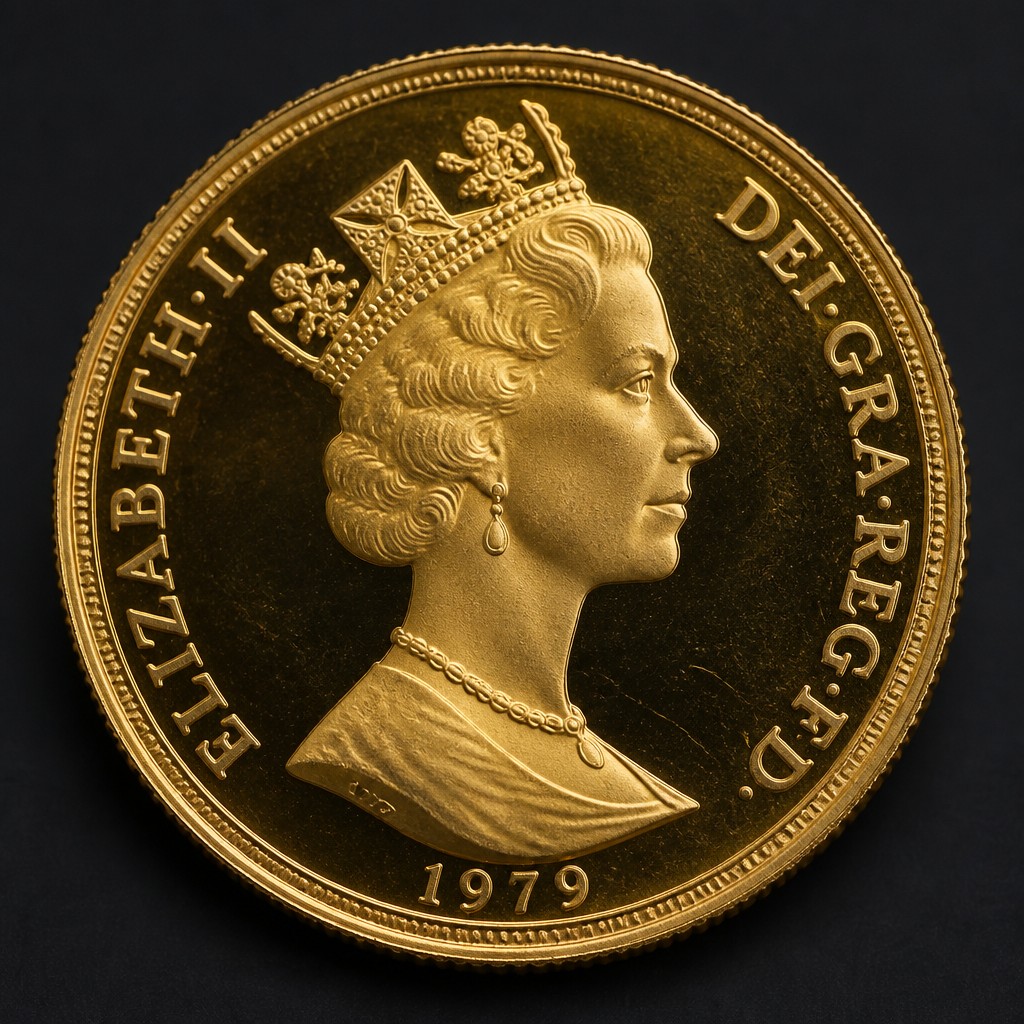
British Sovereign (modern proof)
1979–present (modern proof era)
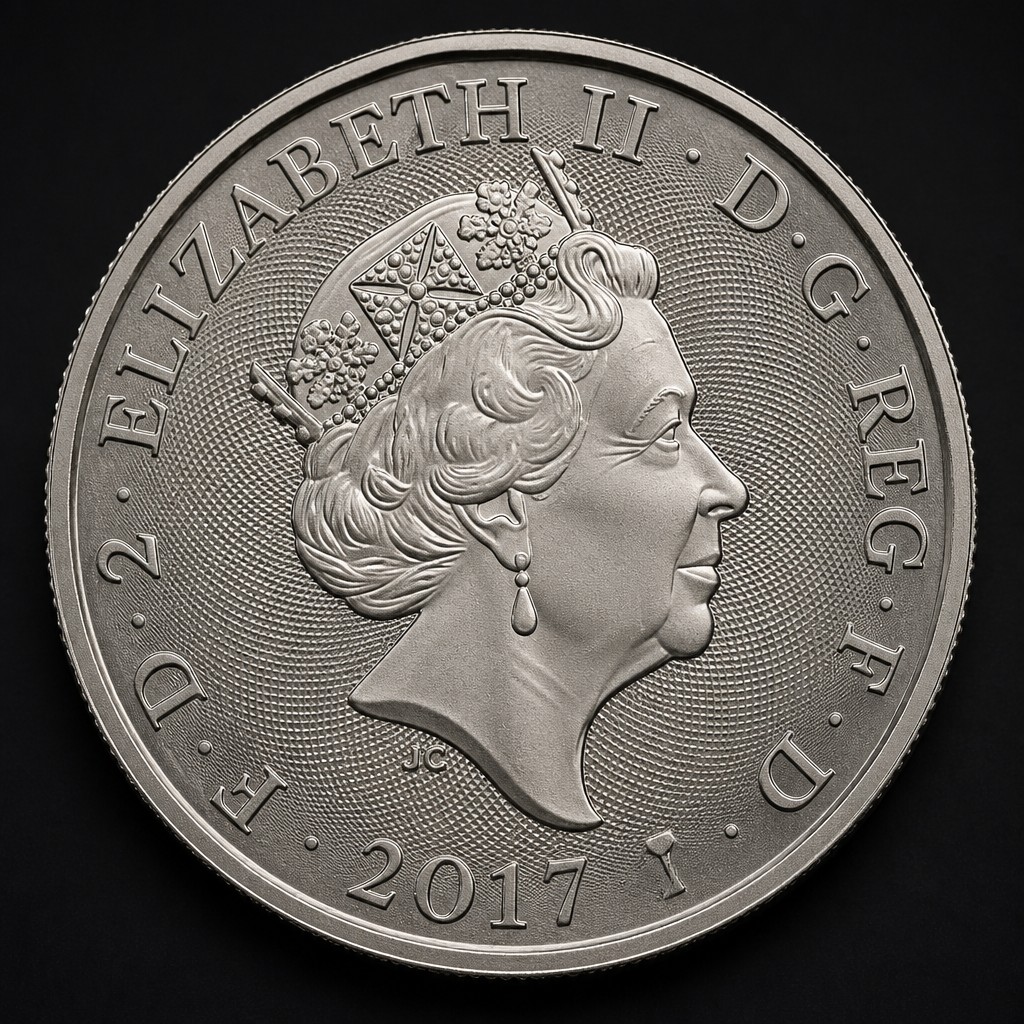
British Queen's Beasts Silver Series
2016-2021
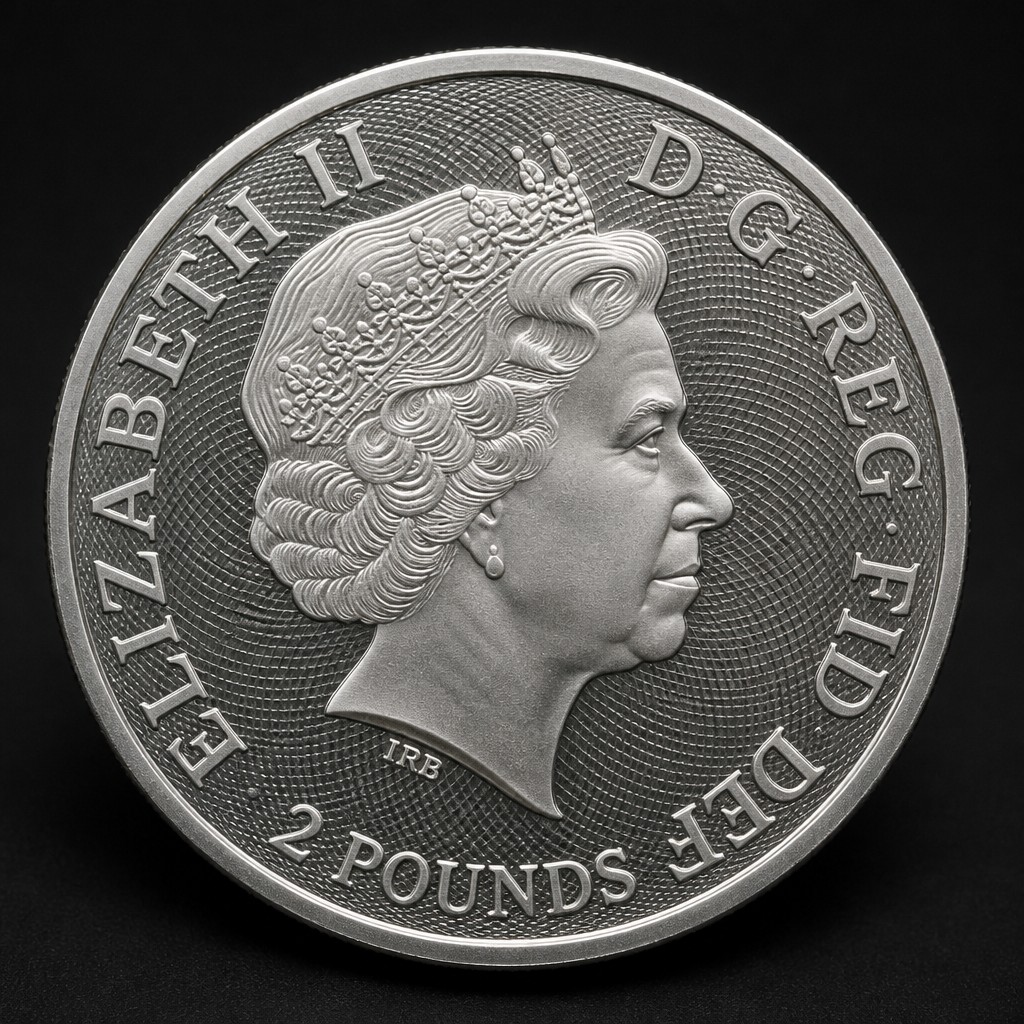
British Silver Lunar Series
2014-present
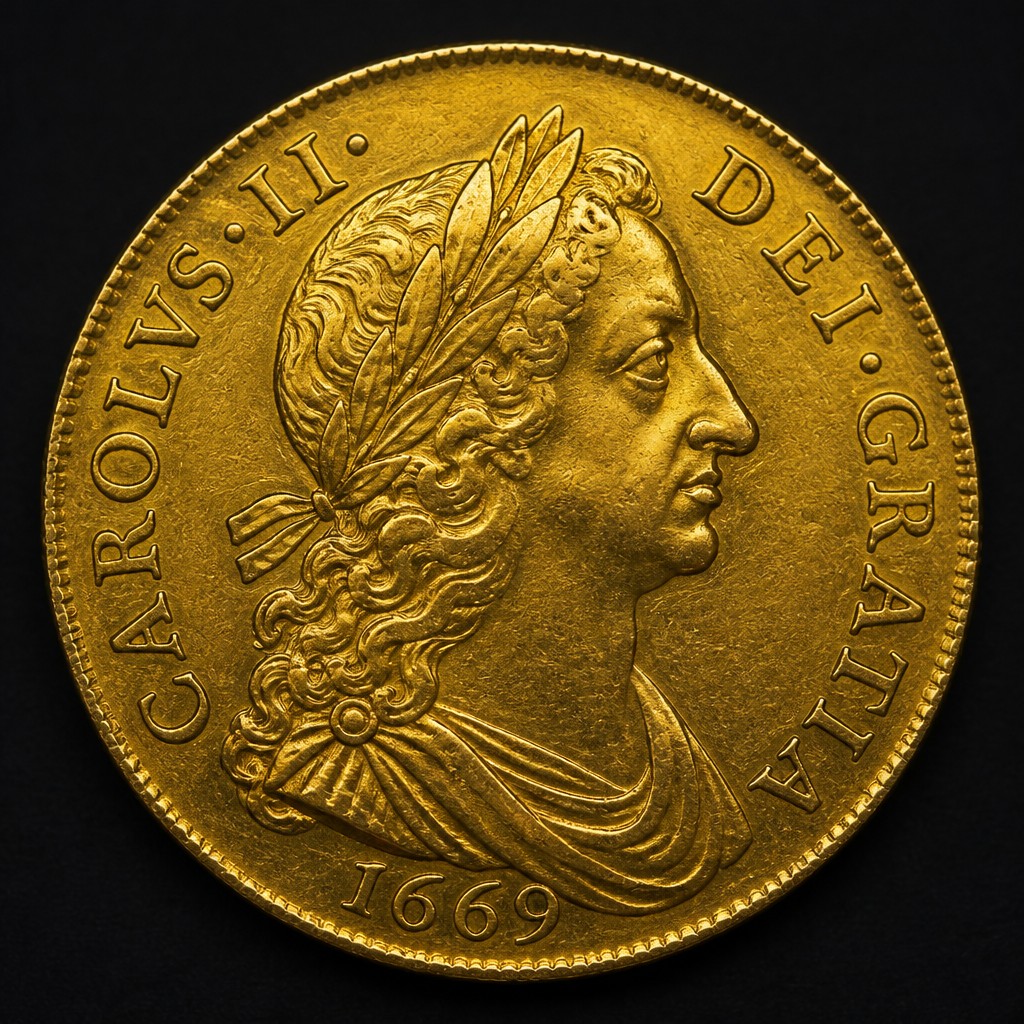
Half Guinea
1669–1813
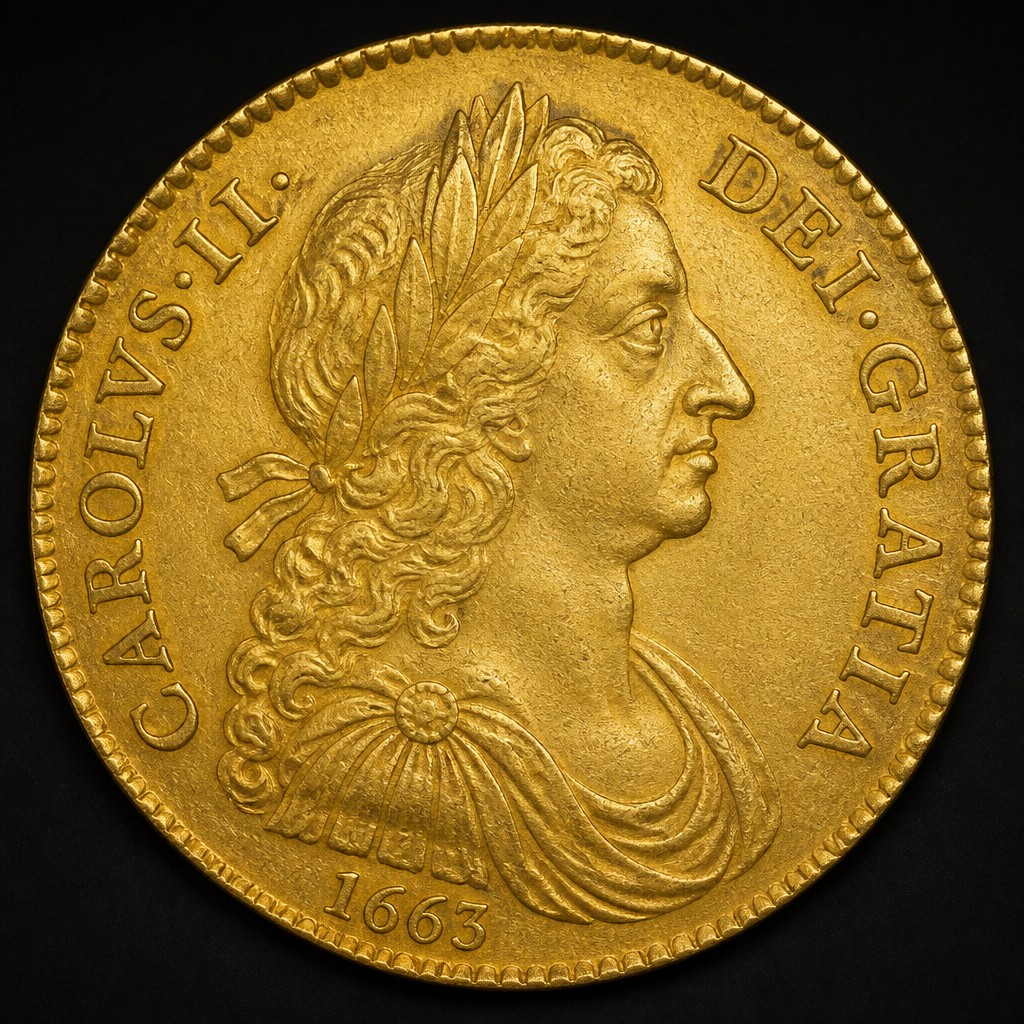
Guinea
1663–1813
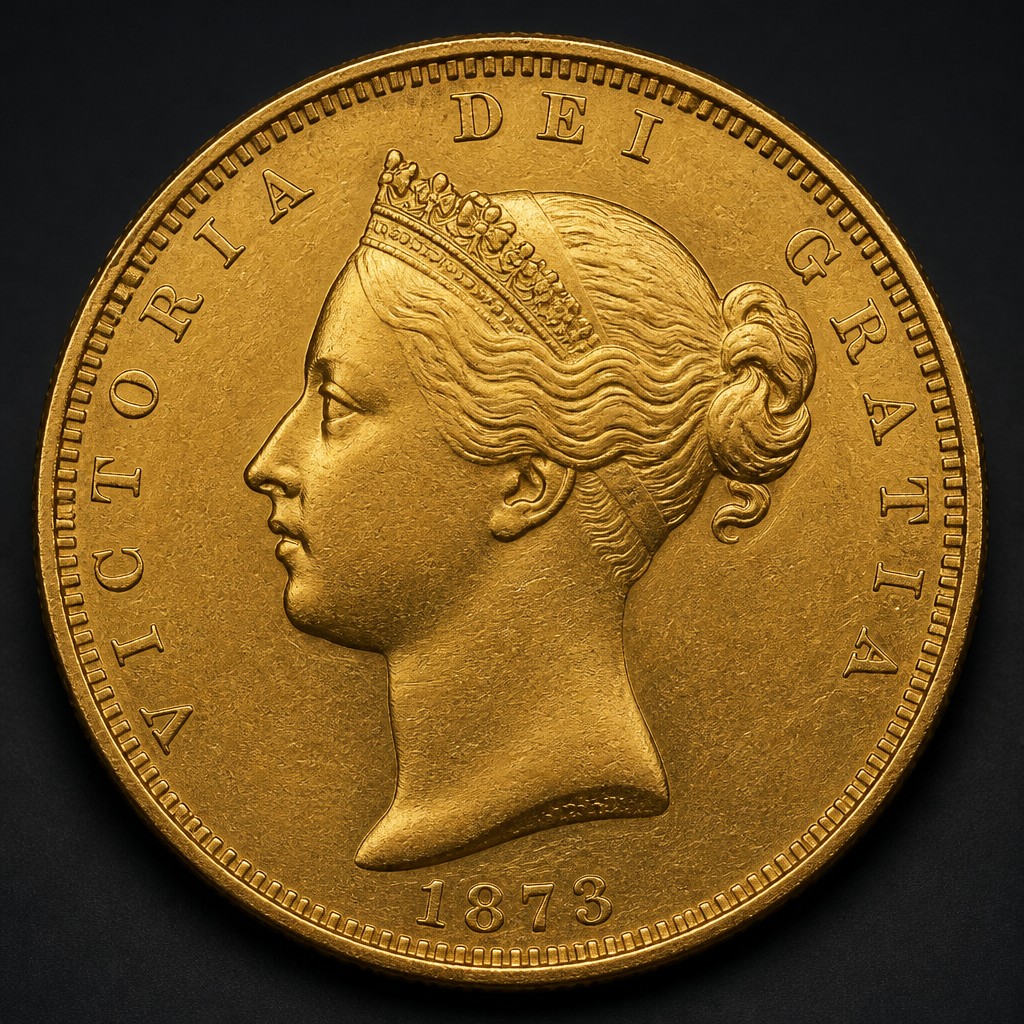
Gold Sovereign
1489–1604 (Tudor); 1817–present (modern)
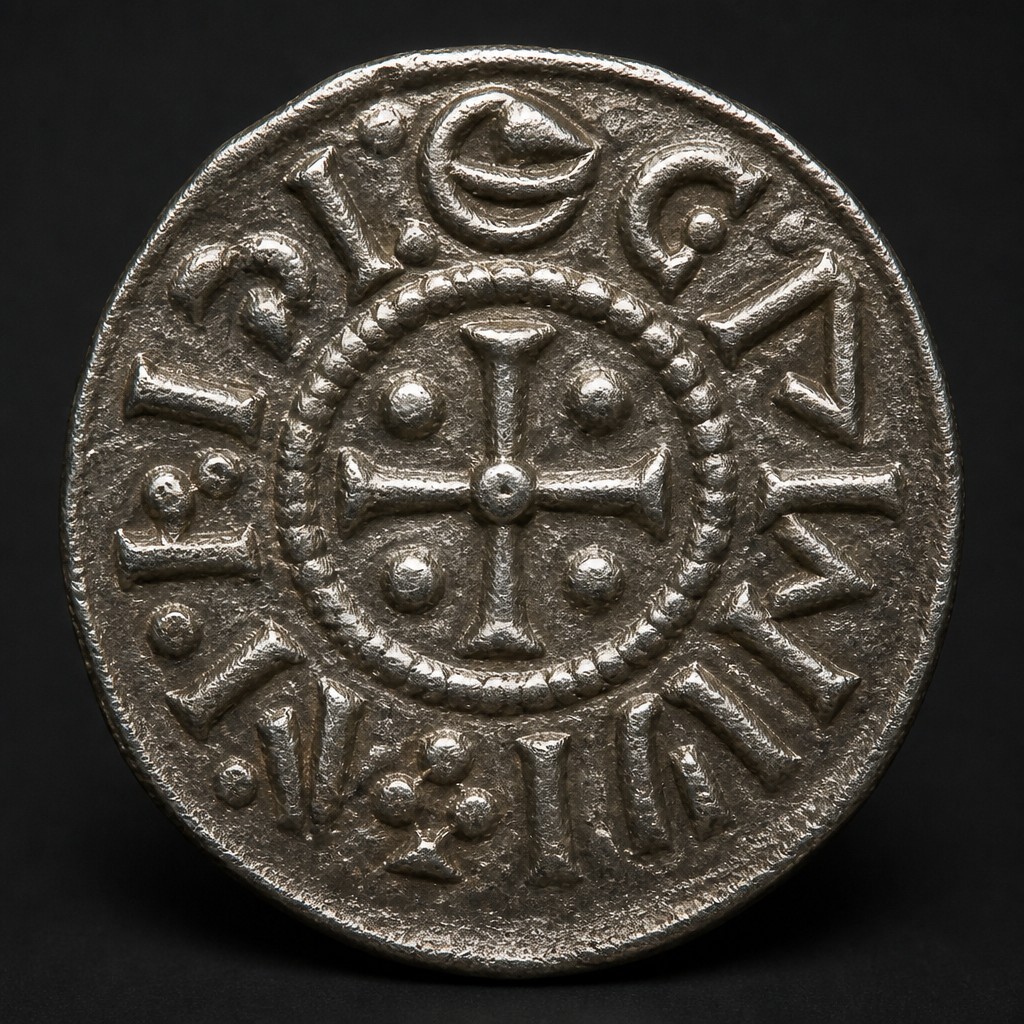
Anglo-Saxon Silver Sceat
c. 680–750 AD
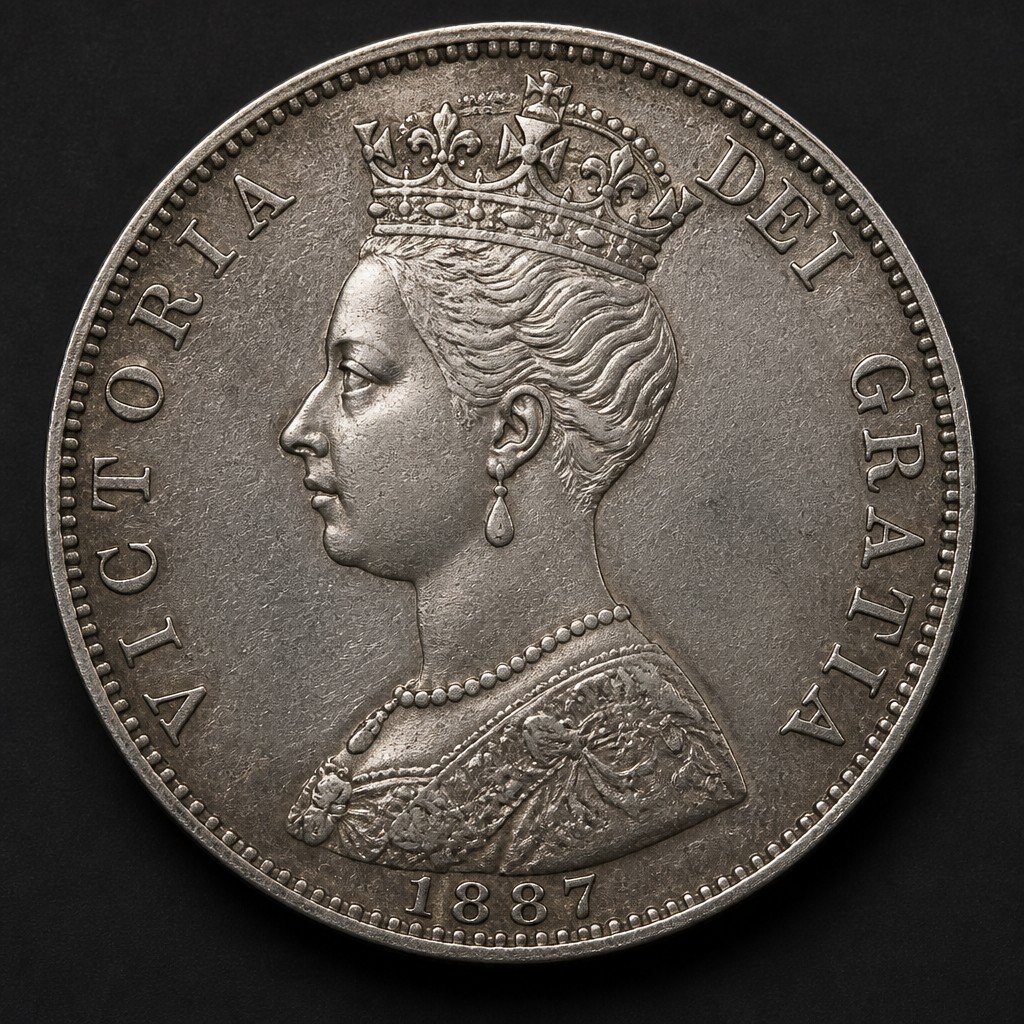
Crown
1551–present
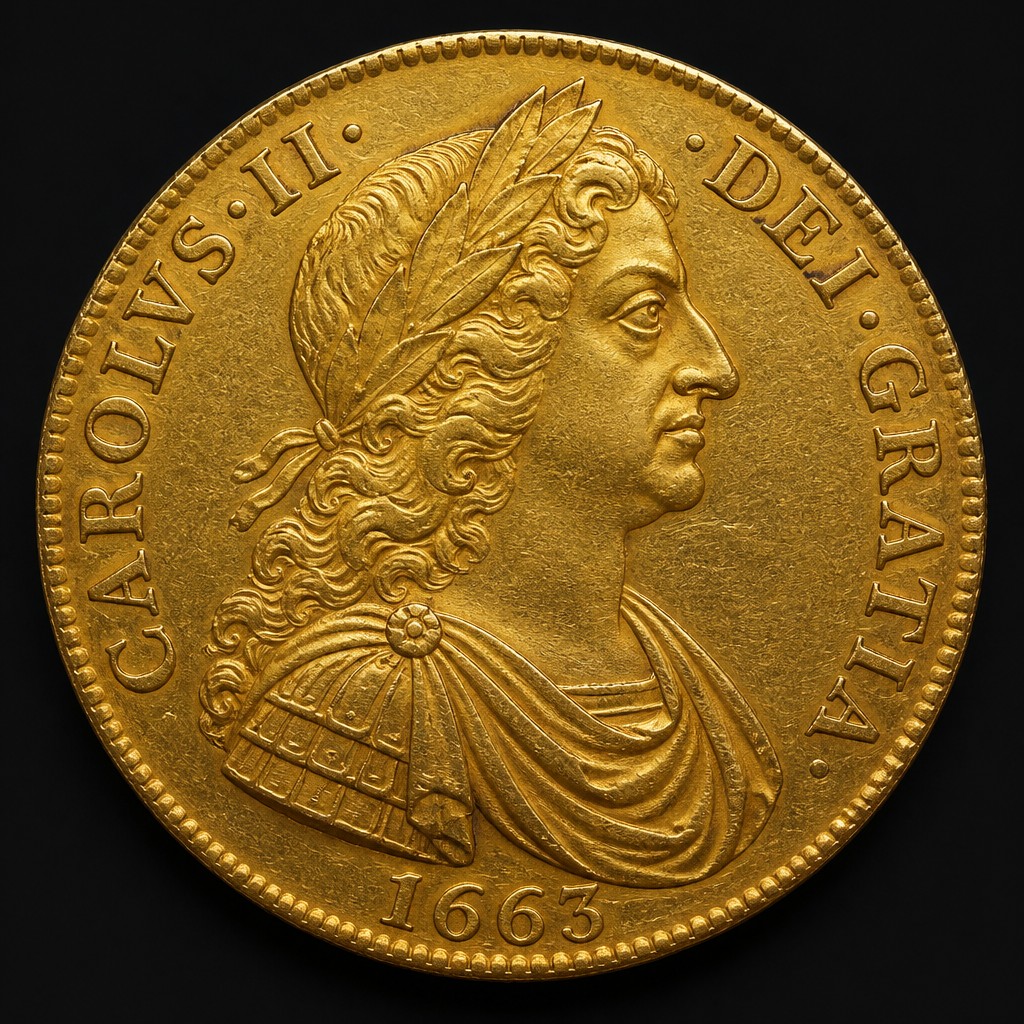
British Guinea
1663–1814
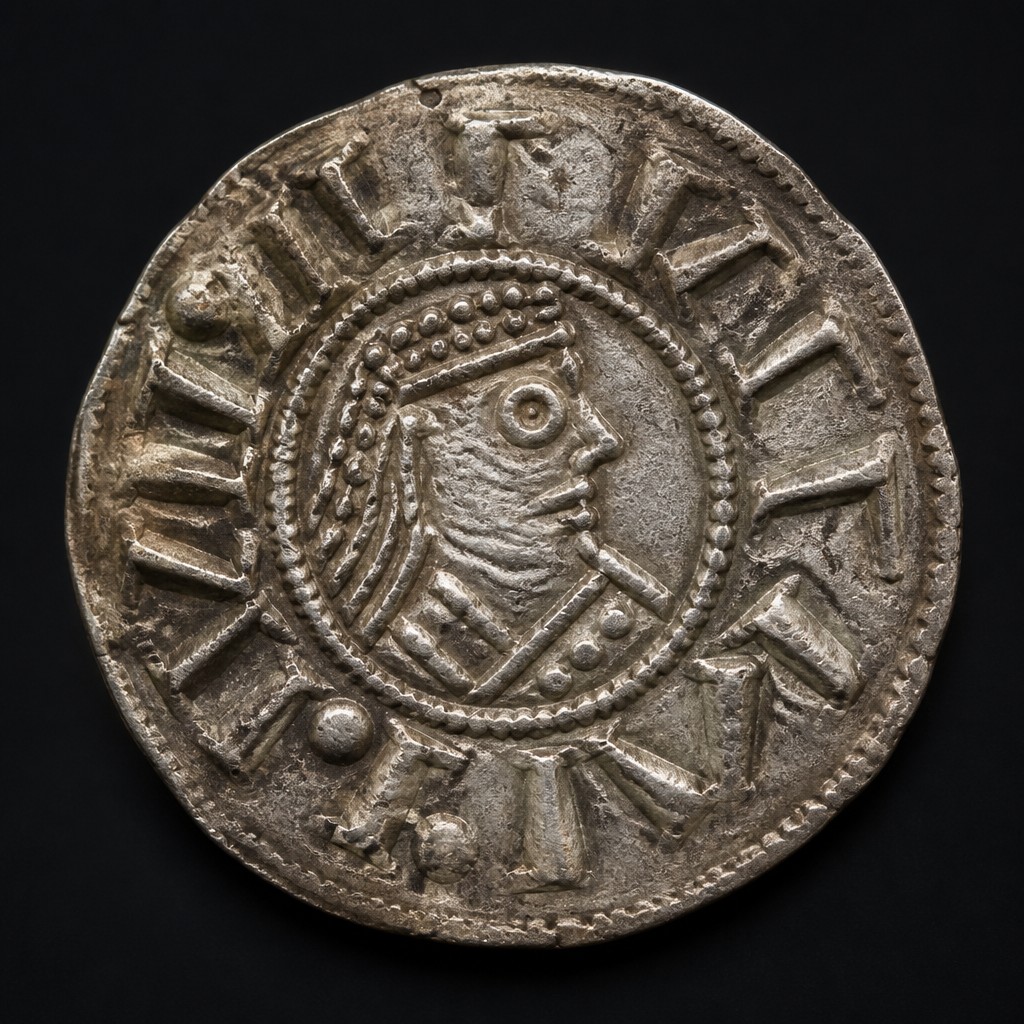
Viking Silver Penny of York
c. 895–954 AD
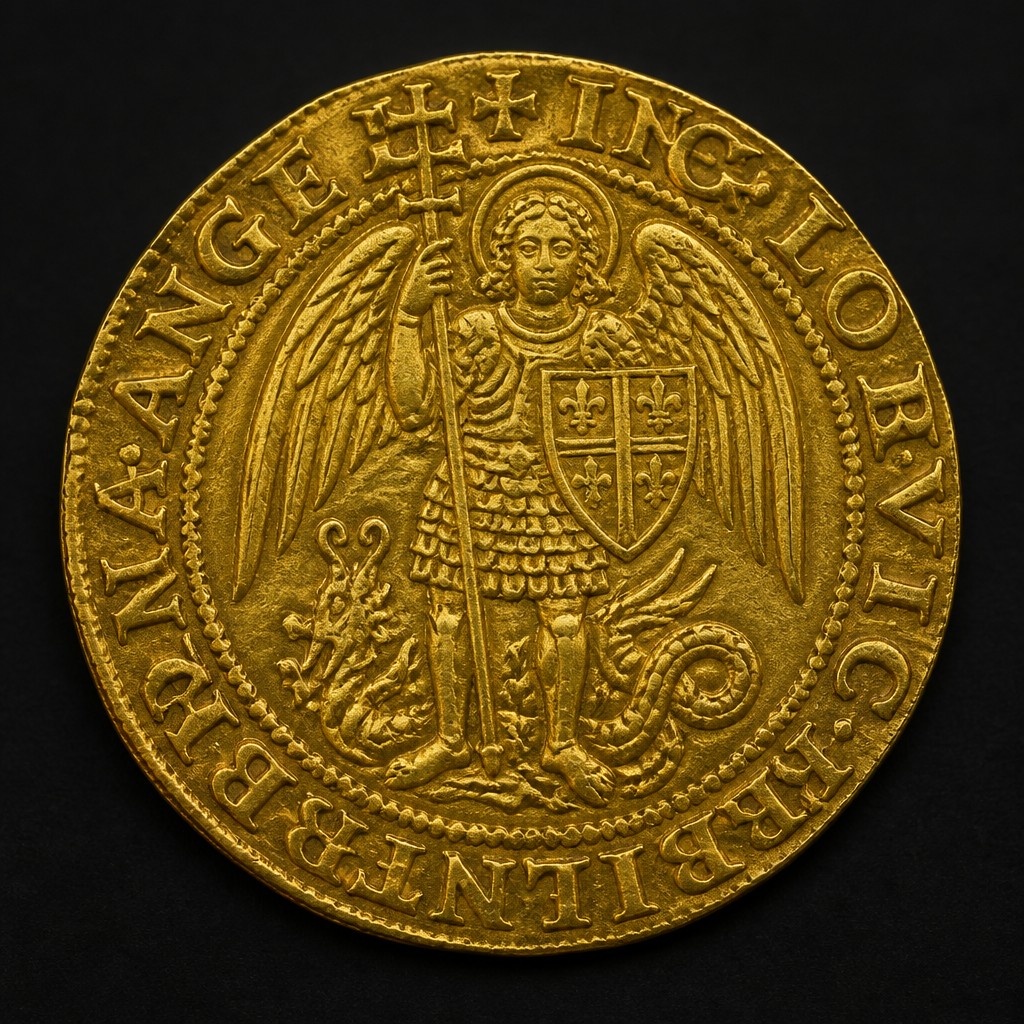
English Angel
1465–1642
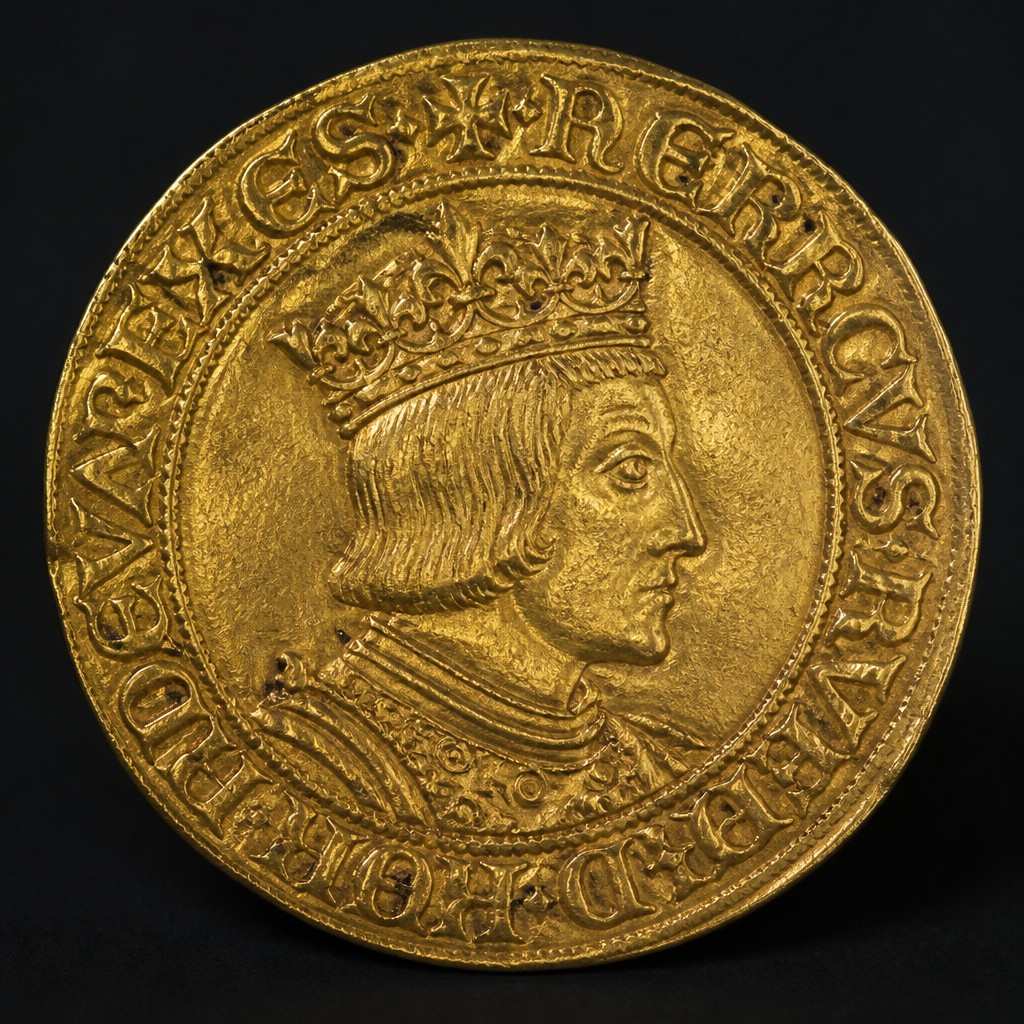
English Sovereign of Henry VII
1489–1509