
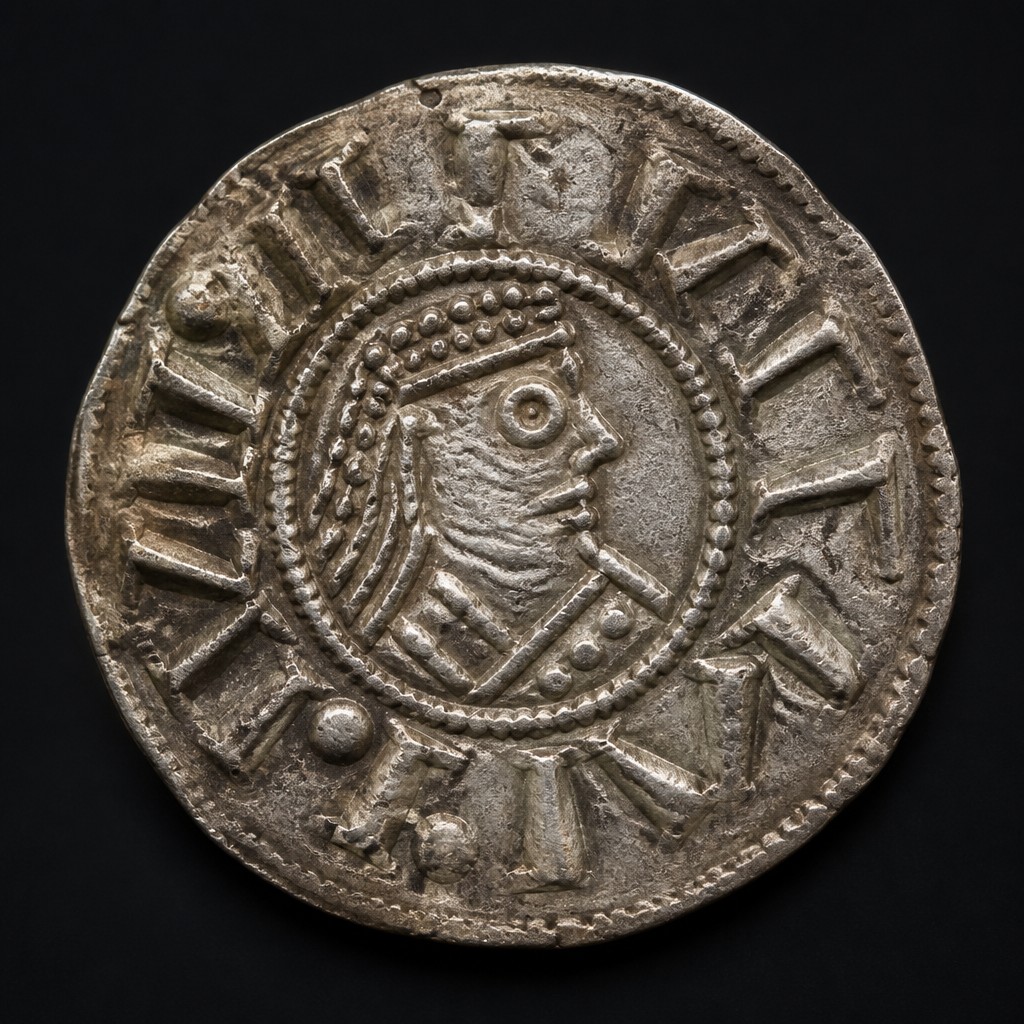
Viking Silver Penny of York
Silver penny struck by Norse rulers of the Viking Kingdom of York, blending Christian and pagan imagery such as crosses, swords, and Thor's hammers.
- Country
- Viking Kingdom of Jorvik (York), England
- Denomination
- Penny
- Metal
- Silver
Got a coin like this?
Identify any coin from a photo, free.
Overview
The Viking silver penny of York was struck by the Scandinavian kings who ruled the city of York (Old Norse: Jorvik) after its capture by the Great Heathen Army in 866 AD. These coins are among the most visually striking of the Viking Age, combining Anglo-Saxon minting technology with distinctive Norse imagery.
The series reflects the unusual cultural position of Viking York, a Scandinavian-ruled city deeply embedded in the English economy and increasingly influenced by Christianity even as pagan symbolism persisted in its coin designs. Notable types include coins bearing swords, Thor's hammers, and ravens alongside crosses, sometimes on the same coin, illustrating the syncretic religious world of the Anglo-Scandinavian north.
A particularly famous sub-series, the "St Peter" pence, was struck in the name of the church of St Peter in York rather than a specific king, reflecting the city's powerful ecclesiastical authority during periods of unstable Viking rule.
History & Background
Viking forces captured York in 866 AD, establishing what became the Kingdom of Jorvik, a center of Scandinavian power in northern England that lasted, with interruptions, until 954 AD. The kings of York, including figures such as Guthfrith, Sihtric Caech, Olaf Guthfrithson, and finally Eric Bloodaxe, struck their own coinage at the York mint, adapting existing Anglo-Saxon minting infrastructure and personnel to Norse rule.
The coinage reveals the complex identity of Viking York: many issues used Christian symbols like the cross, reflecting both the influence of the existing English Christian population and the gradual conversion of Scandinavian settlers, while other issues proudly displayed pagan Norse symbols such as Thor's hammer or a raven, likely Odin's raven, asserting a distinct Scandinavian identity.
Eric Bloodaxe, expelled and restored twice, was the last independent Viking king of York, driven out in 954 AD when Northumbria was absorbed into the unified Kingdom of England under King Eadred, bringing the distinct York coinage to an end.
How to Identify
Designs vary significantly across the roughly sixty-year span of the coinage. Common types include a sword on one side paired with a cross or the name of the issuing king on the other, and a raven (sometimes described as Odin's raven) facing a cross. The St Peter pence series typically reads SCI PETRI MO (money of St Peter) around a central design rather than naming a king.
Legends are in Latin, often somewhat garbled by Norse moneyers unfamiliar with the language, and typically name the issuing king (such as SIEFREDVS for Sigeferth or CVNNETTI for a still-debated attribution) along with the moneyer's name.
The coins follow the general fabric of contemporary Anglo-Saxon pennies: thin, broad, hammered silver flans around 18–20mm in diameter. Distinguishing a York Viking penny from a contemporary southern English Anglo-Saxon penny relies on recognizing the distinctive sword, hammer, or raven imagery and the York-associated legends and moneyer names.
Value & Collectibility
Viking coins of York are highly sought after due to their strong visual appeal and the romance associated with Viking Age Britain, commanding solid premiums over plainer contemporary Anglo-Saxon pennies. Common sword/cross or St Peter types in worn condition are attainable for several hundred dollars, while well-struck examples of rarer types, especially those naming specific known kings like Eric Bloodaxe, can reach into the thousands.
Rarity is driven heavily by which king or design type is represented, since some rulers had very brief reigns and correspondingly limited coin output, while types like St Peter pence, though scarce, were struck over a longer period and are somewhat more available.
Collectors should be aware that some sword and hammer types have historically been subject to detailed academic debate over exact attribution, so provenance and expert opinion add confidence and value.
Frequently asked questions
What is Jorvik?
Jorvik is the Old Norse name for York, the capital of the Viking-ruled kingdom in northern England from 866 to 954 AD.
Why do these coins mix crosses and pagan symbols?
Viking York had a mixed population of Christian Anglo-Saxons and Scandinavian settlers who were gradually converting, and the coinage reflects that blended religious identity.
Who was the last Viking king of York?
Eric Bloodaxe, expelled in 954 AD when Northumbria was brought under unified English rule, is traditionally regarded as the last Viking king of York.
What is St Peter coinage?
It is a series of pennies struck in the name of York's church of St Peter rather than a specific king, reflecting the church's authority during unsettled periods of Viking rule.
How is a York Viking penny different from a Wessex penny?
It is distinguished mainly by its distinctive sword, hammer, or raven imagery and by legends naming York-associated kings and moneyers rather than southern English rulers.
Other coins you may enjoy
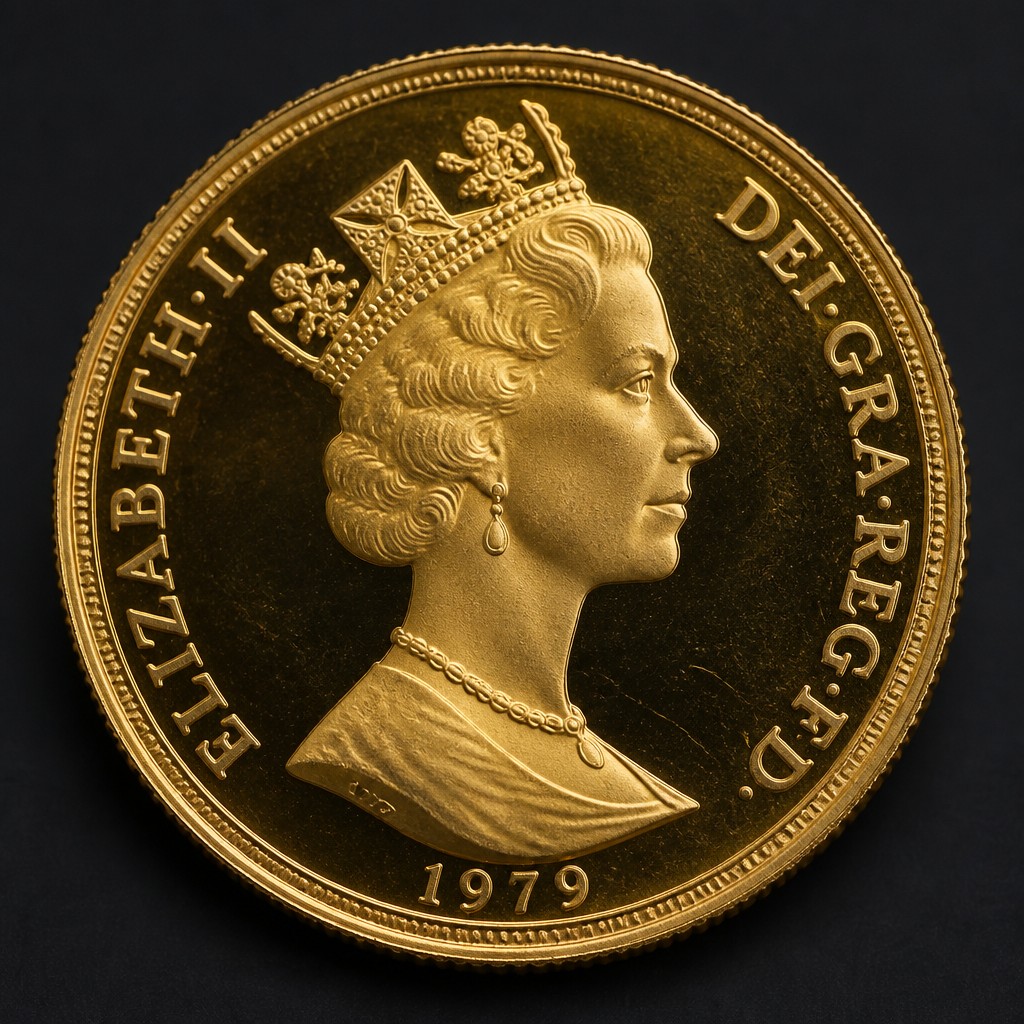
British Sovereign (modern proof)
1979–present (modern proof era)
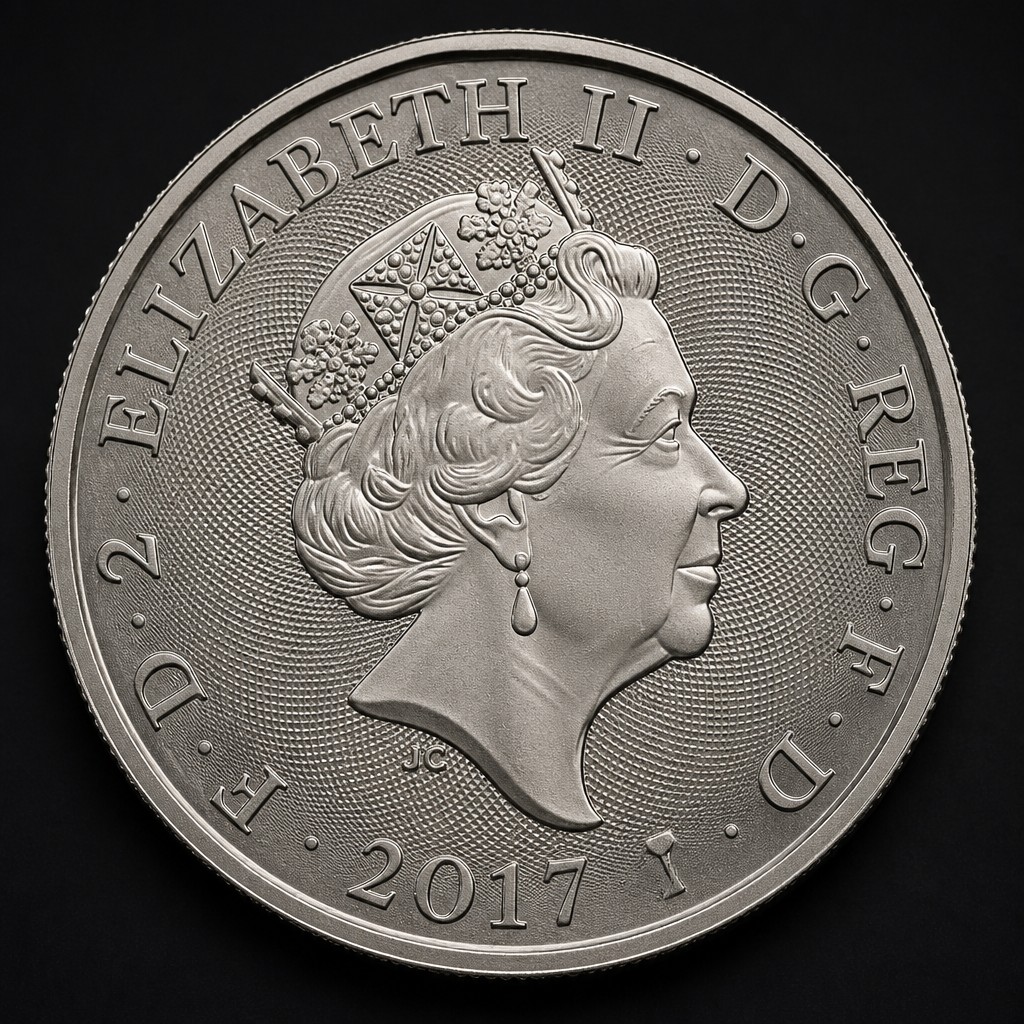
British Queen's Beasts Silver Series
2016-2021
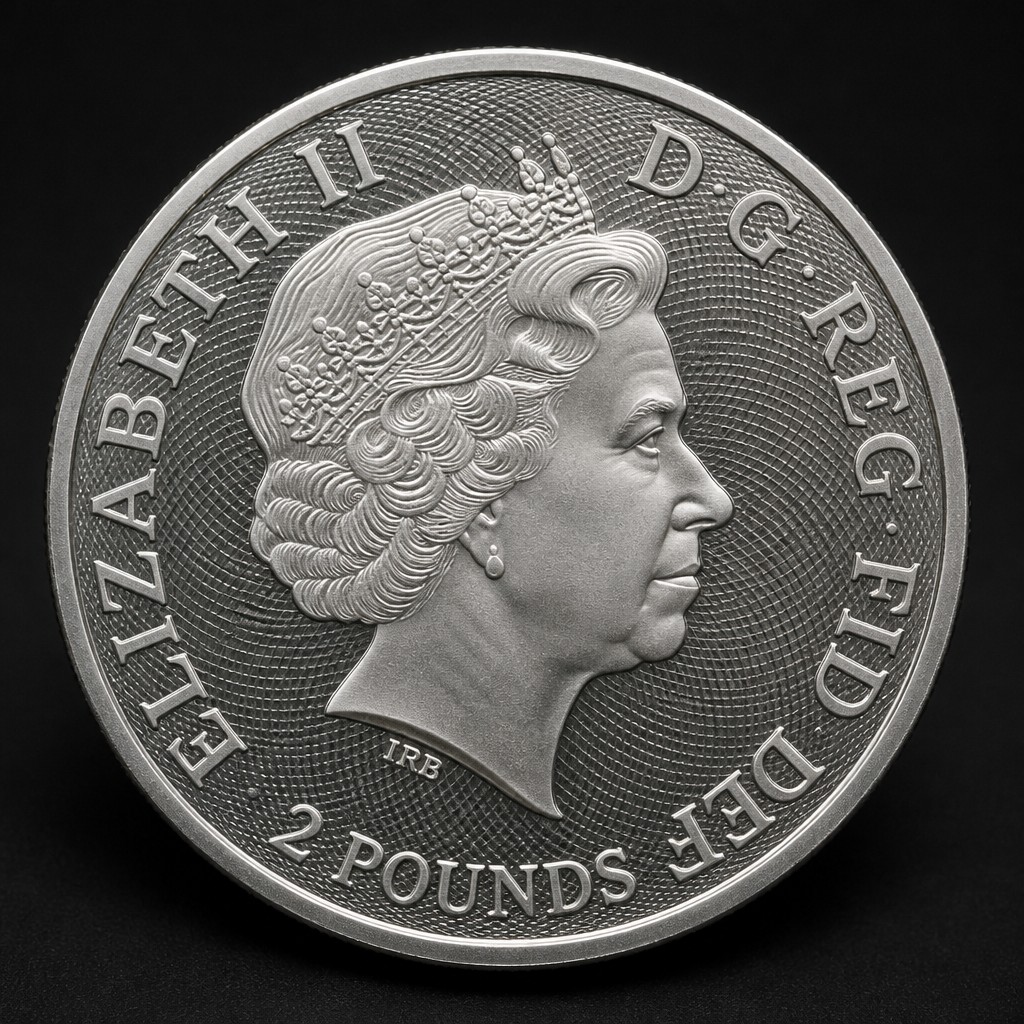
British Silver Lunar Series
2014-present
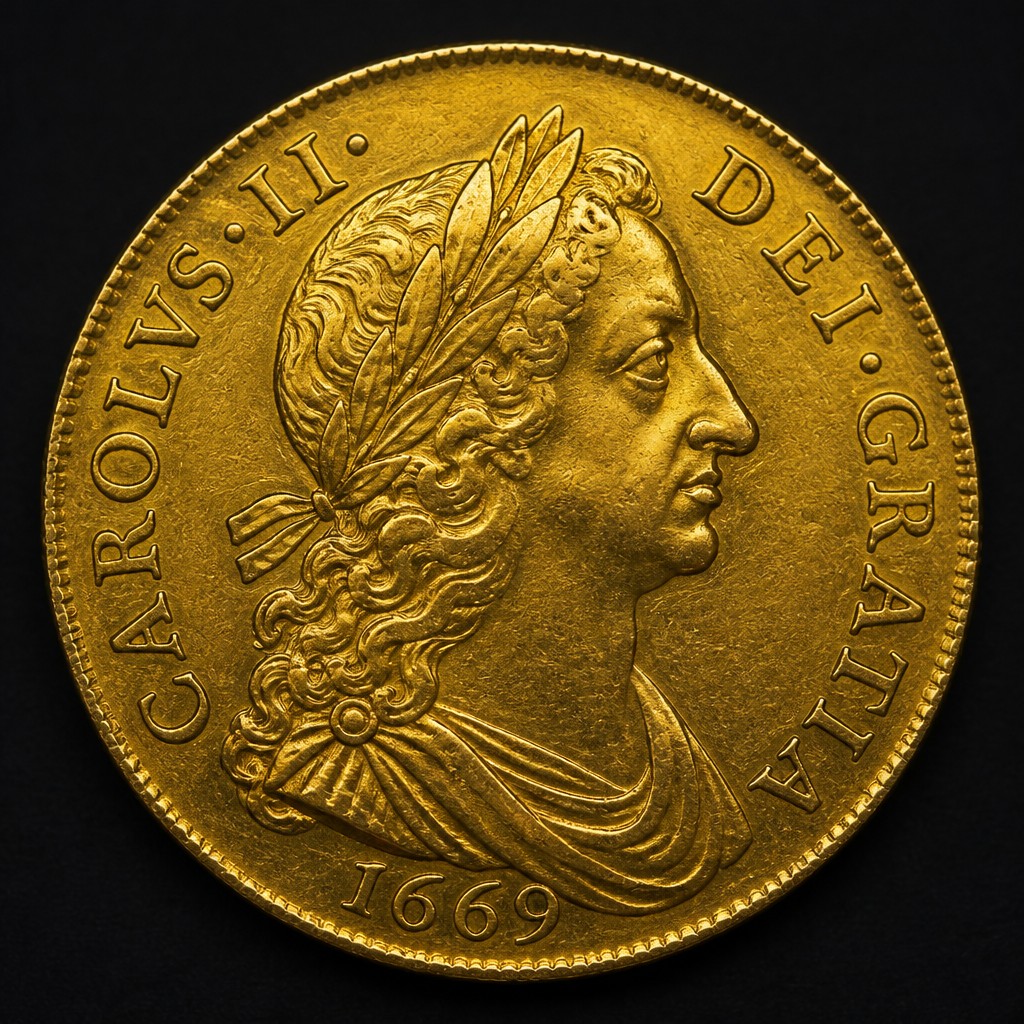
Half Guinea
1669–1813
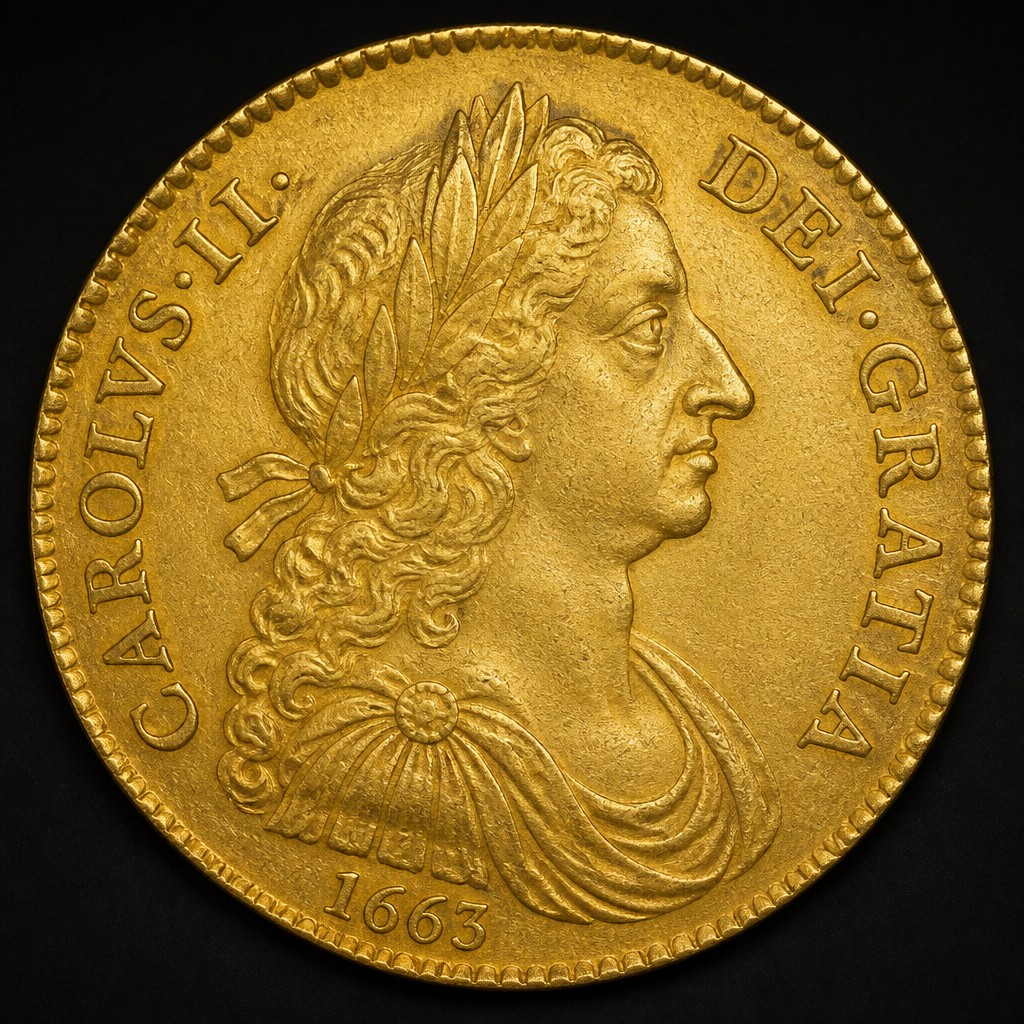
Guinea
1663–1813
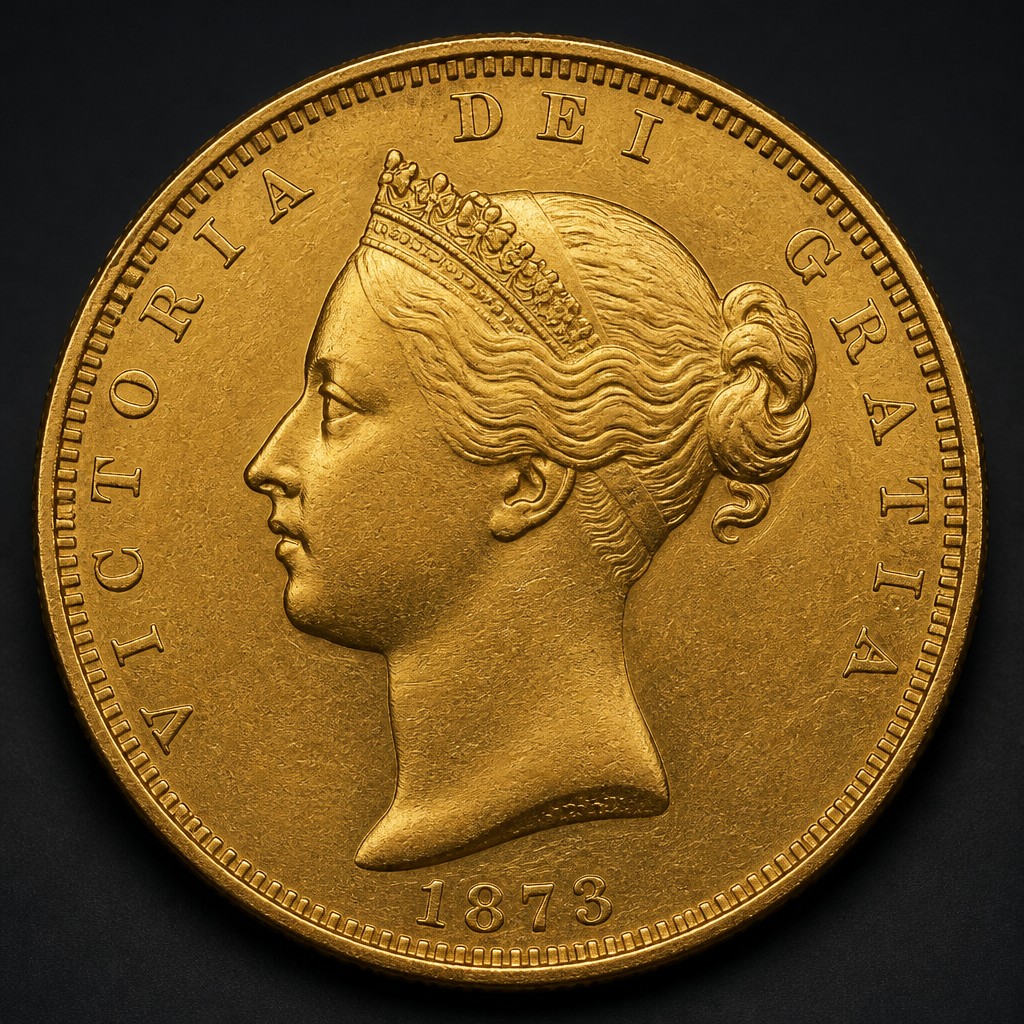
Gold Sovereign
1489–1604 (Tudor); 1817–present (modern)
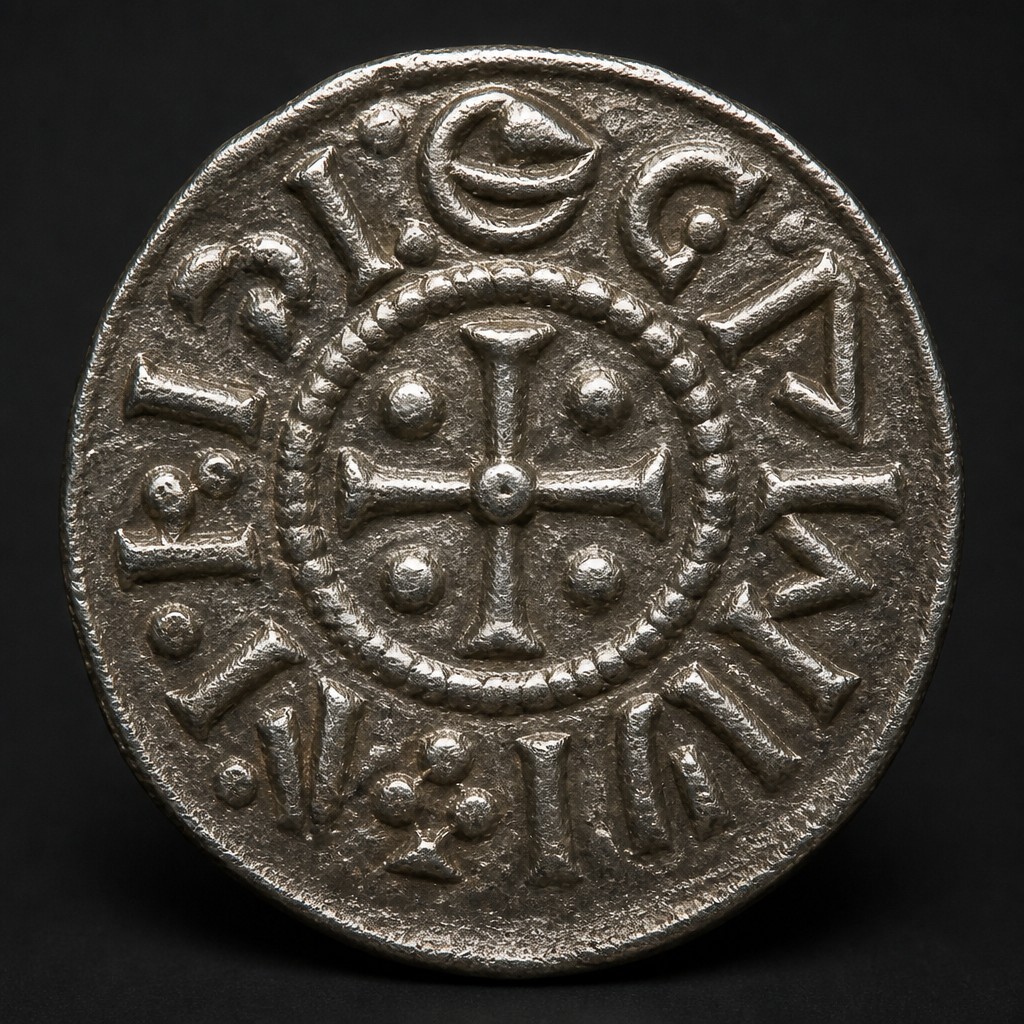
Anglo-Saxon Silver Sceat
c. 680–750 AD
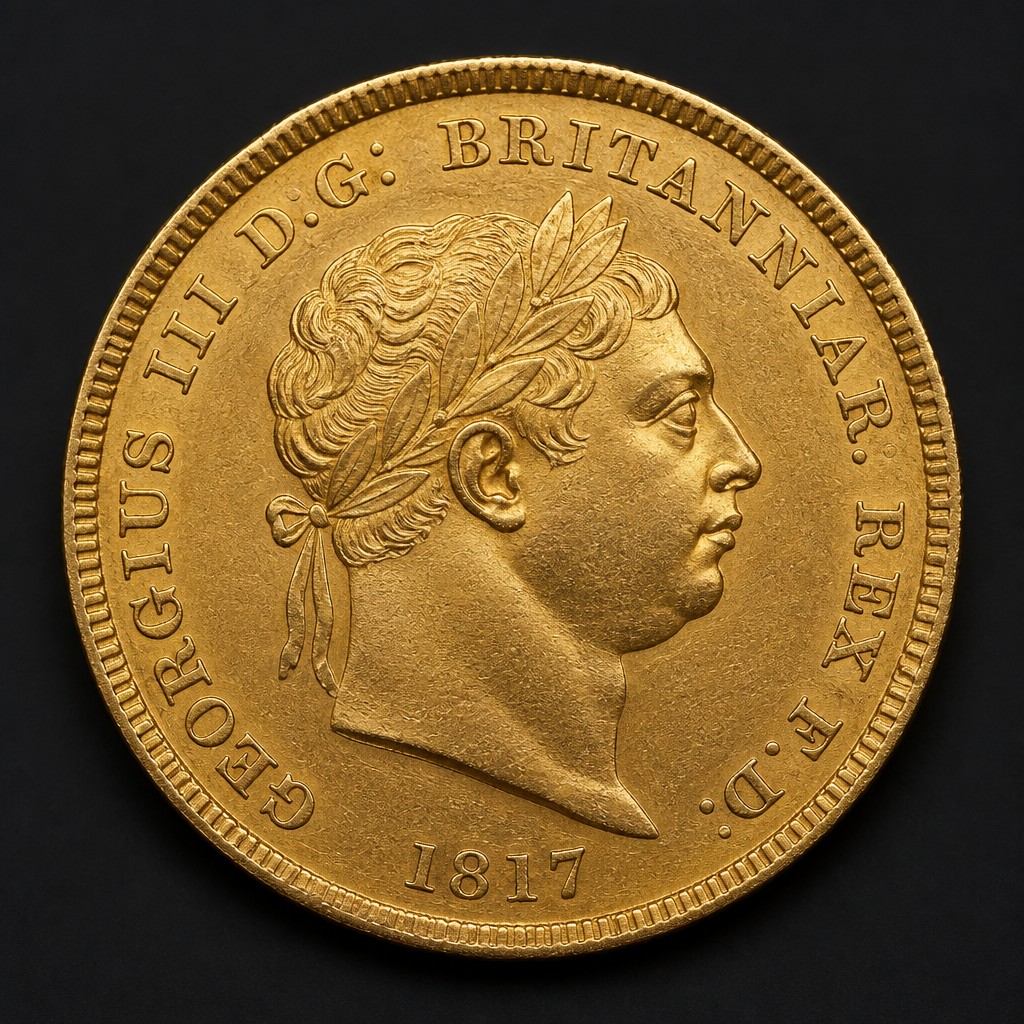
Gold Half Sovereign
1544–1553 (Tudor); 1817–present (modern)
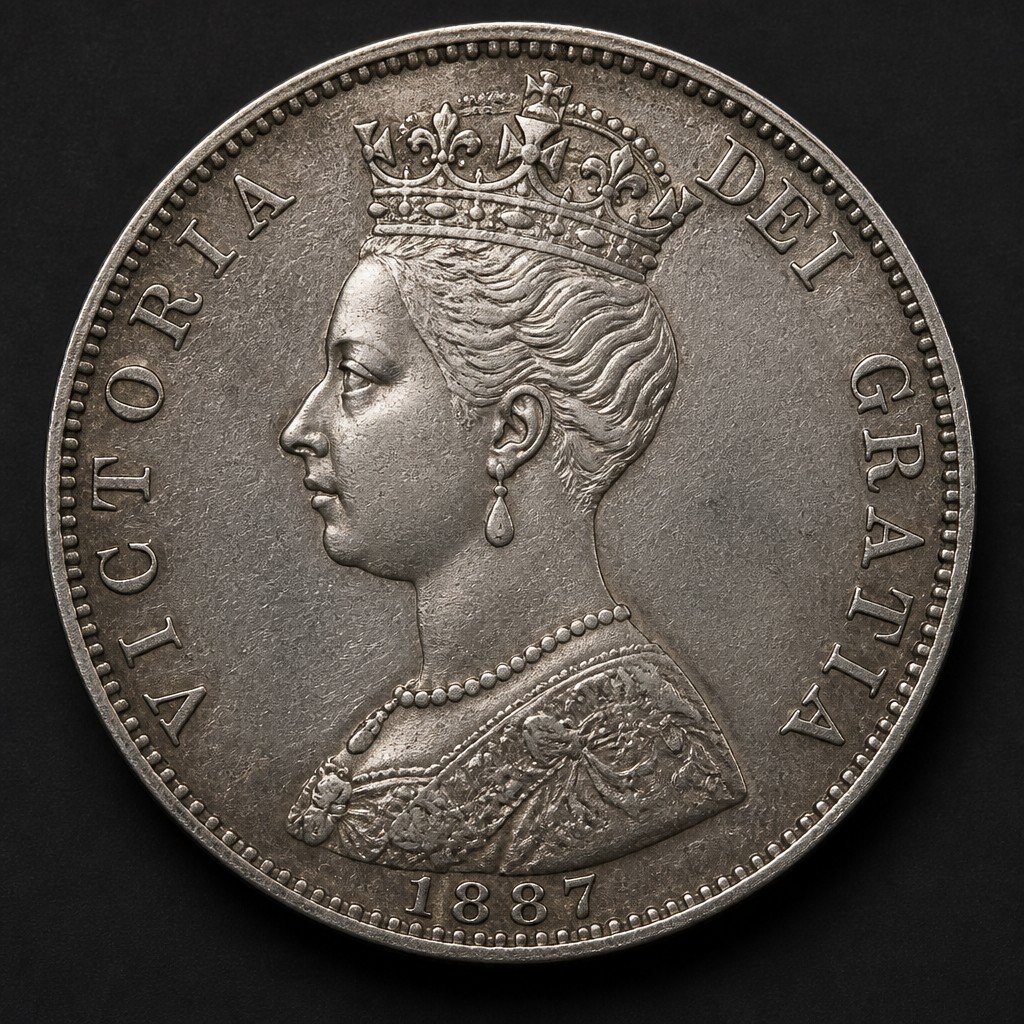
Crown
1551–present
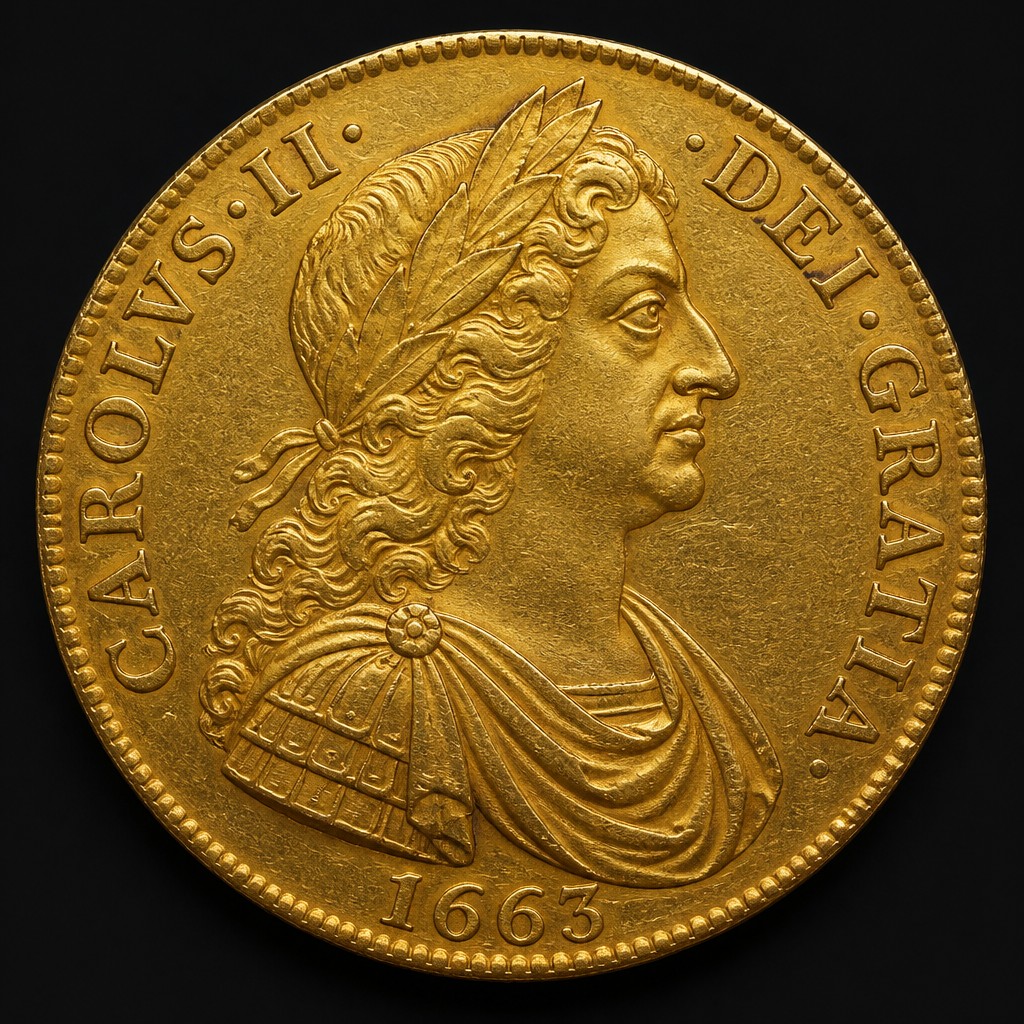
British Guinea
1663–1814
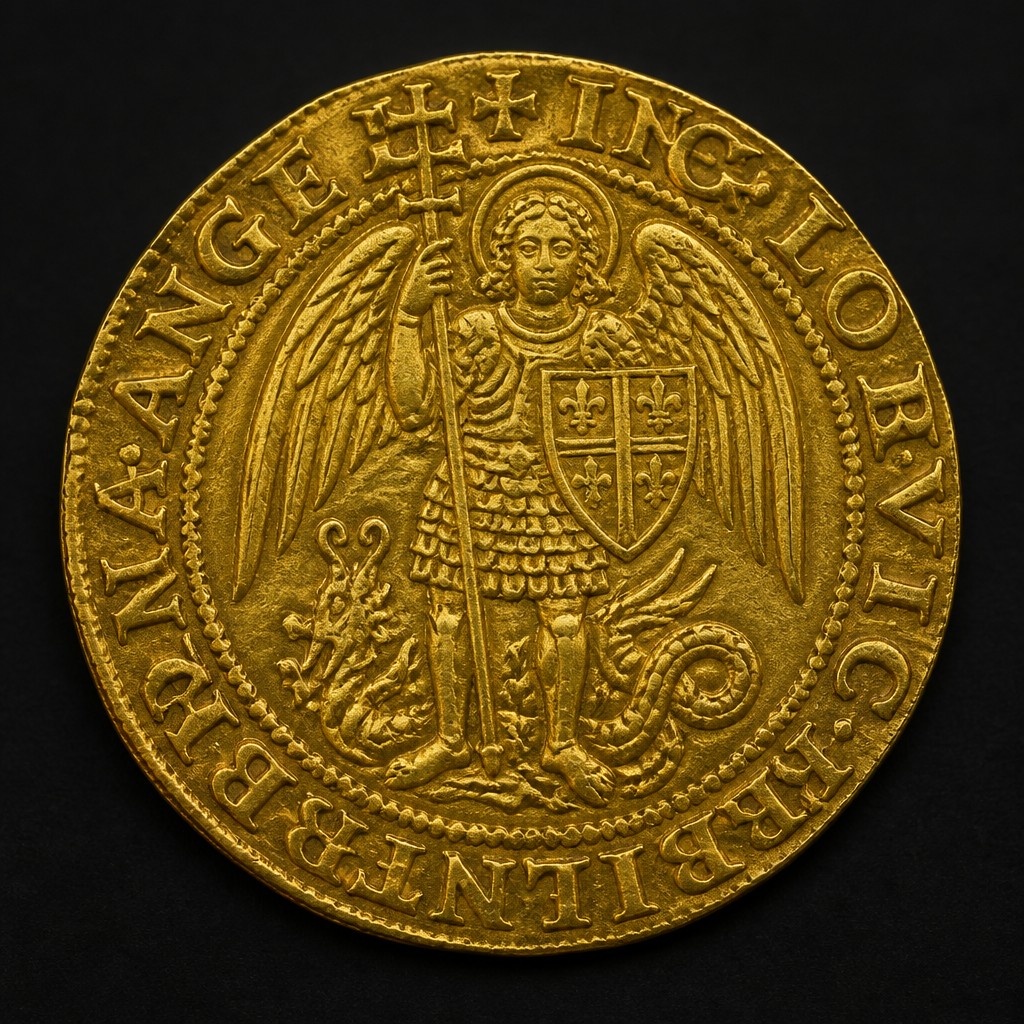
English Angel
1465–1642
English Sovereign of Henry VII
1489–1509