
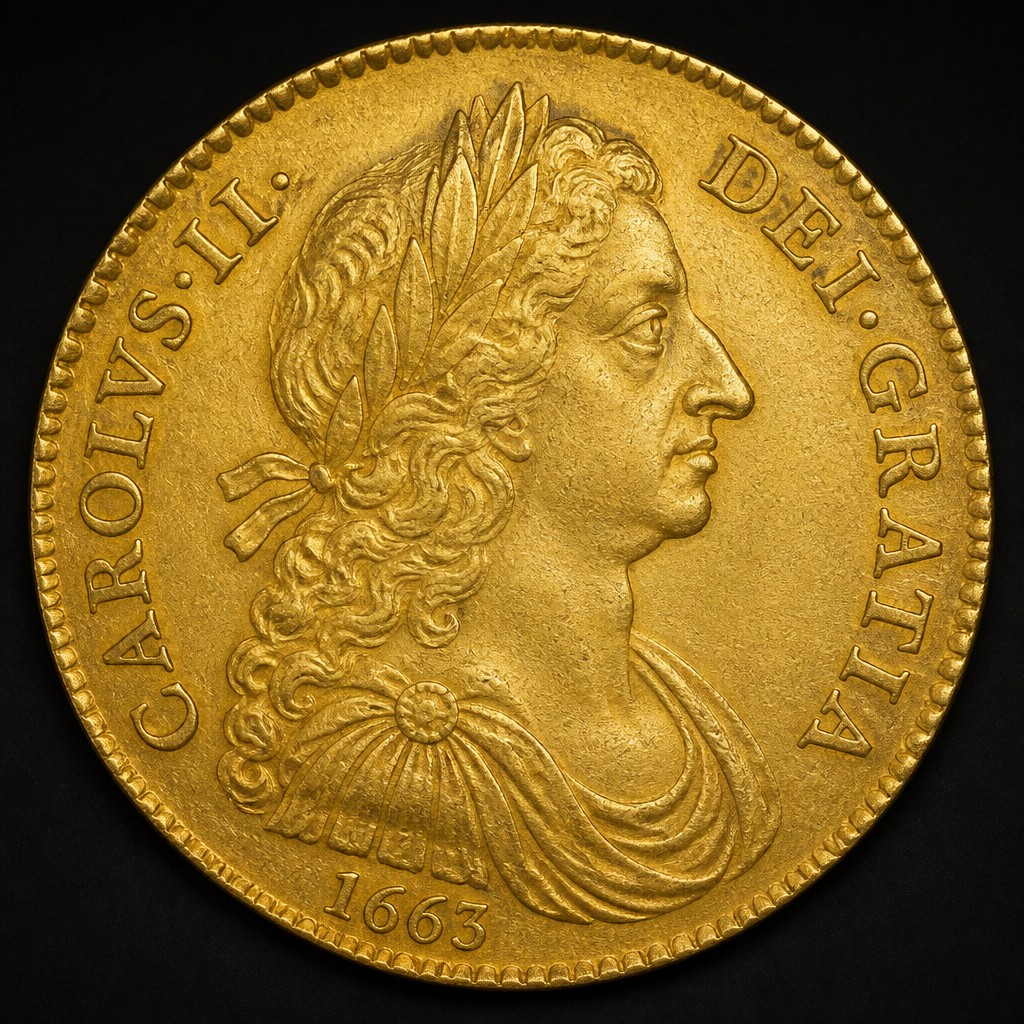
Guinea
Historic British gold coin named for the West African region that supplied much of its gold, valued at 21 shillings for most of its history and predecessor to the modern sovereign.
- Country
- Great Britain / Kingdom of England
- Denomination
- 21 shillings (originally 20 shillings)
- Metal
- Gold (22 karat)
Got a coin like this?
Identify any coin from a photo, free.
Overview
The guinea was Britain's principal gold coin for a century and a half, first struck in 1663 under King Charles II and named after the Guinea region of West Africa, the source of much of the gold used in its early production through the Royal African Company. Initially valued at 20 shillings, its value fluctuated with gold and silver market conditions before being fixed by royal proclamation at 21 shillings in 1717, a value it retained until its discontinuation.
The guinea circulated through the reigns of Charles II, James II, William and Mary, Anne, and the first three Georges, with its obverse portrait updated for each monarch, making it a coin series that traces the changing face of the British monarchy over roughly a century and a half.
Although the physical coin was discontinued in 1816 in favor of the newly reintroduced sovereign, the term "guinea" persisted for generations afterward as a unit of account, commonly used for professional fees, art and horse auctions, and other prestige transactions, a linguistic legacy that outlived the coin itself by well over a century.
History & Background
King Charles II authorized the first guineas in 1663, sourcing much of the gold from West Africa via the Royal African Company, whose elephant and castle emblem sometimes appears beneath the king's bust on early guineas as a mark of the gold's origin. The coin quickly became the standard gold denomination of the English, and later British, monetary system.
The guinea's value in relation to silver shillings fluctuated over its early decades, at times rising as high as 30 shillings during periods of gold scarcity or silver debasement, before Sir Isaac Newton, in his role as Master of the Royal Mint, recommended fixing its value at 21 shillings in 1717, a rate that held for the remainder of the coin's production.
The guinea was finally discontinued as a struck coin in 1813 (with a small final issue in 1813, though effectively replaced from 1816), giving way to the modern sovereign introduced in 1817 as part of the broader Great Recoinage reform following the Napoleonic Wars.
How to Identify
The obverse of a guinea shows the portrait of the reigning monarch, updated across the reigns of Charles II, James II, William and Mary (jointly), William III, Anne, George I, George II, and George III, following the standard British practice of monarch-specific coin portraiture.
The reverse design varies by reign but generally features a crowned shield or cruciform arrangement of shields representing England, Scotland, Ireland, and France (the latter a holdover from historic English claims), often with a sceptre design in the angles between the shields. Early guineas of Charles II sometimes show a small elephant, or elephant-and-castle mark below the bust, indicating gold supplied by the Royal African Company.
The coin is struck in gold, with weight and diameter varying somewhat across its long production run as the coin was periodically adjusted, generally in the range of 8.3 to 8.5 grams and about 25mm in diameter for most of its history. Collectors distinguish the guinea from the later sovereign primarily by its 21-shilling denomination context, its typically Latin obverse legends, and its characteristic shield-based reverse rather than the sovereign's St George design.
Value & Collectibility
Guinea values vary enormously based on monarch, date, and condition, with common dates from long, well-represented reigns such as George II or George III available in the low thousands of dollars for decent circulated examples, while rare dates, particularly from the reign of Charles II or certain scarce George III years, can be worth substantially more.
Special elephant and castle varieties from the Royal African Company gold supply are particularly sought after by specialist collectors interested in this historical connection, often commanding notable premiums over standard-type guineas of the same monarch.
As with most historic British gold coinage, condition, strike quality, and the presence of any special mint marks or varieties are the primary drivers of value beyond simple gold content, and rare date and monarch combinations can be worth many times a common guinea's gold value.
Frequently asked questions
Why is it called a guinea?
It is named after the Guinea region of West Africa, which supplied much of the gold used to strike the coin's early issues via the Royal African Company.
How much was a guinea worth?
It was fixed at 21 shillings from 1717 onward, though its value fluctuated between roughly 20 and 30 shillings in earlier decades depending on gold and silver market conditions.
When did the guinea stop being minted?
Physical guinea coins ceased production in the early 1810s, replaced by the modern sovereign introduced in 1817.
Why do some prices today still reference guineas?
The term persisted as a unit of account (21 shillings, or later one pound and five pence in decimal terms) for professional fees and prestige goods long after the coin itself was discontinued.
What does the elephant mark on some guineas mean?
It denotes gold supplied to the mint by the Royal African Company, which operated in West Africa, and appears on certain guineas of Charles II and later monarchs.
Other coins you may enjoy
British Sovereign (modern proof)
1979–present (modern proof era)
British Queen's Beasts Silver Series
2016-2021
British Silver Lunar Series
2014-present
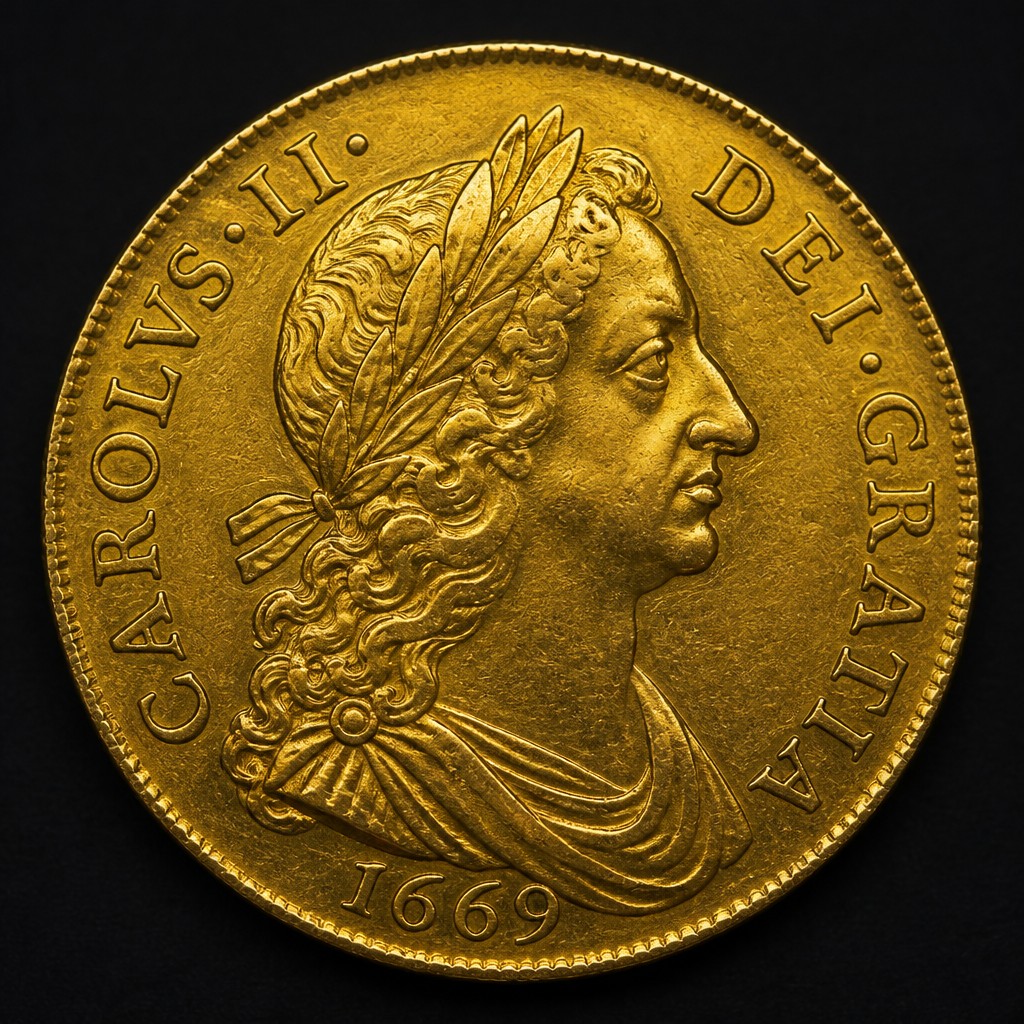
Half Guinea
1669–1813
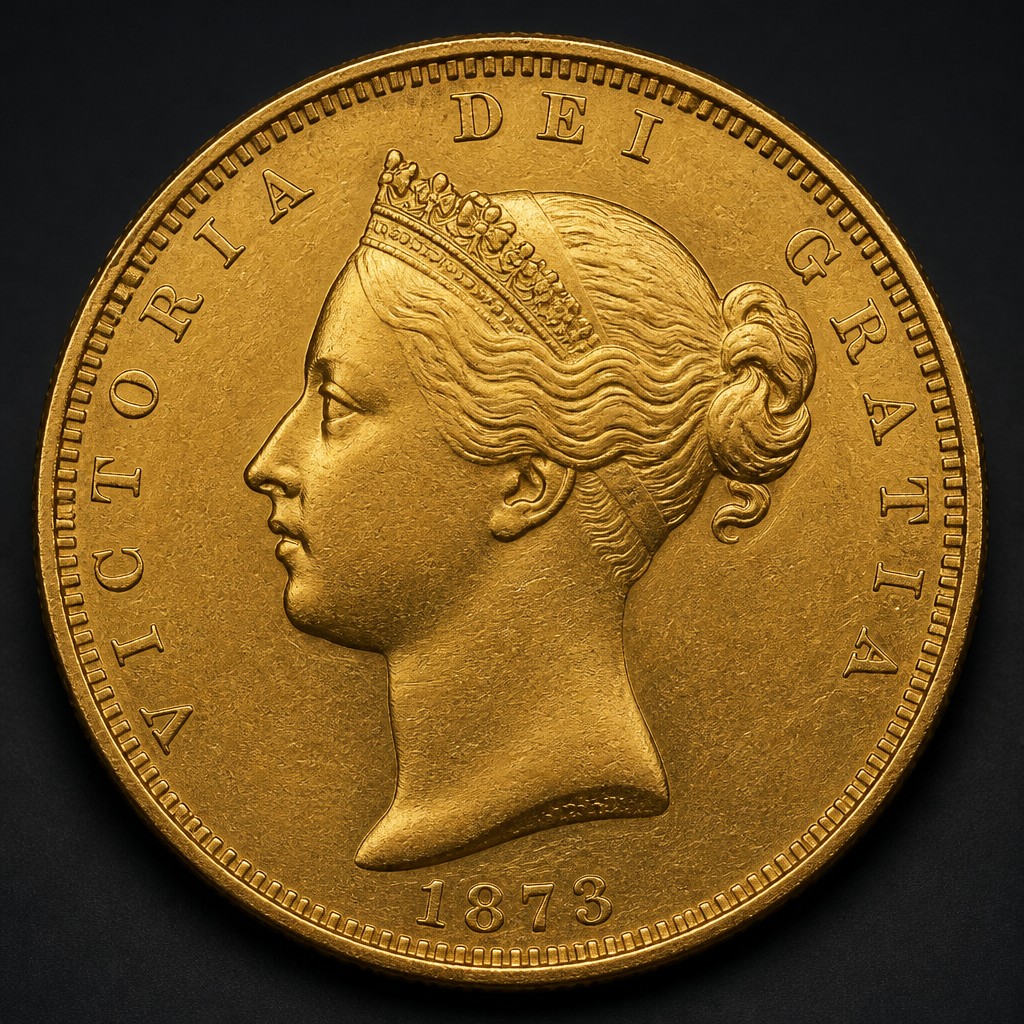
Gold Sovereign
1489–1604 (Tudor); 1817–present (modern)
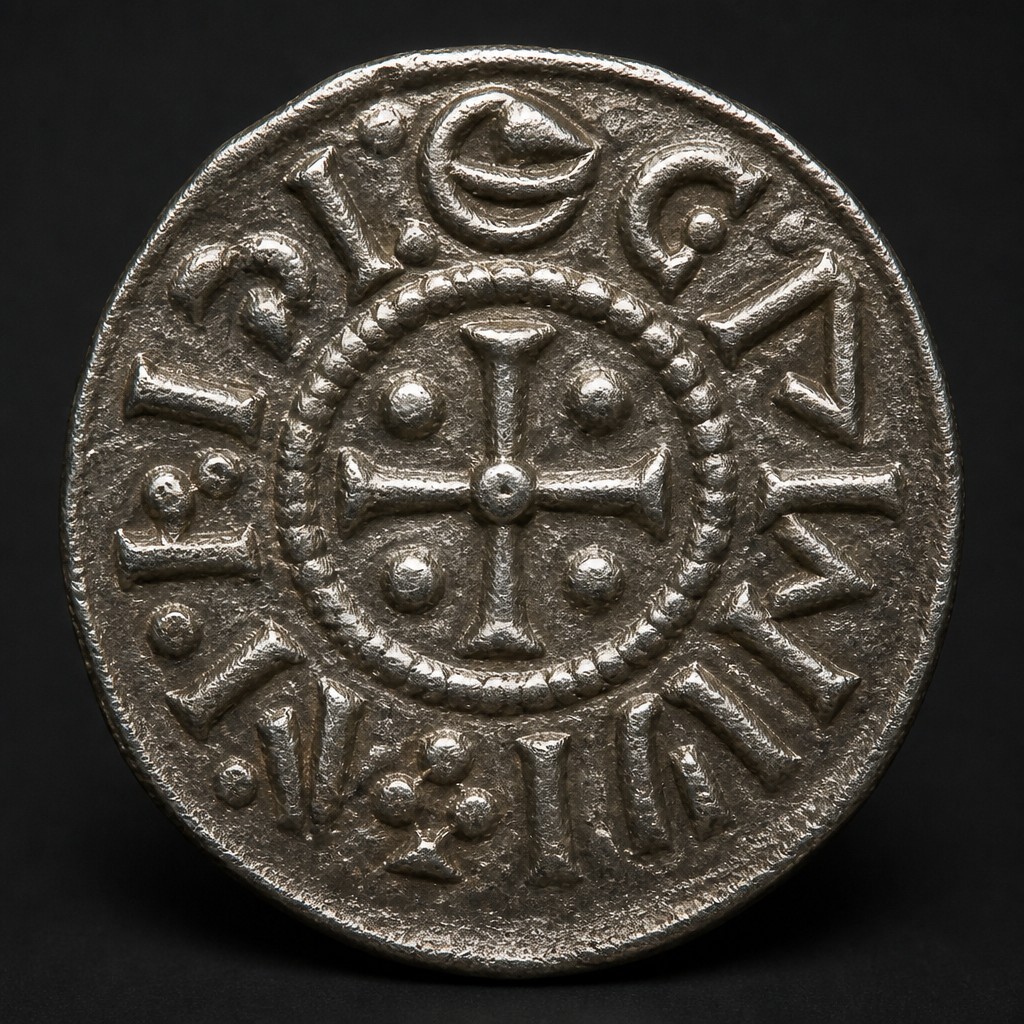
Anglo-Saxon Silver Sceat
c. 680–750 AD
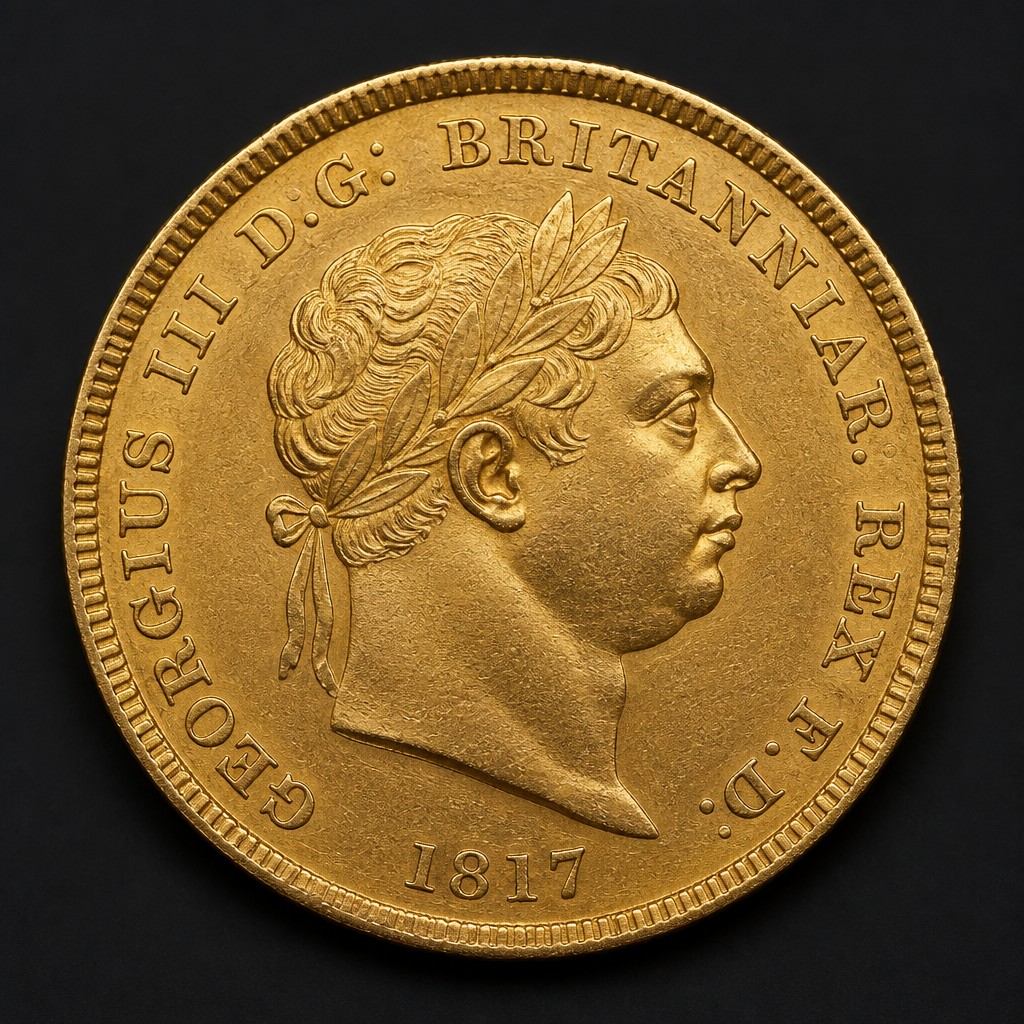
Gold Half Sovereign
1544–1553 (Tudor); 1817–present (modern)
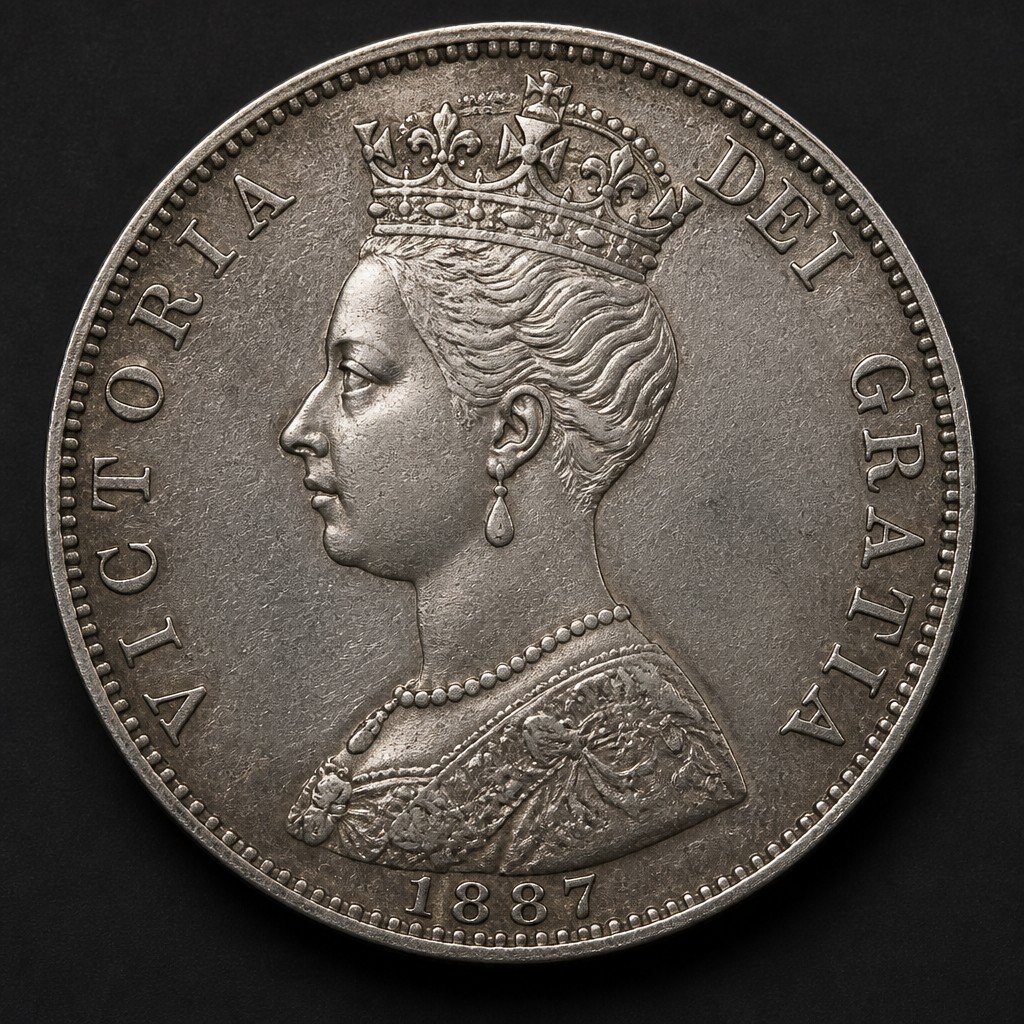
Crown
1551–present
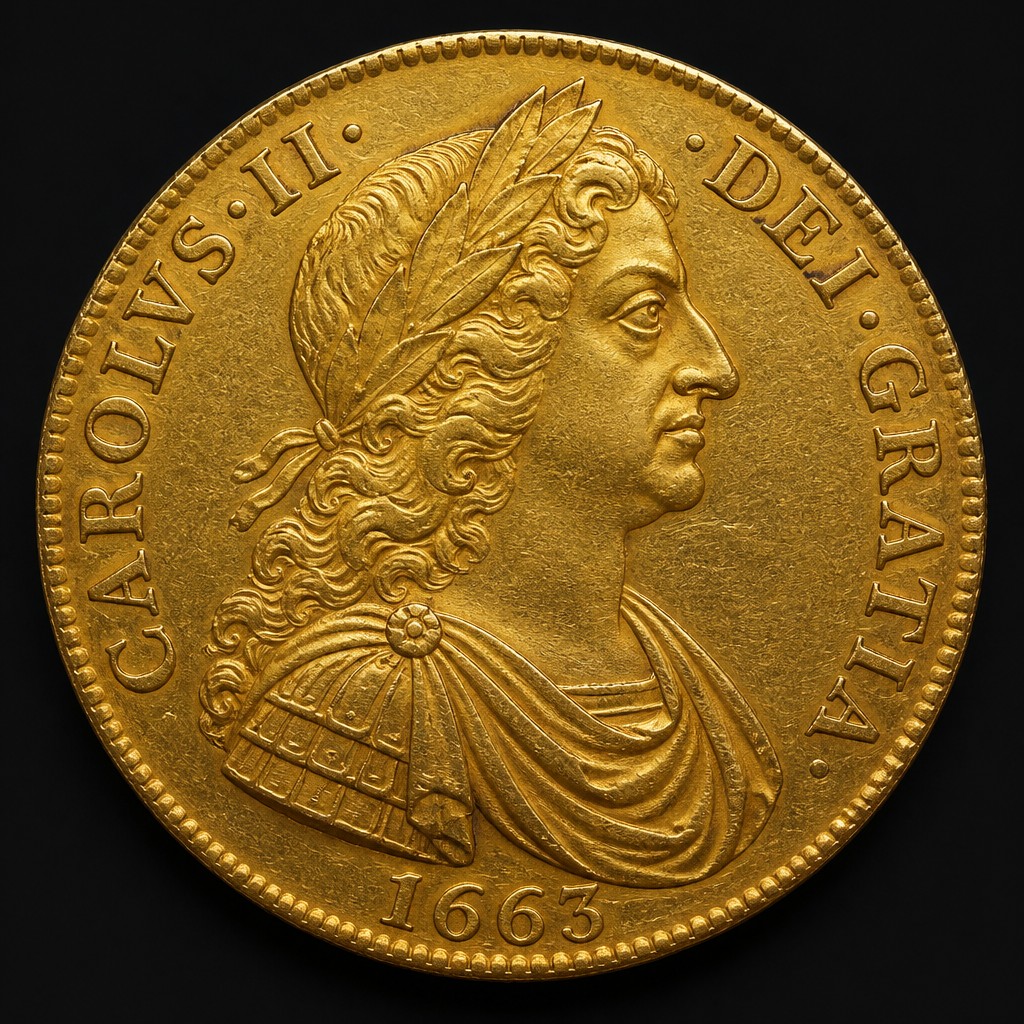
British Guinea
1663–1814
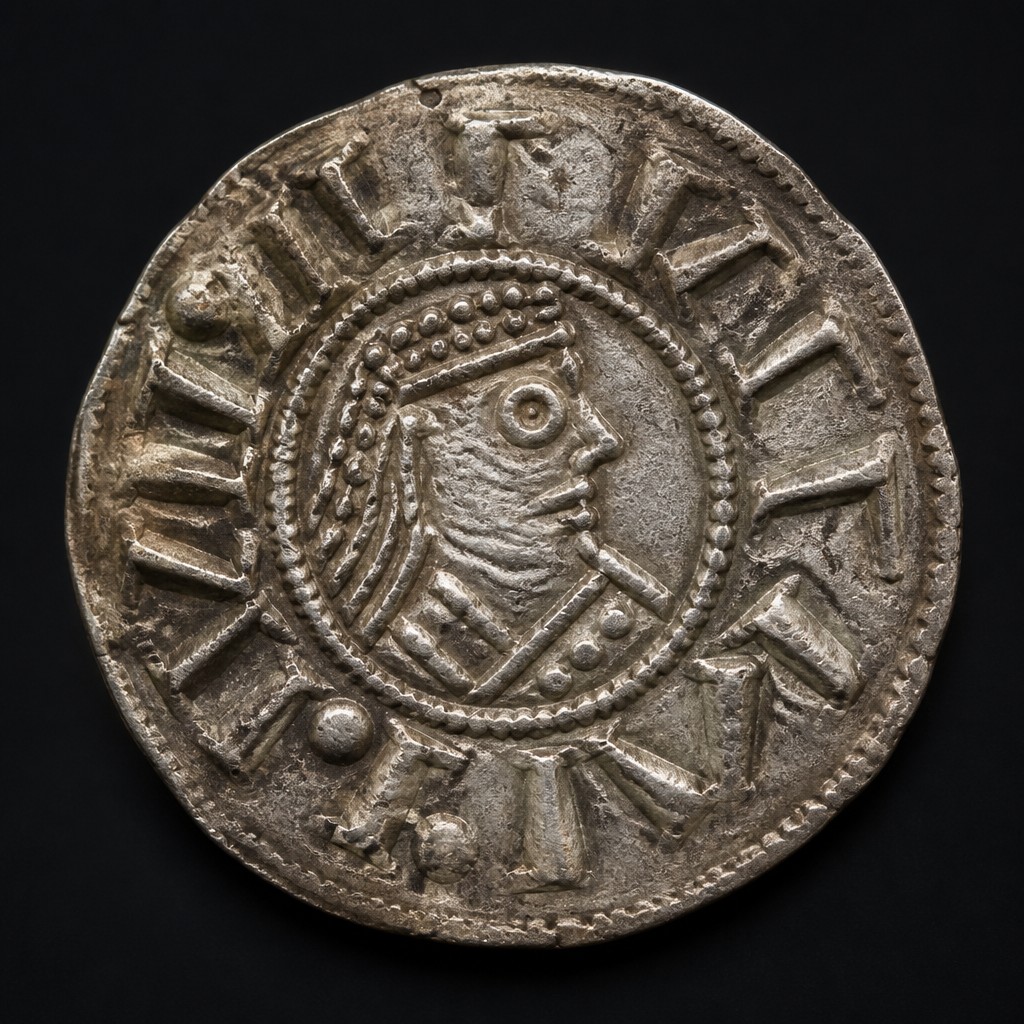
Viking Silver Penny of York
c. 895–954 AD
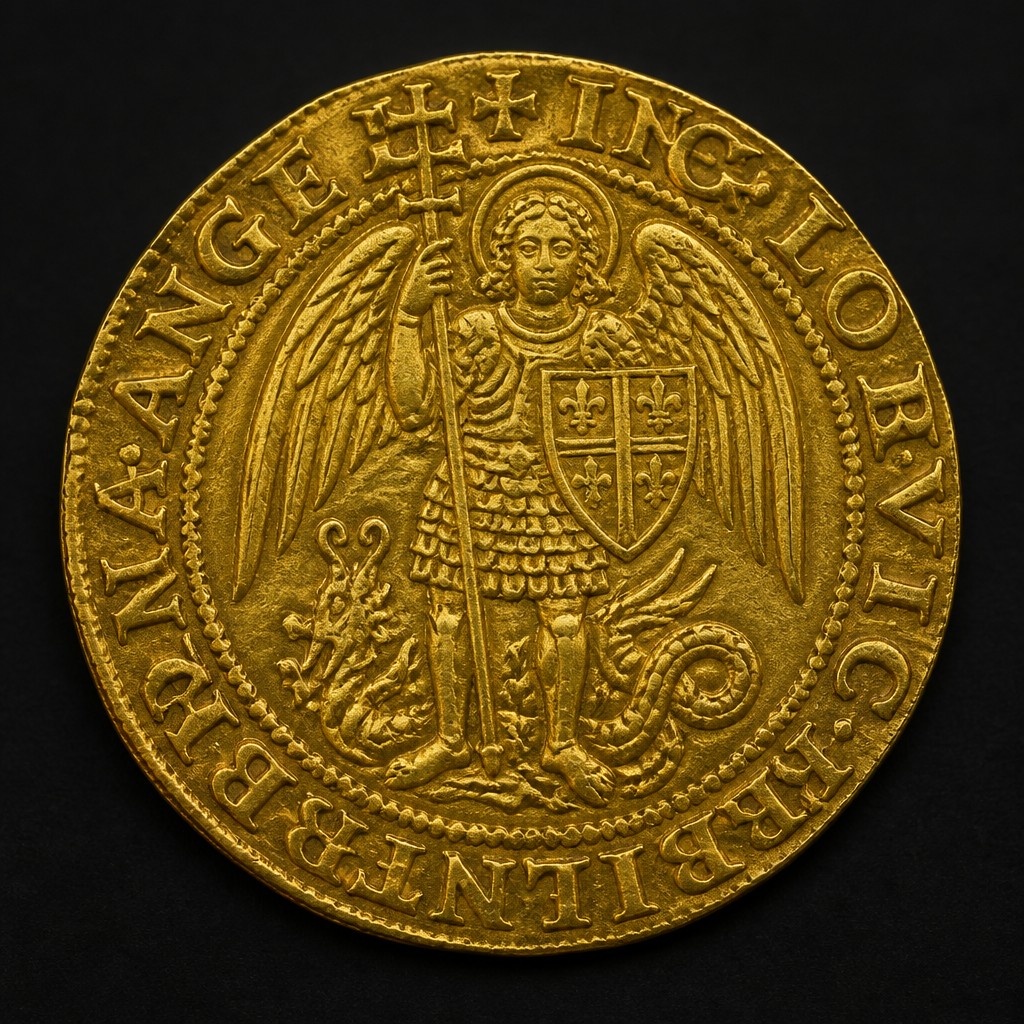
English Angel
1465–1642
English Sovereign of Henry VII
1489–1509