
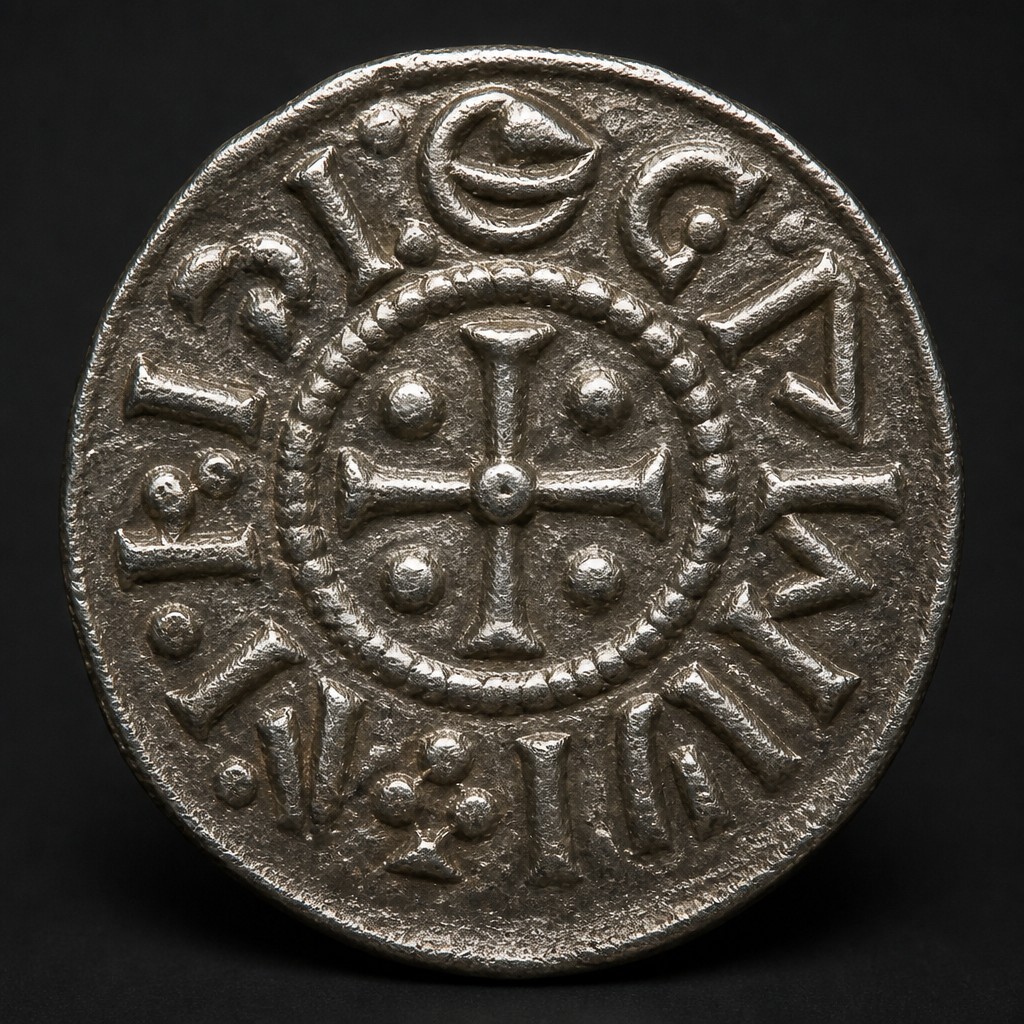
Anglo-Saxon Silver Sceat
Small, thick early Anglo-Saxon silver coin with enigmatic pagan and Christian imagery, the direct forerunner of the later English penny.
- Country
- Anglo-Saxon England
- Denomination
- Sceat
- Metal
- Silver (early issues often high fineness, later debased)
Got a coin like this?
Identify any coin from a photo, free.
Overview
The sceat (plural sceattas) was the primary small-denomination silver coin of England (and parts of Frisia across the North Sea) during the late seventh and early eighth centuries, filling a gap left when earlier gold coinage devalued into low-grade metal. It is a small, thick, dumpy coin, quite distinct in fabric from the thinner pennies that followed it.
Sceattas are notable for their extraordinary variety of designs, ranging from stylized animal and bird figures to human busts, mythological monsters, and runic inscriptions, most of which carry no ruler's name. Because so few issues are inscribed, numismatists classify them into a series of alphabetically labeled "types" (such as the well-known porcupine and Wodan/monster types) based on shared design features rather than historical documentation.
The coinage reflects a vibrant early medieval trading economy linking eastern England with Frisia and the wider North Sea world, predating the more centralized royal coinage that emerged under later Anglo-Saxon kings like Offa.
History & Background
Sceattas emerged in the later seventh century as the gold thrymsa coinage of early Anglo-Saxon England became increasingly debased with silver, eventually giving way entirely to a silver currency. Their appearance coincided with growing trade contacts between eastern English kingdoms and Frisia (in the modern Netherlands), and many sceat types circulated on both sides of the North Sea.
Because the vast majority of sceattas bear no ruler's name, place of origin, or explicit date, their attribution relies almost entirely on hoard evidence, metal analysis, and stylistic comparison, an ongoing subject of numismatic research. A handful of types do carry legible names, including issues associated with the kingdom of Northumbria and early London-related coinage sometimes linked to the mint name Lundonia.
By the mid-eighth century, sceattas were gradually superseded by the broader, thinner silver penny introduced under King Offa of Mercia, marking the beginning of a more centralized and inscribed English coinage tradition.
How to Identify
Sceattas are small and notably thick and dumpy compared to later medieval pennies, typically around 10–12mm in diameter but with a chunky profile. Designs vary enormously between the dozens of recognized "series," but common motifs include a stylized bird or beast (the so-called porcupine type, actually usually interpreted as a degenerated horse or lion image), a facing or profile human bust, animals such as wolves or birds of prey, and geometric or runic patterns.
Most types lack a legible legend naming a ruler or mint; where inscriptions do appear, they are often blundered, pseudo-literate copies of earlier Roman-style lettering, or occasionally genuine runic script. This absence of clear attribution is a defining identification challenge of the series.
Silver fineness varies considerably by type and period, with earlier sceattas generally of higher purity and later issues more debased. Collectors distinguish sceattas from Carolingian deniers or later English pennies primarily by their smaller size, thicker fabric, and characteristic lack of a ruler's name.
Value & Collectibility
Sceattas are popular among specialists in early medieval British coinage, and prices vary widely by type rarity, condition, and design clarity. Common, well-represented types can often be acquired for well under a few hundred dollars, while rare series or exceptionally well-struck examples can reach into the thousands.
Because so many types remain imperfectly understood, well-documented find spots and clear attribution to a known series add significant value and interest for collectors and researchers alike.
Condition assessment focuses on strike clarity and centering rather than wear alone, since even lightly circulated examples can show soft or off-center details due to the coin's chunky fabric and hand-striking technique.
Frequently asked questions
What does 'sceat' mean?
Sceat is an Old English word related to money or treasure, used by modern numismatists to describe this class of small early Anglo-Saxon silver coins.
Why do most sceattas lack a ruler's name?
Early Anglo-Saxon coinage was often issued by local or commercial authorities rather than a strong centralized royal mint, so most designs are anonymous and classified by style instead.
What replaced the sceat?
The broader, thinner silver penny, introduced under King Offa of Mercia in the mid-to-late eighth century, gradually replaced sceat coinage.
Were sceattas used outside England?
Yes, many types circulated across the North Sea in Frisia, reflecting close trade ties between eastern England and the Frisian coast.
How are sceat types classified?
Numismatists group them into series labeled with letters (such as Series A, B, C) based on shared design and metallurgical characteristics rather than inscriptions.
Other coins you may enjoy
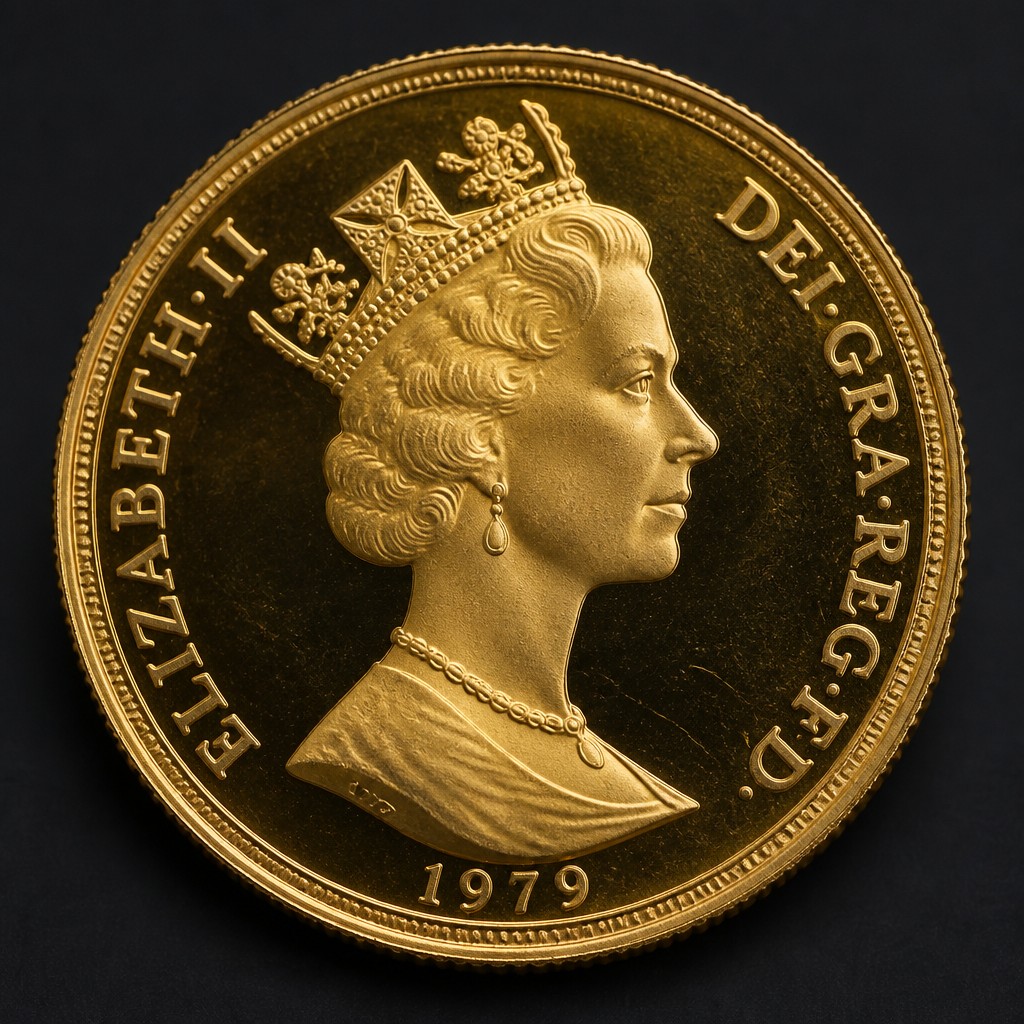
British Sovereign (modern proof)
1979–present (modern proof era)
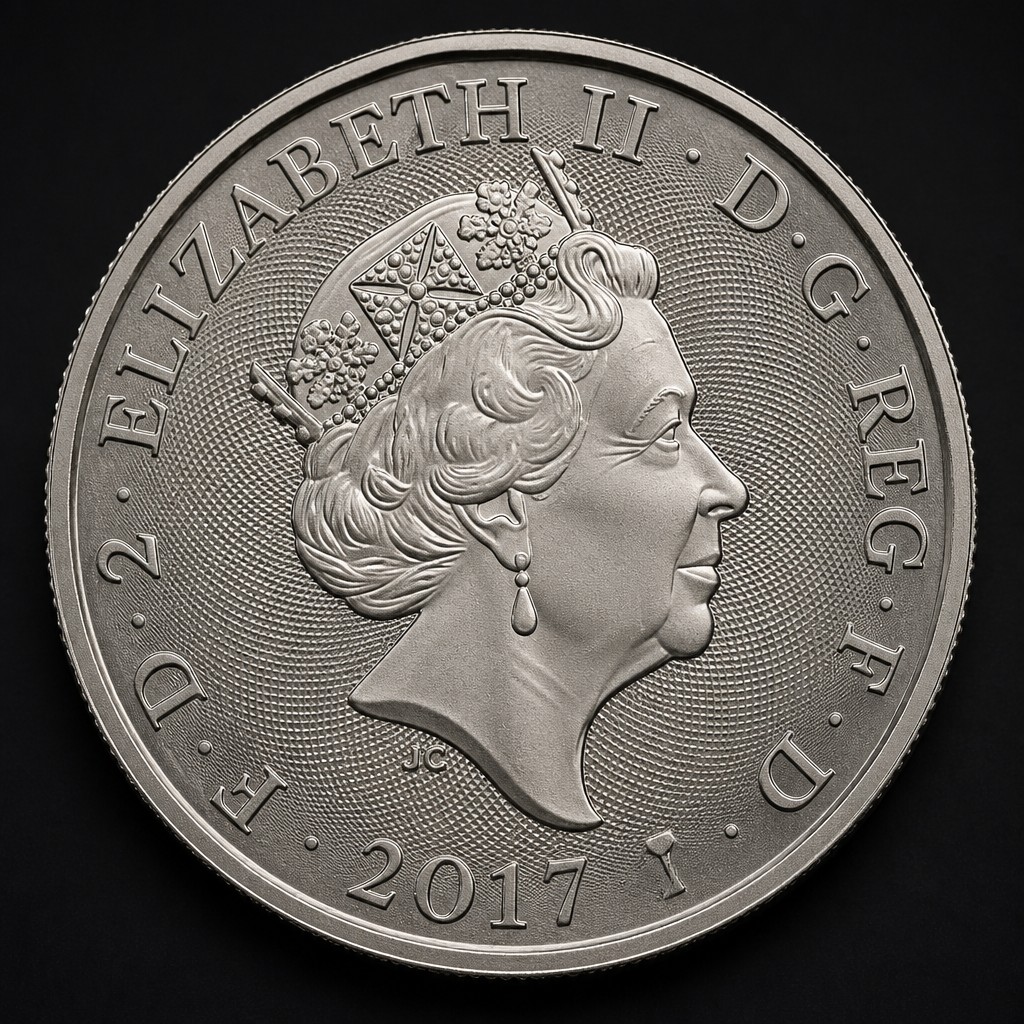
British Queen's Beasts Silver Series
2016-2021
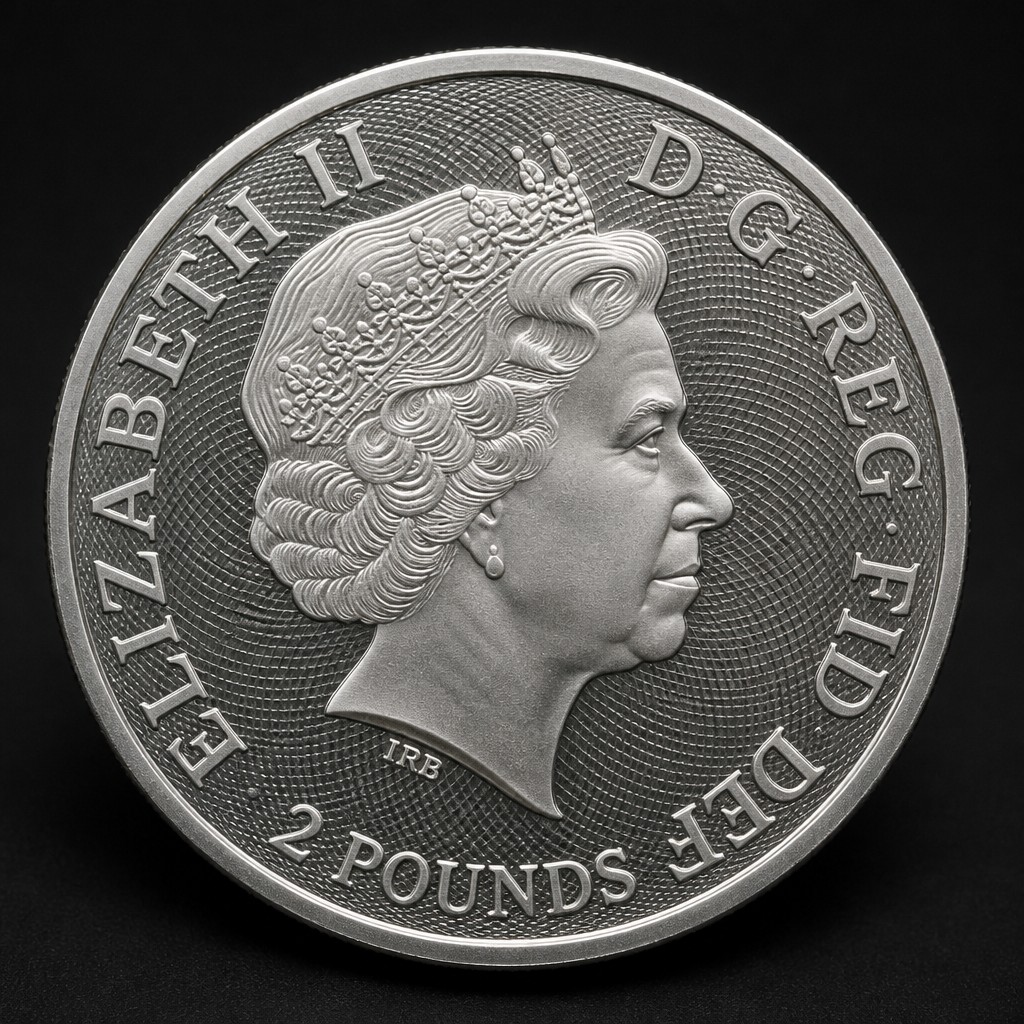
British Silver Lunar Series
2014-present
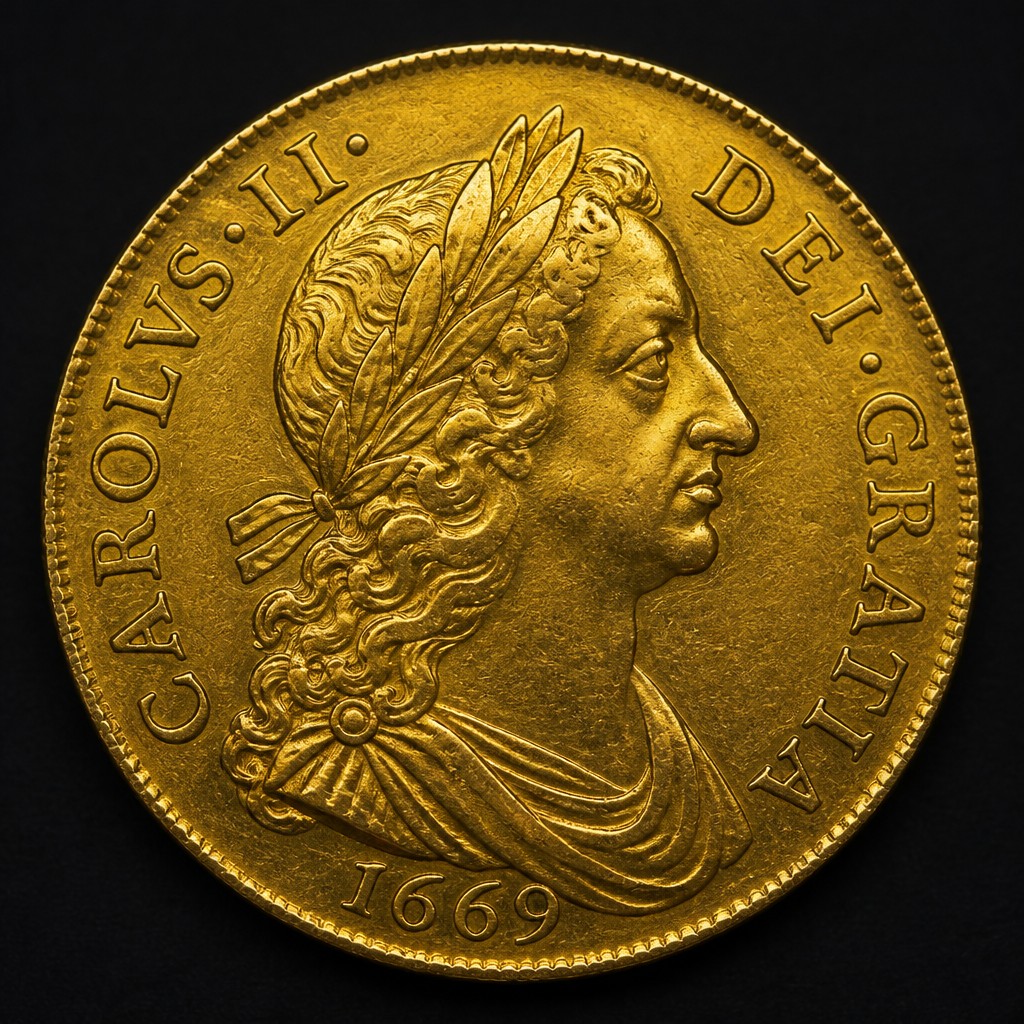
Half Guinea
1669–1813
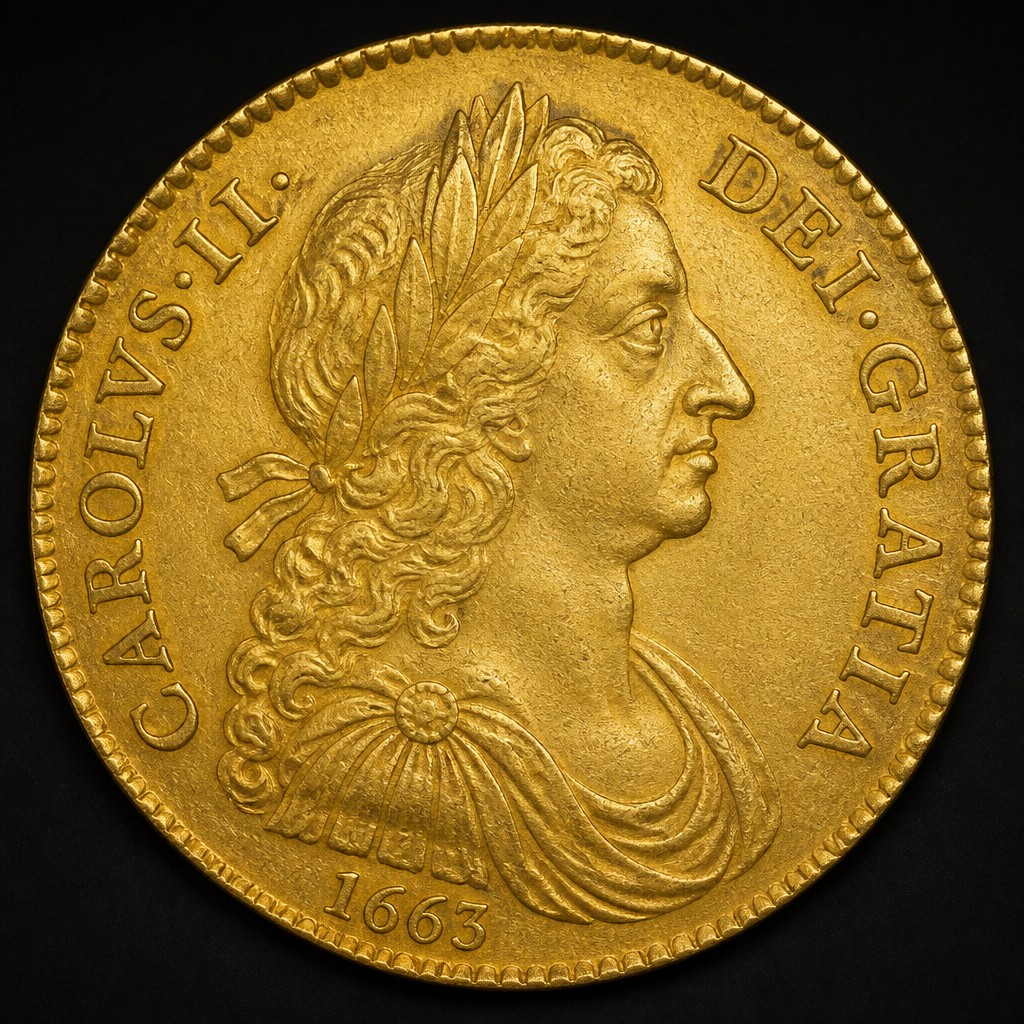
Guinea
1663–1813
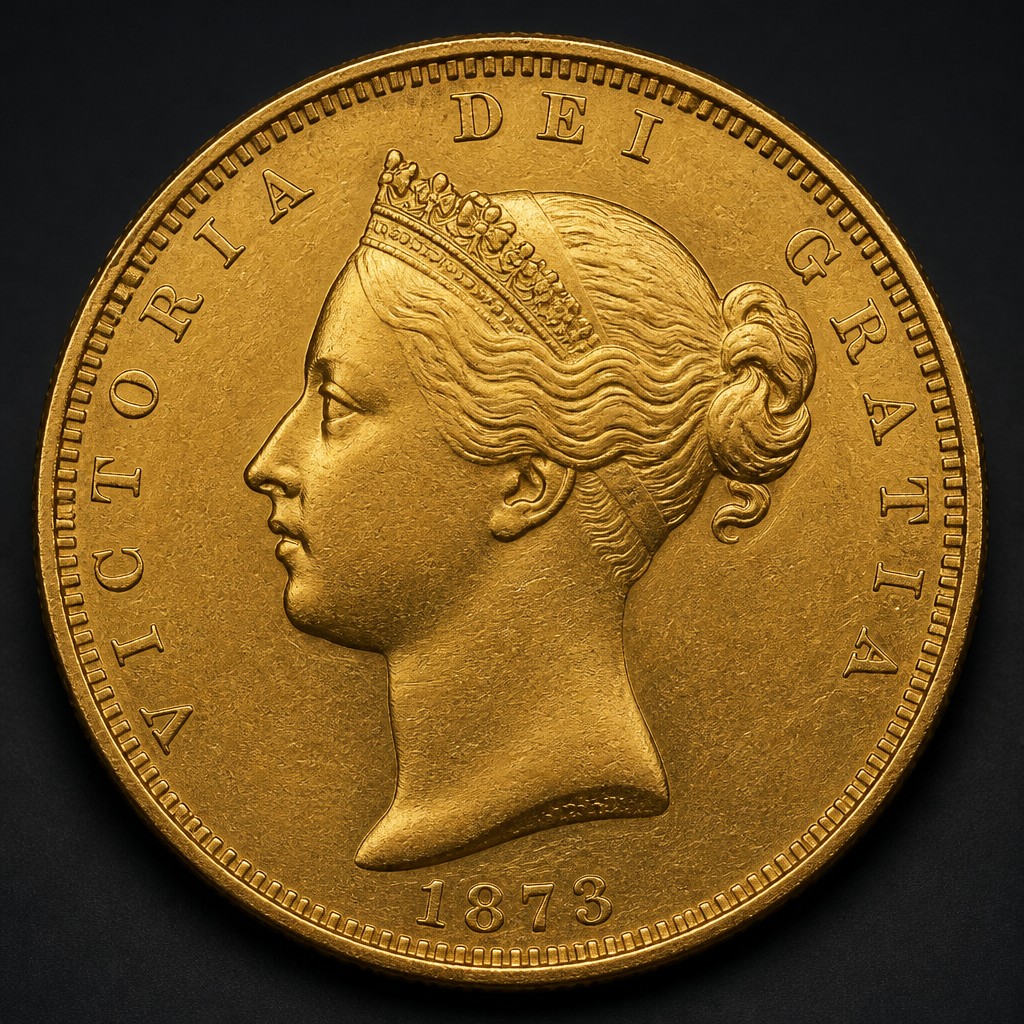
Gold Sovereign
1489–1604 (Tudor); 1817–present (modern)
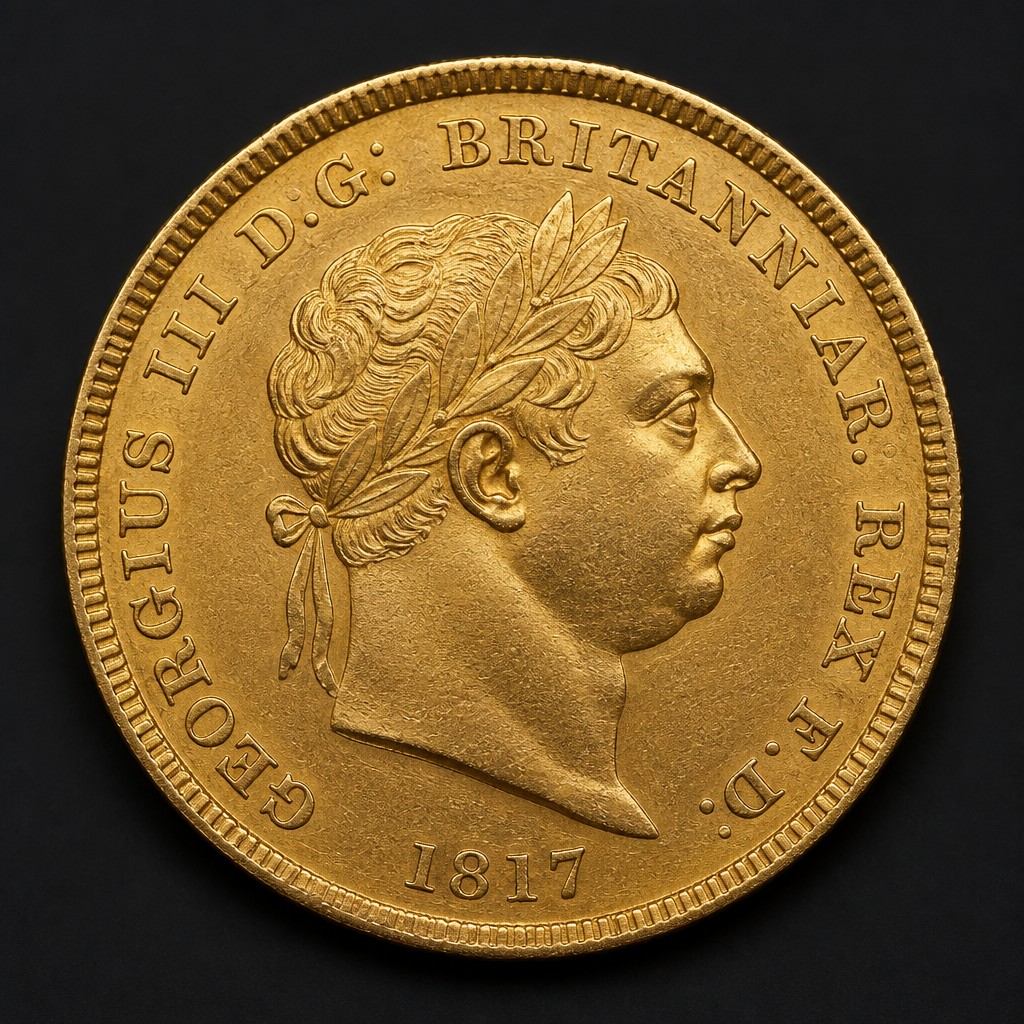
Gold Half Sovereign
1544–1553 (Tudor); 1817–present (modern)
Crown
1551–present
British Guinea
1663–1814
Viking Silver Penny of York
c. 895–954 AD
English Angel
1465–1642
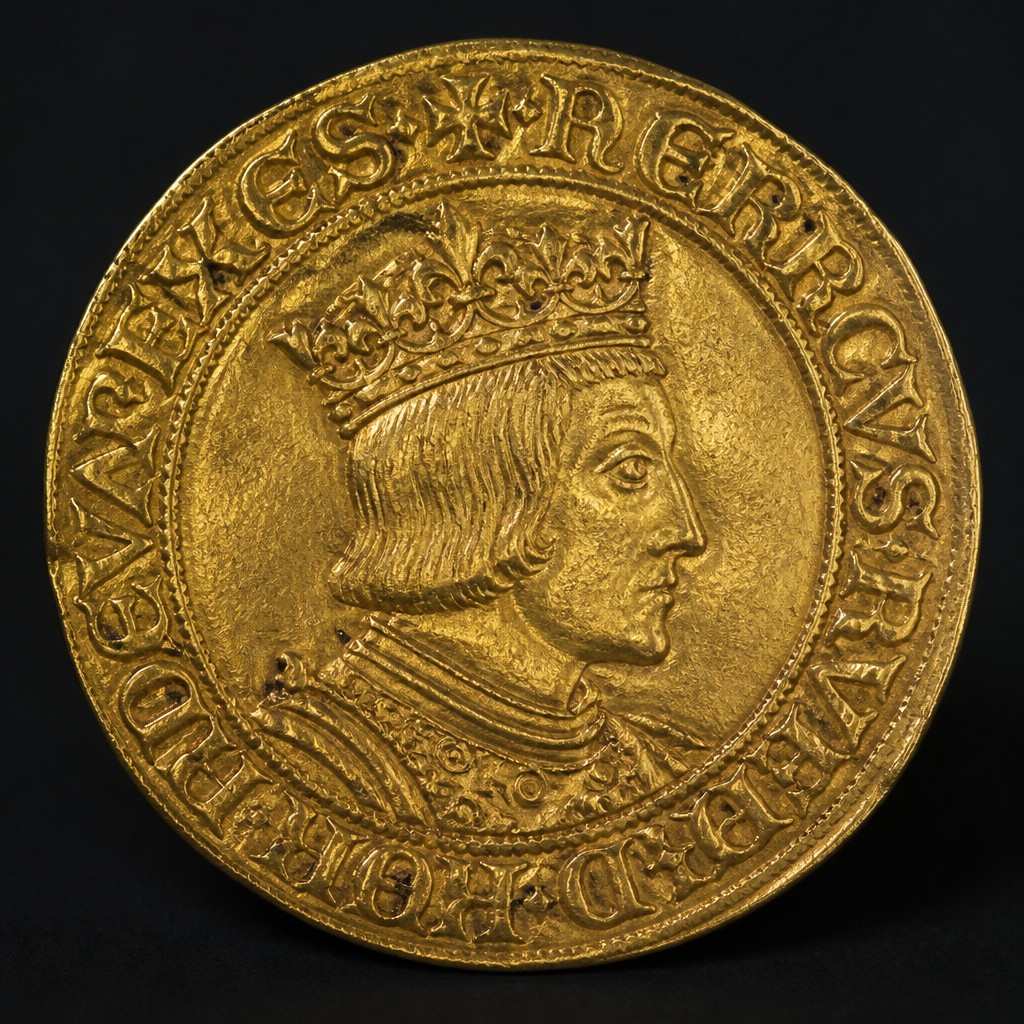
English Sovereign of Henry VII
1489–1509