
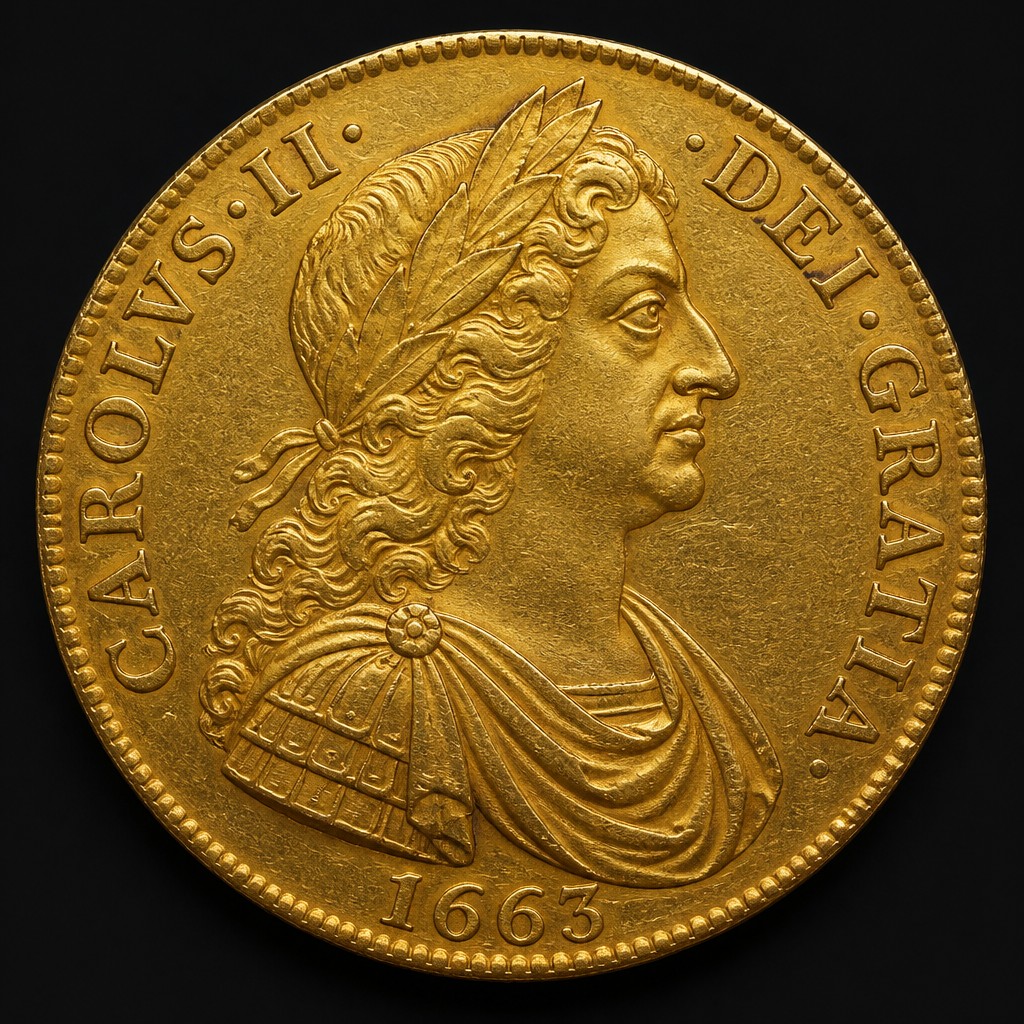
British Guinea
England's premier gold coin for over 150 years, named for the West African region that supplied much of its gold and eventually valued at 21 shillings.
- Country
- Great Britain (England)
- Denomination
- 1 Guinea (fixed at 21 shillings from 1717)
- Metal
- Gold, approximately .917 fine
Got a coin like this?
Identify any coin from a photo, free.
Overview
The guinea was Great Britain's principal gold coin from the reign of Charles II until it was superseded by the modern sovereign in the early nineteenth century. Its name comes from the Guinea region of West Africa, a major source of the gold used in the coin's early production, much of it supplied through the Royal African Company.
Originally intended to be worth 20 shillings, the same as the pound sterling, the guinea's actual market value fluctuated with the price of gold relative to silver, sometimes trading well above face value. In 1717, following recommendations from Isaac Newton in his role as Master of the Mint, the guinea's value was formally fixed at 21 shillings, a rate at which it remained a standard unit of account in British commerce, especially for professional fees and luxury goods, long after the coin itself stopped being struck.
Guineas were issued in several related denominations, including the half-guinea, two-guinea, and five-guinea pieces, and their designs changed with each monarch's portrait, making the series a natural chronological set for collectors of British gold coinage.
History & Background
Charles II introduced the guinea in 1663 as part of a broader effort to modernize English coinage using new screw-press machinery, replacing older hand-hammered gold coins with a more uniform, harder-to-counterfeit product. Its gold supply, drawn substantially from West Africa via the Royal African Company, gave the coin its enduring name even after gold sources diversified.
Throughout the seventeenth and eighteenth centuries, the guinea's market value drifted above its nominal 20-shilling face value because gold was undervalued relative to silver in the official mint ratio, leading to periodic official revaluations. The 1717 fixing of the guinea at 21 shillings, guided by Newton's analysis of bimetallic ratios, effectively helped push England toward a de facto gold standard well before it was formally adopted.
The guinea continued through the reigns of successive monarchs, including a famous late design known as the 'spade guinea' for its shield shape resembling a spade, until wartime gold shortages and monetary reform led to the last guineas being struck around 1813, with the sovereign formally replacing it as Britain's standard gold coin from 1817.
How to Identify
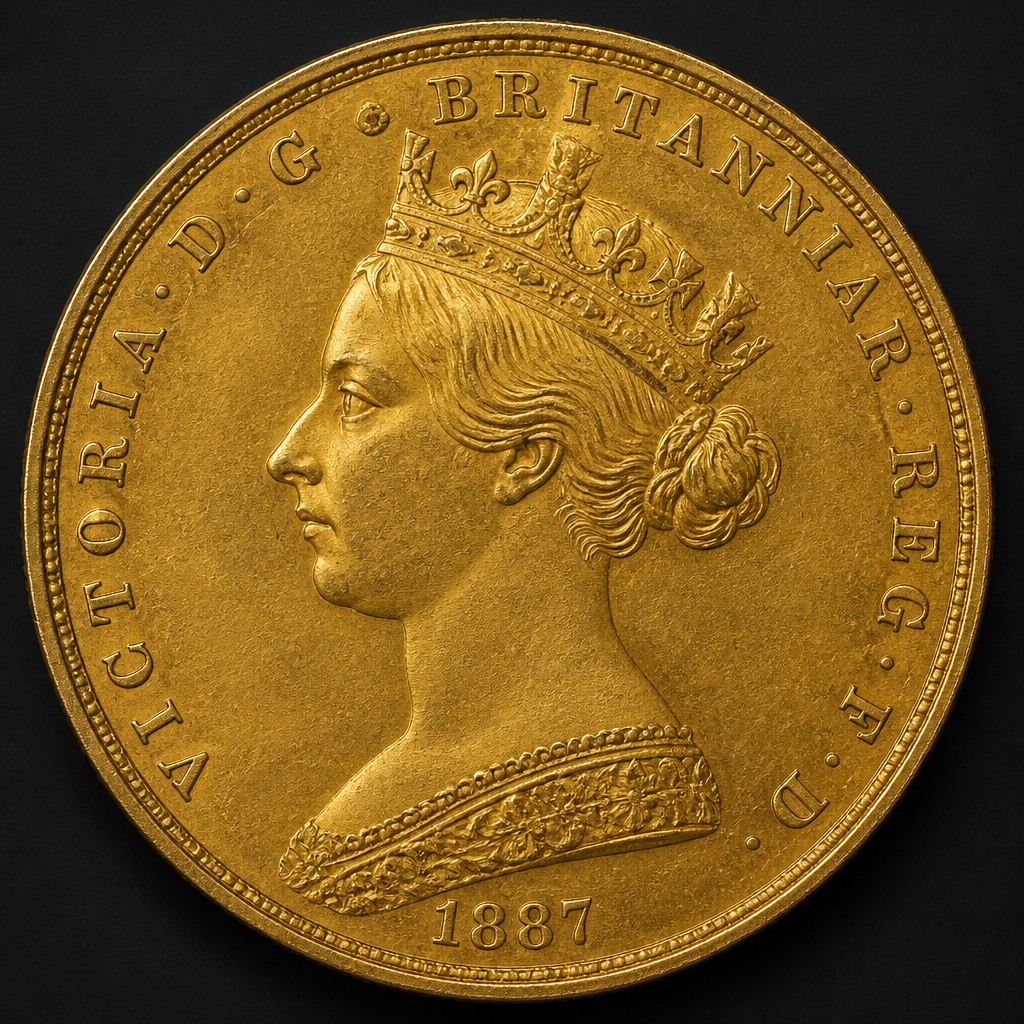
The obverse of a guinea bears a portrait of the reigning monarch, changing in style across the reigns of Charles II, James II, William and Mary, William III, Anne, George I, George II, and George III, with the monarch's name in the legend. The reverse typically features a crowned shield of the royal arms, and early guineas made with African Company gold sometimes show a small elephant, or elephant and castle, symbol below the bust denoting that gold source.
The coin is small and thick for its value, generally around 25mm in diameter, reflecting its dense gold content of about .917 fine. Later George III guineas from the 1780s onward are commonly called 'spade guineas' due to the shield on the reverse being shaped like a spade, a distinctive and easily recognized late-series design.
Related denominations, including the half-guinea, two-guinea, and five-guinea pieces, share the same general design language scaled to different sizes, and collectors distinguish them primarily by diameter and weight rather than design differences alone.
Value & Collectibility
Common date guineas in worn condition, especially later George III issues, are attainable for collectors and often trade in the low thousands of dollars depending on gold content and condition, since the coin's underlying gold value plus historical demand both factor into pricing. Scarcer earlier reigns, particularly well-preserved Charles II or James II guineas, command significantly higher premiums.
Condition has an outsized effect on value because guineas circulated actively and wear quickly reduces detail on the portrait and shield; sharply struck, lightly circulated, or uncirculated examples can be worth many times the price of heavily worn coins of the same date. Five-guinea pieces, being larger and rarer, are especially prized and can reach very high values in top condition.
As with all historic gold coinage, buyers should verify authenticity and weight, since guineas have been targeted by counterfeiters both historically and in the modern collectibles market.
Frequently asked questions
Why was it called a guinea?
The coin took its name from the Guinea region of West Africa, a key source of the gold used in early production.
How much was a guinea worth?
Originally intended as 20 shillings, it was formally fixed at 21 shillings in 1717 and remained a common unit for pricing professional services long after.
What replaced the guinea?
The modern sovereign, introduced in 1817, took over as Britain's standard gold coin after the last guineas were struck around 1813.
What is a spade guinea?
It is the popular name for the late George III guinea design, whose reverse shield is shaped like a spade.
Other coins you may enjoy
English Angel
1465–1642
English Sovereign of Henry VII
1489–1509
English Crown
1526–1965 (pre-decimal; commemorative crown-sized coins continue as five pound coins)
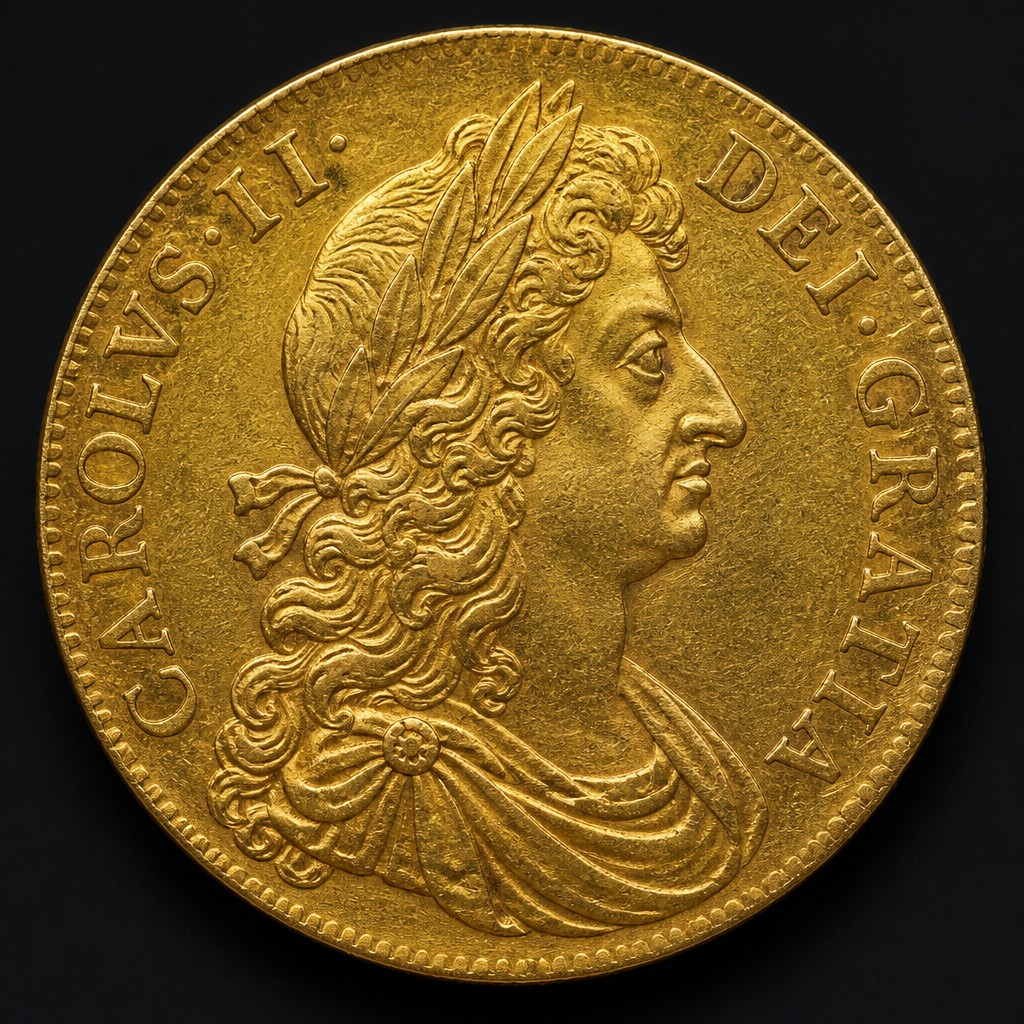
British Gold Guinea
1663–1814
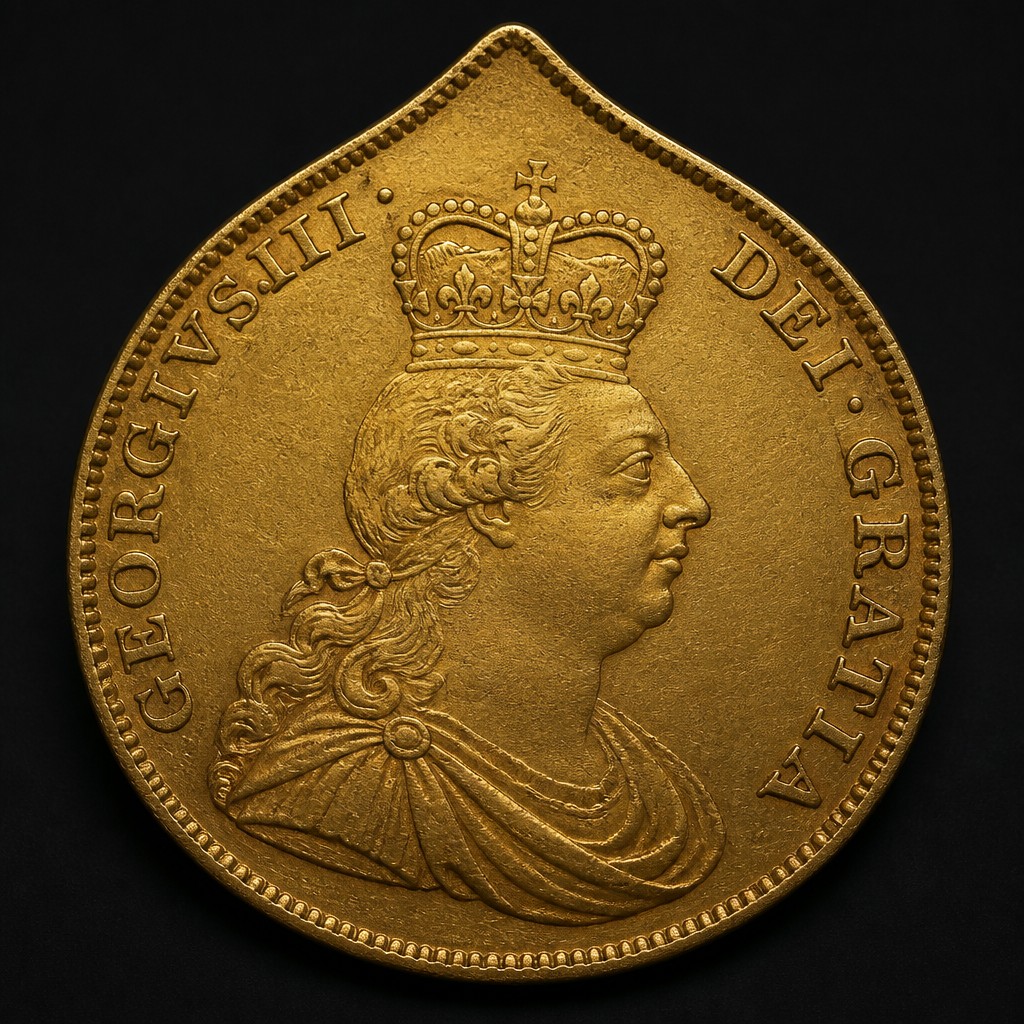
Spade Guinea
1787–1799
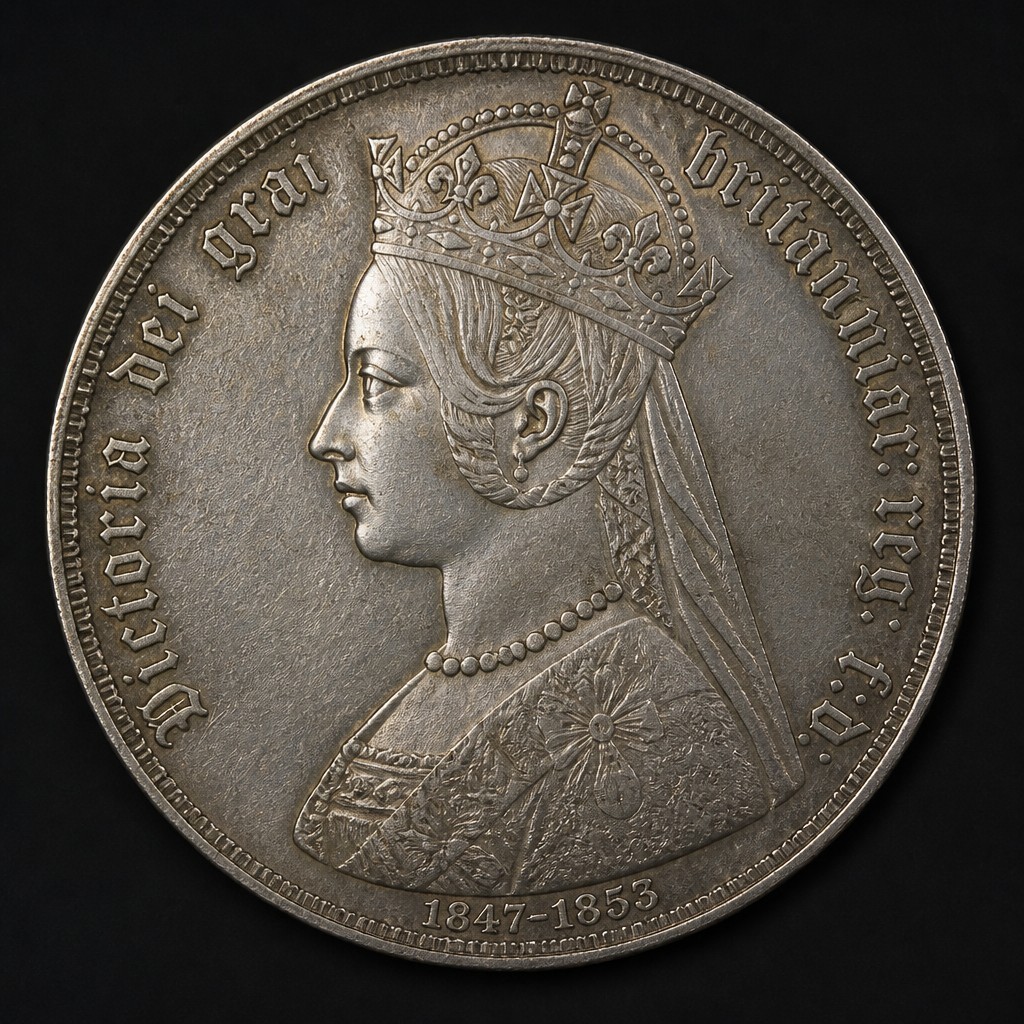
Gothic Crown
1847–1853
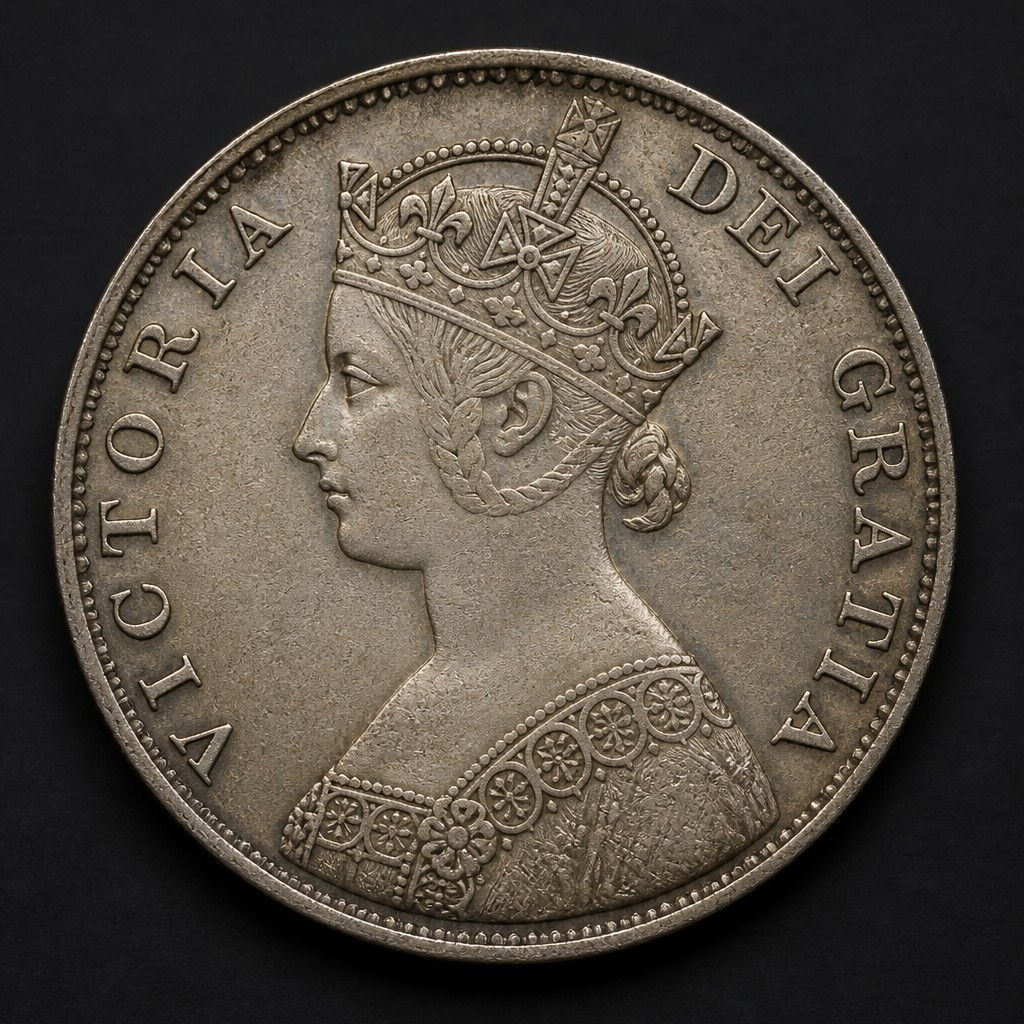
Groat (Fourpence)
1279–1888 (various revivals)
Farthing
13th century–1956
Halfpenny
c. 800s–1969
Five Pound Gold (Quintuple Sovereign)
1820–present (intermittent)
Threepence
1547–1970
Double Sovereign
1820s–present (intermittent)