
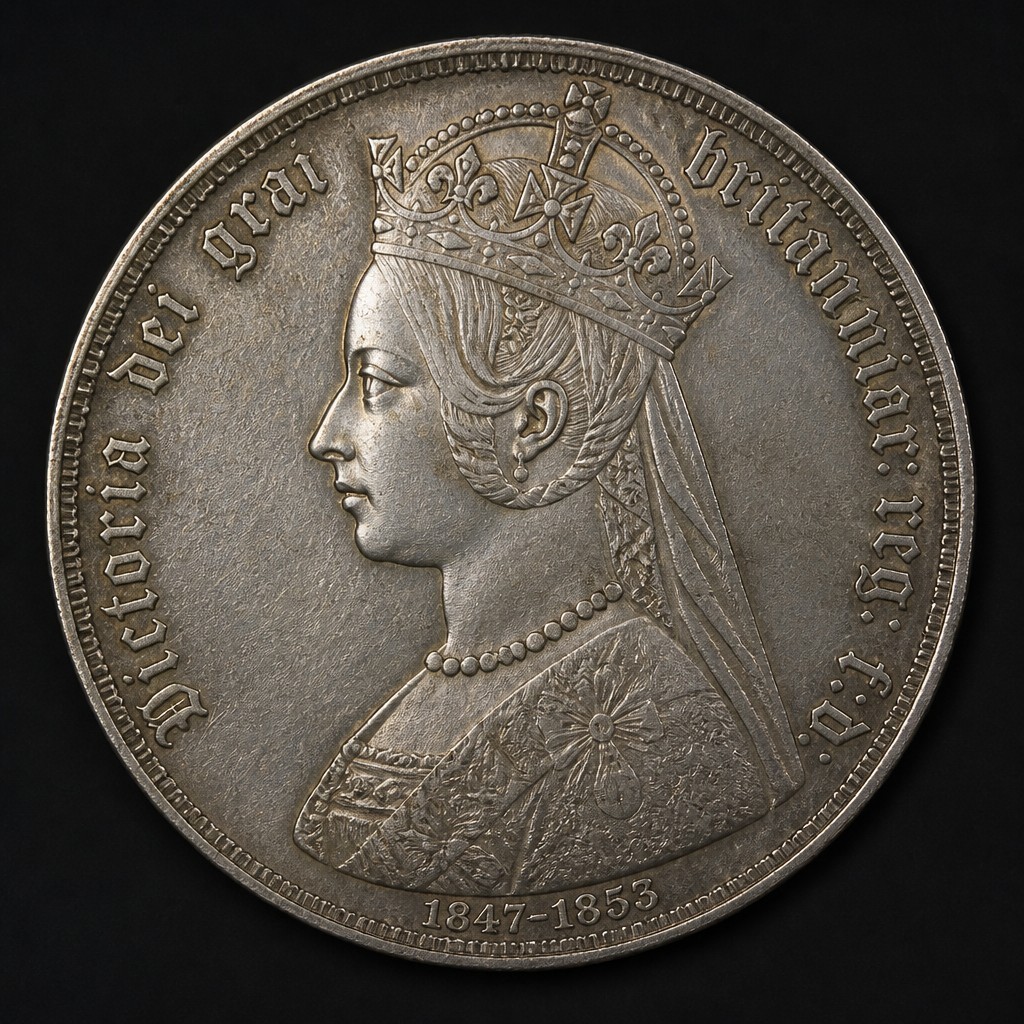
Gothic Crown
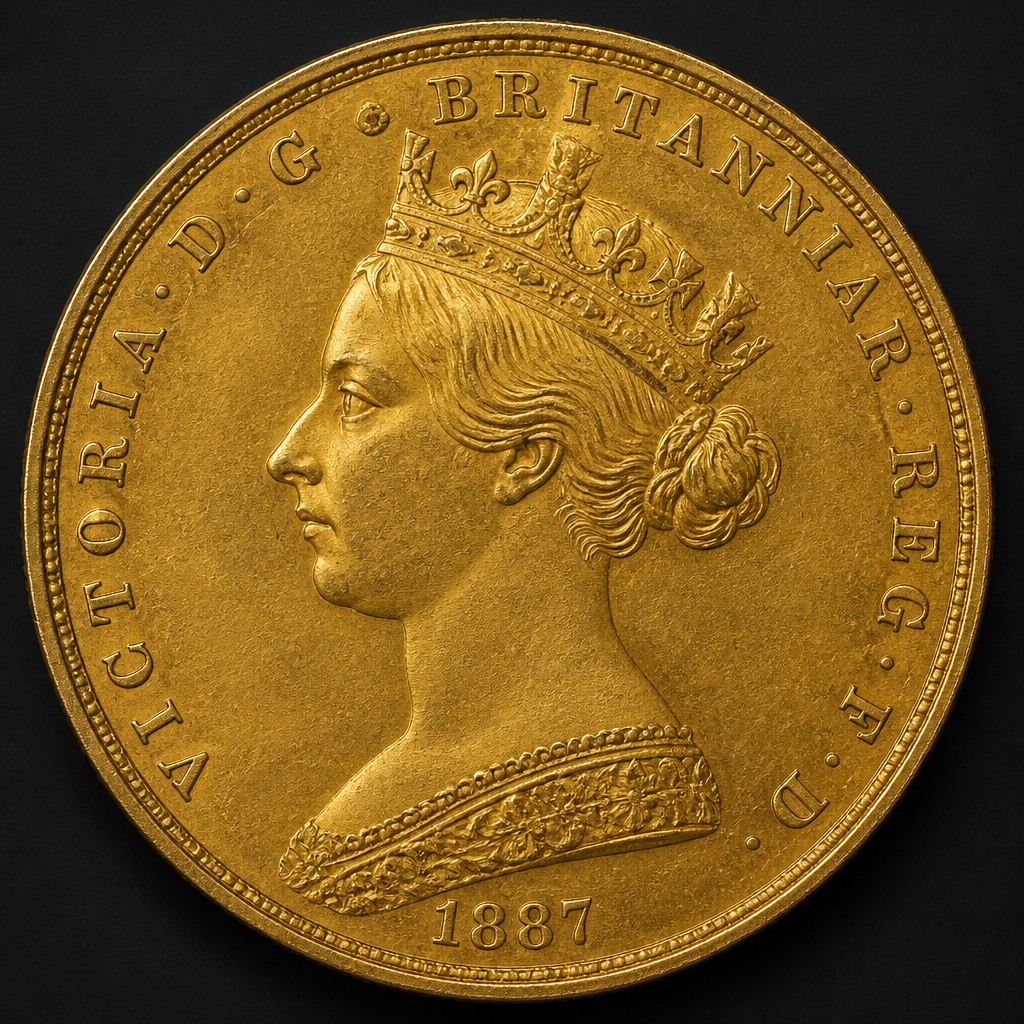
An ornate Victorian silver crown featuring a young Queen Victoria in Gothic-script lettering, widely admired as one of the most artistically accomplished coins in British history.
- Country
- United Kingdom
- Denomination
- Crown (Five Shillings)
- Metal
- Sterling Silver (.925)
Got a coin like this?
Identify any coin from a photo, free.
Overview
The Gothic Crown is a five-shilling silver coin struck for Queen Victoria in the mid-nineteenth century, named for the archaic Gothic-style lettering used in its legends rather than any connection to the Gothic period of history. Designed by William Wyon, it is celebrated for its intricate detail, elegant young portrait of the queen, and elaborate cruciform reverse of crowned shields.
Collectors and design enthusiasts regard the Gothic Crown as one of the high points of Victorian coin artistry, and it is frequently cited alongside the Una and the Lion five pound piece as an example of the era's finest engraving work.
Because it was struck in relatively limited numbers over a short run of years, and largely as a proof or presentation piece rather than heavily circulated money, well-preserved examples remain both desirable and comparatively scarce.
History & Background
William Wyon designed the Gothic Crown in the 1840s as part of a broader effort to modernize and beautify British coinage during Victoria's reign. The coin's date appears not as a separate numeral but spelled out in Roman numerals within the obverse legend itself, a stylistic flourish tied to its Gothic lettering theme.
Issued mainly between 1847 and 1853, with certain years struck only as proofs for collectors, the Gothic Crown was never intended as a heavily circulating workhorse coin in the way earlier and later crowns were. Its production coincided with a period when the Royal Mint was experimenting with more artistic, less purely utilitarian coin designs.
The coin's reputation grew over the following century, and by the twentieth century it had become a benchmark example cited by numismatists discussing the artistic peak of Victorian coinage, alongside later commemorative issues like the 1935 Jubilee Crown.
How to Identify
The obverse shows a youthful, diademed bust of Queen Victoria facing left, encircled by a legend rendered in ornate blackletter (Gothic) script rather than standard Roman capitals, with the date spelled out in Roman numerals as part of that legend. The reverse displays a cruciform arrangement of four crowned shields representing England, Scotland, and Ireland, separated by a rose, thistle, and shamrock, with a small central design at the crossing point.
The coin is struck in sterling silver and matches the size of a standard crown, roughly 38 millimeters in diameter. Its combination of Gothic lettering, the Roman-numeral date within the legend, and the elaborate shield reverse make it instantly distinguishable from Victoria's later 'Jubilee head' or 'old head' crowns, which use conventional lettering and different portraits.
Value & Collectibility
Because certain Gothic Crown dates were struck only in small proof quantities, prices vary enormously depending on the specific year and finish. Common circulation-strike dates in worn condition may be available for a modest sum, while choice uncirculated or proof examples, particularly rarer dates, can command prices well into the thousands of dollars.
Surface preservation is critical, as the coin's fine detail in the shields and lettering shows wear quickly, and cleaned or heavily circulated pieces lose much of their premium. Collectors specializing in Victorian crowns often treat the Gothic Crown as a centerpiece of a type set given its artistic reputation.
Frequently asked questions
Why is it called the Gothic Crown?
It refers to the ornate blackletter (Gothic) script used in the coin's legends, not to any historical Gothic period.
Where does the date appear on the coin?
The date is spelled out in Roman numerals within the obverse legend rather than shown as a separate numeral.
Who designed the Gothic Crown?
William Wyon, a leading Royal Mint engraver of the Victorian era.
Is the Gothic Crown rare?
Some dates were struck only as proofs in small numbers, making certain years genuinely scarce, while other circulation dates are more obtainable.
Other coins you may enjoy
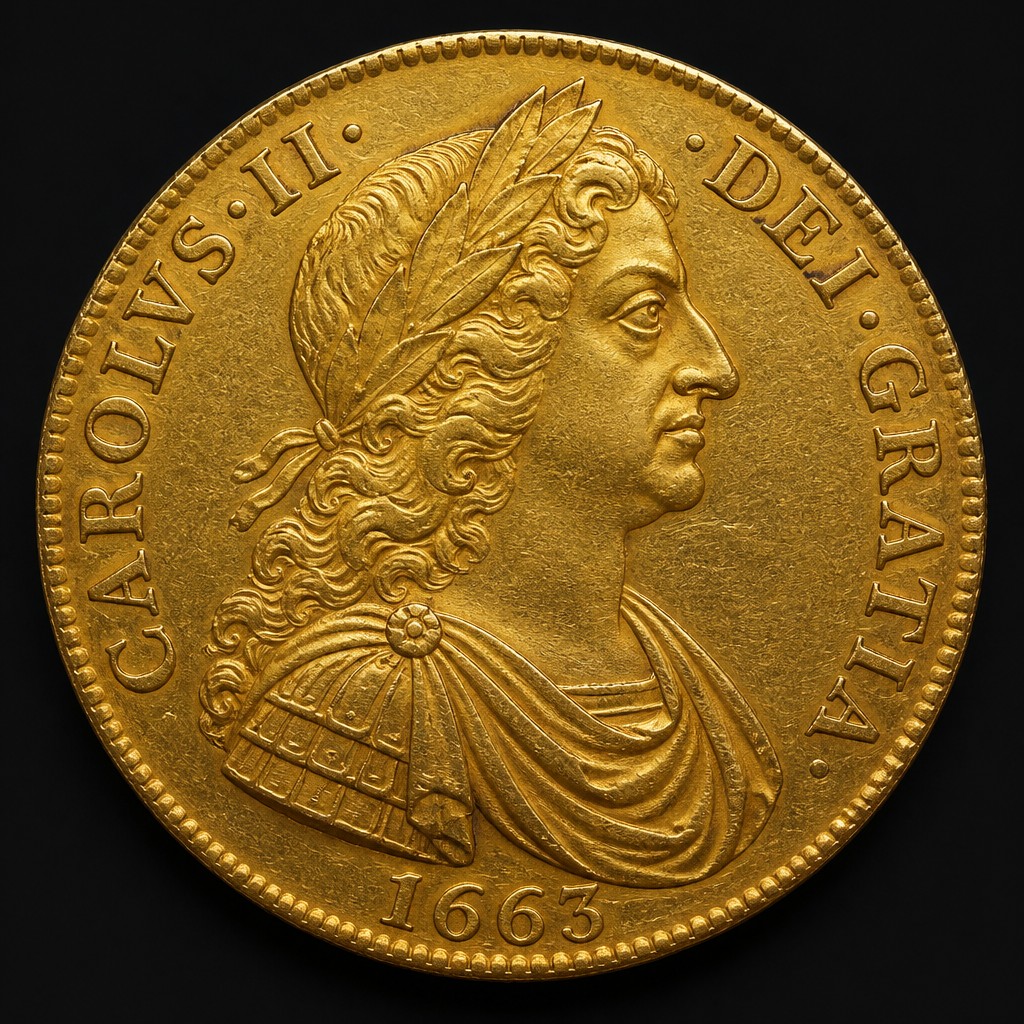
British Guinea
1663–1814
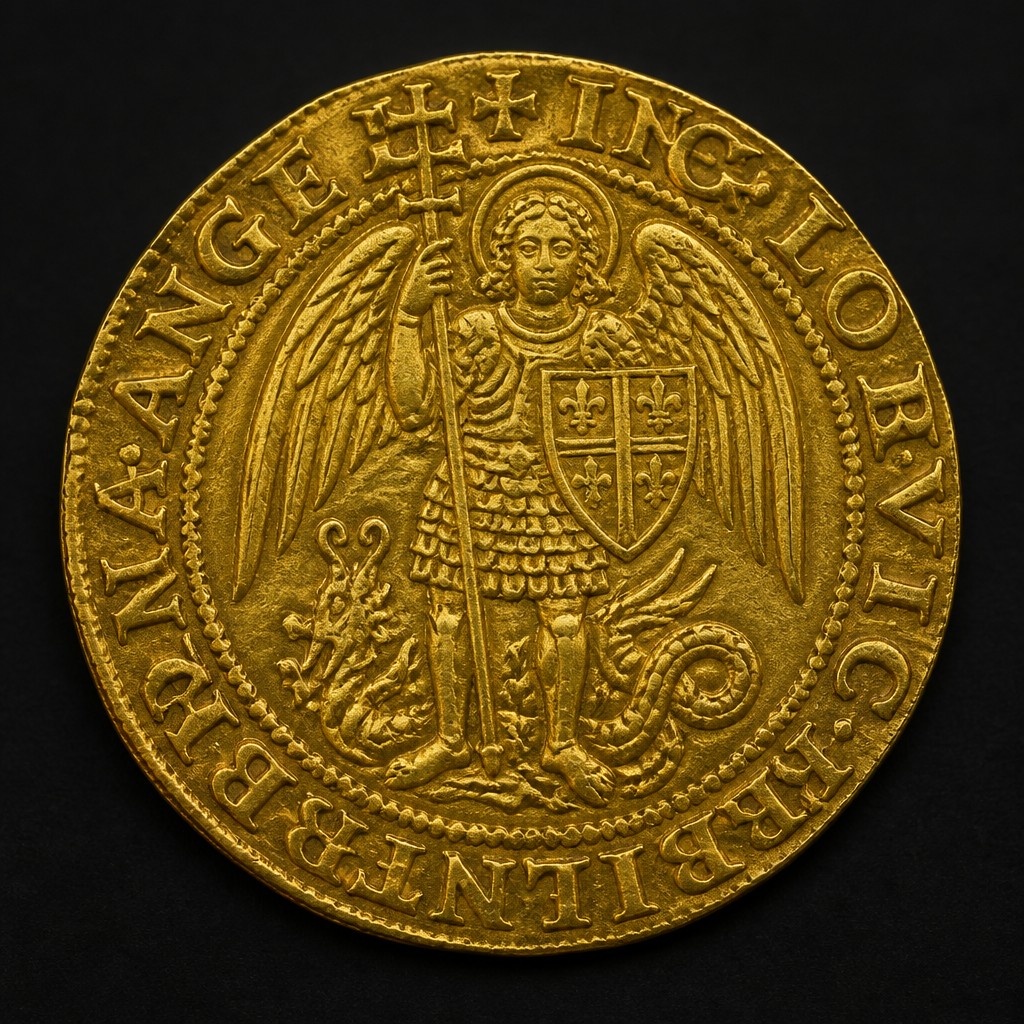
English Angel
1465–1642
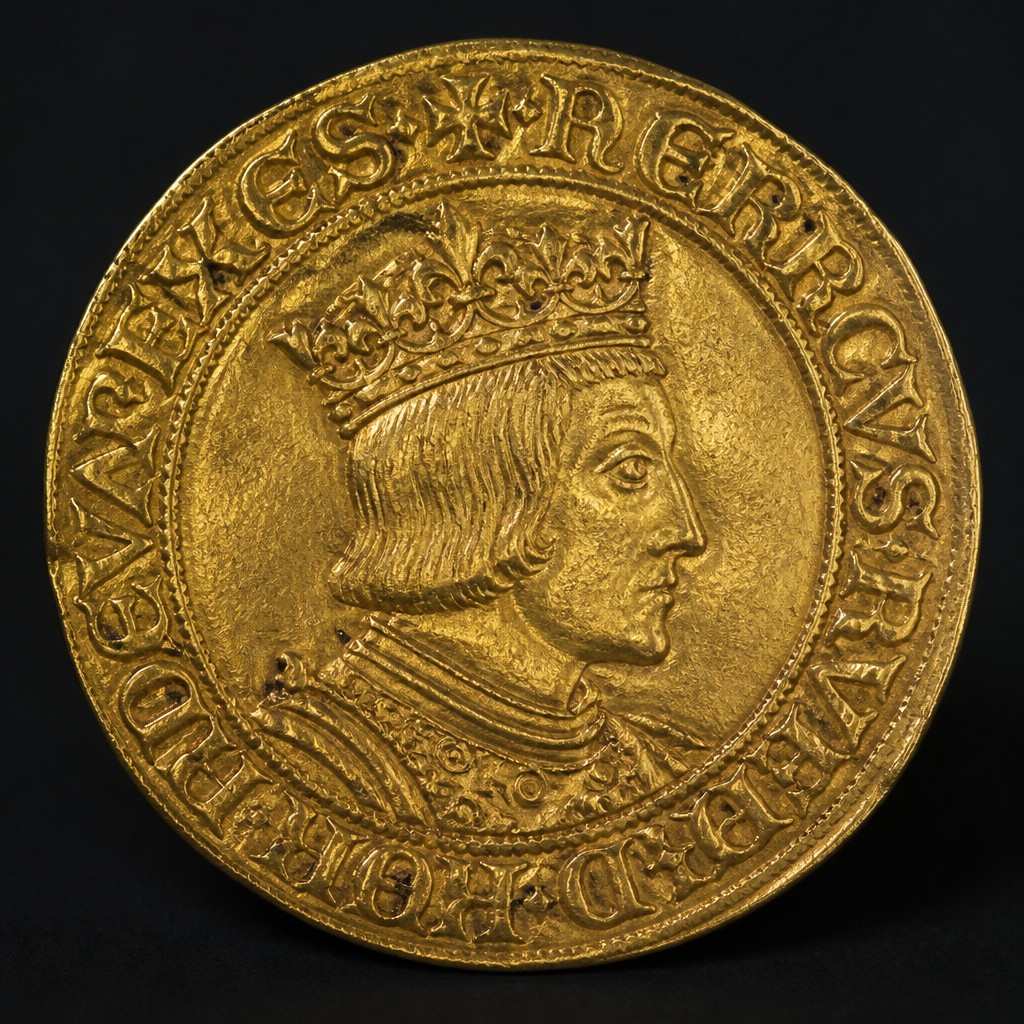
English Sovereign of Henry VII
1489–1509
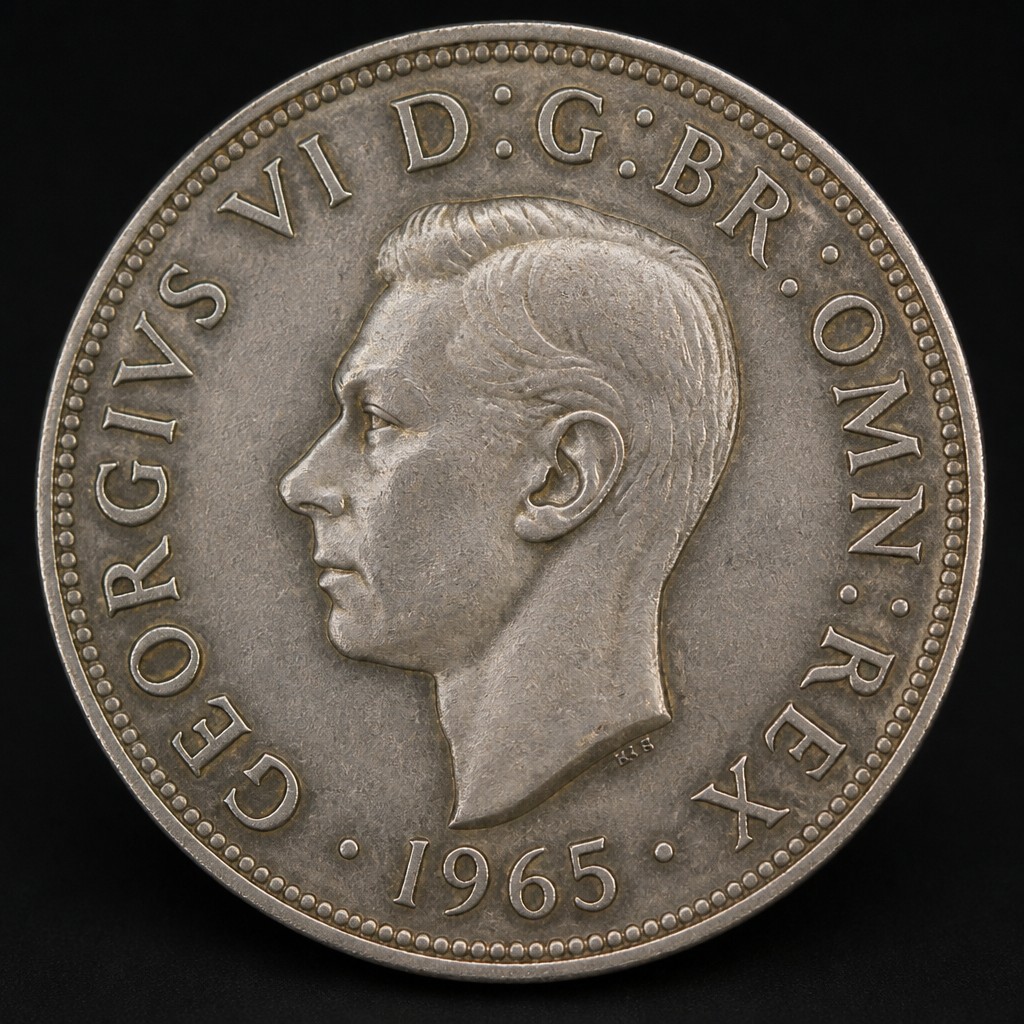
English Crown
1526–1965 (pre-decimal; commemorative crown-sized coins continue as five pound coins)
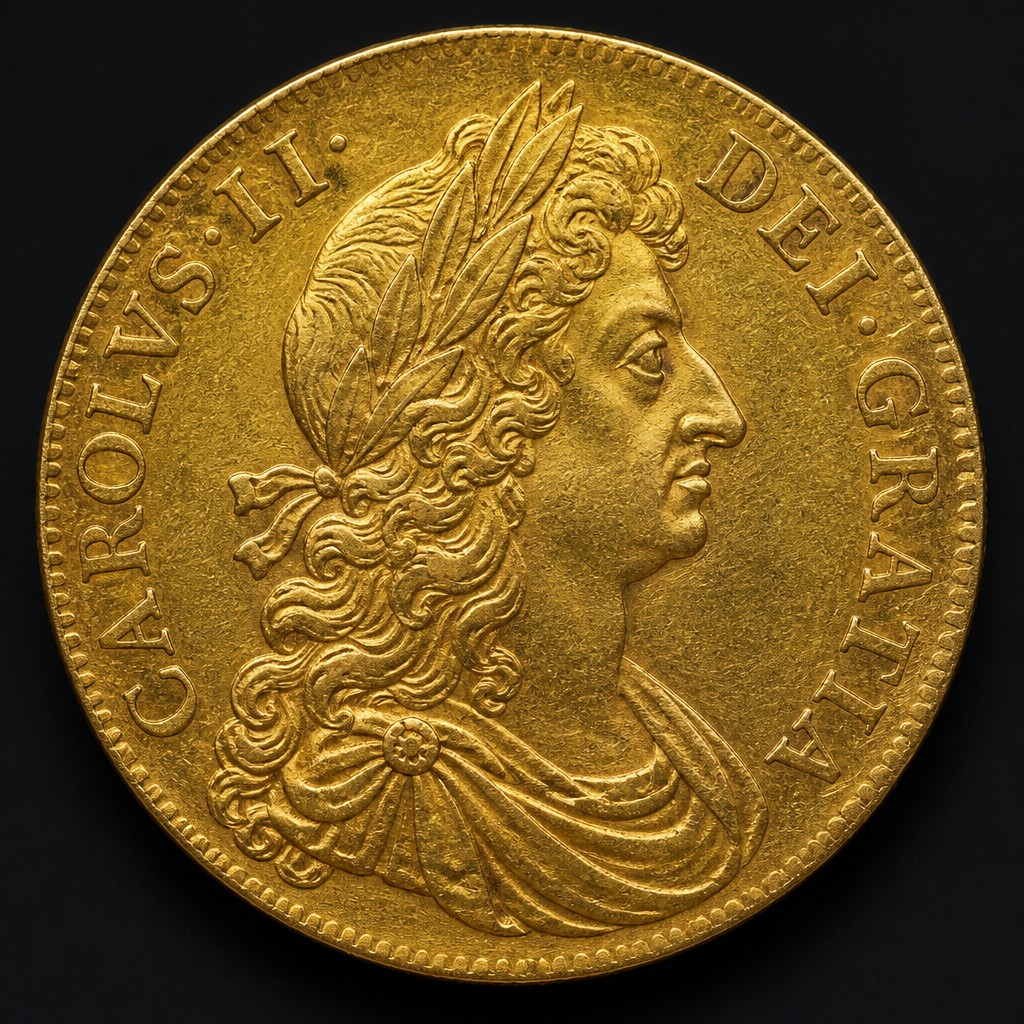
British Gold Guinea
1663–1814
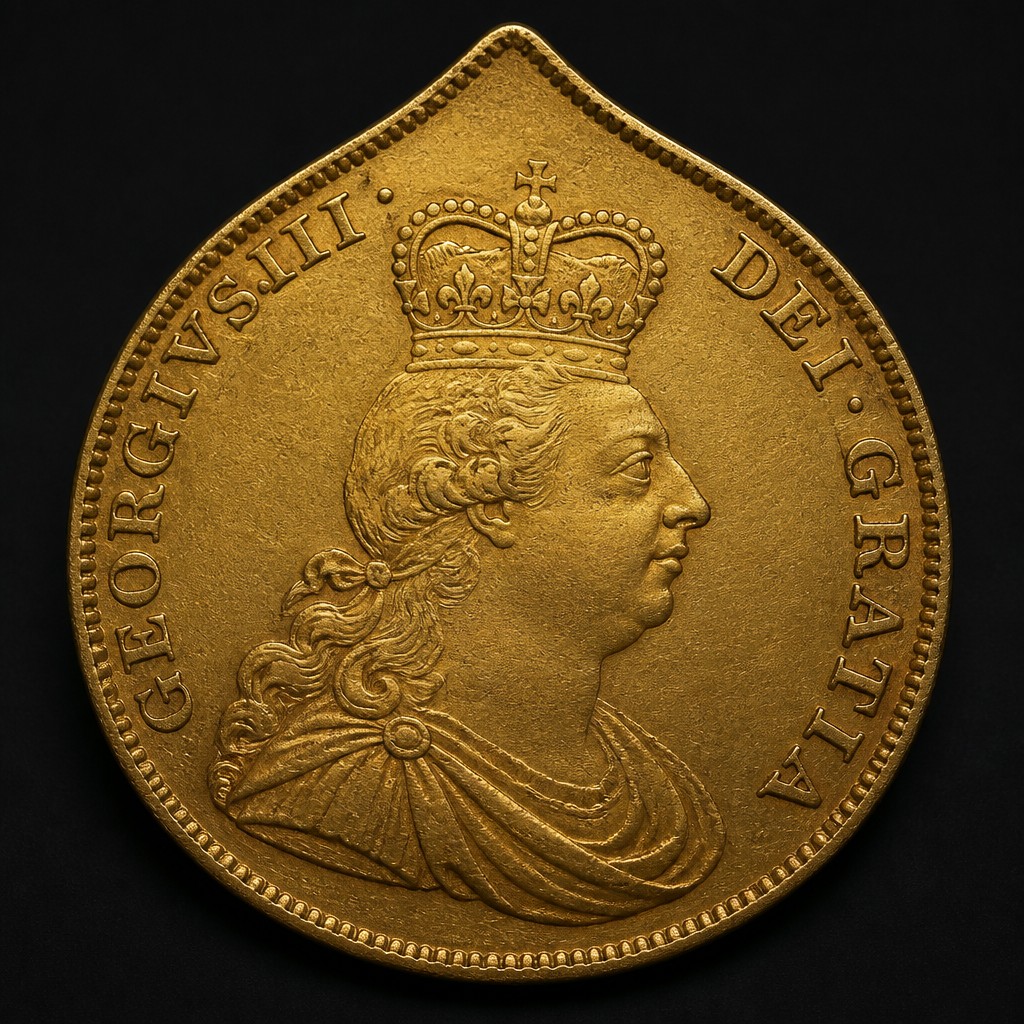
Spade Guinea
1787–1799
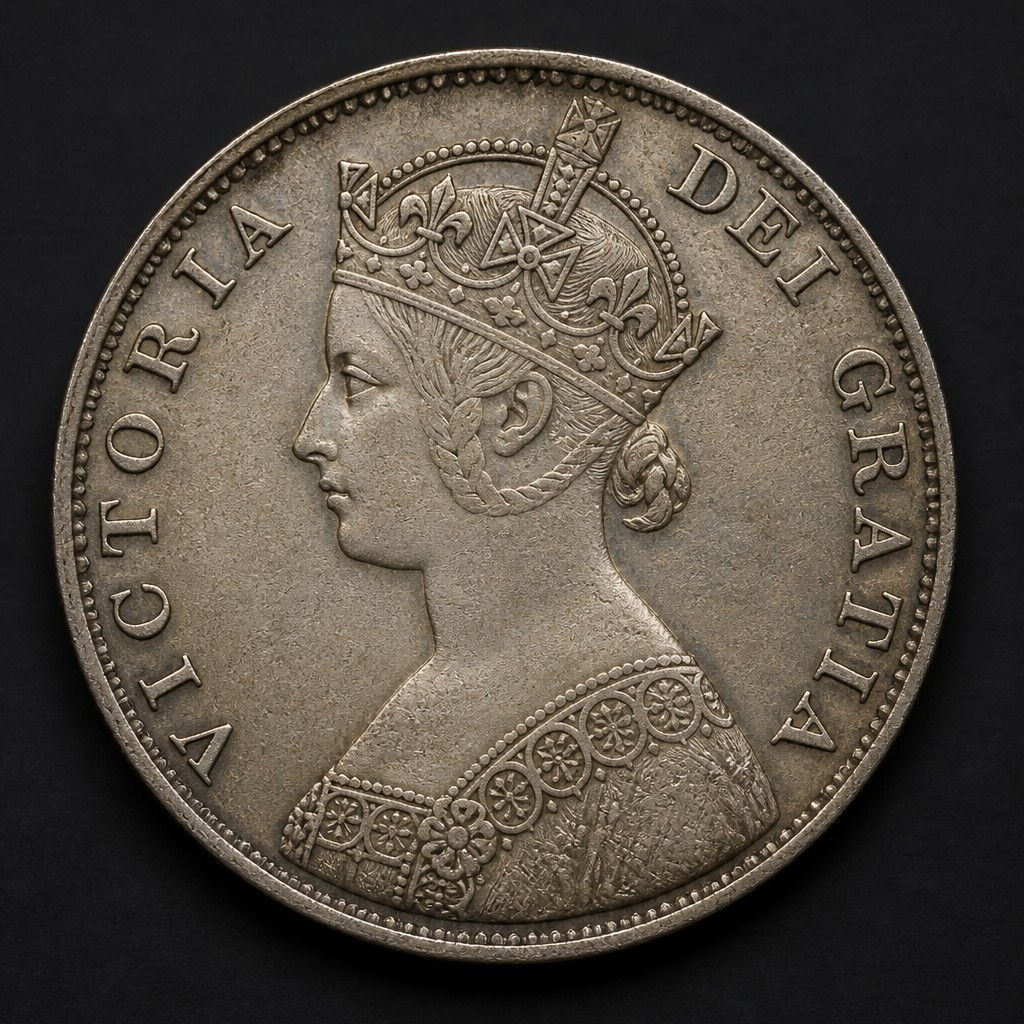
Groat (Fourpence)
1279–1888 (various revivals)
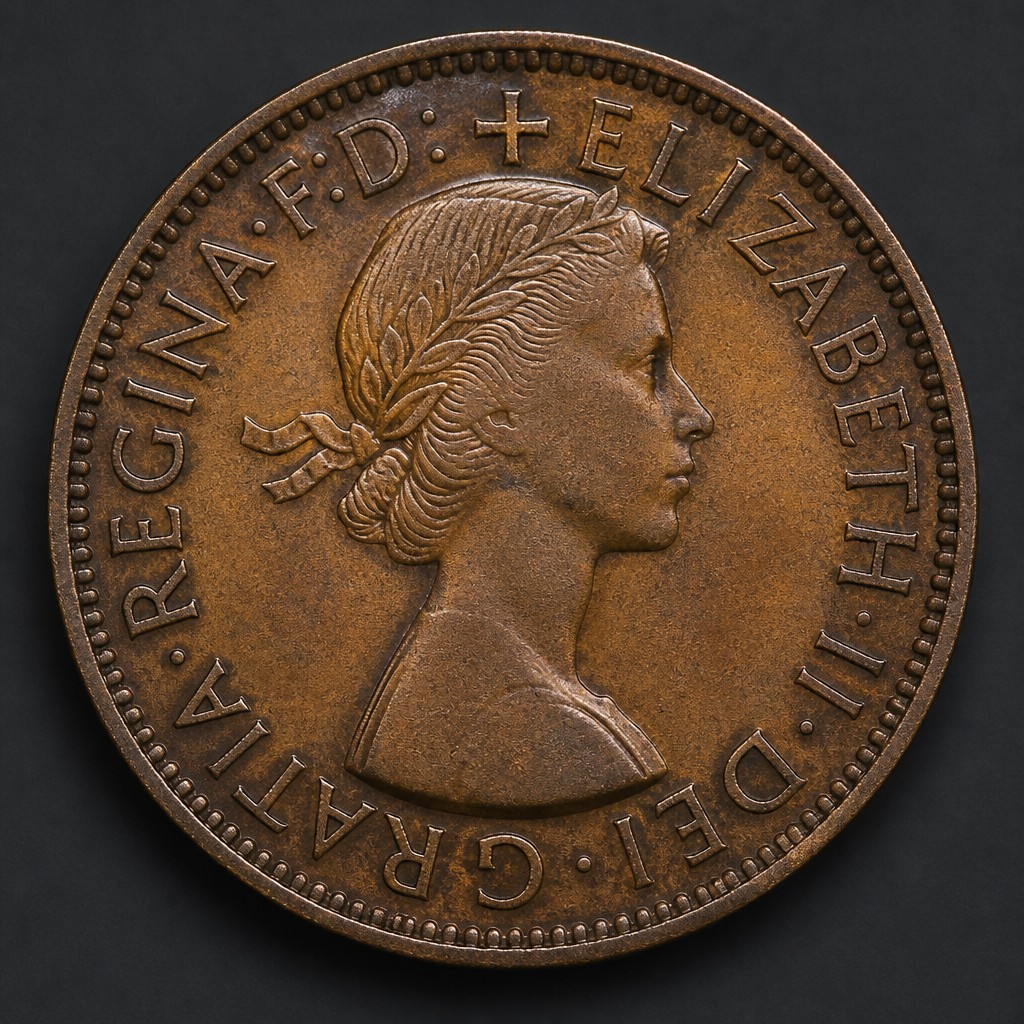
Farthing
13th century–1956
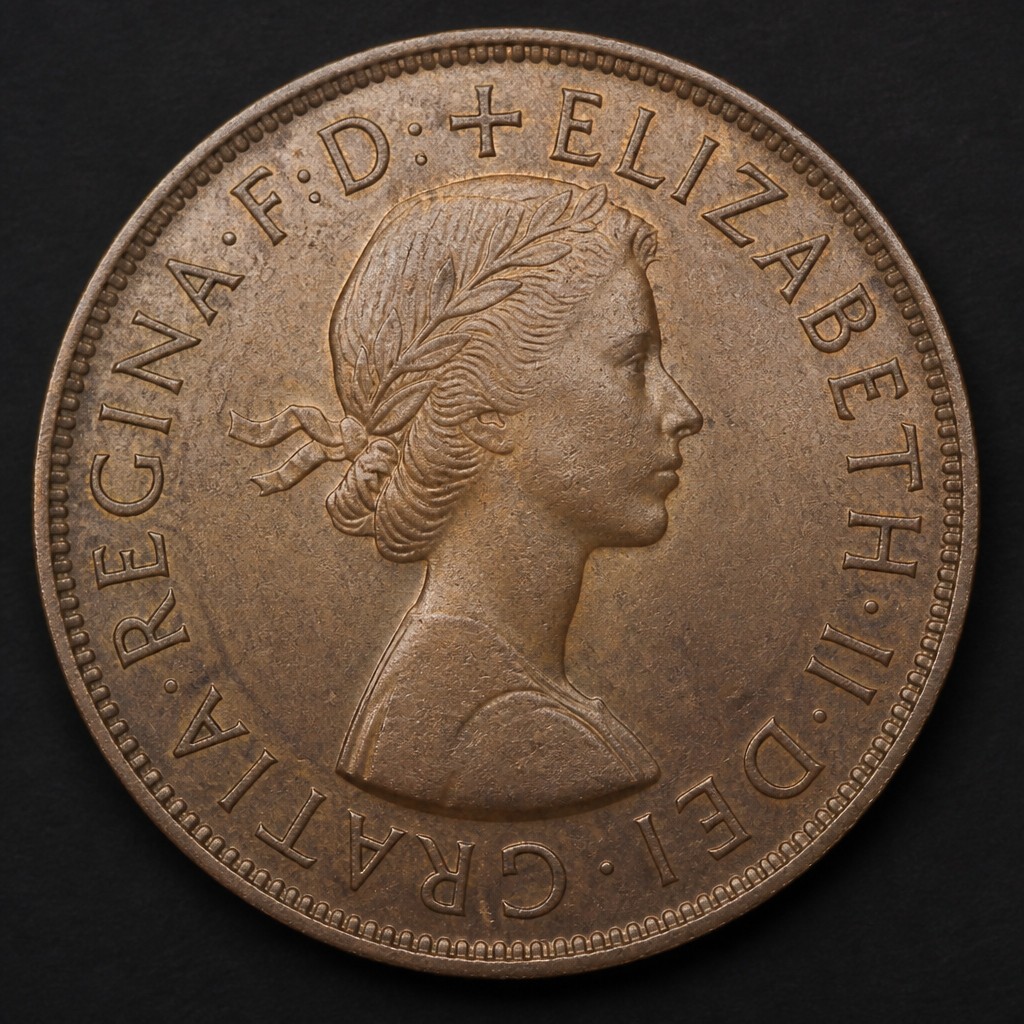
Halfpenny
c. 800s–1969
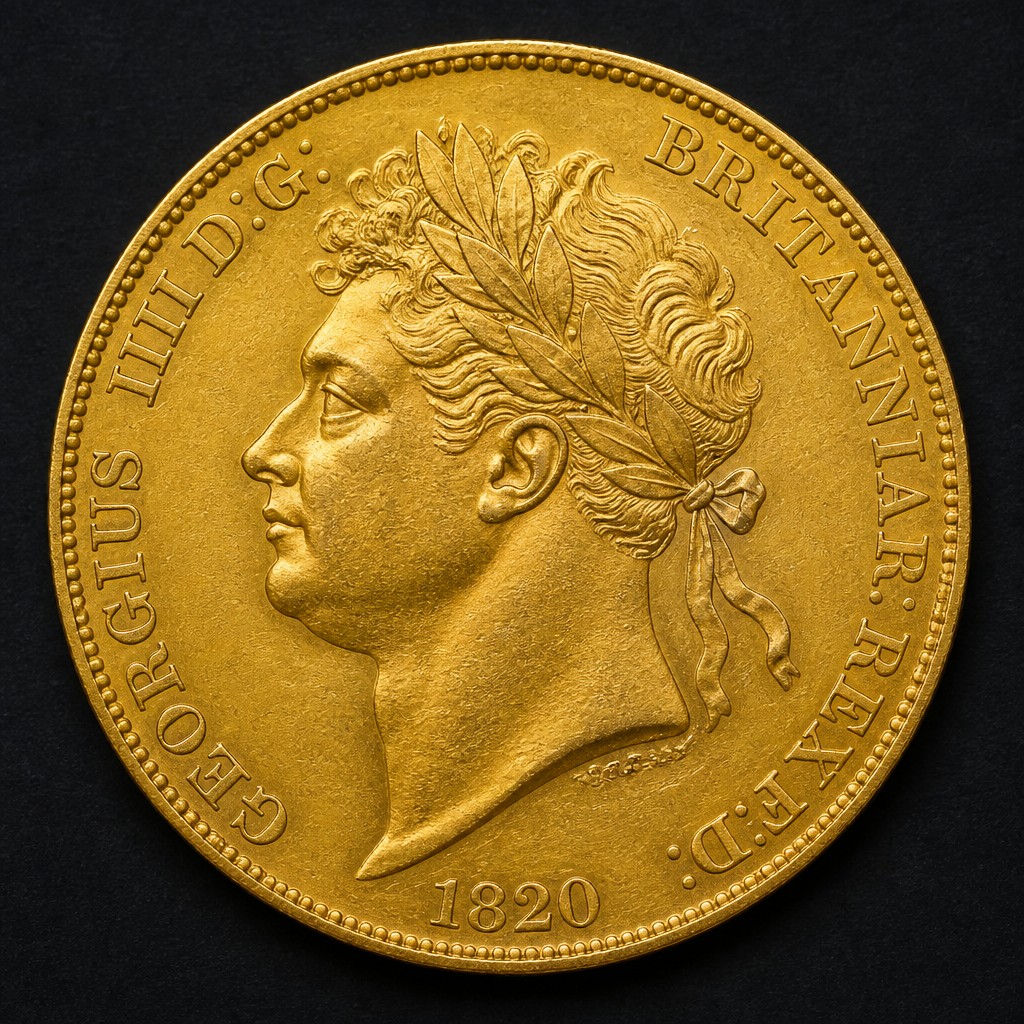
Five Pound Gold (Quintuple Sovereign)
1820–present (intermittent)
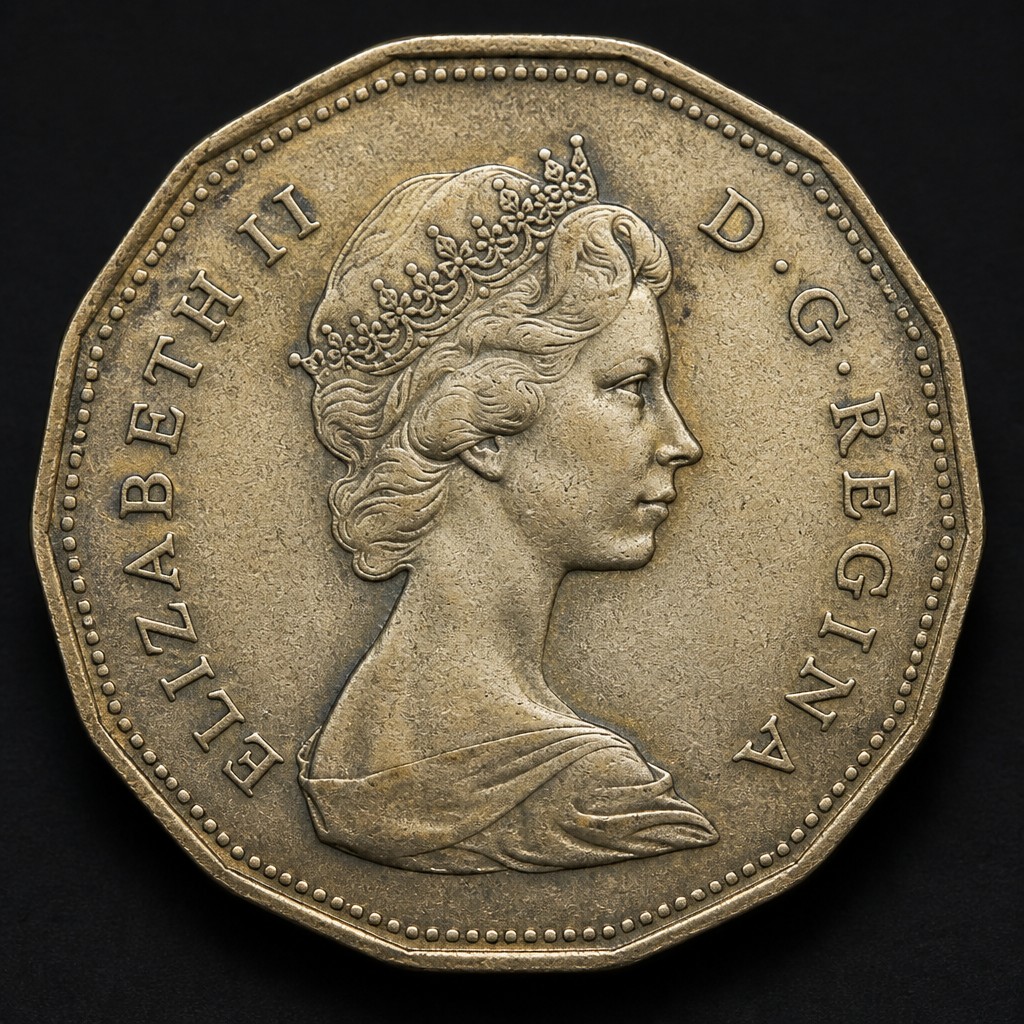
Threepence
1547–1970
Double Sovereign
1820s–present (intermittent)