
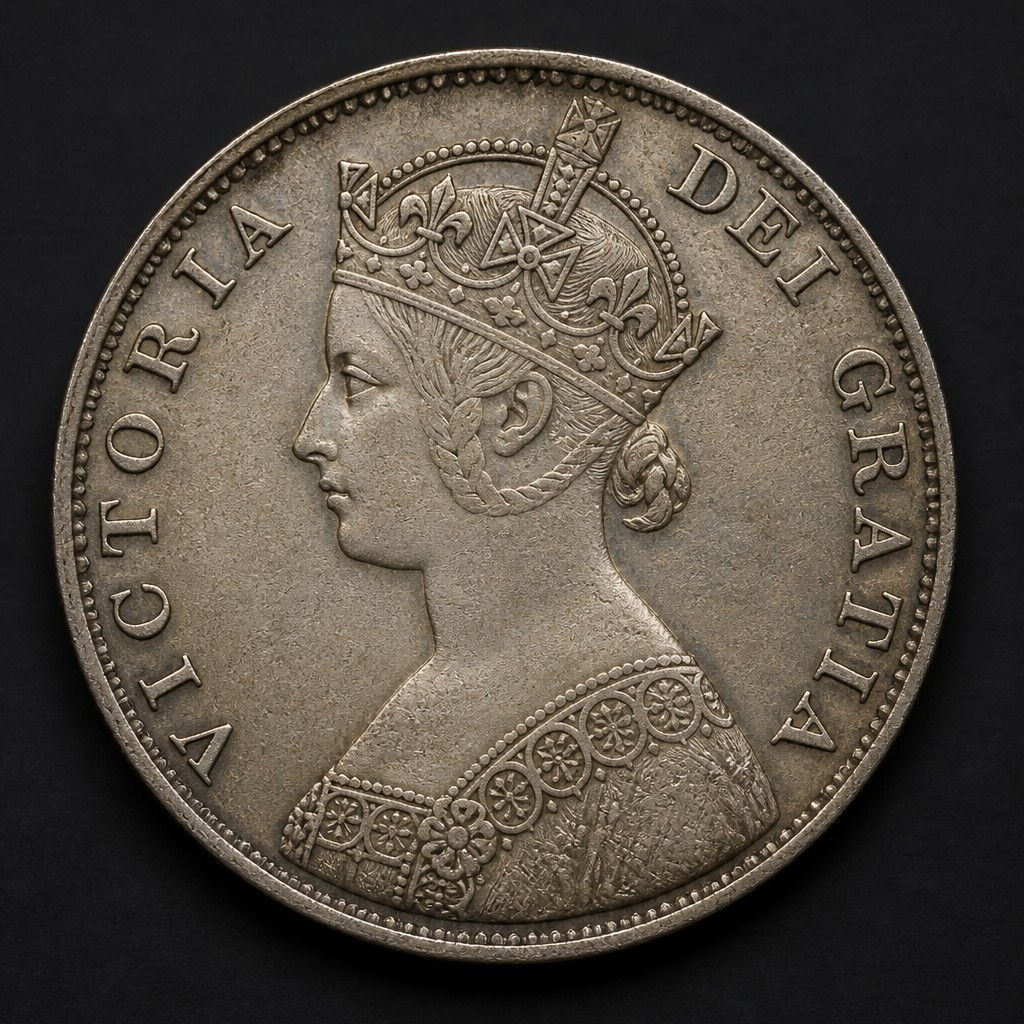
Groat (Fourpence)
A historic English silver coin worth four pence, first struck under Edward I in 1279 and periodically revived, later surviving mainly as a Maundy Money denomination.
- Country
- United Kingdom
- Denomination
- Groat (4d)
- Metal
- Sterling Silver
Got a coin like this?
Identify any coin from a photo, free.
Overview
The groat was one of medieval England's most important larger silver coins, worth four pence, introduced to provide a higher-denomination piece than the standard silver penny for growing commercial needs. Its name derives from the French "gros," meaning large, reflecting its status as a bigger, thicker coin than the pennies that had dominated English coinage for centuries.
The groat went through periods of disuse and revival across English and British history, appearing under various monarchs from Edward I through to a notable nineteenth-century circulation revival under William IV and Victoria, before settling into its final role as one of the four denominations used in the ceremonial Maundy Money distributed by the monarch.
Collectors value the groat for its window into medieval and early modern minting practices, as well as for the charming nineteenth-century circulation groats nicknamed "Joeys" after the politician associated with their reintroduction.
History & Background
The groat was first introduced in England in 1279 under Edward I as part of a broader monetary reform intended to provide a convenient larger silver denomination alongside the traditional penny, though early issues saw limited circulation success and were later reintroduced more successfully under Edward III in the fourteenth century. It became a standard part of English coinage through the medieval and Tudor periods, struck by monarchs including Henry VII, Henry VIII, and Elizabeth I.
Production of the groat for general circulation lapsed for long stretches after the Tudor period, though the denomination persisted in the ceremonial Maundy Money coinage. In 1836, the groat was revived for regular circulation under William IV, reportedly at the suggestion of Joseph Hume, giving rise to its popular nickname "Joey," and it continued to be struck into Victoria's reign before circulation issues ceased in 1855 (with a brief later striking for colonial use in British Guiana through 1888).
Today, the groat survives only as one of the four Maundy Money denominations (alongside the penny, twopence, and threepence) still specially struck each year and distributed by the reigning monarch on Maundy Thursday.
How to Identify
Medieval and Tudor groats typically show a facing or profile royal portrait within a decorative border on the obverse, with a long cross or heraldic shield design on the reverse, along with Latin legends identifying the monarch and often a mint name given the decentralized medieval minting system.
The nineteenth-century circulation groat (William IV and Victoria) is more familiar to most collectors: it shows a conventional portrait bust on the obverse and a seated figure of Britannia or a crowned numeral "4" on the reverse, roughly 16–17mm in diameter and struck in sterling silver.
Maundy groats share the same general small-coin design language as the other Maundy denominations, typically featuring the monarch's portrait and a crowned numeral within a wreath, and are distinguished chiefly by their high grade, since they are ceremonial rather than circulated pieces.
Value & Collectibility
Medieval and Tudor groats vary enormously in value depending on the monarch, mint, and condition, with common late-medieval types being moderately affordable while rare rulers, mints, or exceptional preservation command significantly higher prices among specialist collectors.
The nineteenth-century William IV and Victoria circulation groats are generally accessible and affordable in worn to lightly circulated grades, with well-preserved uncirculated examples commanding a solid premium.
Modern Maundy groats, being struck in limited numbers annually and typically in high grade since they are ceremonial rather than circulating coins, tend to carry higher values than ordinary circulated coins of similar age, particularly as part of a complete Maundy set for a specific year.
Frequently asked questions
What does 'groat' mean?
The name derives from the French word 'gros,' meaning large, referring to its status as a larger silver coin than the traditional penny.
Why is the groat called a 'Joey'?
Its 1836 revival for circulation is popularly attributed to politician Joseph Hume, giving rise to the nickname.
Is the groat still made today?
Yes, in a ceremonial sense, as one of the four Maundy Money denominations struck annually and distributed by the monarch.
How much was a groat worth?
Four pence, a significant sum in medieval and early modern England when the penny was the base unit.
Other coins you may enjoy
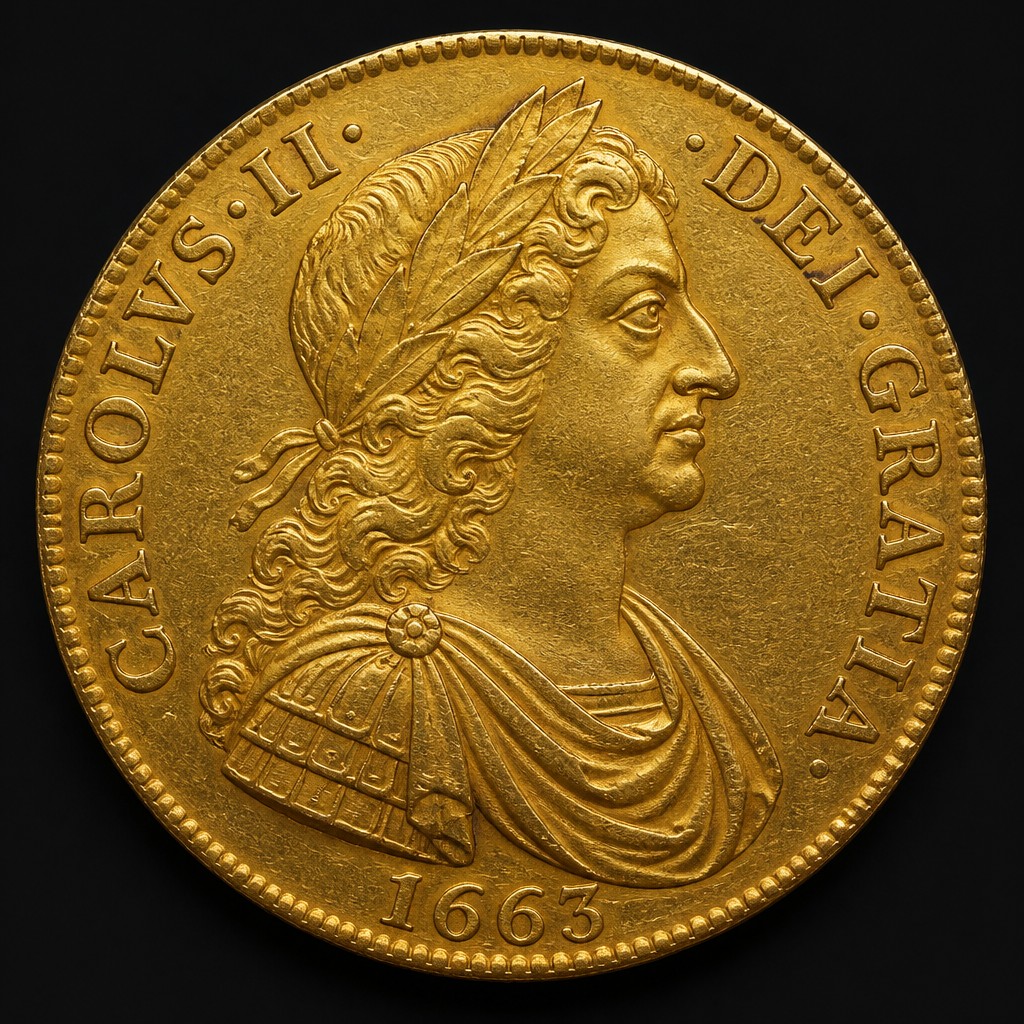
British Guinea
1663–1814
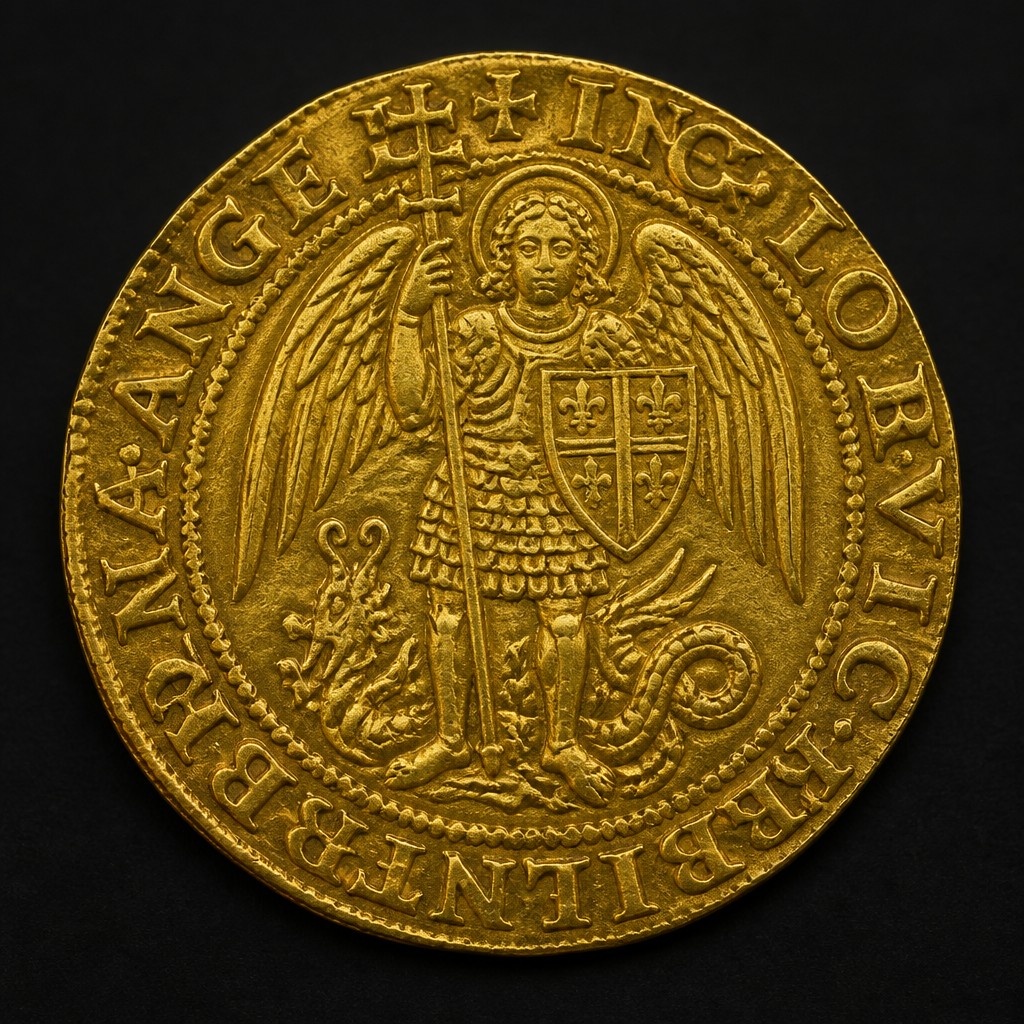
English Angel
1465–1642
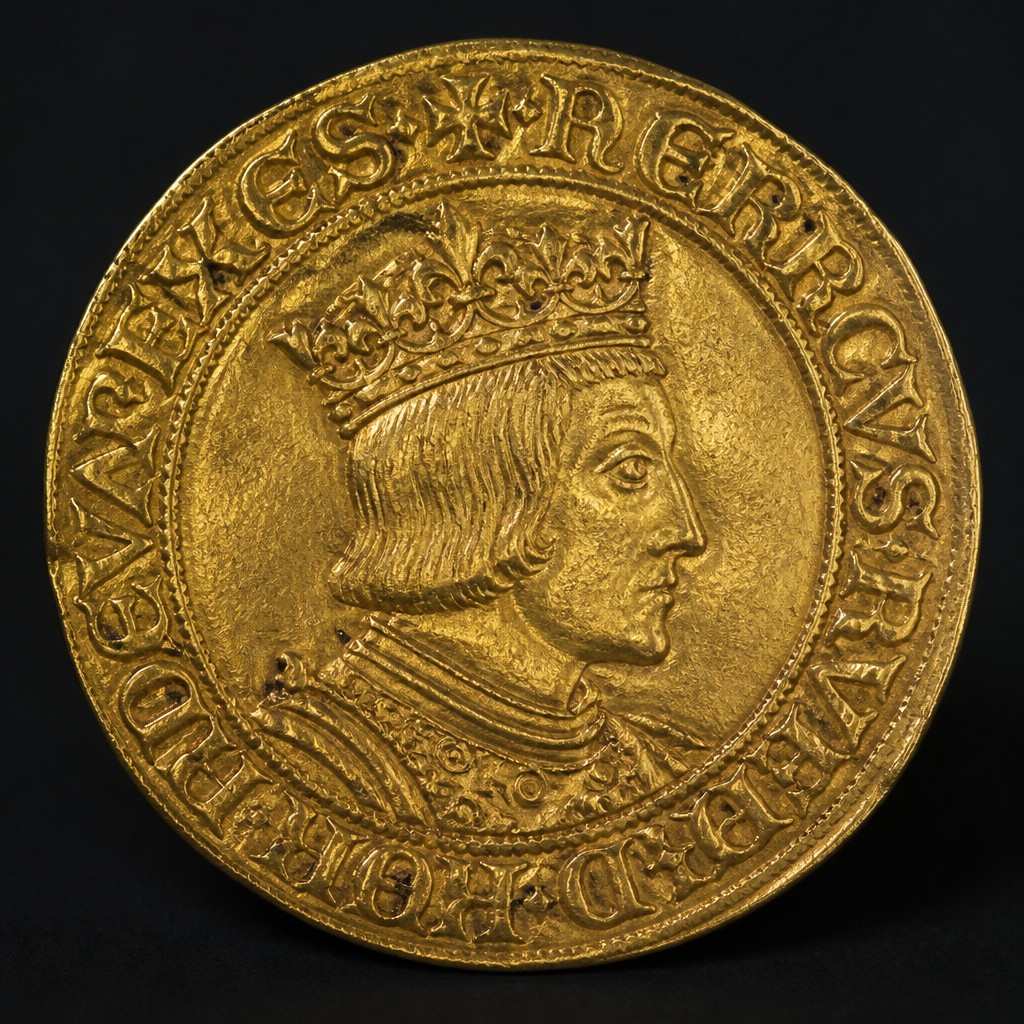
English Sovereign of Henry VII
1489–1509
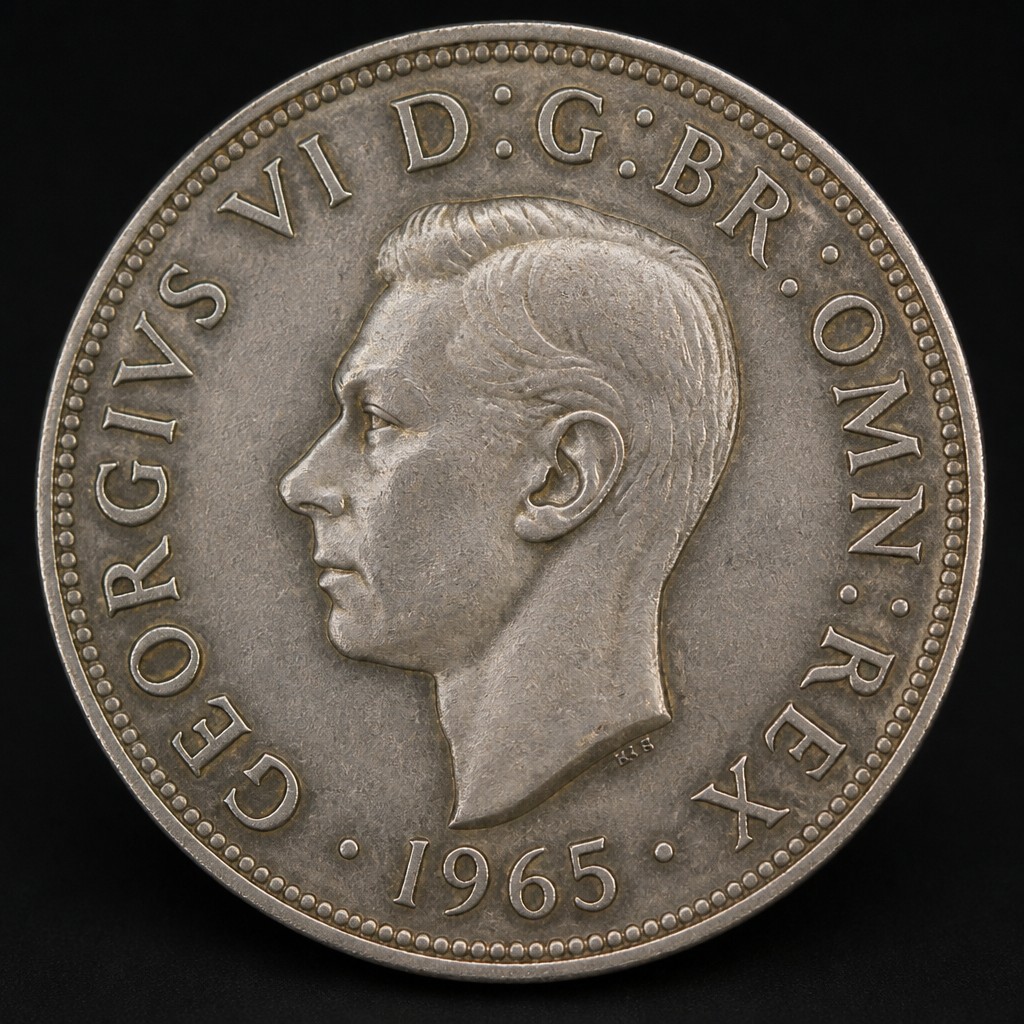
English Crown
1526–1965 (pre-decimal; commemorative crown-sized coins continue as five pound coins)
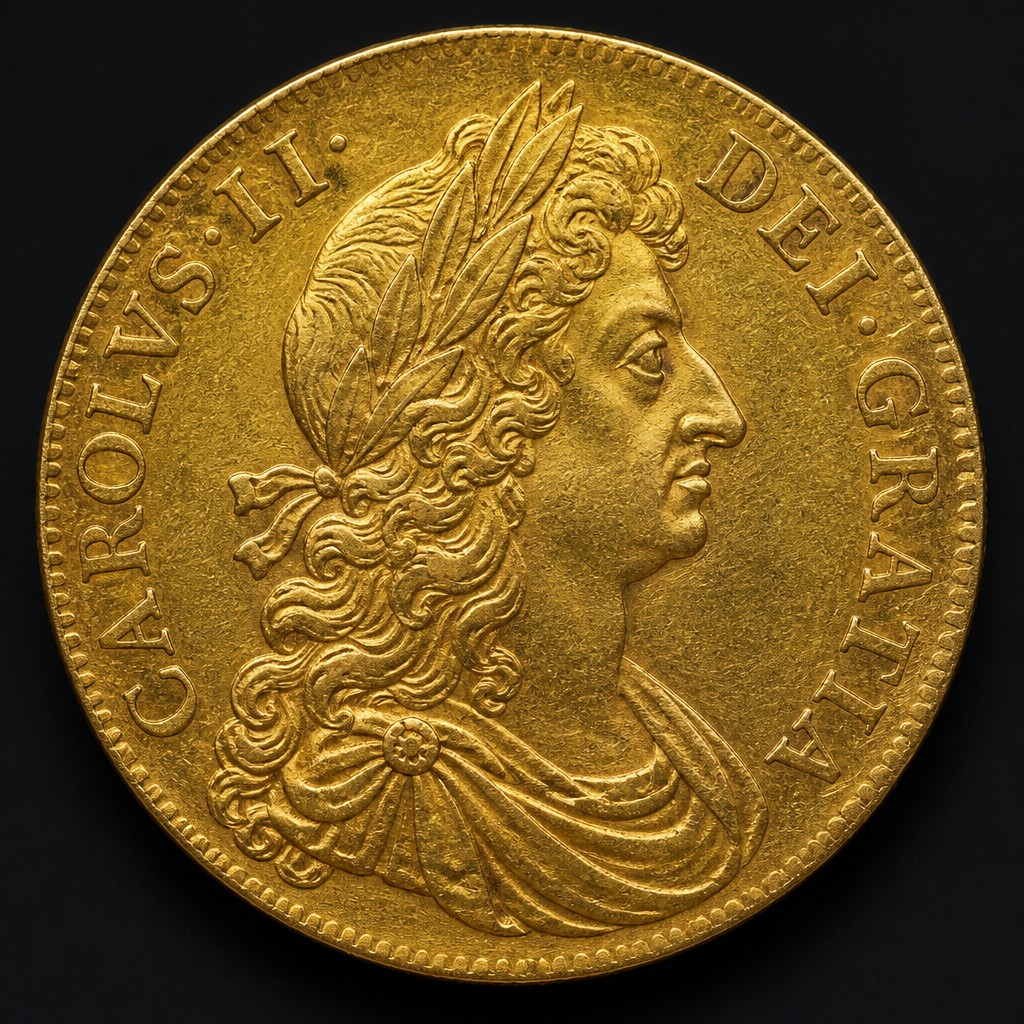
British Gold Guinea
1663–1814
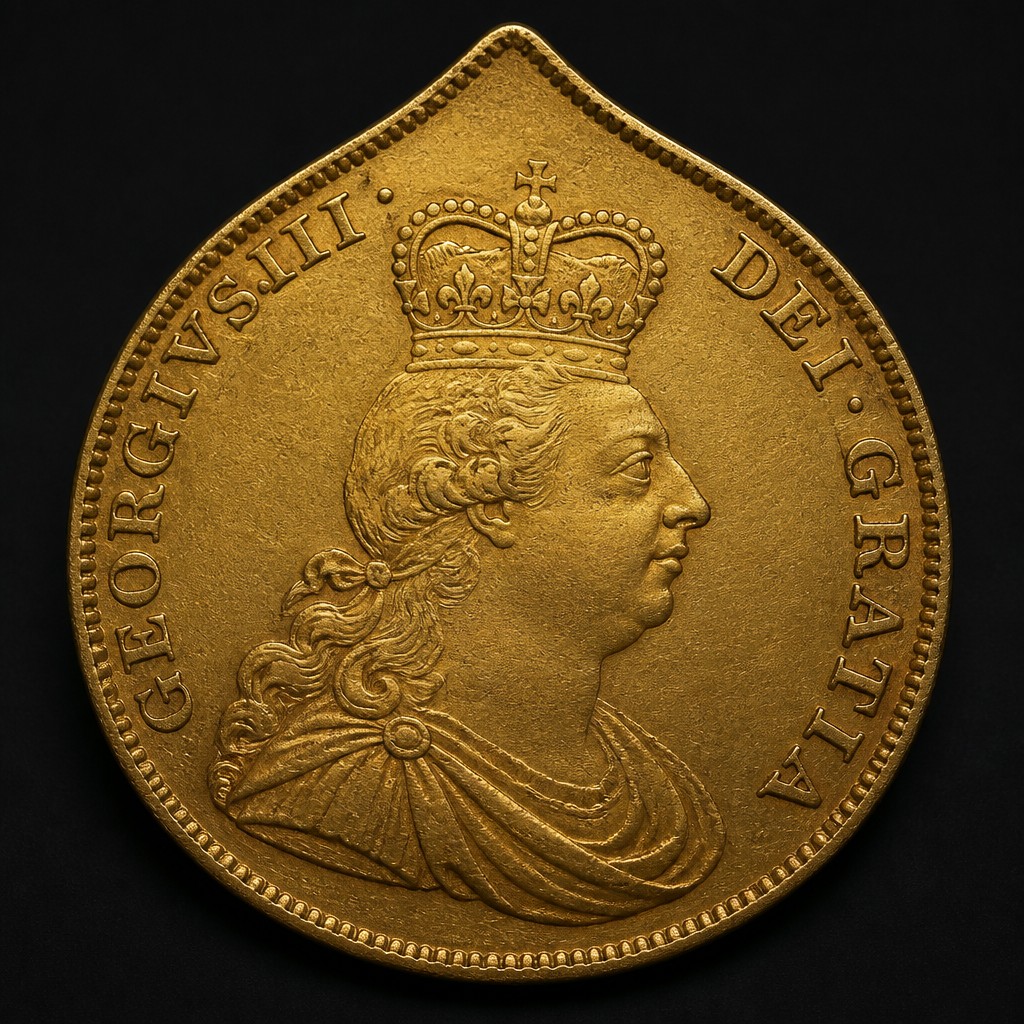
Spade Guinea
1787–1799
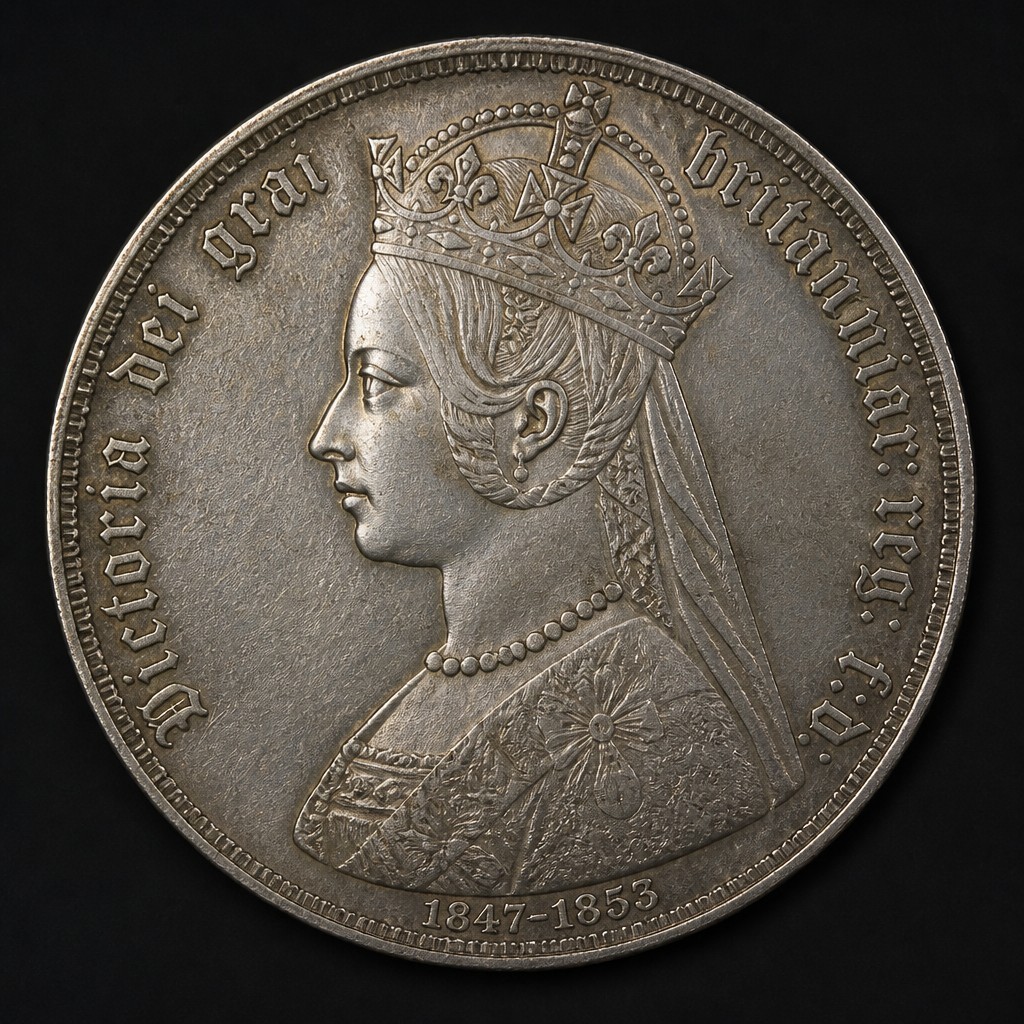
Gothic Crown
1847–1853
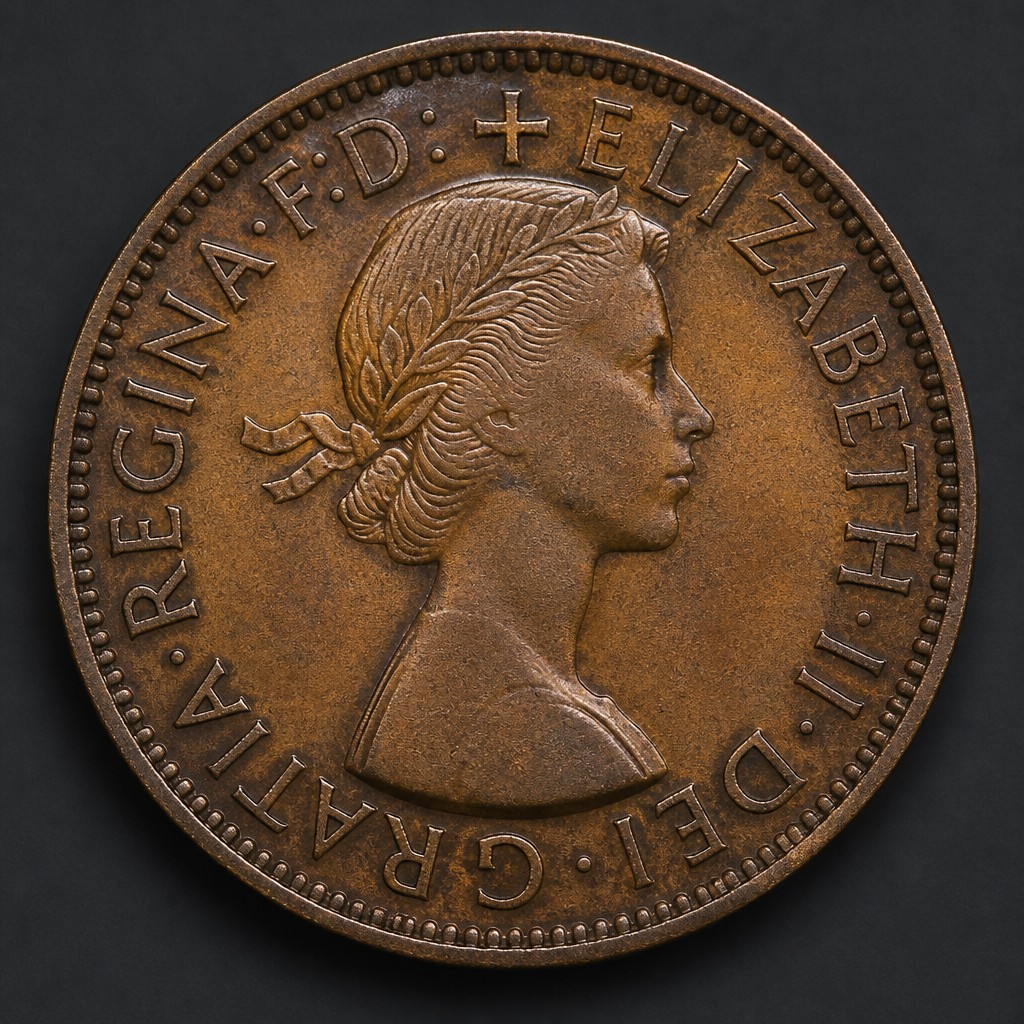
Farthing
13th century–1956
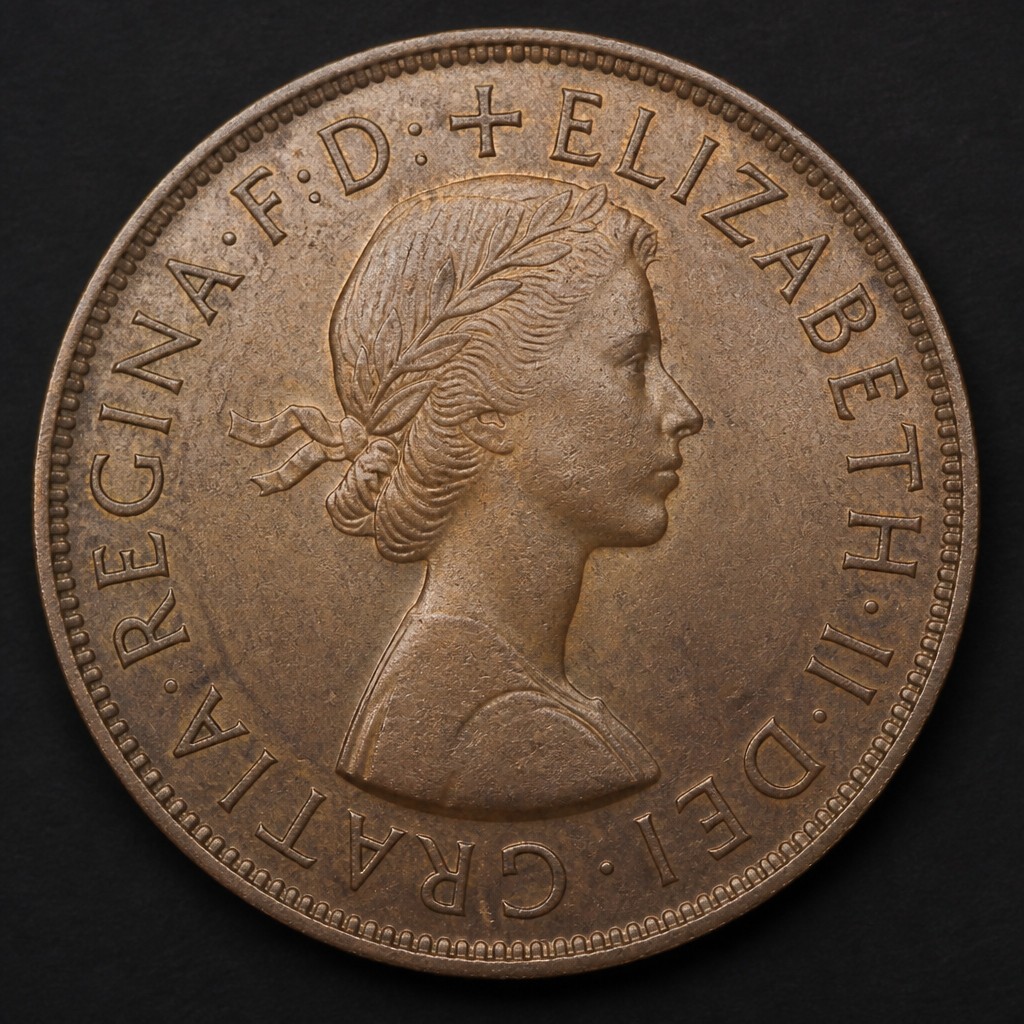
Halfpenny
c. 800s–1969
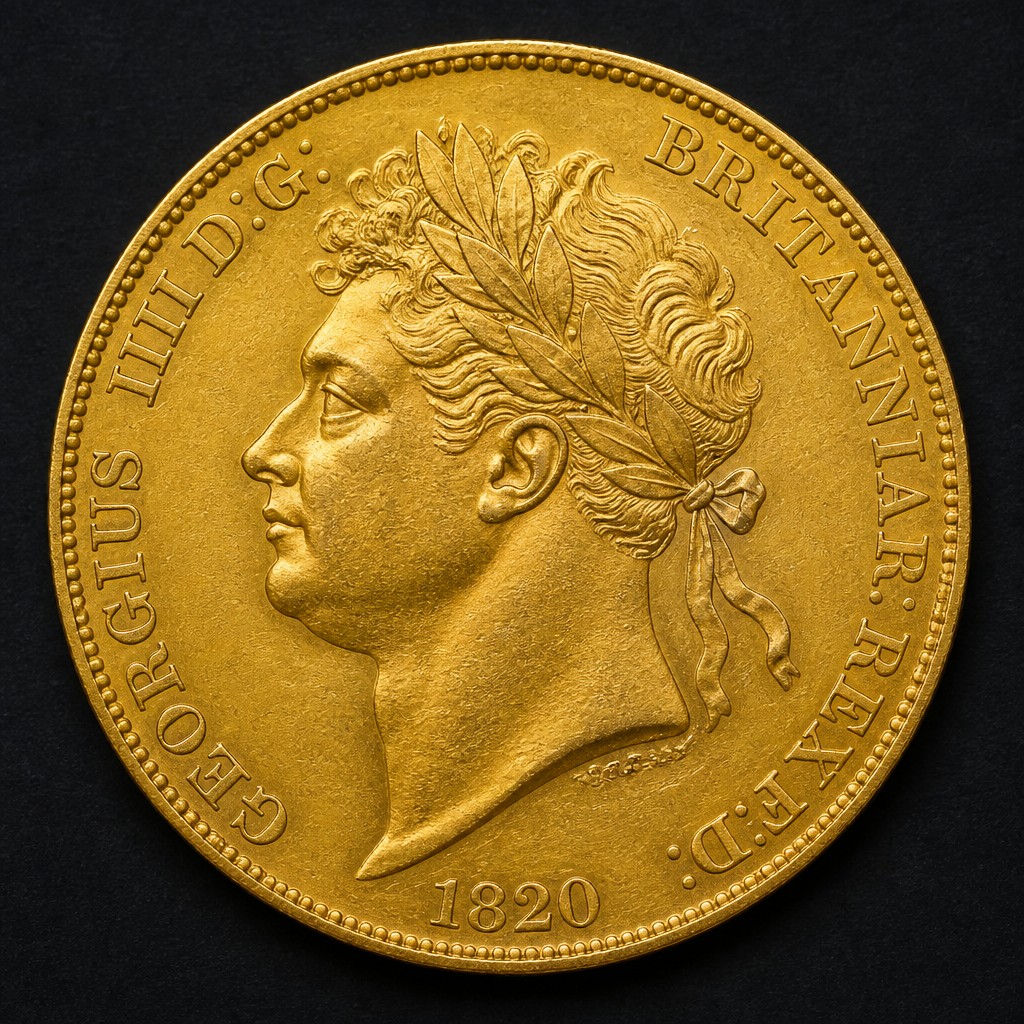
Five Pound Gold (Quintuple Sovereign)
1820–present (intermittent)
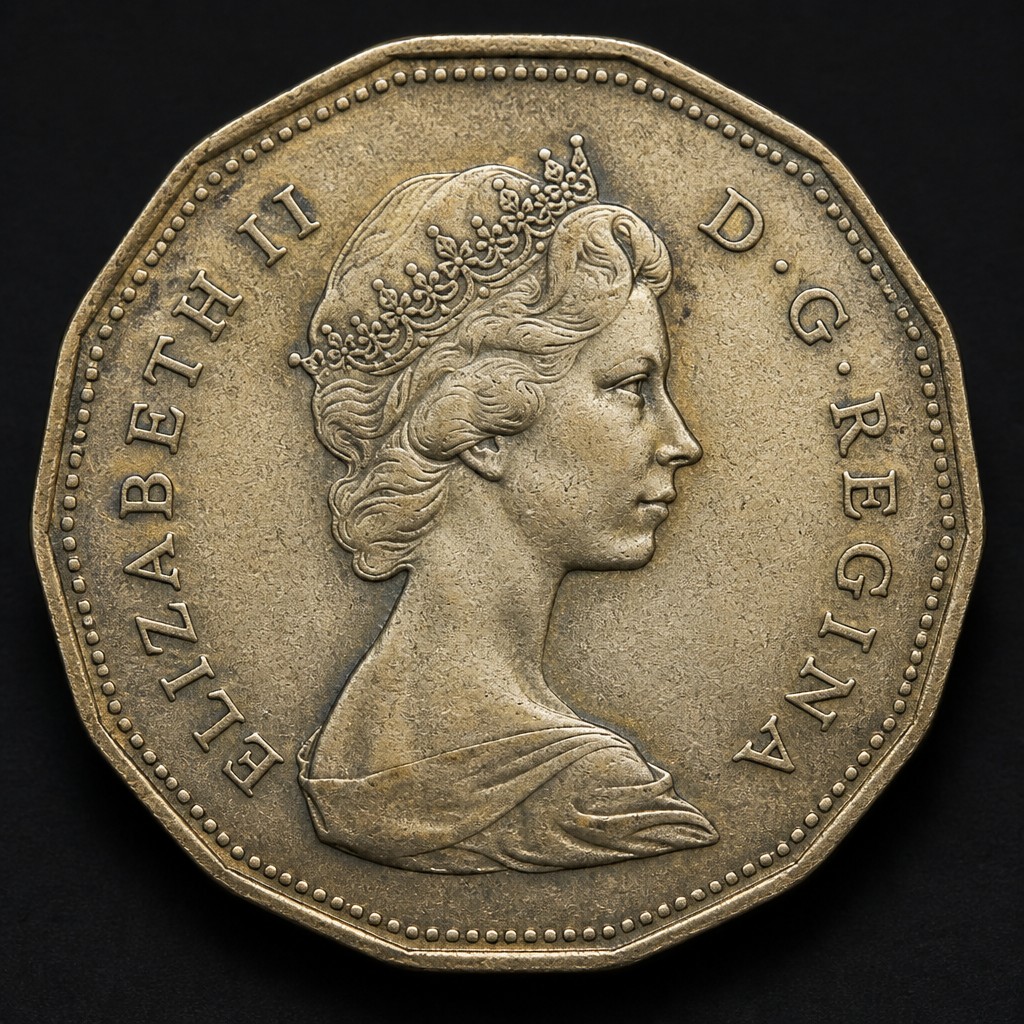
Threepence
1547–1970
Double Sovereign
1820s–present (intermittent)