
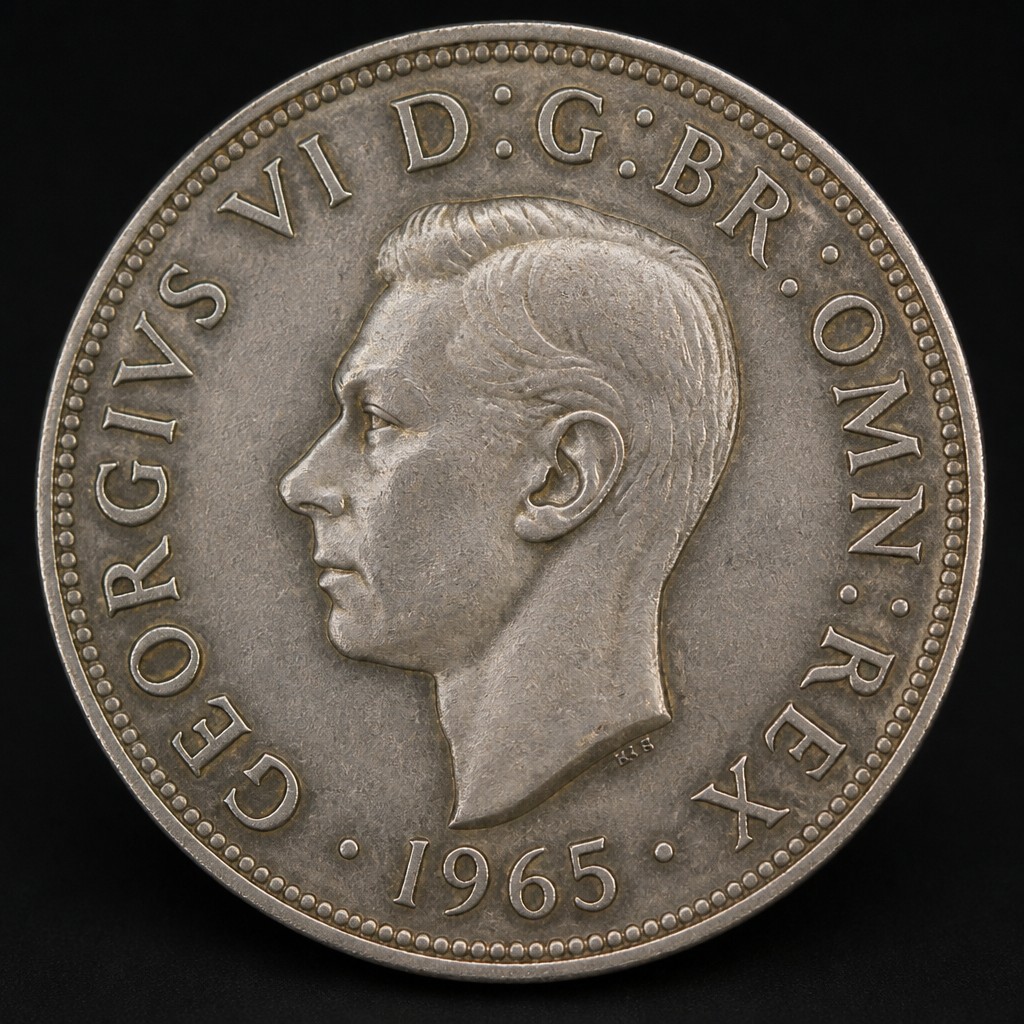
English Crown
A large English silver coin worth five shillings, first struck under Henry VIII, that became one of Britain's most artistically celebrated denominations before decimalization.
- Country
- England / Great Britain
- Denomination
- 1 Crown (5 shillings)
- Metal
- Silver (early gold 'crown of the rose' also existed); later commemorative crowns in cupro-nickel
Got a coin like this?
Identify any coin from a photo, free.
Overview
The crown was one of England's, and later Great Britain's, most substantial and visually impressive coins, valued at five shillings and struck across multiple centuries in evolving designs that often showcased the finest coin artistry of their era. It began as a gold denomination under Henry VIII before becoming primarily a large silver coin under his successor Edward VI, a form it retained for most of its later history.
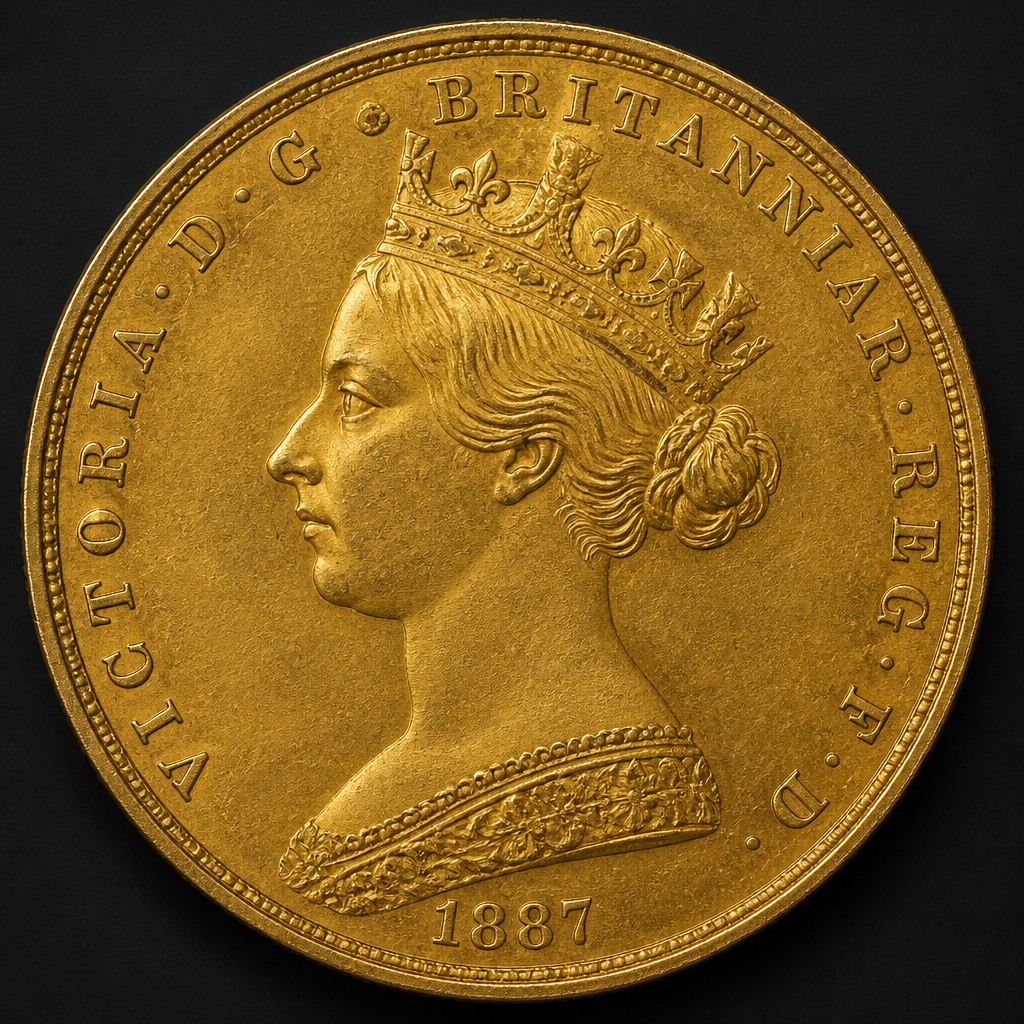
Because of its size, the crown became a favored canvas for elaborate royal and commemorative designs, including the celebrated Victorian 'Gothic crown' and numerous later commemorative issues tied to coronations, jubilees, and national events. Regular circulating crown coinage gradually gave way to occasional commemorative strikes as the twentieth century progressed.
After British decimalization in 1971, the crown's traditional five-shilling value had no direct decimal equivalent, but the physical crown-sized coin format lived on as the basis for Britain's commemorative five pound coin, keeping the tradition of large, decorative coinage alive into the present.
History & Background
Henry VIII introduced the 'crown of the rose' and later the 'crown of the double rose' as a gold denomination in the 1520s, part of efforts to modernize and diversify English coinage. Under his son Edward VI, beginning in 1551, the crown was reestablished primarily as a large silver coin worth five shillings, a form that would define the denomination for most of its subsequent history.
Across the following centuries, the silver crown appeared intermittently, often reserved for significant occasions or particular reigns rather than struck every year, and it became known for showcasing especially elaborate and artistic designs, including equestrian portraits of monarchs and, most famously, the ornate Gothic-script Victorian crown of the mid-nineteenth century. Crown coinage continued sporadically through the twentieth century, often tied to specific commemorative events such as royal jubilees and coronations.
Following the decimalization of British currency in 1971, the crown ceased to function within the everyday coinage system, but the Royal Mint has continued to issue crown-sized commemorative coins, now denominated as five pounds, for royal weddings, jubilees, and other notable national occasions, preserving the physical tradition even after the original denomination's practical retirement.
How to Identify
Obverse designs generally show a portrait or equestrian image of the reigning monarch, changing significantly across the centuries from Tudor and Stuart styles through the ornate Victorian Gothic crown and into twentieth-century commemorative portraiture. The reverse has varied widely by period and occasion, including royal arms, St. George slaying the dragon, and numerous special commemorative designs tied to specific historical events.
The coin is large, typically around 38 to 39mm in diameter, making it one of the biggest denominations in British coinage history, whether struck in silver (pre-1920s issues at higher fineness, later issues at lower fineness) or, for many later commemorative issues, in cupro-nickel rather than precious metal. Edges may be plain, lettered, or milled depending on the specific issue and period.
Collectors distinguish different crown types primarily by the reigning monarch's portrait, the specific commemorative reverse design where applicable, and the date, with well-documented type catalogs covering the many distinct crown issues struck across four and a half centuries.
Value & Collectibility
Common twentieth-century commemorative crowns are widely available and generally inexpensive, often just a few dollars to a few tens of dollars, since many were struck in large numbers for public sale rather than heavy circulation. Earlier silver crowns, particularly from before the twentieth century, are more strongly tied to silver content and historical rarity, with well-preserved or scarce-date examples commanding meaningfully higher prices.
The Victorian Gothic crown and other artistically celebrated nineteenth-century issues are especially sought after by collectors for their design quality, often bringing strong premiums in higher grades regardless of their modest silver content relative to face value. Key dates and low-mintage issues across the centuries can be significantly scarcer and more valuable than typical examples.
As with most large historic silver coinage, strike quality, luster, and surface preservation matter greatly to value, and heavily circulated or cleaned examples generally trade well below the levels seen for coins in original, well-preserved condition.
Frequently asked questions
How much was an English crown worth?
Five shillings, making it one of the largest denomination coins in pre-decimal British currency.
Is the crown still made today?
The traditional crown denomination ended with decimalization in 1971, but crown-sized coins continue as commemorative five pound coins.
What is the Gothic crown?
It refers to the ornately designed Victorian crown from the mid-1800s, prized by collectors for its elaborate Gothic-script lettering and artistic style.
Were all crowns made of silver?
Most historic crowns were silver, though fineness declined over time, and many modern commemorative crowns are struck in base metals like cupro-nickel.
Other coins you may enjoy
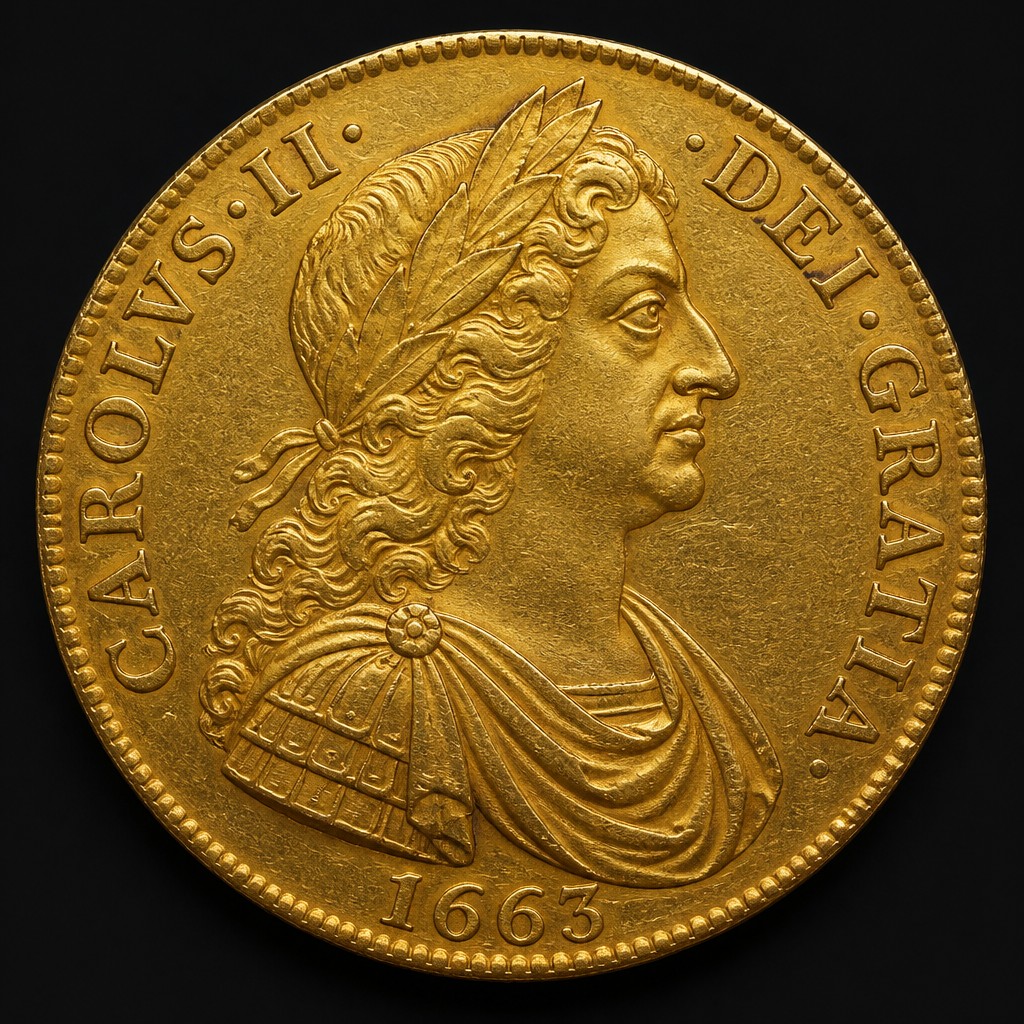
British Guinea
1663–1814
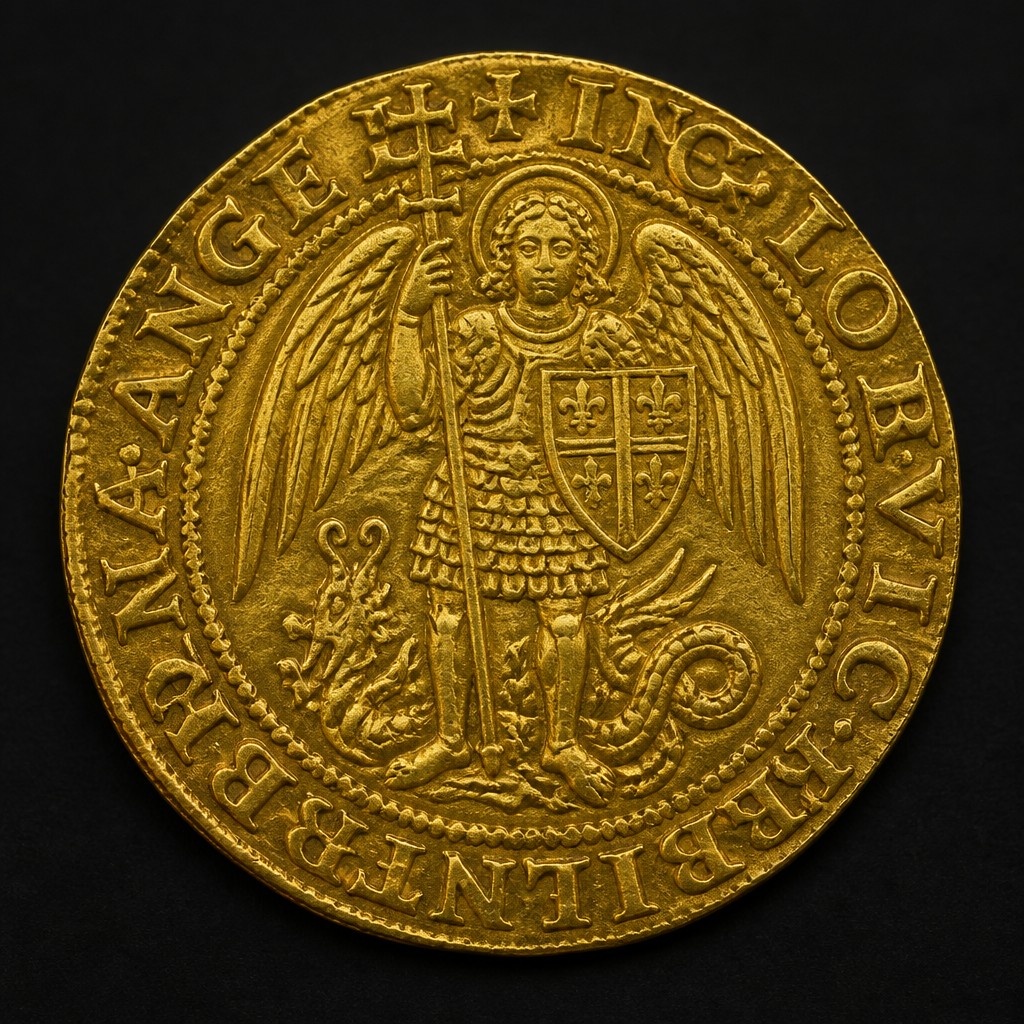
English Angel
1465–1642
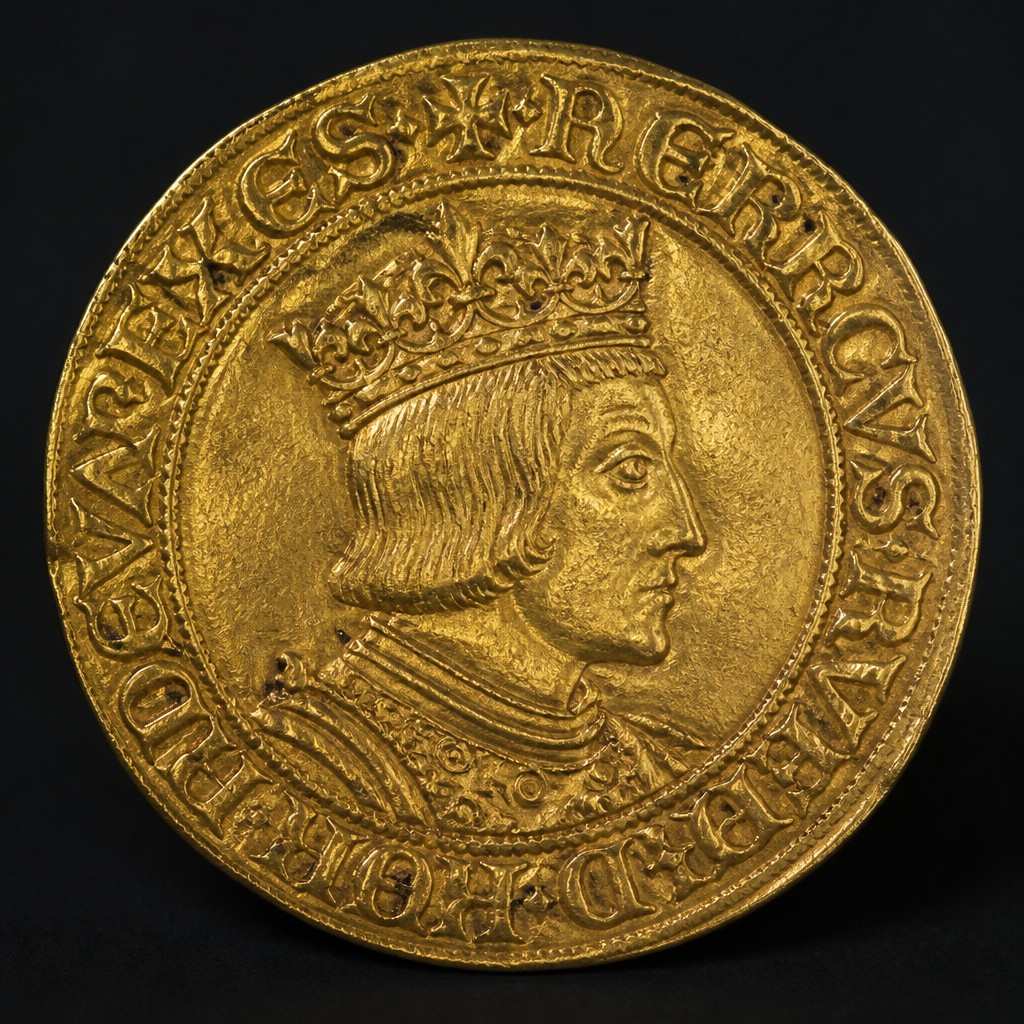
English Sovereign of Henry VII
1489–1509
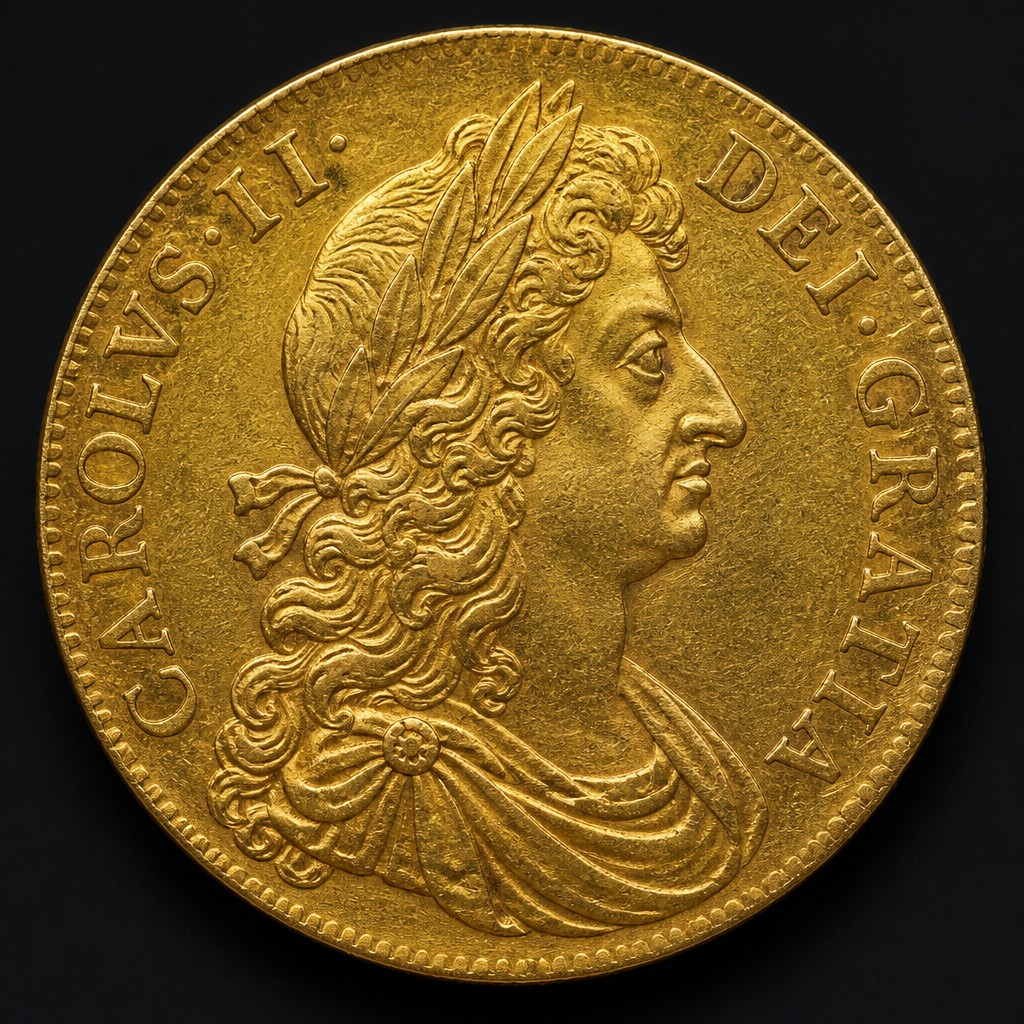
British Gold Guinea
1663–1814
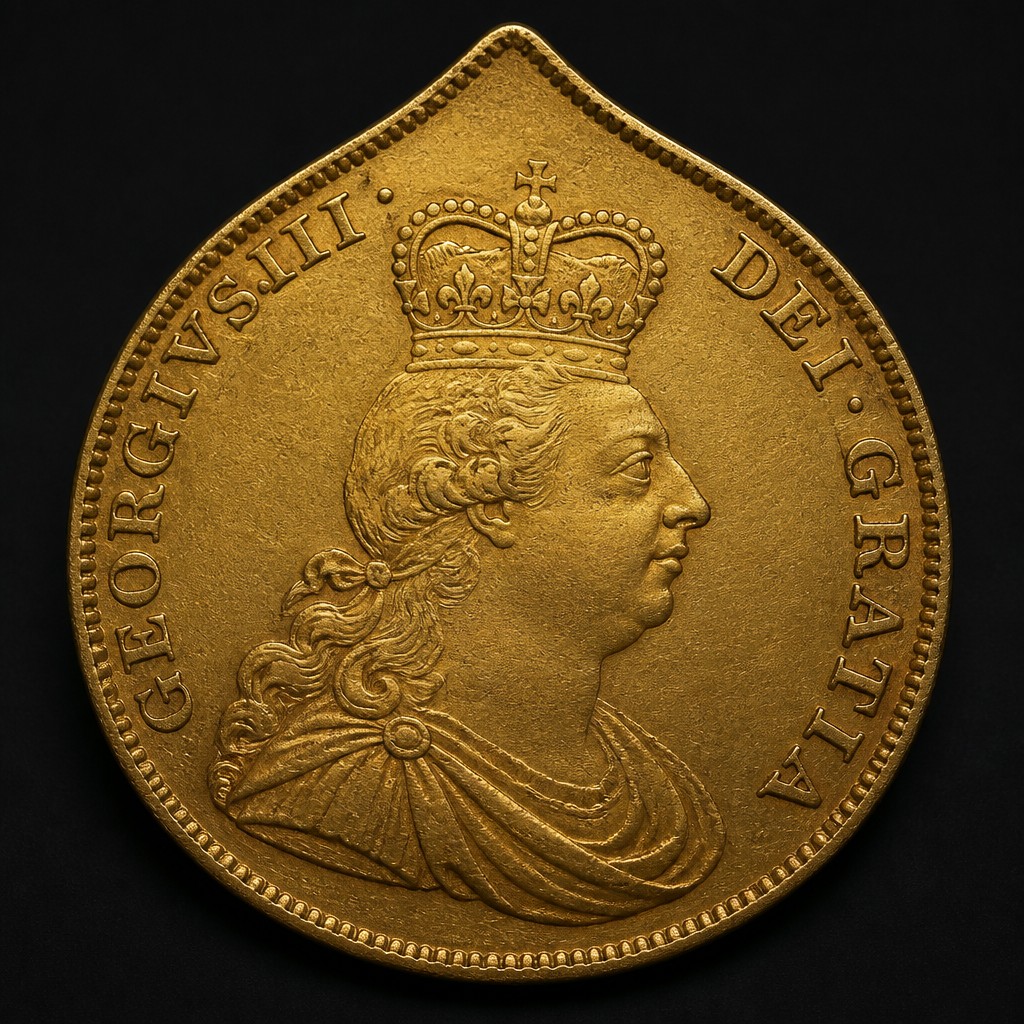
Spade Guinea
1787–1799
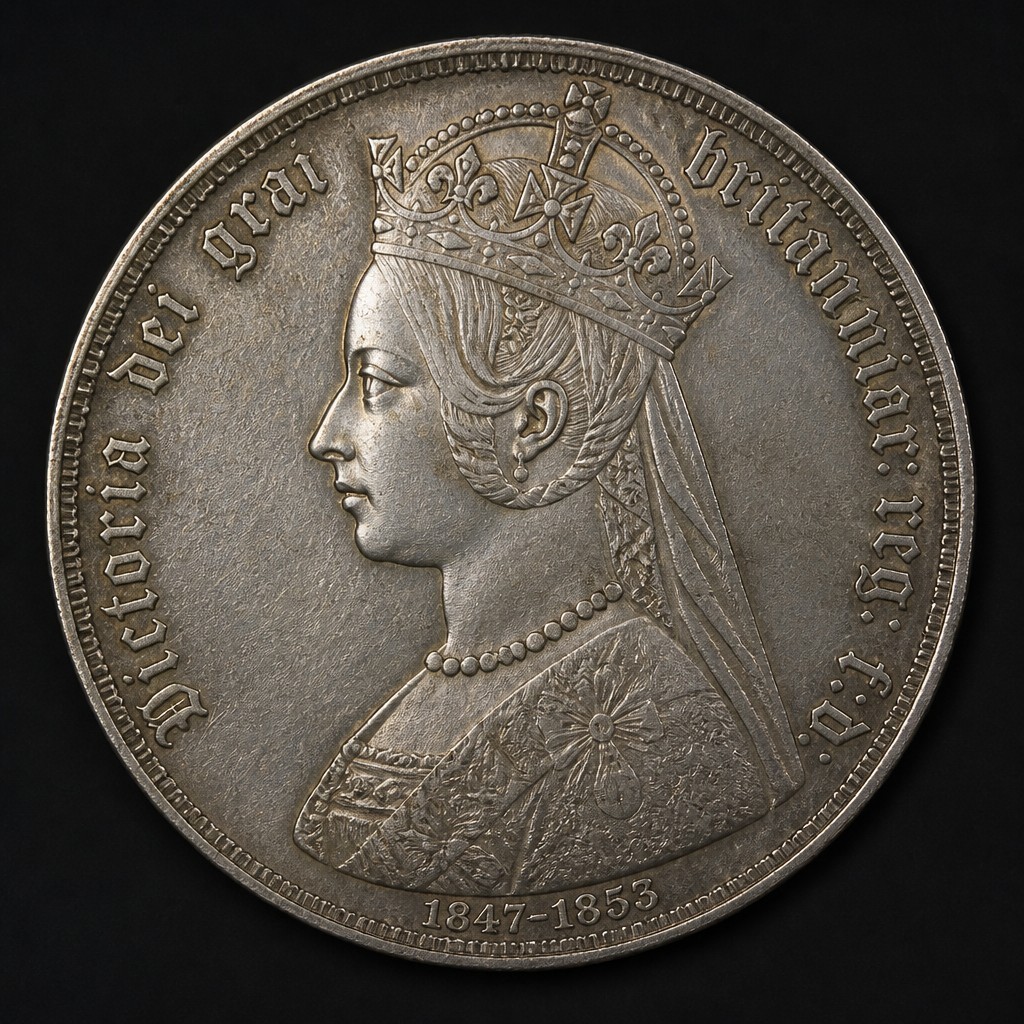
Gothic Crown
1847–1853
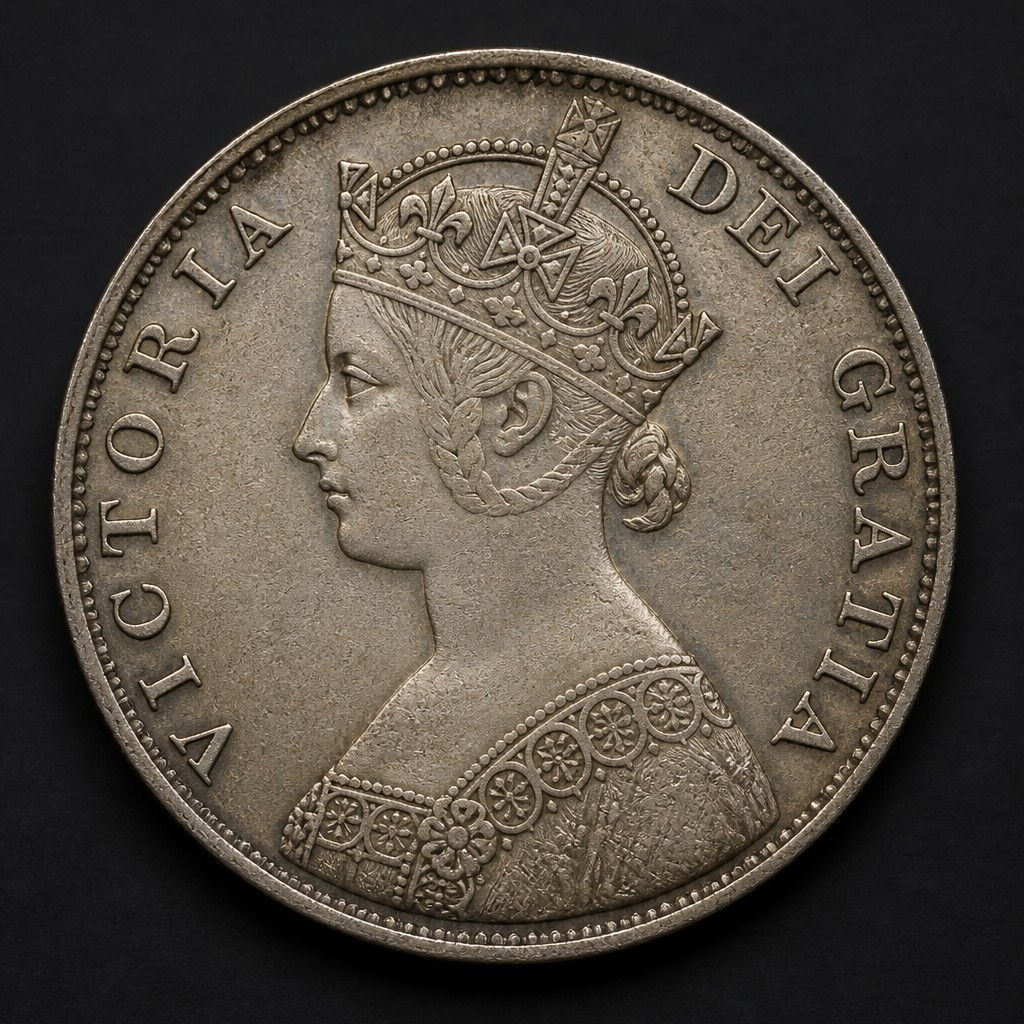
Groat (Fourpence)
1279–1888 (various revivals)
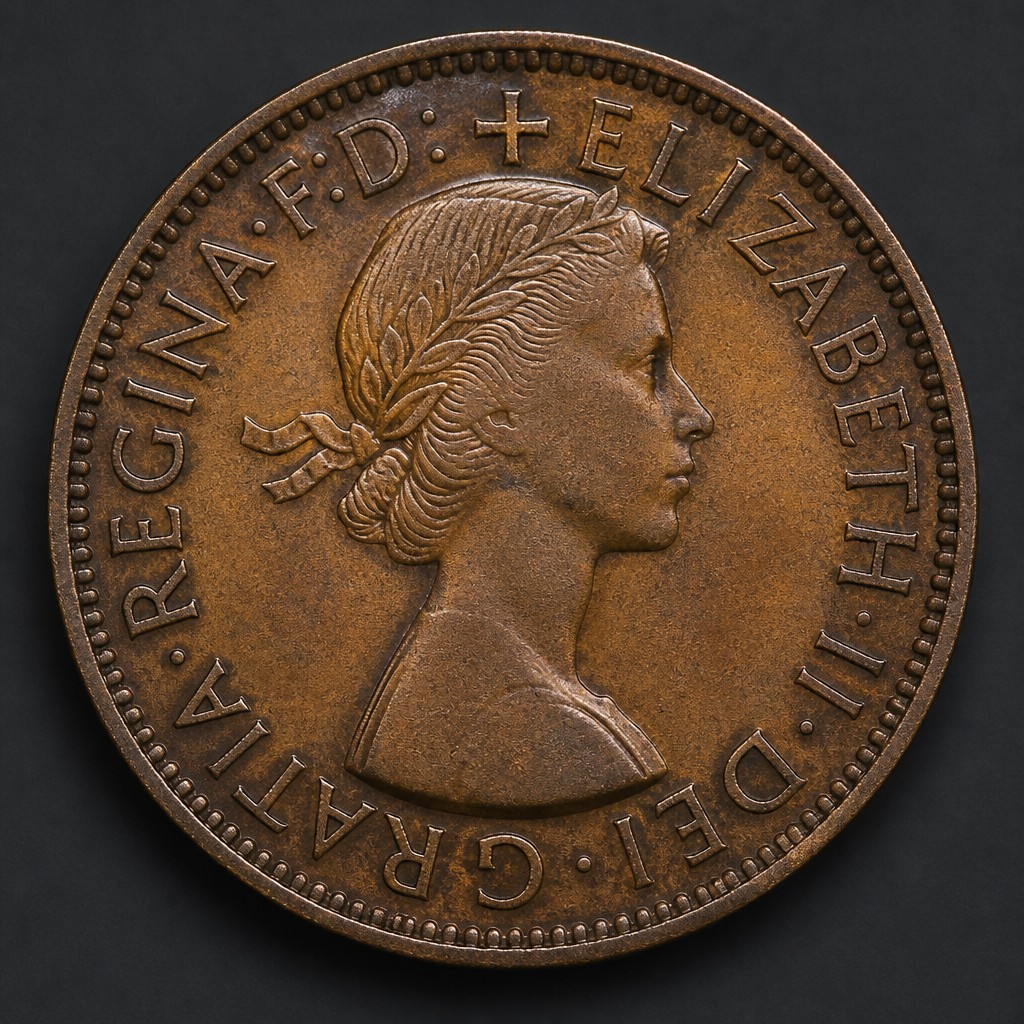
Farthing
13th century–1956
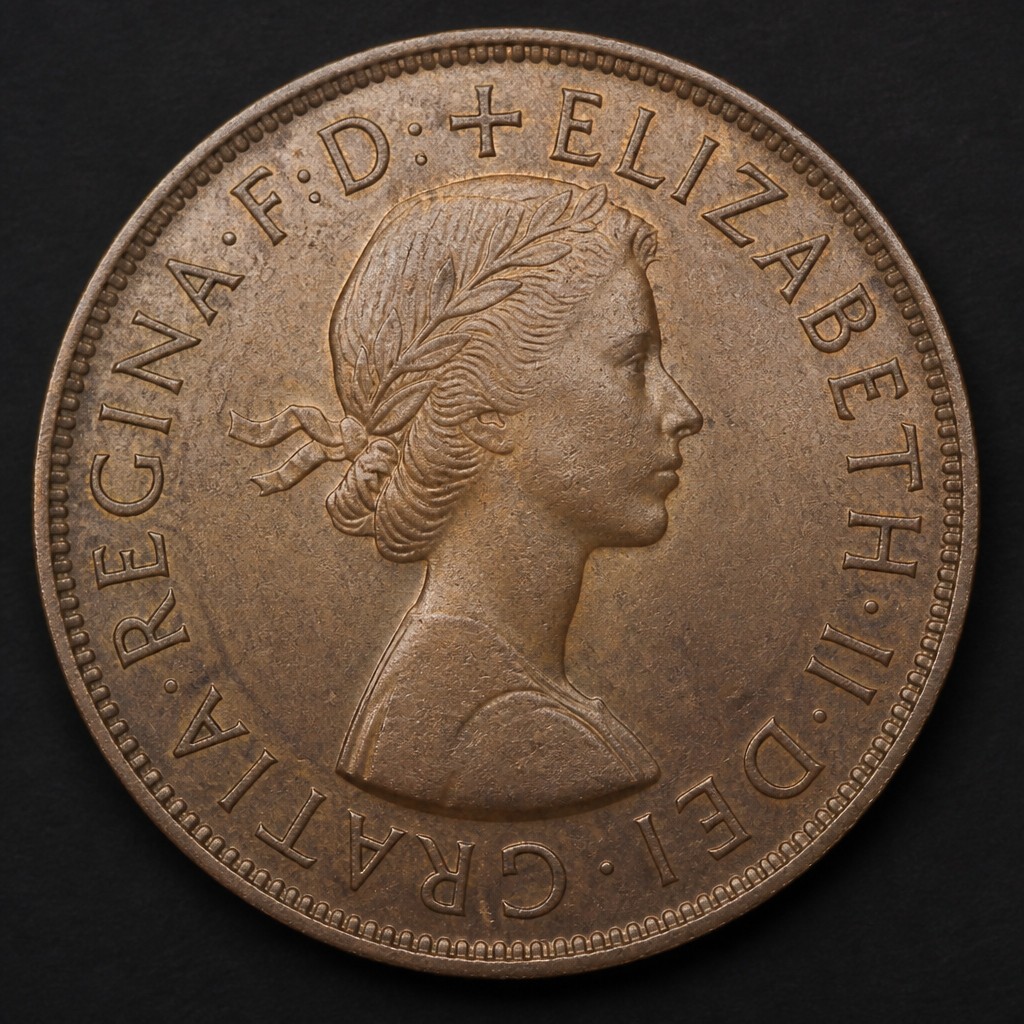
Halfpenny
c. 800s–1969
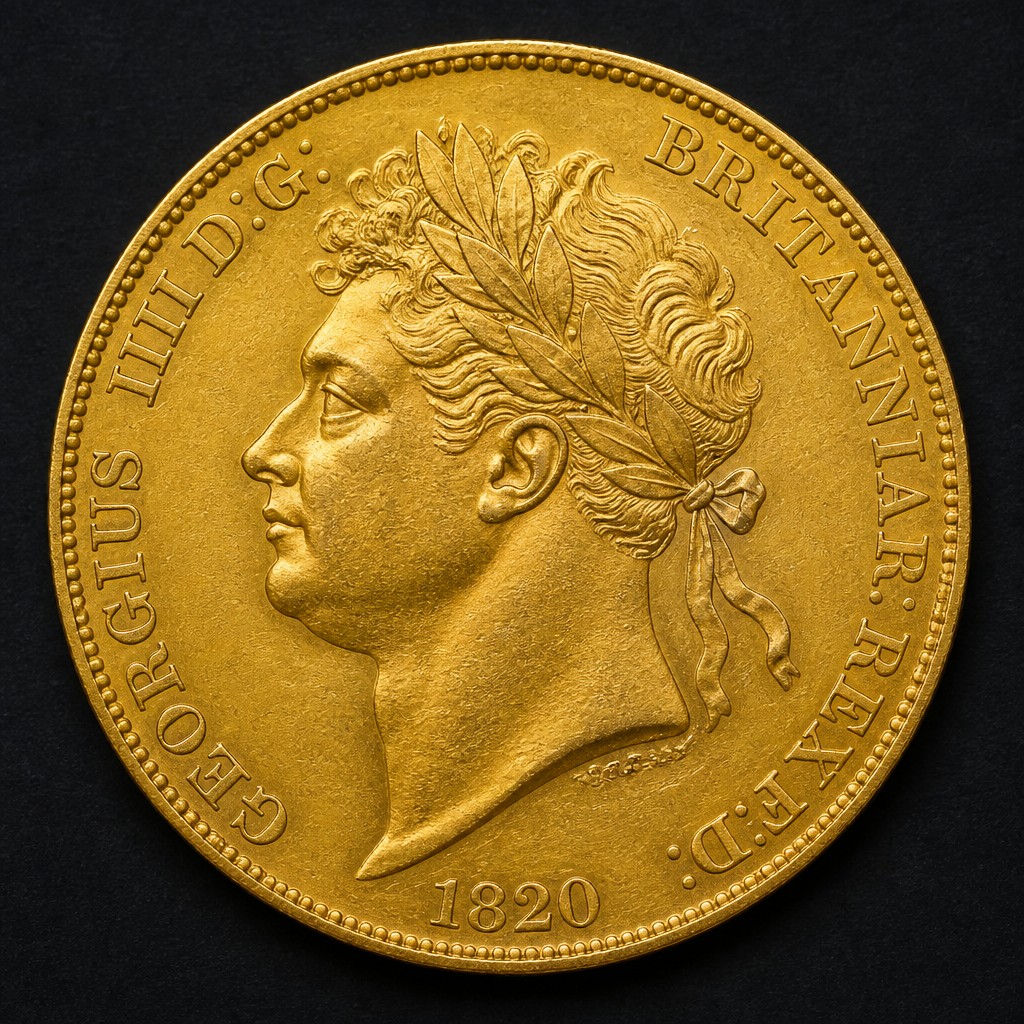
Five Pound Gold (Quintuple Sovereign)
1820–present (intermittent)
Threepence
1547–1970
Double Sovereign
1820s–present (intermittent)