
English Angel
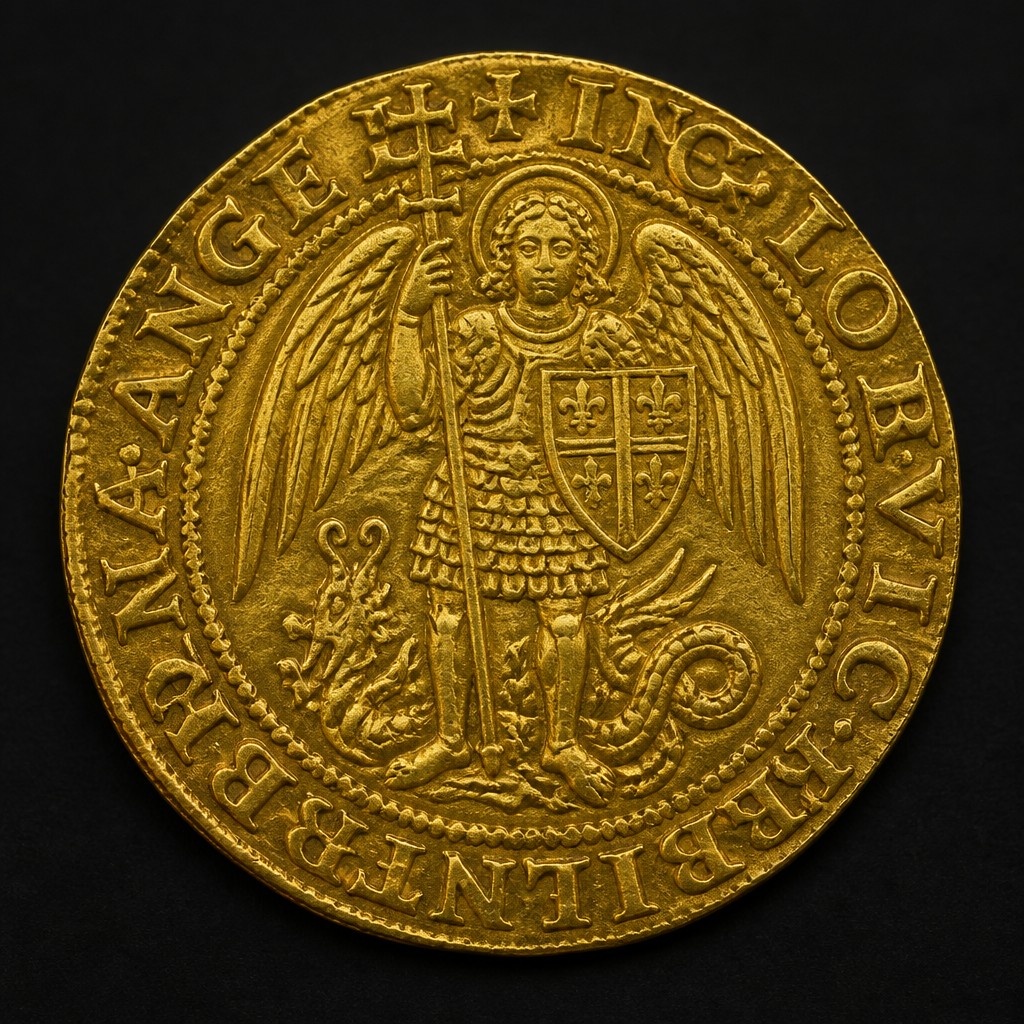
A gold coin depicting the Archangel Michael slaying a dragon, issued for nearly two centuries and later famous for its use as a royal 'touch-piece' for the healing ceremony of the King's Evil.
- Country
- England
- Denomination
- Angel (originally 6 shillings 8 pence, later up to 10 shillings)
- Metal
- Gold, high fineness (approximately .994 to .995)
Got a coin like this?
Identify any coin from a photo, free.
Overview
The English angel takes its name from its striking obverse design, showing the Archangel Michael in combat with a dragon, an image drawn from the Book of Revelation that gave the coin an immediately recognizable and symbolically powerful appearance. Introduced to replace the earlier noble, it served as one of England's standard gold coins for close to two centuries, with its value adjusted periodically as gold prices shifted.
Beyond ordinary commerce, the angel gained a special ceremonial role: monarchs used pierced angel coins, known as touch-pieces, in the traditional 'royal touch' ceremony believed to cure scrofula, a disease then popularly called the King's Evil. This practice, especially associated with later Stuart monarchs, gave surviving angel coins an unusual dual identity as both currency and religious-royal talisman.
Production of the angel as ordinary currency ended around the time of the English Civil War, though the coin's striking imagery and ceremonial associations have kept it a favorite among collectors of English medieval and early modern gold coinage.
History & Background
King Edward IV introduced the angel in 1465 as a new gold coin intended to replace the earlier noble, adopting a fresh design centered on the Archangel Michael defeating a dragon, a potent and widely understood religious image in medieval England. The coin's value was initially set at 6 shillings 8 pence, a traditional English sum, though later monarchs adjusted this figure upward as gold prices and monetary conditions changed over the following generations.
As the angel continued through the reigns of successive English monarchs, from the late Plantagenets through the Tudors and into the Stuart period, it also acquired a unique ceremonial function. Beginning notably with the Tudors and continuing strongly under the Stuarts, especially Charles II, English monarchs performed public 'touching' ceremonies in which they laid hands on sufferers of scrofula, believed curable by royal touch, and presented pierced angel coins, worn on a ribbon, as tokens of the ceremony.
Regular angel coinage for circulation ended around the outbreak of the English Civil War in the early 1640s, though the practice of producing angel-like touch-pieces for the royal healing ceremony persisted informally in some form even after the coin ceased to be struck for ordinary trade.
How to Identify
The obverse shows the Archangel Michael standing over a dragon, piercing or trampling the creature with a spear or sword, a dramatic and easily recognizable religious scene surrounded by a Latin legend naming the reigning monarch. The reverse typically depicts a ship, with a shield bearing the royal arms mounted on the mast, along with a cross and rays, echoing ship imagery used on the earlier noble coin.
Gold fineness is very high, similar to other English gold coinage of the period, and the coin's size and weight varied somewhat as its face value was periodically adjusted upward by different monarchs to reflect changing gold prices. Touch-piece angels, used in royal healing ceremonies, are often found pierced with a small hole for suspension on a ribbon, a feature not present on coins struck purely for circulation.
Because the angel design persisted with only modest changes across many reigns, distinguishing a specific issue generally depends on reading the obverse legend for the monarch's name and comparing minor stylistic differences in the archangel and dragon rendering characteristic of different periods.
Value & Collectibility
Common angel issues from more prolific reigns, in worn condition, are attainable to advanced collectors, though prices for genuine gold angels of any period tend to run into the low thousands of dollars given their gold content, age, and desirability. Well-preserved or rare-reign examples can be substantially more valuable.
Pierced touch-piece angels carry their own distinct collecting interest tied to the royal healing ceremony tradition, and well-documented examples with strong provenance to a specific monarch's touching ceremonies can command a premium beyond an equivalent unpierced circulation coin, despite the piercing technically being a form of damage.
As with most historic English gold, condition, rarity of the specific reign, and overall eye appeal drive most value differences, and buyers should seek expert authentication given the coin's value and long production history across multiple reigns with subtle design variations.
Frequently asked questions
Why is it called an angel?
The name comes from its obverse design showing the Archangel Michael slaying a dragon, a striking and recognizable religious image.
What is a touch-piece?
It is a pierced angel coin used in the royal ceremony where English monarchs 'touched' sufferers of scrofula, then called the King's Evil, believed curable by royal touch.
How much was an angel worth?
It began at 6 shillings 8 pence under Edward IV and was later revalued upward by subsequent monarchs as gold prices changed.
When did England stop minting angels for circulation?
Regular angel coinage ended around the time of the English Civil War in the early 1640s.
Other coins you may enjoy
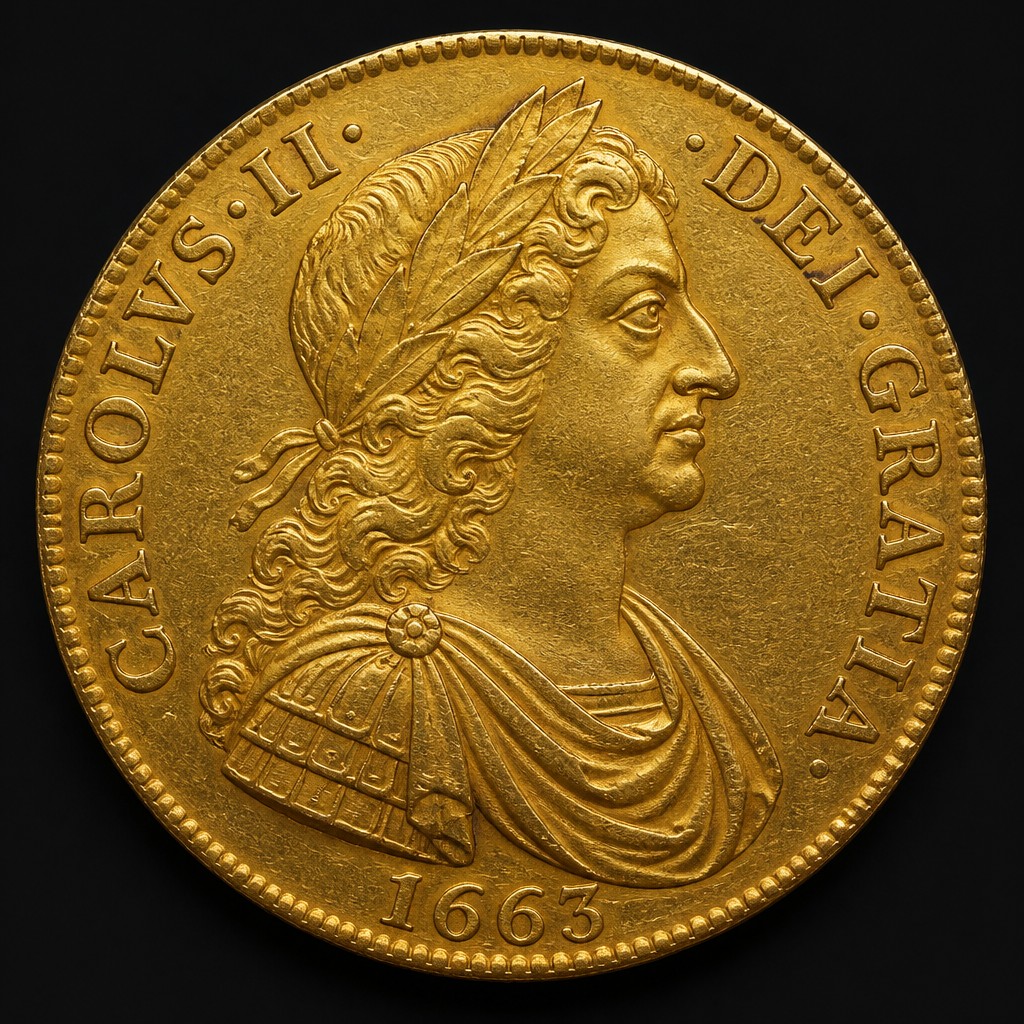
British Guinea
1663–1814
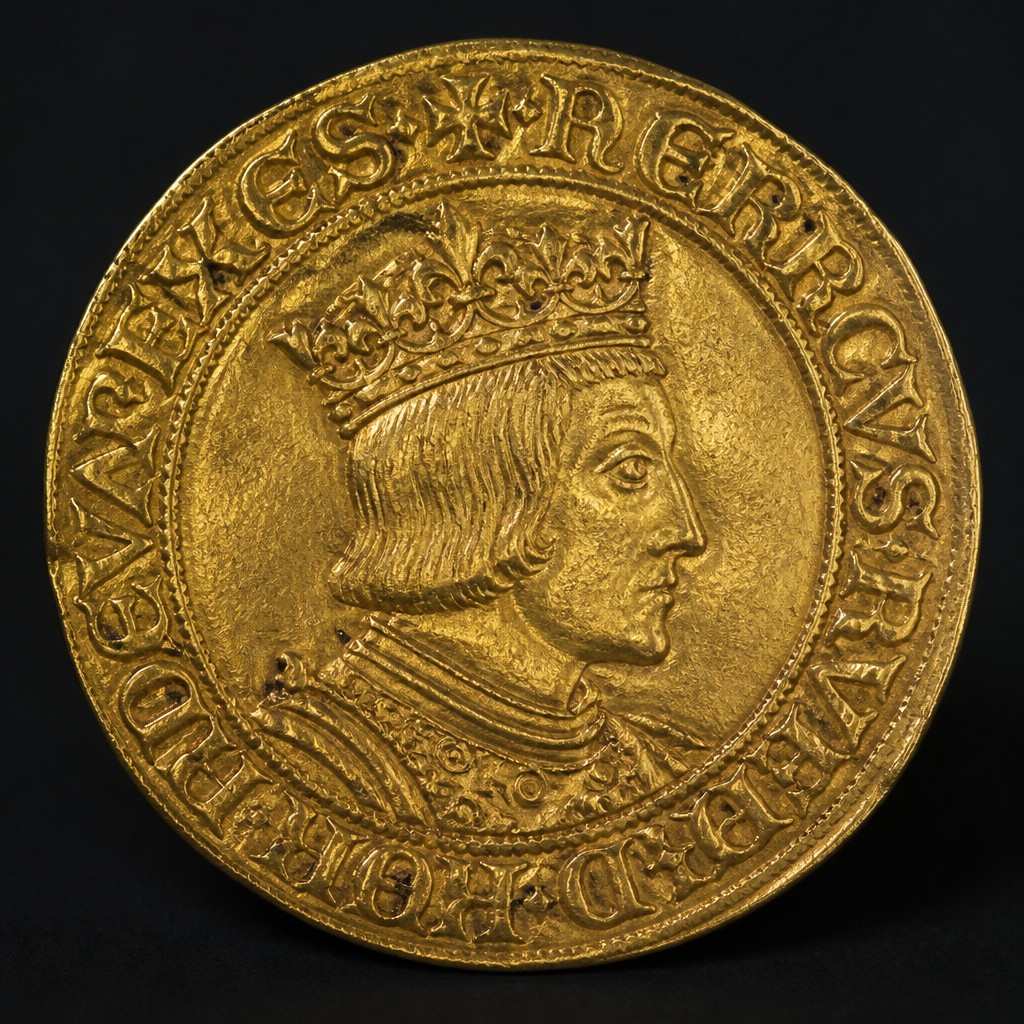
English Sovereign of Henry VII
1489–1509
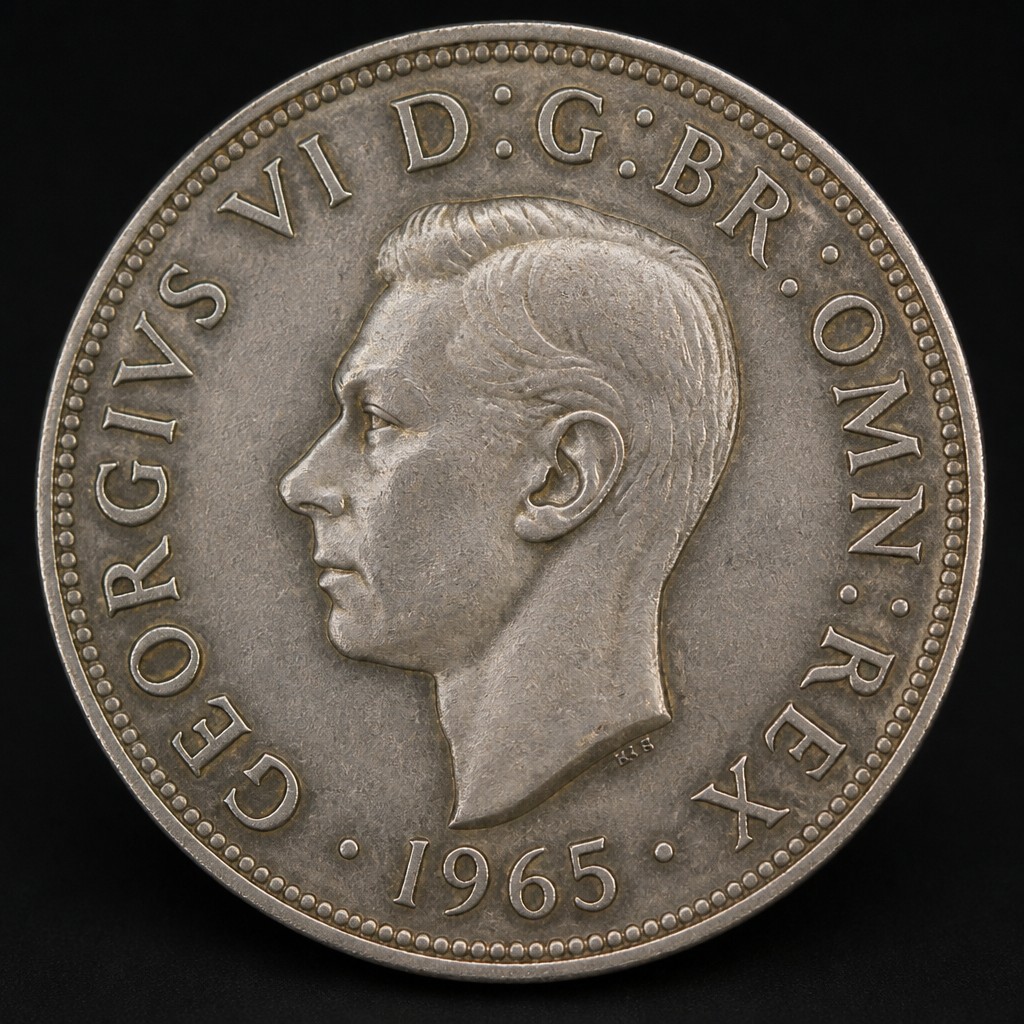
English Crown
1526–1965 (pre-decimal; commemorative crown-sized coins continue as five pound coins)
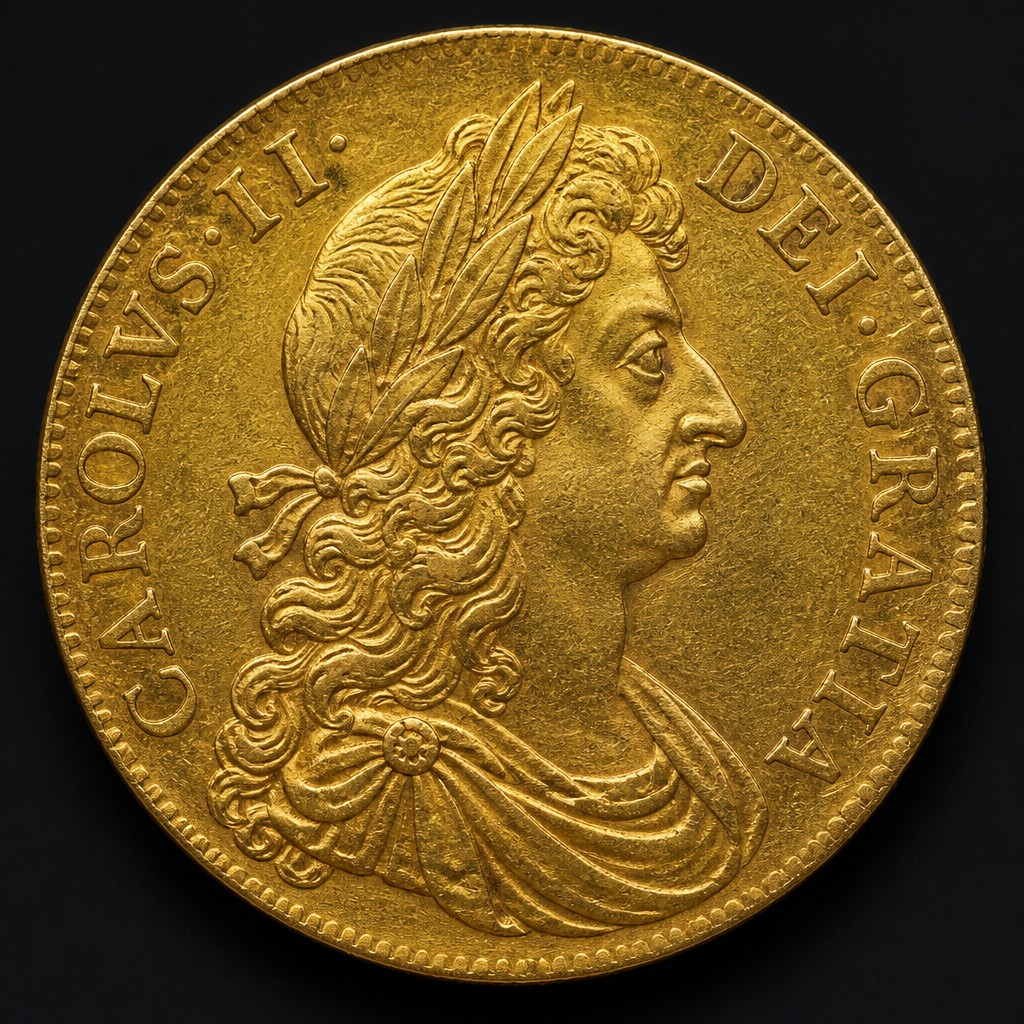
British Gold Guinea
1663–1814
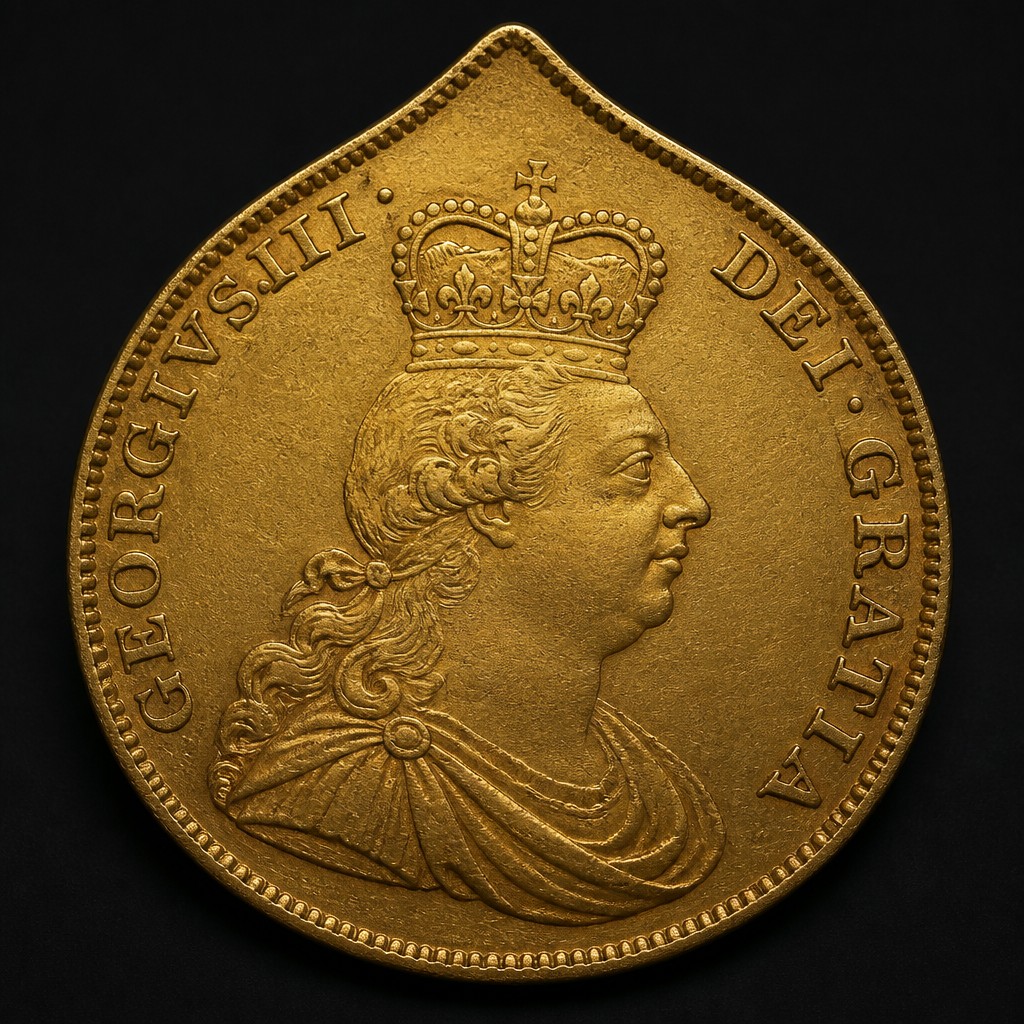
Spade Guinea
1787–1799
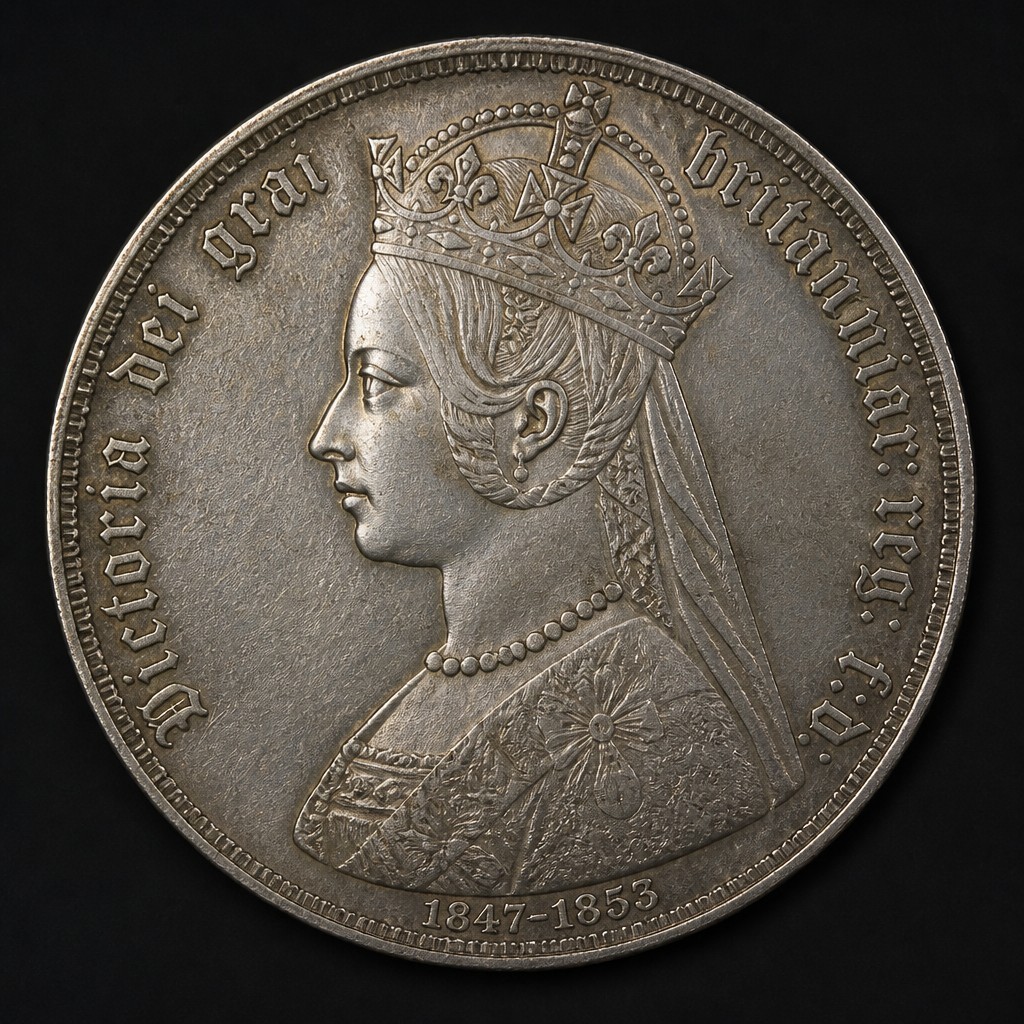
Gothic Crown
1847–1853
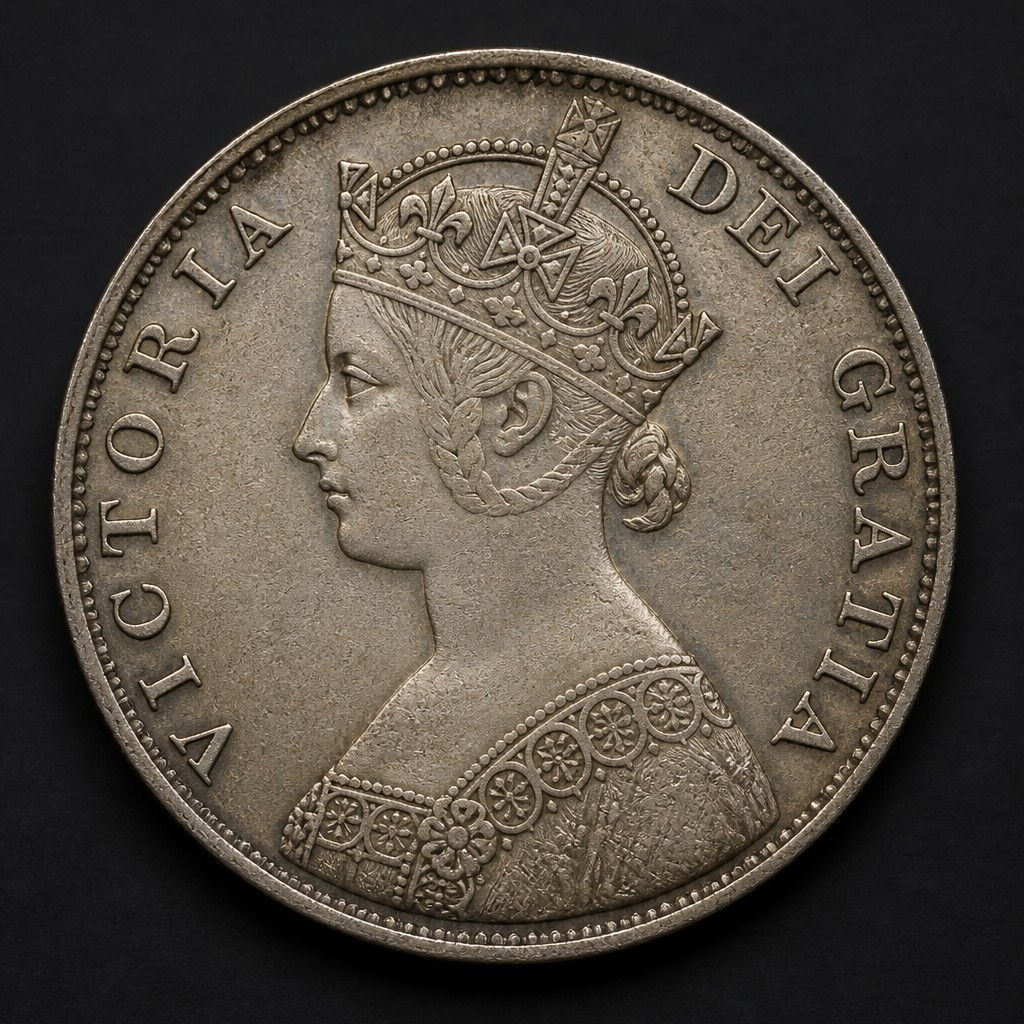
Groat (Fourpence)
1279–1888 (various revivals)
Farthing
13th century–1956
Halfpenny
c. 800s–1969
Five Pound Gold (Quintuple Sovereign)
1820–present (intermittent)
Threepence
1547–1970
Double Sovereign
1820s–present (intermittent)