
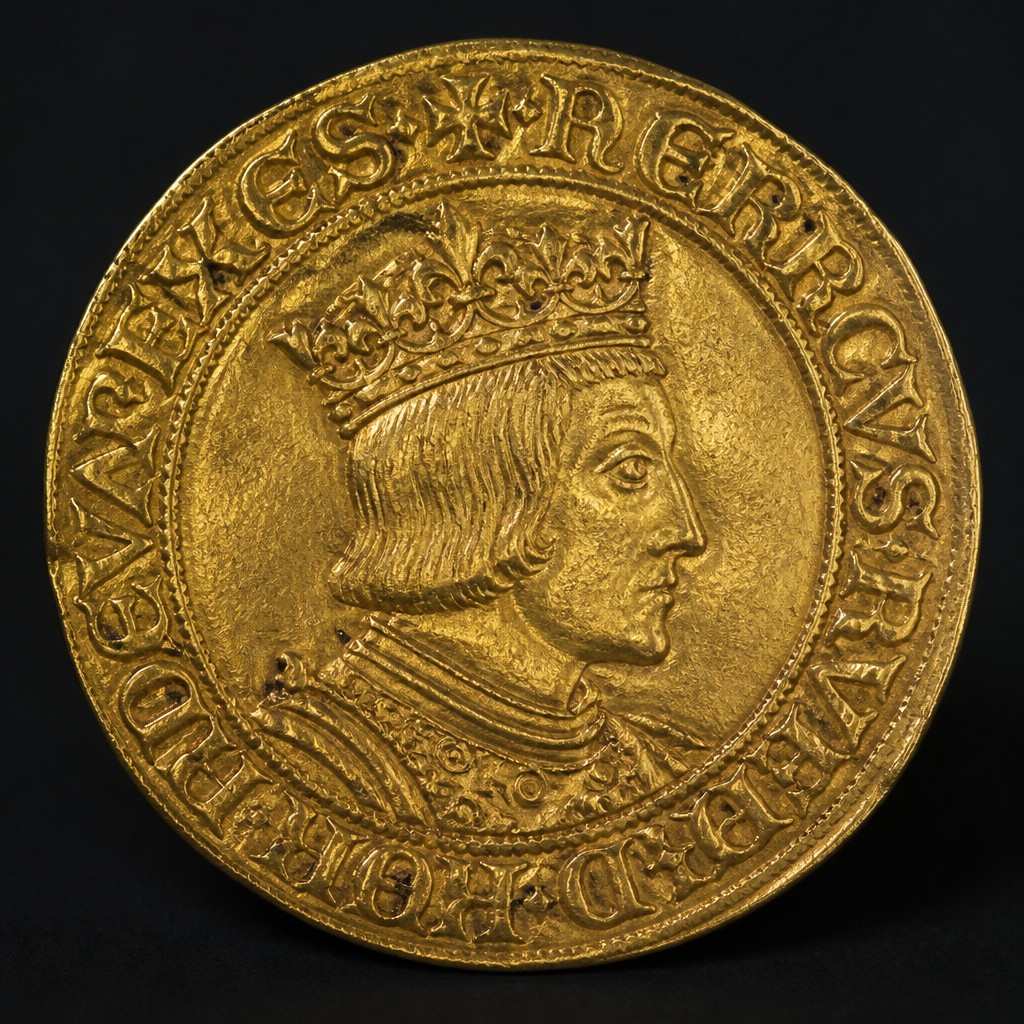
English Sovereign of Henry VII
The first English sovereign, introduced by Henry VII in 1489 as a large, prestigious gold coin showing the king enthroned in majesty, meant to project royal power after the Wars of the Roses.
- Country
- England
- Denomination
- 1 Sovereign (20 shillings)
- Metal
- Gold, approximately .994 to .995 fine
Got a coin like this?
Identify any coin from a photo, free.
Overview
The original English sovereign, struck under Henry VII beginning in 1489, was a strikingly large and heavy gold coin designed less for everyday commerce than as a statement piece proclaiming the strength and legitimacy of the newly established Tudor dynasty. Its imposing size and imagery of the king enthroned in full royal regalia distinguish it sharply from the later, much smaller sovereign design introduced in the nineteenth century that still circulates today.
Commissioned in the aftermath of the Wars of the Roses, when the Tudor claim to the throne remained relatively fresh and politically contested, the sovereign served a symbolic purpose beyond pure monetary function, reinforcing Henry VII's authority through an unmistakably regal design that would have stood out from earlier English gold coins.
Because of its high face value, large size, and limited practical role in daily transactions, the Henry VII sovereign is exceptionally scarce today, surviving mainly through careful preservation across five centuries rather than heavy circulation.
History & Background
Henry VII introduced the sovereign in 1489, roughly four years after winning the English crown at the Battle of Bosworth Field and establishing the Tudor dynasty following decades of civil war between the houses of Lancaster and York. The new coin's imposing size and majestic imagery were a deliberate choice, meant to convey stability, wealth, and unquestionable royal authority to a kingdom still settling after prolonged internal conflict.
As England's largest gold denomination of the period, the sovereign was too valuable for routine everyday purchases and instead functioned more as a store of value, a diplomatic gift, or a coin used in large transactions, reflecting its role as a prestige issue rather than common currency. Its introduction also marked a broader effort during Henry VII's reign to modernize and strengthen English coinage generally.
Later Tudor and Stuart monarchs continued to strike sovereigns with their own portraits and design variations for over a century, though the coin gradually diminished in relative importance until it was discontinued, only to be revived in an entirely new, smaller form in 1817 as Britain's modern gold sovereign.
How to Identify
The obverse shows King Henry VII seated on an ornate throne, facing forward in full majesty, wearing his crown and holding the royal orb and scepter, with a Latin legend giving his name and titles around the rim. The reverse displays the royal arms set upon a large Tudor rose, itself a specifically Tudor symbol commemorating the union of the houses of Lancaster and York.
The coin is notably large and heavy for a gold issue of its era, with a diameter well beyond that of most contemporary gold coins, reflecting its high face value of 20 shillings, a substantial sum at the time. Gold fineness was very high, close to pure, giving genuine examples a rich, deep color.
Because the coin type continued, with design modifications, under Henry VIII and later Tudor monarchs, careful attention to the specific portrait, throne style, and legend is needed to distinguish a genuine Henry VII sovereign from later reigns that used a broadly similar 'king enthroned' design template.
Value & Collectibility
Genuine Henry VII sovereigns are extremely rare and are considered major rarities within English numismatics, typically appearing at auction rather than through ordinary retail channels, with values reaching well into five or six figures depending on condition and specific variety. Given this rarity, most collectors will only ever encounter the coin through museum displays or major numismatic auction records rather than private purchase.
Condition, while always important, is somewhat secondary to sheer rarity for a coin of this stature; even moderately worn genuine examples command enormous premiums simply due to how few have survived. Any claimed example should be authenticated by recognized experts given both the coin's value and the historical prevalence of later reproductions and fantasy pieces claiming Tudor origin.
Collectors interested in this coin type but working with more modest budgets often instead pursue later Tudor sovereigns of Henry VIII or Edward VI, which, while still scarce and valuable, are somewhat more obtainable than the pioneering Henry VII issue.
Frequently asked questions
Why was the sovereign introduced?
Henry VII created it in 1489 as a large, prestigious gold coin to project the strength and legitimacy of the new Tudor dynasty after years of civil war.
Is this the same as the modern British sovereign?
No, the modern sovereign introduced in 1817 is a much smaller coin with a different design; the original Tudor sovereign was considerably larger and heavier.
What does the Henry VII sovereign show?
The obverse depicts the king enthroned in full royal regalia, while the reverse shows the royal arms set on a large Tudor rose.
How rare is the Henry VII sovereign?
It is extremely rare and highly sought after, generally surfacing only at major auctions rather than typical coin markets.
Other coins you may enjoy
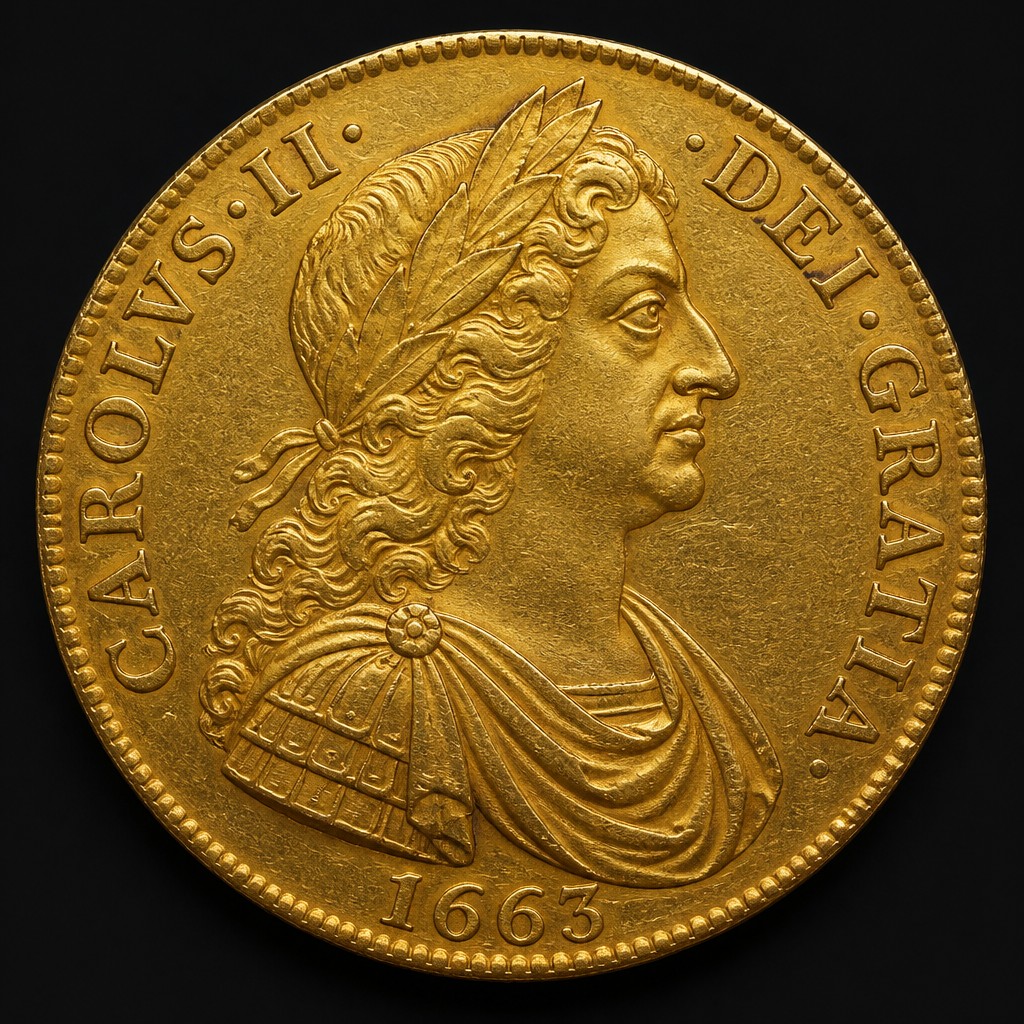
British Guinea
1663–1814
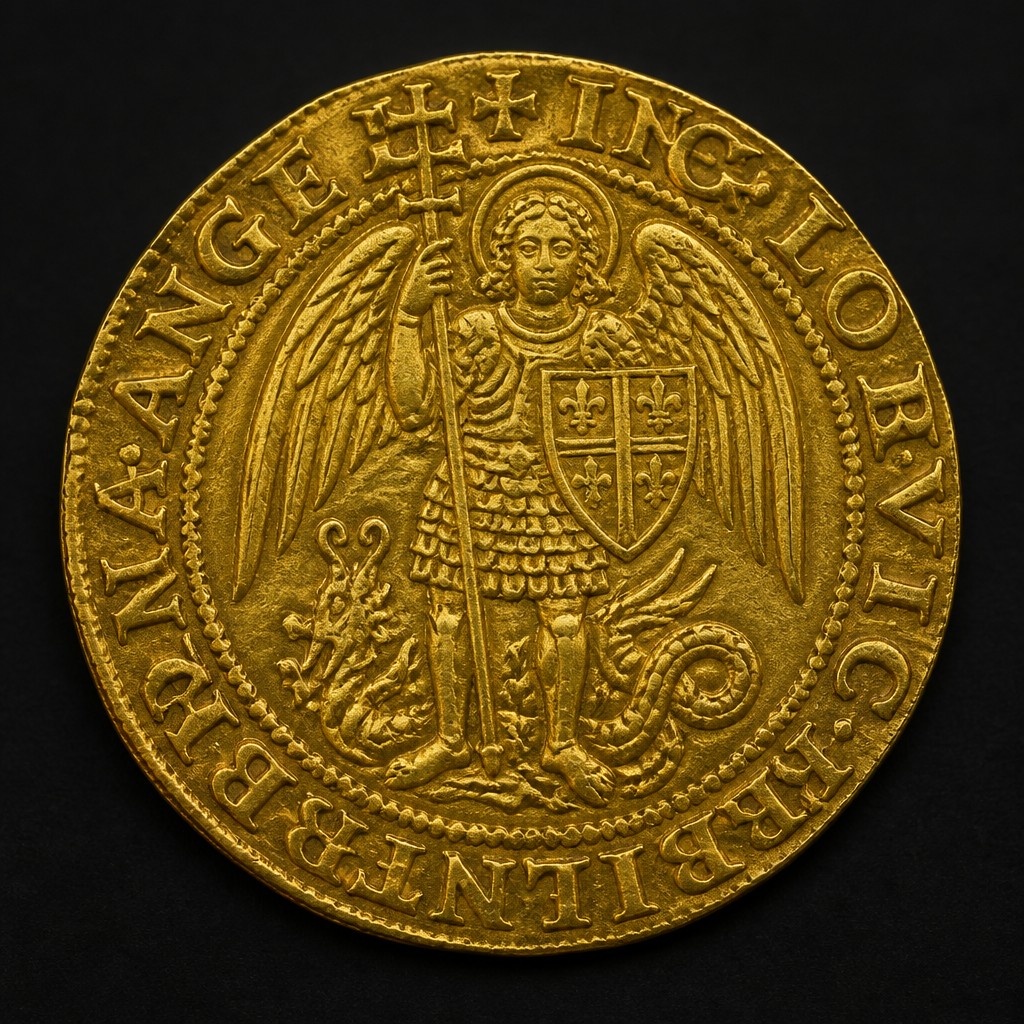
English Angel
1465–1642
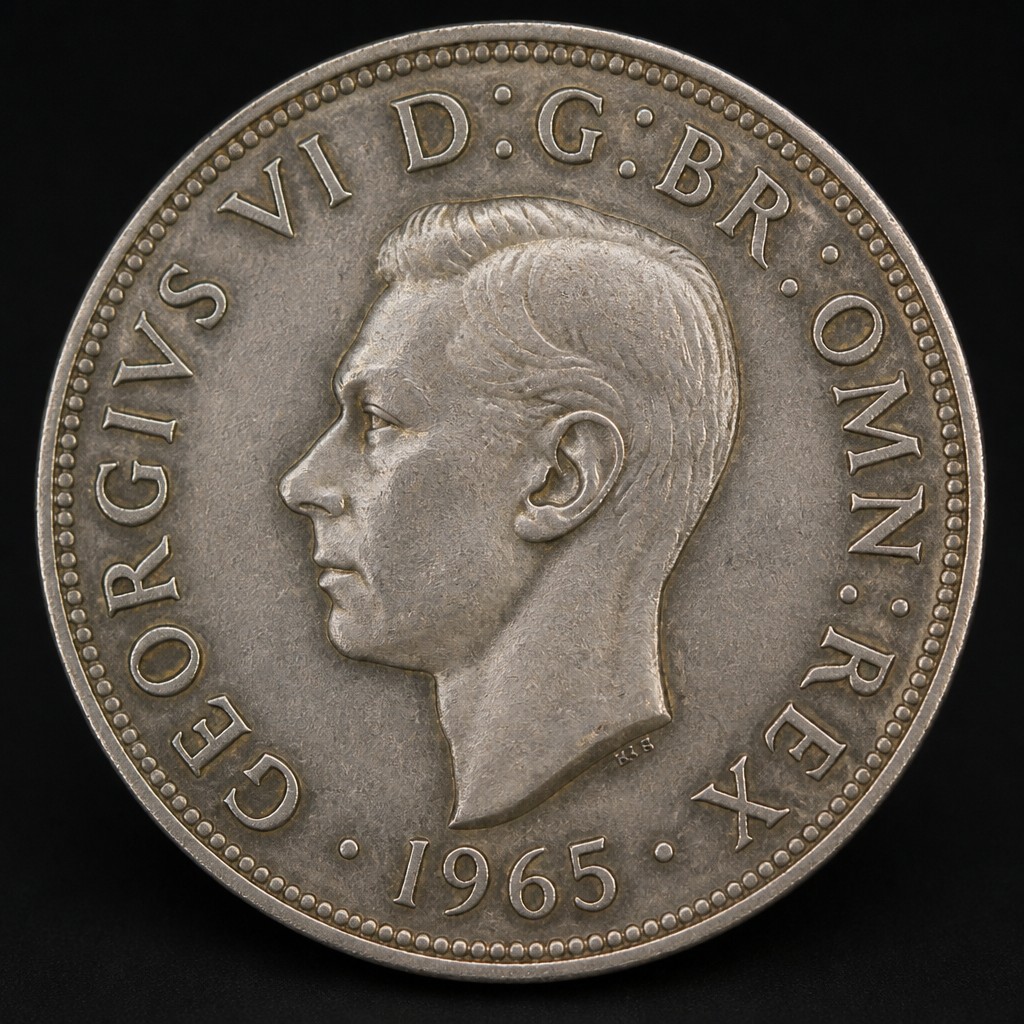
English Crown
1526–1965 (pre-decimal; commemorative crown-sized coins continue as five pound coins)
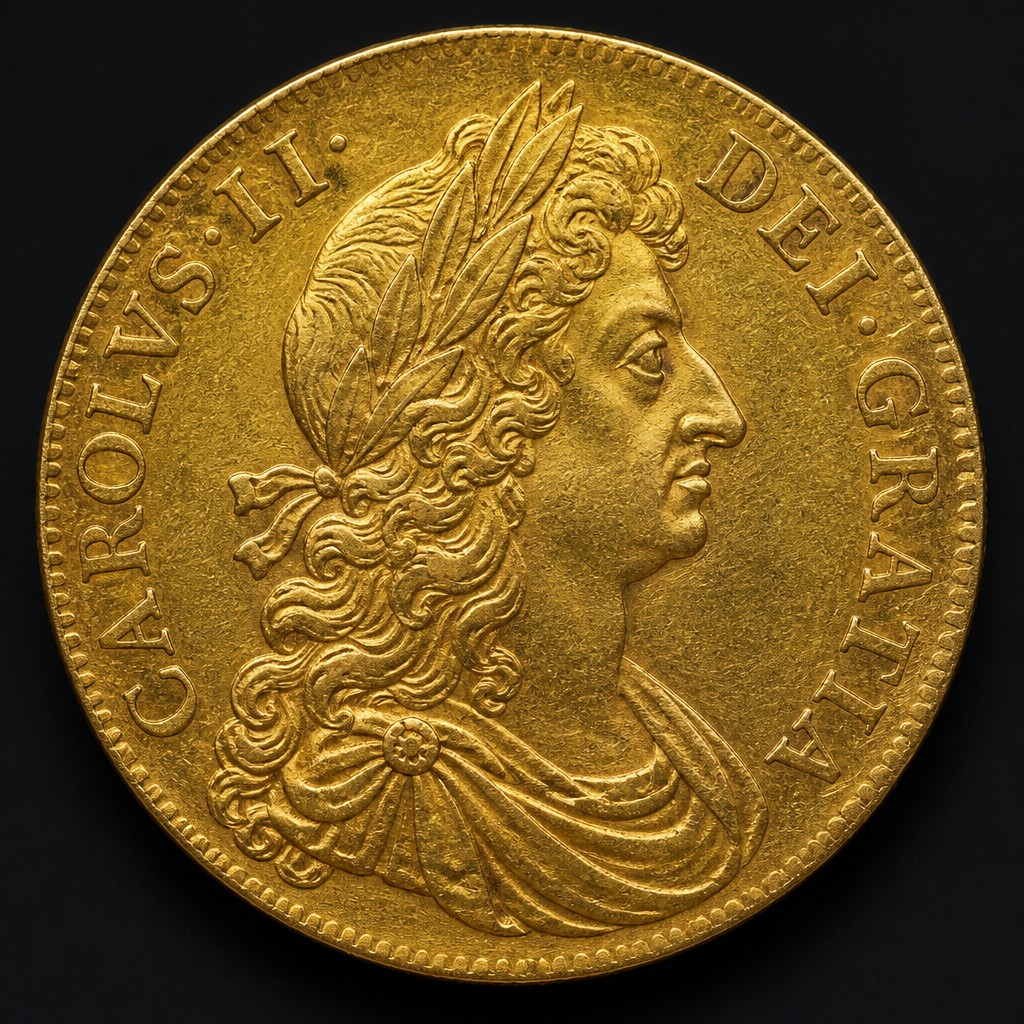
British Gold Guinea
1663–1814
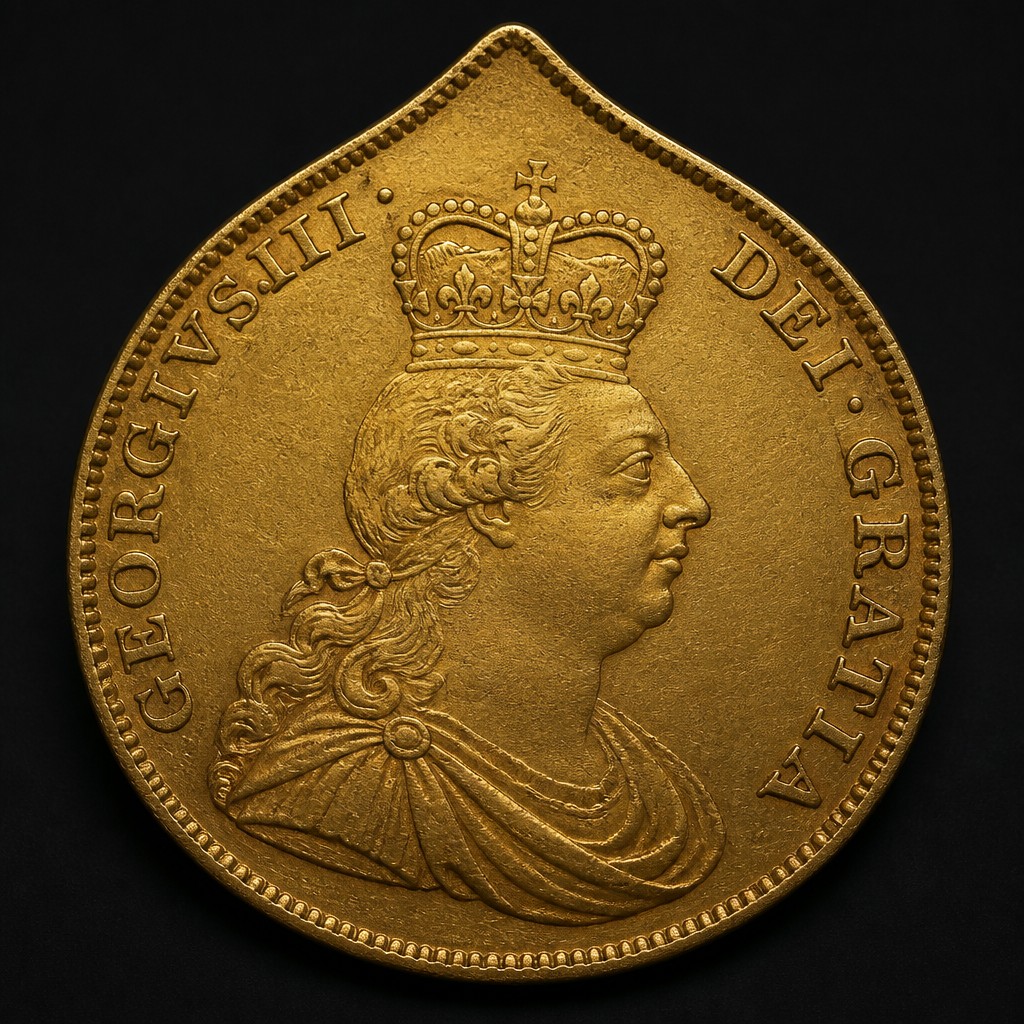
Spade Guinea
1787–1799
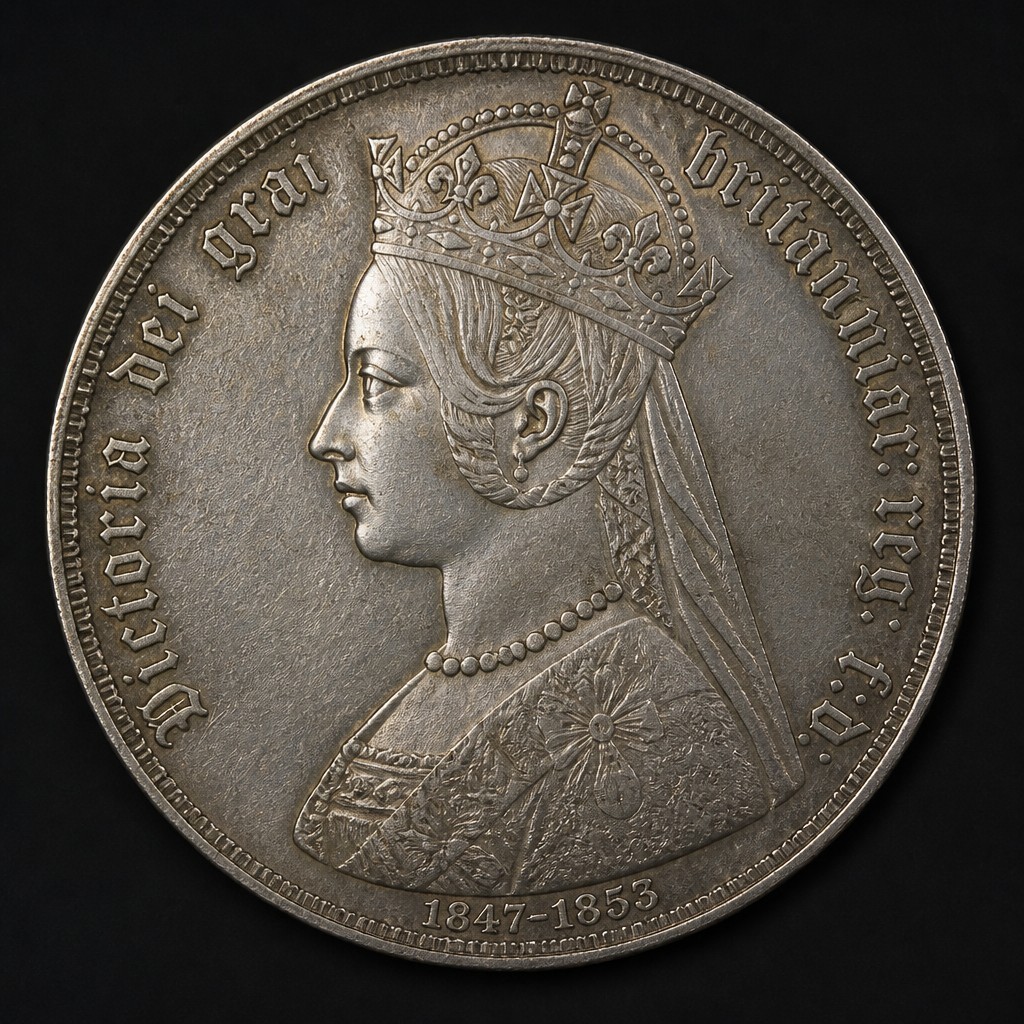
Gothic Crown
1847–1853
Groat (Fourpence)
1279–1888 (various revivals)
Farthing
13th century–1956
Halfpenny
c. 800s–1969
Five Pound Gold (Quintuple Sovereign)
1820–present (intermittent)
Threepence
1547–1970
Double Sovereign
1820s–present (intermittent)