
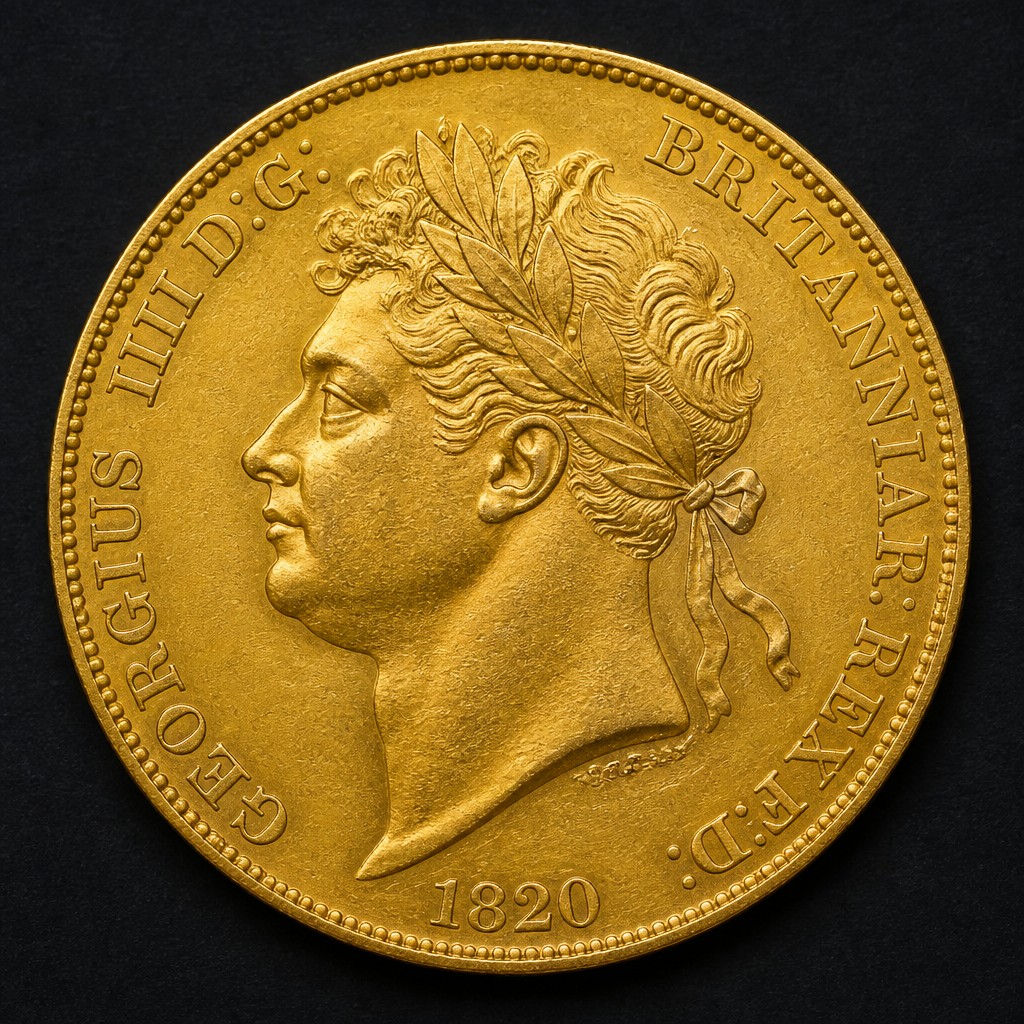
Five Pound Gold (Quintuple Sovereign)
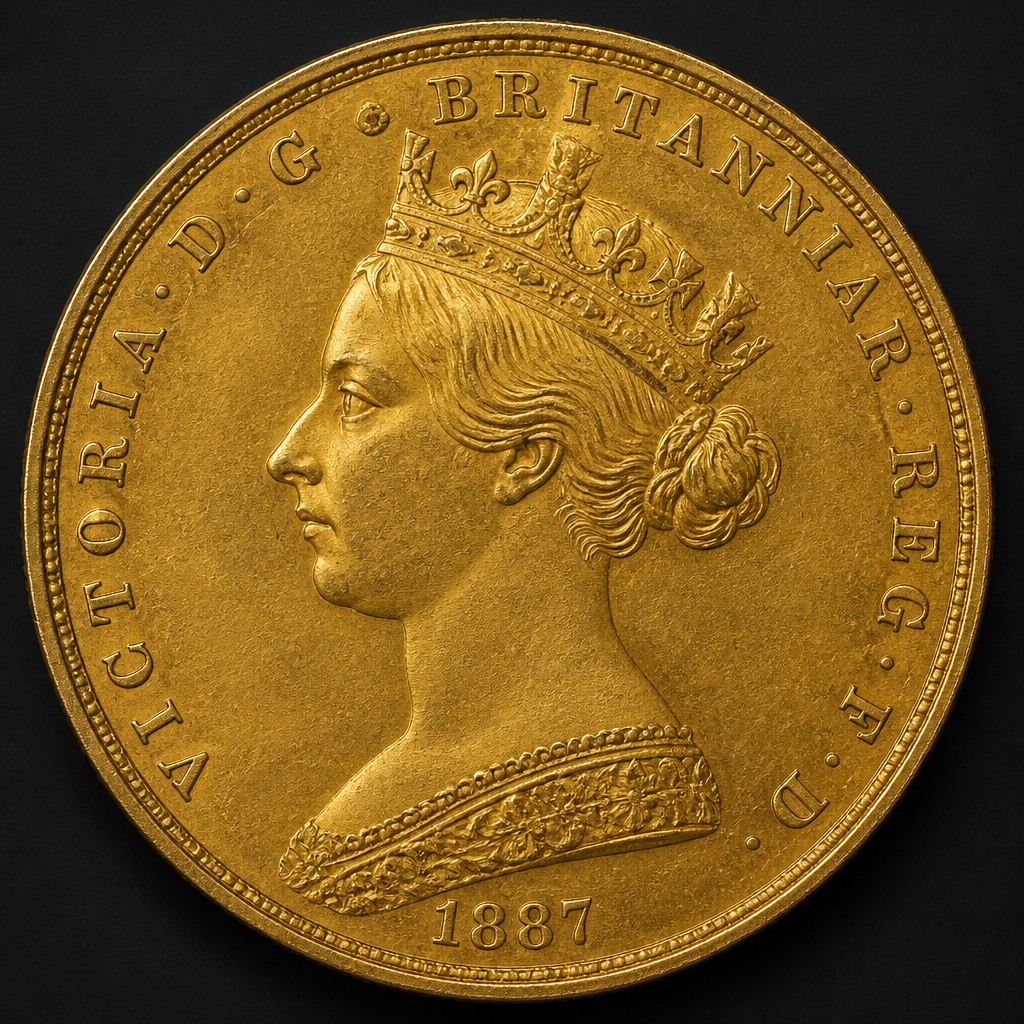
The largest standard gold coin in the British sovereign family, worth five pounds and equal to five sovereigns, struck intermittently since 1820 for commemorative and collector purposes.
- Country
- United Kingdom
- Denomination
- Five Pounds (£5)
- Metal
- Gold (.9167 or .9999 Fine)
Got a coin like this?
Identify any coin from a photo, free.
Overview
The five-pound gold piece, sometimes called the quintuple sovereign, is the largest regularly issued denomination in the British sovereign family, worth five pounds and containing five times the gold of a standard sovereign. Like the double sovereign, it has never served as ordinary circulating currency but instead exists as a prestige coin for commemorative issues, proof sets, and gifting.
Its substantial size makes it an especially impressive canvas for classic British coin artistry, most famously Benedetto Pistrucci's Saint George and the dragon design, and it is often the centerpiece of premium Royal Mint commemorative sets marking major royal and national anniversaries.
Collectors regard the five-pound gold piece as both a serious gold bullion holding and a flagship numismatic item, with historic Victorian and Edwardian examples in particular considered classic showpieces of British coin design.
History & Background
The five-pound gold coin was first struck in 1820, near the end of George III's reign, as part of the same Great Recoinage era that established the modern gold sovereign as Britain's standard gold coin. From the outset it was conceived as a special, high-value piece rather than a circulating denomination, reflecting the practical impracticality of using such a large gold coin for everyday transactions.
Throughout the Victorian era, five-pound pieces were periodically struck for jubilees and special occasions, with the 1839 "Una and the Lion" pattern, though technically a pattern rather than a circulation issue, becoming one of the most celebrated and artistically admired British coins of all time for its allegorical depiction of the young Queen Victoria as Una leading a lion representing Britain.
In the twentieth and twenty-first centuries, the Royal Mint has continued to issue five-pound gold coins intermittently for royal weddings, coronations, jubilees, and other major commemorative events, maintaining the tradition of pairing this largest sovereign-family denomination with the most historically significant royal occasions.
How to Identify
Obverses show the reigning monarch's portrait, and reverses most commonly feature Pistrucci's Saint George and the dragon design, though many issues instead carry special commemorative reverse designs tied to the specific royal or national event being marked, such as jubilee or coronation imagery.
The five-pound gold coin is notably large and heavy, weighing approximately 39.94 grams (five times the standard sovereign's weight) with a diameter around 36mm, giving it a substantial, medal-like presence distinct from the standard sovereign or double sovereign.
Historic issues are typically .9167 fine (22 carat) gold consistent with the sovereign standard, while some modern commemorative strikings use .9999 fine gold; as with the double sovereign, checking the specific issue's fineness and accompanying documentation helps confirm identification for modern pieces.
Value & Collectibility
Five-pound gold coins carry substantial value driven by their large gold content alone, and historic examples, particularly well-preserved Victorian and Edwardian pieces, command strong prices reflecting both bullion weight and numismatic desirability. The 1839 Una and the Lion pattern is exceptionally rare and prized, with values reaching into the tens of thousands of dollars or more for choice examples given its status as one of the most admired coin designs in British history.
Modern commemorative five-pound gold coins from the Royal Mint are priced based on gold content plus a premium tied to the specific commemorative theme, mintage size, and finish (proof versus bullion strike), with limited editions often appreciating in collector interest over time.
As the flagship denomination of the sovereign family, condition, strike quality, and rarity of the specific date or commemorative issue all significantly influence value, with the finest historic examples representing some of the more expensive coins within standard British numismatics.
Frequently asked questions
How much gold is in a five-pound gold coin?
Historic issues contain approximately 39.94 grams of .9167 fine gold, five times the gold content of a standard sovereign.
What is the Una and the Lion five-pound coin?
An 1839 pattern coin depicting Queen Victoria as the allegorical figure Una leading a lion, widely regarded as one of the most beautiful British coin designs ever produced.
Was the five-pound gold coin ever circulated?
No, it has always been a special, non-circulating denomination struck for commemorative occasions, proof sets, and collectors.
What is another name for the five-pound gold coin?
It is sometimes called the quintuple sovereign, reflecting its value of five standard sovereigns.
Other coins you may enjoy
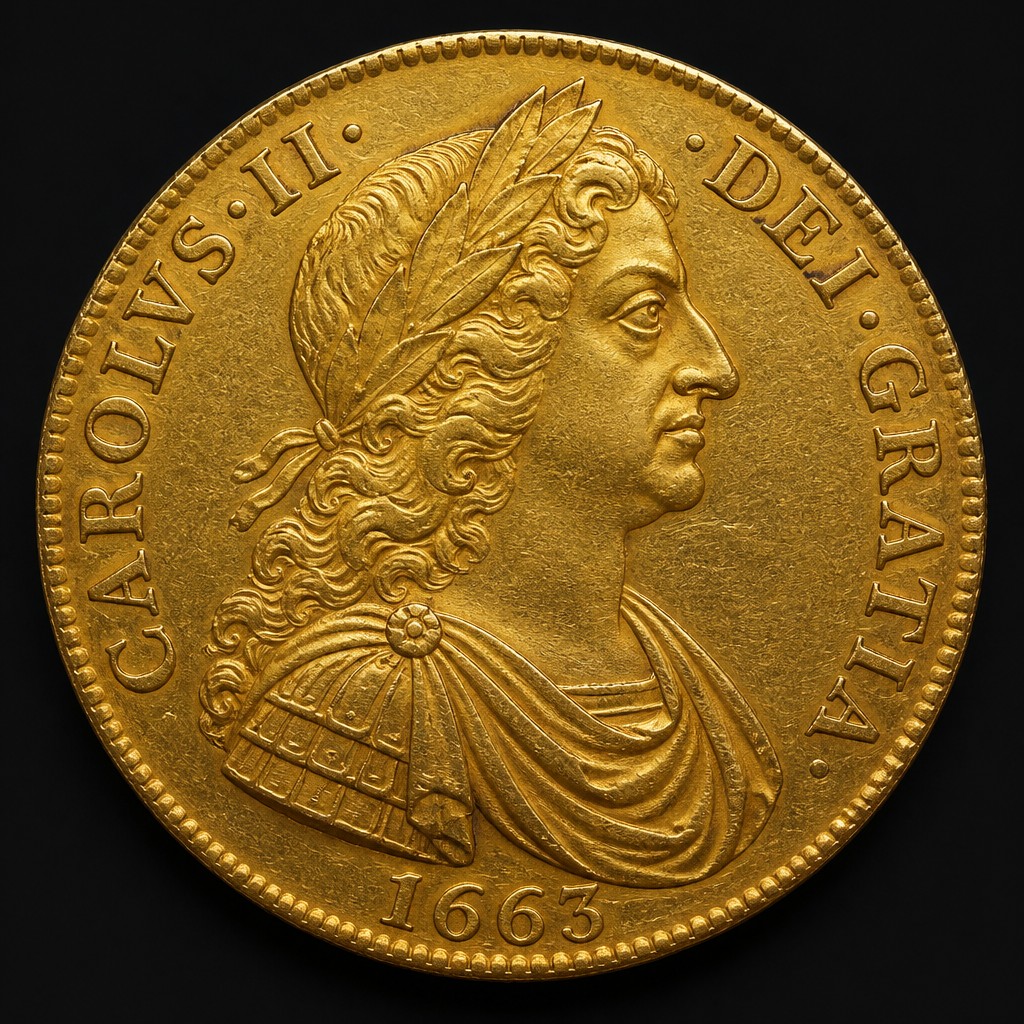
British Guinea
1663–1814
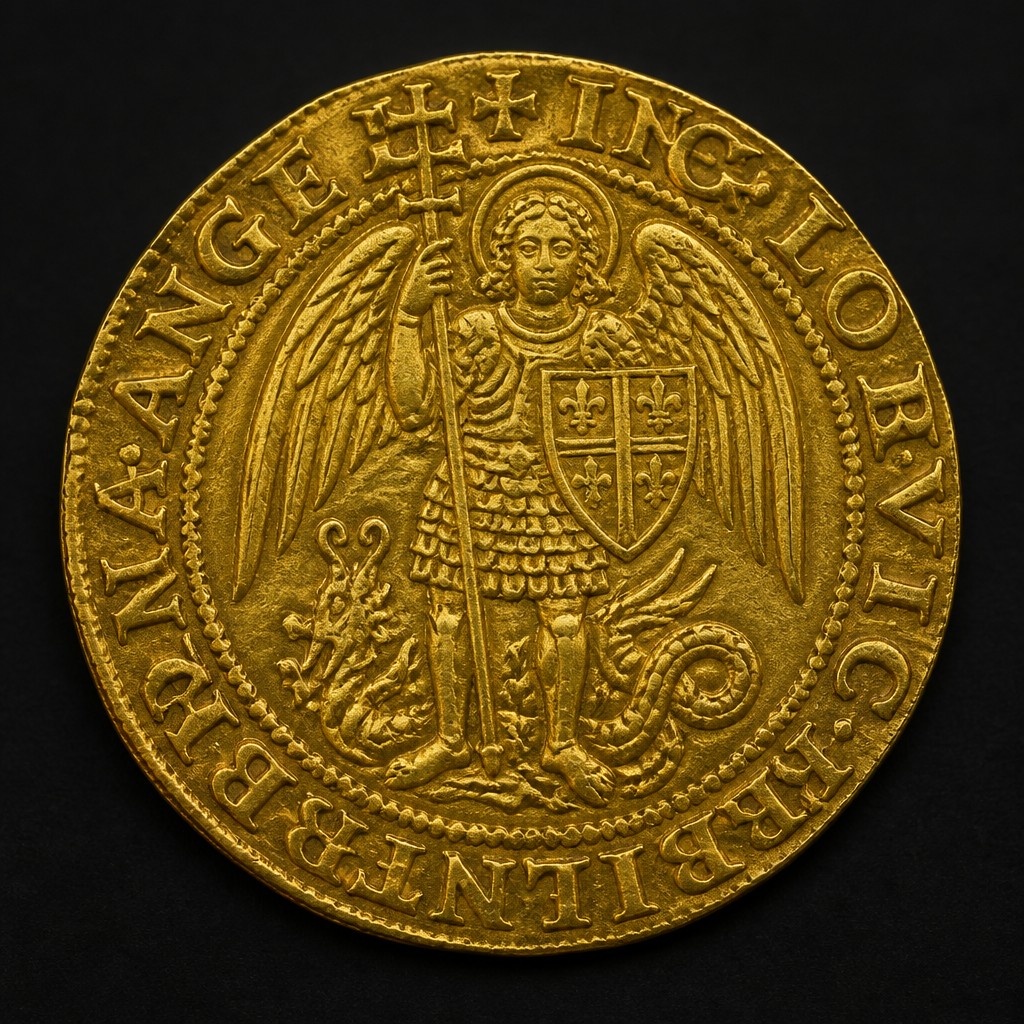
English Angel
1465–1642
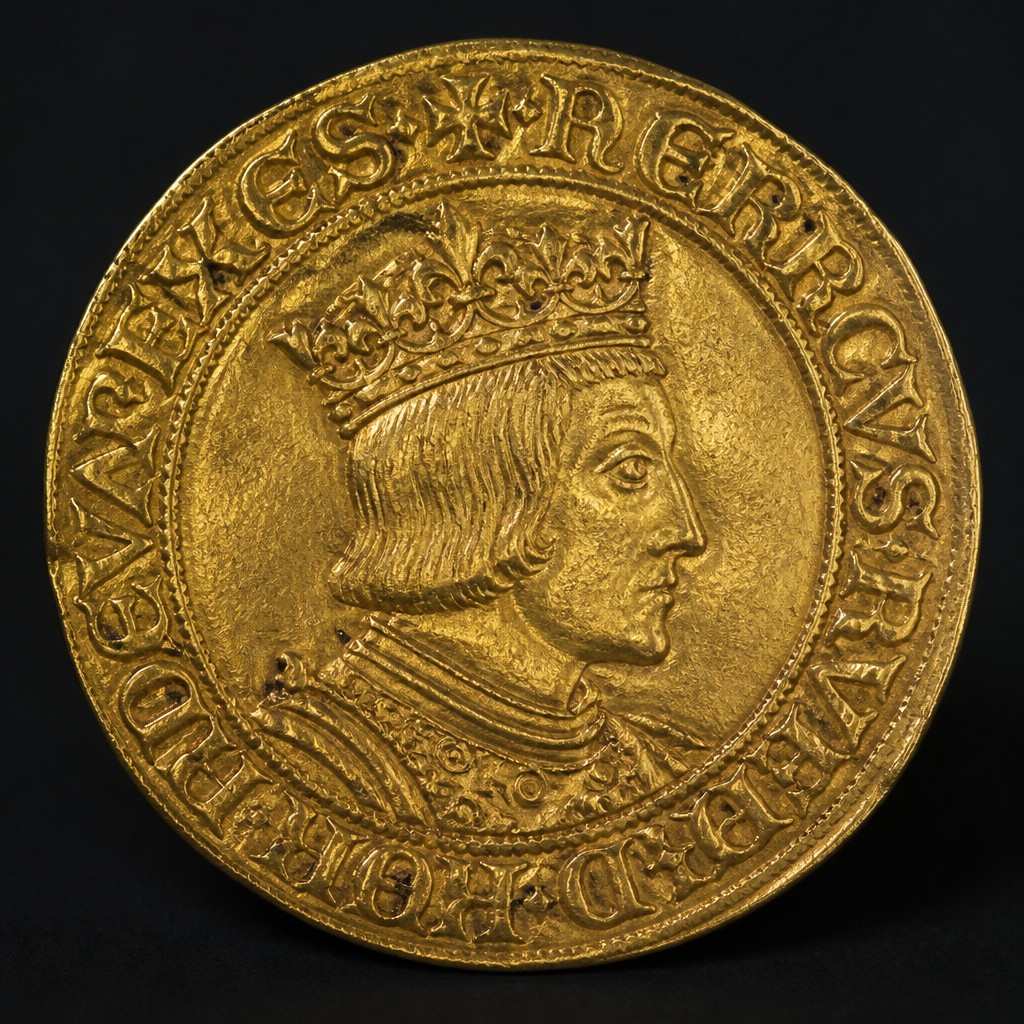
English Sovereign of Henry VII
1489–1509
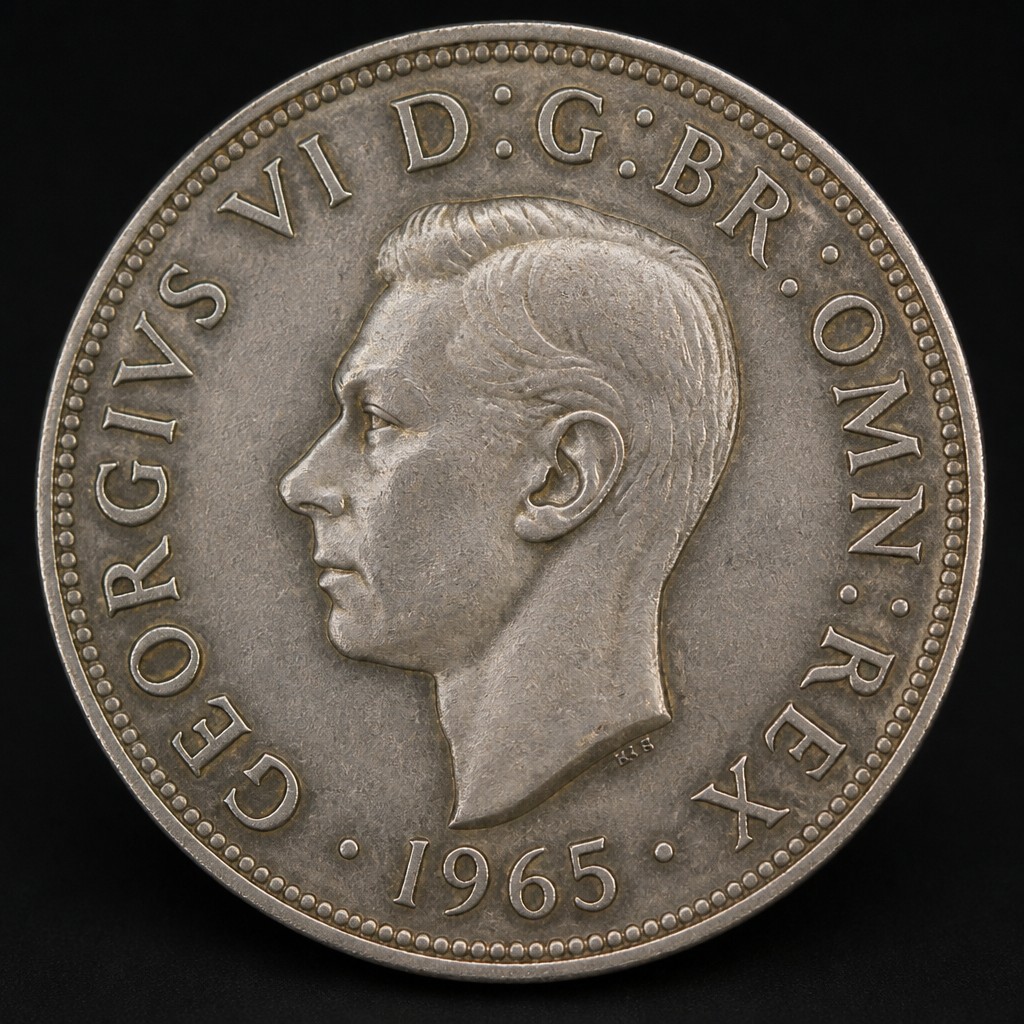
English Crown
1526–1965 (pre-decimal; commemorative crown-sized coins continue as five pound coins)
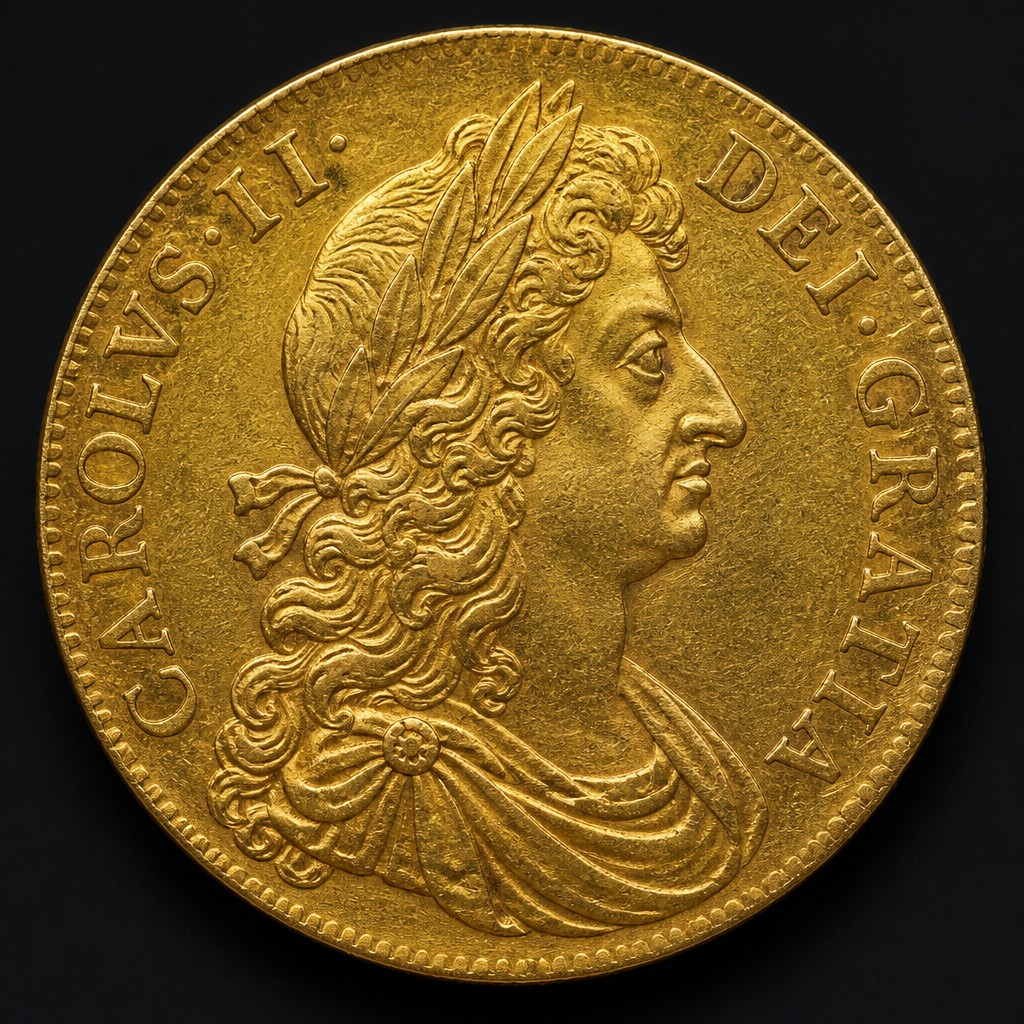
British Gold Guinea
1663–1814
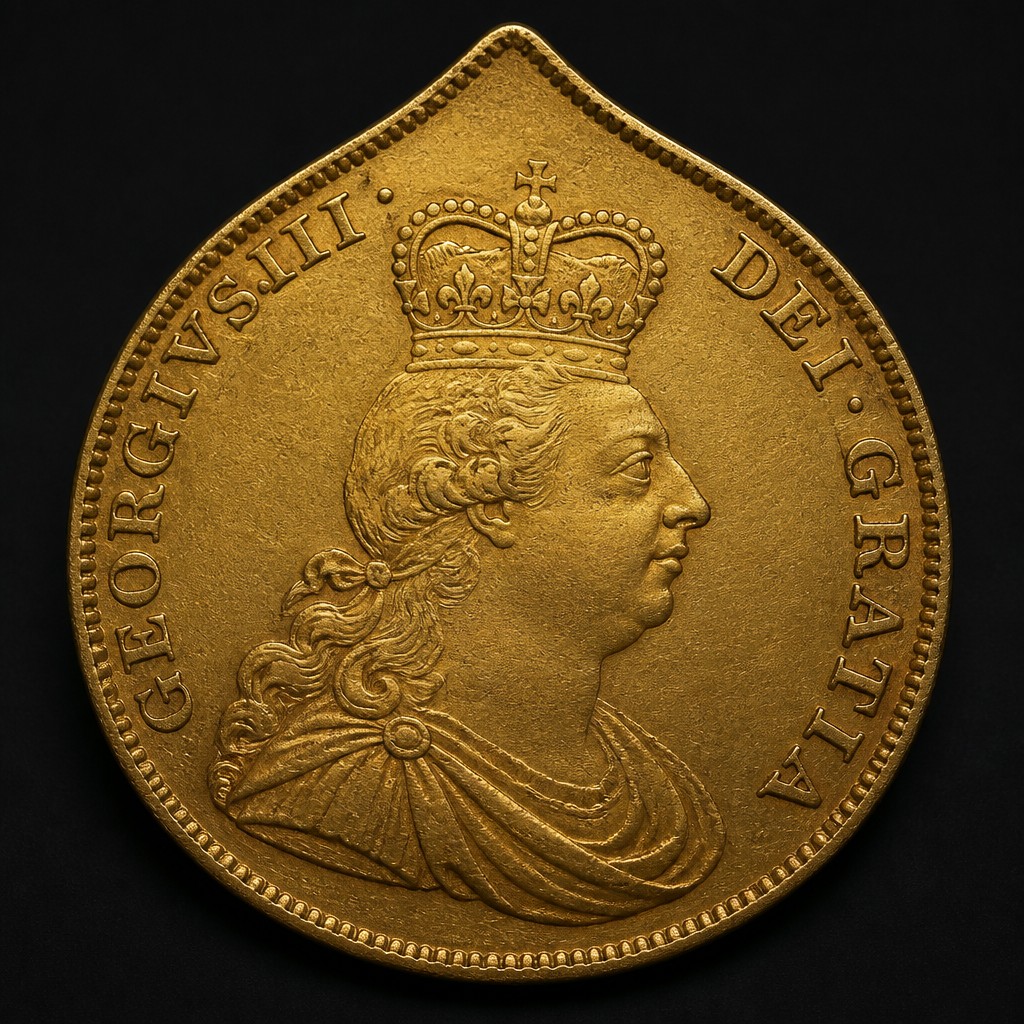
Spade Guinea
1787–1799
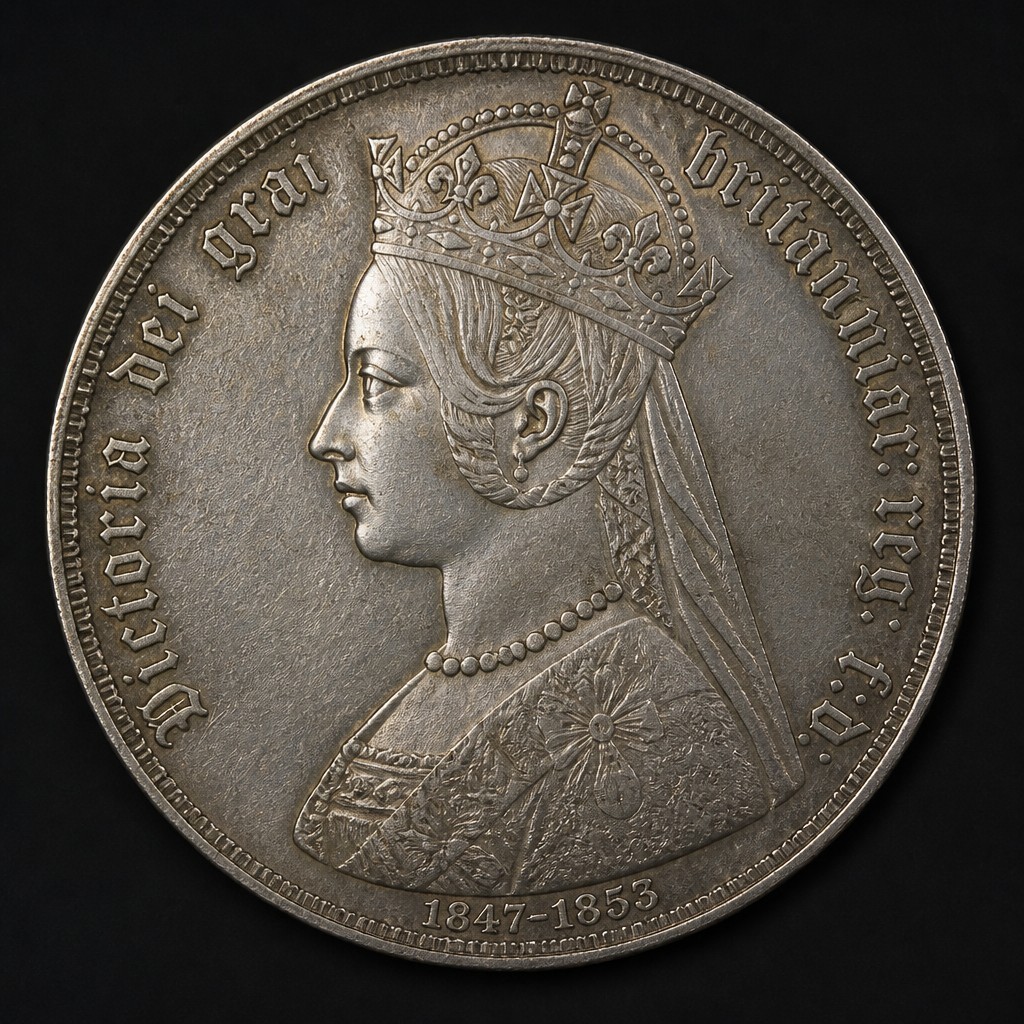
Gothic Crown
1847–1853
Groat (Fourpence)
1279–1888 (various revivals)
Farthing
13th century–1956
Halfpenny
c. 800s–1969
Threepence
1547–1970
Double Sovereign
1820s–present (intermittent)