
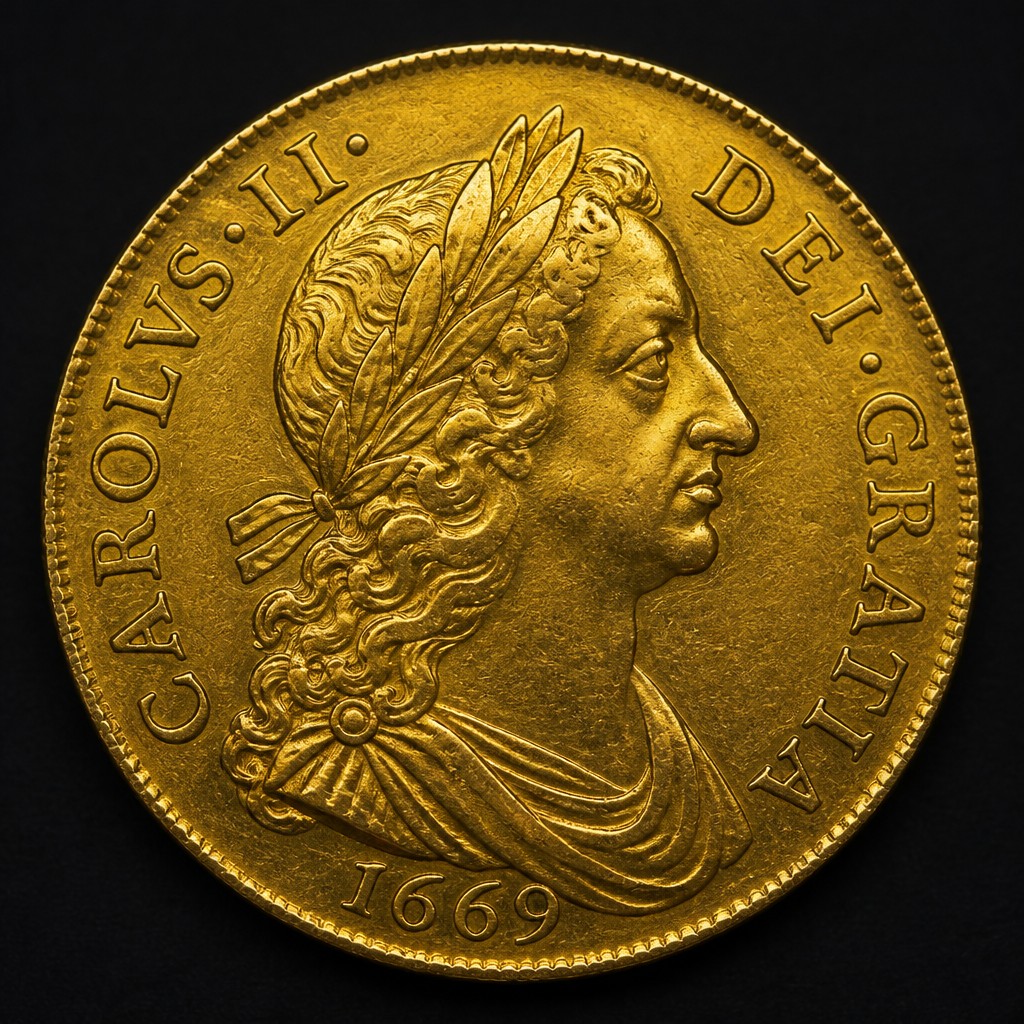
Half Guinea
Smaller companion gold coin to the guinea, worth half its value, struck across the same reigns from Charles II through George III for mid-value transactions.
- Country
- Great Britain / Kingdom of England
- Denomination
- 10 shillings 6 pence
- Metal
- Gold (22 karat)
Got a coin like this?
Identify any coin from a photo, free.
Overview
The half guinea served as the smaller companion denomination to the full guinea in British gold coinage, first struck in 1669 under Charles II and continuing in production, with gaps, through the reign of George III until 1813. Valued at exactly half the guinea, it settled at 10 shillings 6 pence following the 1717 revaluation that fixed the full guinea at 21 shillings.
Like the guinea, the half guinea's obverse portrait was updated across each successive reign, making it a useful companion series for tracing changes in official royal portraiture during the seventeenth and eighteenth centuries. It filled a practical role for transactions that called for gold coinage but did not require a full guinea's value.
Production of the half guinea, like the guinea itself, ended in the early nineteenth century as Britain transitioned to the modern sovereign and half sovereign system following the 1816-1817 Great Recoinage.
History & Background
The half guinea was introduced in 1669, several years after the original guinea's 1663 debut, to provide a smaller gold denomination for transactions not requiring a full guinea. Like the guinea, its value in shillings fluctuated somewhat in its early decades before being fixed relative to the guinea's 1717 revaluation at 21 shillings, settling the half guinea at 10 shillings 6 pence.
The coin was struck across the reigns of Charles II, James II, William and Mary, William III, Anne, George I, George II, and George III, generally following the same design conventions and reign-specific portrait updates as the full guinea, though some years saw gaps in half guinea production even when full guineas continued to be struck.
The half guinea was discontinued in 1813 alongside the guinea, as Britain moved toward the sovereign and half sovereign system introduced from 1817 onward as part of the broader post-Napoleonic War currency reform.
How to Identify
The obverse displays the portrait of the reigning monarch at the time of striking, matching the same general sequence of Charles II, James II, William and Mary, William III, Anne, George I, George II, and George III used on the full guinea, allowing direct comparison between denominations of the same reign.
The reverse generally mirrors the guinea's shield-based design, typically a crowned cruciform arrangement of shields for England, Scotland, Ireland, and France, at a reduced scale appropriate to the smaller coin.
The half guinea is struck in the same 22 karat gold as the full guinea but at roughly half the weight, generally in the range of 4.1 to 4.2 grams depending on the exact period, with a diameter smaller than the full guinea, typically around 19 to 20mm. Collectors distinguish it from the full guinea chiefly by its smaller size and lighter weight, and from other British gold fractions by its distinctive shield reverse design and pre-1816 date range.
Value & Collectibility
Half guinea values depend heavily on the specific monarch and date, with more common issues from reigns like George II or George III generally more affordable than rarer earlier issues from Charles II or James II. Well-preserved examples in higher grades command significant premiums over heavily worn or damaged specimens.
Because the half guinea's smaller size made it more susceptible to wear and clipping in circulation, well-struck, sharply detailed examples are notably scarcer in higher grades than one might expect from mintage figures alone, adding to their desirability among specialists.
As with the full guinea, condition, portrait clarity, and rarity of the specific date and monarch combination are the key value drivers, and buyers interested in this series benefit from familiarity with the specific reign sequence and known scarce dates within each monarch's issues.
Frequently asked questions
How much was a half guinea worth?
After the 1717 revaluation of the guinea to 21 shillings, the half guinea was worth exactly half that, 10 shillings 6 pence.
When was the half guinea first struck?
It was first introduced in 1669, a few years after the original guinea debuted in 1663 under Charles II.
What replaced the half guinea?
It was discontinued in 1813 and effectively replaced by the half sovereign introduced from 1817 as part of Britain's currency reform.
How can you tell a half guinea from a full guinea?
The half guinea is noticeably smaller and lighter, roughly half the weight of a full guinea, though it shares similar obverse and reverse design themes.
Which monarchs' portraits appear on half guineas?
Portraits span from Charles II through George III, mirroring the same sequence of reigns represented on the full guinea.
Other coins you may enjoy
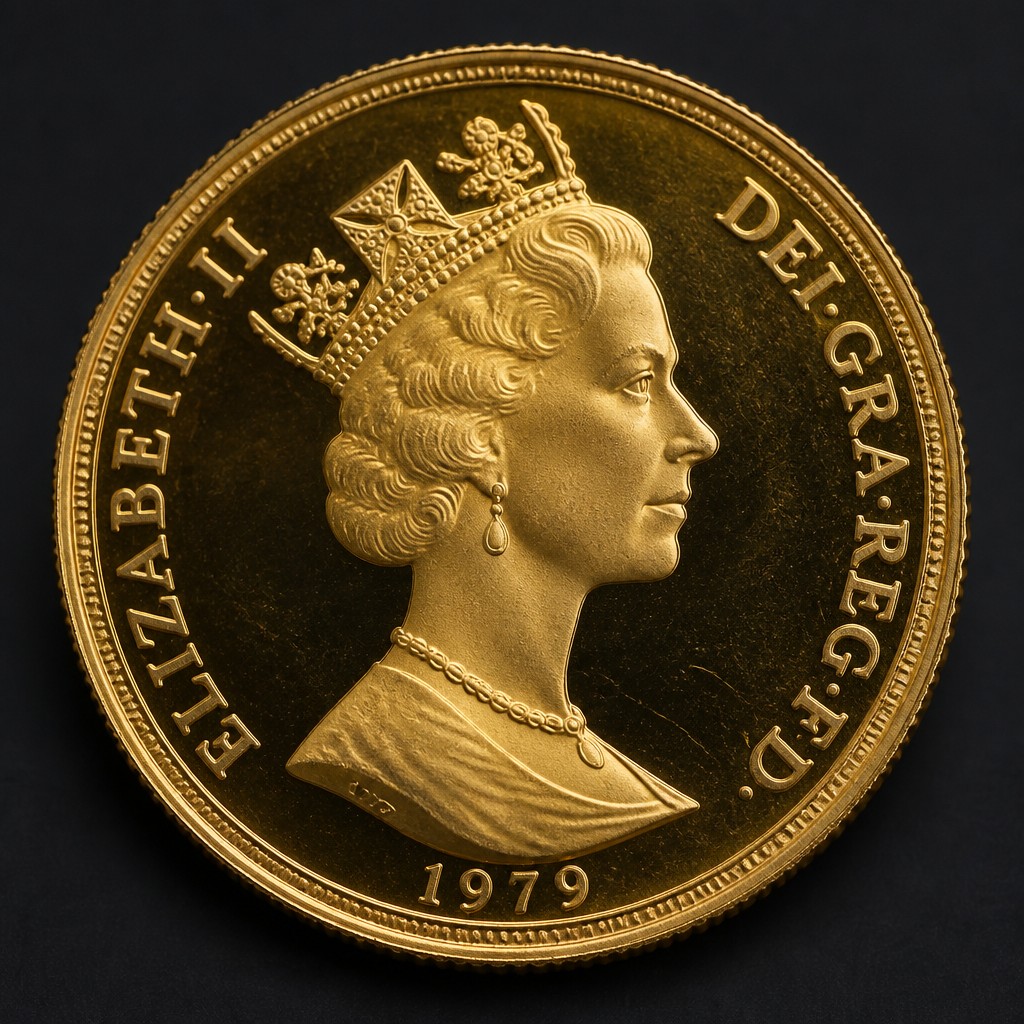
British Sovereign (modern proof)
1979–present (modern proof era)
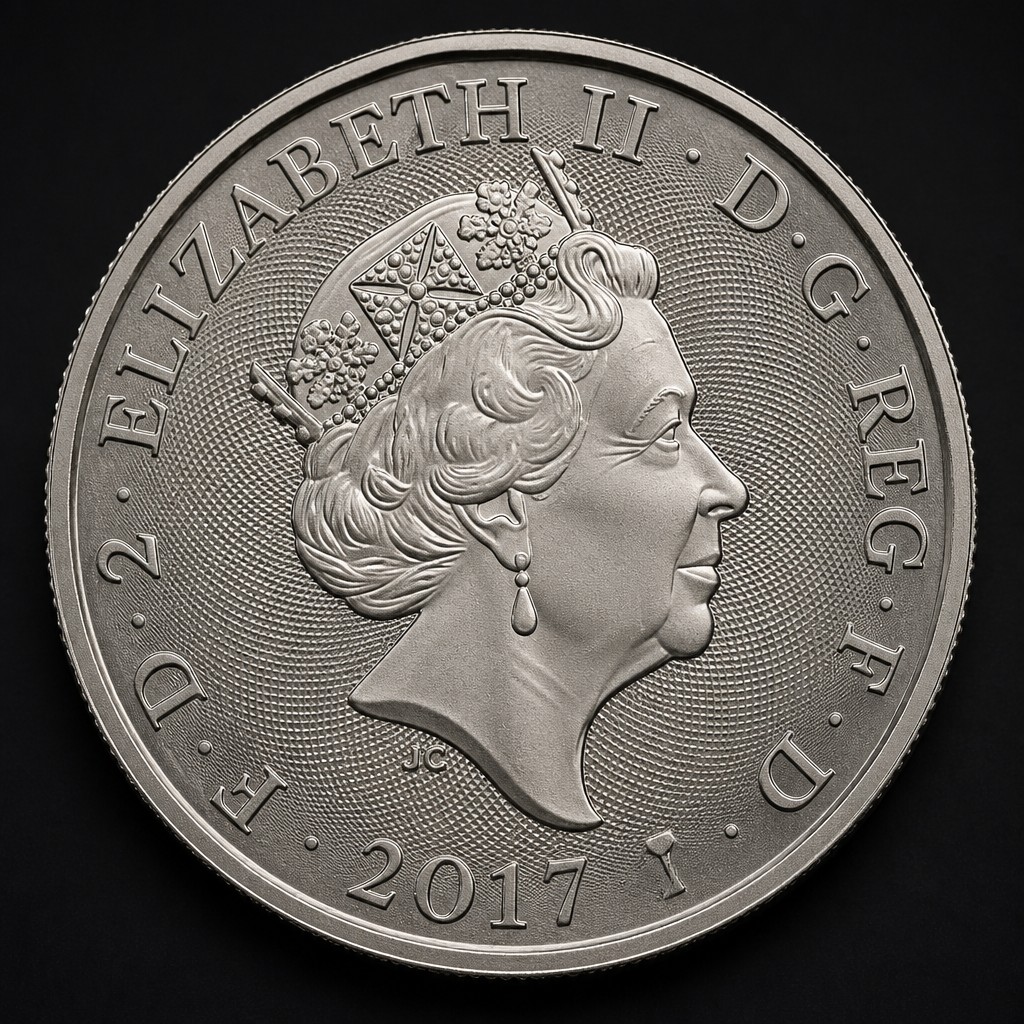
British Queen's Beasts Silver Series
2016-2021
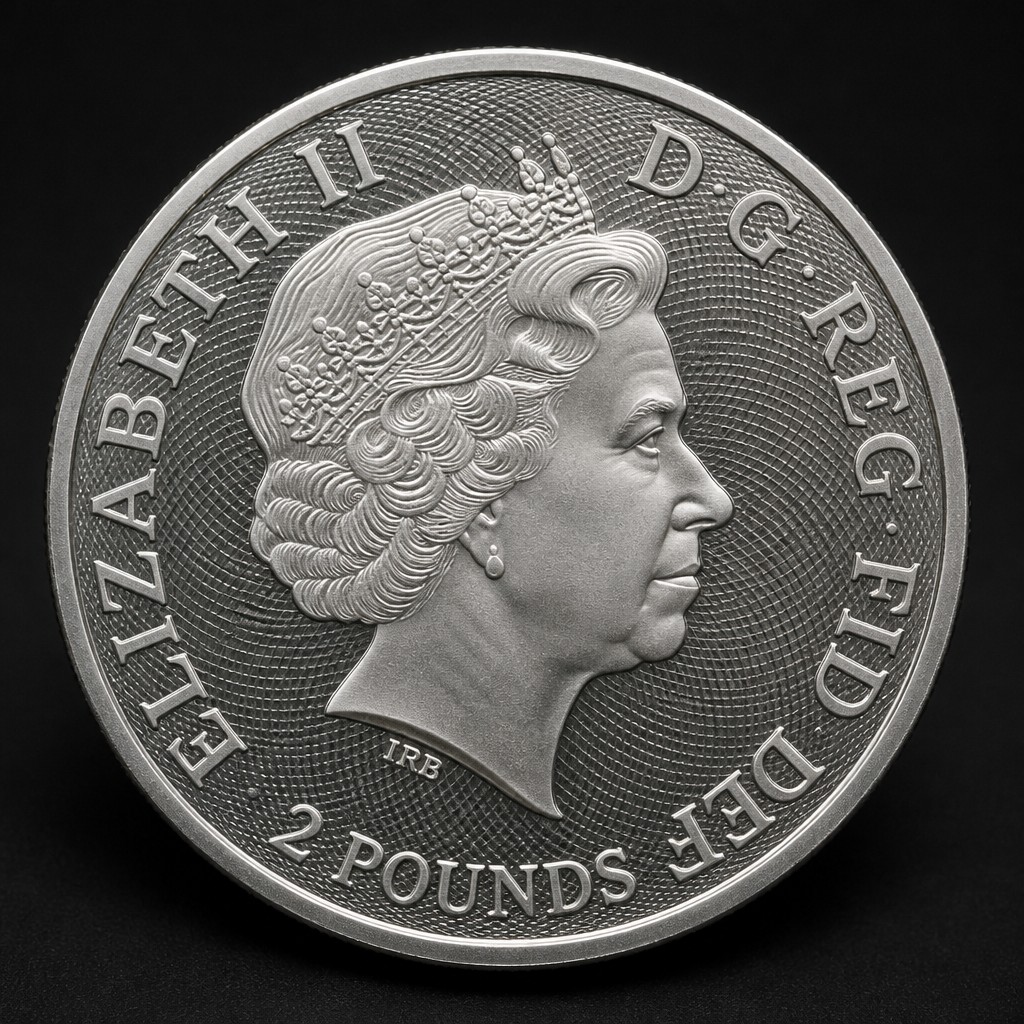
British Silver Lunar Series
2014-present
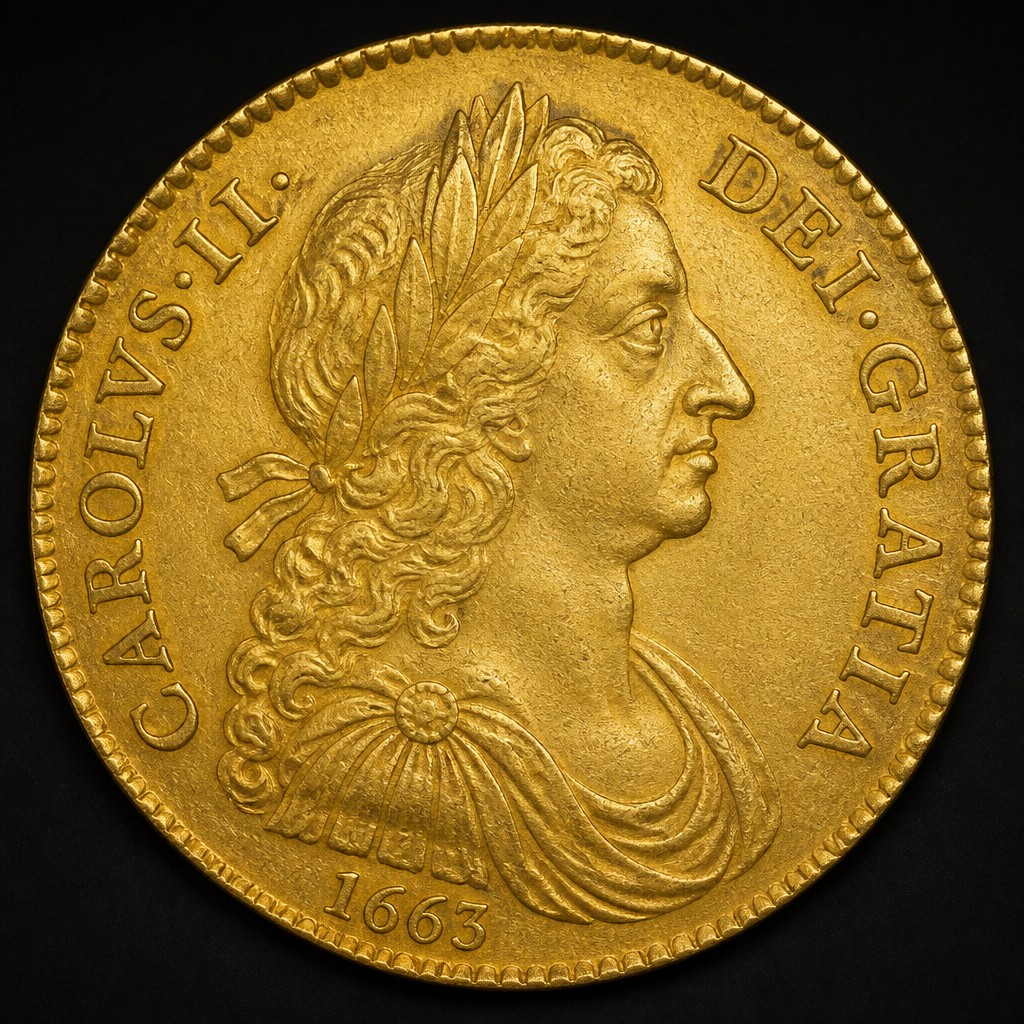
Guinea
1663–1813
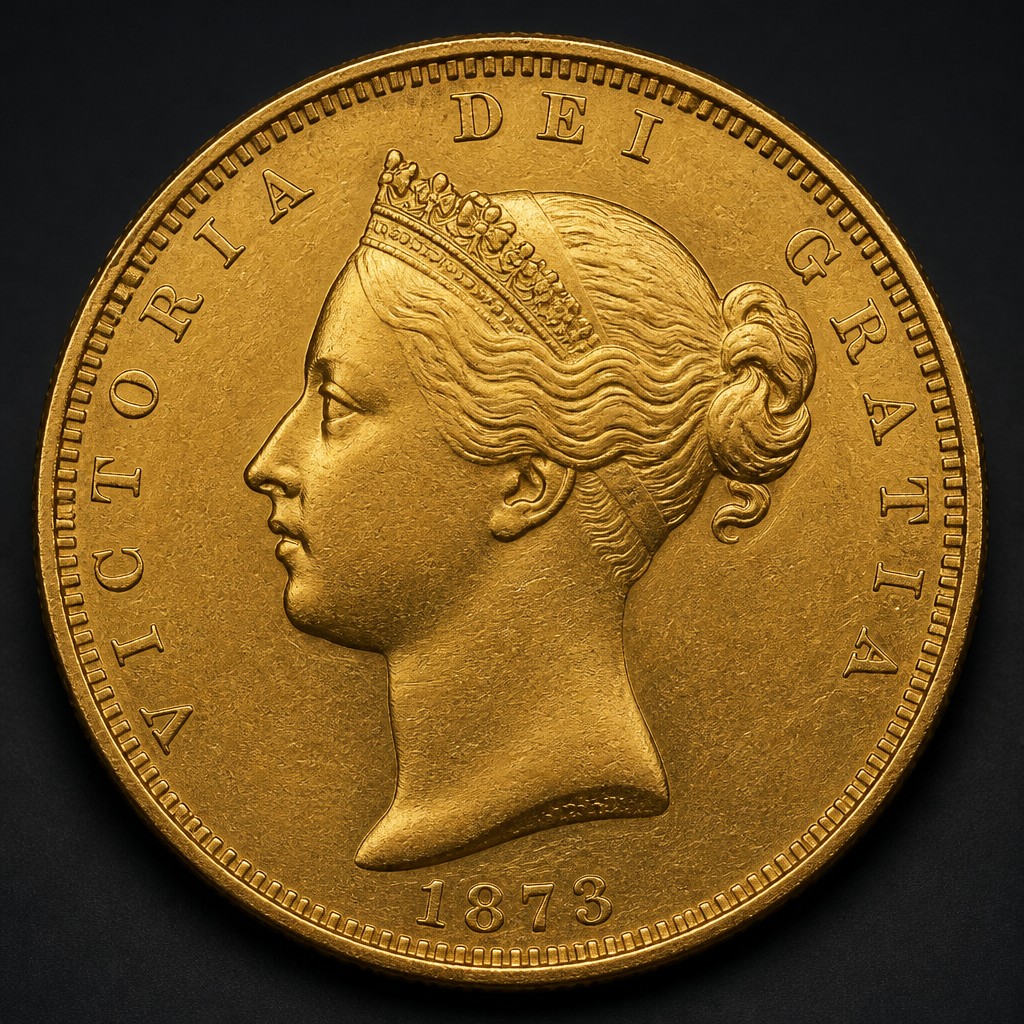
Gold Sovereign
1489–1604 (Tudor); 1817–present (modern)
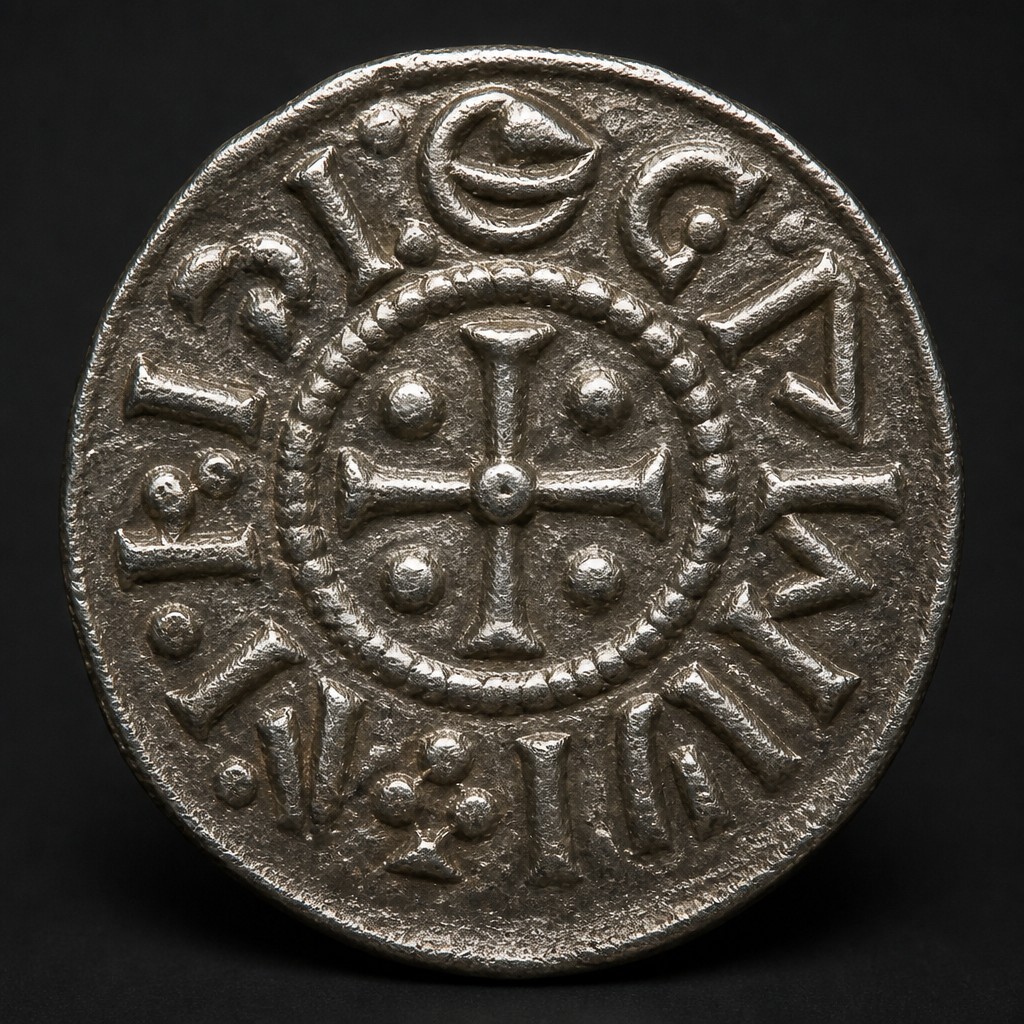
Anglo-Saxon Silver Sceat
c. 680–750 AD
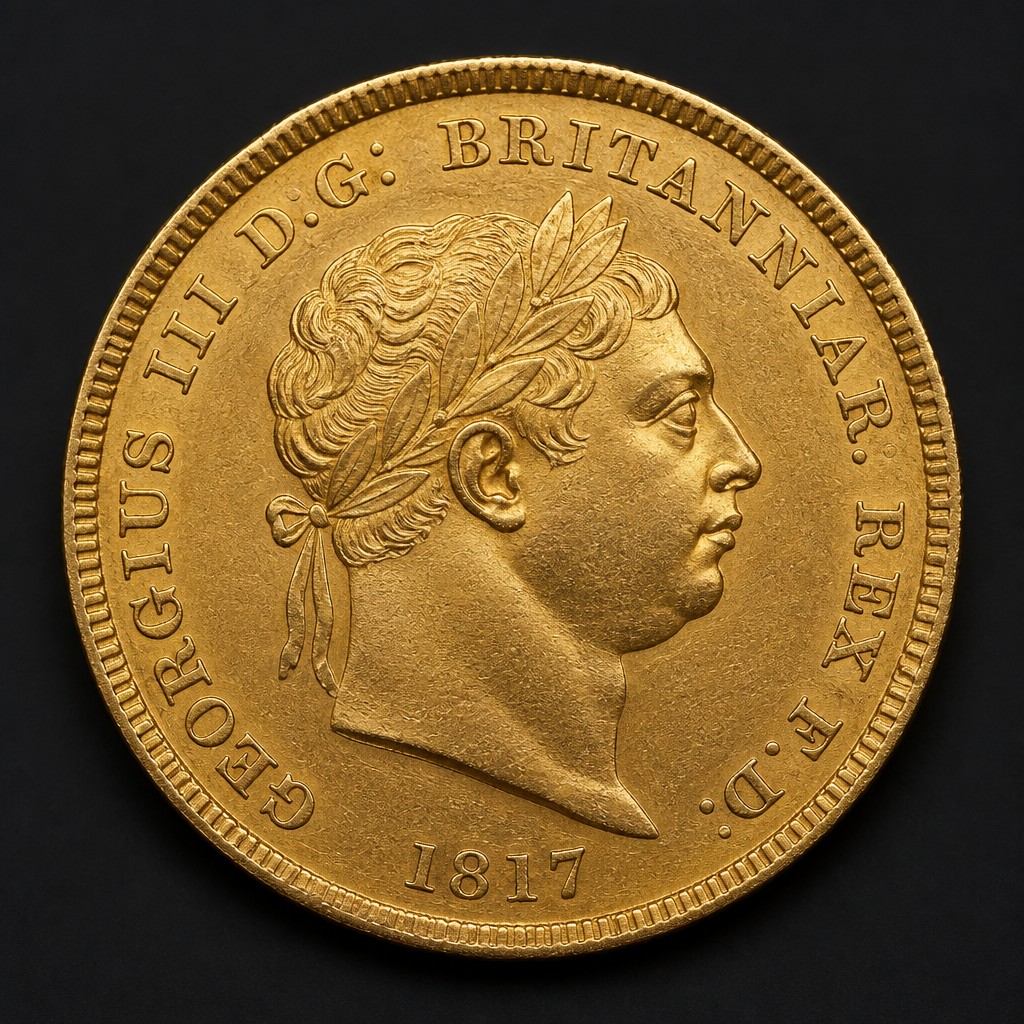
Gold Half Sovereign
1544–1553 (Tudor); 1817–present (modern)
Crown
1551–present
British Guinea
1663–1814
Viking Silver Penny of York
c. 895–954 AD
English Angel
1465–1642
English Sovereign of Henry VII
1489–1509