
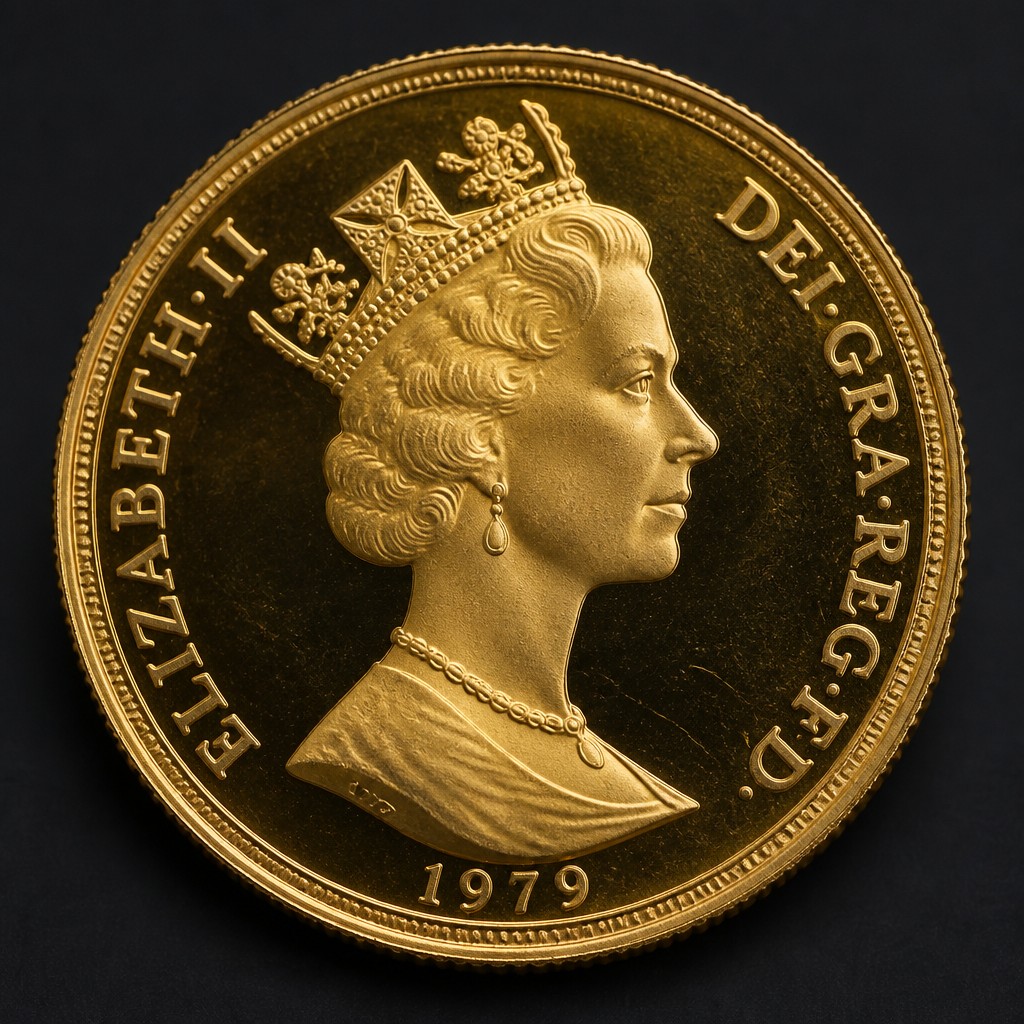
British Sovereign (modern proof)
Contemporary proof-quality gold sovereign struck by the Royal Mint, continuing Benedetto Pistrucci's St George and the dragon reverse design used since the early 19th century.
- Country
- United Kingdom
- Denomination
- One Sovereign (£1 nominal)
- Metal
- 22-karat Gold (.917 fine)
Got a coin like this?
Identify any coin from a photo, free.
Overview
The modern proof sovereign continues one of the world's most historically significant gold coin designs, produced by the Royal Mint to a higher finish and typically in smaller numbers than ordinary bullion sovereigns. It appeals both to collectors interested in the long sovereign tradition and to those seeking gold coins of manageable size and recognized global reputation.
History & Background
The sovereign denomination dates back to 1489 under Henry VII, and its modern form, with Benedetto Pistrucci's iconic Saint George slaying the dragon reverse, was introduced in 1817 as part of Britain's post-Napoleonic War currency reform. After a mid-20th-century hiatus in regular striking, the Royal Mint resumed sovereign production and, from the late 1970s onward, began issuing dedicated proof versions annually for collectors alongside ordinary bullion-quality strikes.
Proof sovereigns have been struck under the reigns of Elizabeth II, using obverse portraits by artists including Arnold Machin, Raphael Maklouf, Ian Rank-Broadley, and Jody Clark, and continue under King Charles III with a new effigy by Martin Jennings, maintaining continuity of the Pistrucci reverse across all these reigns.
How to Identify
The obverse shows the reigning monarch's portrait with the standard royal titles abbreviated in Latin around the rim, while the reverse depicts Pistrucci's celebrated design of Saint George on horseback slaying a dragon, with the date typically below. Genuine sovereigns weigh 7.98 grams, measure 22.05 mm in diameter, and are struck in 22-karat (.917 fine) gold with a milled edge.
Proof versions are distinguished from standard bullion sovereigns by their mirror-like fields, frosted design elements, and typically presentation in official Royal Mint packaging with a certificate of authenticity, along with generally lower mintages than bullion strikes of the same year. Collectors should also check the specific monarch's portrait style and any privy marks or anniversary features that can indicate a particular commemorative proof issue.
Value & Collectibility
Modern proof sovereigns command a premium above their gold content due to their limited mintages, official packaging, and superior strike quality compared to circulation or bullion strikes. Special anniversary editions or those with unique privy marks can carry additional premiums tied to their specific limited production.
As gold bullion coins with numismatic appeal, their overall price tracks the gold market closely while still reflecting a collector premium that can shrink or grow depending on demand for that specific year's issue. Buyers should confirm official Royal Mint certification and original packaging when assessing a proof sovereign's premium over melt value.
Frequently asked questions
Who designed the sovereign's reverse?
Italian engraver Benedetto Pistrucci created the Saint George and the dragon design, first used in 1817 and still used today.
What is the gold content of a sovereign?
It contains 7.98 grams of 22-karat (.917 fine) gold, equal to about a quarter troy ounce of pure gold.
How is a proof sovereign different from a bullion sovereign?
Proof sovereigns are struck to a higher finish with mirror-like fields and frosted design elements, typically in lower numbers, and are sold in official presentation packaging.
Whose portrait appears on modern sovereigns?
Recent sovereigns have featured Queen Elizabeth II in several portrait styles by different artists, and current issues feature King Charles III.
Other coins you may enjoy
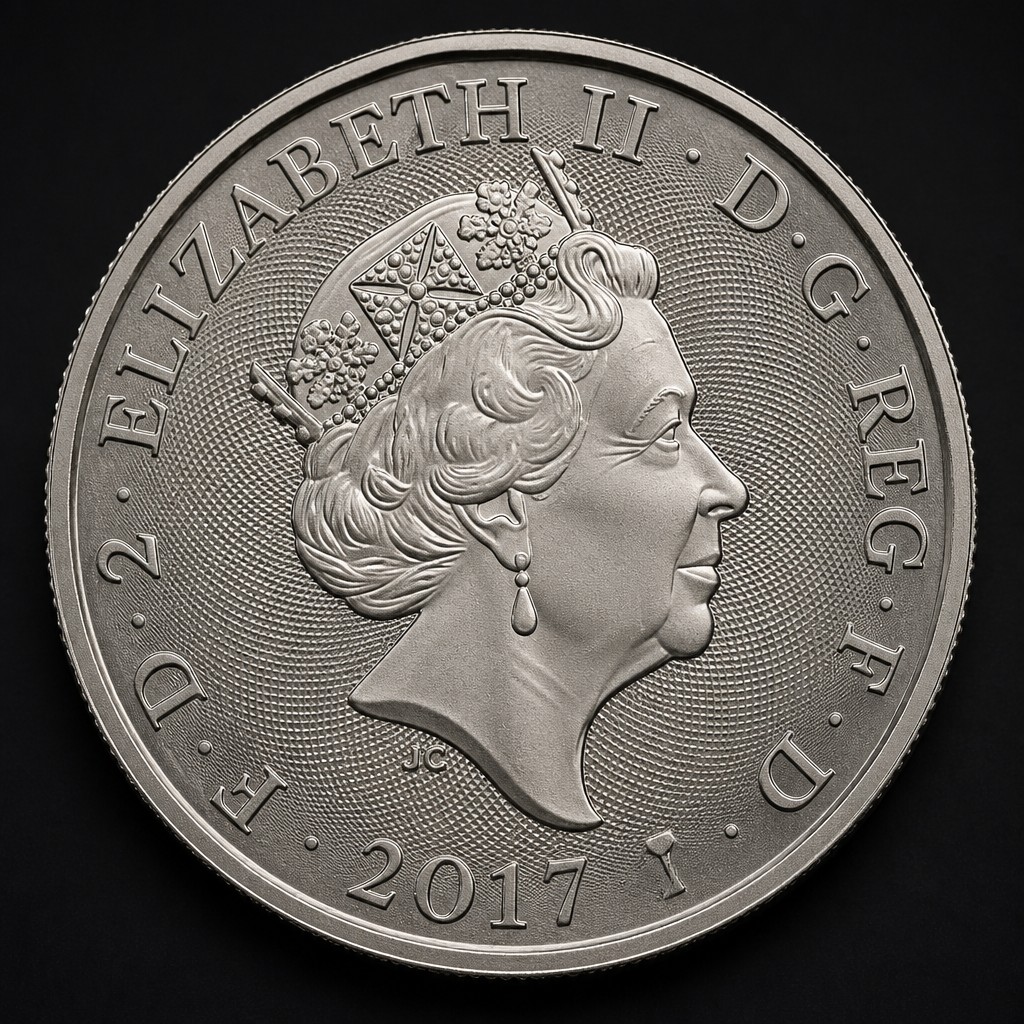
British Queen's Beasts Silver Series
2016-2021
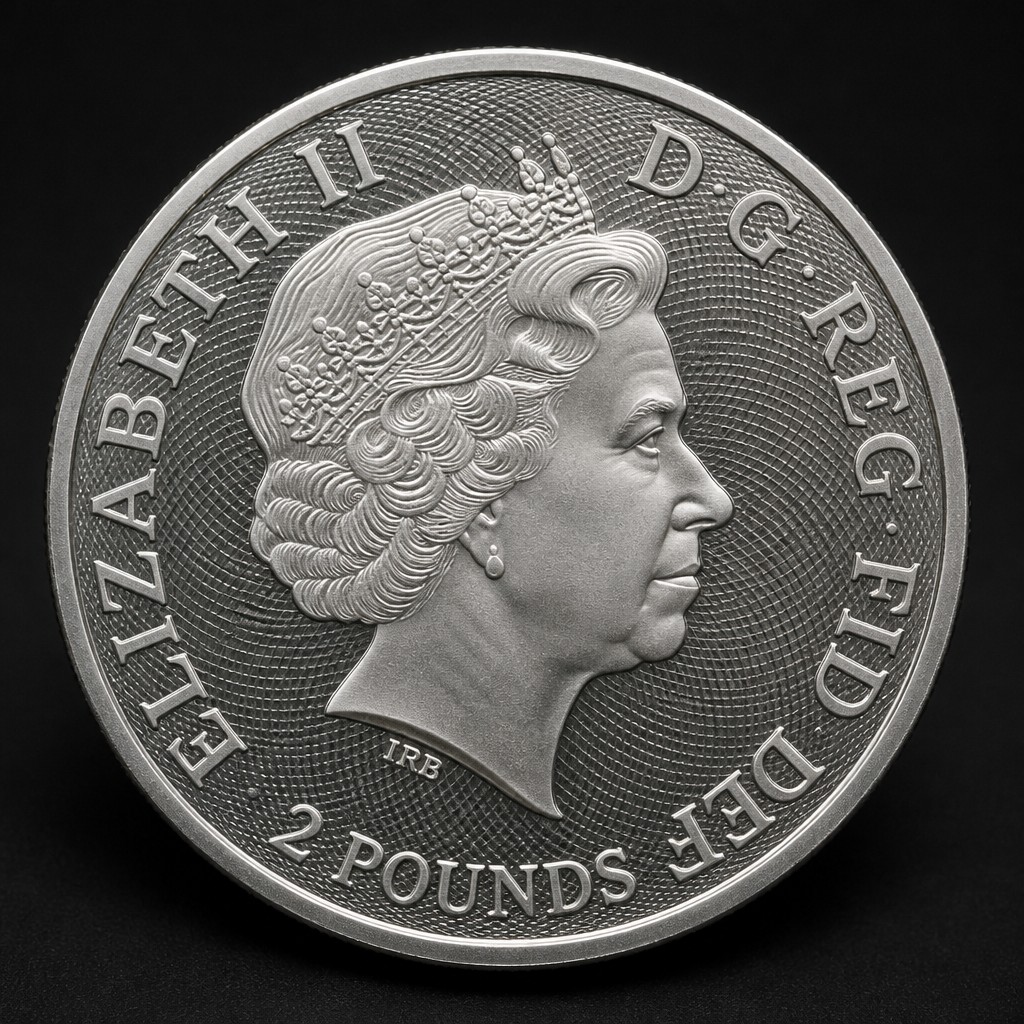
British Silver Lunar Series
2014-present
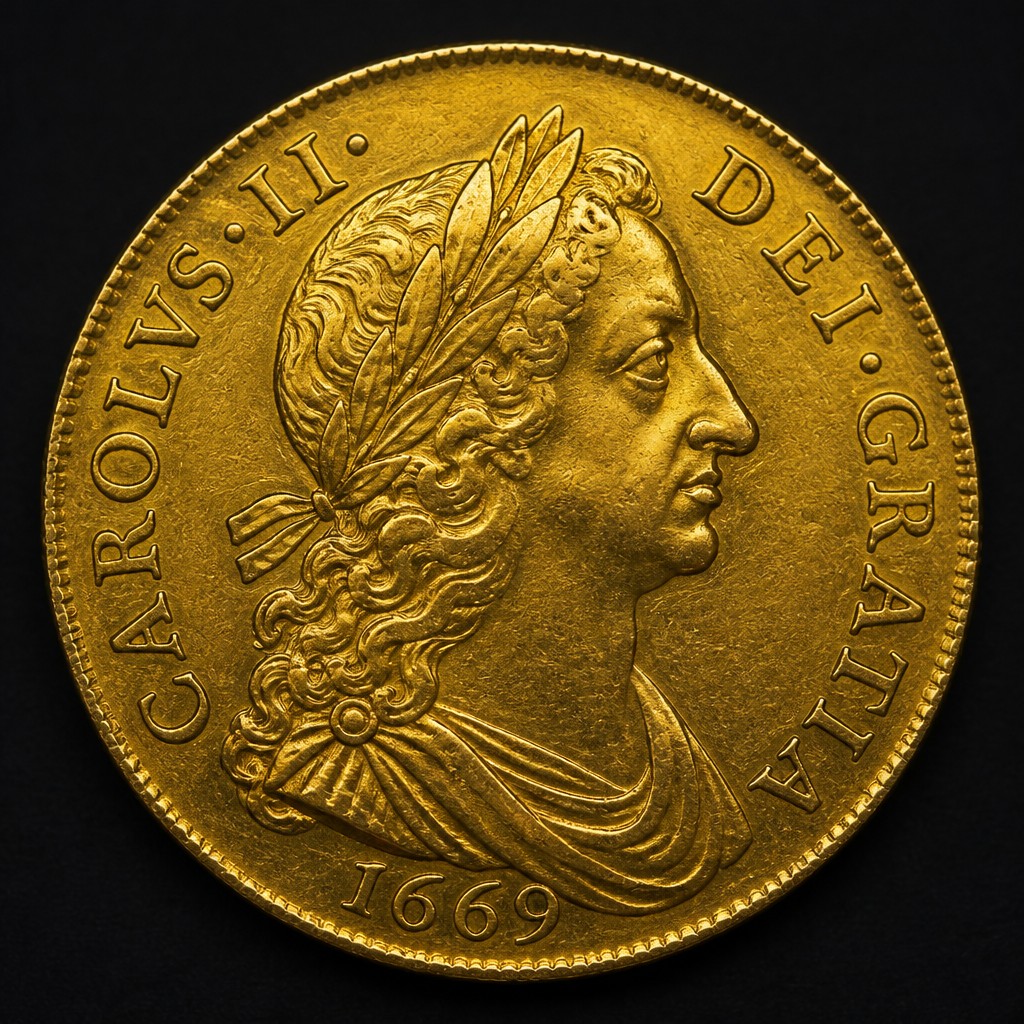
Half Guinea
1669–1813
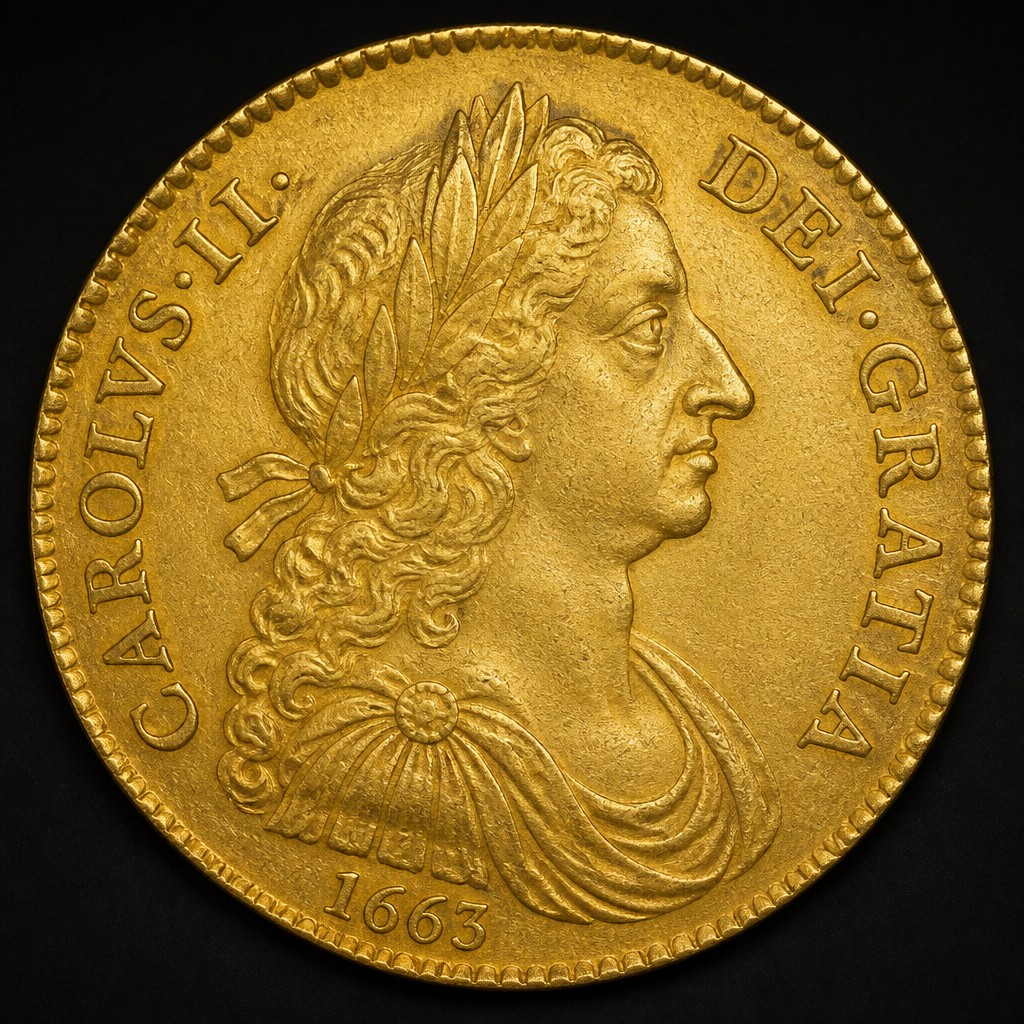
Guinea
1663–1813
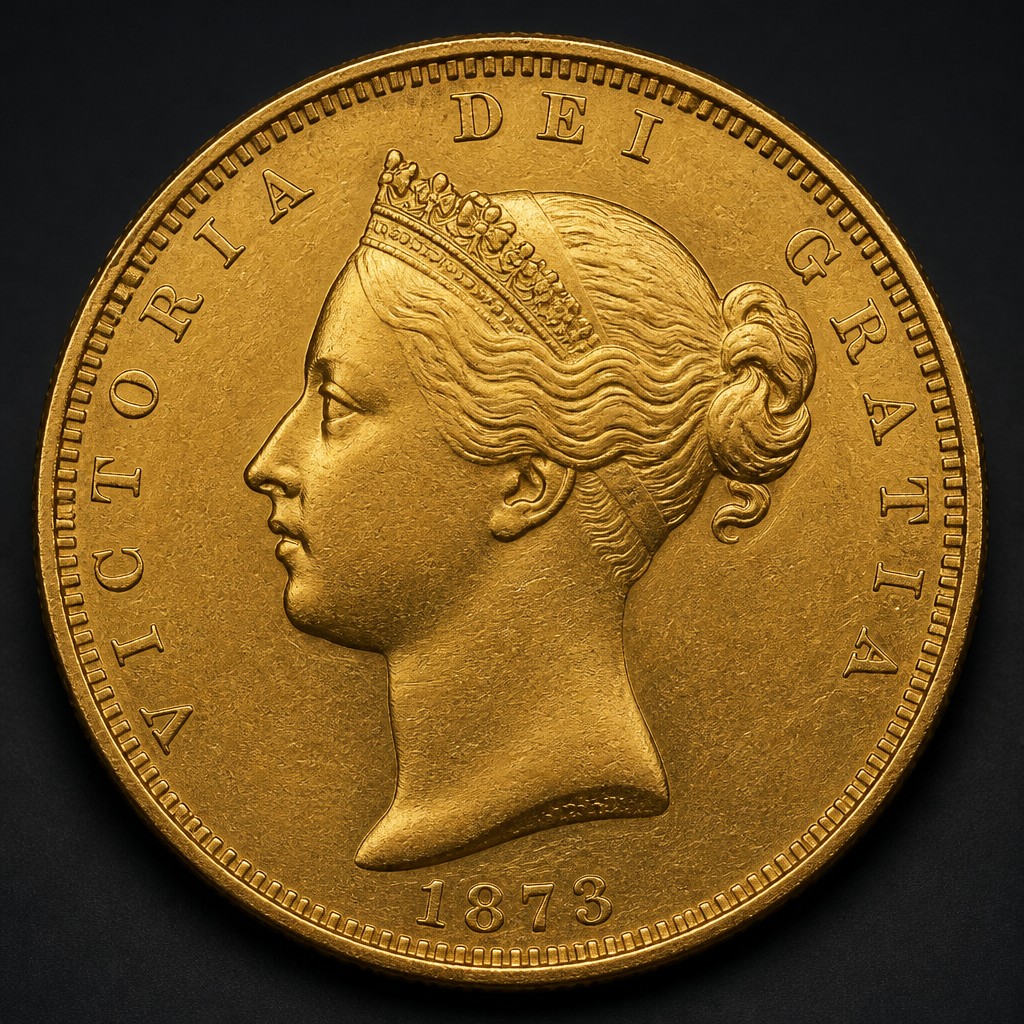
Gold Sovereign
1489–1604 (Tudor); 1817–present (modern)
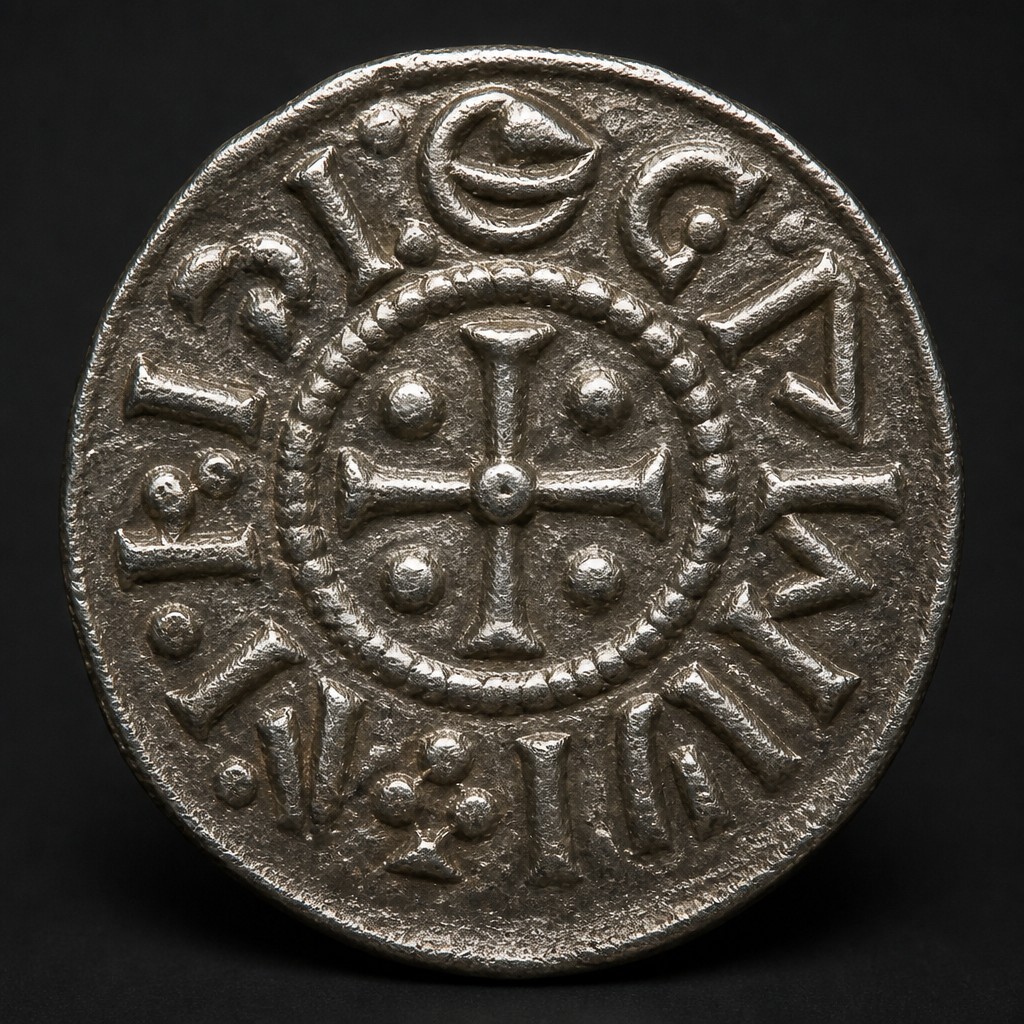
Anglo-Saxon Silver Sceat
c. 680–750 AD
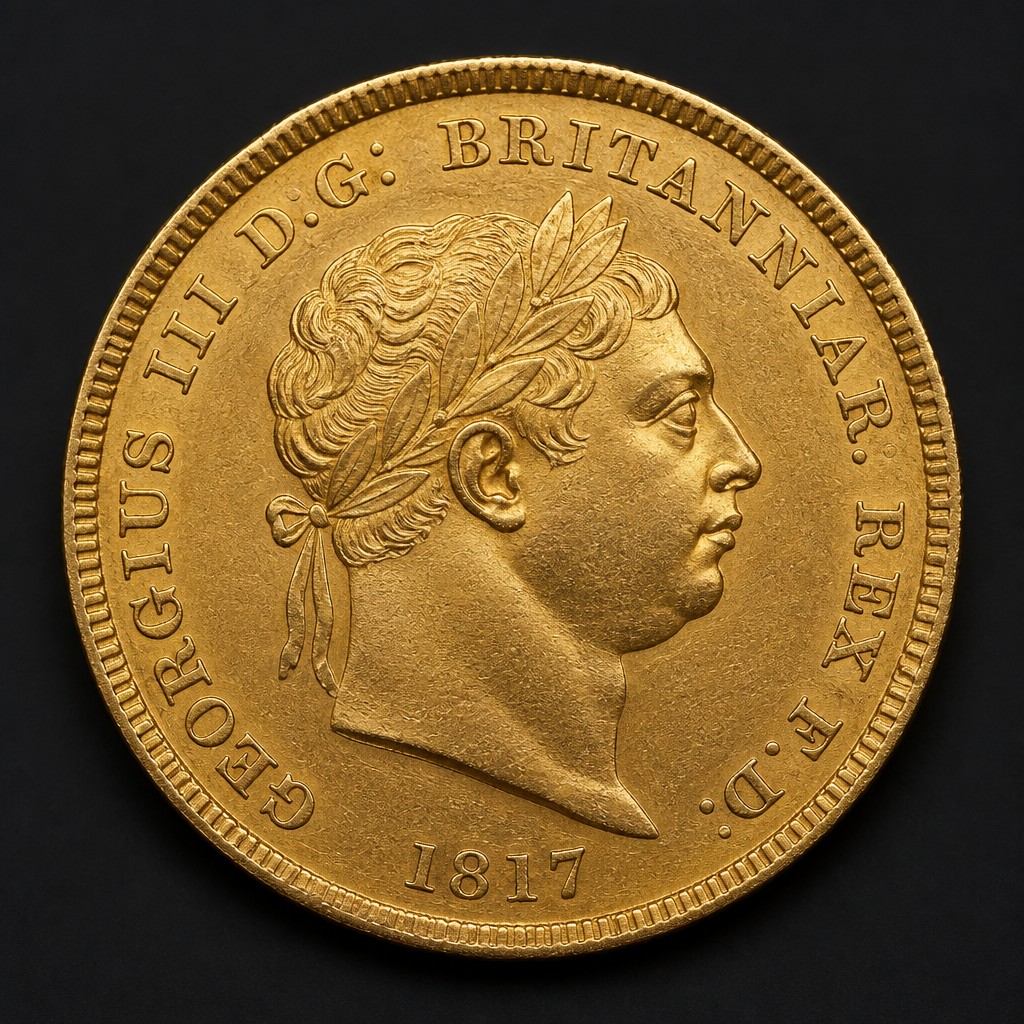
Gold Half Sovereign
1544–1553 (Tudor); 1817–present (modern)
Crown
1551–present
British Guinea
1663–1814
Viking Silver Penny of York
c. 895–954 AD
English Angel
1465–1642
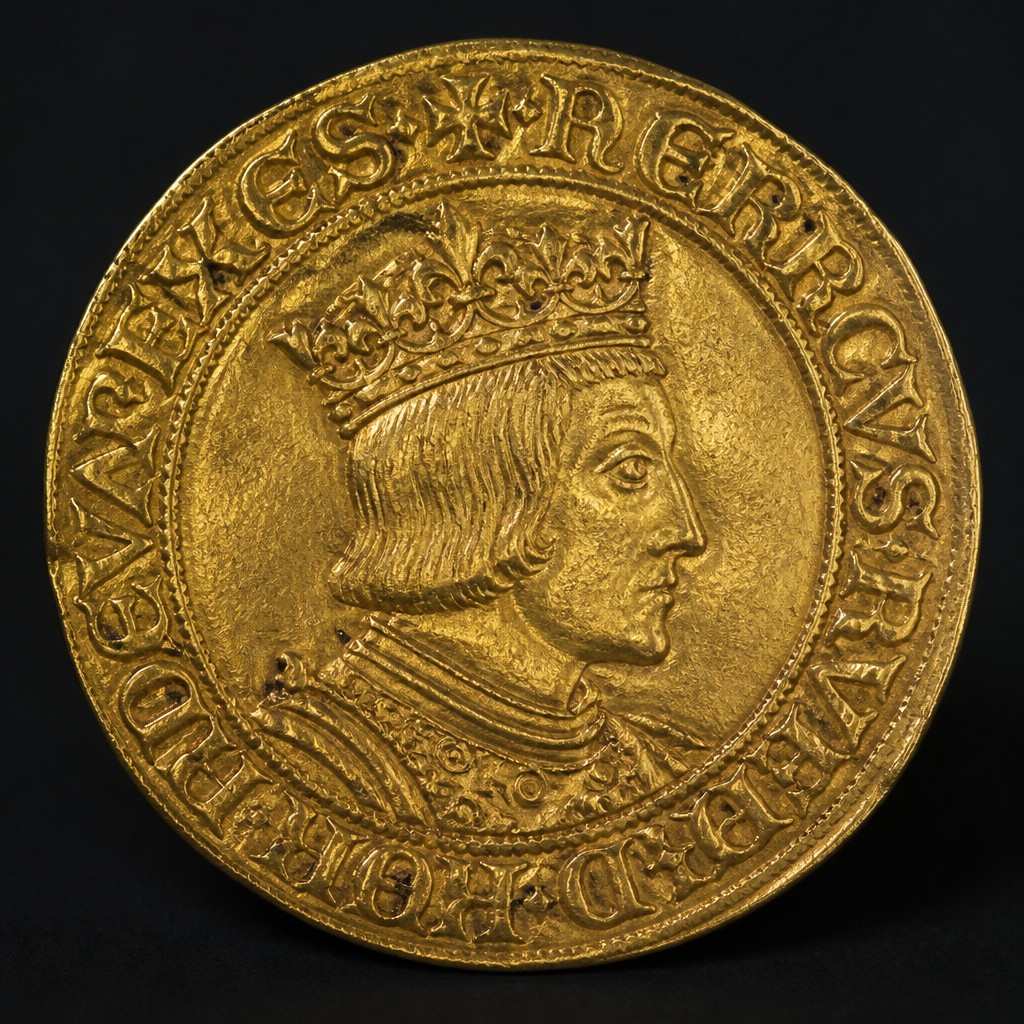
English Sovereign of Henry VII
1489–1509