
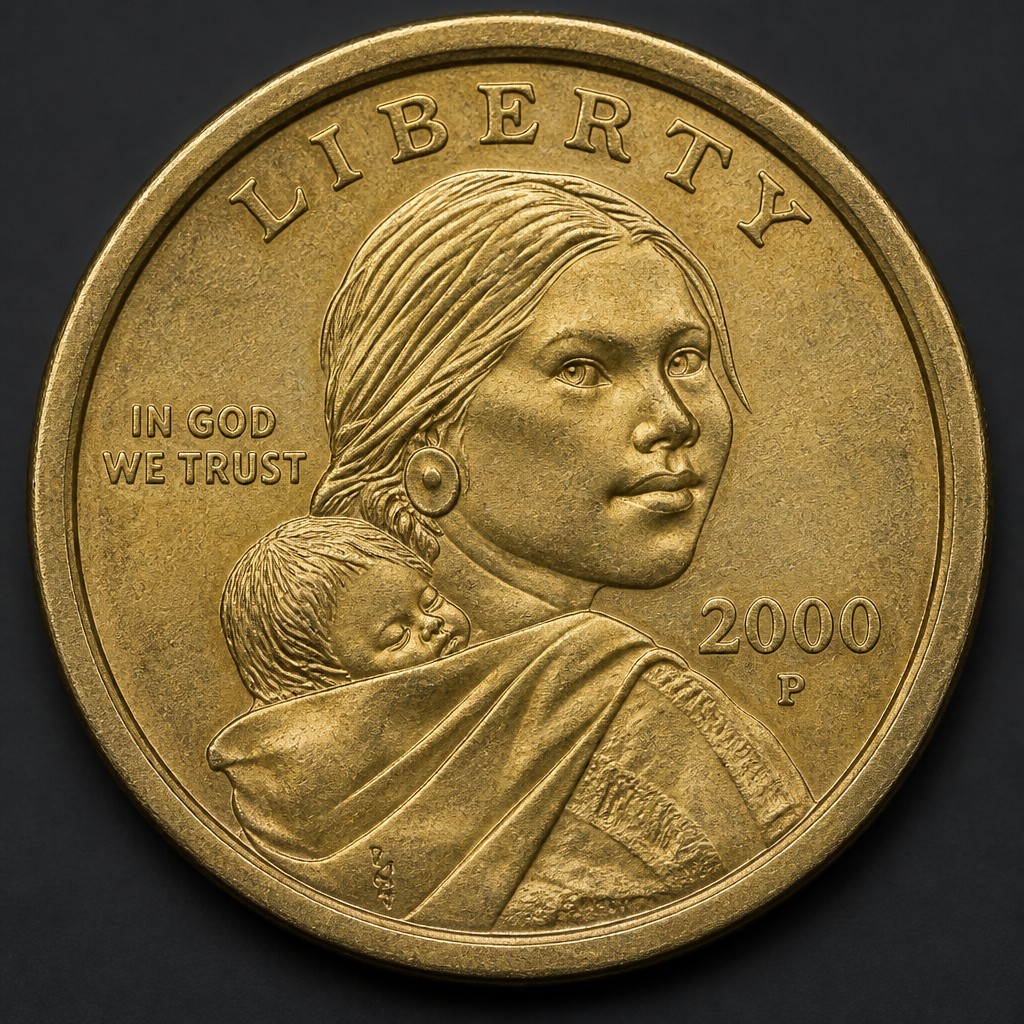
2000-P Sacagawea Cheerios Dollar
A famous modern rarity: early-production 2000-P Sacagawea dollars included in Cheerios cereal boxes as a promotion, some showing enhanced eagle tail feather detail not found on later coins.
- Country
- United States
- Denomination
- One Dollar
- Metal
- Manganese Brass Clad (copper core)
Got a coin like this?
Identify any coin from a photo, free.
Overview
The 2000-P Sacagawea Cheerios dollar refers to golden Sacagawea dollar coins that General Mills included as a promotional item in boxes of Cheerios cereal in early 2000, timed to coincide with the new coin's public launch. What makes some of these coins especially significant is that a portion of them show noticeably enhanced detail in the eagle's tail feathers on the reverse, a feature that differs from the design used on the vast majority of circulating Sacagawea dollars struck later that year.
Because the Cheerios promotion happened right at the coin's debut and only a limited number of boxes contained a dollar coin, these pieces, especially the enhanced tail feather variety, became one of the most talked-about modern U.S. coin rarities, despite their small denomination and recent date.
History & Background
To generate public excitement for the new Sacagawea dollar ahead of its official 2000 release, the U.S. Mint partnered with General Mills to include one Sacagawea dollar coin in a limited number of Cheerios cereal boxes as a promotional item. This put some of the very first Sacagawea dollars into public hands before the coin was even widely available at banks, making the promotion a notable and unusual chapter in modern U.S. coin history.
Years after the promotion, collectors and researchers determined that some of the coins distributed through the Cheerios boxes displayed more detailed, enhanced tail feathers on the eagle reverse compared to the finalized design used for the coin's general circulation strike, suggesting that early production dies with slightly different detail were used for at least part of the promotional batch. This discovery elevated interest in the coins well beyond a simple promotional curiosity, turning verified enhanced tail feather examples into a genuine modern rarity.
Because the coins were mixed randomly into cereal boxes and mostly entered circulation or were kept by children and families without special handling, most examples show significant wear, making well-preserved, verifiably authenticated specimens, especially those confirmed to show the enhanced tail feather detail, quite scarce today.
How to Identify
The coin's basic design matches a standard 2000 Sacagawea dollar: Sacagawea and her infant son on the obverse with LIBERTY, and a soaring eagle on the reverse with UNITED STATES OF AMERICA and $1, along with the mintmark and date incused on the edge along with the mottos. Because there is no external marking identifying a coin as having come from a Cheerios box, its provenance from the original promotion generally cannot be proven unless it was saved with original box packaging or acquired directly from a documented source.
The key identifying feature collectors look for is the enhanced tail feather detail on the reverse eagle, where the individual feather lines appear more pronounced, sharply defined, and separated compared to the flatter, less distinct tail feathers seen on standard 2000 Sacagawea dollars struck for general circulation. Comparing a suspected example side by side with a normal circulation-strike 2000 dollar, ideally under magnification, is the most practical way to spot the difference.
Because the design difference is subtle and the coin's promotional origin cannot be independently verified from the coin alone, collectors seeking a genuine enhanced tail feather Cheerios dollar typically rely on third-party grading services that have examined and certified specific examples as the enhanced variety.
Value & Collectibility
Ordinary 2000-P Sacagawea dollars, including most that came from Cheerios boxes without the enhanced tail feather feature, are common and worth close to face value or a small premium. However, verified examples with the enhanced tail feather detail are considered a significant modern rarity and have sold for prices ranging from several thousand dollars to tens of thousands of dollars in strong condition, particularly when authenticated and certified by a reputable grading service.
Because the enhanced tail feather feature is subtle and cannot be confirmed just by knowing a coin came from a cereal box, third-party certification plays an unusually important role in this coin's market, and buyers should be cautious of claims about Cheerios-box origin that are not independently verified. As with all rare modern varieties, condition, certification, and documented pedigree all significantly affect the ultimate value of any individual coin.
Frequently asked questions
What made the Cheerios Sacagawea dollar special?
General Mills included Sacagawea dollars in some Cheerios boxes in early 2000 as a promotion, and a portion of these showed enhanced eagle tail feather detail not found on later circulation coins.
How can I tell if my Sacagawea dollar is the rare Cheerios variety?
Look for more pronounced, sharply defined tail feathers on the reverse eagle compared to a standard coin, and ideally have it evaluated by a professional grading service.
Are all coins from Cheerios boxes valuable?
No, only the subset showing the enhanced tail feather design commands significant premiums; most Cheerios-box coins are otherwise ordinary 2000-P dollars.
Can I prove a coin came from a Cheerios box?
Not from the coin alone in most cases; provenance generally relies on original packaging or documented history, which is why certification of the design variety itself is so important.
Other coins you may enjoy
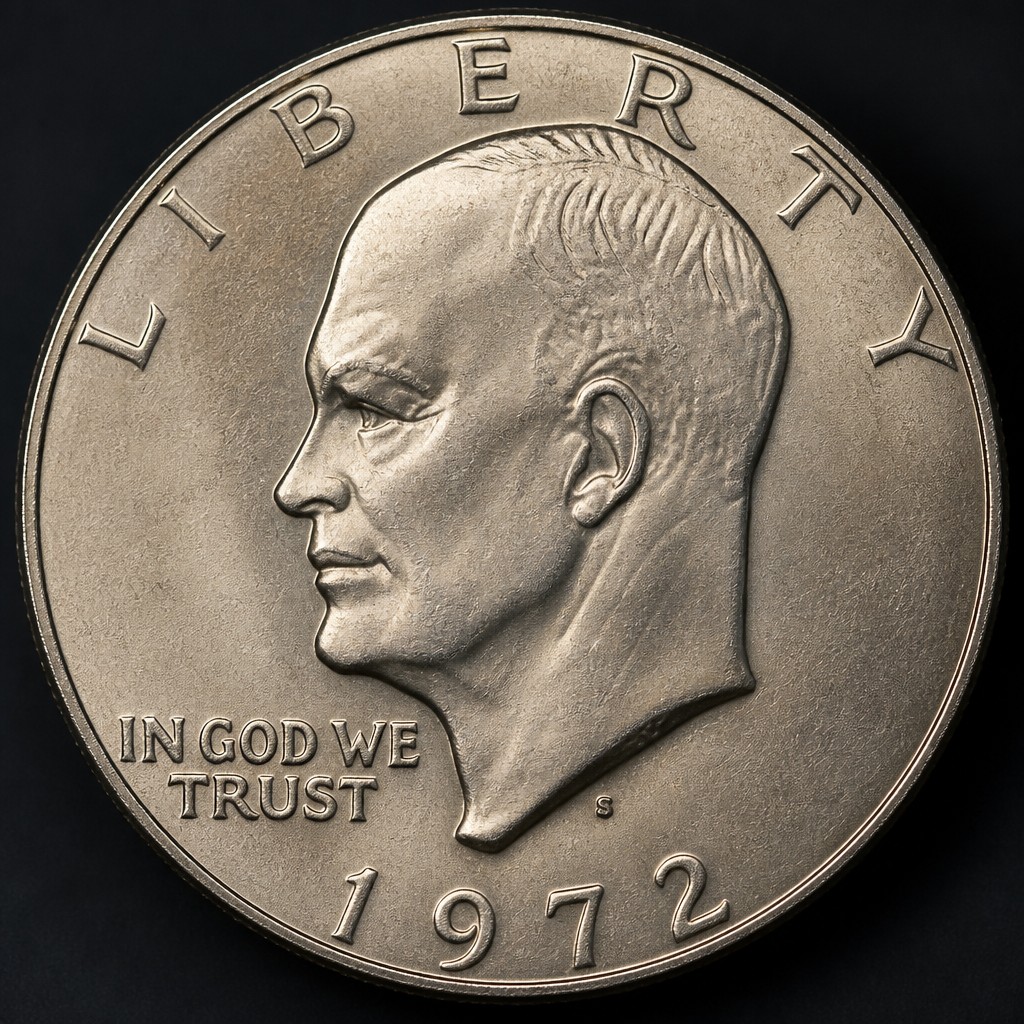
1972 Eisenhower Dollar (Type 2)
1972
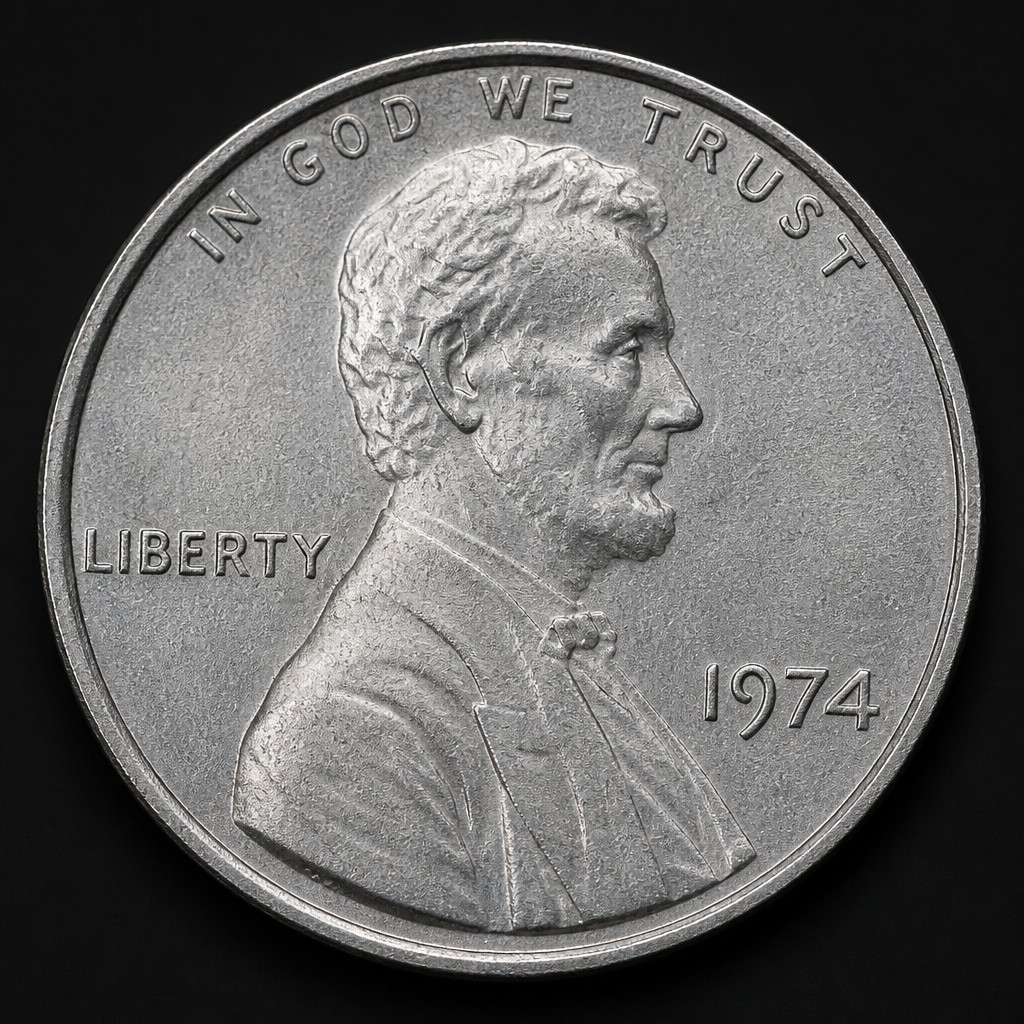
1974 Aluminum Cent
1974
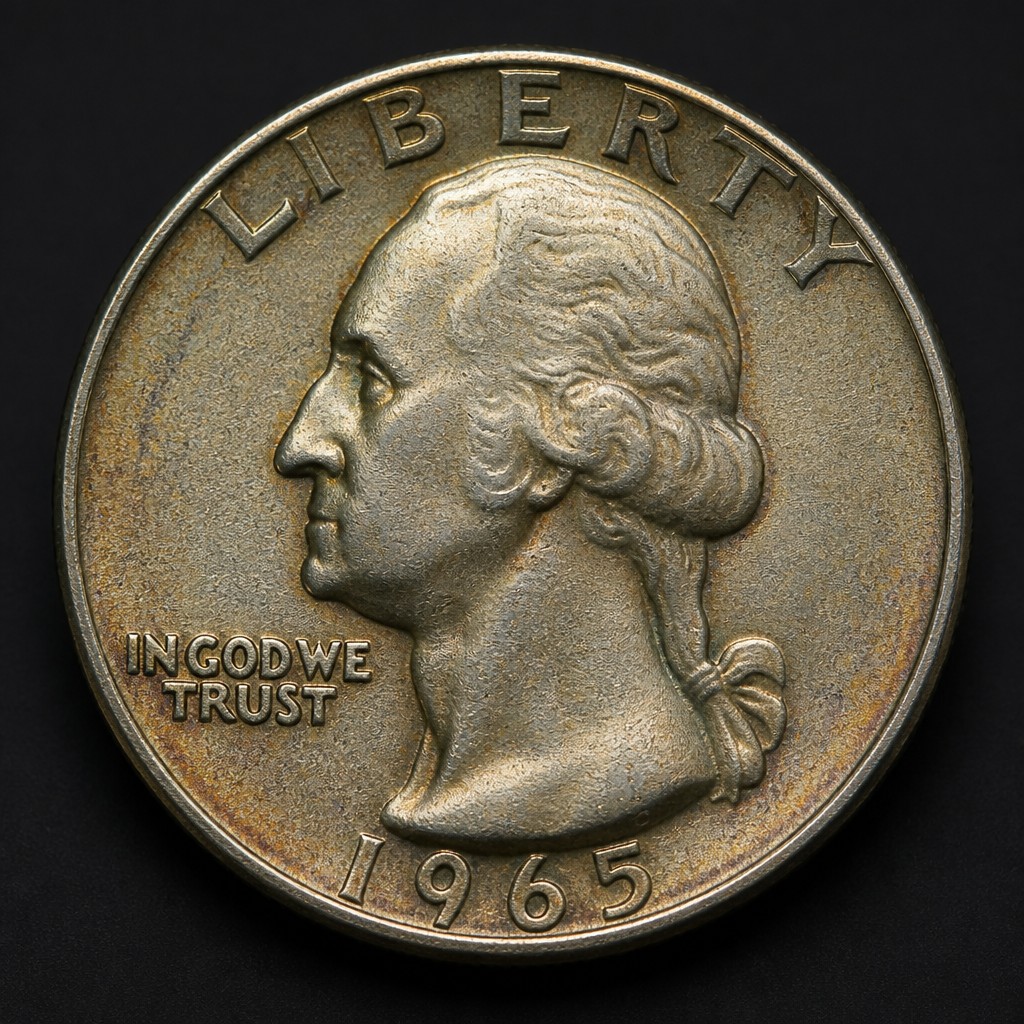
1965 Silver Washington Quarter (Transitional Error)
1965
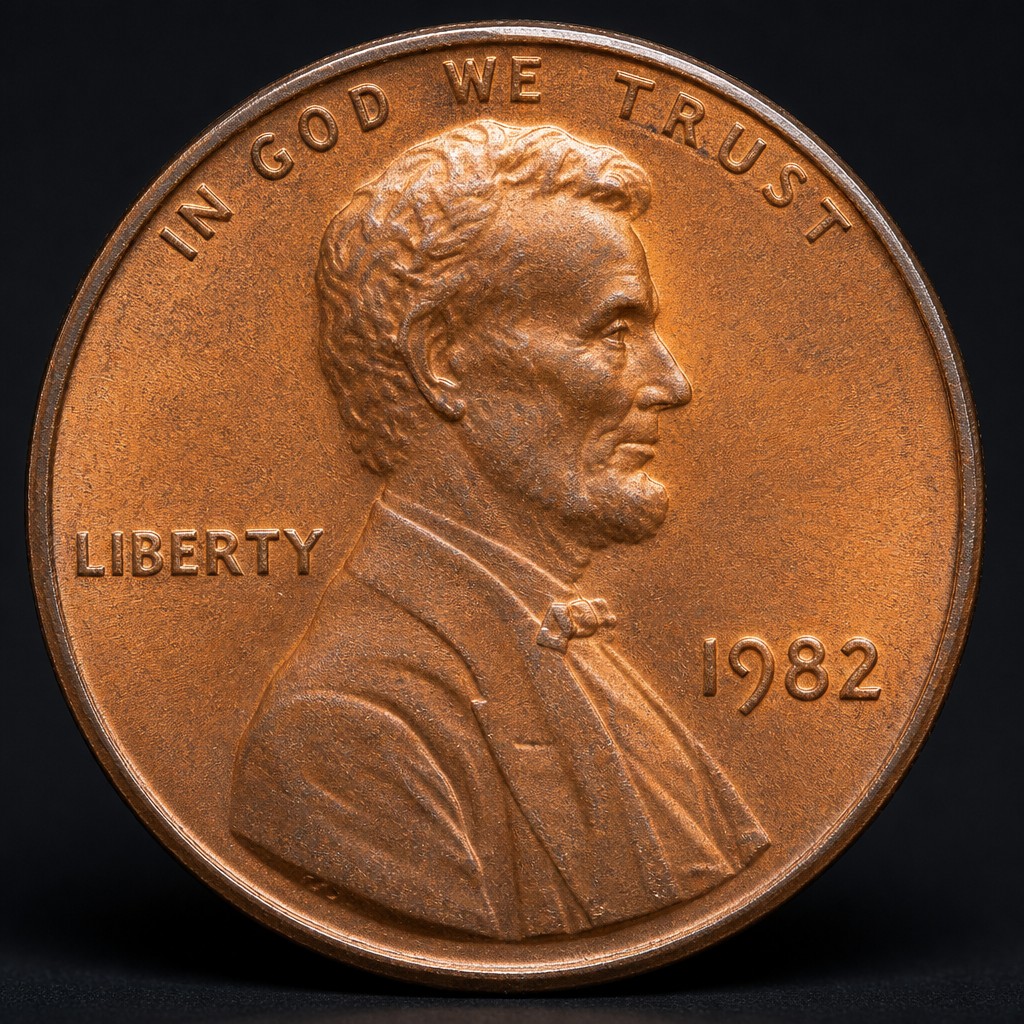
1982 Copper/Zinc Transition Lincoln Cent
1982
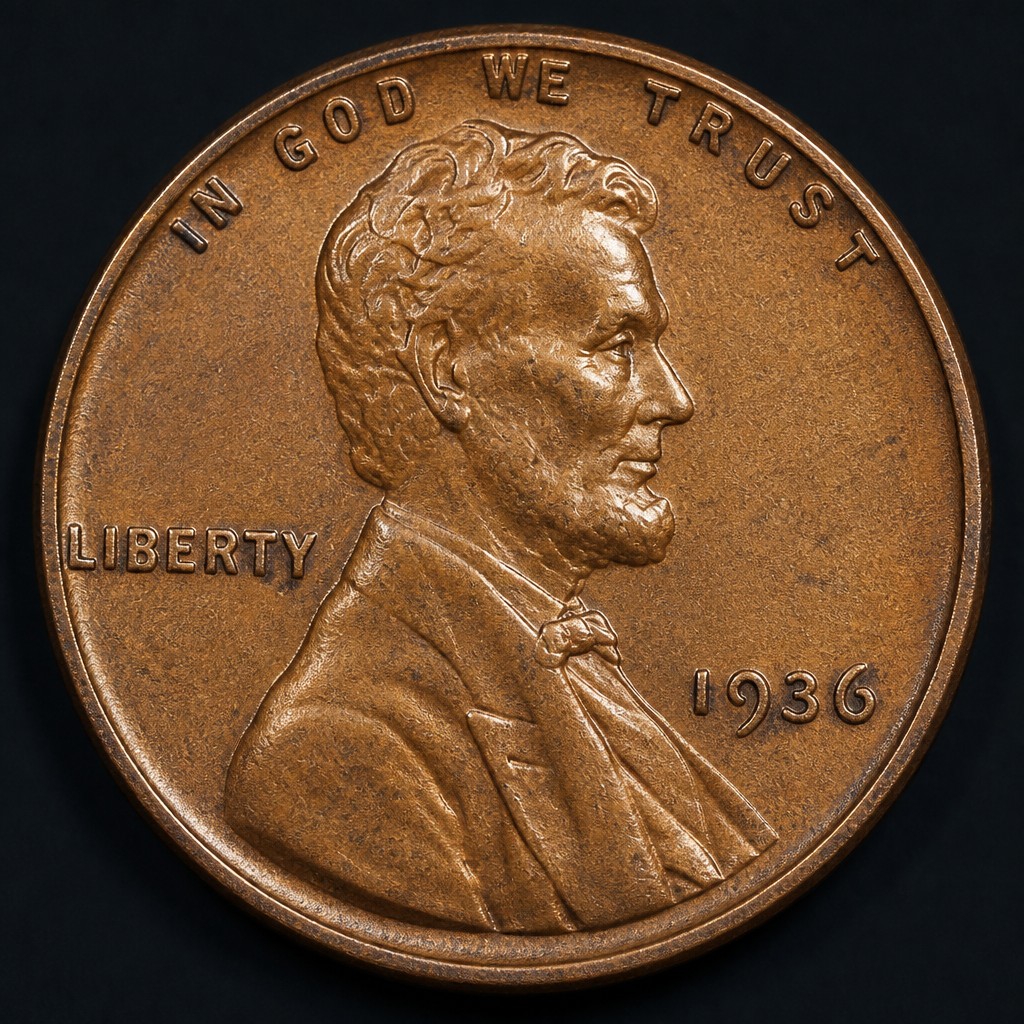
1936 Doubled Die Lincoln Cent
1936
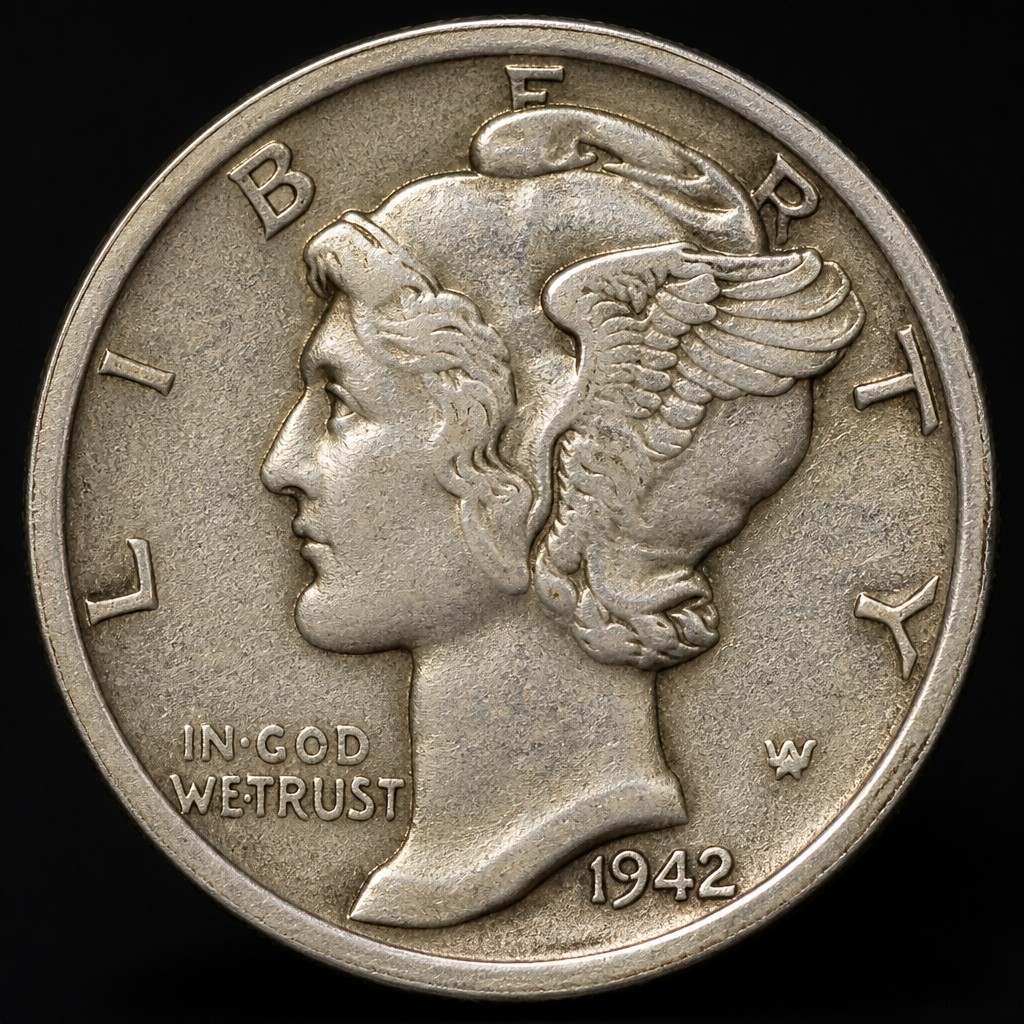
1942/1 Mercury Dime Overdate
1942
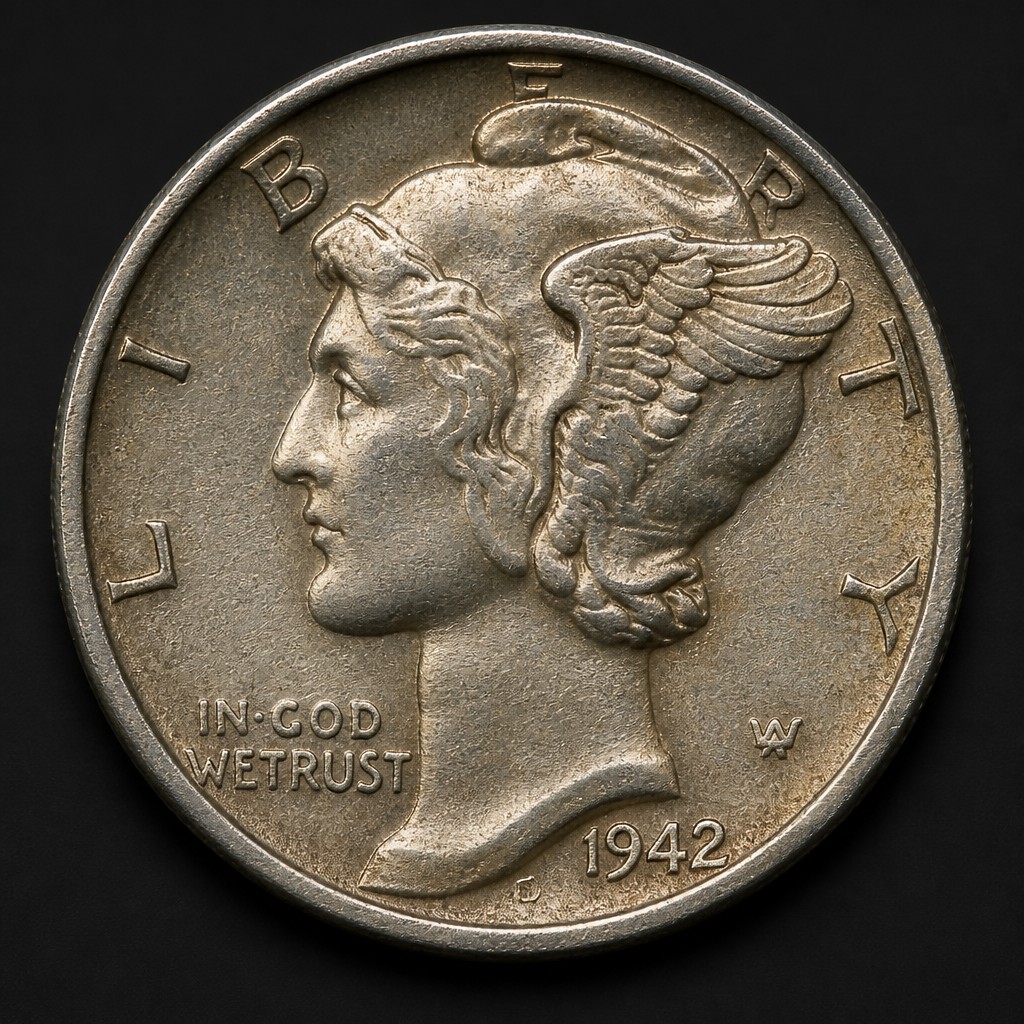
1942/1-D Mercury Dime Overdate
1942
1937-D Three-Legged Buffalo Nickel
1937
1922 No D Lincoln Cent
1922
1969-S Doubled Die Lincoln Cent
1969
1943 Bronze Lincoln Cent
1943
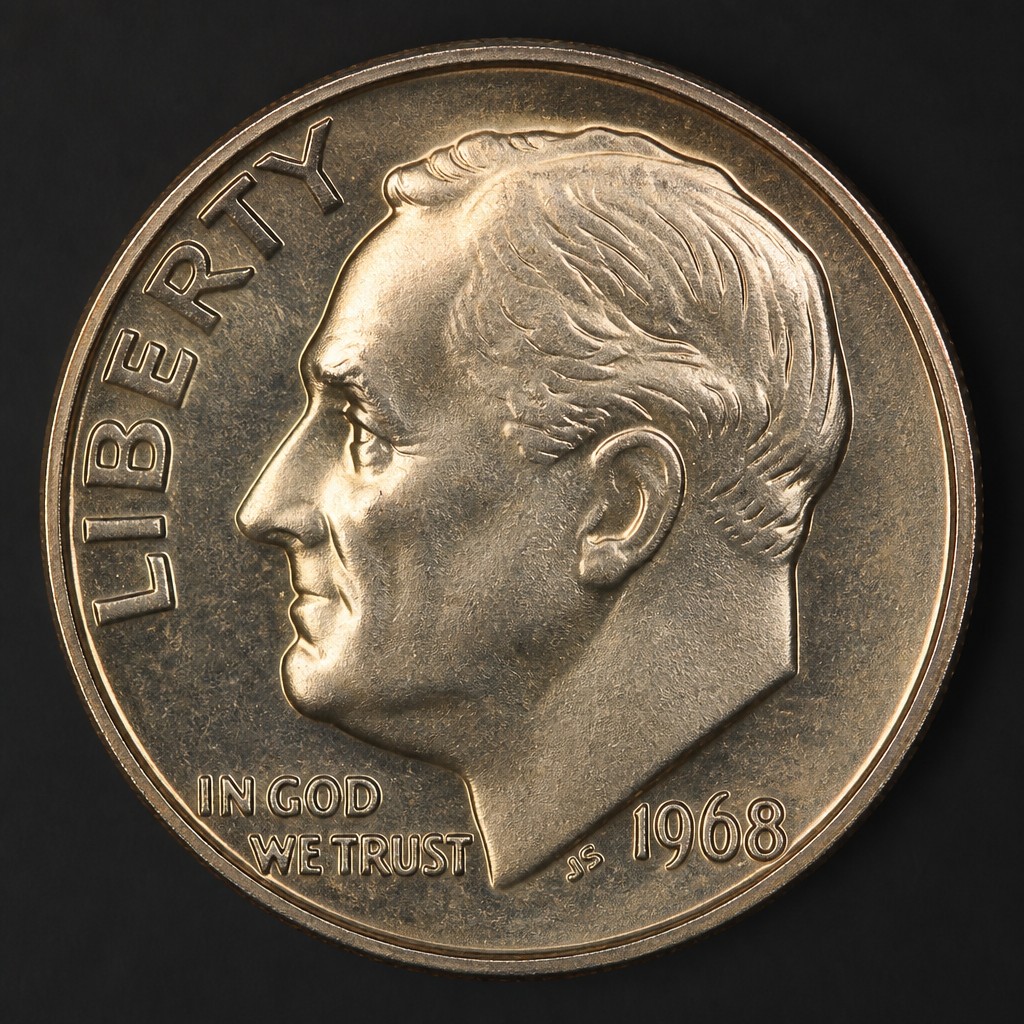
1968 No S Proof Roosevelt Dime
1968