
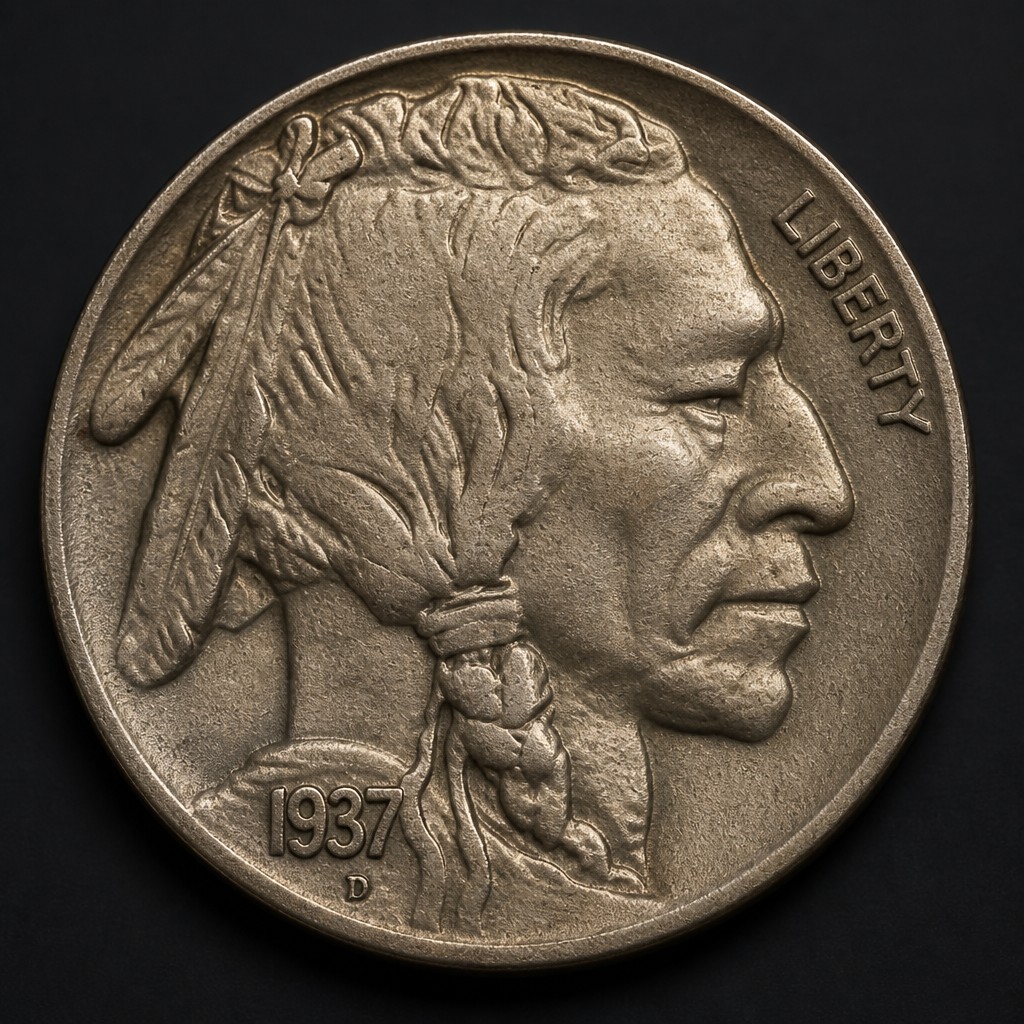
1937-D Three-Legged Buffalo Nickel
One of the most famous U.S. mint errors, this Denver-struck Buffalo Nickel variety shows the bison missing its front leg after a Mint worker over-polished a damaged die.
- Country
- United States
- Denomination
- Five Cents
- Metal
- Copper-Nickel
Got a coin like this?
Identify any coin from a photo, free.
Overview
The 1937-D Three-Legged Buffalo Nickel is arguably the most famous die variety in the entire Buffalo Nickel series, and one of the best-known error/variety coins in all of American numismatics. Its distinctive, easily described defect, a missing front leg on the reverse bison, makes it instantly recognizable even to collectors outside the specialty.
The coin's fame stems from the dramatic visual nature of the error combined with the popularity of the Buffalo Nickel design itself. It remains one of the entry points many collectors use to learn about mint errors and die varieties more broadly.
Because the error was created by excessive die polishing rather than a design flaw from the Mint's engravers, only coins struck from that specific damaged die pairing show the missing leg, making genuine examples a finite, well-documented group.
History & Background
At the Denver Mint in 1937, a working die used to strike Buffalo Nickels developed clash marks or damage, and a Mint employee attempted to remove the imperfection by polishing the die. In doing so, the front leg of the bison on the reverse was inadvertently polished away entirely, leaving the animal appearing to stand on only three legs.
Coins struck from this over-polished die entered circulation before the error was caught, and the distinctive variety was soon noticed by sharp-eyed collectors and dealers, quickly becoming one of the most talked-about error coins of its era. The Buffalo Nickel series itself, designed by James Earle Fraser and issued from 1913 to 1938, was nearing the end of its run when this variety appeared.
The fame of the 1937-D Three-Legged variety helped popularize the broader hobby of error and variety collecting, inspiring later collectors to search rolls and circulation finds for similarly dramatic die varieties in other series.
How to Identify
Like all Buffalo Nickels, the obverse shows a right-facing Native American portrait with "LIBERTY" and the date, while the reverse depicts an American bison standing on a mound with "UNITED STATES OF AMERICA," "E PLURIBUS UNUM," and "FIVE CENTS" around it. On the Three-Legged variety, the bison's front right leg is missing or reduced to only a faint stub, most clearly visible where the leg should meet the body.
The coin is struck in copper-nickel with a plain edge and standard nickel diameter, and carries a small "D" mint mark below "FIVE CENTS" on the reverse, confirming Denver origin. Because later die states show varying degrees of leg removal, some examples show a very faint trace of the leg while others show it completely gone.
Collectors should be cautious of altered or artificially modified nickels made to mimic the variety, and should compare suspect coins carefully against verified reference images or seek professional grading service authentication, since the coin's fame has made it a frequent target for imitation.
Value & Collectibility
The 1937-D Three-Legged Buffalo Nickel commands a substantial premium over an ordinary 1937-D nickel due to its fame and the specific, verifiable nature of the die variety. Even well-worn examples showing significant circulation wear still bring meaningful sums due to strong collector demand.
Value climbs sharply with grade, since sharp, well-preserved examples showing a clear, unmistakable missing leg are considerably harder to find than heavily worn survivors. Because of its popularity, professionally graded and authenticated examples generally command the most buyer confidence.
As one of the most recognized error/variety coins in the hobby, the Three-Legged Nickel's value is driven primarily by its fame and visual drama rather than true numerical rarity, though genuine, well-documented examples remain consistently in demand.
Frequently asked questions
How did the Three-Legged Buffalo Nickel happen?
A Denver Mint worker over-polished a damaged die trying to remove clash marks, accidentally polishing away the bison's front leg entirely.
How can I tell if my 1937-D Buffalo Nickel has three legs?
Look closely at the bison's front right leg on the reverse; on genuine examples it is missing or reduced to a faint stub compared to a normal, complete leg.
Are there fake or altered Three-Legged Nickels?
Yes, because of the coin's fame, some ordinary nickels have been altered to mimic the missing leg, so professional authentication is often recommended for valuable examples.
Is the Three-Legged Nickel the only famous Buffalo Nickel variety?
It is the most famous, but the series includes other notable varieties as well, none as widely recognized as the Three-Legged Denver issue.
Other coins you may enjoy
2000-P Sacagawea Cheerios Dollar
2000
1972 Eisenhower Dollar (Type 2)
1972
1974 Aluminum Cent
1974
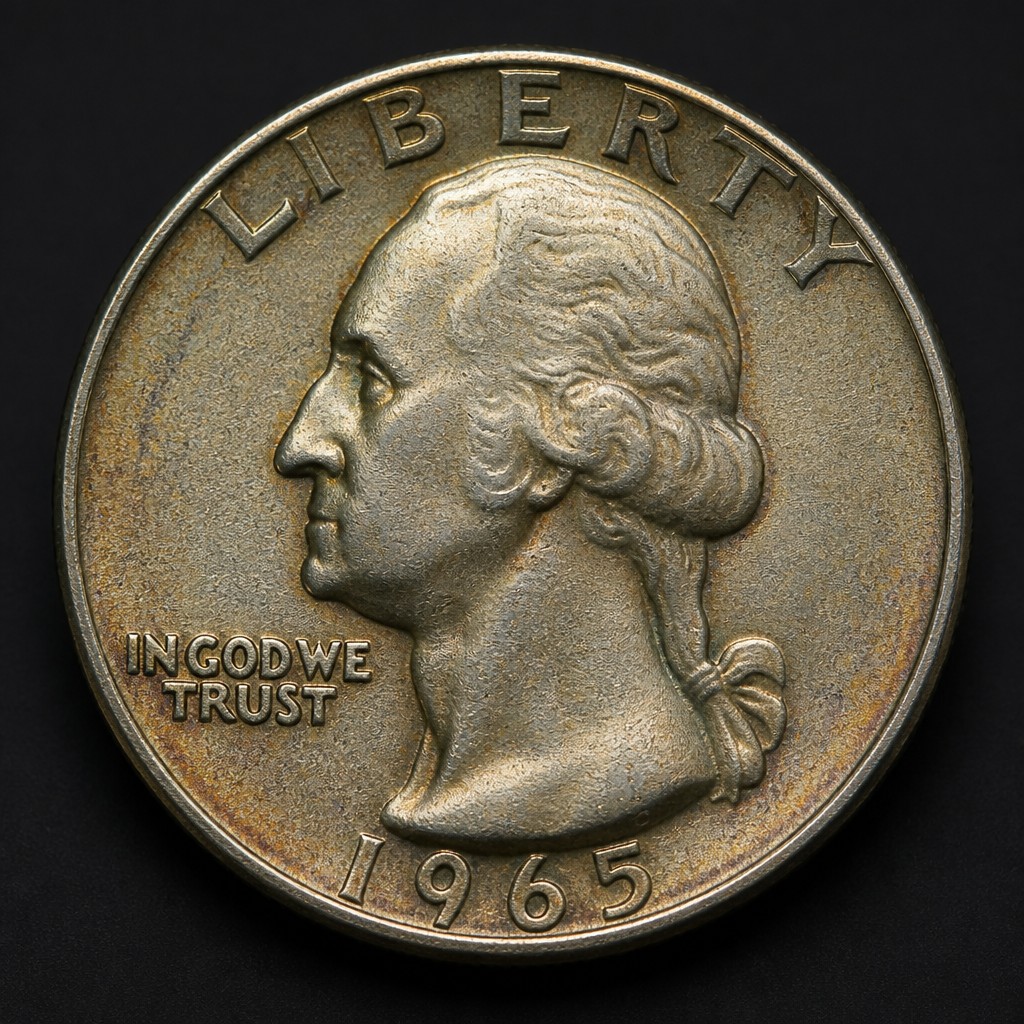
1965 Silver Washington Quarter (Transitional Error)
1965
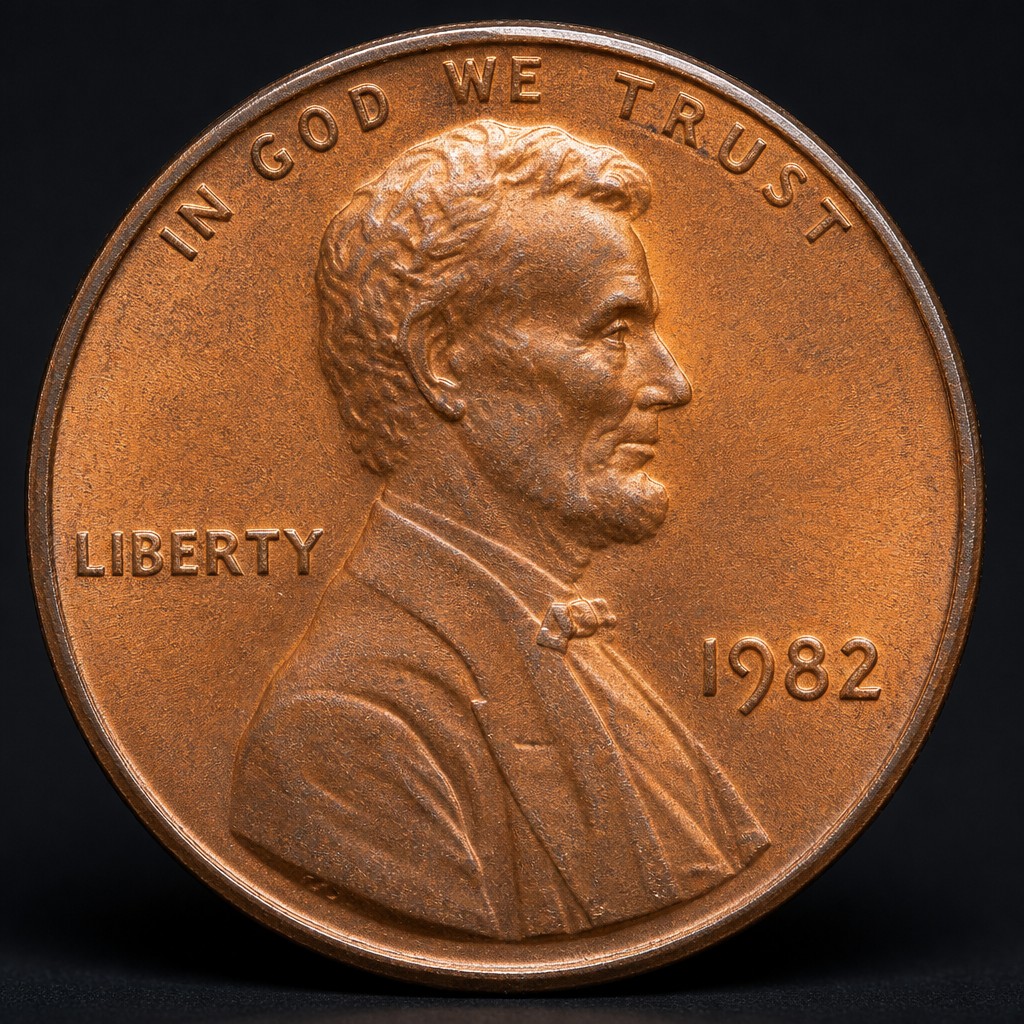
1982 Copper/Zinc Transition Lincoln Cent
1982
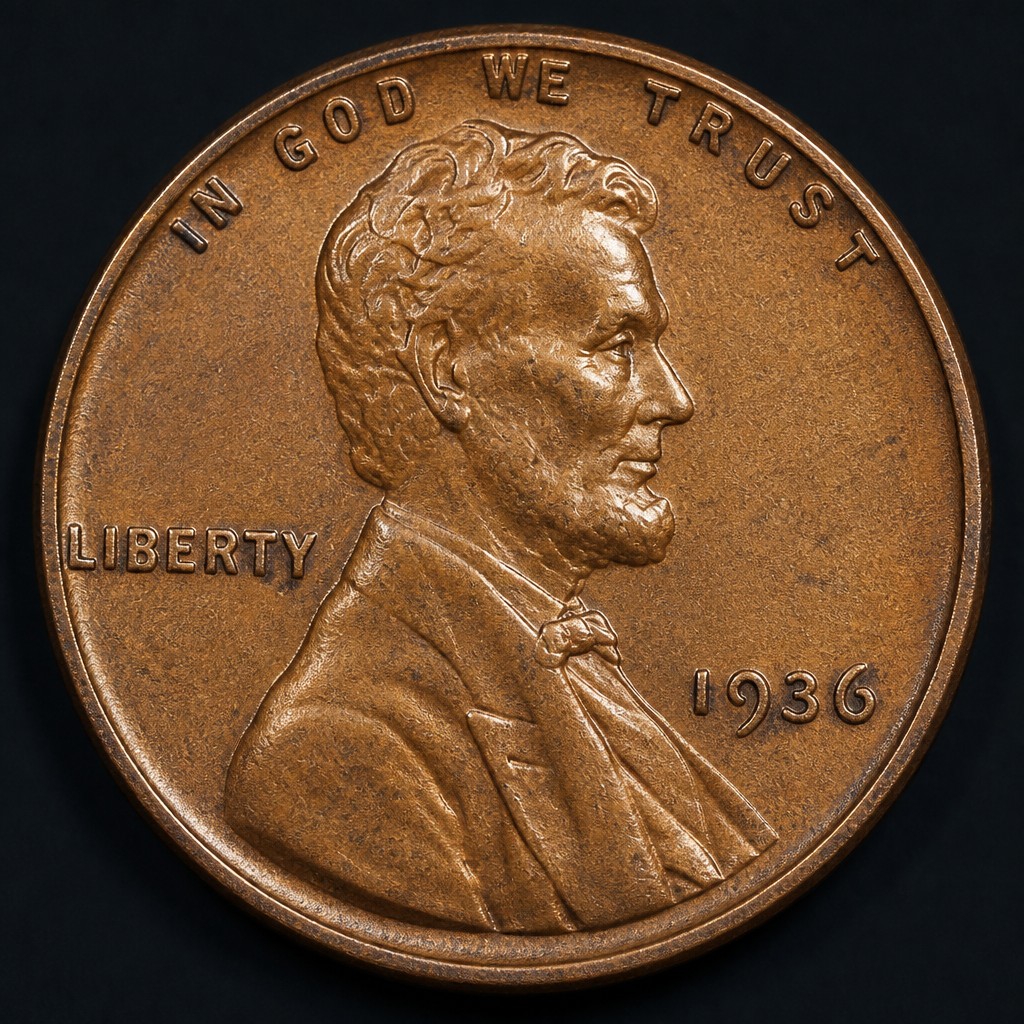
1936 Doubled Die Lincoln Cent
1936
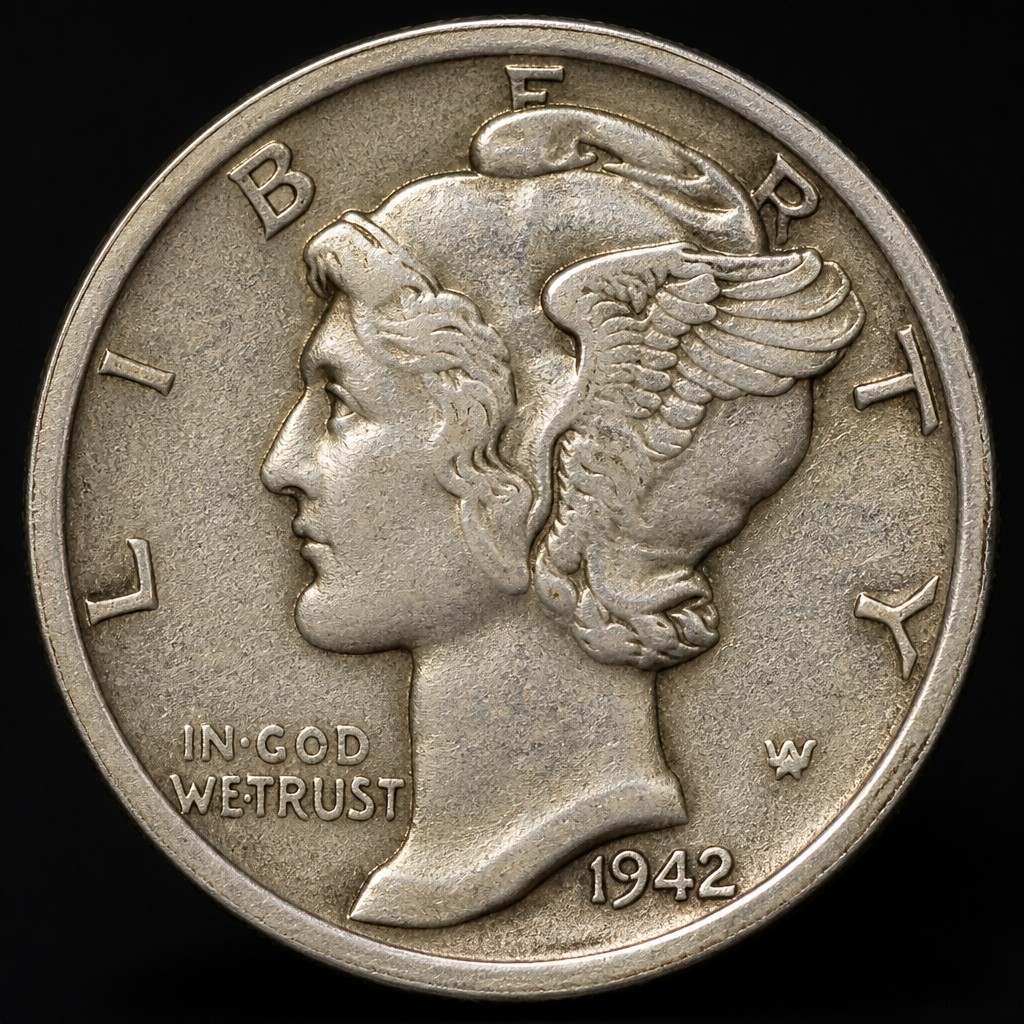
1942/1 Mercury Dime Overdate
1942
1942/1-D Mercury Dime Overdate
1942
1922 No D Lincoln Cent
1922
1969-S Doubled Die Lincoln Cent
1969
1943 Bronze Lincoln Cent
1943
1968 No S Proof Roosevelt Dime
1968