
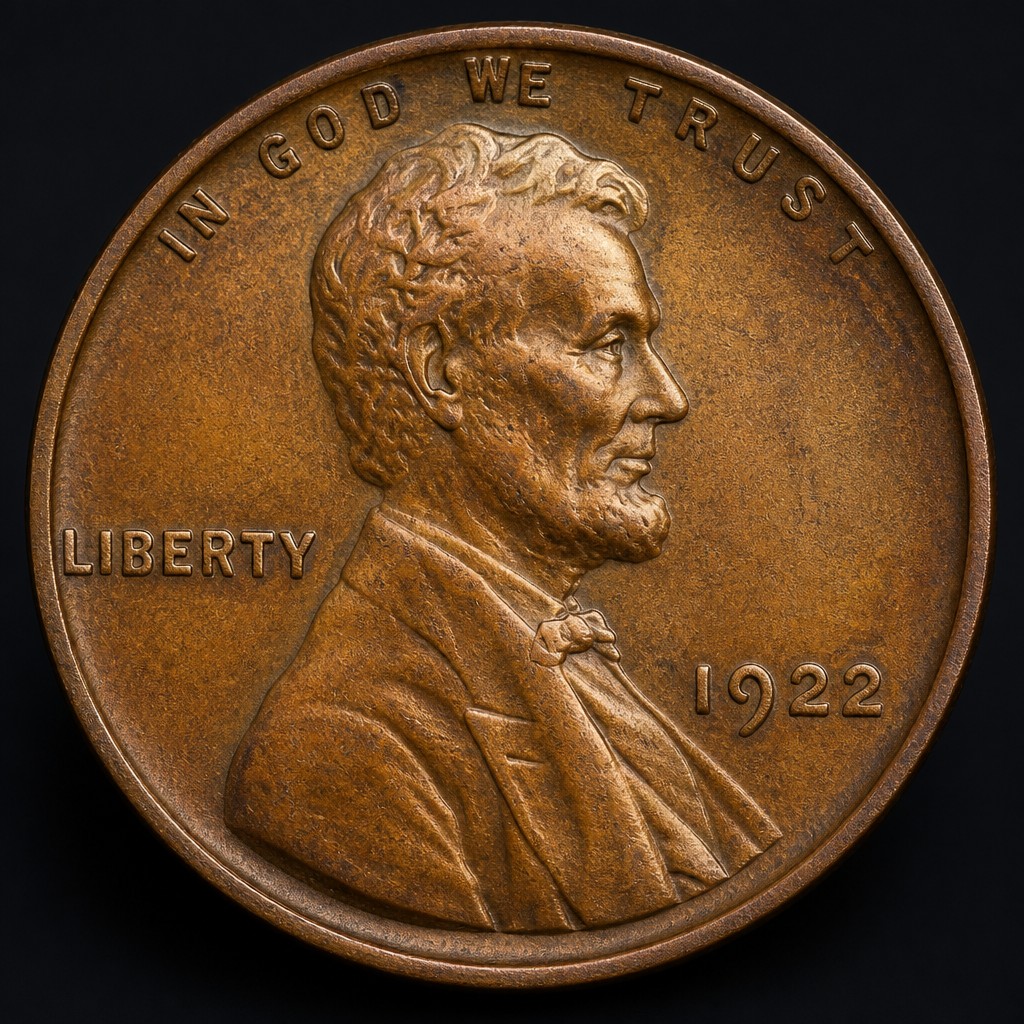
1922 No D Lincoln Cent
A famous Lincoln cent error from Denver where a worn or clogged die produced cents lacking the D mint mark, since Denver was the sole mint striking cents that year.
- Country
- United States
- Denomination
- One Cent
- Metal
- Bronze (95% Copper)
Got a coin like this?
Identify any coin from a photo, free.
Overview
The 1922 'No D' cent is a celebrated error variety because 1922 is the only year in the Lincoln cent series when the Philadelphia Mint struck no cents at all, meaning every 1922 cent should carry Denver's D mint mark. A subset of coins from a heavily worn or filled die show a weak or entirely missing D, creating an apparent 'no mint mark' cent that should not exist for that date.
This scarcity of circumstance, combined with the intrigue of a coin that logically 'shouldn't exist,' has made the 1922 No D one of the most famous and heavily studied error varieties in American numismatics.
History & Background
In 1922, the Philadelphia Mint did not strike cents, leaving the Denver Mint as the sole source of that year's production. Excessive use and improper maintenance of some obverse dies caused the D mint mark to fill in with grease and debris or wear away, so a percentage of coins from certain die pairs show little to no trace of the D.
Collectors and researchers have since classified 1922 cents into weak-D and true no-D varieties based on which working dies were used, since not every worn-D 1922 cent is the same rarity; the strongest, cleanest 'no D' examples from the correctly identified die pair are the most desirable and valuable.
How to Identify
Obverse: A standard Lincoln portrait and date for the era, but with the area beneath the date where the D mint mark should appear showing either a very weak, partial D or no trace of it at all.
Reverse: Standard wheat-ear Lincoln cent reverse from the era, showing no distinguishing marks relevant to the variety.
Because weakly-struck D mint marks are more common (and less valuable) than the true 'no D' variety attributed to a specific worn die, identification relies on comparing diagnostic die markers to published references for the recognized variety; third-party grading services specifically attribute and certify the premium no-D variety separately from ordinary weak-D coins.
Value & Collectibility
Because 1922 cents without any D are effectively considered 'no mint mark' Denver coins from a year Philadelphia made none, genuine, properly attributed examples can be valuable, generally ranging from a few hundred dollars in lower circulated grades up to several thousand dollars for higher grades or the specific die variety prized by specialists.
Weak-D examples, where the mint mark is faint but still detectable under magnification, are far more common and worth much less than a true attributed no-D. As with other conditional rarities, certification and correct die-pair attribution are essential to establishing value.
Frequently asked questions
Why does a 1922 cent without a mint mark exist if Denver was supposed to add a D?
A worn or debris-filled die caused the D to strike weakly or not at all on some coins, creating cents that appear to lack a mint mark.
Are all 1922 cents without a visible D valuable?
No; only the properly attributed 'strong reverse, no D' variety from a specific die pair carries a significant premium, while ordinary weak-D coins are worth much less.
Why is 1922 special for Lincoln cents?
It is the only year Philadelphia struck no cents, so every genuine 1922 cent should have come from Denver with a D mint mark.
How much is a genuine 1922 No D cent worth?
Values vary widely by die variety and grade, generally ranging from a few hundred to several thousand dollars for correctly attributed examples.
Should I get my 1922 cent authenticated?
Yes, because distinguishing a valuable true no-D from a common weak-D example usually requires expert or certified attribution.
Other coins you may enjoy
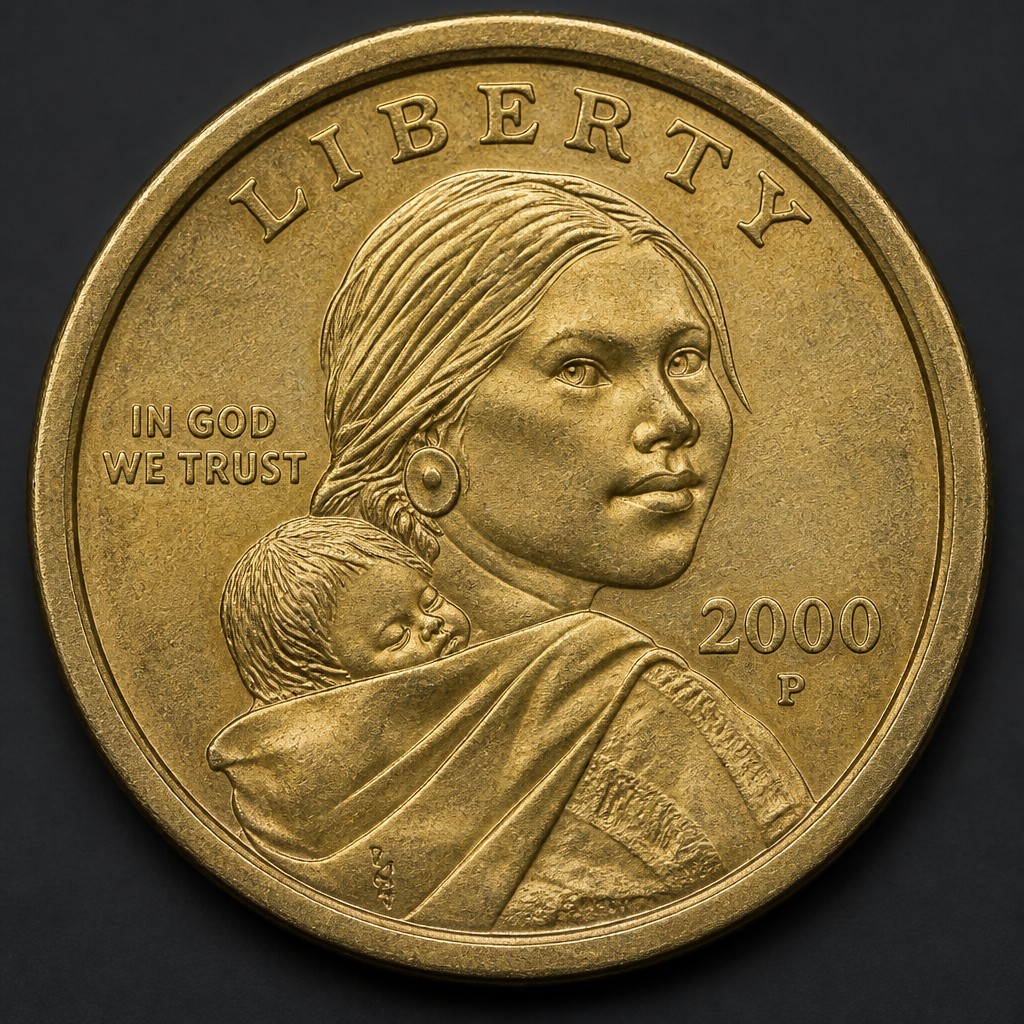
2000-P Sacagawea Cheerios Dollar
2000
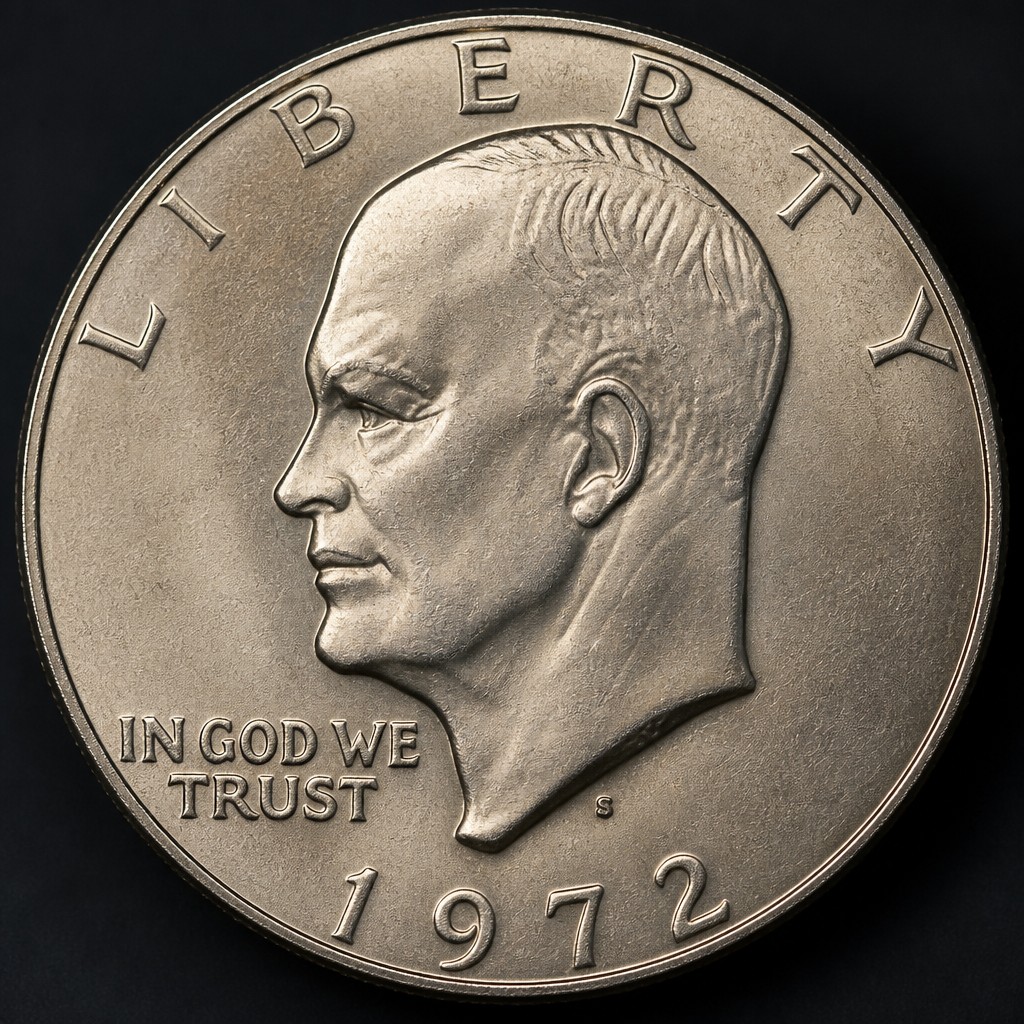
1972 Eisenhower Dollar (Type 2)
1972
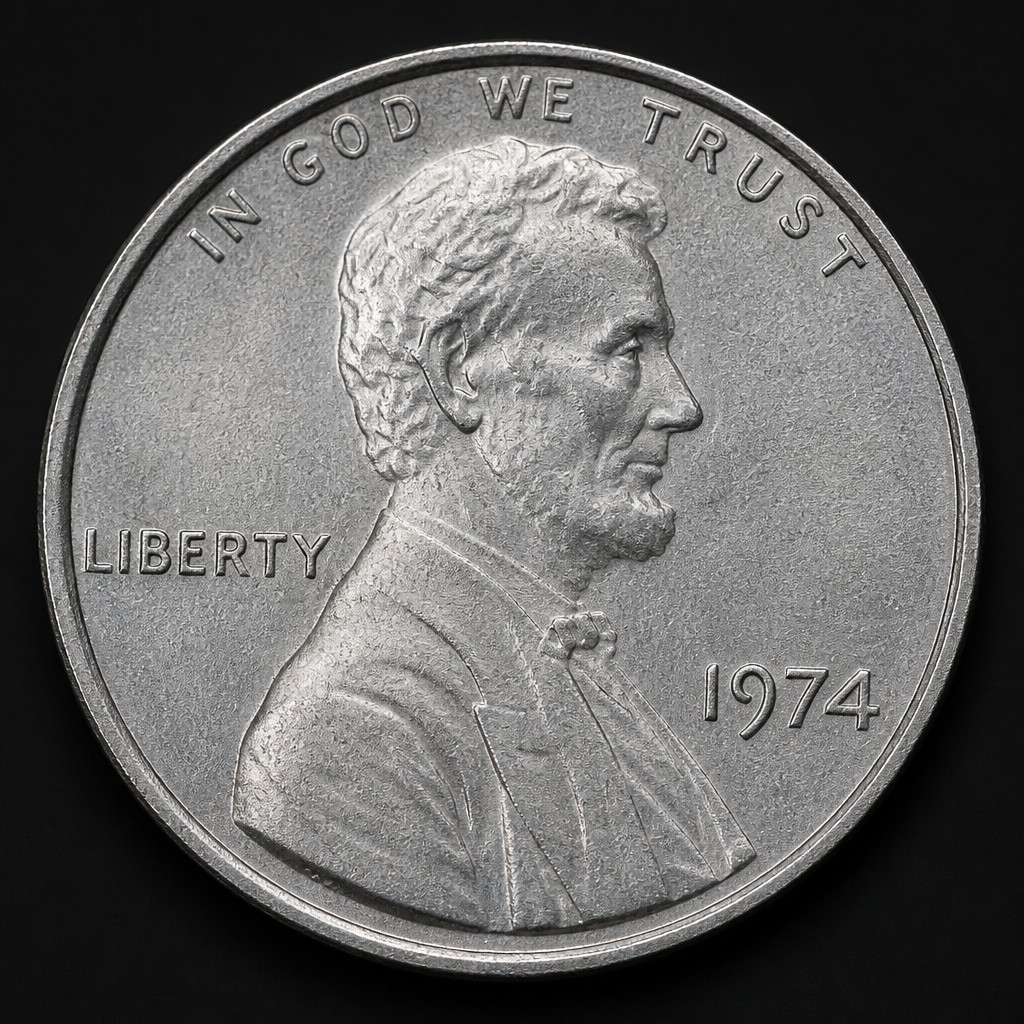
1974 Aluminum Cent
1974
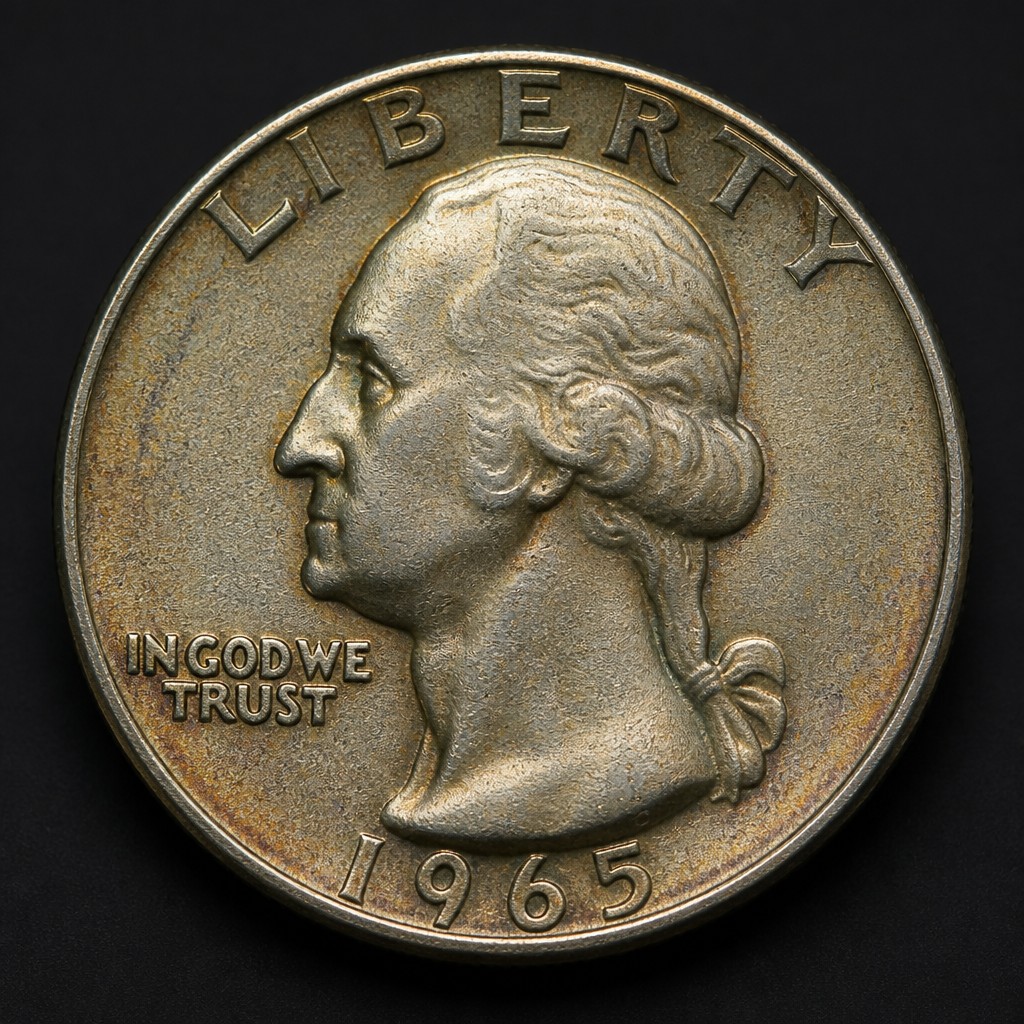
1965 Silver Washington Quarter (Transitional Error)
1965
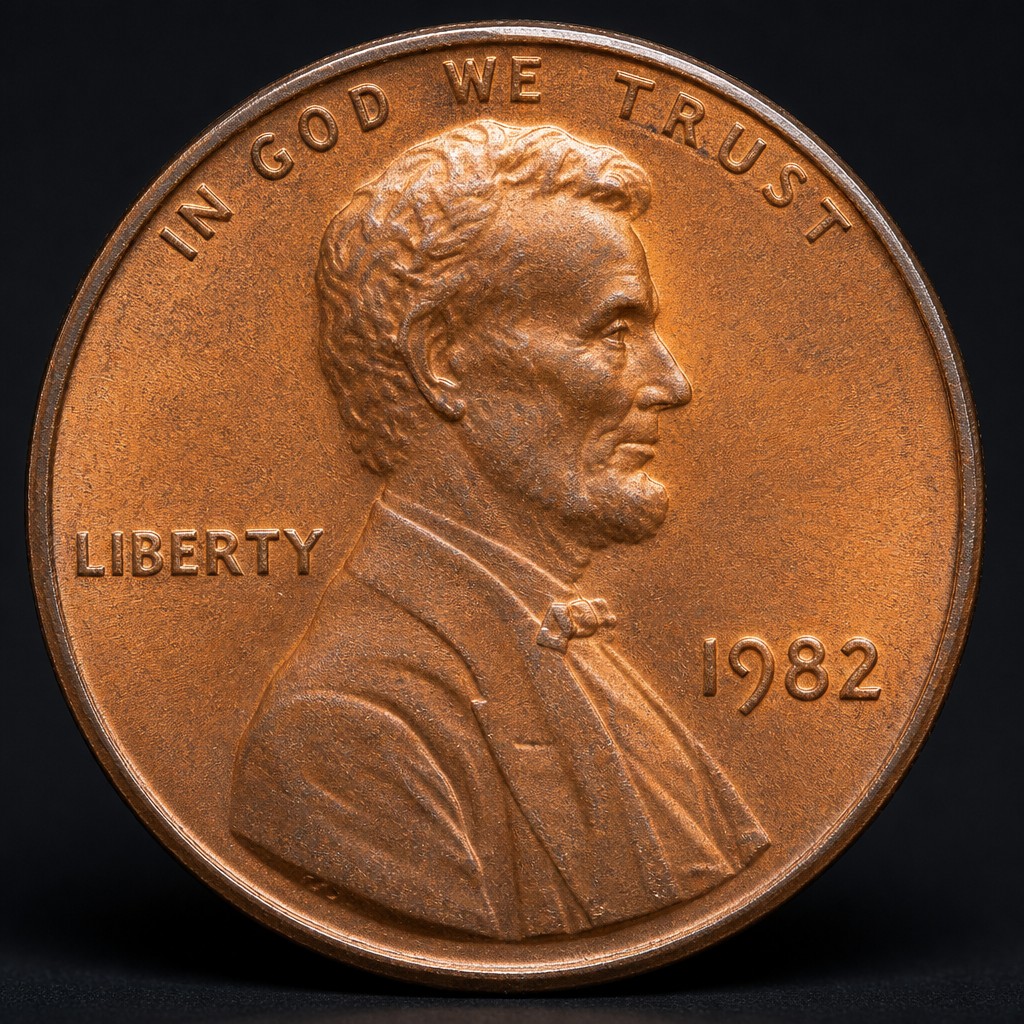
1982 Copper/Zinc Transition Lincoln Cent
1982
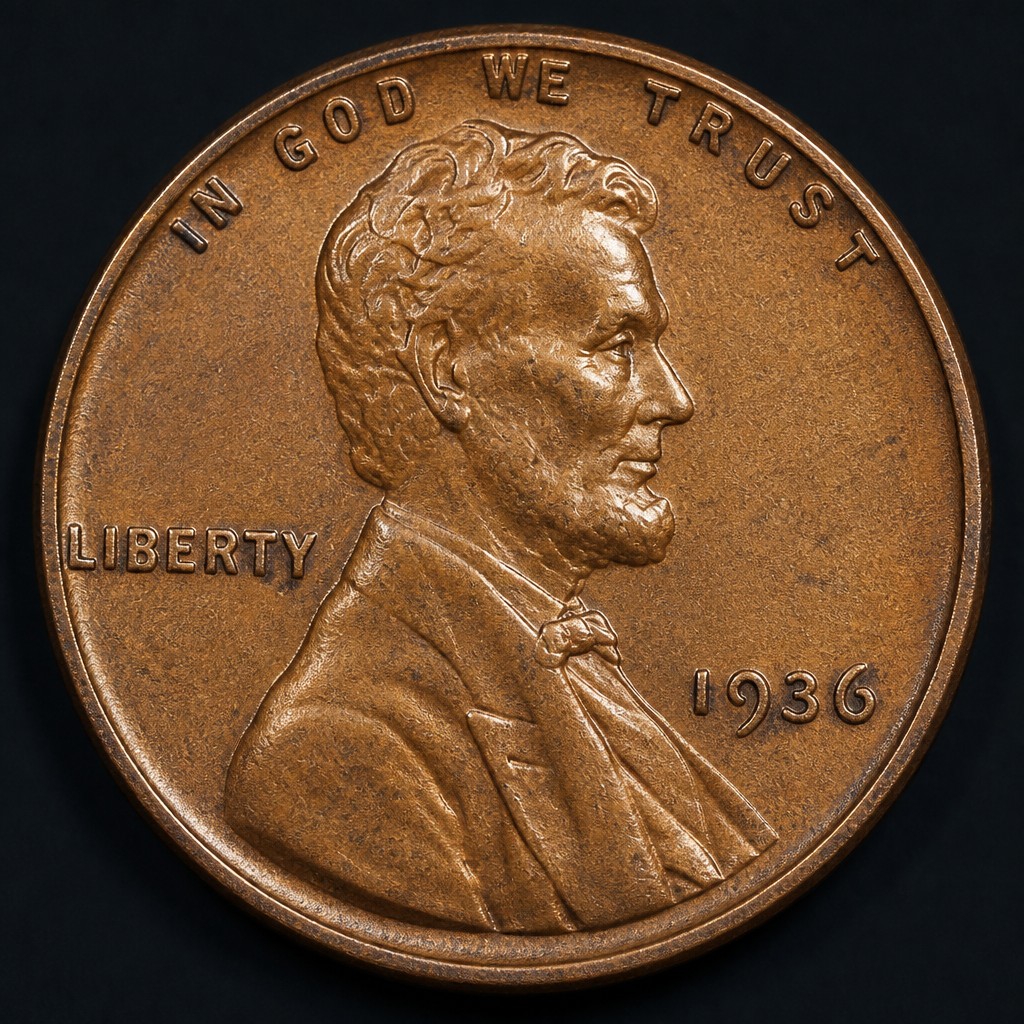
1936 Doubled Die Lincoln Cent
1936
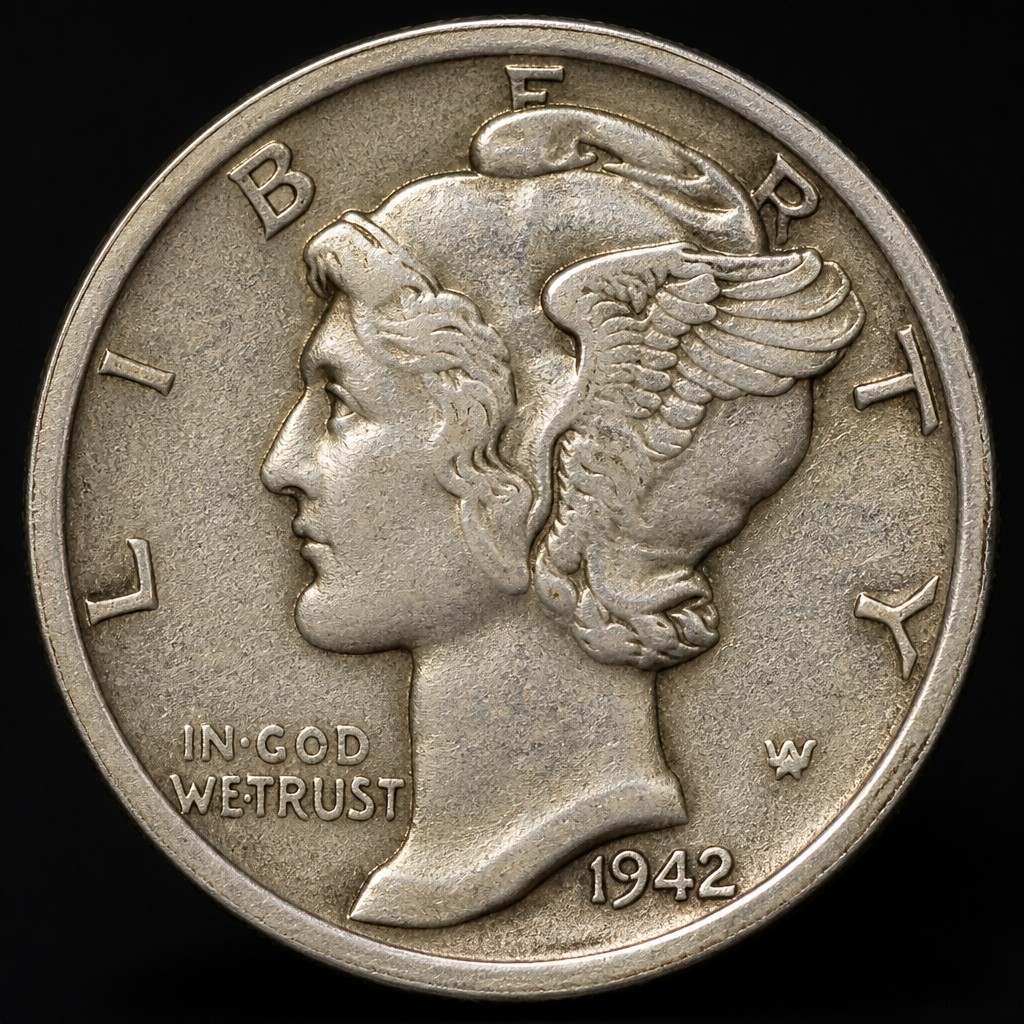
1942/1 Mercury Dime Overdate
1942
1942/1-D Mercury Dime Overdate
1942
1937-D Three-Legged Buffalo Nickel
1937
1969-S Doubled Die Lincoln Cent
1969
1943 Bronze Lincoln Cent
1943
1968 No S Proof Roosevelt Dime
1968