
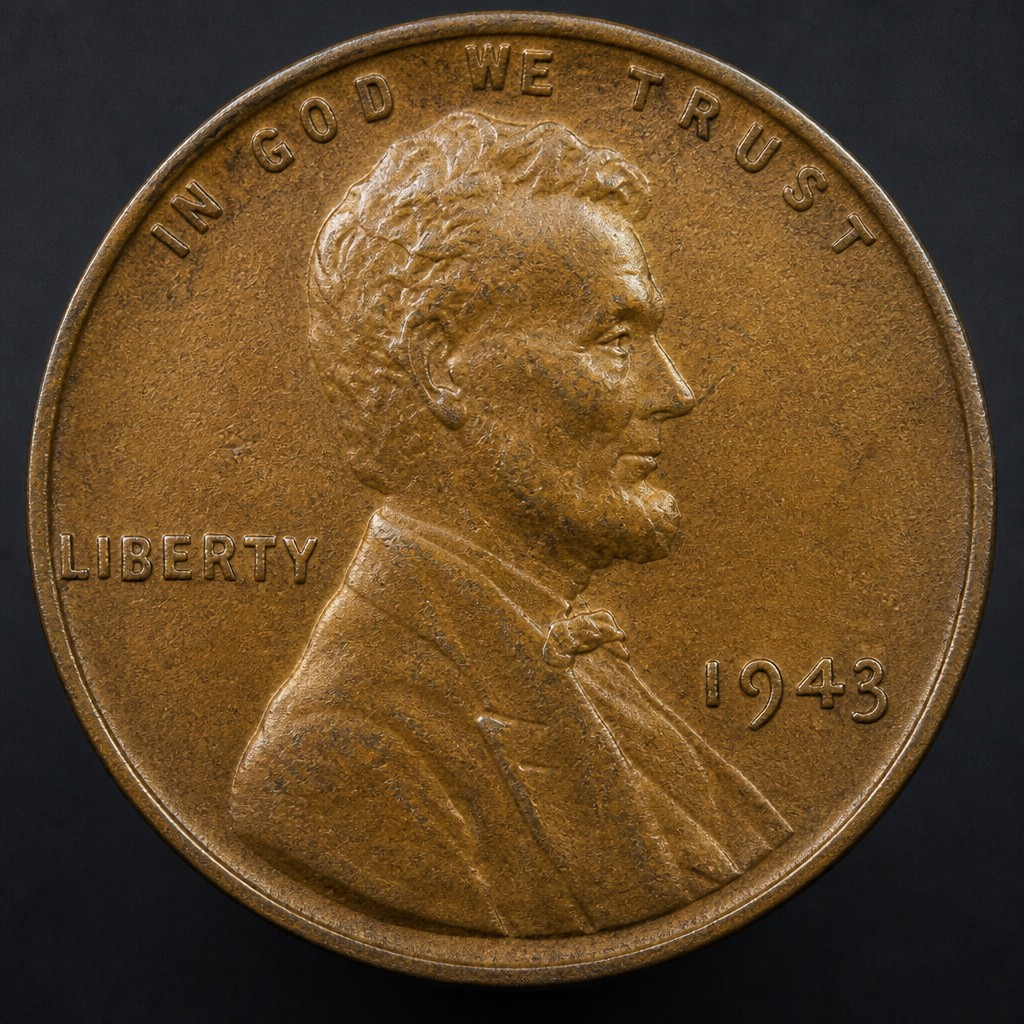
1943 Bronze Lincoln Cent
An extremely rare mint error in which a small number of 1943 Lincoln cents were accidentally struck in leftover bronze rather than the intended wartime zinc-coated steel.
- Country
- United States
- Denomination
- One Cent
- Metal
- Bronze (struck in error on leftover bronze planchets)
Got a coin like this?
Identify any coin from a photo, free.
Overview
The 1943 bronze cent is one of the most famous error coins in American numismatics. In 1943 the U.S. Mint switched cent production to zinc-coated steel to conserve copper for World War II war material, but a handful of bronze planchets left over from 1942 apparently remained in the presses or feed bins and were struck with 1943 dies, creating an unintended bronze cent dated 1943.
Because genuine examples are exceedingly rare and the coin's story is tied directly to the wartime economy, it captures public imagination well beyond typical numismatic circles and is frequently the subject of media stories about people finding a fortune in pocket change.
History & Background
For most of 1943, the Mint produced Lincoln cents in zinc-coated steel to divert copper to the war effort, resulting in the distinctive silvery-gray steel cents of that year. A very small number of bronze planchets intended for 1942 production apparently remained in the coining machinery and were inadvertently struck with 1943-dated dies at one or more of the three operating mints.
The error went undetected at the time of striking and only a limited number of these bronze cents are known to have survived and been authenticated, spread across the Philadelphia, Denver, and San Francisco mints, with those from Denver being especially rare. Because ordinary 1943 steel cents are common and inexpensive, the discovery of a genuine bronze example is considered a landmark event whenever one surfaces.
How to Identify
A genuine 1943 bronze cent looks exactly like a normal Lincoln cent of the era, with Lincoln's portrait on the obverse and the wheat ears reverse, but in the warm copper-bronze color used before and after 1943 rather than the silvery steel color of the standard 1943 issue. A simple magnet test is a common first check, since steel cents are magnetic and bronze cents are not, though this only rules out simple deception rather than confirming authenticity.
Many counterfeits exist, most commonly ordinary steel 1943 cents copper-plated to imitate the error, or genuine bronze cents from other years with the date altered from 1948 or similar to read 1943. Weight is a key diagnostic: genuine bronze cents weigh about 3.11 grams while steel cents weigh about 2.7 grams, and professional authentication by a major grading service is essential before any transaction given the value at stake and prevalence of fakes.
Value & Collectibility
Because so few authenticated examples exist and public awareness of the error is high, genuine 1943 bronze cents are extraordinarily valuable, with confirmed specimens having sold at auction for hundreds of thousands of dollars, and the rarest Denver-struck example reportedly bringing over a million dollars in a private sale. Even well-worn, authenticated examples carry substantial value given the coin's extreme rarity.
Given the enormous premium over face value and the volume of altered or plated fakes offered as this error, any coin believed to be a genuine 1943 bronze cent should be verified by a reputable third-party grading service before being assumed authentic or valued.
Frequently asked questions
Why do 1943 bronze cents exist?
A small number of leftover bronze planchets from 1942 were accidentally fed into presses striking 1943 dies, when the Mint had switched to steel cents to save copper for World War II.
How can I tell if my 1943 cent is bronze or steel?
A magnet is a quick first test since steel cents stick to a magnet and bronze cents do not, but genuine bronze examples should still be professionally authenticated given the number of counterfeits.
What is the easiest way to fake a 1943 bronze cent?
The most common fakes are ordinary steel cents copper-plated to look bronze, or bronze cents from other years with the date altered to read 1943; weight and date-digit examination help expose these.
Are all 1943 steel cents rare?
No, standard 1943 steel cents are common and inexpensive; only the mistakenly struck bronze version is rare and highly valuable.
Other coins you may enjoy
2000-P Sacagawea Cheerios Dollar
2000
1972 Eisenhower Dollar (Type 2)
1972
1974 Aluminum Cent
1974
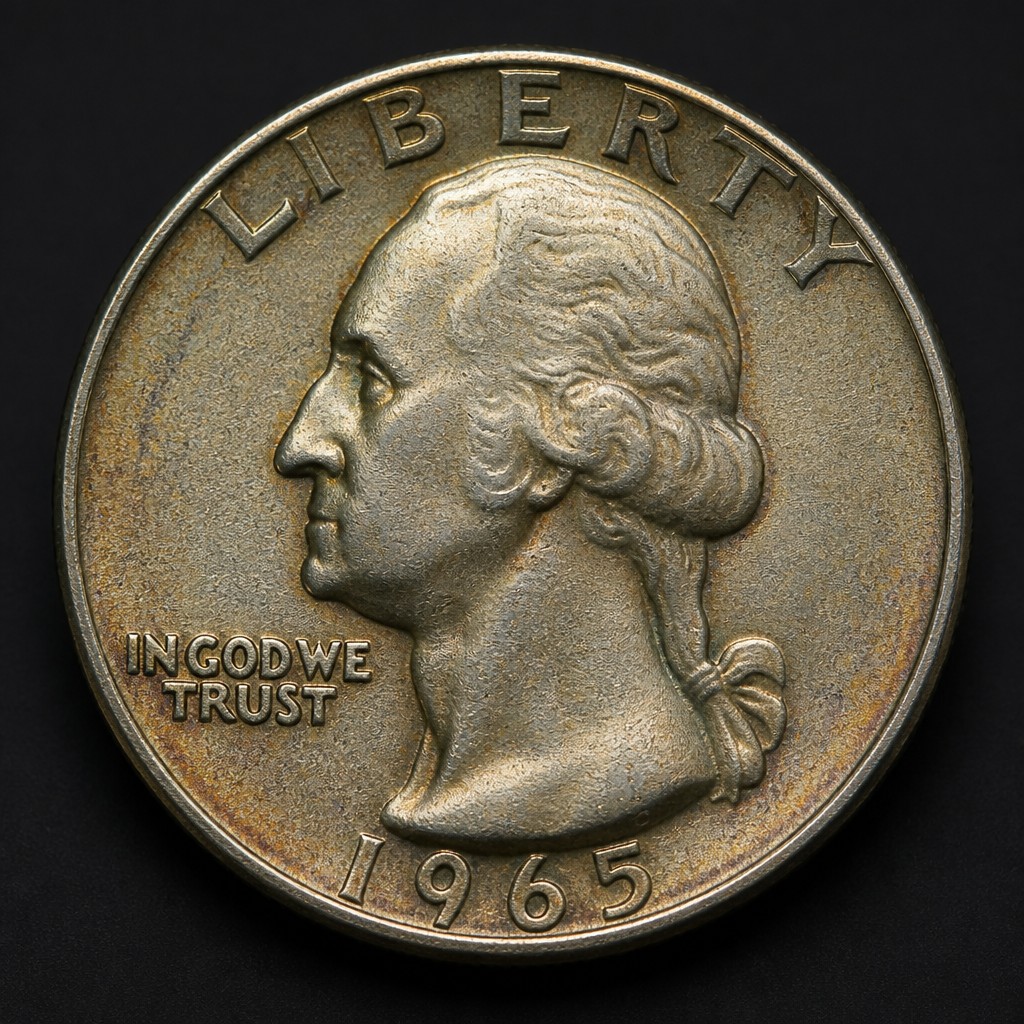
1965 Silver Washington Quarter (Transitional Error)
1965
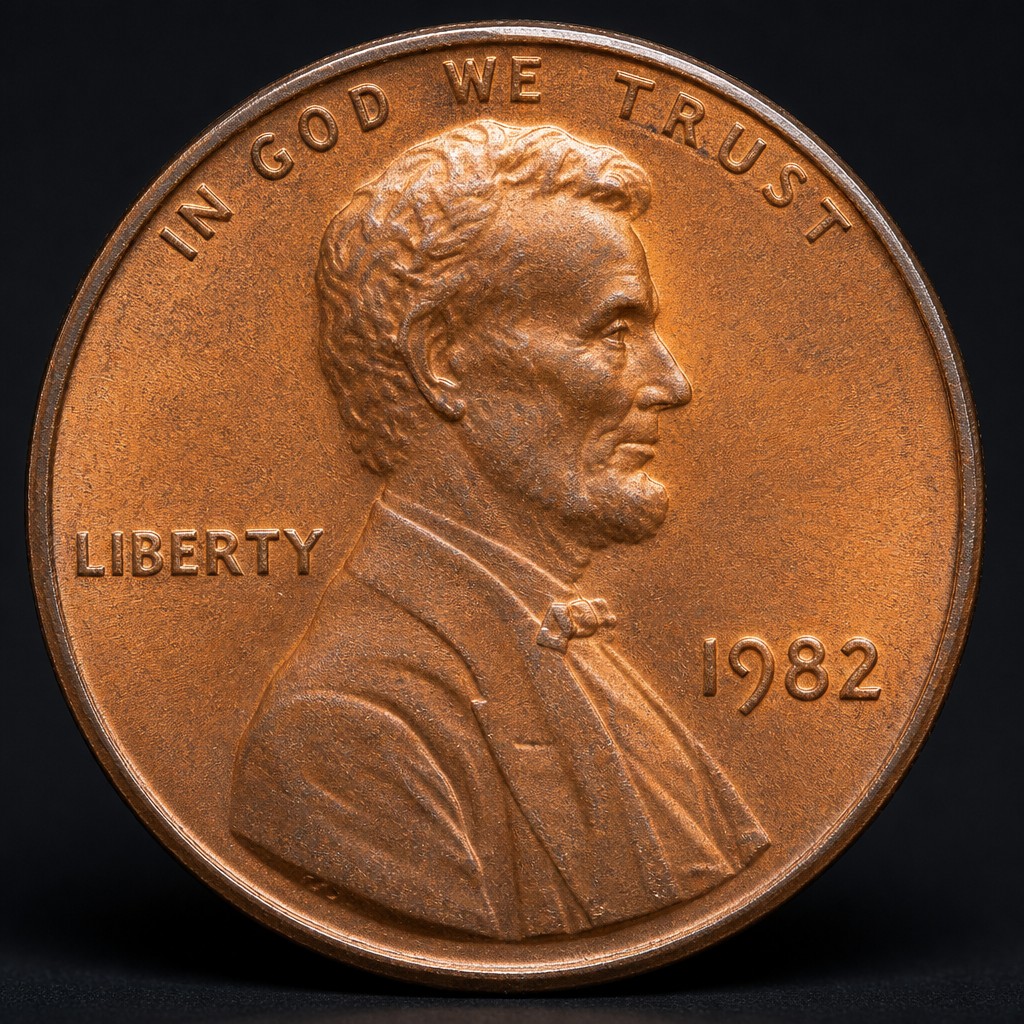
1982 Copper/Zinc Transition Lincoln Cent
1982
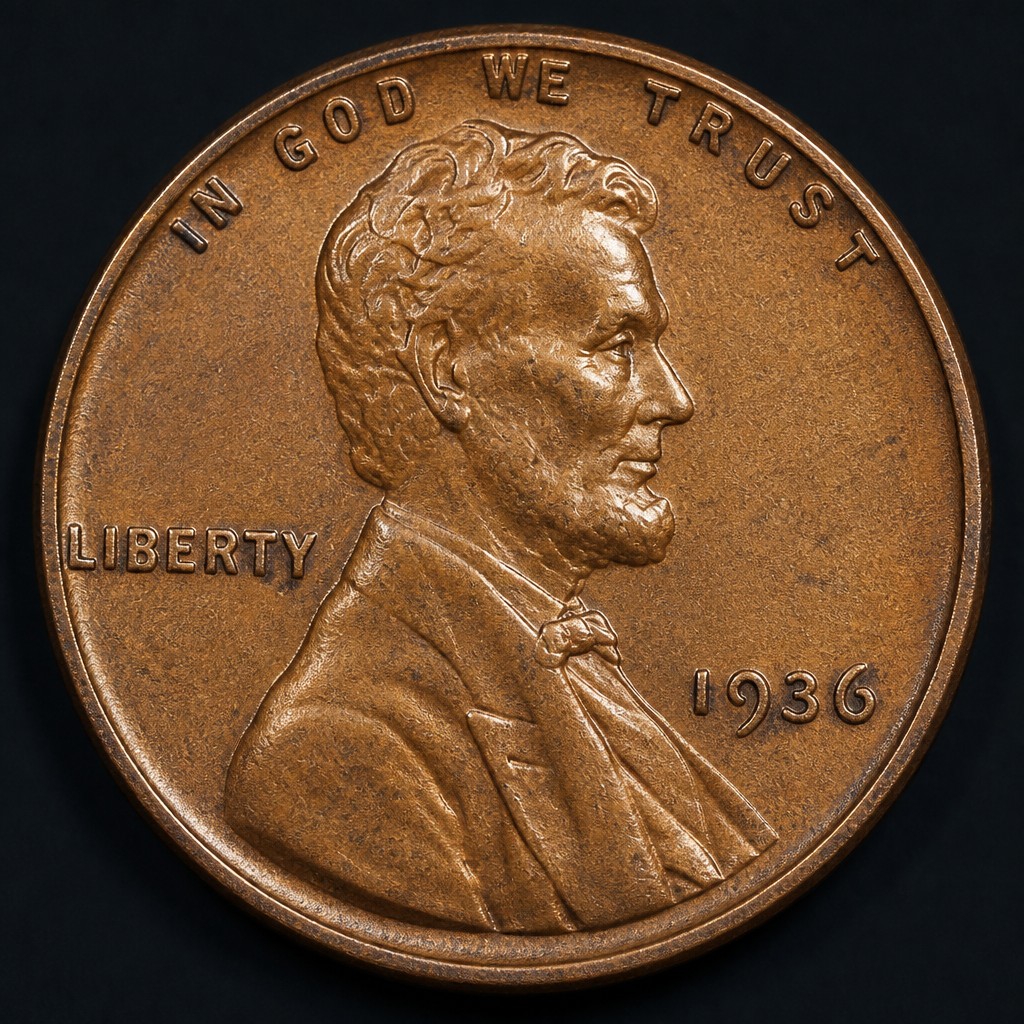
1936 Doubled Die Lincoln Cent
1936
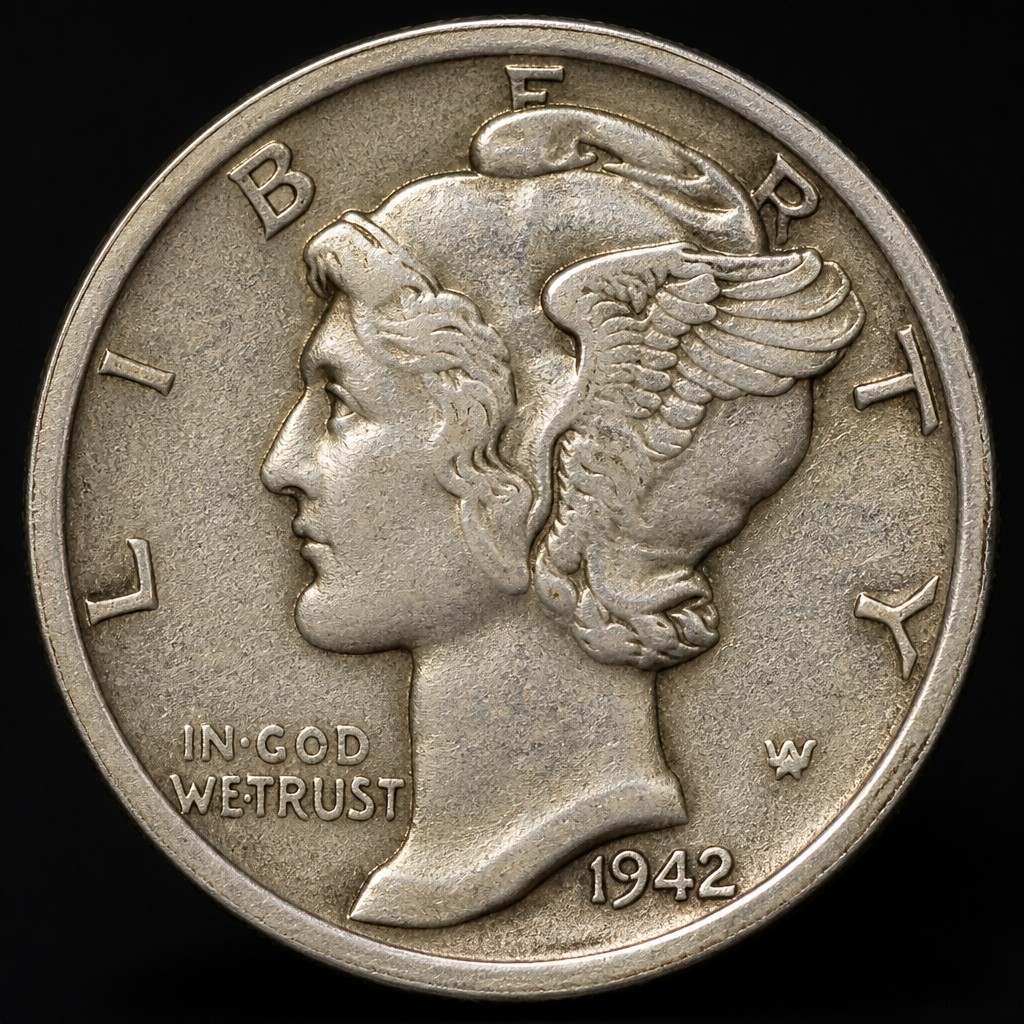
1942/1 Mercury Dime Overdate
1942
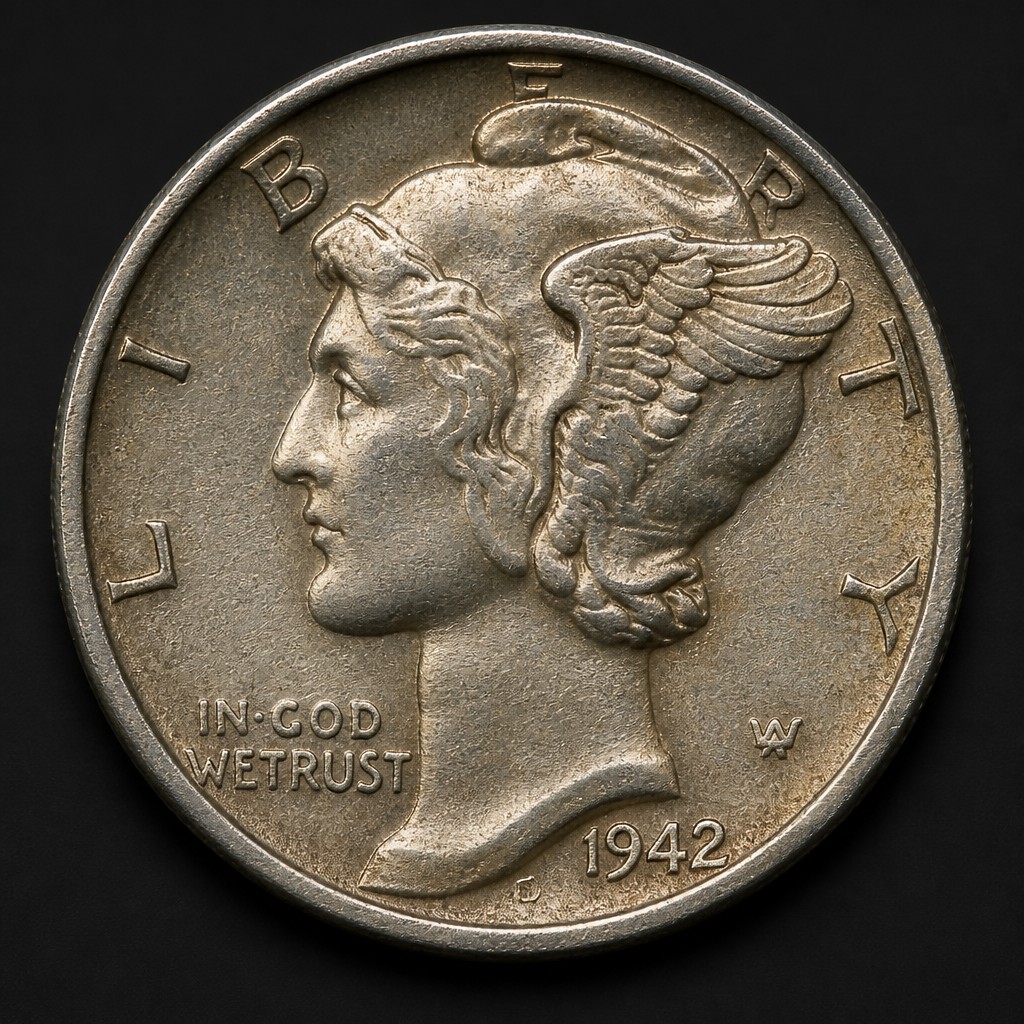
1942/1-D Mercury Dime Overdate
1942
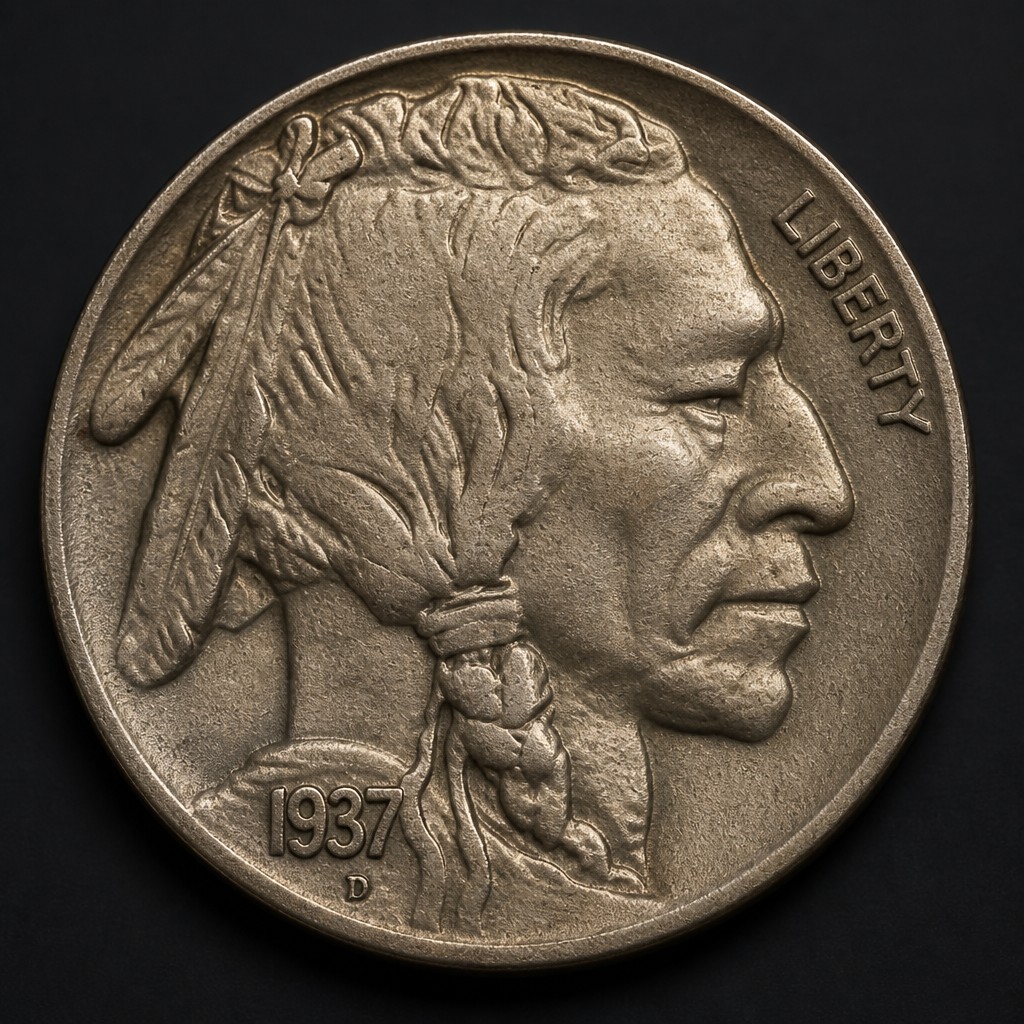
1937-D Three-Legged Buffalo Nickel
1937
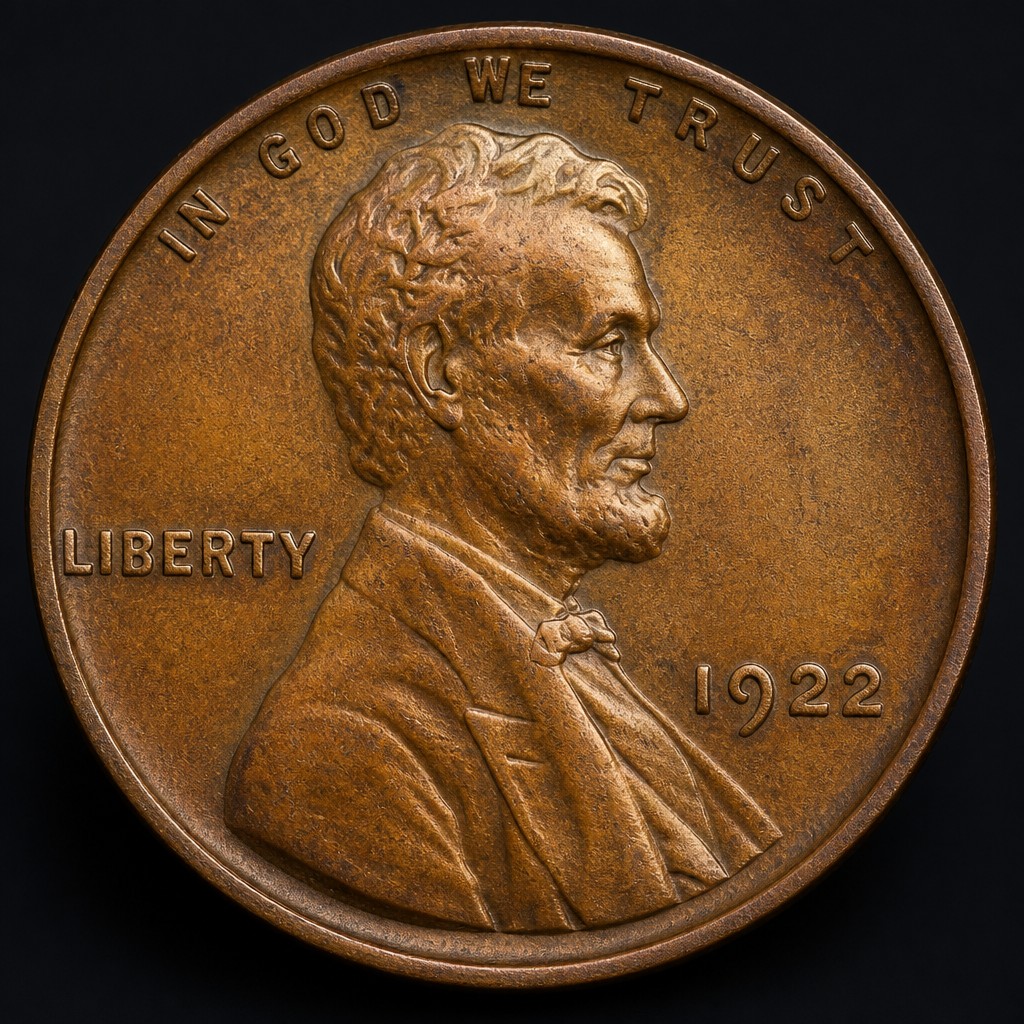
1922 No D Lincoln Cent
1922
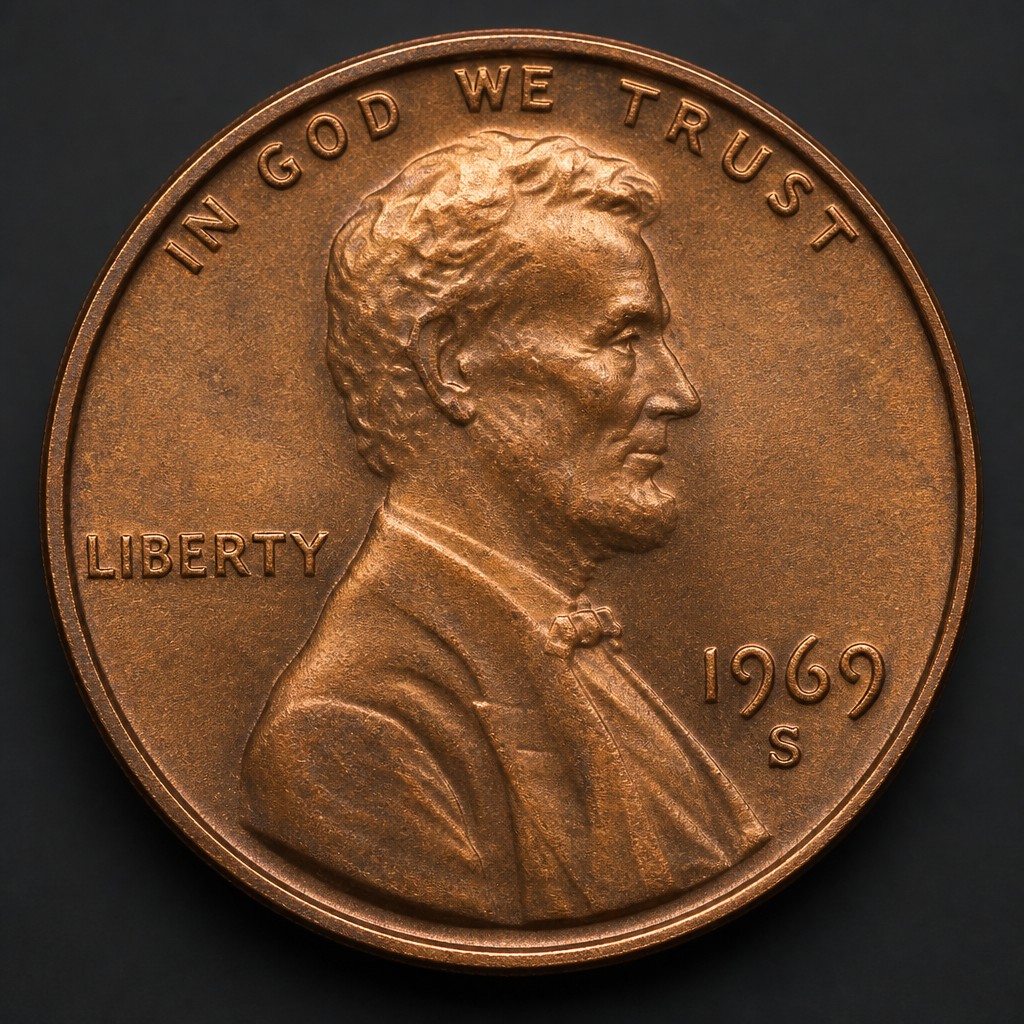
1969-S Doubled Die Lincoln Cent
1969
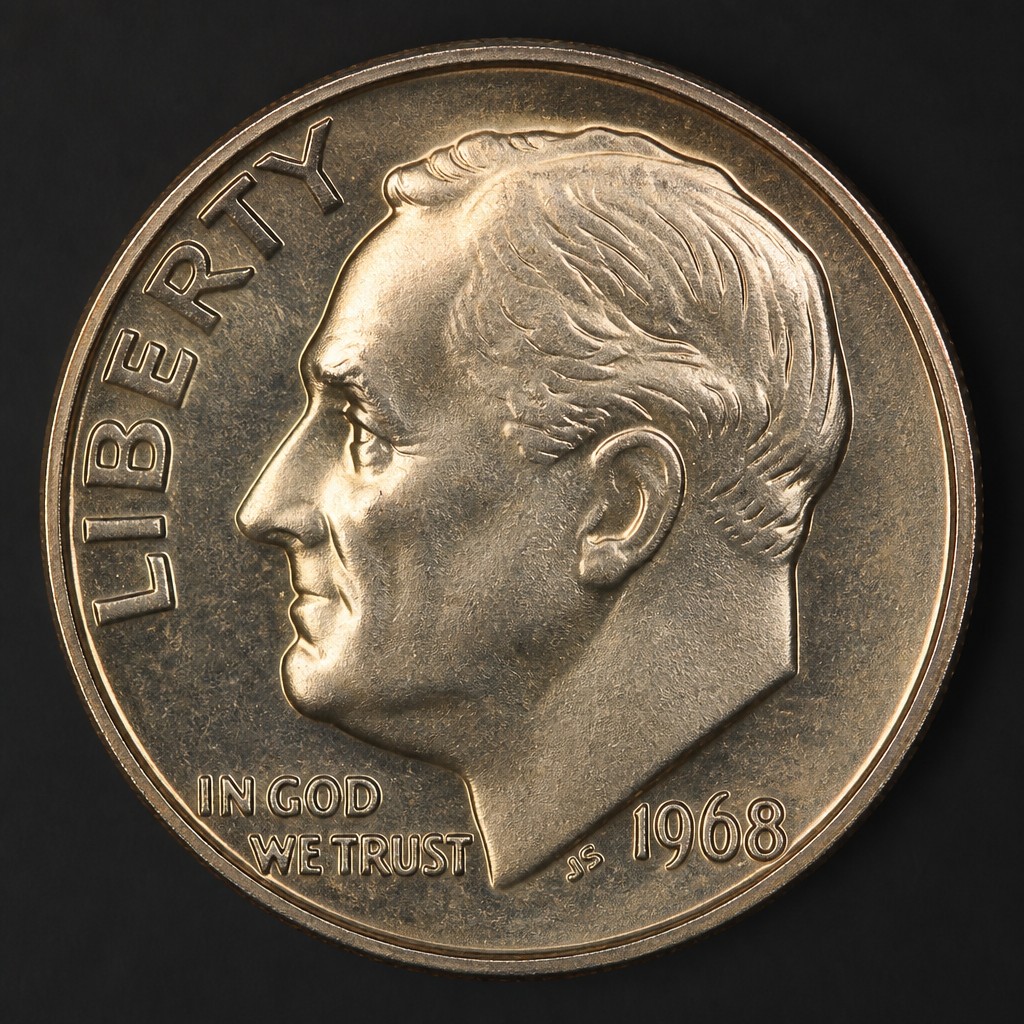
1968 No S Proof Roosevelt Dime
1968