
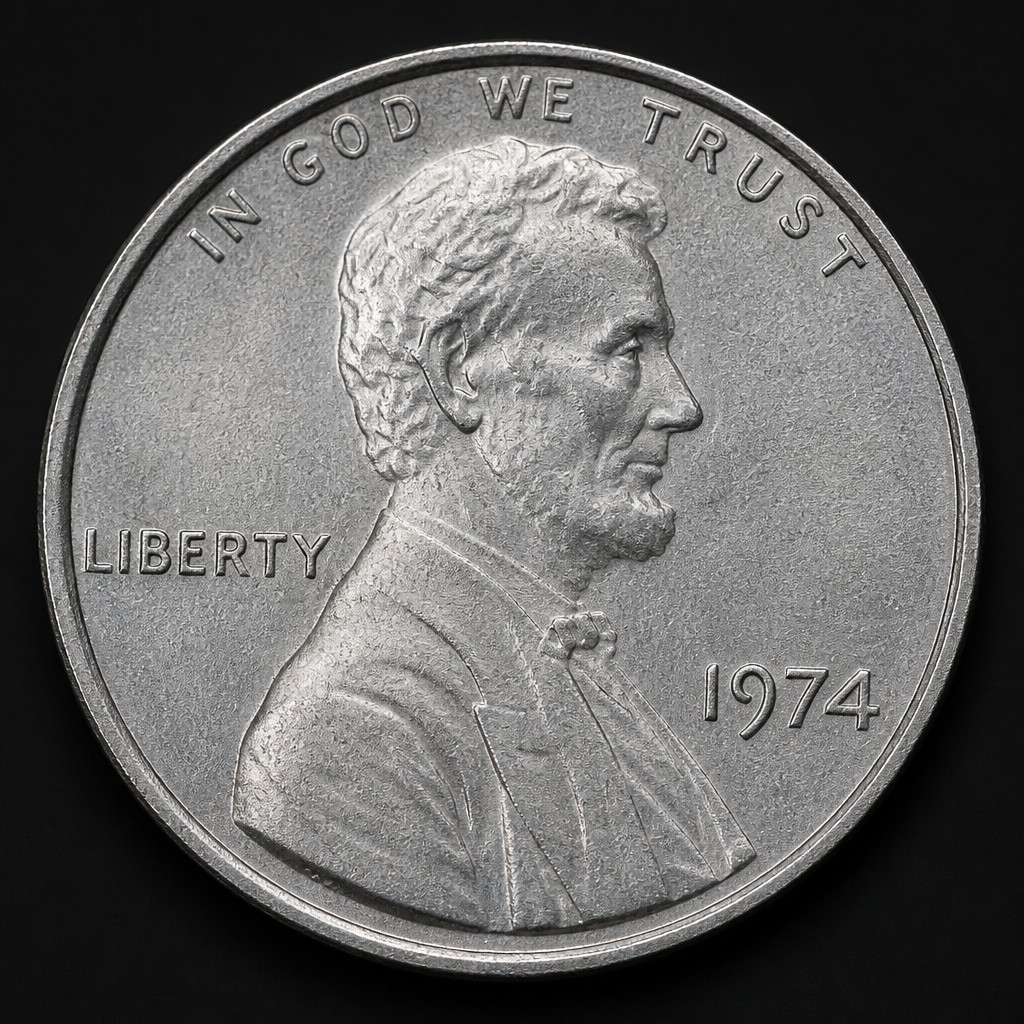
1974 Aluminum Cent
An extremely rare experimental pattern struck in aluminum as a potential replacement for the copper cent amid rising metal costs, almost none of which were legally released to the public.
- Country
- United States
- Denomination
- One Cent
- Metal
- Aluminum
Got a coin like this?
Identify any coin from a photo, free.
Overview
The 1974 Aluminum Cent was a pattern (trial) coin struck by the US Mint as it explored alternatives to the traditional bronze cent, whose copper content was becoming increasingly expensive relative to the coin's face value. A quantity of aluminum cents was produced for testing, including pieces sent to members of Congress and vending machine manufacturers to evaluate the new composition, but the change was never adopted and the coin was never released for general circulation.
Because the Mint sought to recall and destroy essentially all of the pattern pieces once the project was abandoned, surviving specimens are exceptionally rare, and the coin's ownership history has been the subject of legal disputes between the government and private individuals who came to possess examples over the years.
History & Background
Facing rising copper prices in the early 1970s that threatened to make the cent's metal value exceed its face value, the Mint researched alternative compositions, including an aluminum alloy, as a potential replacement. Pattern cents were struck at Philadelphia and Denver in 1974 for internal testing and to distribute to lawmakers and vending industry representatives for evaluation.
Concerns arose over the coin's similarity in size and appearance to a dime, which could confuse vending machines and consumers, and over aluminum's potential health risks if swallowed by children, and the project was ultimately shelved in favor of continuing bronze cent production before the later switch to copper-plated zinc in 1982. The Mint subsequently ordered the recall and destruction of the aluminum pattern cents, though a small number of pieces are known to have survived outside official Mint control.
Ownership of surviving examples has been legally contested, with the Mint asserting that the coins remain government property and were never legally released, a position at the center of well-publicized disputes over specific known specimens.
How to Identify
The design mirrors the standard 1974 Lincoln cent, with Lincoln's portrait on the obverse and the Lincoln Memorial on the reverse, but the coin is struck in a light aluminum alloy rather than bronze. It is noticeably lighter in weight than a normal copper cent of the same size and has a dull, silvery-gray color instead of a coppery tone.
Because genuine specimens are so scarce and their ownership history is closely documented, any coin purporting to be a 1974 aluminum cent should be treated with extreme caution and verified through expert examination, as counterfeit or altered coins (including cents plated or coated to appear aluminum) are a real risk given the coin's fame and rarity.
Value & Collectibility
Given its extraordinary rarity and the unresolved legal status of privately held examples, the 1974 aluminum cent occupies a unique place in numismatics as a coin whose ownership, rather than just its condition, drives much of the discussion around its worth. Known specimens have been valued in the hundreds of thousands of dollars in numismatic press coverage, reflecting their rarity, though sales and transfers of such pieces are complicated by the government's competing property claims.
Collectors should understand that this is not a coin available through normal market channels, and any offer of one for sale warrants significant skepticism and expert scrutiny given the coin's documented legal history.
Frequently asked questions
Why did the Mint consider making cents out of aluminum?
Rising copper prices in the early 1970s threatened to make the metal value of a bronze cent exceed its one-cent face value, prompting the Mint to test cheaper alternatives.
Was the aluminum cent ever officially released?
No, the project was abandoned and the Mint sought to recall and destroy the pattern pieces, meaning it was never issued for circulation.
Can private individuals legally own a 1974 aluminum cent?
Ownership of surviving examples has been legally disputed, with the Mint asserting they remain government property; the legal status of privately held pieces has been contested in specific documented cases.
How can you tell an aluminum cent from a regular one?
It is notably lighter in weight and has a dull, silvery-gray color rather than the coppery tone of a standard bronze or copper-plated zinc cent.
Other coins you may enjoy
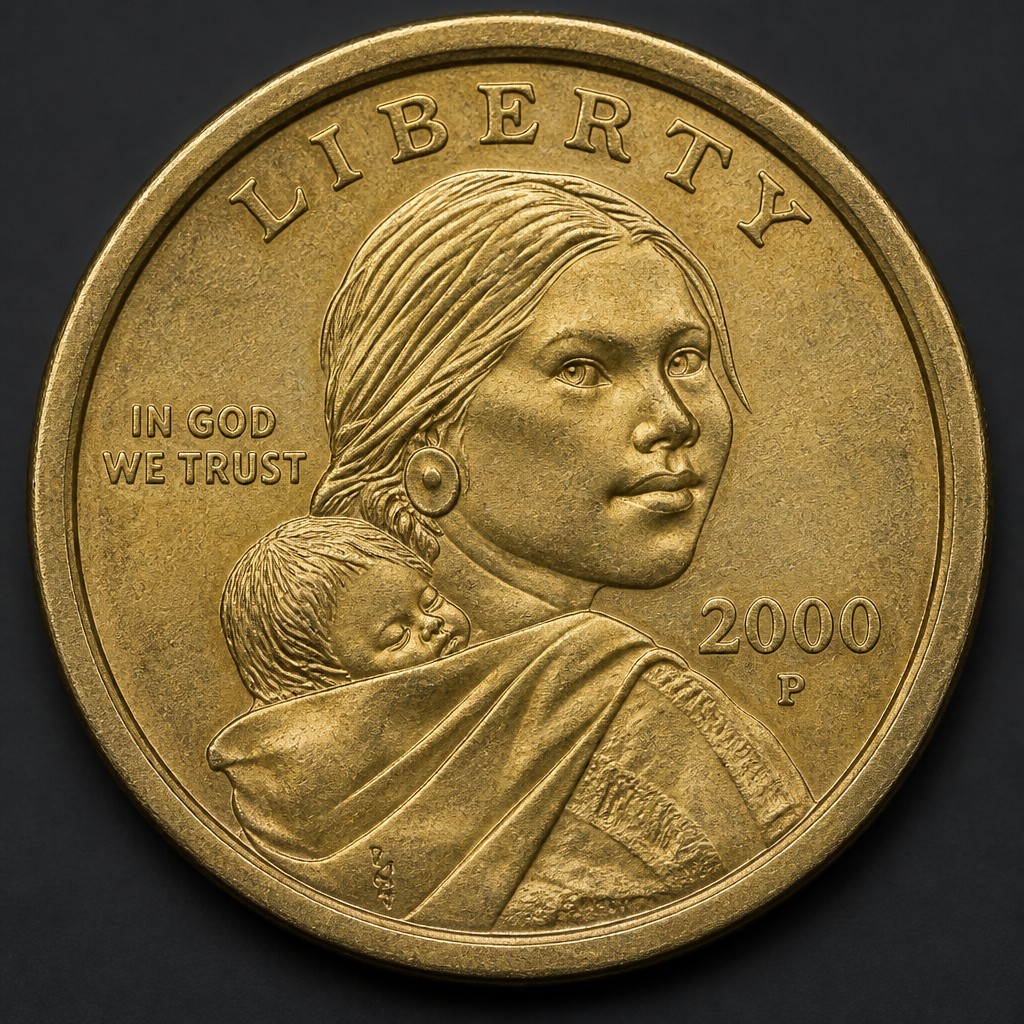
2000-P Sacagawea Cheerios Dollar
2000
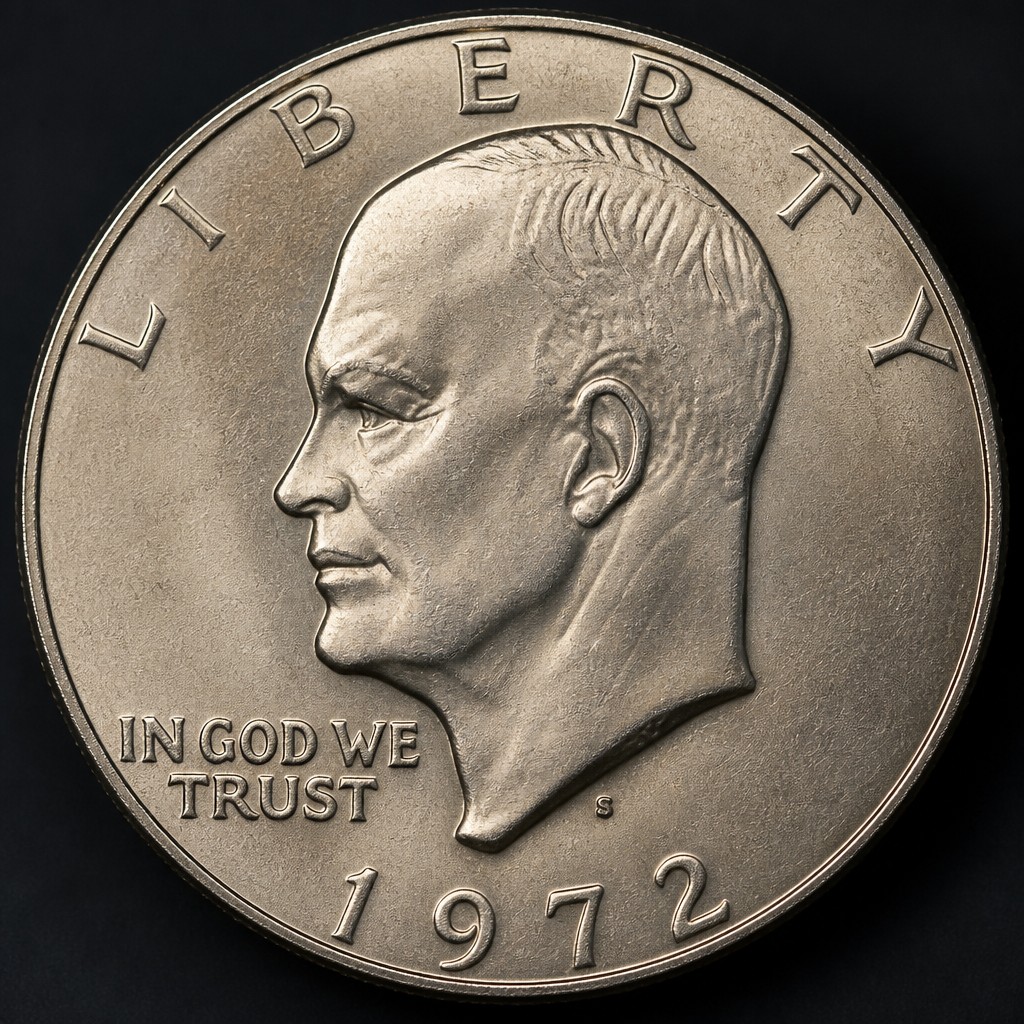
1972 Eisenhower Dollar (Type 2)
1972
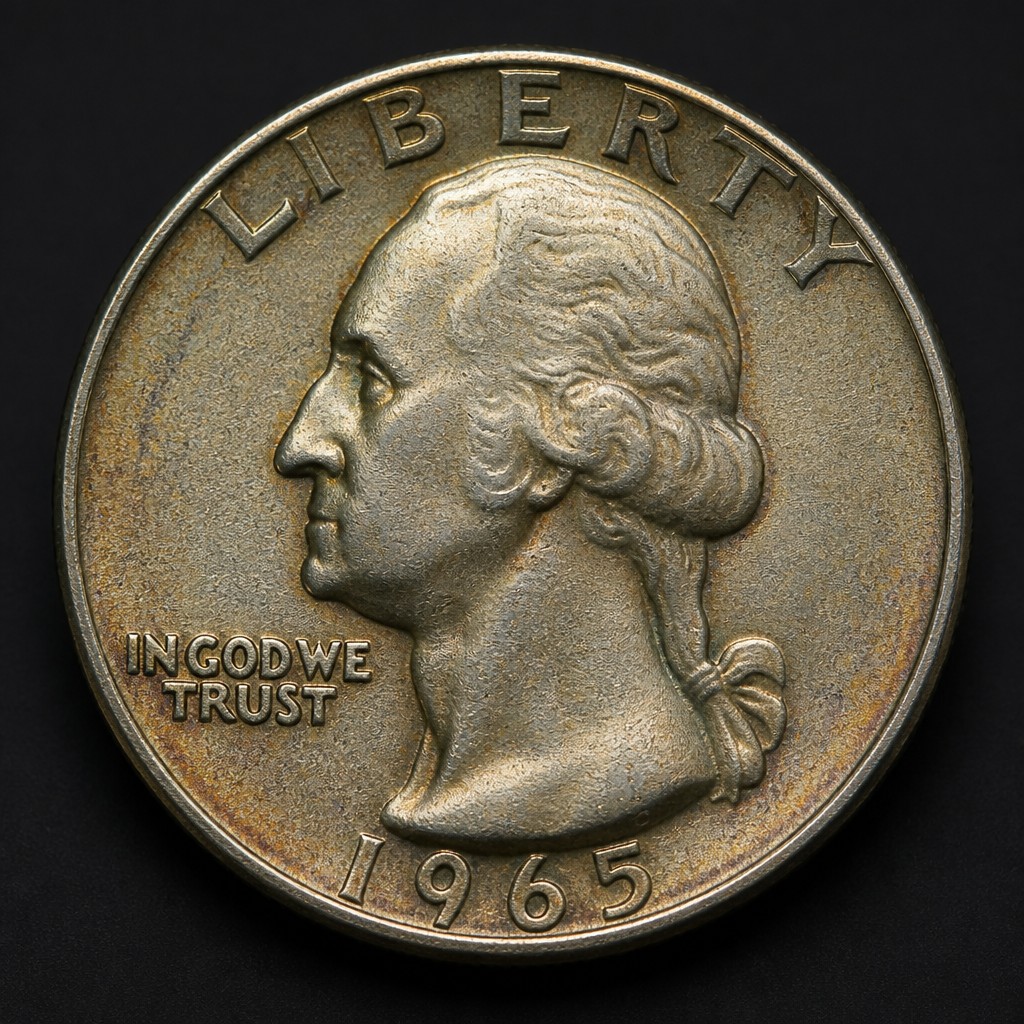
1965 Silver Washington Quarter (Transitional Error)
1965
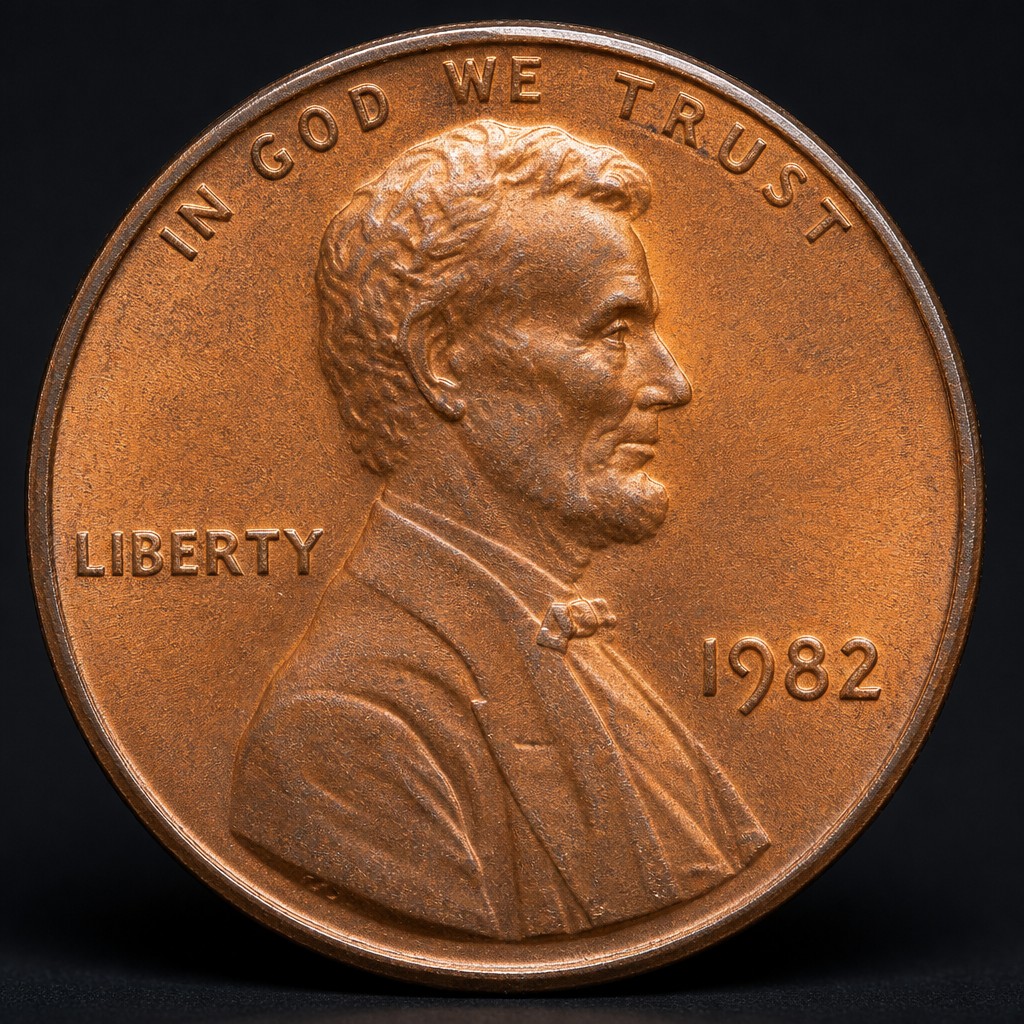
1982 Copper/Zinc Transition Lincoln Cent
1982
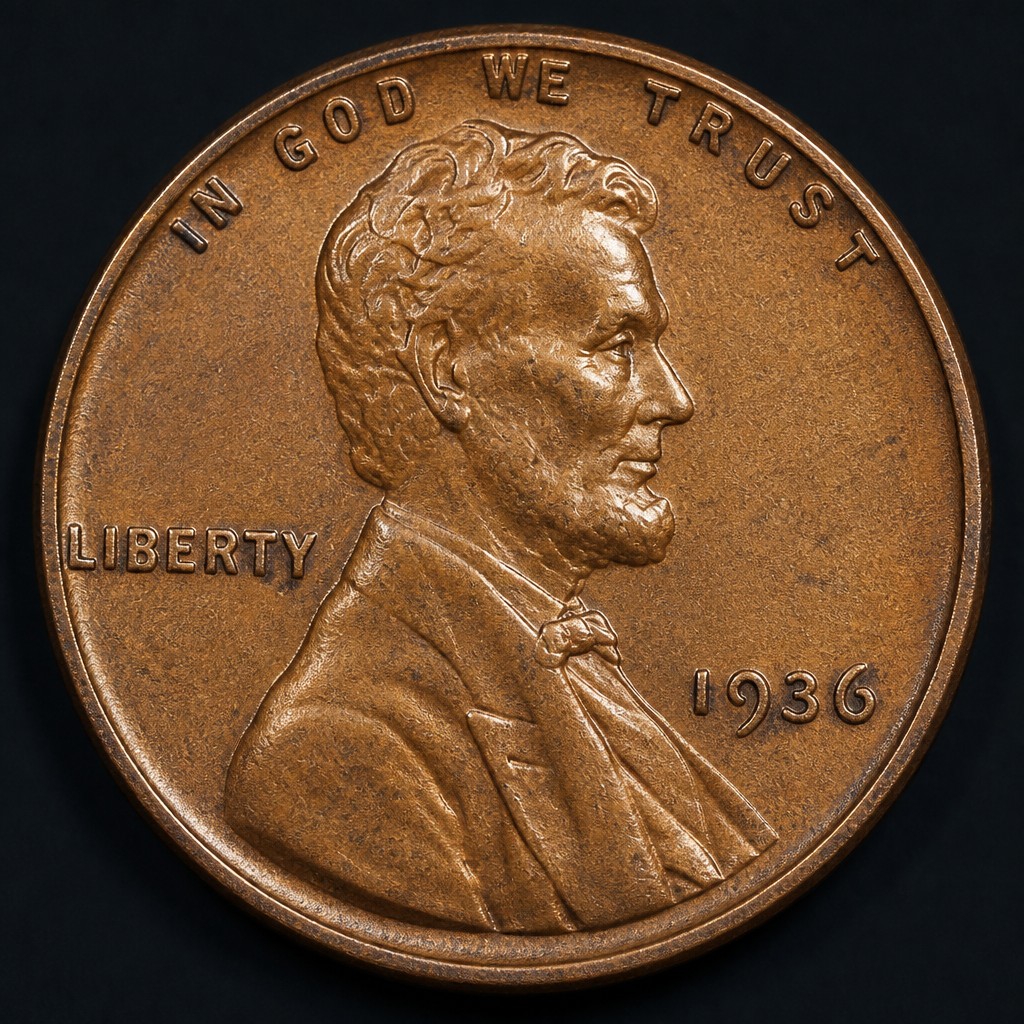
1936 Doubled Die Lincoln Cent
1936
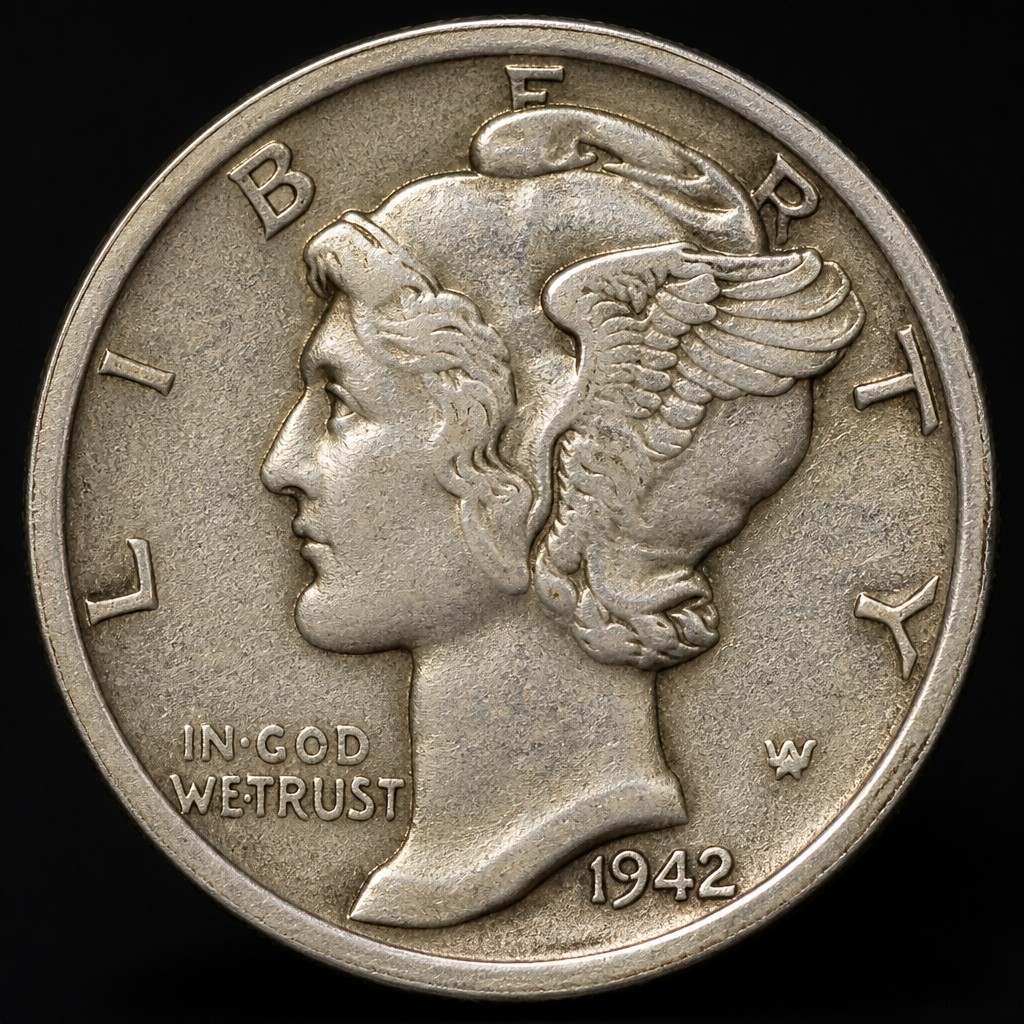
1942/1 Mercury Dime Overdate
1942
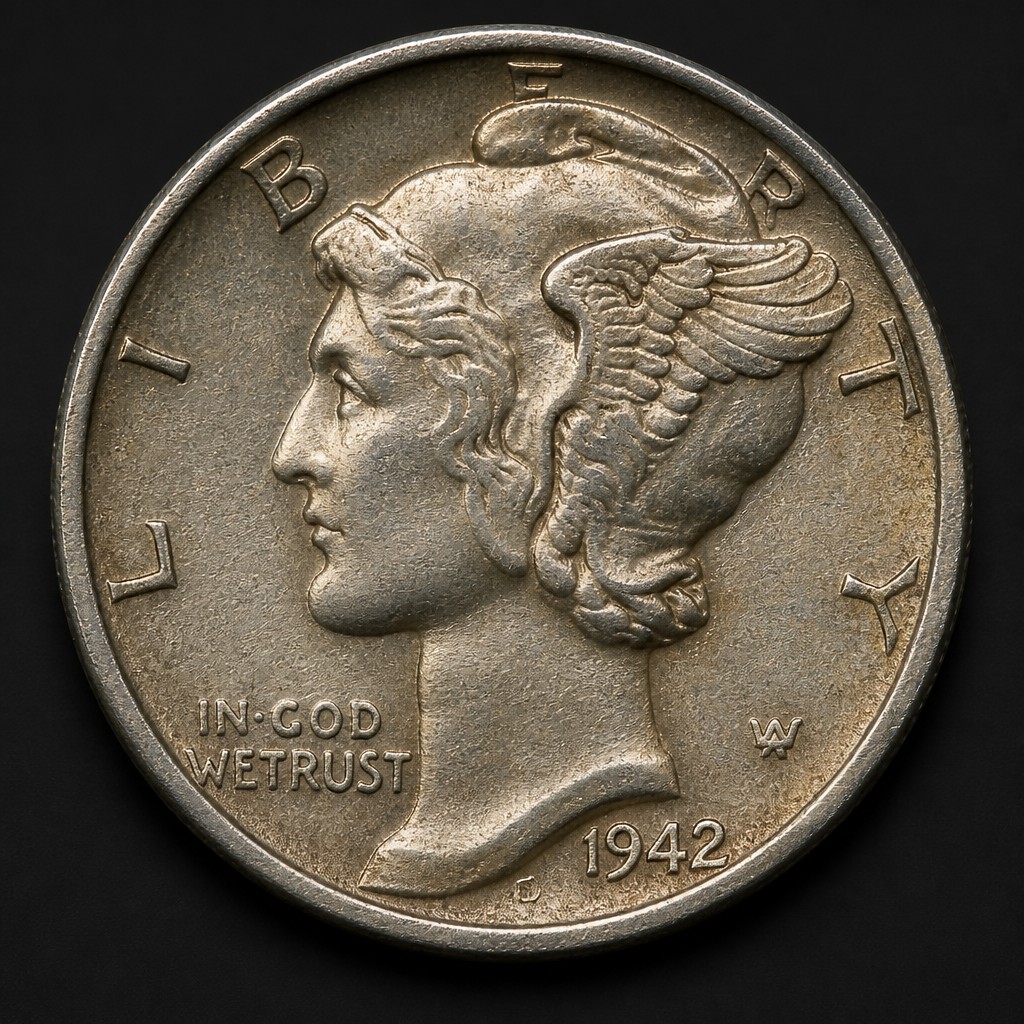
1942/1-D Mercury Dime Overdate
1942
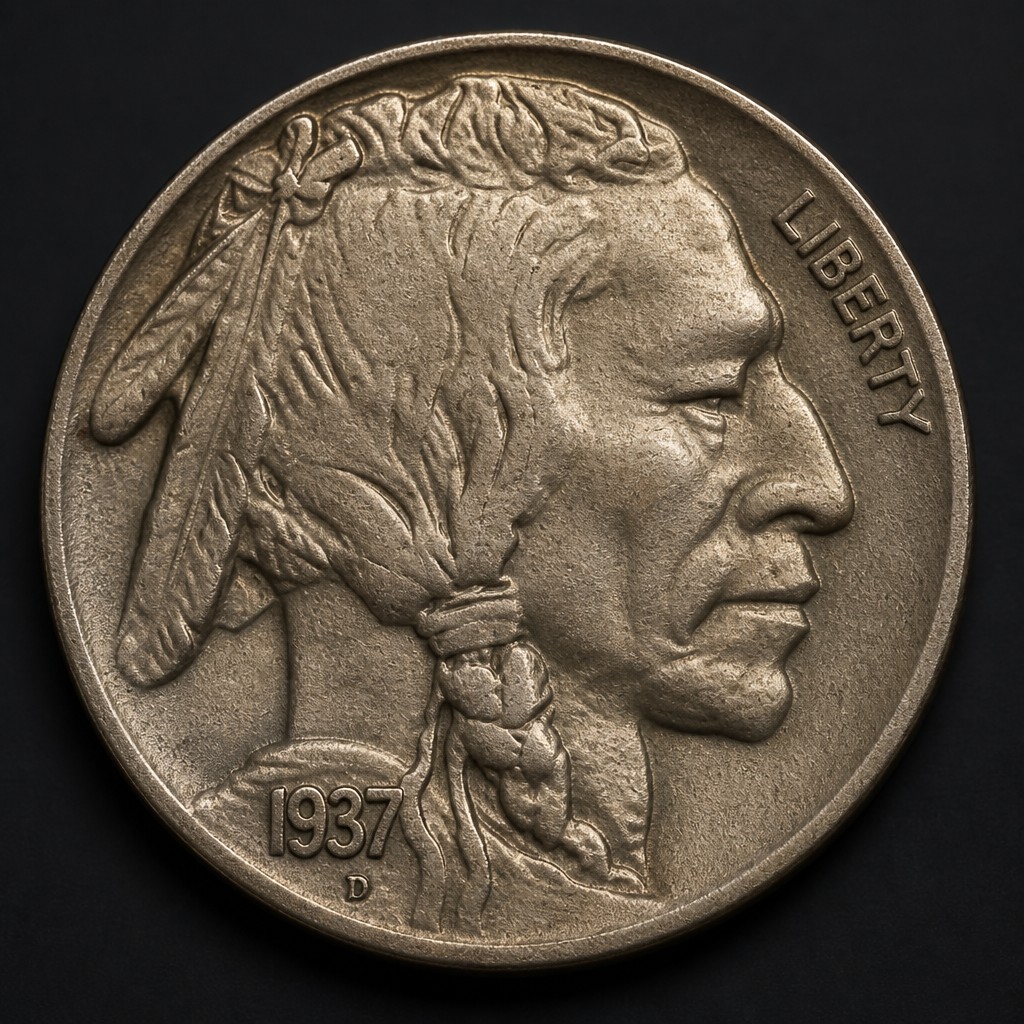
1937-D Three-Legged Buffalo Nickel
1937
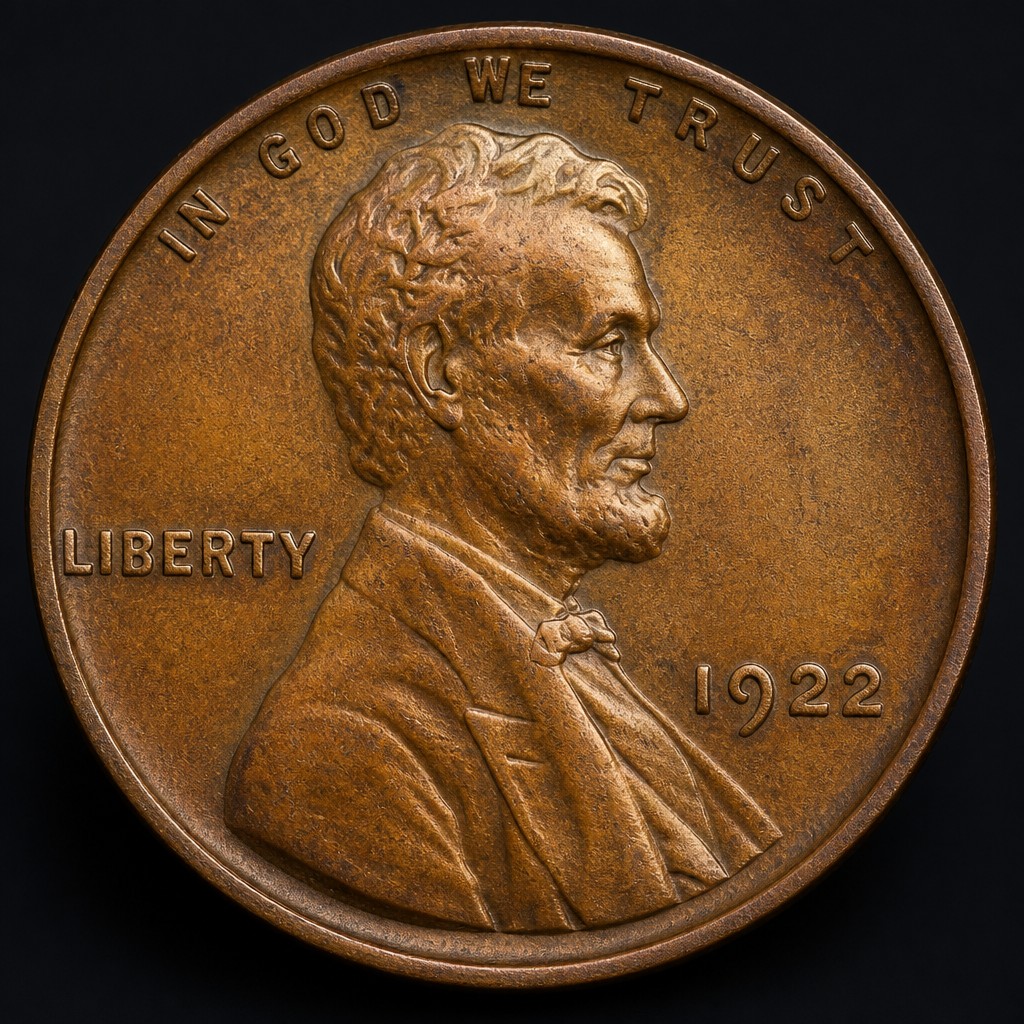
1922 No D Lincoln Cent
1922
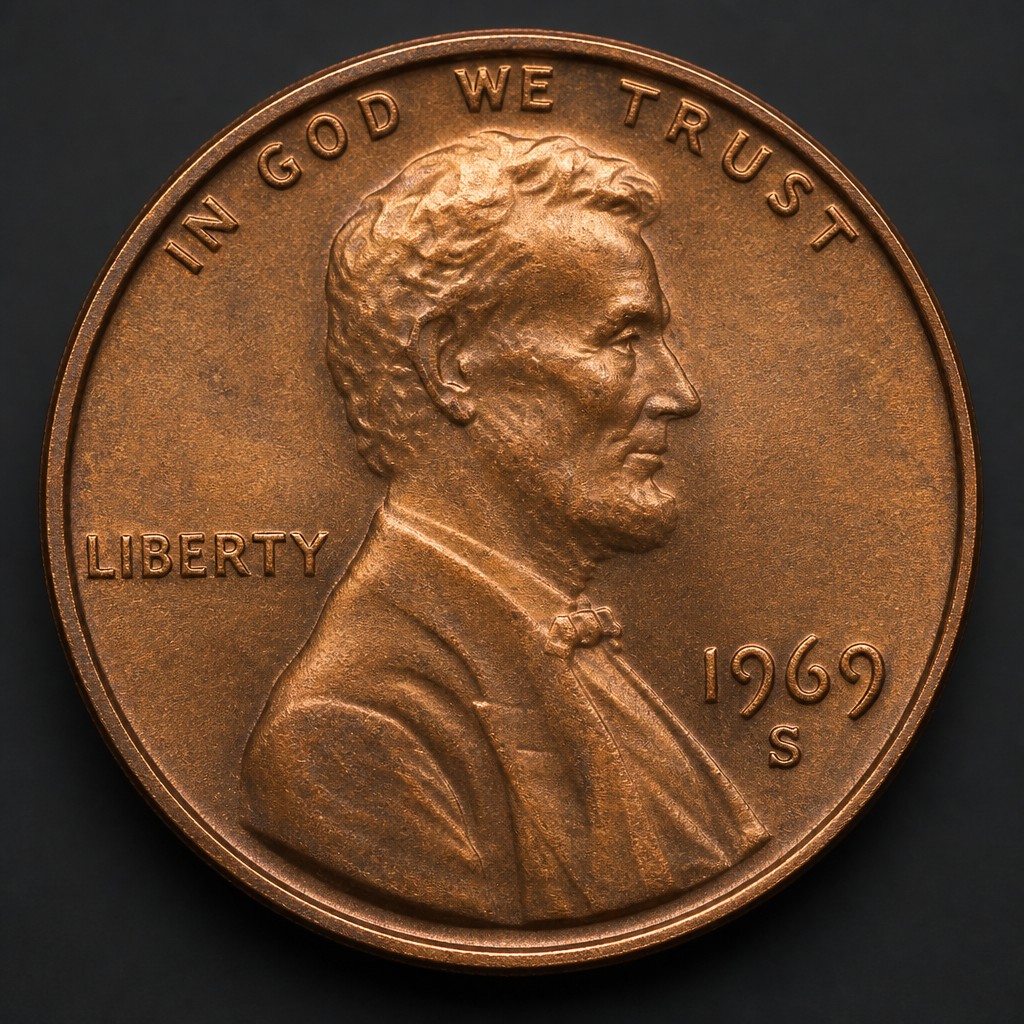
1969-S Doubled Die Lincoln Cent
1969
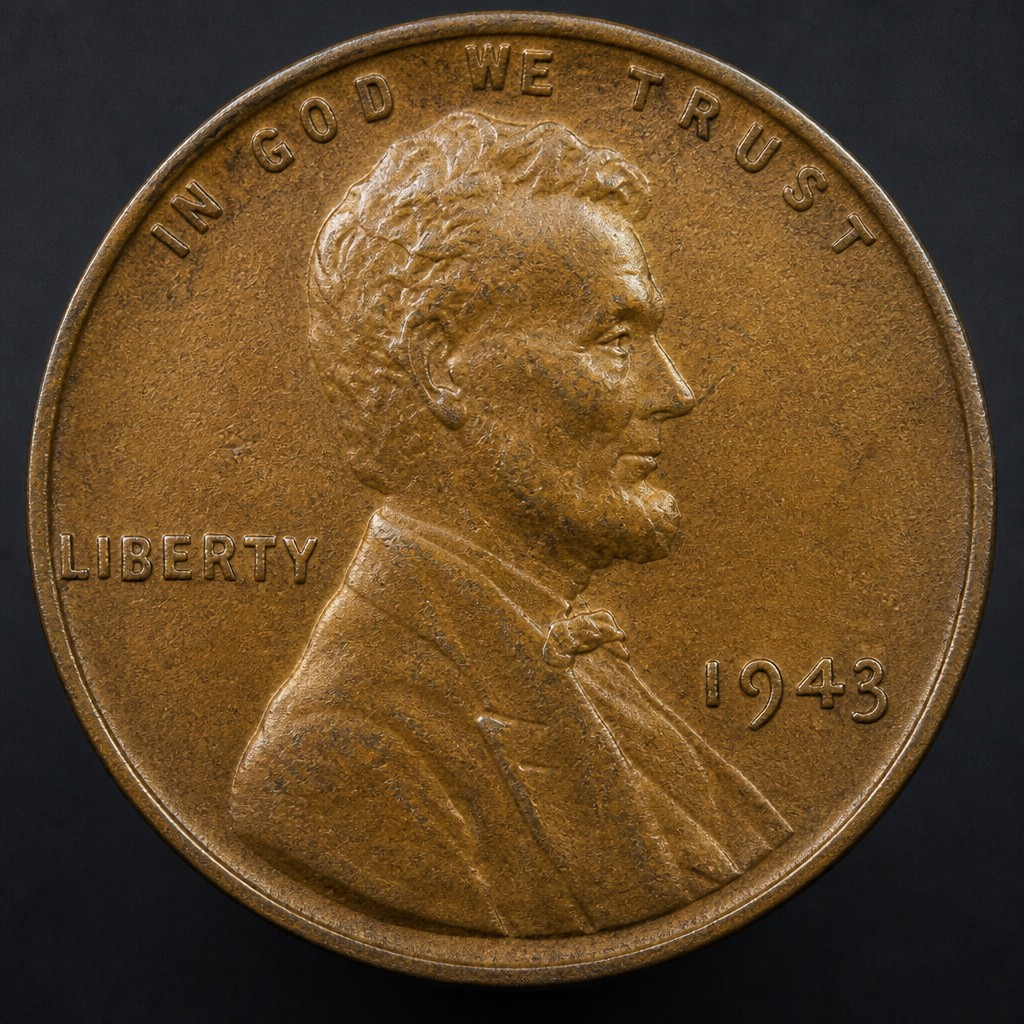
1943 Bronze Lincoln Cent
1943
1968 No S Proof Roosevelt Dime
1968