
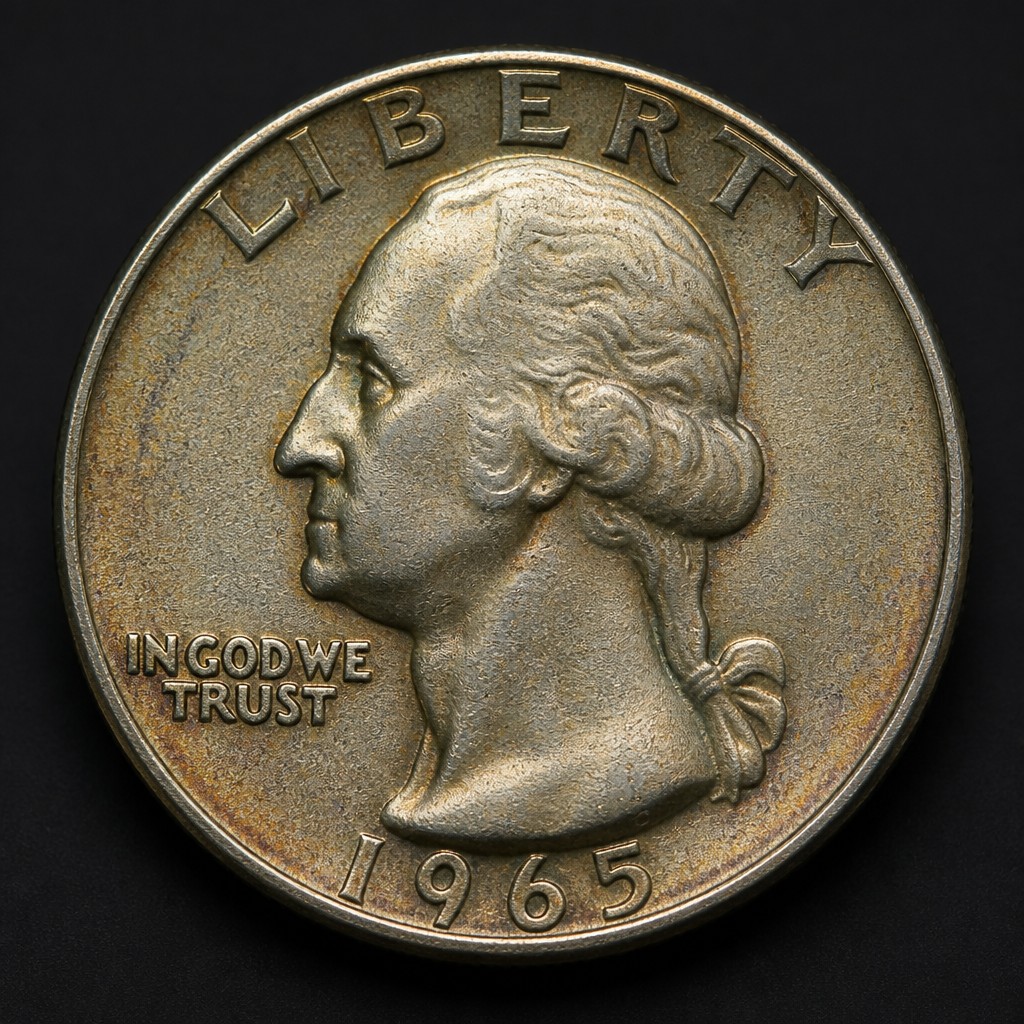
1965 Silver Washington Quarter (Transitional Error)
An extremely rare transitional error in which a 1965-dated quarter, meant to be struck in new copper-nickel clad metal, was accidentally struck on a leftover 90% silver planchet.
- Country
- United States
- Denomination
- Quarter Dollar (25 Cents)
- Metal
- 90% Silver, 10% Copper (error planchet)
Got a coin like this?
Identify any coin from a photo, free.
Overview
The 1965 Silver Washington Quarter is one of the most famous and valuable transitional errors in modern US coinage, created when the Mint accidentally struck a small number of 1965-dated quarters on leftover 90% silver planchets left over from pre-1965 production, rather than the new copper-nickel clad planchets mandated that year. Because only a handful of genuine examples are known, it ranks among the most desirable errors sought by advanced collectors of United States coinage.
Its rarity and the dramatic story behind the 1965 change in coinage composition make it a favorite topic in numismatic literature and a trophy coin for those who can afford or locate one.
History & Background
The Coinage Act of 1965 eliminated silver from dimes and quarters (reducing it in the half dollar) in response to a rising silver price that had made the bullion value of circulating silver coins approach or exceed their face value, threatening to drain coinage from circulation. Beginning with coins dated 1965, quarters were struck in a copper-nickel clad composition, while dates were frozen at 1965 through 1967 to discourage hoarding based on year rather than composition.
During the transition period, some leftover 90% silver planchets from earlier production remained in the Mint's supply and were inadvertently fed into presses striking the new 1965-dated dies, producing a very small number of quarters, and similarly dimes, struck on the wrong, silver-alloy planchets. The Mint's own examination and testing programs at the time helped identify a few of these transitional pieces, though additional examples have surfaced over the decades.
How to Identify
Visually, a 1965 silver quarter looks essentially identical to a normal 1965 clad quarter, showing the standard Washington obverse and eagle reverse design, so identification cannot rely on appearance alone. The key diagnostic is weight and composition: a genuine 90% silver quarter weighs about 6.25 grams, while the standard copper-nickel clad quarter weighs about 5.67 grams, and the edge of a silver coin lacks the visible copper-colored stripe seen on the edge of a clad coin.
Because of the coin's extreme rarity and the temptation for fraud, any suspected 1965 silver quarter should be authenticated by a major third-party grading service using precise weight, specific gravity, and edge examination before being accepted as genuine; look-alikes made from altering the edge of a genuine pre-1965 silver quarter's date are a known concern.
Value & Collectibility
Confirmed, certified examples of the 1965 silver transitional error quarter are extremely rare and have sold at auction for tens of thousands of dollars, with some of the finest known examples realizing even higher sums, reflecting both the coin's scarcity and its status as a landmark error in the story of US coinage composition. Precise pricing varies significantly based on certification, condition, and the auction market at the time of sale.
Given the coin's rarity and the high stakes involved, any purported example should be verified by an established grading service, and prospective buyers should treat unverified claims with caution.
Frequently asked questions
Why is a 1965 silver quarter special?
In 1965 the US Mint switched quarters from 90% silver to copper-nickel clad; a small number of 1965-dated quarters were mistakenly struck on leftover silver planchets, creating a rare transitional error.
How can I tell if my 1965 quarter is silver?
Weigh it: a silver quarter weighs about 6.25 grams versus about 5.67 grams for a normal clad quarter, and check the edge for the absence of the copper-colored stripe visible on clad coins.
How rare is this error?
It is extremely rare, with only a small number of genuine examples confirmed to exist, making it one of the most sought-after modern transitional errors.
Should I have a suspected example authenticated?
Yes, given the rarity and value involved, certification by a reputable third-party grading service is strongly recommended before assuming a coin is genuine.
Other coins you may enjoy
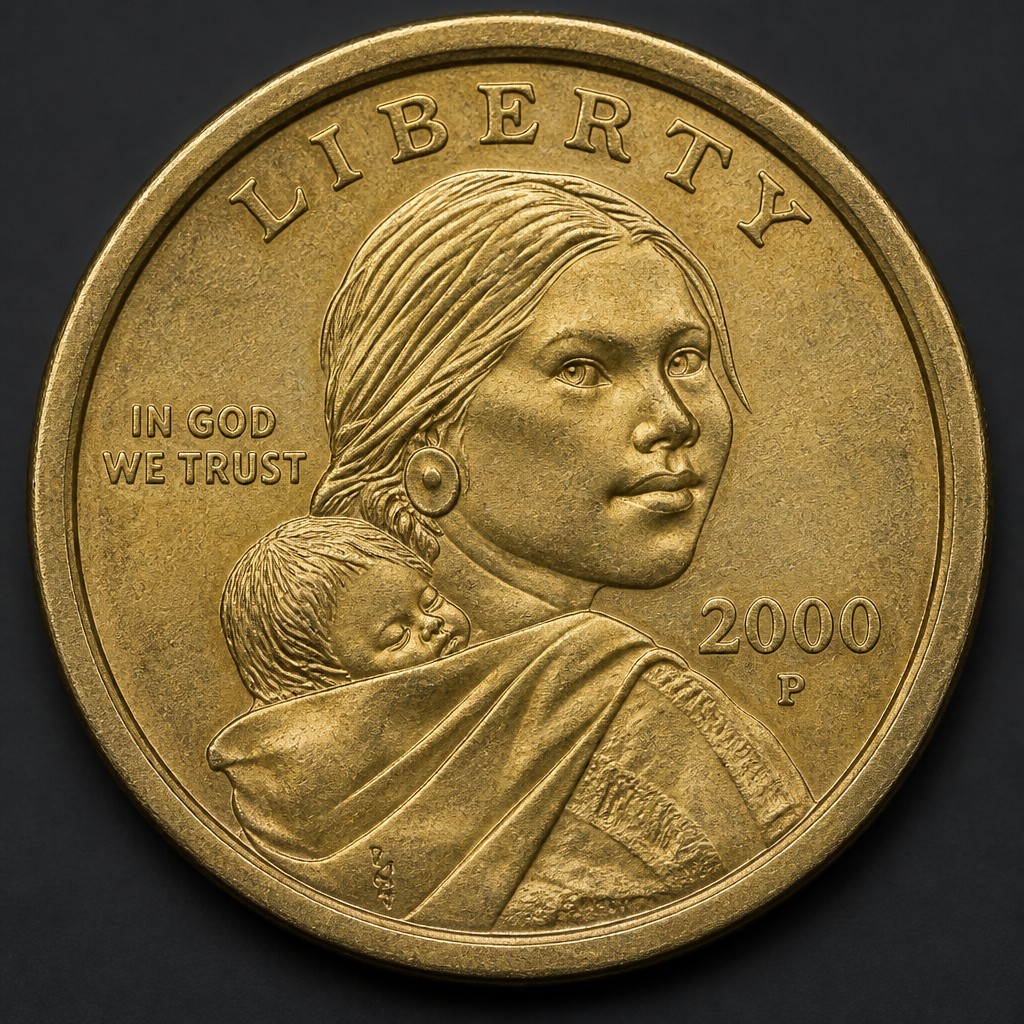
2000-P Sacagawea Cheerios Dollar
2000
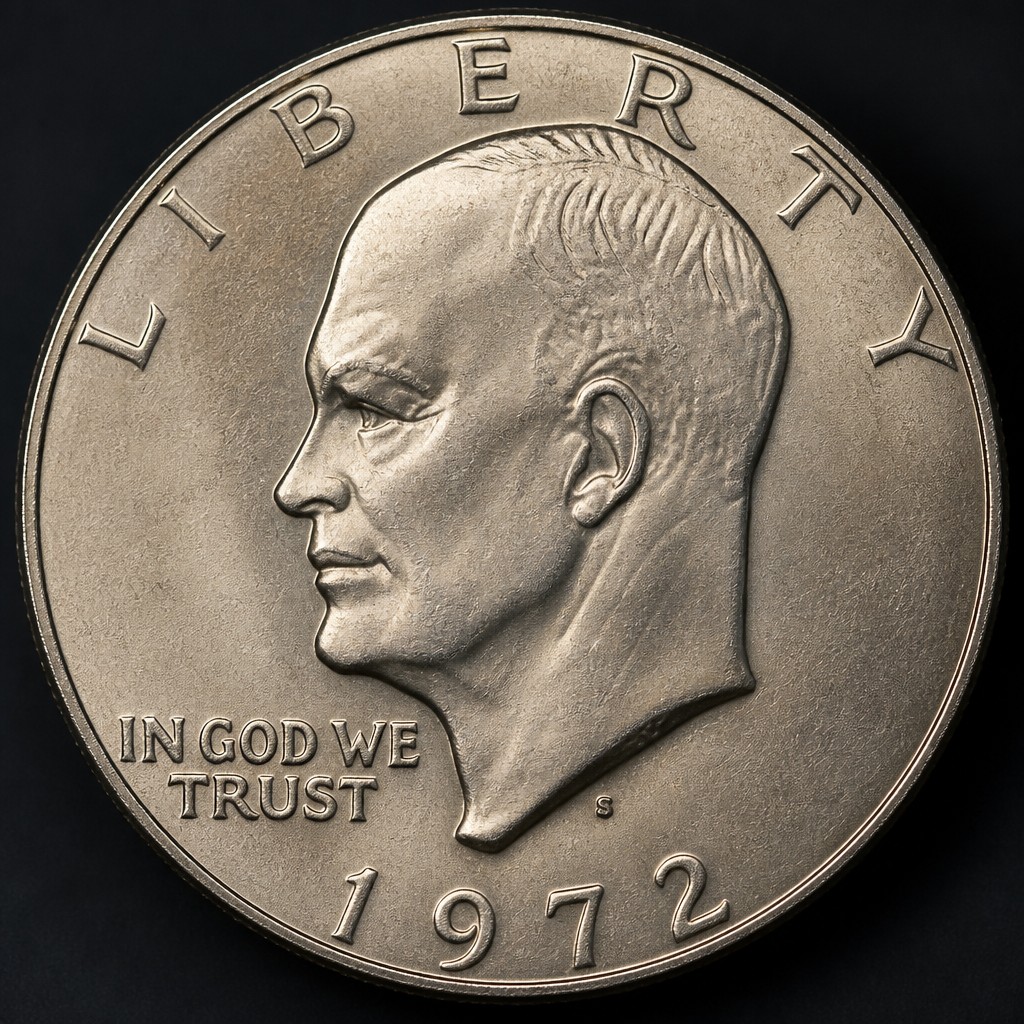
1972 Eisenhower Dollar (Type 2)
1972
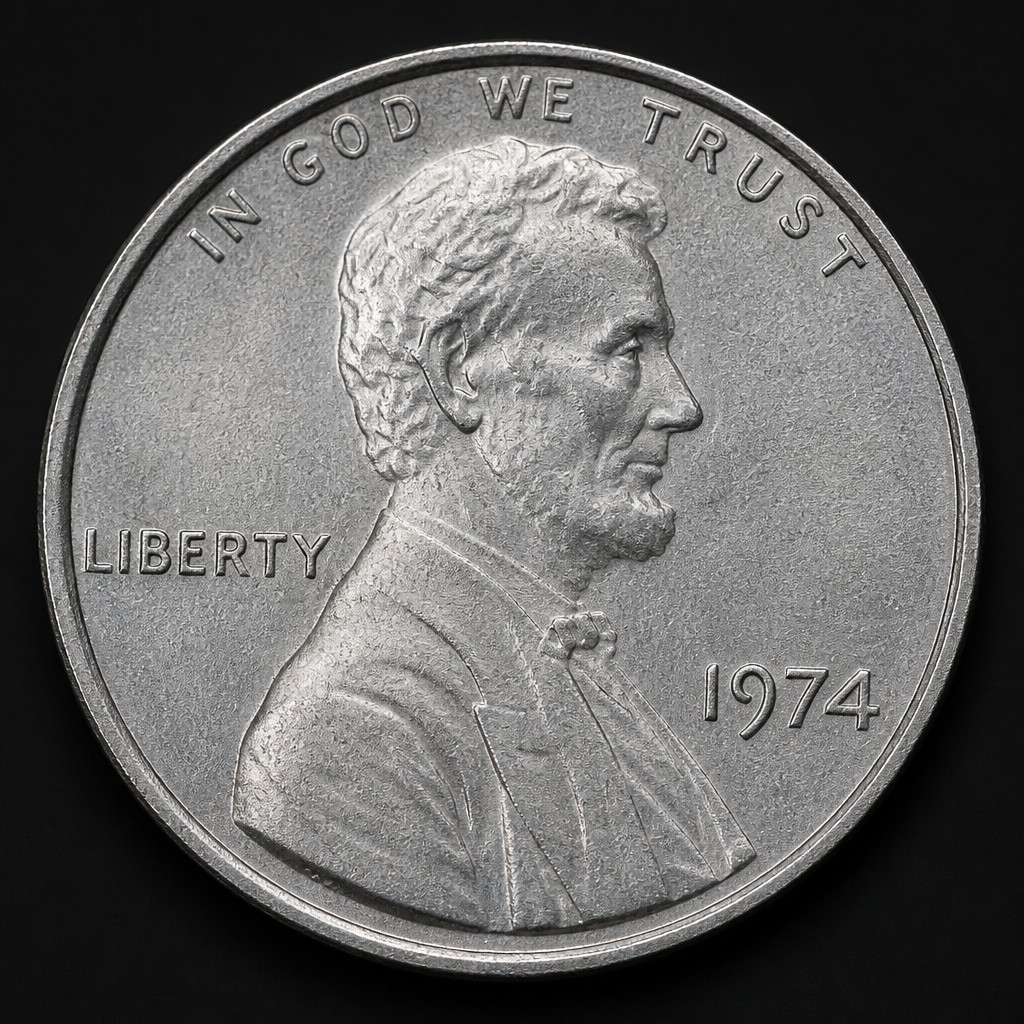
1974 Aluminum Cent
1974
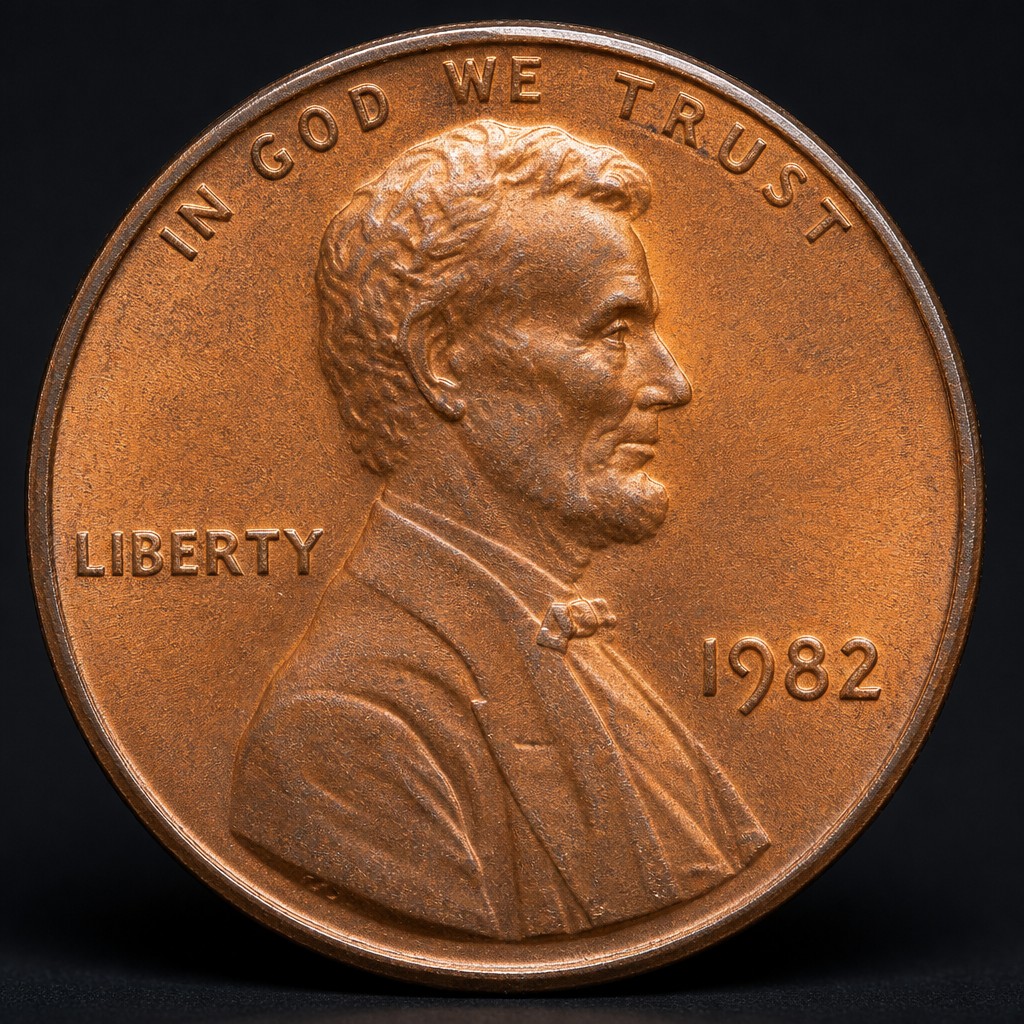
1982 Copper/Zinc Transition Lincoln Cent
1982
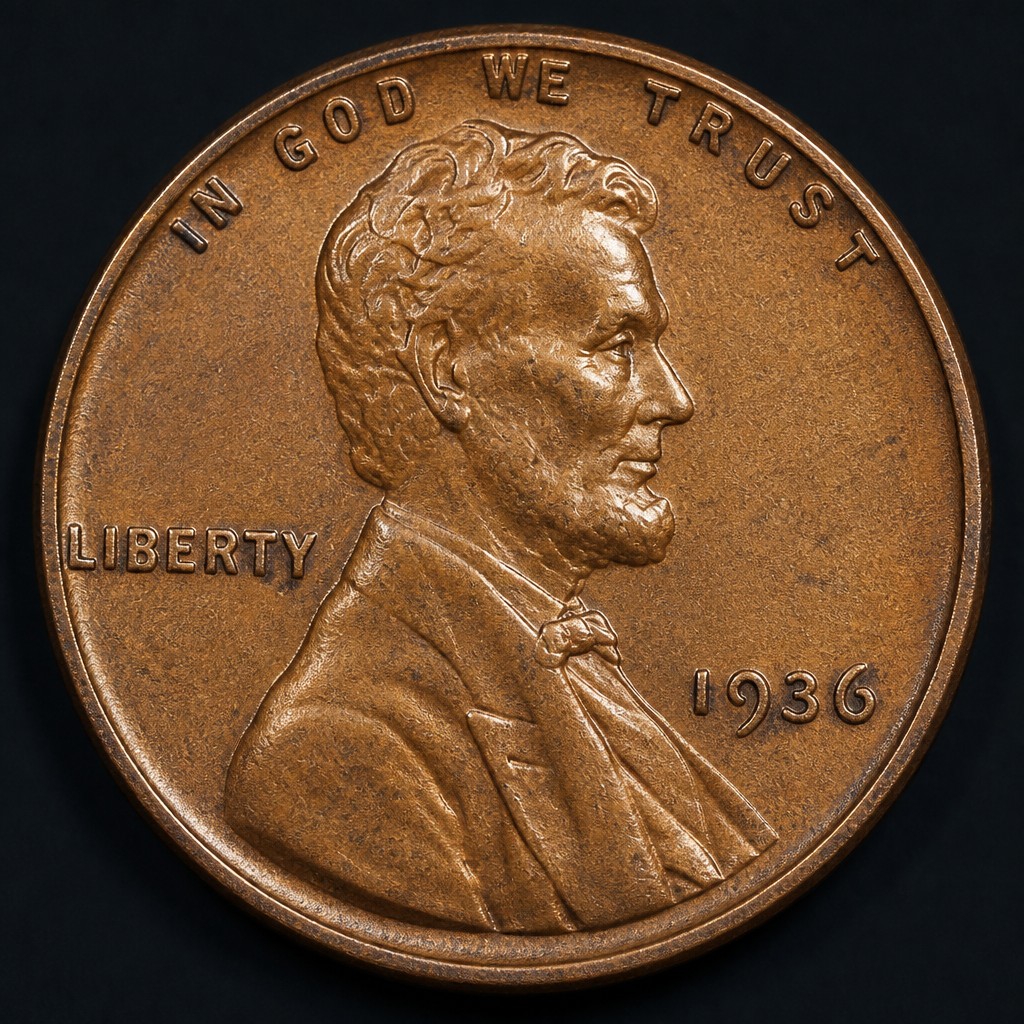
1936 Doubled Die Lincoln Cent
1936
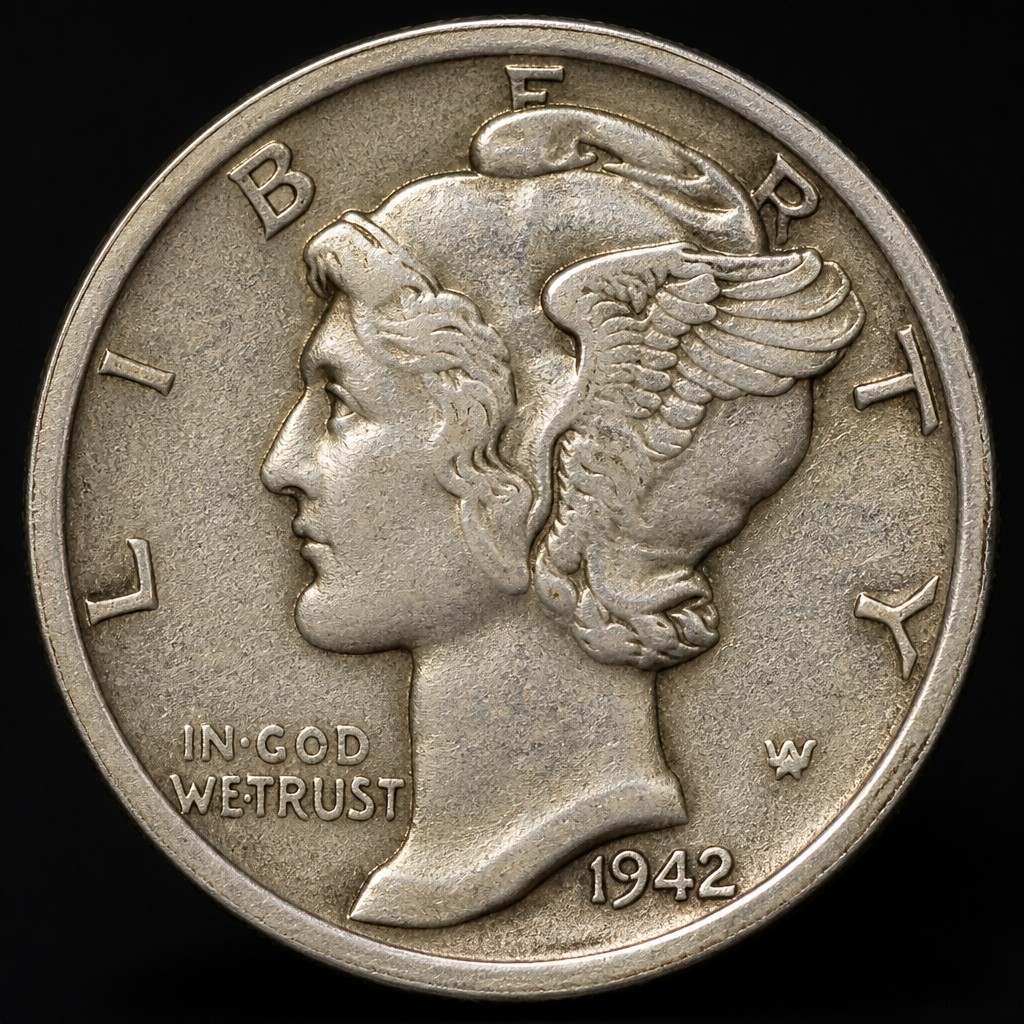
1942/1 Mercury Dime Overdate
1942
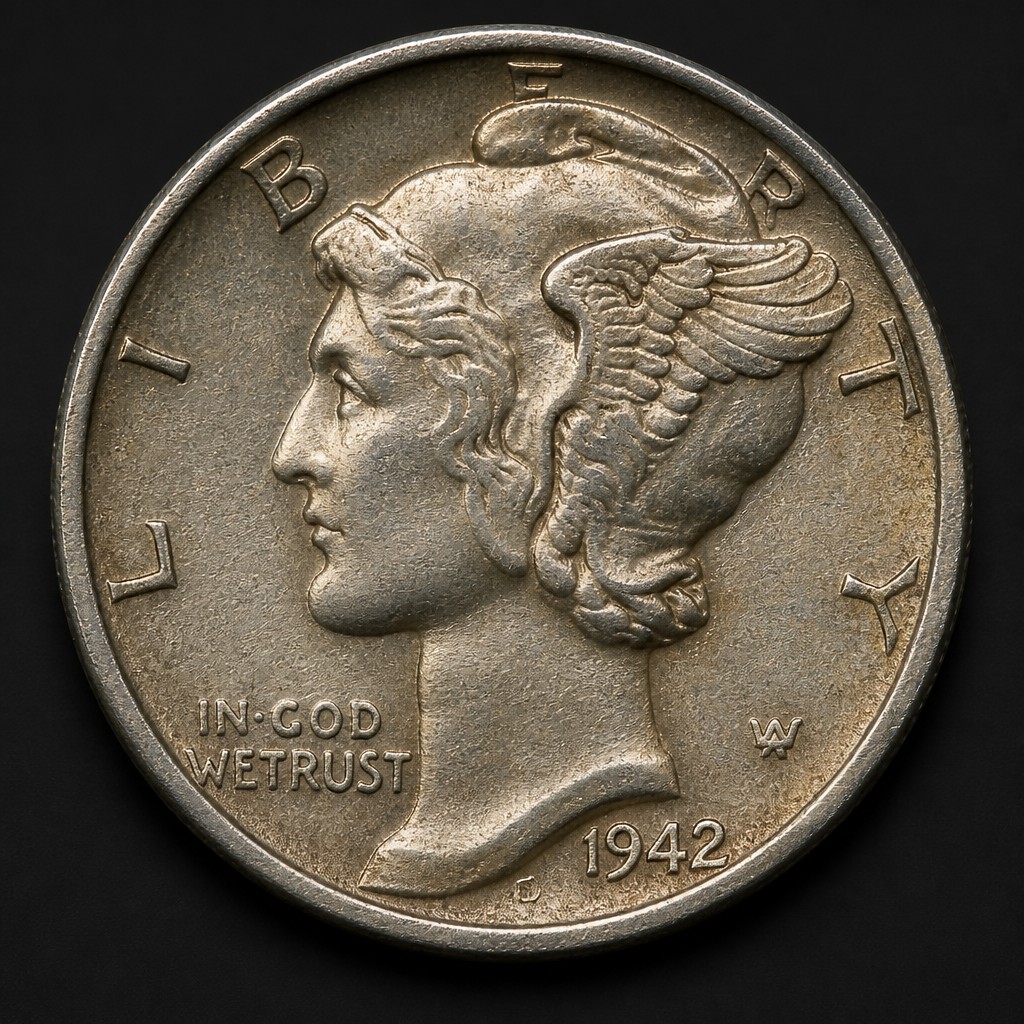
1942/1-D Mercury Dime Overdate
1942
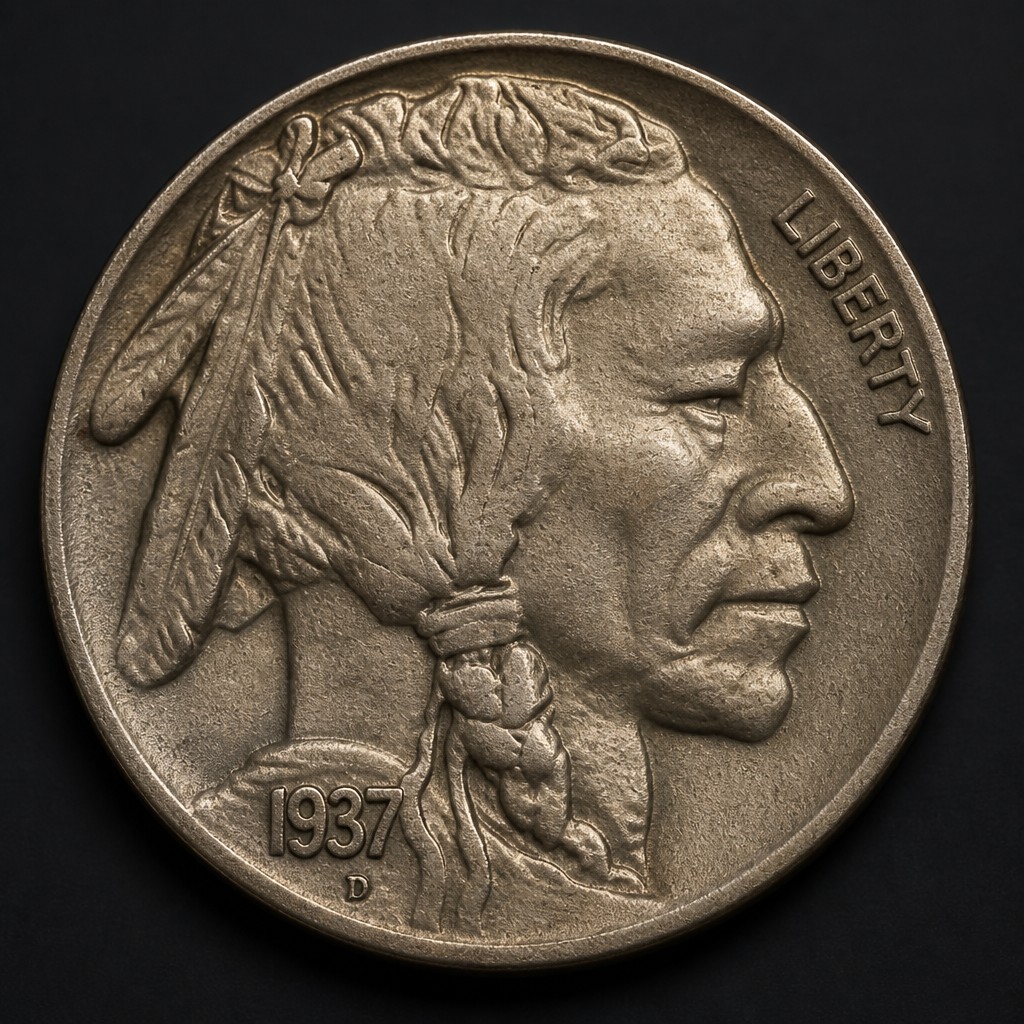
1937-D Three-Legged Buffalo Nickel
1937
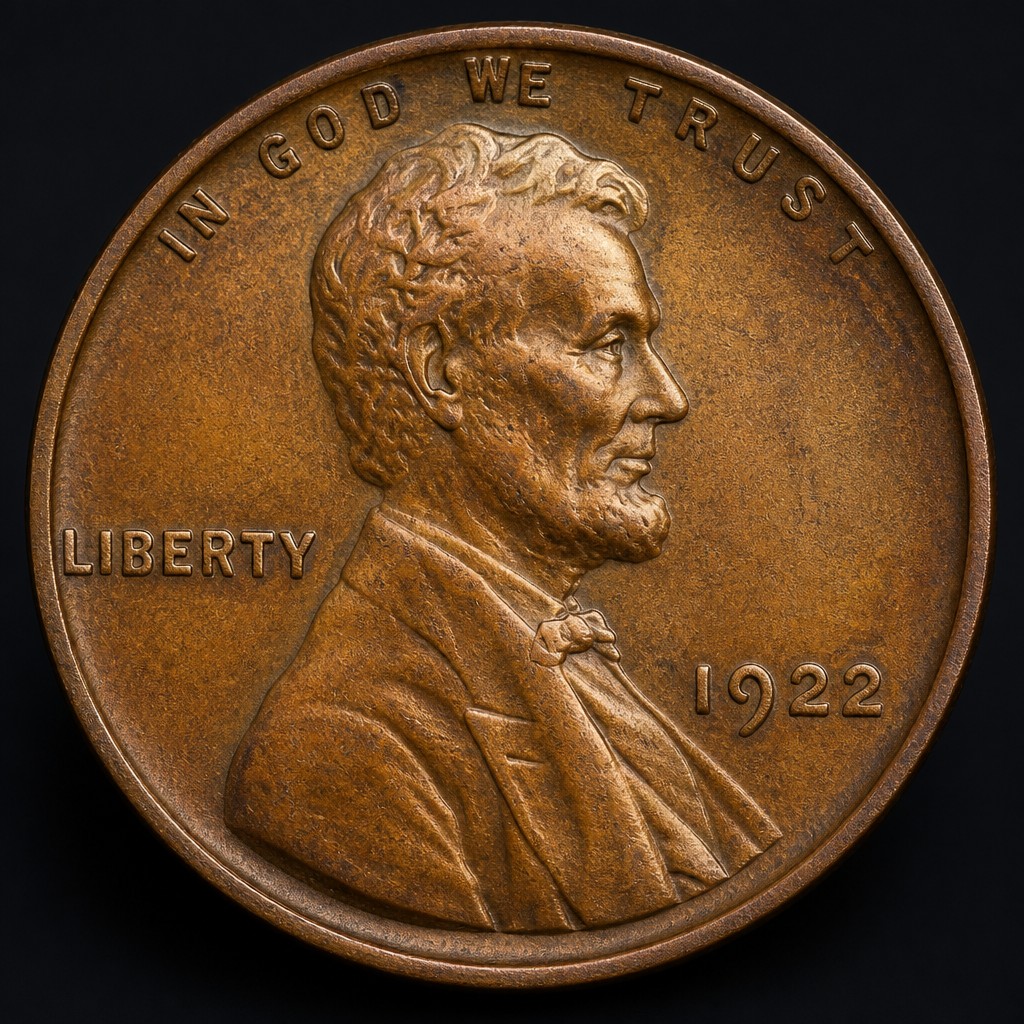
1922 No D Lincoln Cent
1922
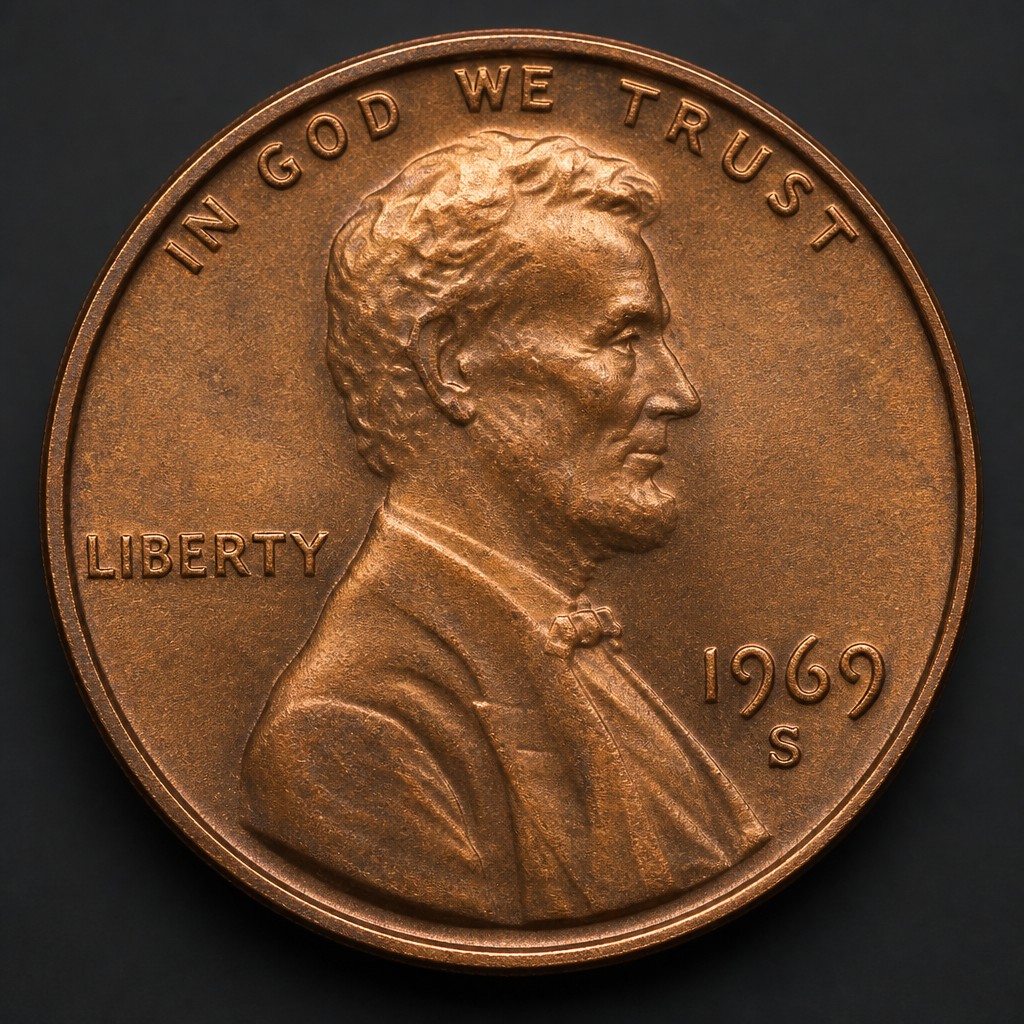
1969-S Doubled Die Lincoln Cent
1969
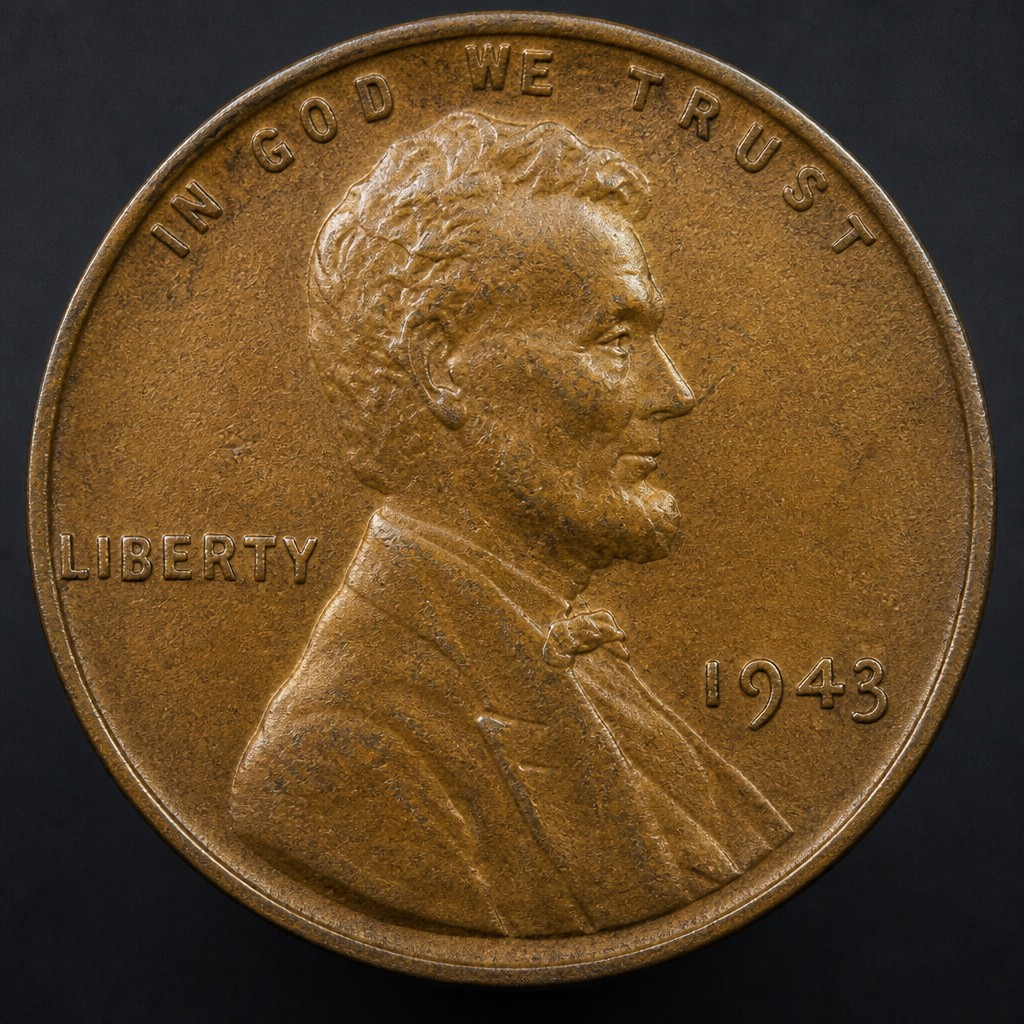
1943 Bronze Lincoln Cent
1943
1968 No S Proof Roosevelt Dime
1968