
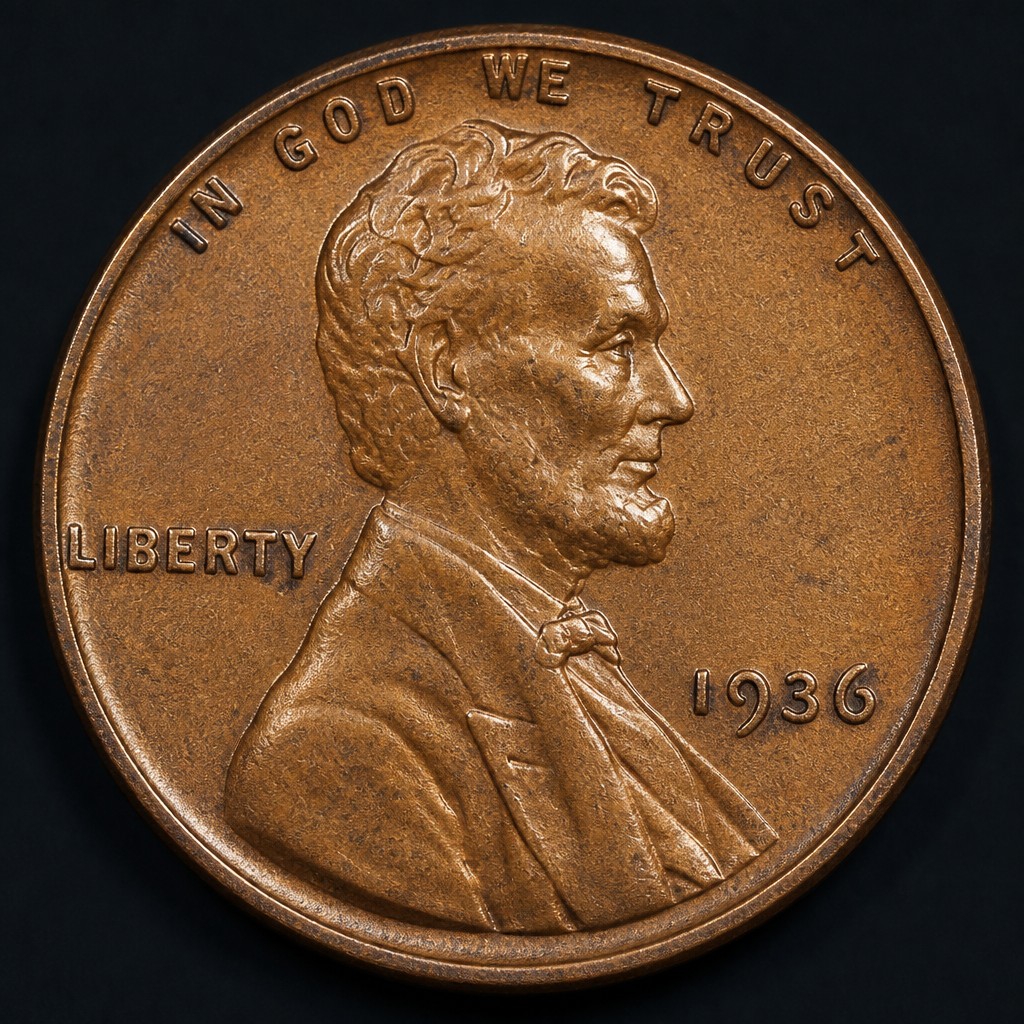
1936 Doubled Die Lincoln Cent
A doubled die obverse variety of the 1936 wheat cent showing visible doubling in the date and lettering, recognized in two distinct doubling strengths by collectors.
- Country
- United States
- Denomination
- One Cent
- Metal
- Bronze (95% Copper, 5% Tin and Zinc)
Got a coin like this?
Identify any coin from a photo, free.
Overview
The 1936 Doubled Die Lincoln Cent is a die variety created when the working die received a misaligned second impression from the hub during the die-making process, leaving doubled elements on the finished coin's obverse. This type of error, known as a doubled die, occurs at the die-preparation stage rather than during striking, so every coin struck from the affected die shows the same doubling.
Collectors recognize this date as an early and important entry in the long list of doubled die Lincoln cents that would later include far more famous examples, such as the 1955 and 1972 doubled die cents. Because doubled dies were not well understood or sought after by the general public in the 1930s, most 1936 doubled die cents circulated and wore down like ordinary pennies before collectors began identifying them decades later.
History & Background
Doubling on coin dies results from the multi-step hubbing process used before modern single-squeeze hubbing became standard, in which a die could require several impressions from a hub to fully form the design. If the die shifted slightly in alignment between hubbings, the design would be doubled to varying degrees.
In 1936, at least two distinct doubled die obverse varieties were created and entered circulation among the year's otherwise normal wheat cent production. Because collector interest in doubled dies did not develop widely until decades later, these varieties went largely unnoticed at the time and were only identified and cataloged by specialists studying wheat cents long after the coins were struck.
Two recognized strengths of doubling exist for 1936, generally referred to informally as Type 1, showing bolder doubling visible on the date and 'LIBERTY,' and Type 2, showing subtler doubling.
How to Identify
The standard 1936 Lincoln wheat cent shows Abraham Lincoln's portrait on the obverse with 'IN GOD WE TRUST' above and 'LIBERTY' to the left, and two wheat stalks framing 'ONE CENT' on the reverse. On the doubled die variety, look for doubling in the date numerals and in the lettering of 'LIBERTY' and the motto, visible as a shelf-like or split appearance on the raised letters and numbers under magnification.
Because the doubling can range from strong to quite subtle depending on which of the recognized varieties is present, comparing a suspected coin against published close-up photographs of the known 1936 doubled die varieties, or having it examined by an experienced variety specialist, is the most reliable way to confirm authenticity. Machine doubling, a common mechanical effect that mimics true doubling but has a flat, shelf-like smear rather than distinct separated letters, should not be confused with a genuine doubled die.
Value & Collectibility
Because doubled die wheat cents from this era are much scarcer than ordinary 1936 cents, verified examples bring a solid premium over a common circulated wheat cent, with the bolder Type 1 doubling generally more valuable than the subtler Type 2. Prices vary widely with strength of doubling, grade, and overall eye appeal.
Given how easily true doubled dies can be confused with machine doubling or damage, coins are commonly sent to professional variety attribution services or third-party grading companies before being bought or sold at a premium.
Frequently asked questions
What causes a doubled die coin?
It results from a misalignment between successive hub impressions during die-making, which transfers doubled design elements onto the working die and every coin it strikes.
How many 1936 doubled die varieties exist?
Collectors recognize at least two distinct doubling strengths for 1936, informally called Type 1 and Type 2.
How is a doubled die different from machine doubling?
A true doubled die shows separated, doubled design elements from the die itself, while machine doubling is a shallow, flat smearing caused during striking and is not considered a true variety.
Should I get my coin authenticated?
Because doubled dies can be confused with other effects, having a suspected 1936 doubled die cent verified by a specialist or grading service is recommended before assuming high value.
Other coins you may enjoy
2000-P Sacagawea Cheerios Dollar
2000
1972 Eisenhower Dollar (Type 2)
1972
1974 Aluminum Cent
1974
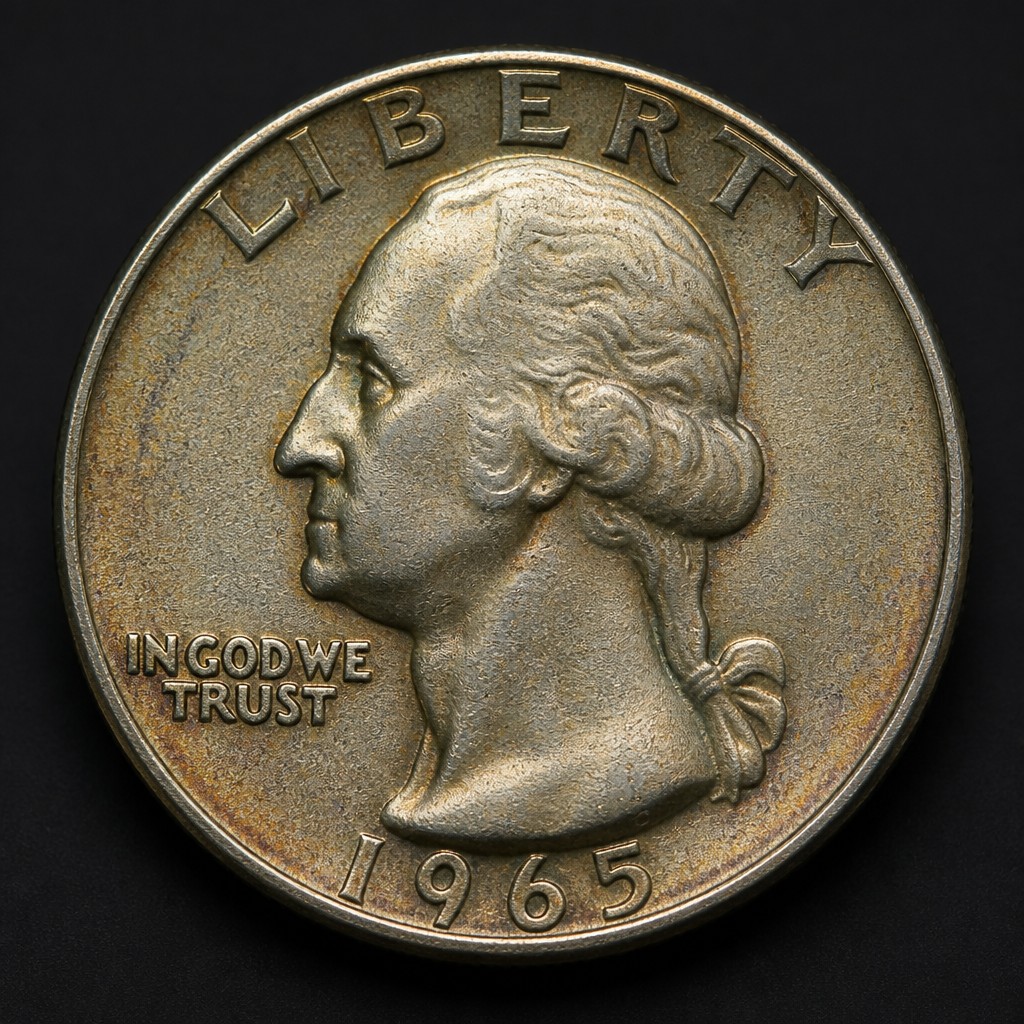
1965 Silver Washington Quarter (Transitional Error)
1965
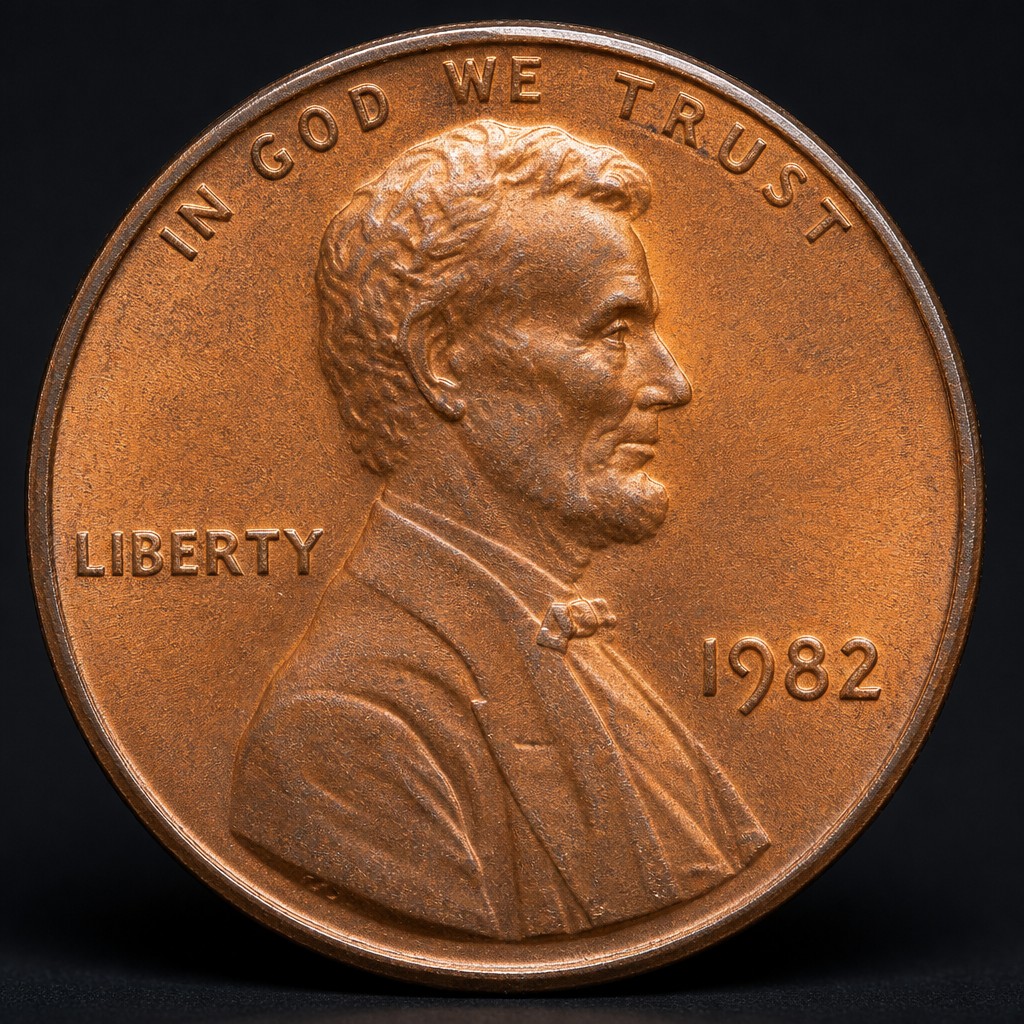
1982 Copper/Zinc Transition Lincoln Cent
1982
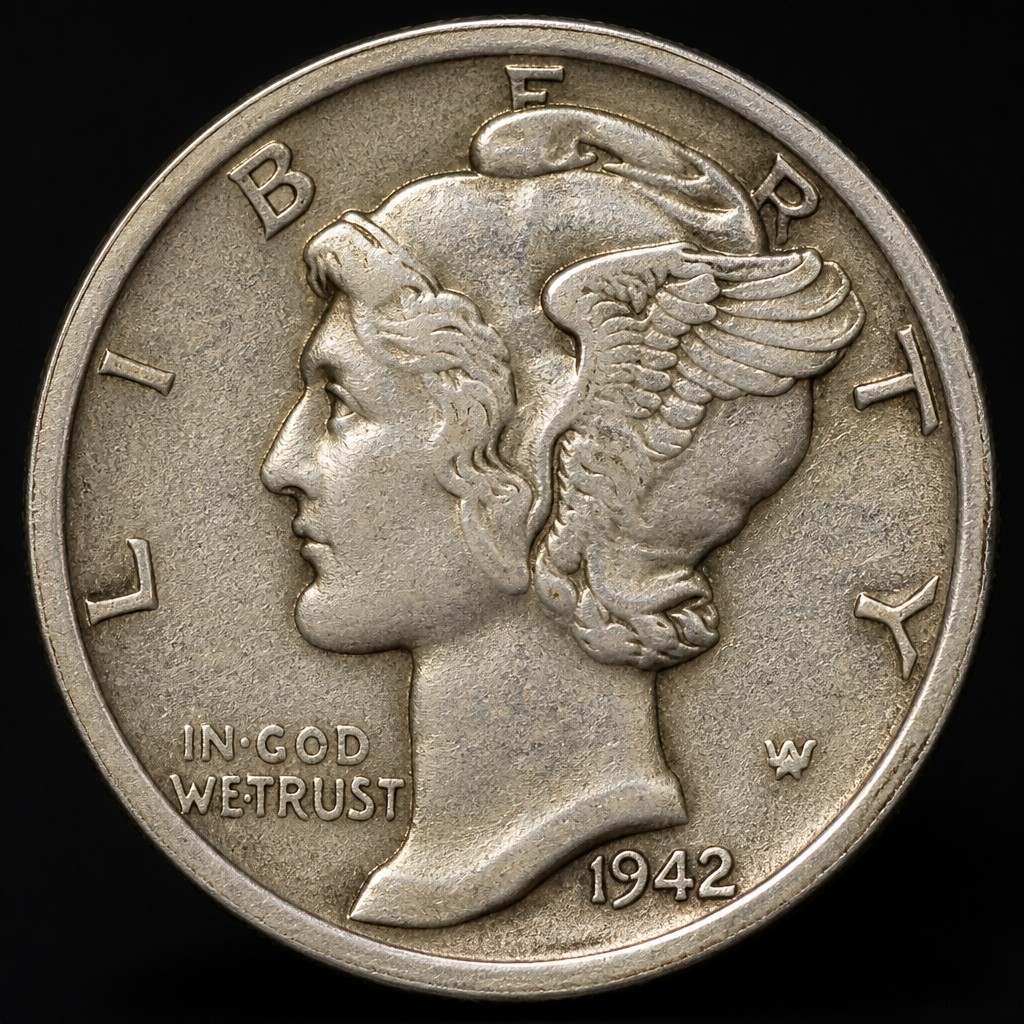
1942/1 Mercury Dime Overdate
1942
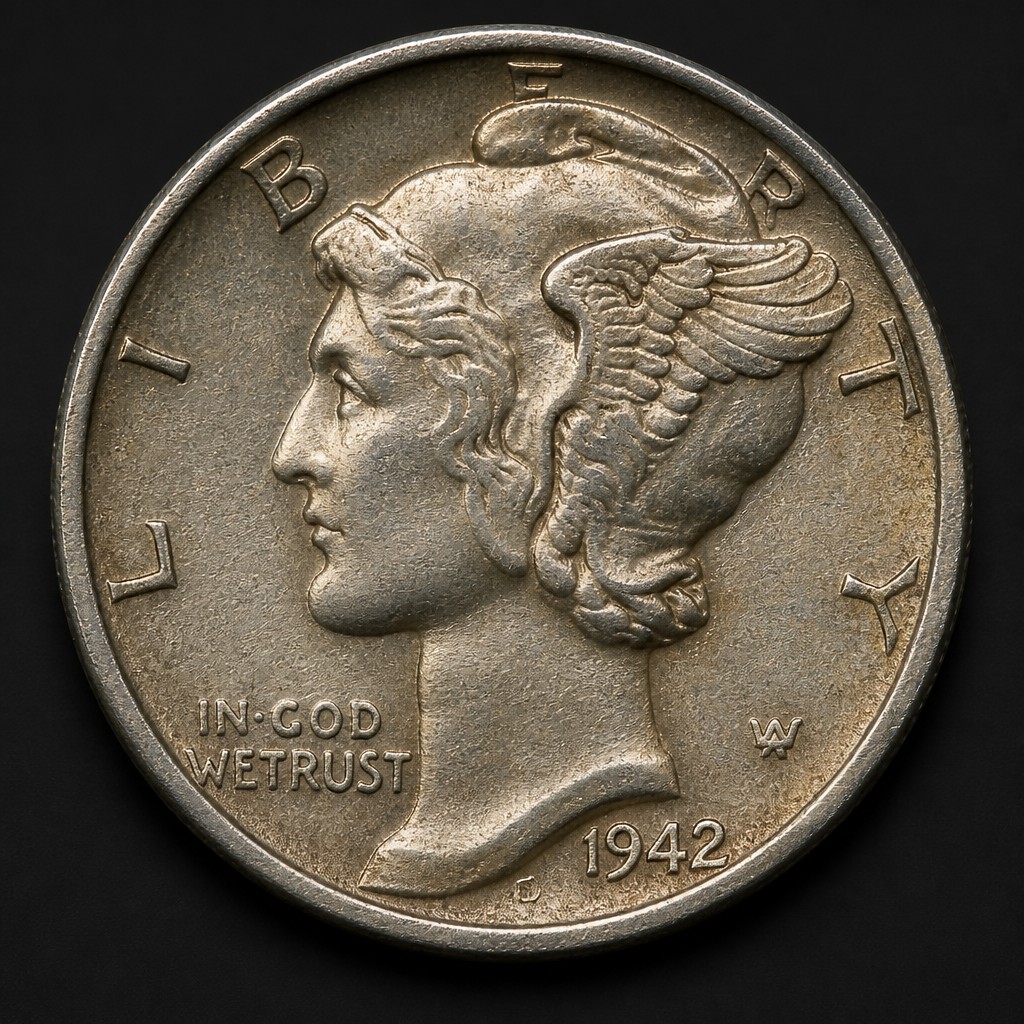
1942/1-D Mercury Dime Overdate
1942
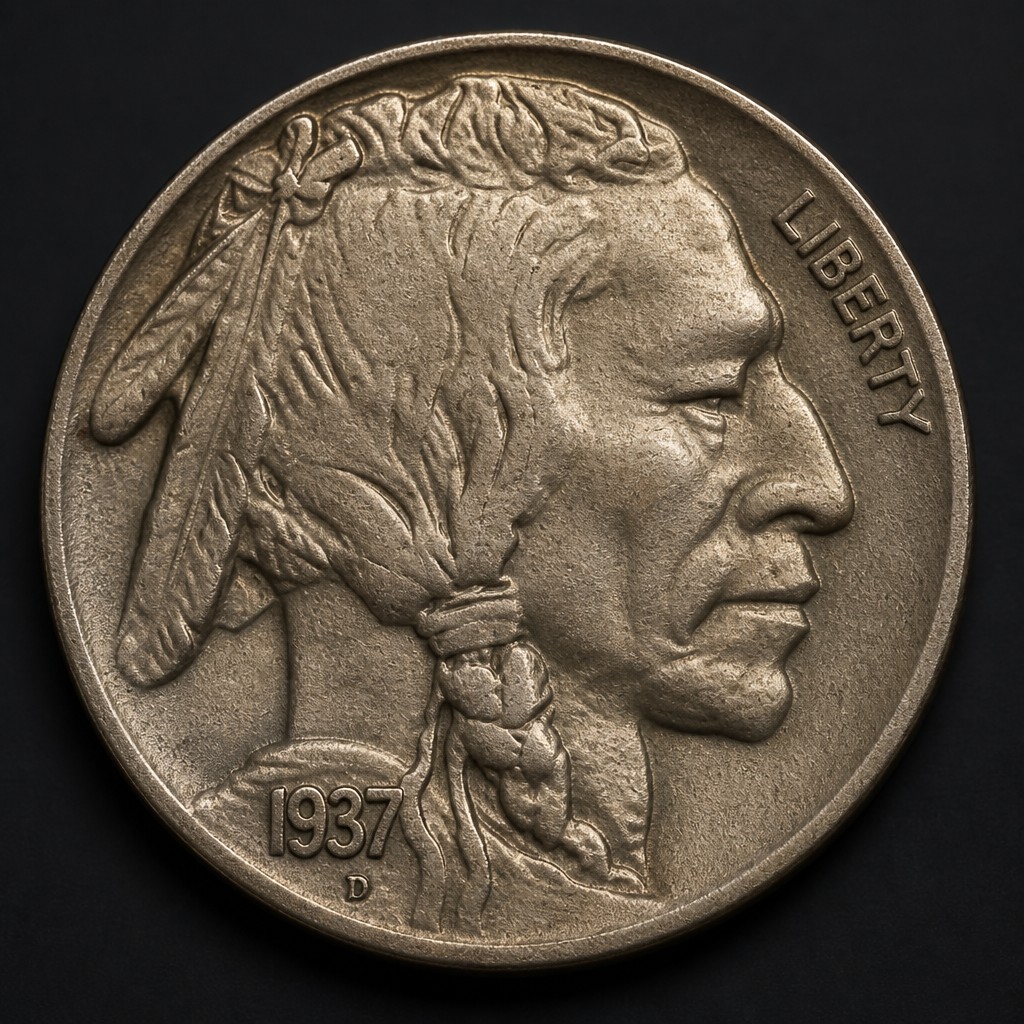
1937-D Three-Legged Buffalo Nickel
1937
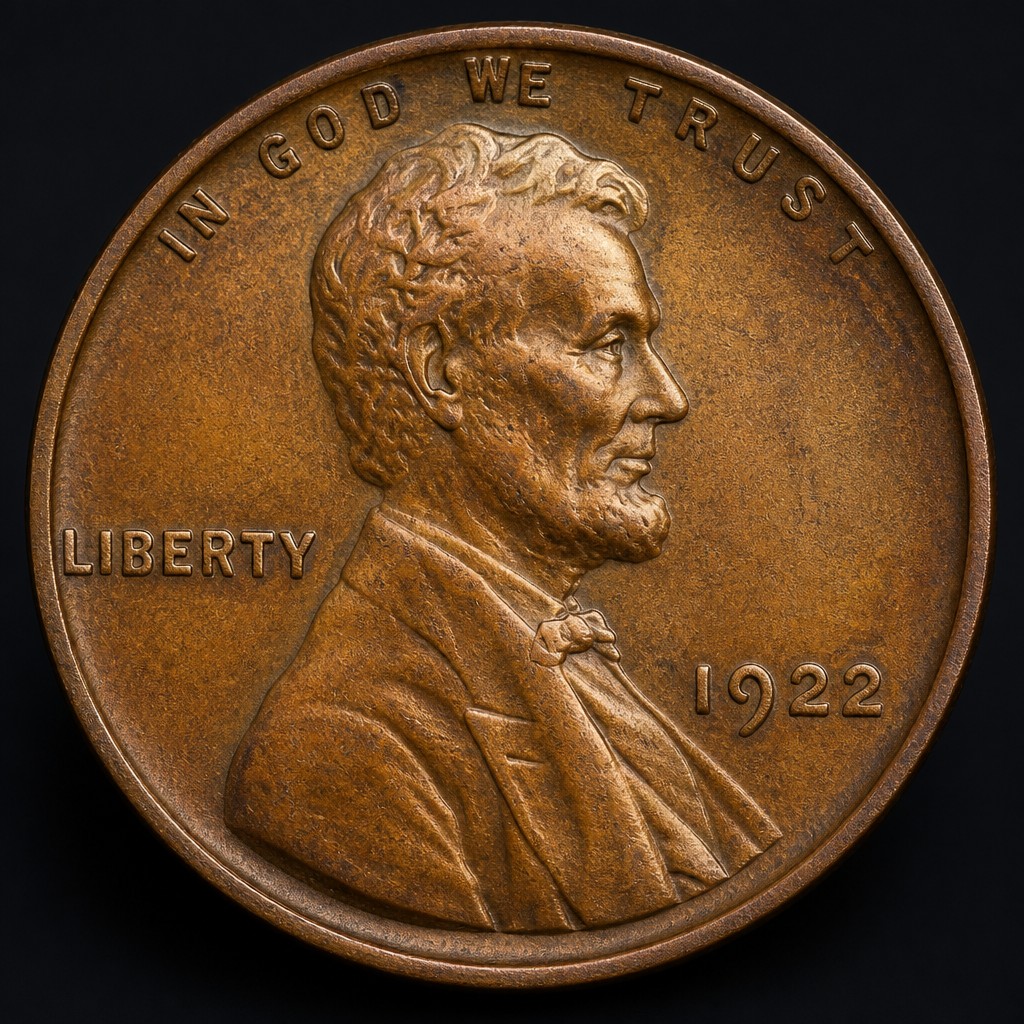
1922 No D Lincoln Cent
1922
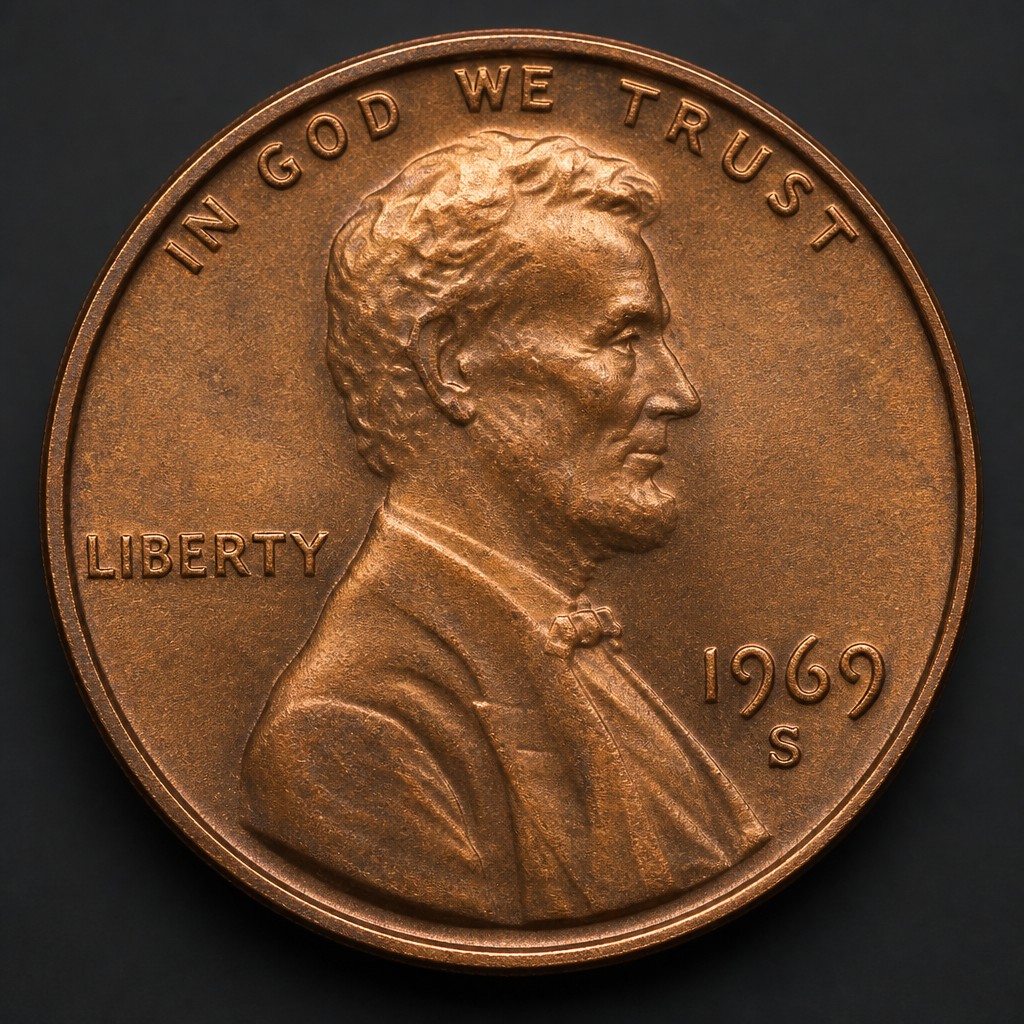
1969-S Doubled Die Lincoln Cent
1969
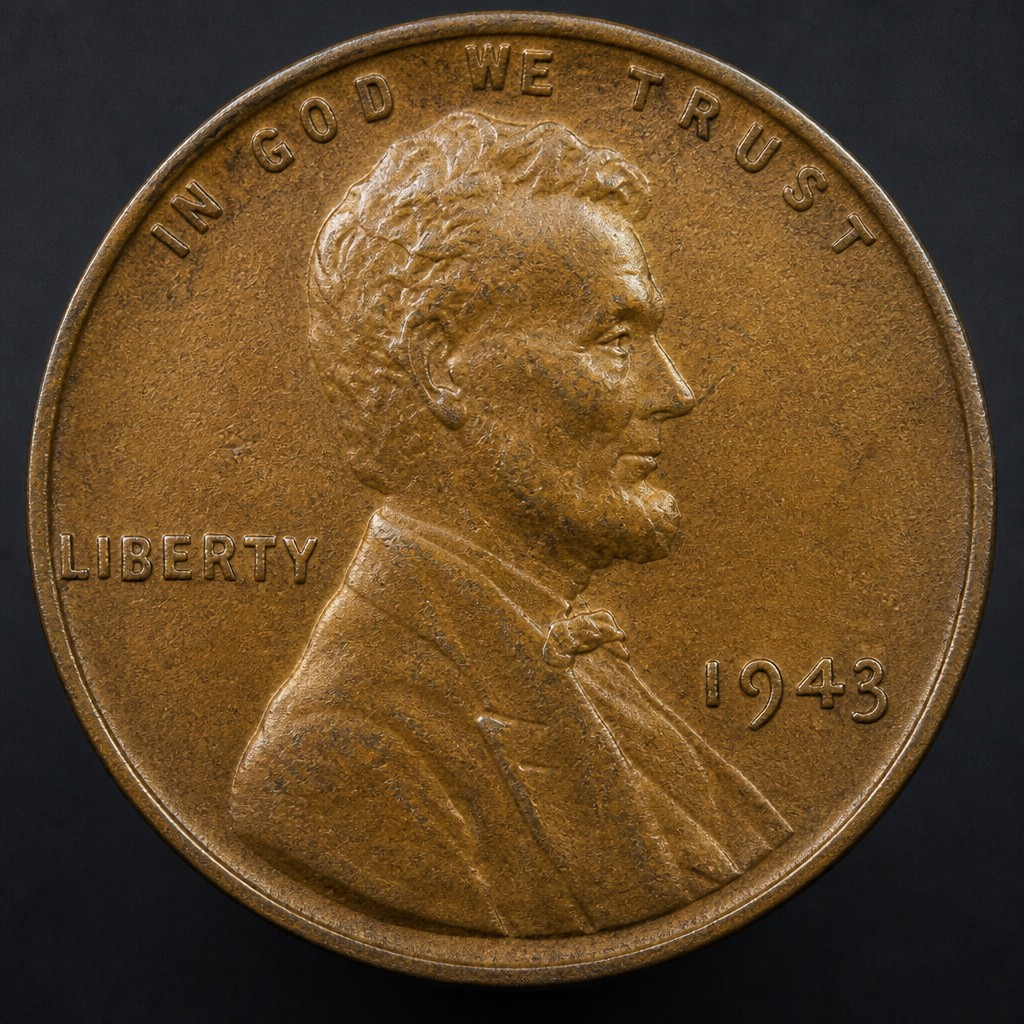
1943 Bronze Lincoln Cent
1943
1968 No S Proof Roosevelt Dime
1968