
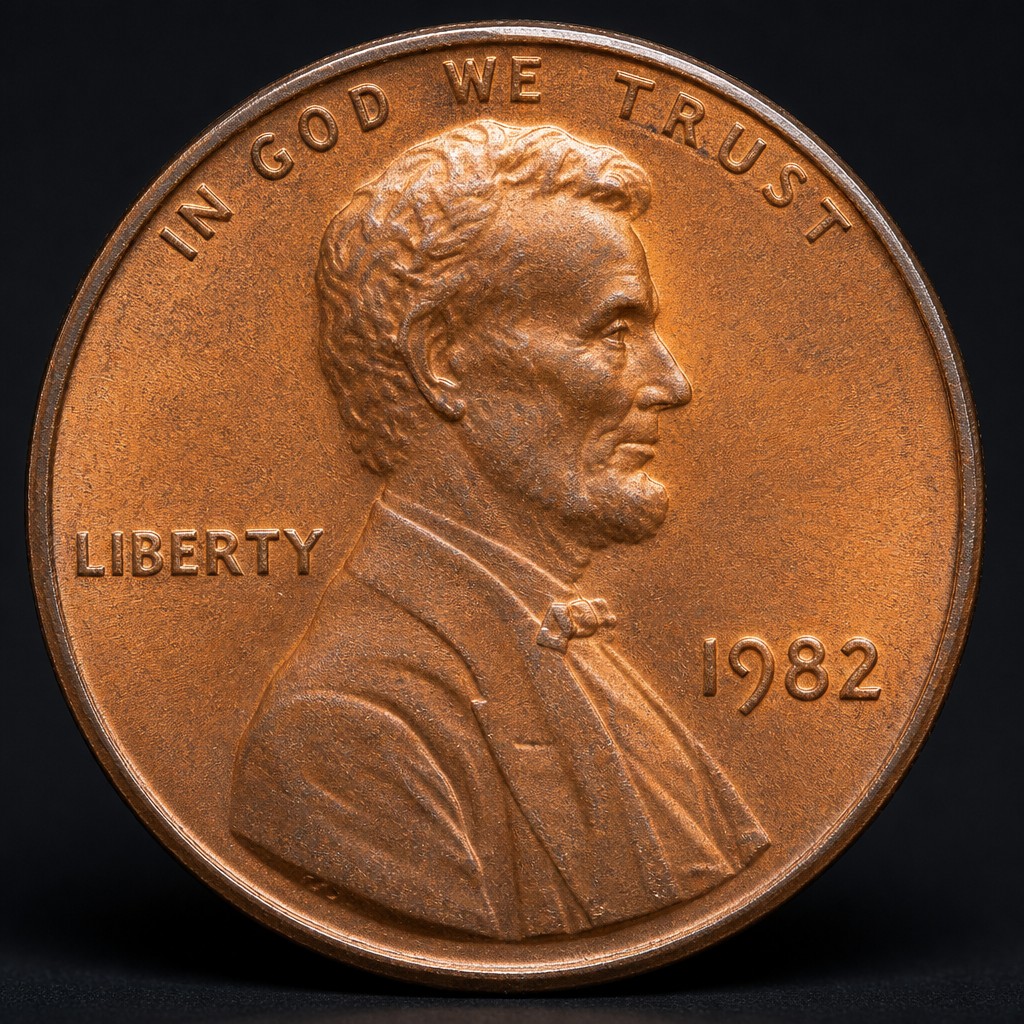
1982 Copper/Zinc Transition Lincoln Cent
The single year the Lincoln cent's composition changed mid-year from 95% copper bronze to copper-plated zinc, producing seven recognized date, mint, and metal varieties.
- Country
- United States
- Denomination
- One Cent
- Metal
- Bronze and Copper-Plated Zinc (transition year)
Got a coin like this?
Identify any coin from a photo, free.
Overview
The 1982 Lincoln Cent is famous among collectors as the transition year when the US Mint switched the penny's composition from a nearly solid bronze alloy to a much cheaper copper-plated zinc core, a change driven by the rising cost of copper. Because both compositions were struck within the same calendar year, alongside a simultaneous change in the size of the date's numerals, 1982 cents come in seven recognized combinations that specialists collect as a set.
This single year offers an unusually rich case study in how a seemingly ordinary coin can contain meaningful variety, and it remains one of the more approachable variety sets in American numismatics since most of the seven types can be found by searching through circulated pocket change or rolls, given how recently the coin was issued relative to older varieties.
History & Background
By the early 1980s, the price of copper had risen to the point where a bronze cent's metal value approached its one-cent face value, prompting the Mint to switch to a core of zinc plated with a thin layer of copper starting in 1982, a composition that has continued (with minor alloy adjustments) ever since. Because the transition happened mid-year and at different times at the Philadelphia and Denver mints, both the older bronze alloy and the new copper-plated zinc cents were struck in 1982.
Compounding the composition change, the Mint also modified the size of the date's numerals partway through the year, creating Large Date and Small Date varieties independent of the metal change. Together, these overlapping changes across two mints produced the seven combinations collectors recognize today: 1982 Bronze Large Date, 1982 Bronze Small Date, 1982 Zinc Large Date, 1982 Zinc Small Date, and the Denver-mint equivalents (1982-D Bronze Large Date, 1982-D Zinc Large Date, and 1982-D Zinc Small Date, since a bronze Small Date from Denver is not believed to have been struck for circulation).
How to Identify
All 1982 cents share the standard Lincoln portrait obverse and Lincoln Memorial reverse used throughout the era. The composition can be distinguished by weight: bronze cents weigh about 3.11 grams, while copper-plated zinc cents weigh about 2.5 grams, making a simple gram scale one of the most reliable tools for sorting examples.
The Large Date and Small Date varieties are told apart by close comparison of the date's numeral style and size, particularly the shape and proportions of the 8s and 2, with references and side-by-side comparison images helpful for distinguishing them confidently. Denver coins carry a small D mintmark below the date, while Philadelphia coins from this era have no mintmark.
Collectors pursuing a complete set of the seven 1982 varieties typically weigh and sort a batch of coins by mintmark first, then separate by date size, since combining these characteristics correctly is the only way to identify all seven types with confidence.
Value & Collectibility
Because 1982 cents are relatively recent and were struck in large numbers, most of the seven varieties can still be found through diligent searching of circulated change or bank-wrapped rolls, keeping typical circulated examples inexpensive. Some combinations, particularly the 1982-D Small Date in bronze, are either extremely rare or not confirmed to have been struck for circulation at all, and any claimed example would warrant serious expert scrutiny.
Uncirculated examples of the scarcer combinations, and complete certified sets of all seven varieties, are popular with variety specialists and modern coin collectors, offering an accessible way to own a meaningful piece of coinage history without the cost typically associated with older key-date coins.
Frequently asked questions
Why did the cent change from bronze to zinc in 1982?
Rising copper prices made the metal value of a bronze cent approach or exceed its one-cent face value, so the Mint switched to a cheaper copper-plated zinc composition.
How can I tell if my 1982 cent is bronze or zinc?
Weighing it is the most reliable method: bronze cents weigh about 3.11 grams, while copper-plated zinc cents weigh about 2.5 grams.
How many varieties of 1982 cents are there?
Collectors generally recognize seven combinations of mint, date size, and composition for 1982 cents.
Is the 1982-D bronze Small Date real?
A bronze Small Date cent from the Denver mint is not confirmed to have been struck for circulation, so any claimed example should be treated with significant skepticism and expert review.
Other coins you may enjoy
2000-P Sacagawea Cheerios Dollar
2000
1972 Eisenhower Dollar (Type 2)
1972
1974 Aluminum Cent
1974
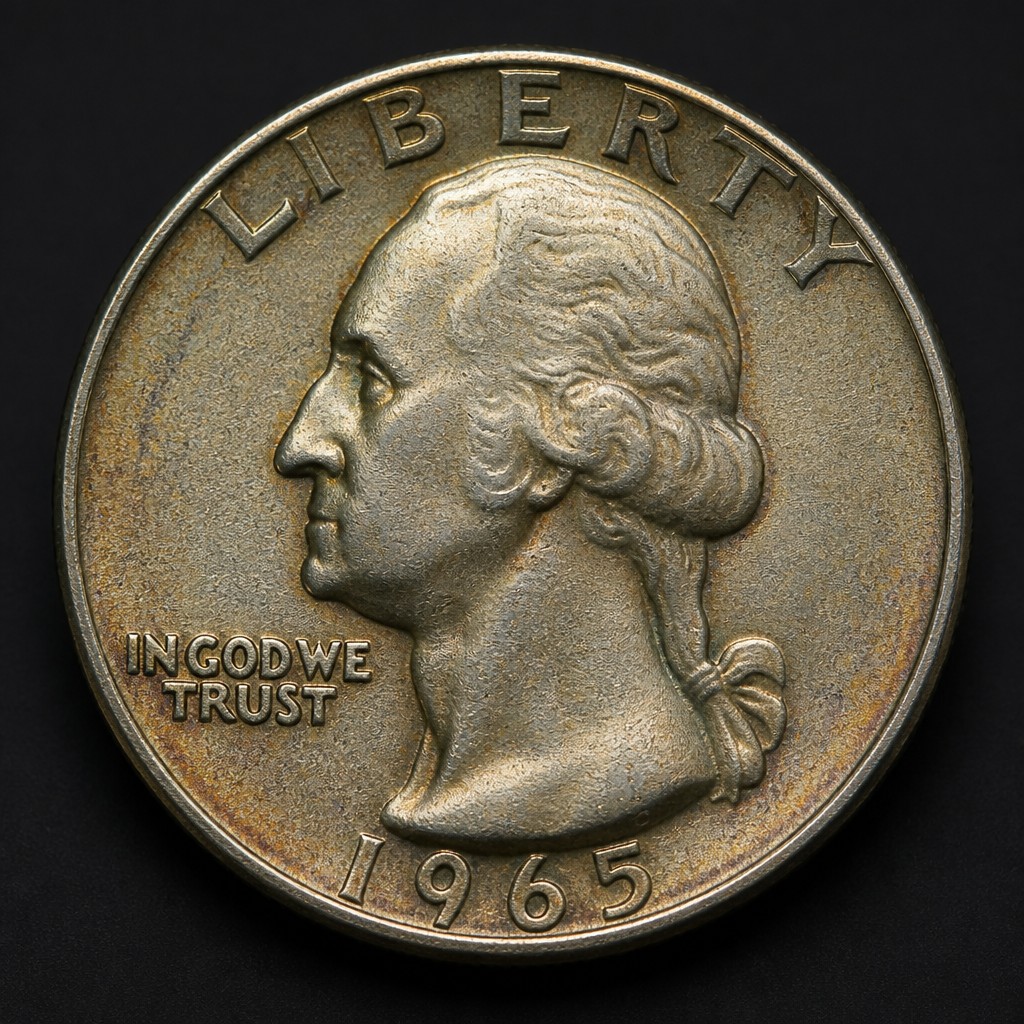
1965 Silver Washington Quarter (Transitional Error)
1965
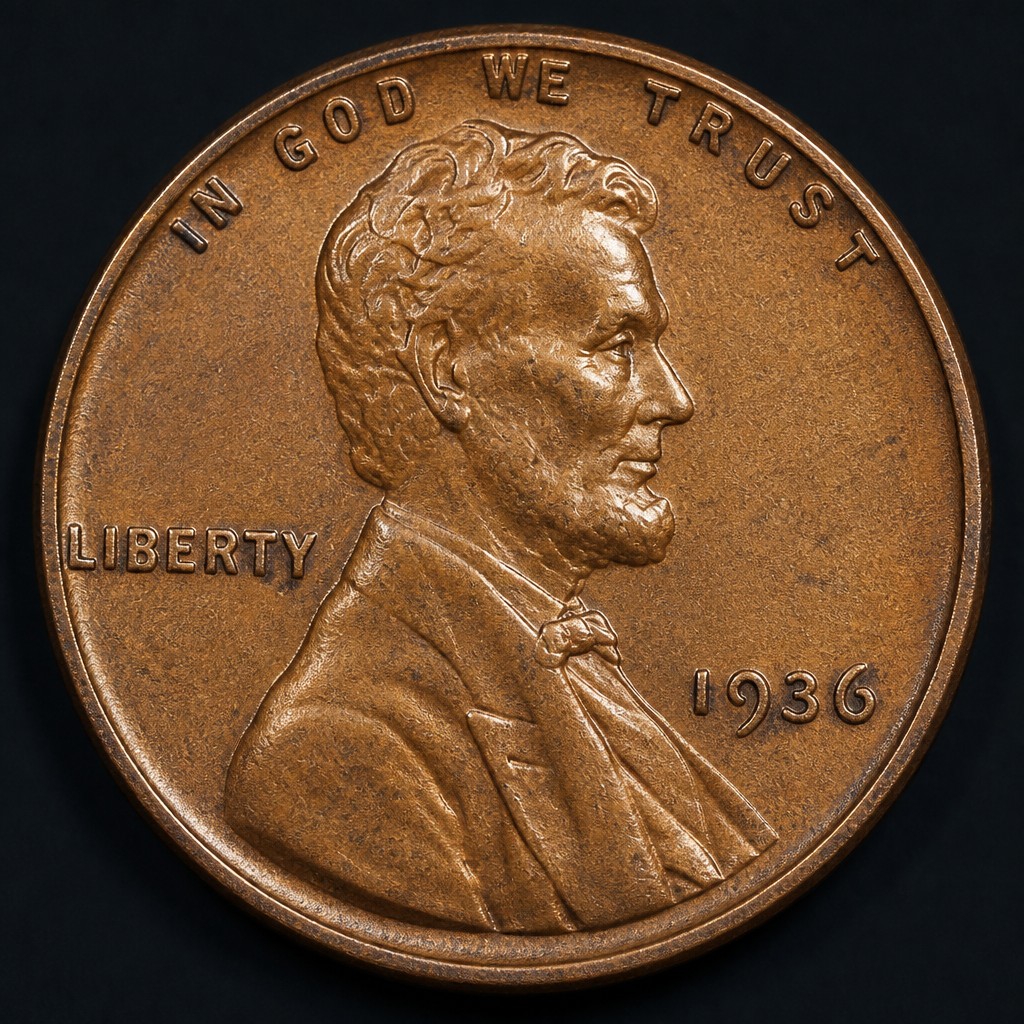
1936 Doubled Die Lincoln Cent
1936
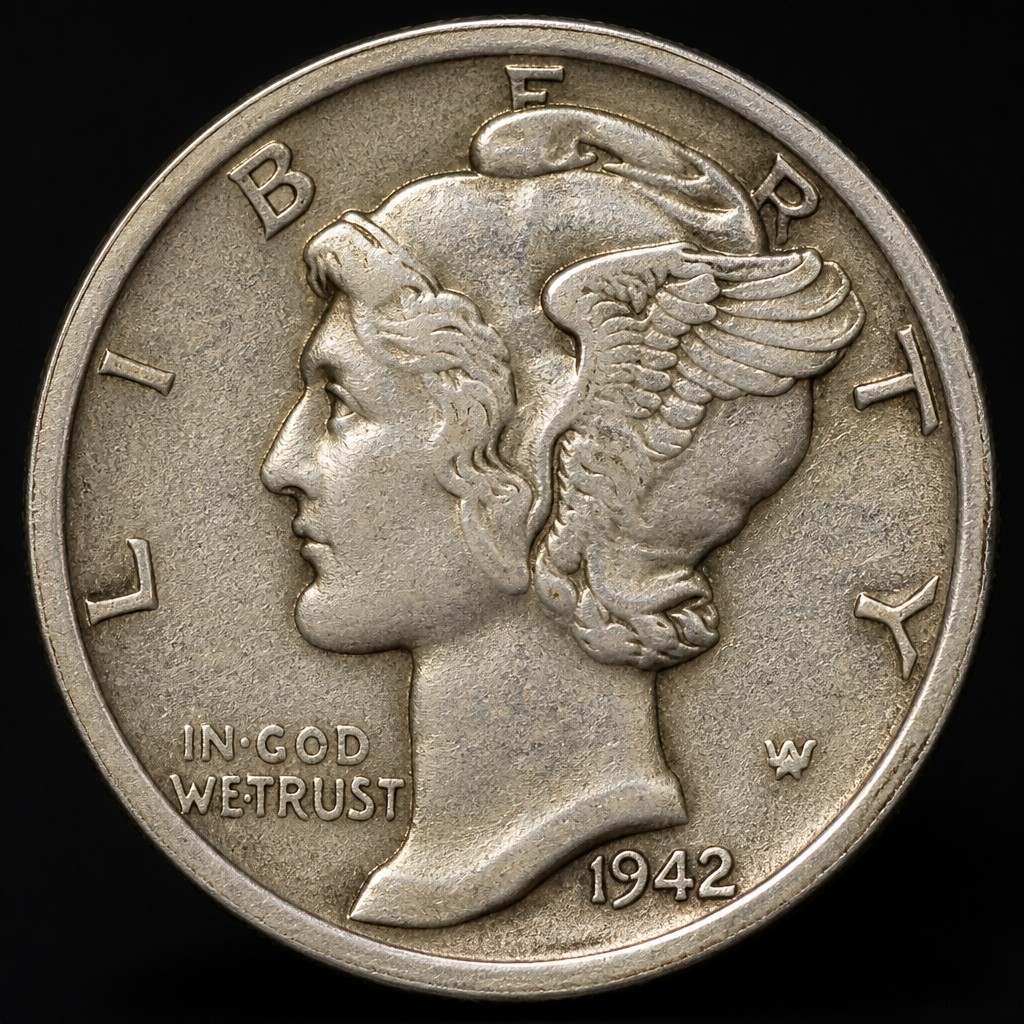
1942/1 Mercury Dime Overdate
1942
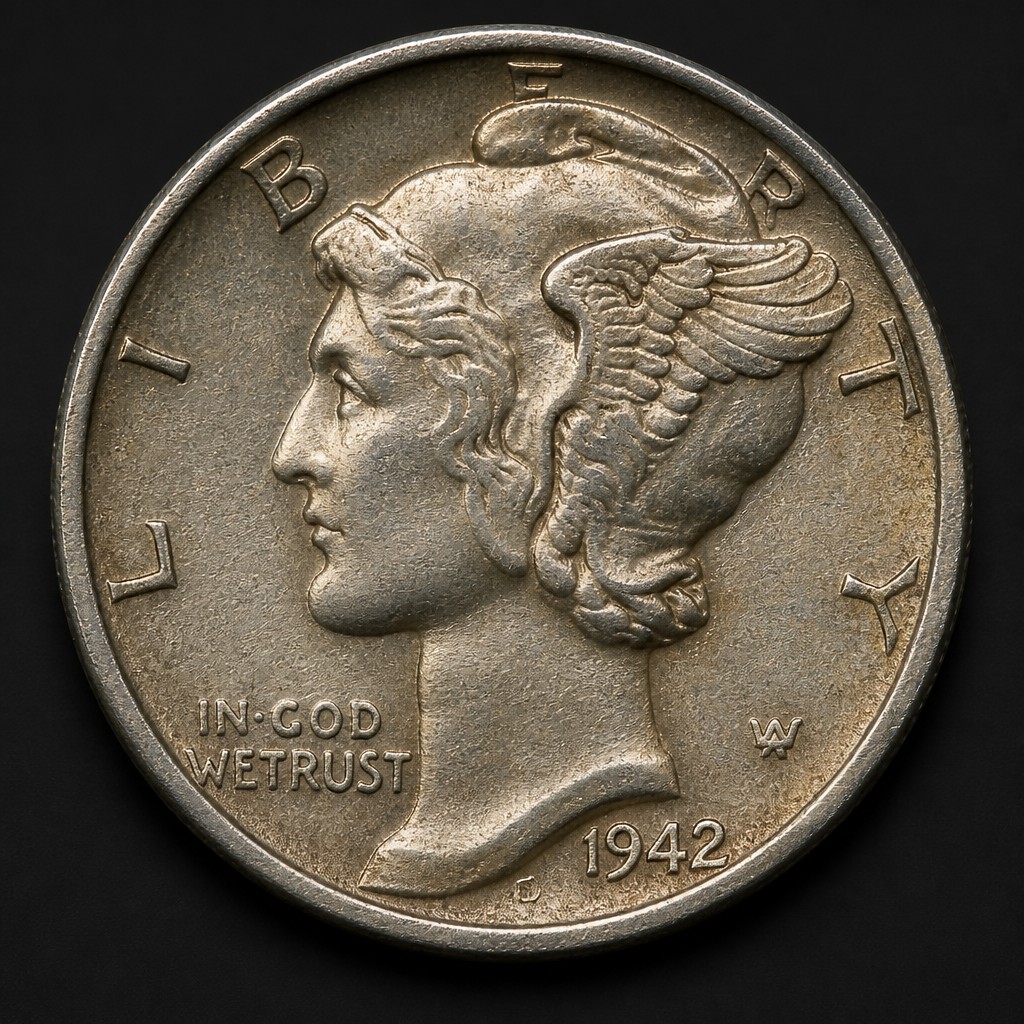
1942/1-D Mercury Dime Overdate
1942
1937-D Three-Legged Buffalo Nickel
1937
1922 No D Lincoln Cent
1922
1969-S Doubled Die Lincoln Cent
1969
1943 Bronze Lincoln Cent
1943
1968 No S Proof Roosevelt Dime
1968