
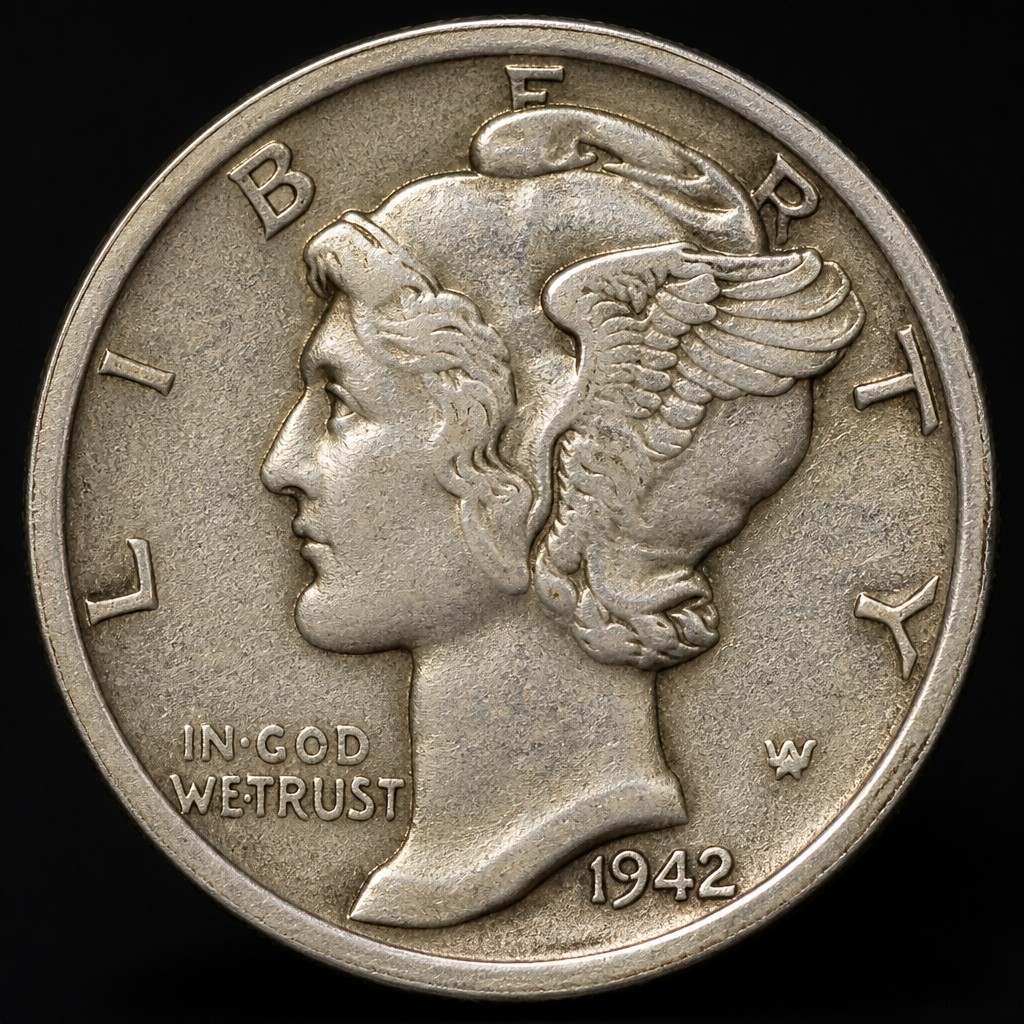
1942/1 Mercury Dime Overdate
A famous overdate error, this Philadelphia Mercury Dime shows remnants of a 1941 digit beneath the 1942 date, created when an old die hub was reused by mistake.
- Country
- United States
- Denomination
- Ten Cents
- Metal
- 90% Silver
Got a coin like this?
Identify any coin from a photo, free.
Overview
The 1942/1 Mercury Dime Overdate is one of the best-known and most sought-after overdate varieties in 20th-century American coinage. The visible doubling in the date, showing traces of a "1" underneath the final "2" of 1942, makes it a dramatic and collectible die variety.
Overdates like this one occur when a working die is prepared using a hub from a different year layered over an existing partial date, leaving remnants of the earlier digit visible after the new date is punched in. Collectors prize the coin both for its visual distinctiveness and its status as a widely recognized "top 100" variety within U.S. coin collecting.
Because the error is confined to a specific date and mint combination, it is a finite, well-studied variety that experienced collectors can often identify without magnification, though careful examination is recommended to confirm authenticity.
History & Background
During preparation of dies for 1942-dated Mercury Dimes at the Philadelphia Mint, a die was created using a leftover 1941 hub, and when a new 1942 date was subsequently punched into the die, it did not perfectly align, leaving remnants of the earlier "1" visible beneath and within the final digit of "1942." This type of error was more common in an era when dies were still hand-finished with individual date punches rather than fully preformed with the date already included.
The overdate coins entered general circulation mixed in with normal 1942 dimes and went largely unnoticed until attentive collectors and dealers identified the doubling, after which the variety became widely recognized and cataloged as a significant Mercury Dime rarity.
A parallel overdate error also occurred at the Denver Mint the same year, producing the related but independently scarce 1942/1-D variety, making 1942 a notable year for this specific type of Mint mistake.
How to Identify
Like all Mercury Dimes, the obverse shows a winged Liberty head with "LIBERTY" around the rim, while the reverse depicts a fasces bound with an olive branch. On the overdate variety, close inspection of the final digit in the date reveals a doubled appearance, with the outline of a "1" visible beneath and to the side of the "2," most easily seen under magnification.
The coin is struck in 90% silver with a reeded edge and standard dime diameter, and this particular overdate variety carries no mint mark, confirming it was struck at Philadelphia (the Denver version carries a "D" and is cataloged separately). Collectors should examine the date area with a loupe or magnifier, comparing it against verified reference images, since wear can sometimes obscure the diagnostic doubling on more heavily circulated examples.
Because of the coin's value, altered or artificially doubled dimes have appeared in the market, so collectors are encouraged to seek professional grading and authentication for suspected examples, particularly in higher grades where the premium is greatest.
Value & Collectibility
The 1942/1 Mercury Dime Overdate carries a strong premium over an ordinary 1942 Philadelphia dime, reflecting both its scarcity and its popularity as one of the most famous overdate varieties in U.S. coinage. Even well-worn examples showing the diagnostic doubling command solid collector interest.
Value rises considerably with grade, since well-preserved, clearly doubled examples in higher circulated or mint-state condition are much harder to find than lower-grade survivors. As with other well-known varieties, professionally authenticated and graded coins tend to command the most confident bidding from collectors.
Overall, this variety remains one of the standout "condition and rarity" pieces within the widely collected Mercury Dime series, valued for both its story and its relative scarcity compared to normal-date coins from the same year.
Frequently asked questions
What caused the 1942/1 overdate error?
A die was mistakenly prepared using a leftover 1941 hub before the 1942 date was punched in, leaving visible remnants of the earlier '1' beneath the final digit.
How do I spot the overdate on my dime?
Examine the last digit of the date closely with magnification; genuine examples show a doubled outline where a '1' is visible under or beside the '2'.
Is the 1942/1 the same as the 1942/1-D overdate?
No, they are related but separate varieties; the plain 1942/1 was struck at Philadelphia with no mint mark, while the 1942/1-D carries a 'D' from the Denver Mint and is independently scarcer.
Should I get my suspected overdate dime authenticated?
Yes, because of its value and the existence of altered fakes, professional third-party grading and authentication is recommended for this variety.
Other coins you may enjoy
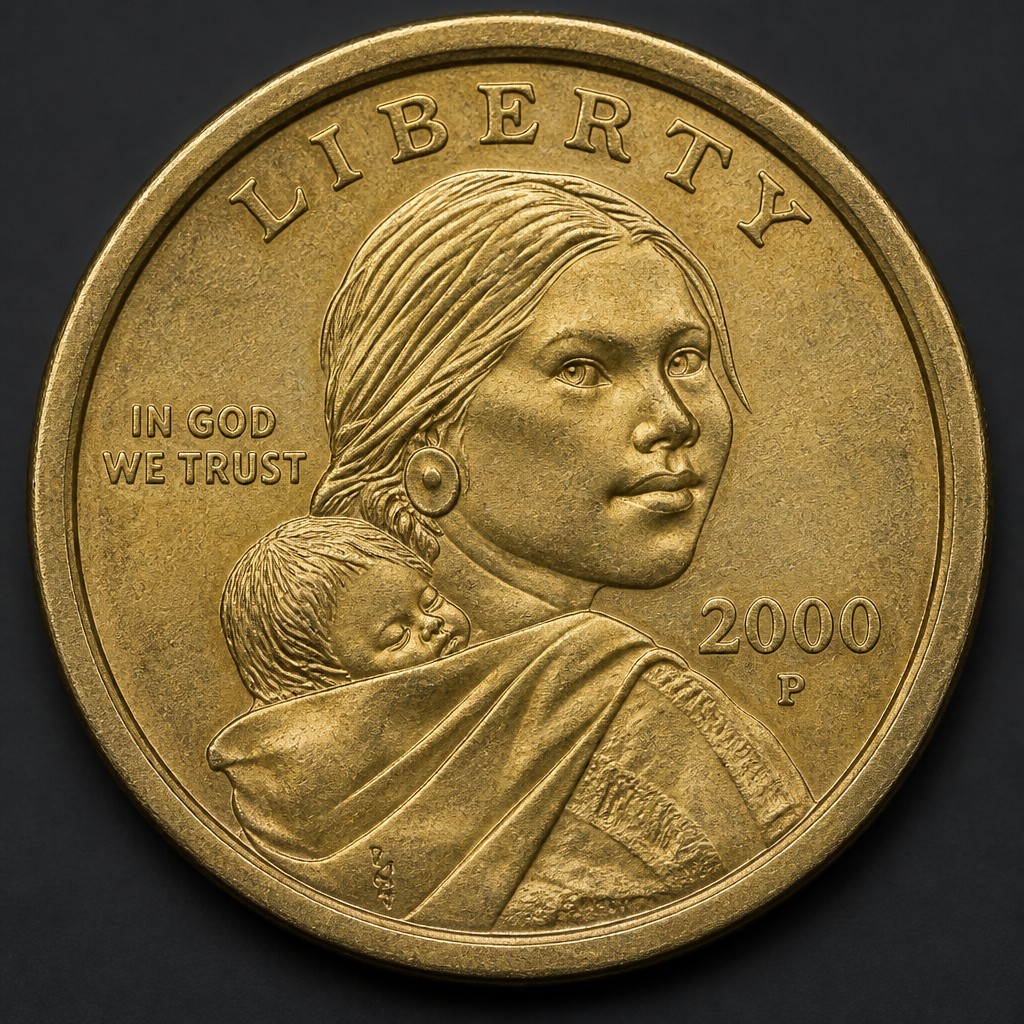
2000-P Sacagawea Cheerios Dollar
2000
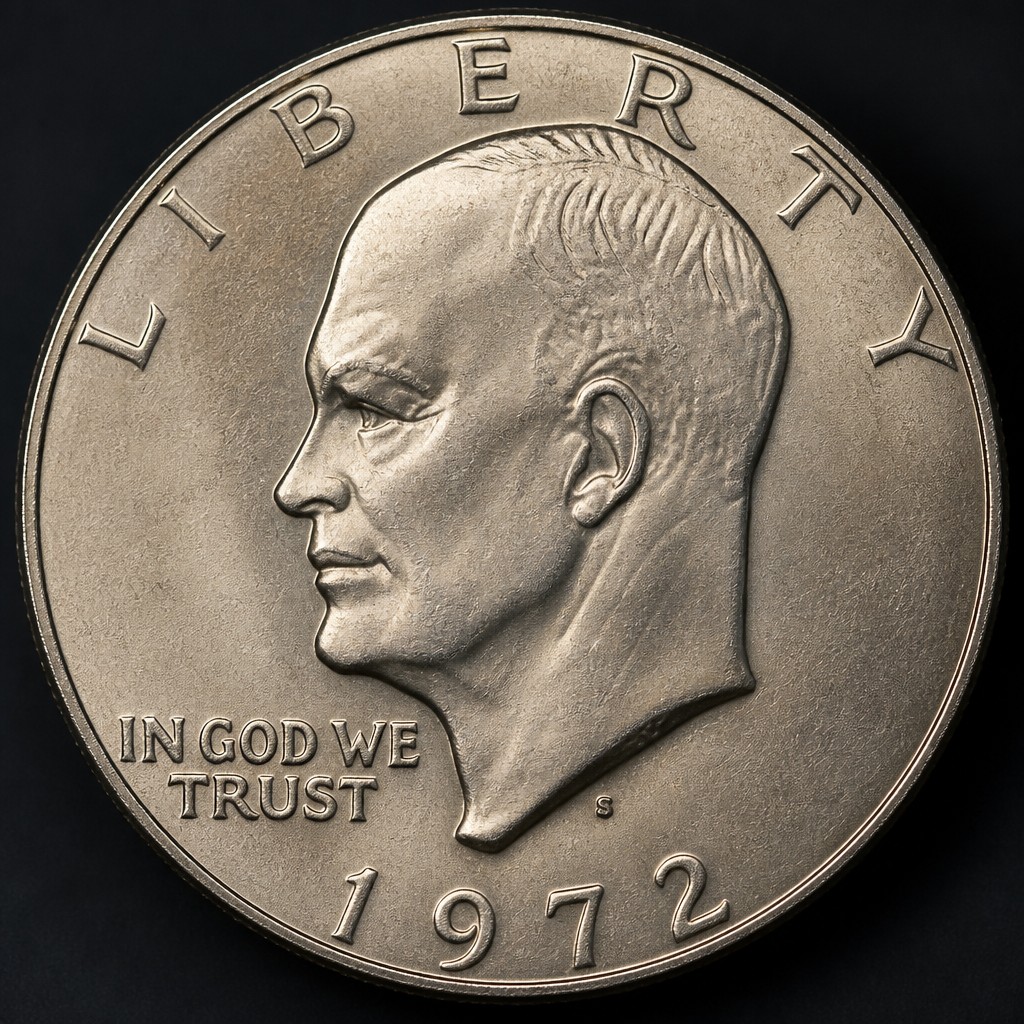
1972 Eisenhower Dollar (Type 2)
1972
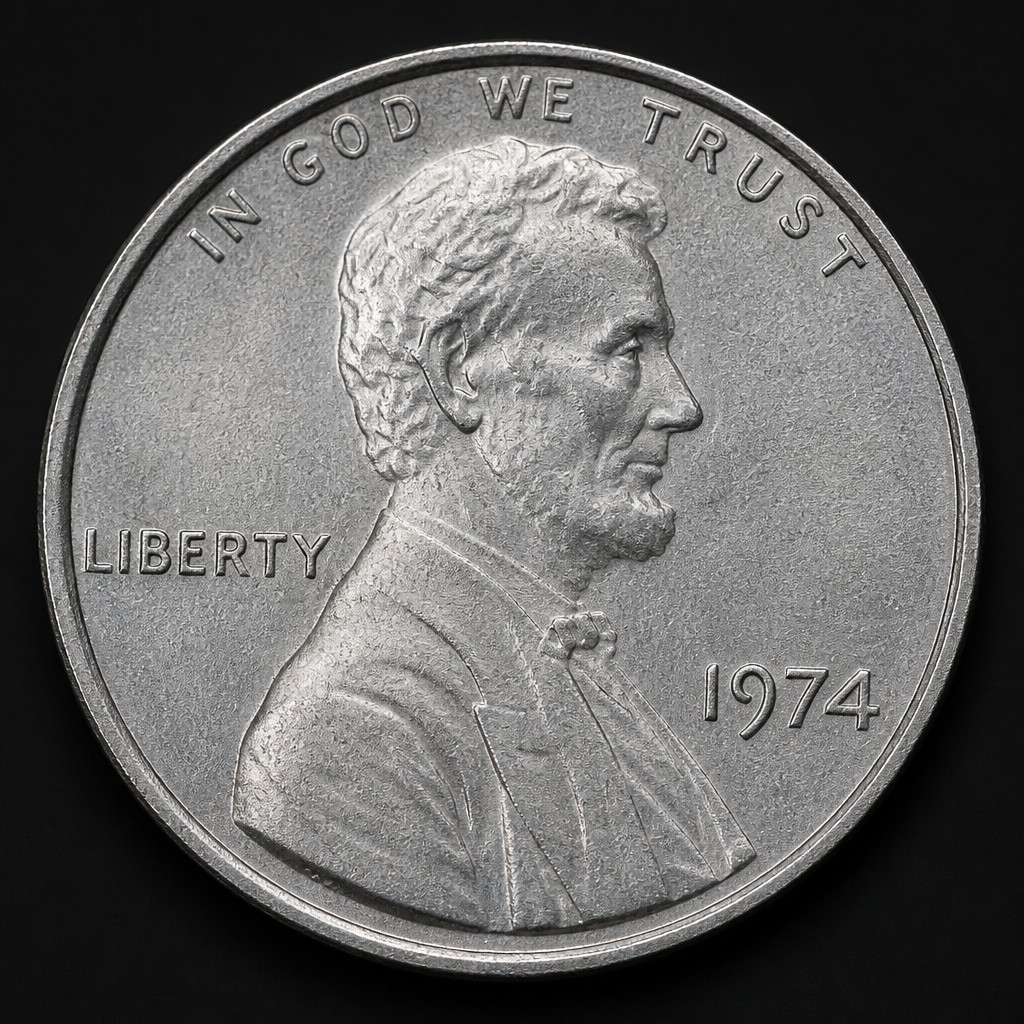
1974 Aluminum Cent
1974
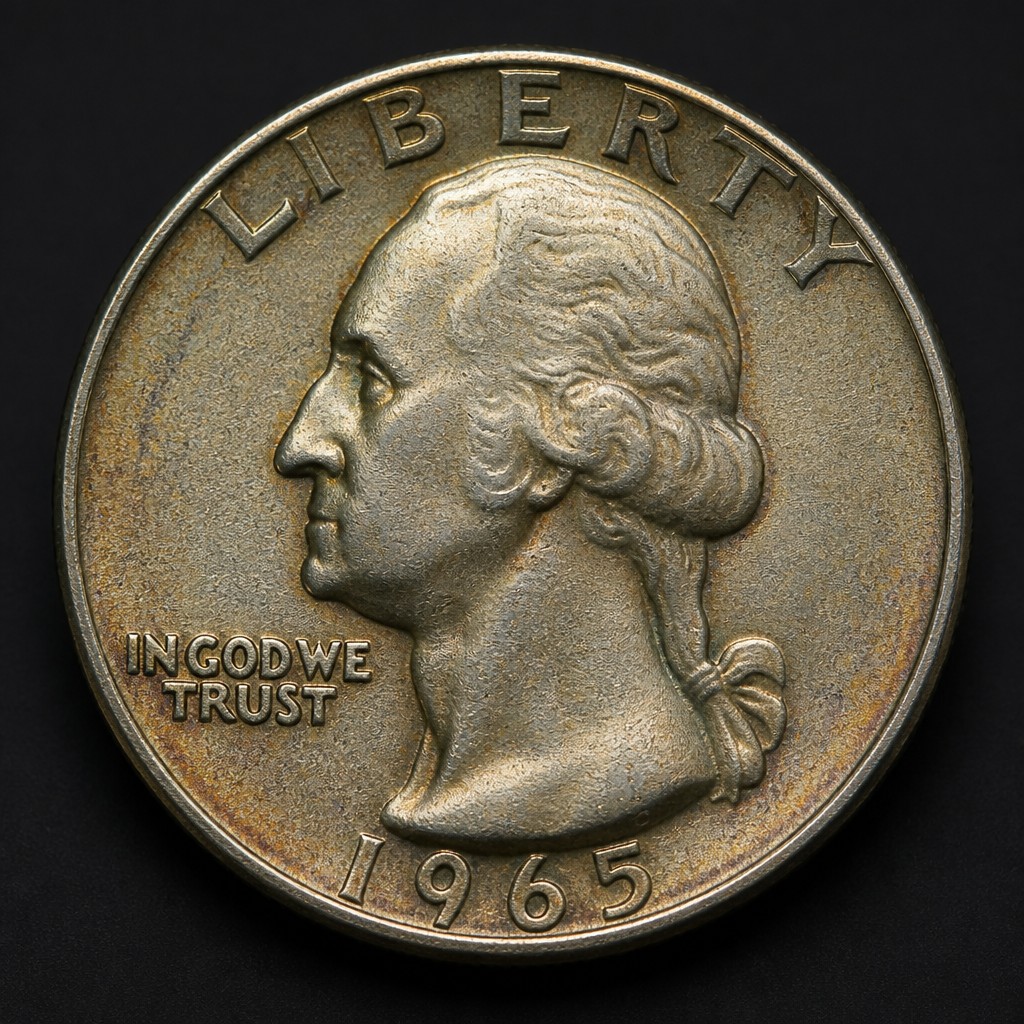
1965 Silver Washington Quarter (Transitional Error)
1965
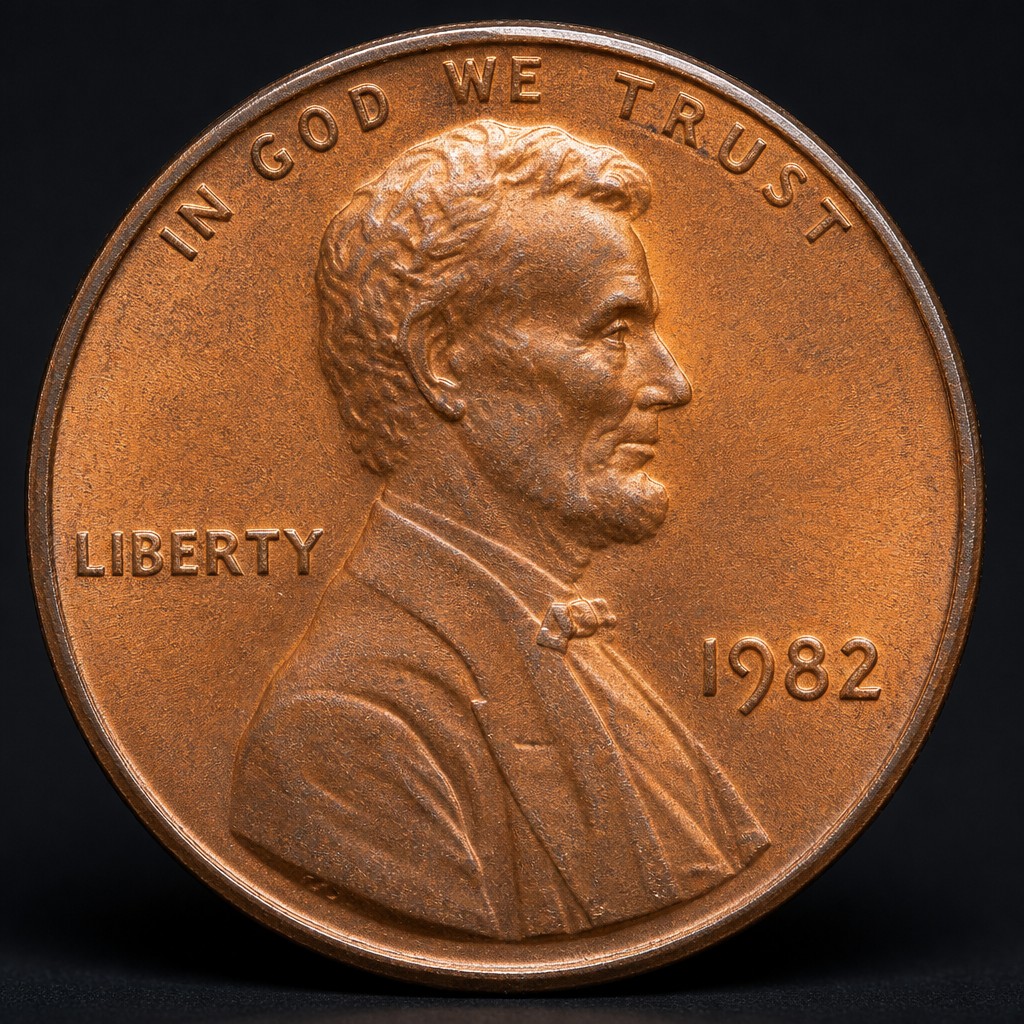
1982 Copper/Zinc Transition Lincoln Cent
1982
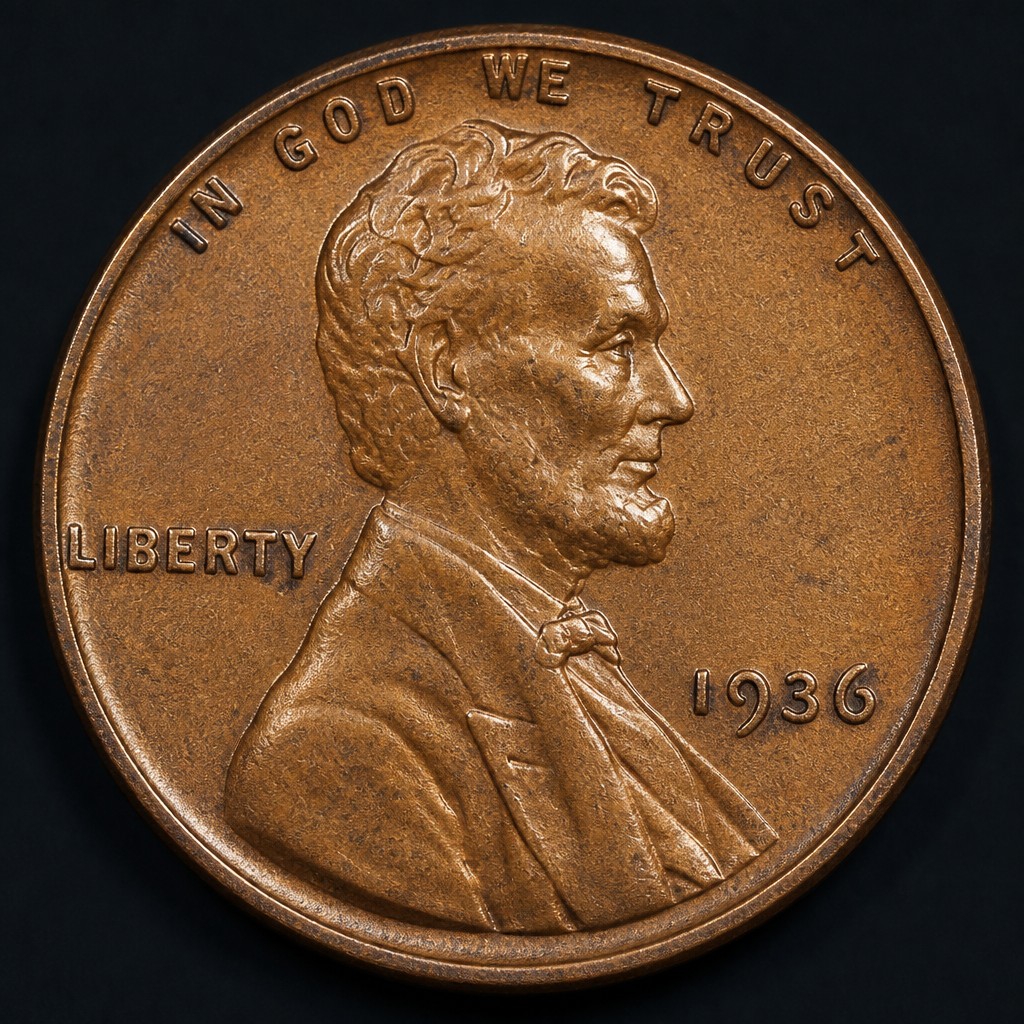
1936 Doubled Die Lincoln Cent
1936
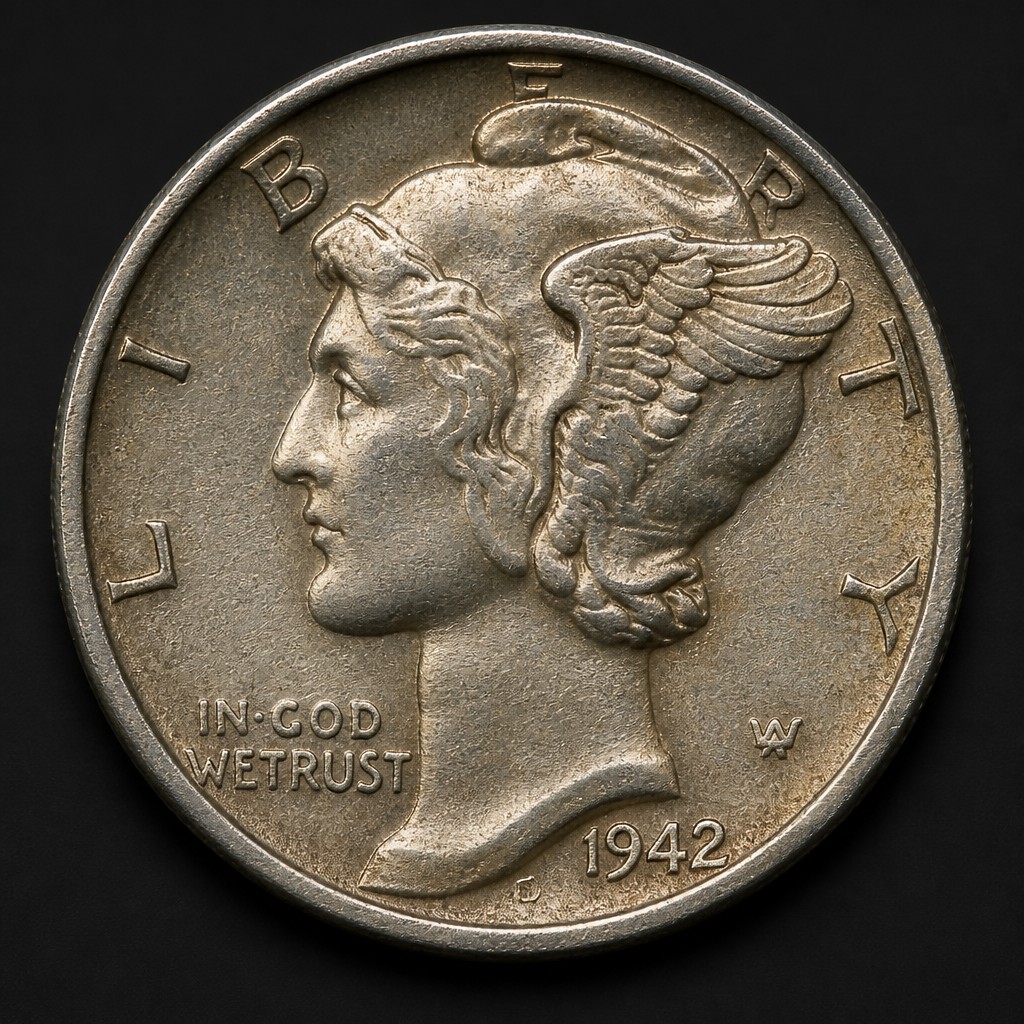
1942/1-D Mercury Dime Overdate
1942
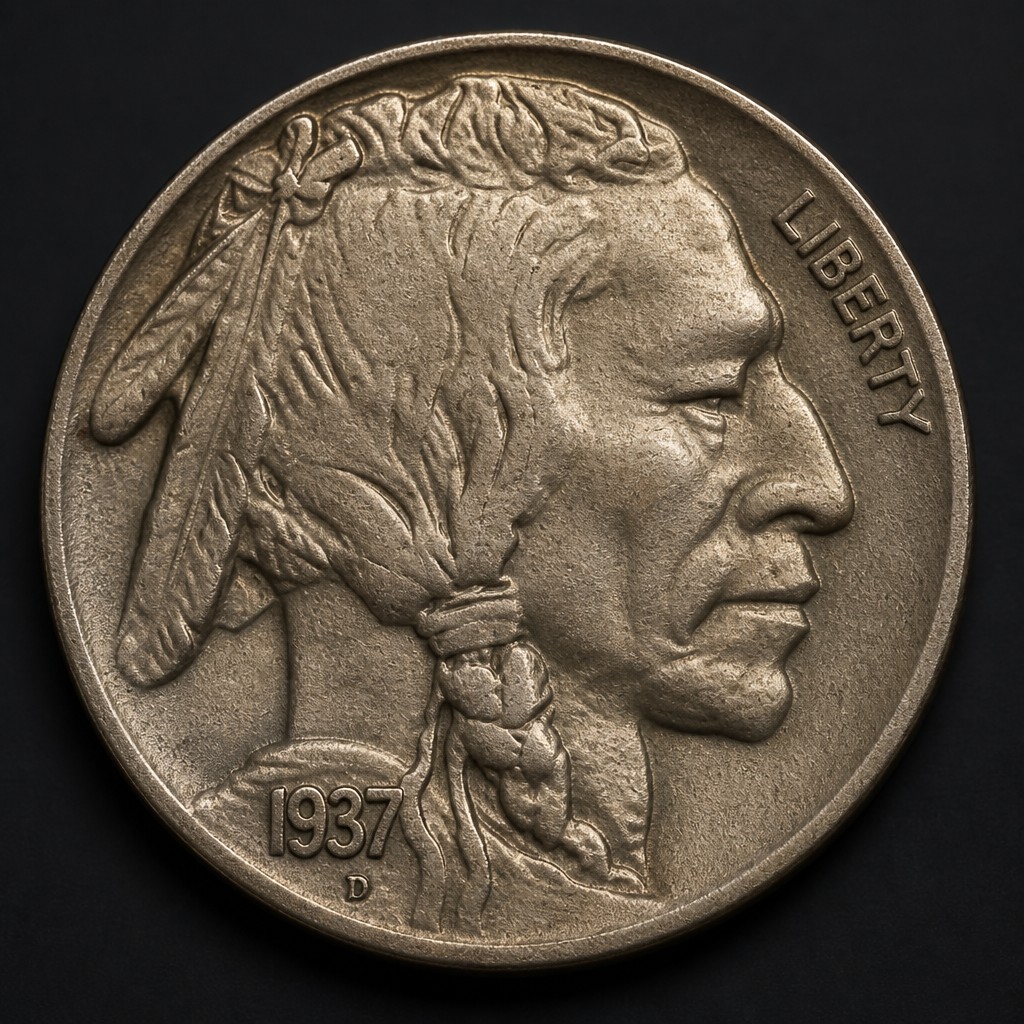
1937-D Three-Legged Buffalo Nickel
1937
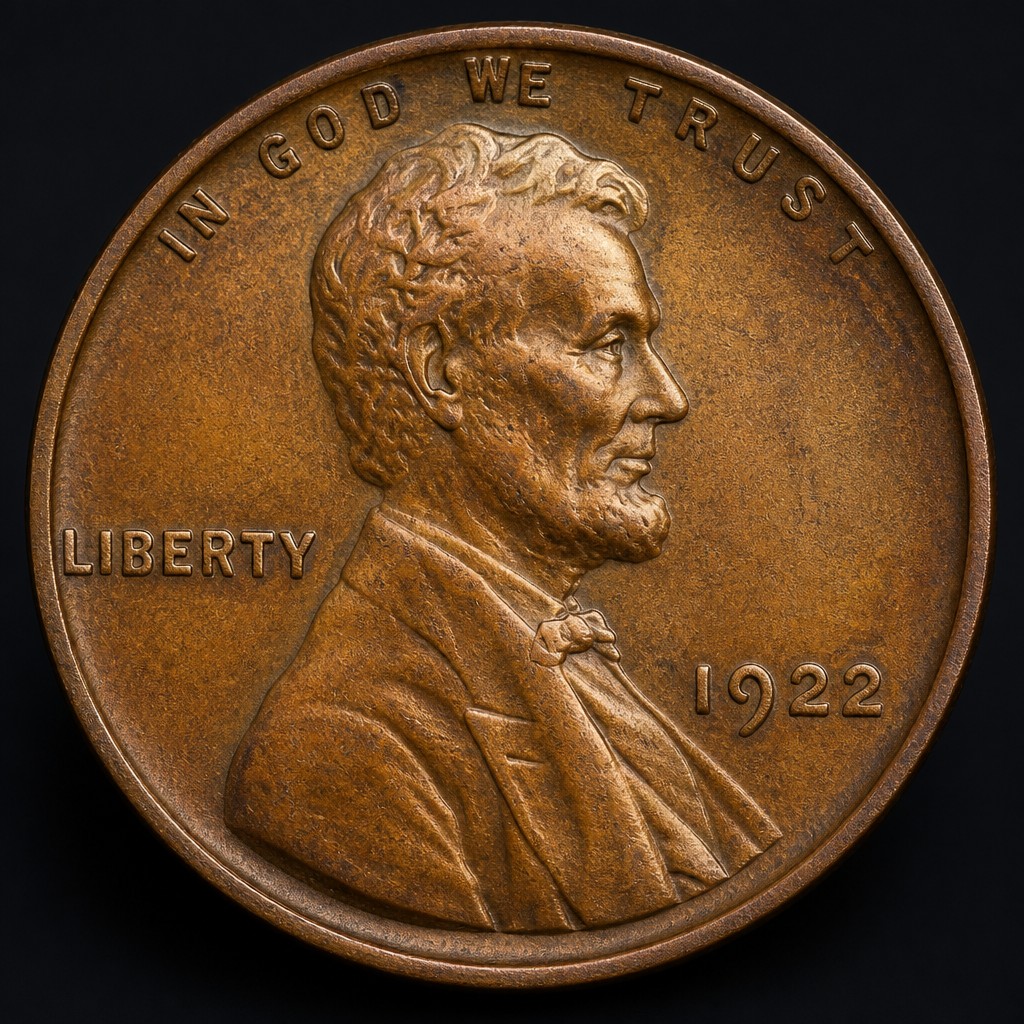
1922 No D Lincoln Cent
1922
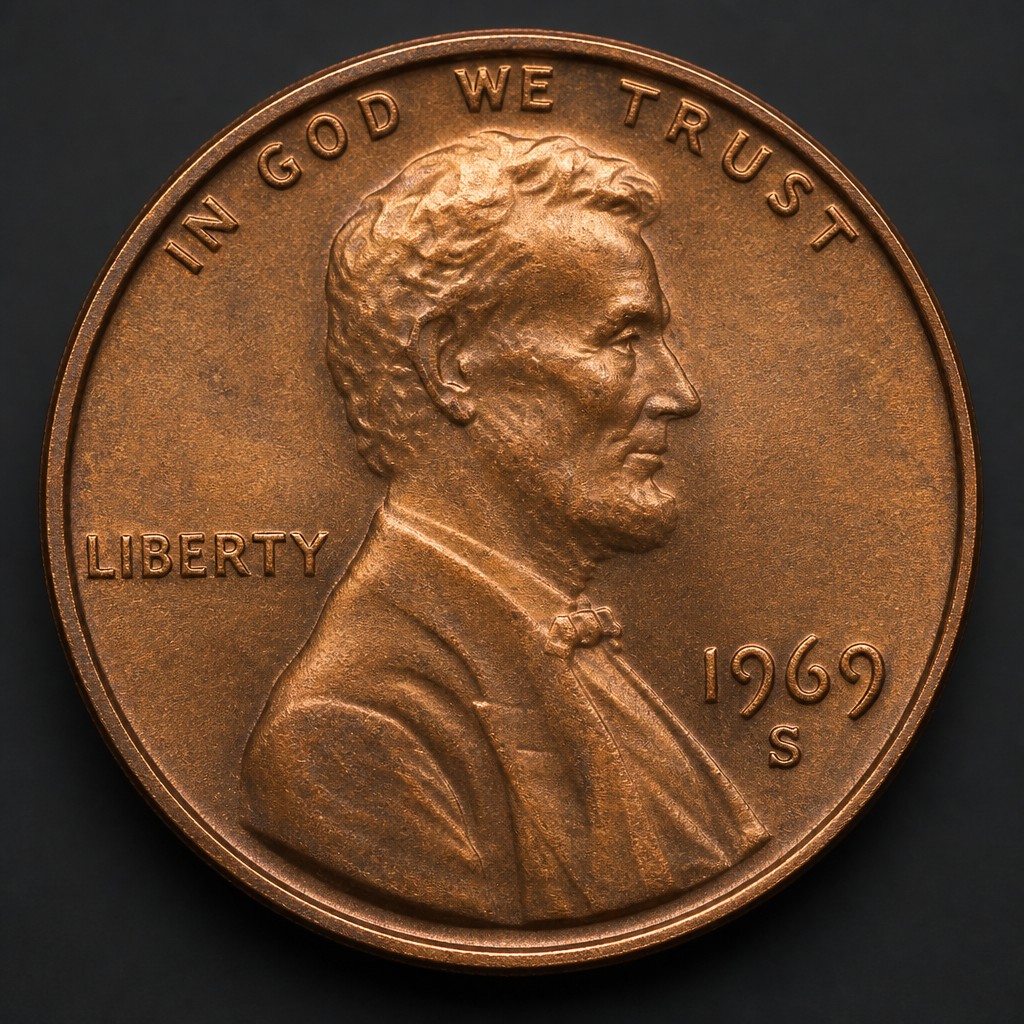
1969-S Doubled Die Lincoln Cent
1969
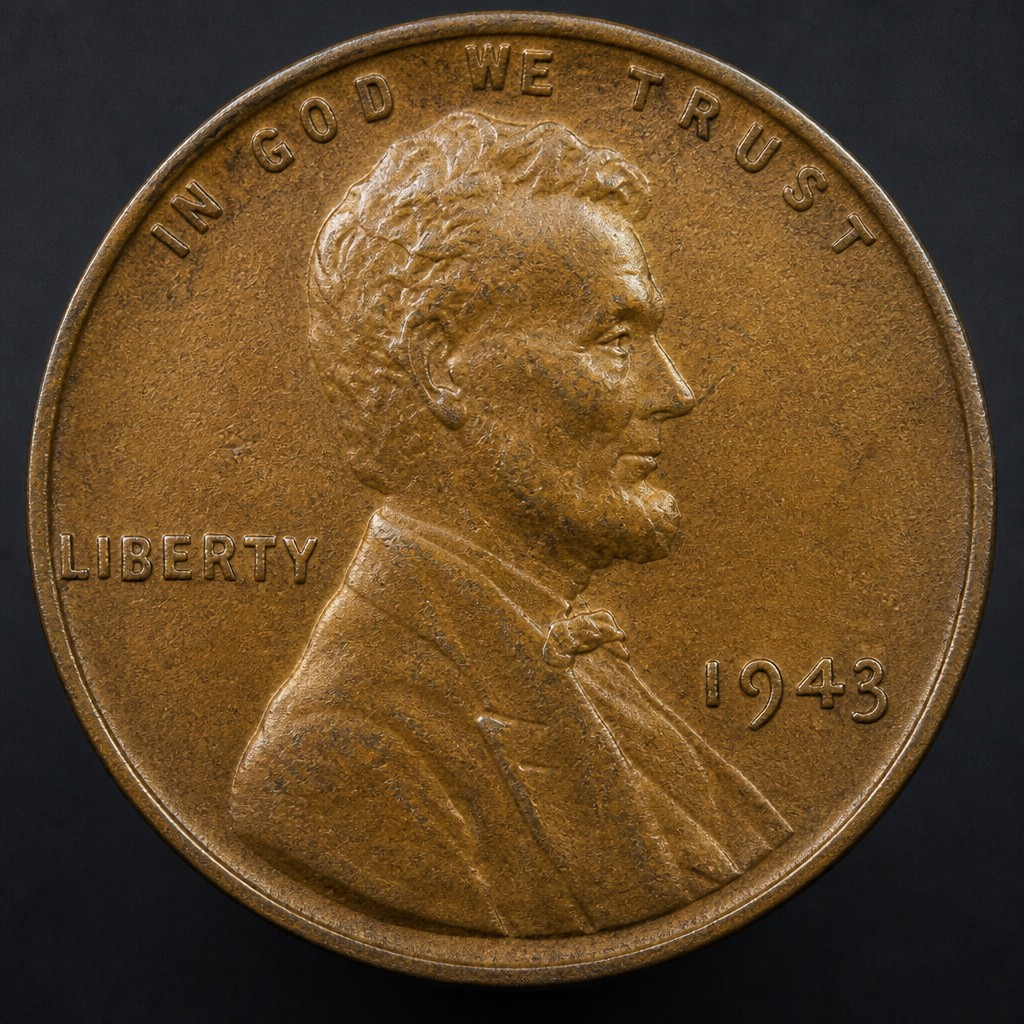
1943 Bronze Lincoln Cent
1943
1968 No S Proof Roosevelt Dime
1968