
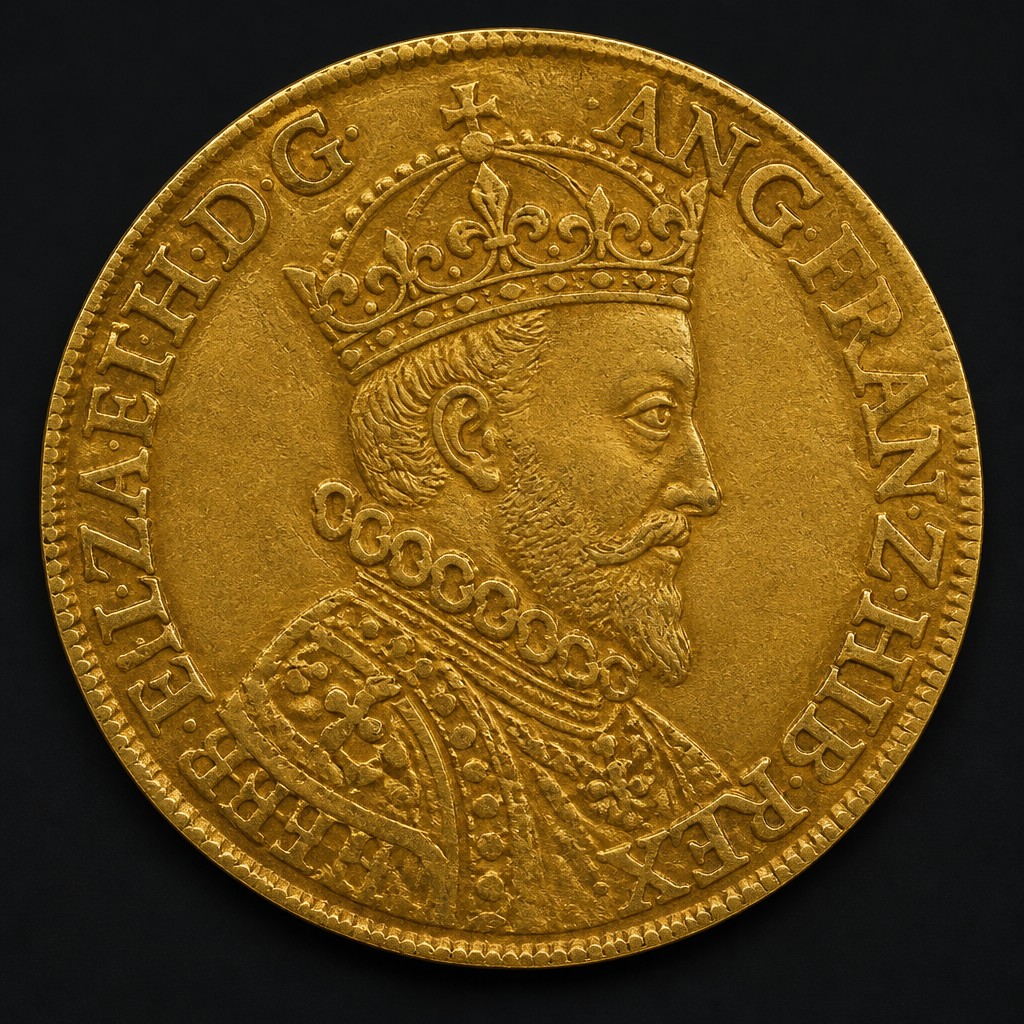
Touchstone Sovereign (Fine Sovereign)
A large, high-value English gold coin struck in especially pure 'fine gold,' valued at thirty shillings and distinguished from the more common crown-gold Sovereign of the same era.
- Country
- England
- Denomination
- Thirty Shillings
- Metal
- Gold (fine gold, approx. 23-carat)
Got a coin like this?
Identify any coin from a photo, free.
Overview
The Fine Sovereign was a premium gold coin issued alongside the more familiar Sovereign, but struck in noticeably purer, higher-carat gold, historically referred to as 'fine gold' or 'touch gold,' and valued at a higher thirty shillings rather than the twenty shillings of the standard crown-gold Sovereign. It represents the top tier of English gold coinage in the Tudor and early Stuart periods.
Collectors value the Fine Sovereign for its rarity, its exceptional gold purity relative to contemporary coinage, and its place as one of the grandest and heaviest gold coins produced by the English mint in this era.
History & Background
During the mid-to-late Tudor period, English gold coinage was struck in two main standards: 'crown gold,' a slightly alloyed standard used for most coins including the ordinary Sovereign, and 'fine gold,' a purer standard reserved for select high-value issues. The Fine Sovereign used this superior fine-gold standard and carried a correspondingly higher face value of thirty shillings.
The Fine Sovereign continued to be struck in various forms through the reigns of Mary I, Elizabeth I, and into the early reign of James I, before evolving alongside broader changes to English gold coinage in the early 17th century that eventually led to denominations like the Unite and Laurel.
How to Identify
The obverse typically shows the monarch enthroned or standing in majesty, holding orb and scepter, a grand, formal image befitting the coin's high value, with a Latin legend of royal titles. The reverse commonly displays a large Tudor rose or a crowned shield of the royal arms, again with a Latin legend.
The Fine Sovereign is notably large and heavy compared to standard crown-gold coinage of the same period, and its purer gold gives it a slightly different color and surface quality that specialists can sometimes detect. Precise attribution depends on comparing the enthroned or standing royal image, legend wording, and any mint marks against the specific issuing reign.
Value & Collectibility
Fine Sovereigns are extremely rare survivors of Tudor and early Stuart gold coinage, and their combination of high gold purity, substantial size, and historical importance makes them among the most valuable English hammered gold coins available to collectors. Well-preserved, clearly struck examples are especially prized.
Given their scarcity, authenticated Fine Sovereigns typically command prices well into the five-figure range and higher, with exact values depending heavily on the specific reign, condition, and documented provenance of the piece.
Frequently asked questions
What made a coin 'fine gold' versus 'crown gold'?
Fine gold was a purer, higher-carat standard reserved for select high-value coins, while crown gold contained a bit more alloy and was used for most regular gold coinage.
Why was the Fine Sovereign worth more than the regular Sovereign?
Its higher gold purity and larger size justified a face value of thirty shillings compared to the standard Sovereign's twenty shillings.
Which monarchs issued Fine Sovereigns?
They were struck across parts of the Tudor period and into the early reign of James I, including issues associated with Mary I and Elizabeth I.
Are Fine Sovereigns common today?
No, they are quite rare, and surviving examples are eagerly sought by specialist collectors of English hammered gold.
Other coins you may enjoy
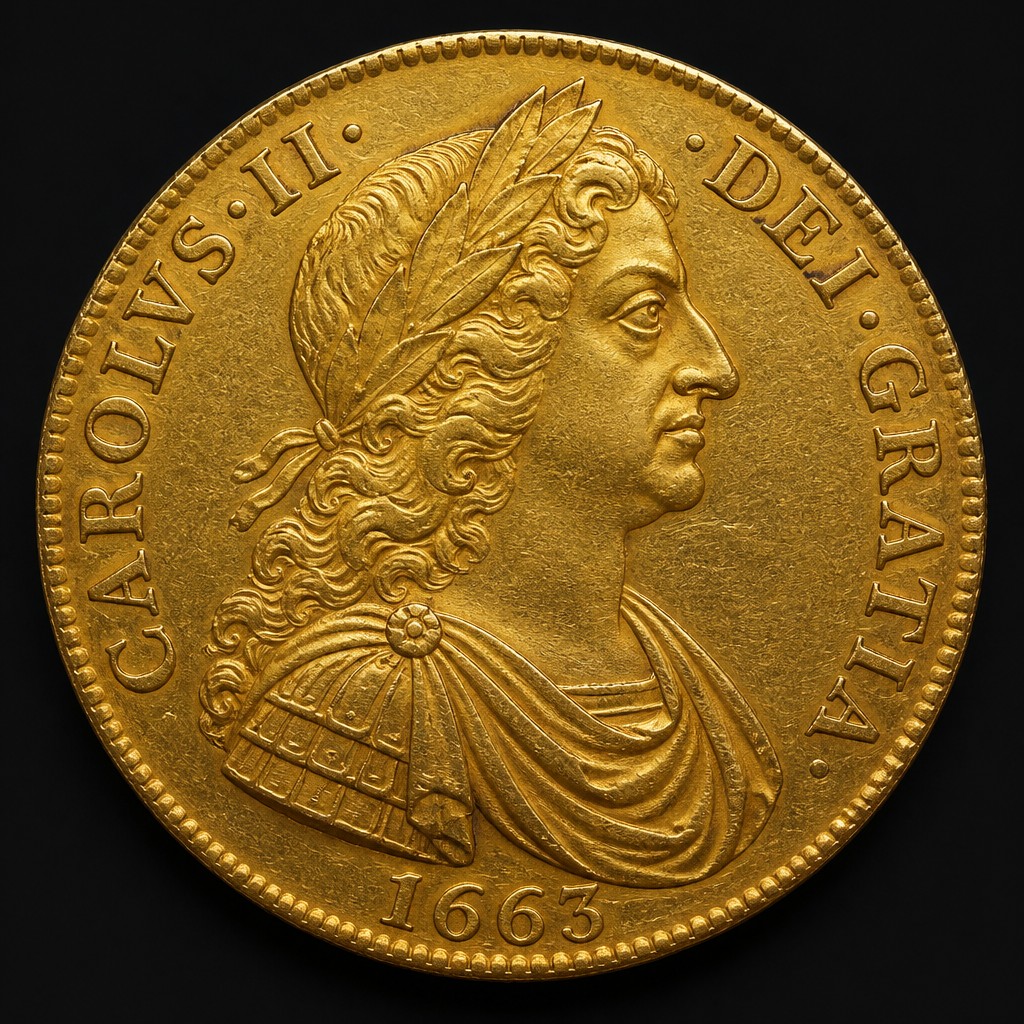
British Guinea
1663–1814
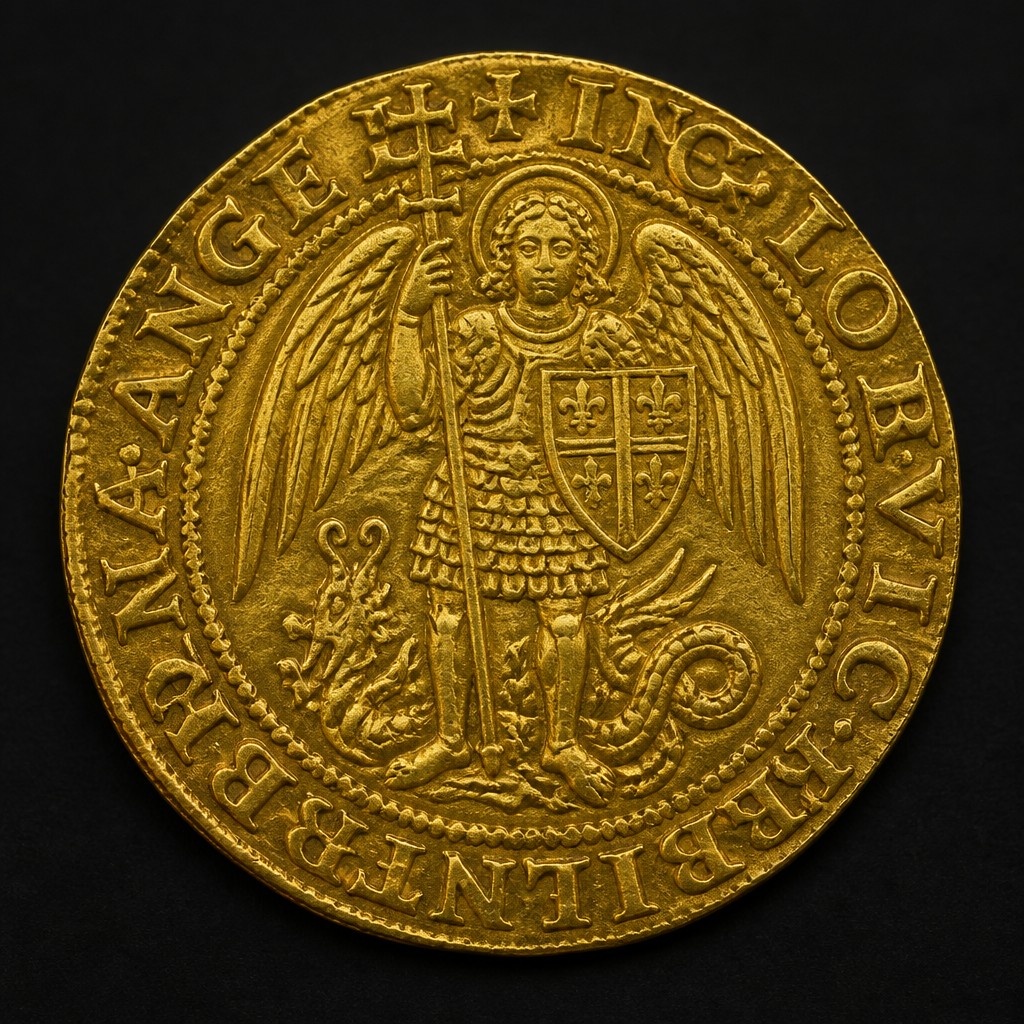
English Angel
1465–1642
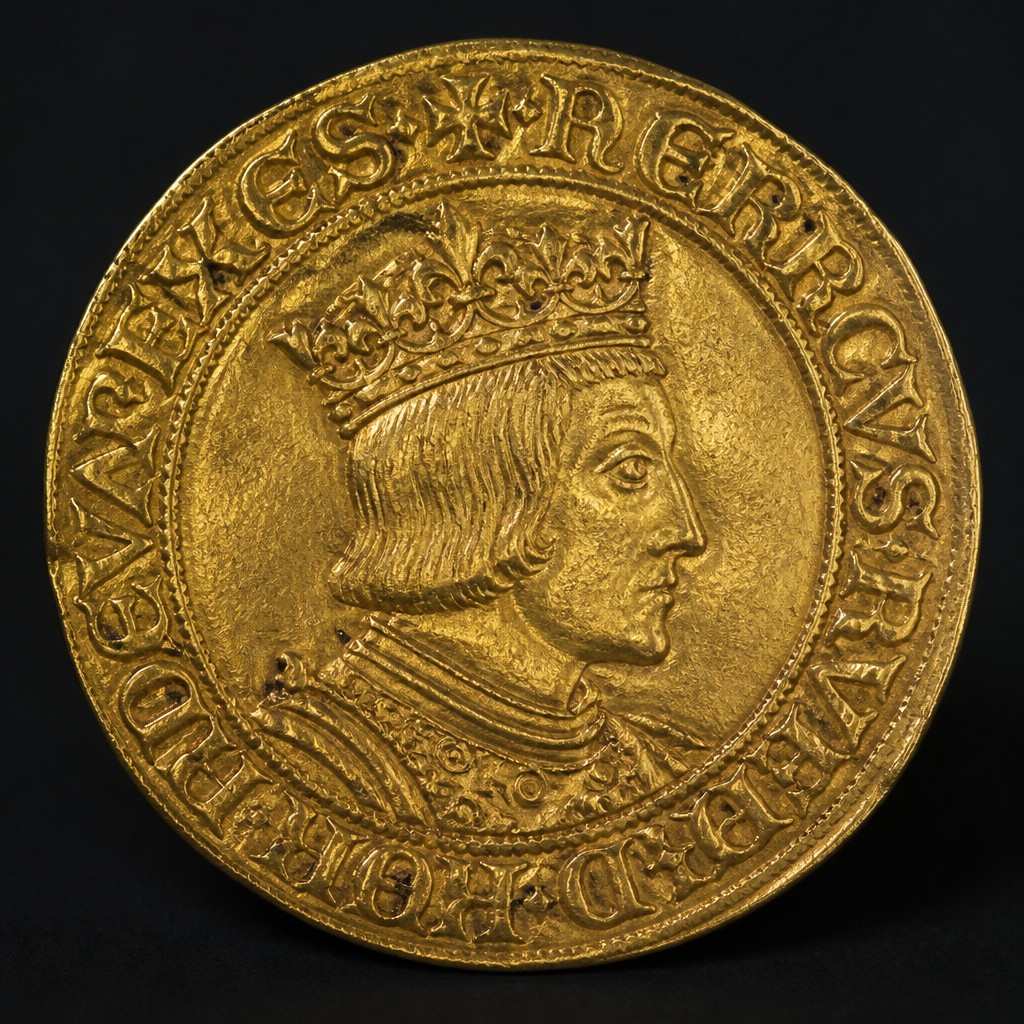
English Sovereign of Henry VII
1489–1509
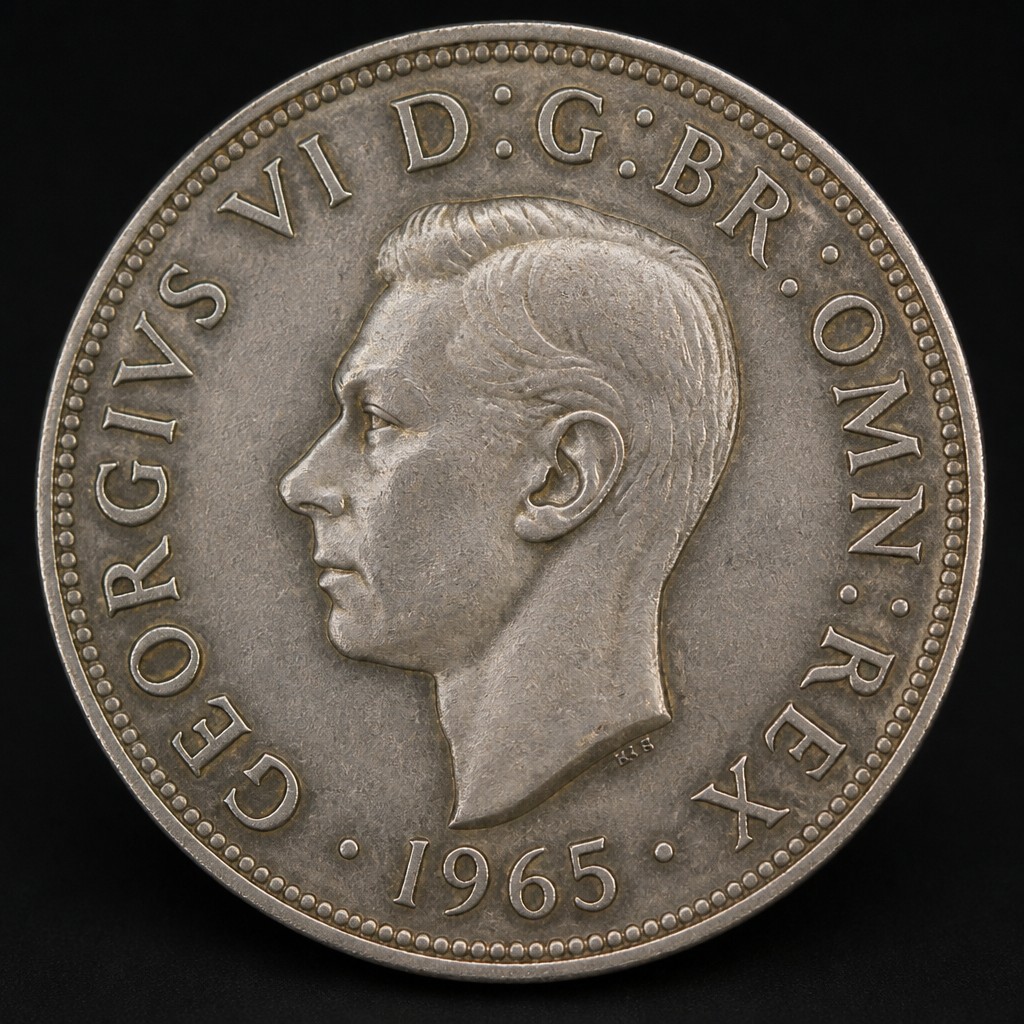
English Crown
1526–1965 (pre-decimal; commemorative crown-sized coins continue as five pound coins)
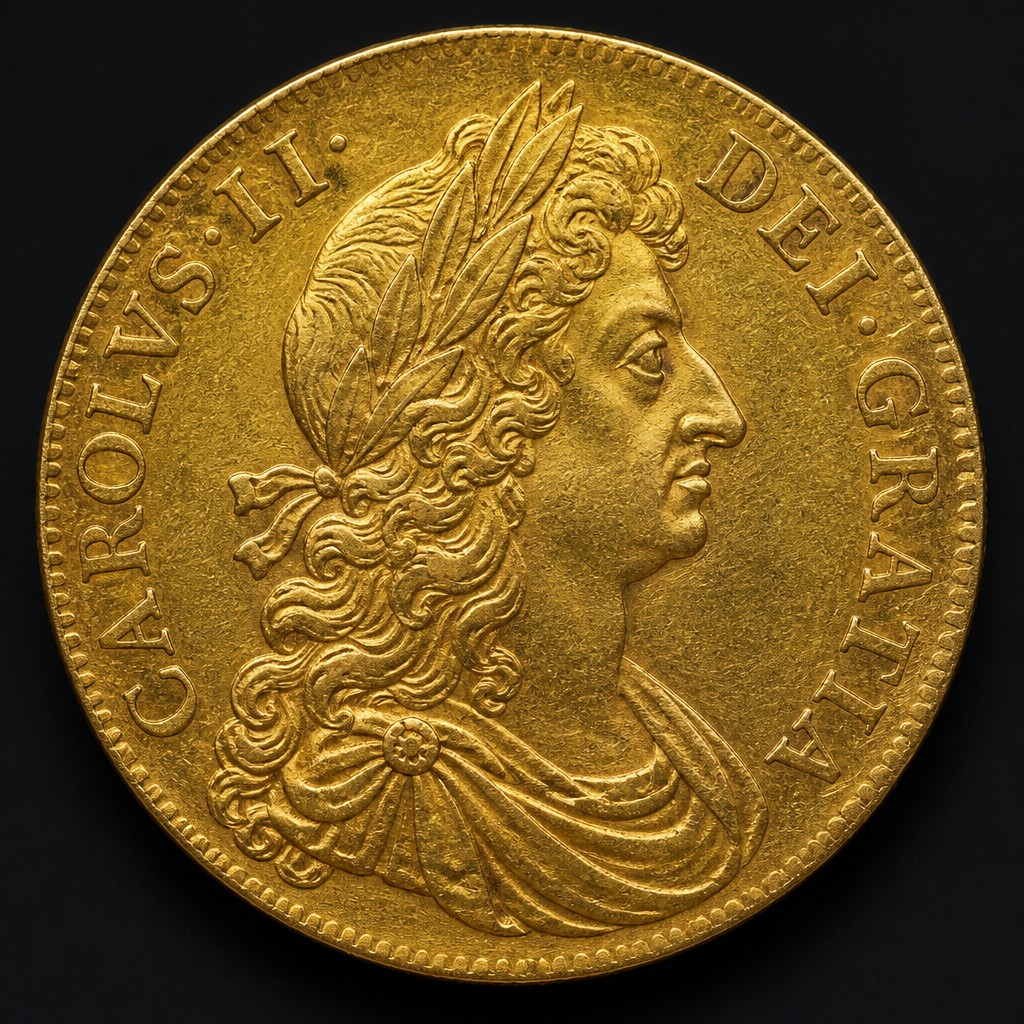
British Gold Guinea
1663–1814
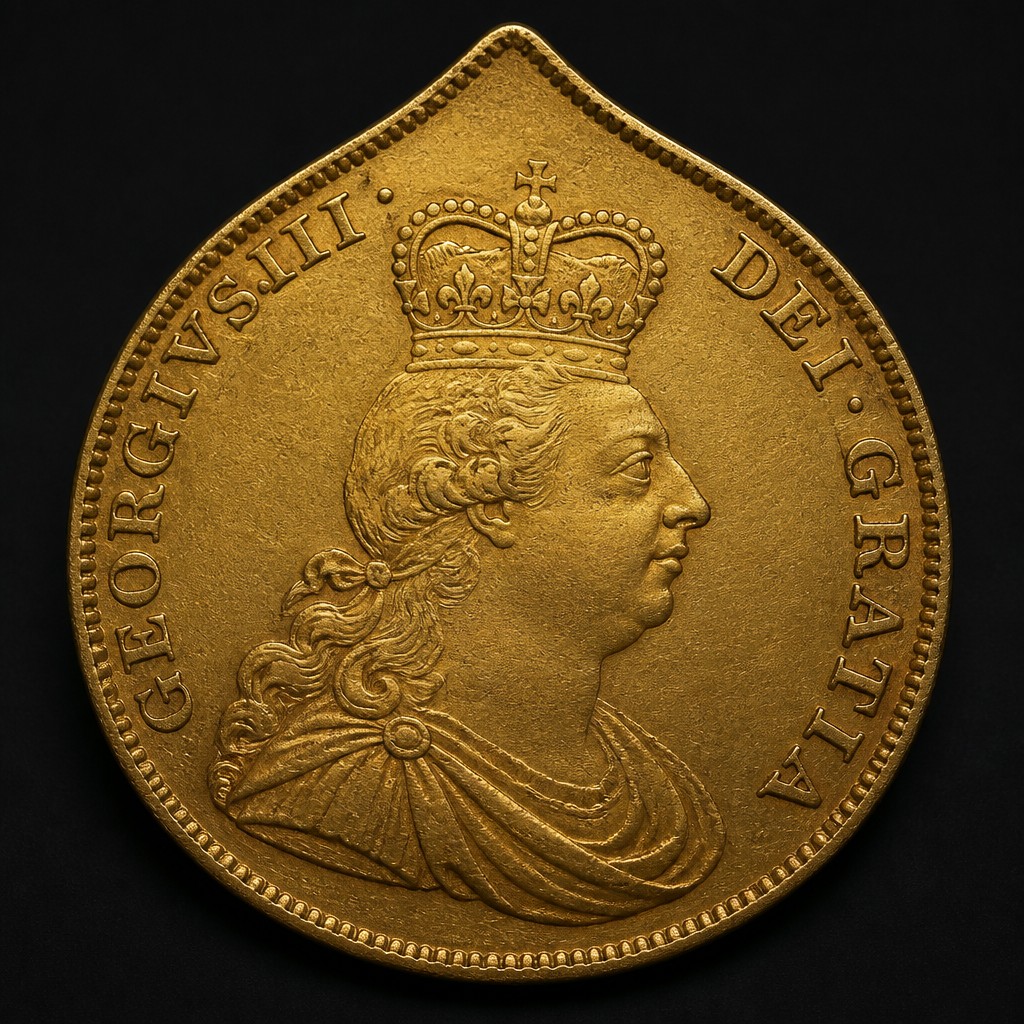
Spade Guinea
1787–1799
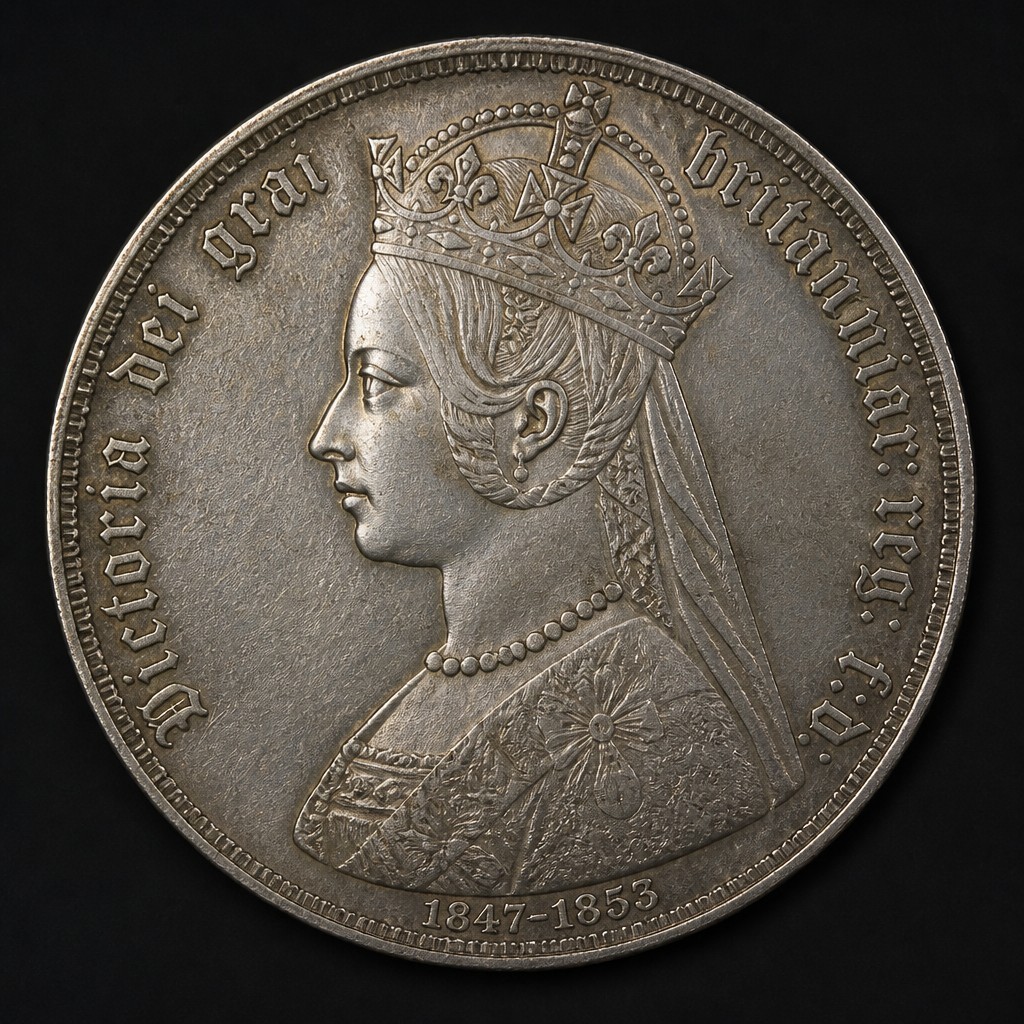
Gothic Crown
1847–1853
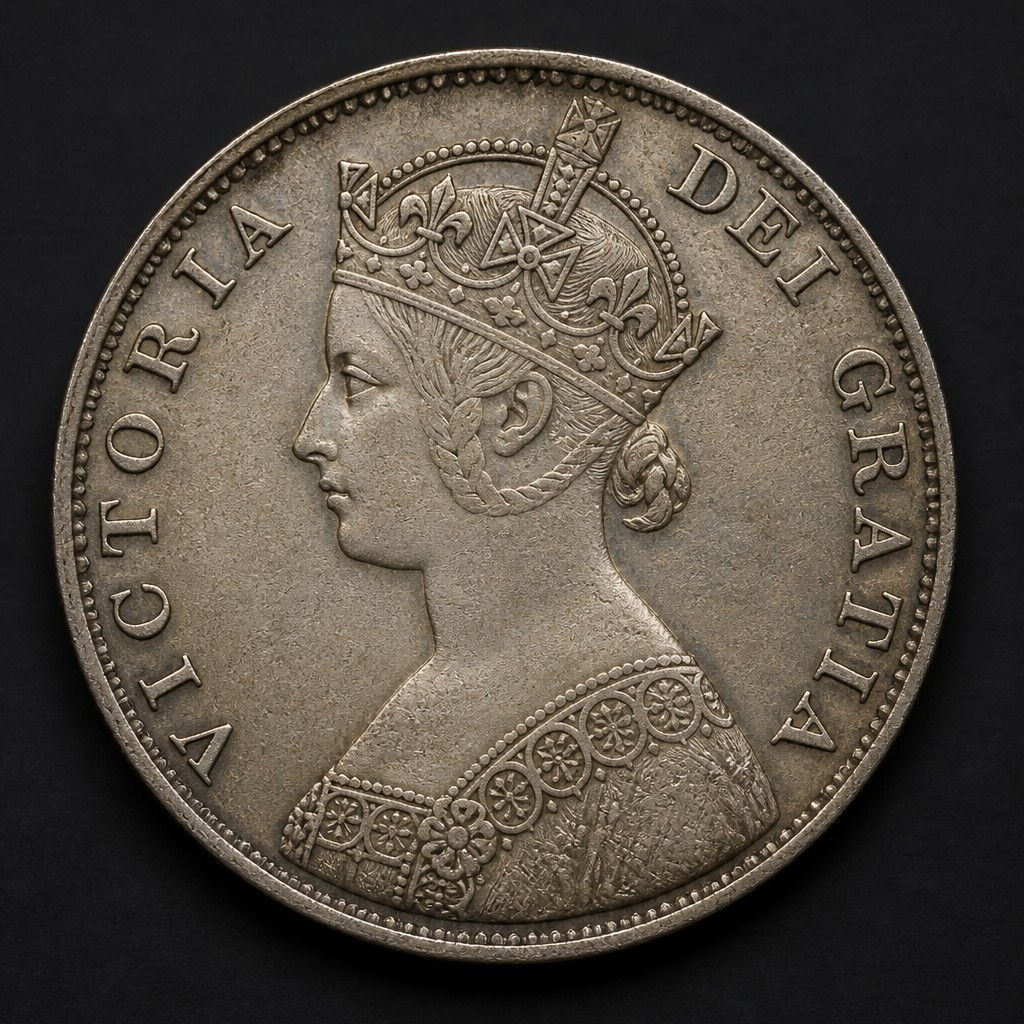
Groat (Fourpence)
1279–1888 (various revivals)
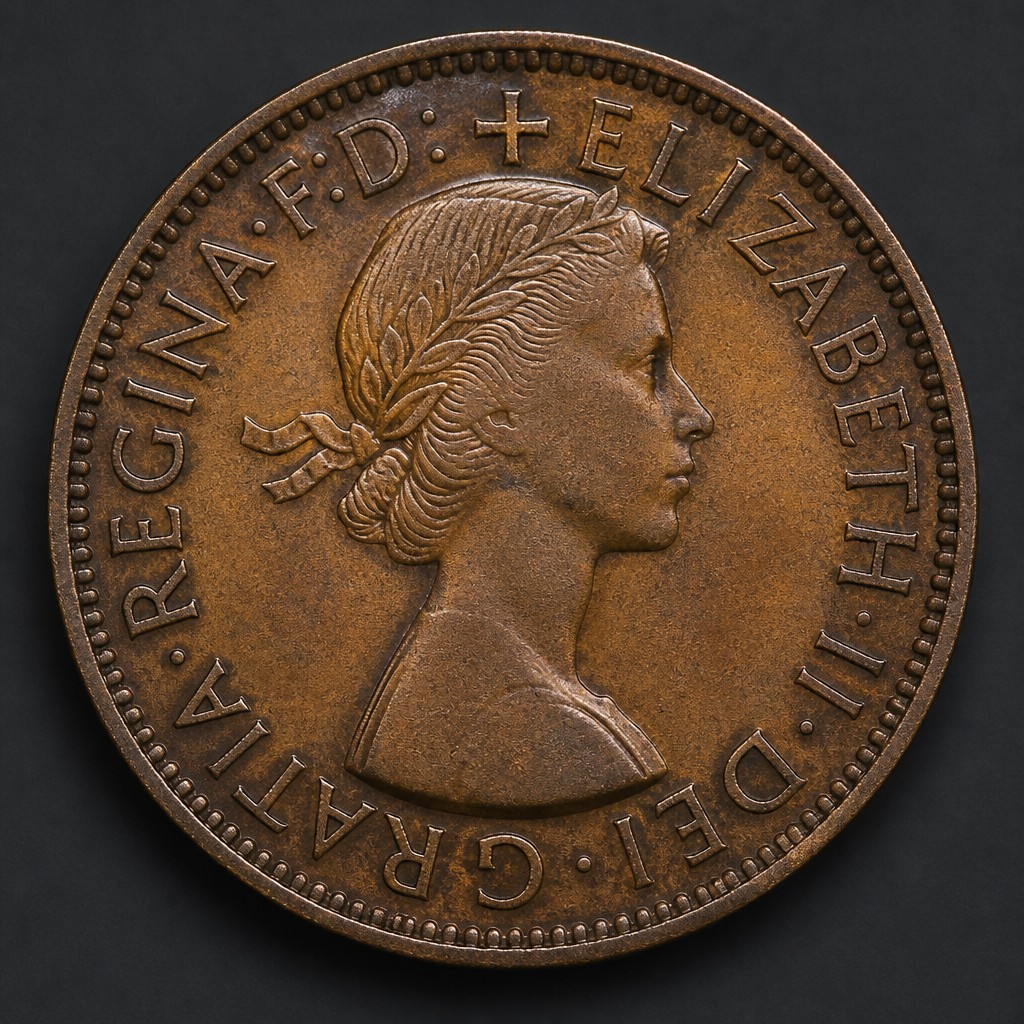
Farthing
13th century–1956
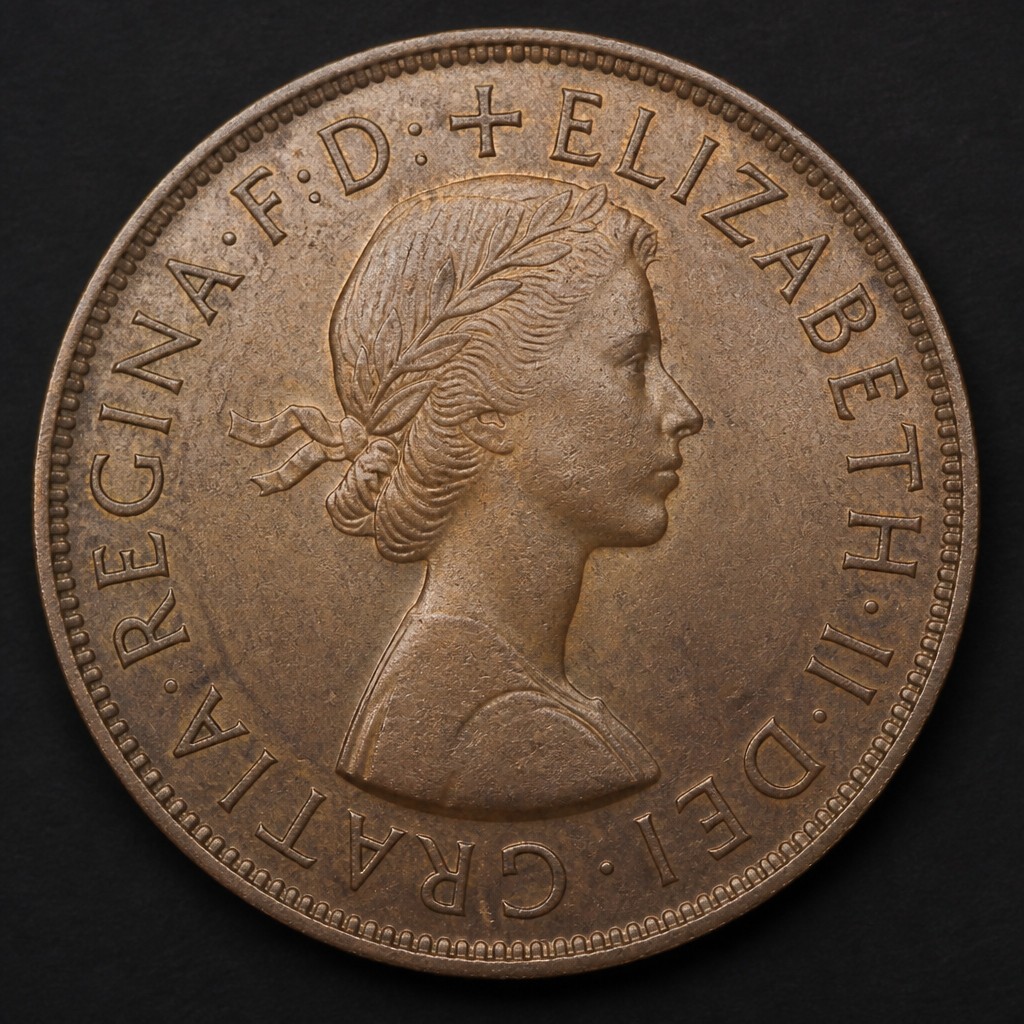
Halfpenny
c. 800s–1969
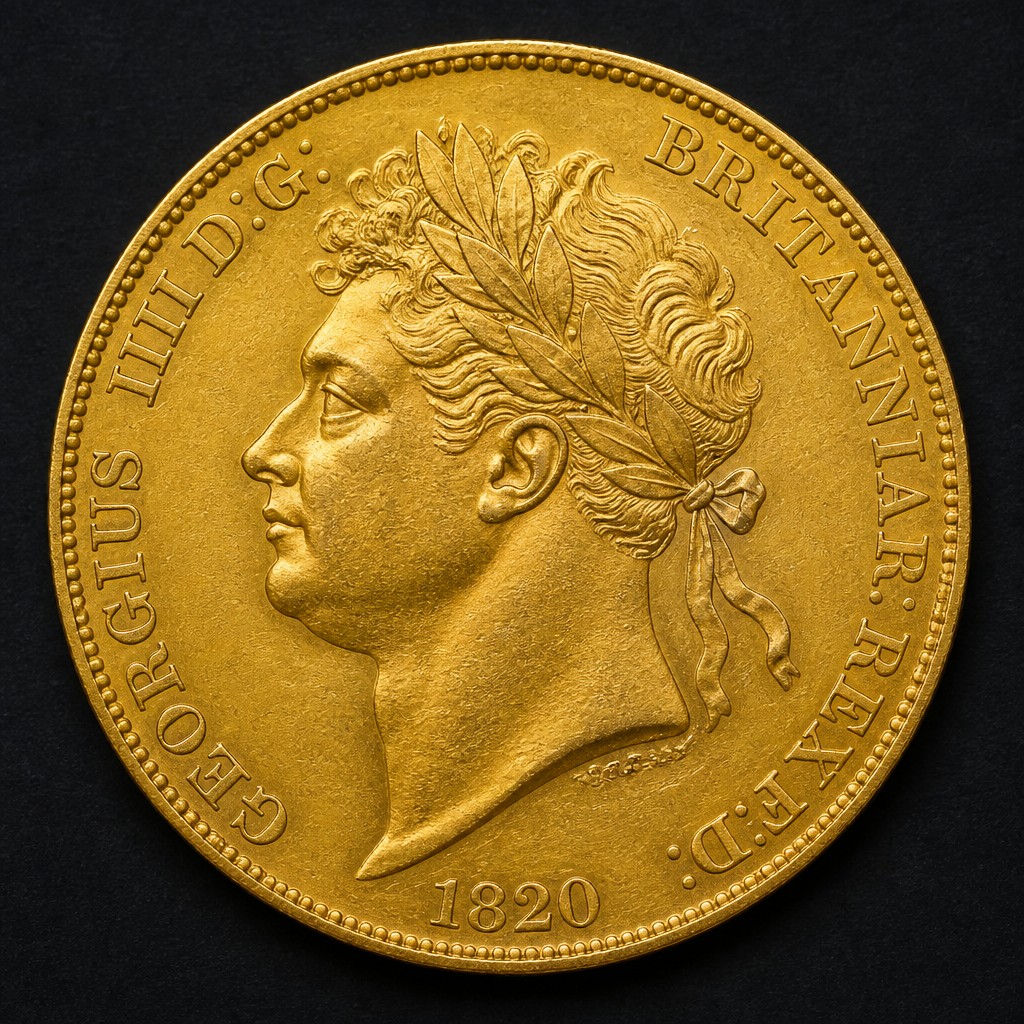
Five Pound Gold (Quintuple Sovereign)
1820–present (intermittent)
Threepence
1547–1970