
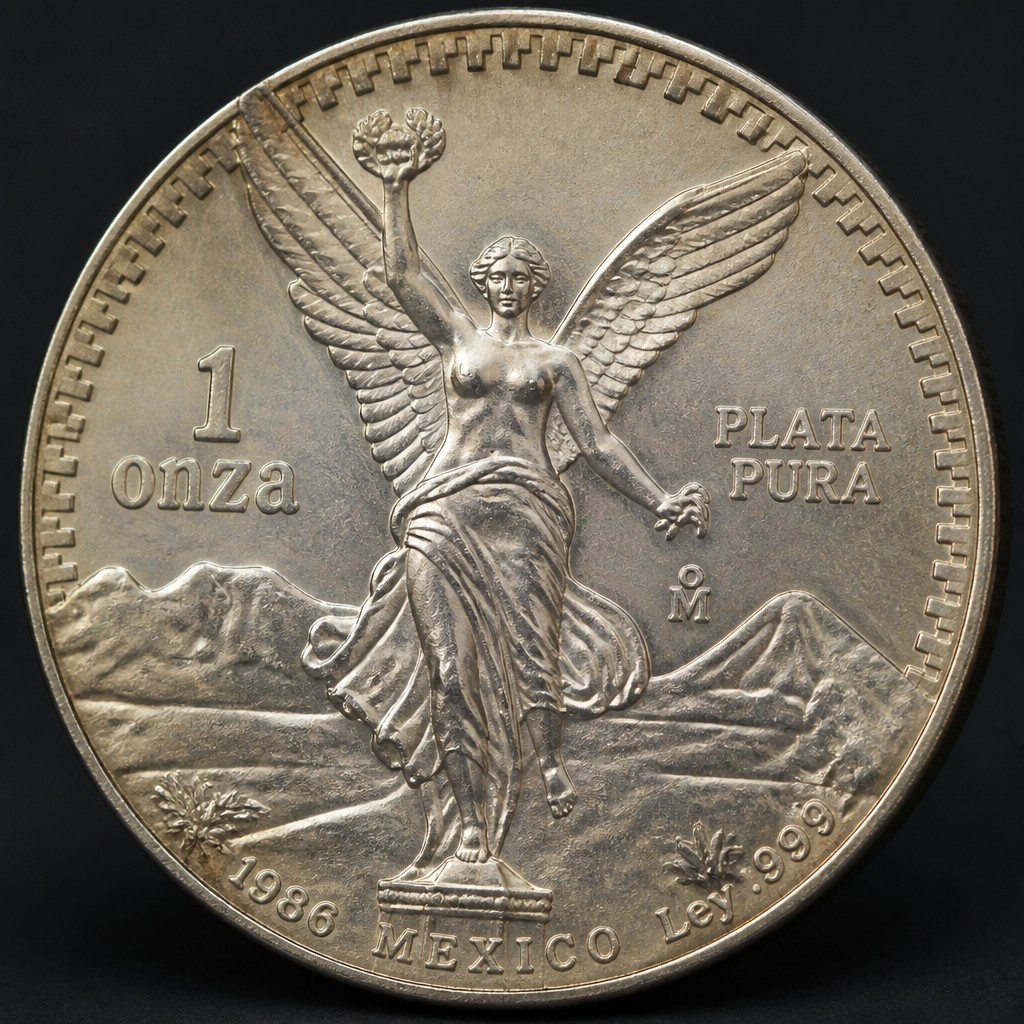
Mexican Libertad
Mexico's flagship bullion coin, featuring the Angel of Independence on the obverse and the national coat of arms on the reverse, prized for its classic design and high purity.
- Country
- Mexico
- Denomination
- No stated face value (bullion coin)
- Metal
- 99.9% fine silver or 90-99.99% fine gold depending on issue
Got a coin like this?
Identify any coin from a photo, free.
Overview
The Mexican Libertad is Mexico's premier bullion coin, struck by the Casa de Moneda de México, one of the oldest mints in the Americas, tracing its origins to the Spanish colonial era. Issued in both gold and silver versions, the Libertad is distinguished by its lack of a stated monetary face value, an unusual feature among government bullion coins, which instead rely on their weight and purity as the basis of value.
The design draws directly from Mexico's historic 50 peso gold coin (the "Centenario"), reusing the iconic Angel of Independence, or Winged Victory, obverse and the national coat of arms reverse featuring the eagle and serpent from Mexican legend. This visual continuity links the modern bullion series to a design lineage stretching back to the early 20th century.
The silver Libertad in particular has built a strong following among collectors because its reverse background design changes periodically to incorporate different historical Aztec calendar stone imagery or other subtle background variations across different years, adding a layer of date-specific interest beyond the core weight-based silver Libertads.
History & Background
The Mexican gold Libertad was introduced in 1981, followed by the silver version in 1982, created to give Mexico a modern precious metals bullion product for the growing global market for gold and silver investment coins that emerged following the end of the Bretton Woods gold standard system in the 1970s. The Casa de Moneda de México, which has operated continuously since the 16th century, was a natural steward for the new series.
Rather than create an entirely new design, Mexico's mint drew on the beloved imagery of the earlier 50 peso Centenario gold coin, first struck in 1921 to commemorate the centennial of Mexican independence, reusing sculptor Antonio Guadalupe Gorozpe's Angel of Independence design as the Libertad's obverse. This choice tied the new bullion coin to a deeply significant national symbol already familiar to Mexican collectors and the public.
Over the following decades, the Libertad expanded into a full range of gold and silver weights, including fractional sizes and larger formats, and gained a reputation among global bullion buyers for combining strong national symbolism with reliable purity standards set by the Mexican government.
How to Identify
The obverse of the Libertad shows the Angel of Independence, a winged female figure holding a broken chain in one hand and a laurel wreath in the other, standing atop a pedestal with Mexico's iconic Popocatépetl and Iztaccíhuatl volcanoes in the background, with "MEXICO" arched above and the year of issue below.
The reverse displays Mexico's national coat of arms, a golden eagle perched on a prickly pear cactus devouring a serpent, encircled by the shields of Mexico's historical states in a version unique to the Libertad series. The silver Libertad's background behind the coat of arms has varied over different periods, incorporating subtle design elements that collectors track closely, while the gold Libertad's design has remained comparatively more consistent.
Silver Libertads are struck in .999 fine silver and gold Libertads in .900 or .999 fine gold depending on era and denomination, available in weights ranging from small fractional sizes up to 1 kilogram for silver. Notably, the coin bears no stated peso face value, distinguishing it from coins like the American Silver Eagle or Canadian Maple Leaf which display a nominal legal tender denomination; buyers should look for "MEXICO," the year, and weight/purity markings to confirm authenticity.
Value & Collectibility
Silver Libertads generally trade at a premium over spot silver price that is often higher than more common bullion coins like the American Eagle or Canadian Maple Leaf, reflecting lower mintages and strong demand among specialist collectors, especially for the 1 oz size. Gold Libertads similarly carry a premium tied to their gold content, rarity, and the coin's cultural significance.
Certain early years of the silver Libertad, particularly from the 1980s when mintages were comparatively low, along with proof and special finish versions, can command notably higher premiums than common bullion-strike dates. Larger silver formats such as the 1 kilogram Libertad also attract dedicated collector interest.
Because the series lacks a face value and is purely metal-content driven at its base, overall pricing tracks precious metal spot prices closely, with the Libertad-specific premium fluctuating based on mintage year, condition, and ongoing demand from Mexican and international collectors.
Frequently asked questions
Why doesn't the Libertad have a face value?
Unlike most government bullion coins, the Libertad was designed without a stated peso denomination, relying entirely on its metal weight and purity for value.
What is the design based on?
The Angel of Independence obverse and coat of arms reverse are adapted from Mexico's historic 1921 50 peso Centenario gold coin.
What purity are Libertad coins?
Silver Libertads are typically .999 fine silver, while gold Libertads have been struck in either .900 or .999 fine gold depending on the specific issue.
Are older silver Libertads worth more than current issues?
Many early 1980s silver Libertads had lower mintages and can carry higher collector premiums, but value depends on specific year, condition, and demand.
What sizes does the silver Libertad come in?
It has been issued in a range of weights from small fractional ounces up to a 1 kilogram format, in addition to the standard 1 oz coin.
Other coins you may enjoy
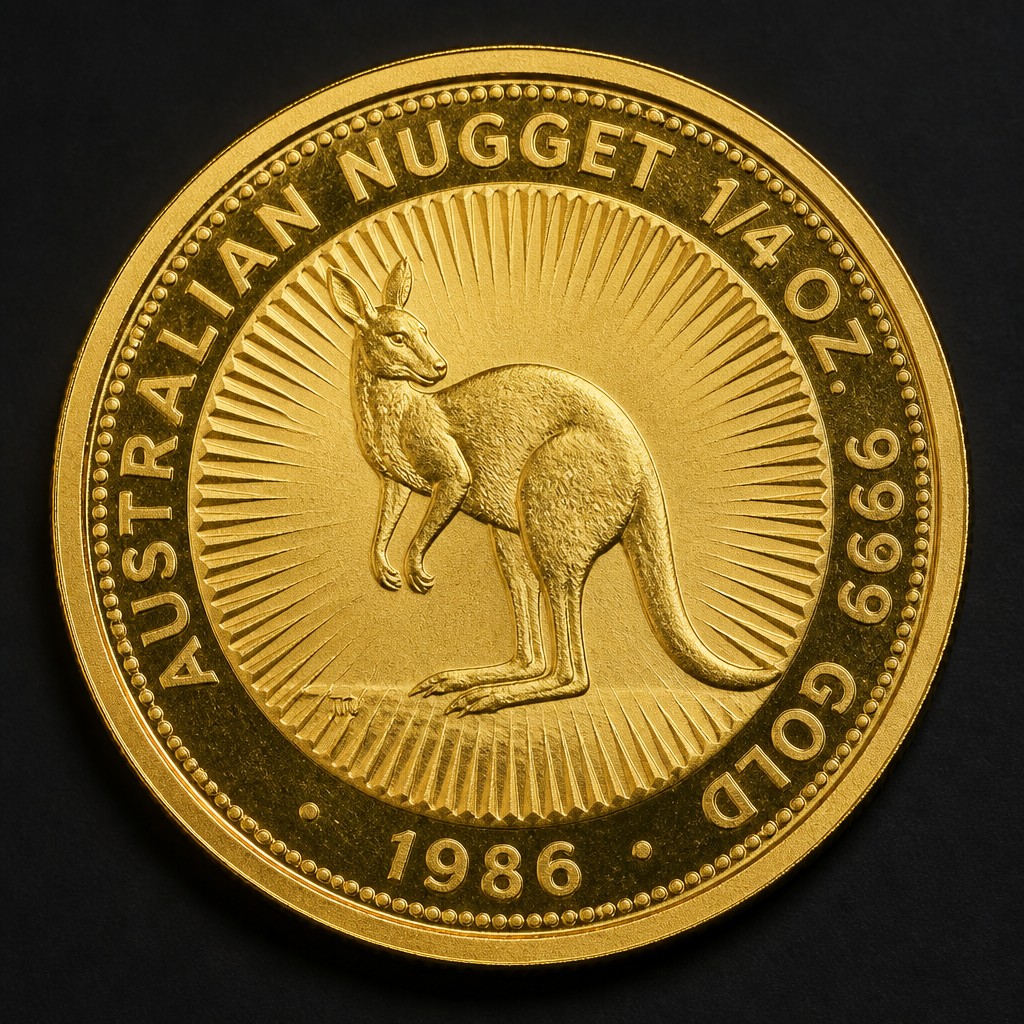
Australian Kangaroo Gold Nugget
1986-present
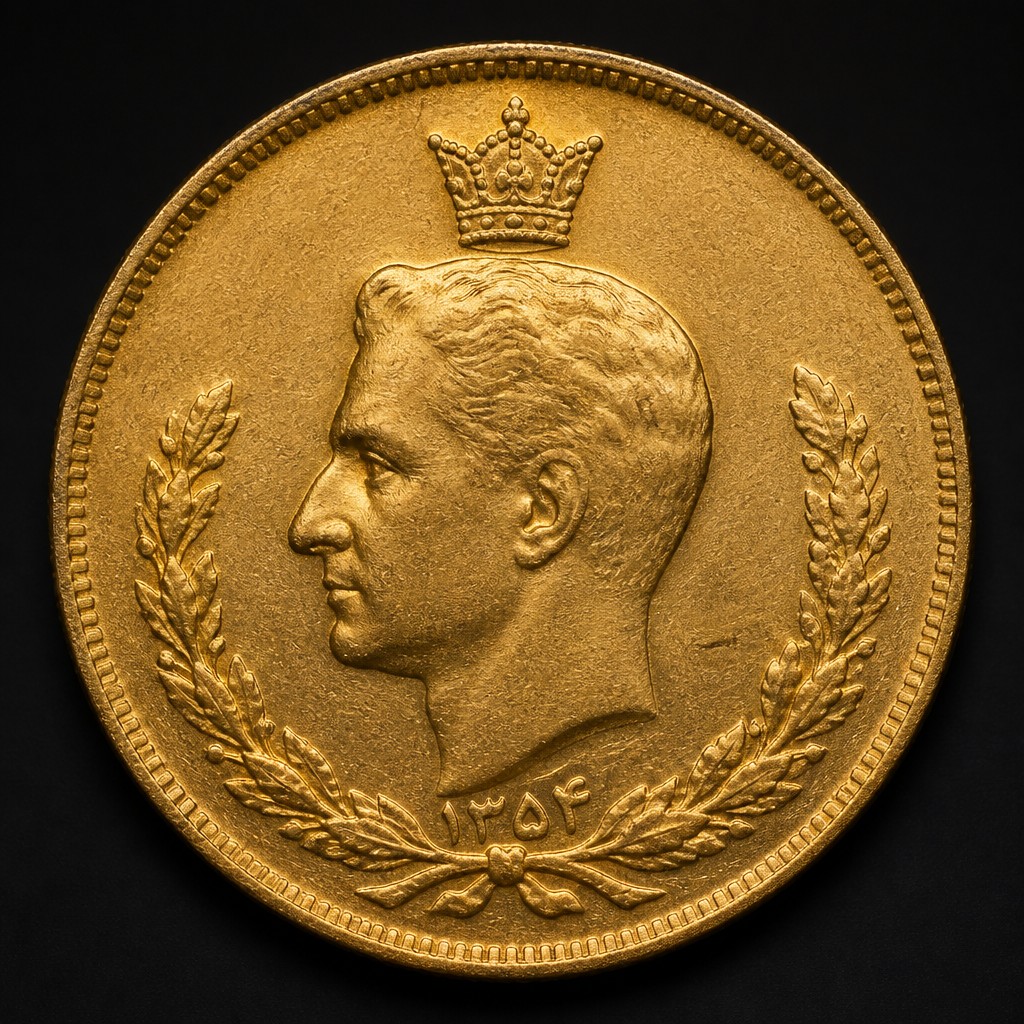
Iranian Pahlavi Gold Coin
1925–1979
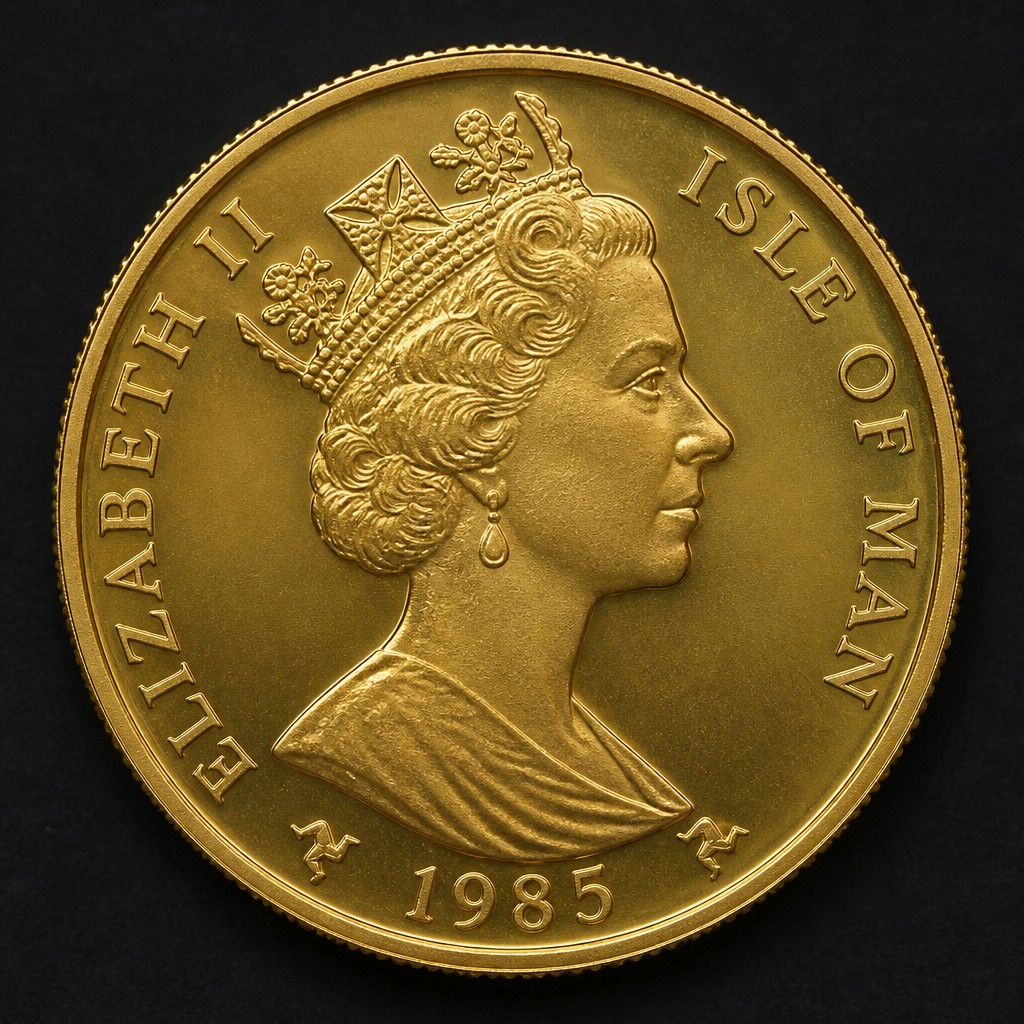
Isle of Man Angel Gold Coin
1984–present
Australian Lunar Series (Perth Mint)
1996–present
Australian Koala (Perth Mint)
1990-present (gold); 2007-present (silver)
Perth Mint Silver Swan
2017–present
Australian Platinum Koala
1988–present
New Zealand Mint Silver Kiwi
2006–present
British Silver Landmarks of Britain
2020s–present
American Palladium Eagle
2017–present
Niue Silver Owl (Athenian)
2010s–present
South African Silver Krugerrand
2017–present