
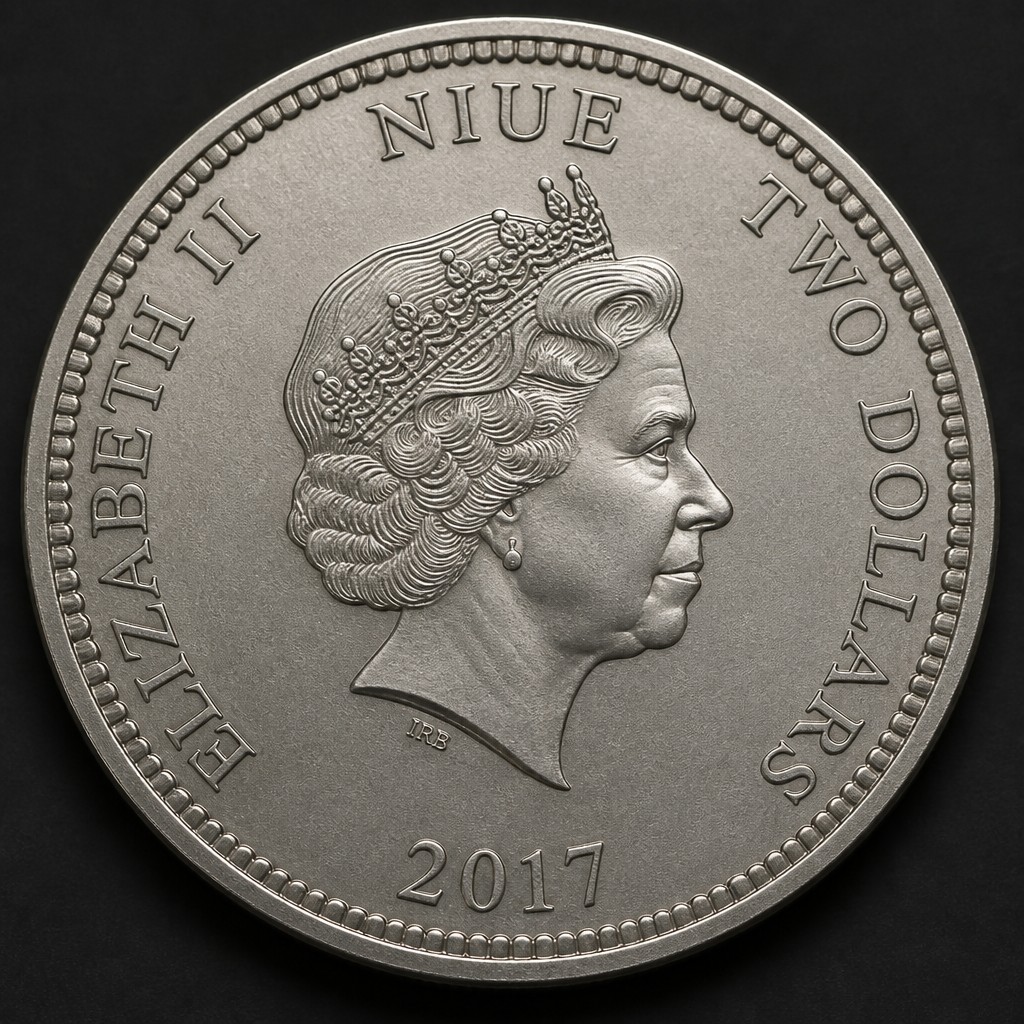
Niue Silver Owl (Athenian)
A modern silver bullion coin issued in the name of Niue, reviving the design of the ancient Athenian owl tetradrachm as a tribute to classical coinage.
- Country
- Niue
- Denomination
- Varies (typically small Niue dollar denomination)
- Metal
- Silver .999 fine
Got a coin like this?
Identify any coin from a photo, free.
Overview
The Niue Silver Owl is a modern bullion coin that pays homage to one of the most famous coins of the ancient world, the Athenian tetradrachm, which featured the goddess Athena and her sacred owl. Issued as legal tender of Niue, a small Pacific island nation that partners with private mints to produce collector and bullion coins, the piece lets modern buyers own a silver coin styled after classical Greek numismatic art.
Unlike a genuine ancient Athenian owl, which was struck over two thousand years ago in a small, irregular flan, the Niue version is a precisely struck modern bullion round with contemporary weight and purity standards, aimed squarely at today's silver stacking and collector market.
The coin belongs to a broader trend of small nations like Niue, Cook Islands, and Tokelau lending their legal tender status to privately produced silver and gold coins with historically or artistically themed designs.
History & Background
Niue, like several other small Pacific and Caribbean nations, has partnered with commercial mints to issue coins under its name as legal tender, generating revenue while giving mints access to sovereign coin-issuing status. The Athenian Owl design was selected as a tribute to one of history's most influential and recognizable coin types, the silver tetradrachm struck by ancient Athens beginning in the late 6th century BC.
The modern Niue Owl coins are part of a wider revival trend in which private mints recreate iconic ancient designs, such as Greek owls or Macedonian staters, in modern bullion formats for collectors who admire classical numismatic art but want a coin in investment-grade condition and purity.
How to Identify
The obverse of the Niue Silver Owl typically reproduces the classic Athenian design: the helmeted head of the goddess Athena in profile. The reverse mirrors the ancient prototype, showing an owl standing with an olive sprig and crescent moon, along with the Greek letters "ΑΘΕ" referencing Athens, adapted onto a modern coin blank.
Unlike the genuine ancient coin, the Niue version carries modern inscriptions identifying it as legal tender of Niue, along with its weight, ".999 silver" fineness, and year of issue, usually in a small typeface along the coin's edge or peripheral field. The coin's flawless, perfectly round strike and even, machine-made finish distinguish it immediately from a genuine ancient owl, which would show hand-struck irregularities, ancient die wear, and centuries of circulation or burial wear.
Value & Collectibility
As a modern bullion coin, the Niue Silver Owl's value is based primarily on its silver content plus a modest premium for the design and Niue's legal tender backing, rather than any ancient numismatic rarity. It should never be confused in value with a genuine ancient Athenian tetradrachm, which is a historical artifact commanding far higher prices based on age, rarity, and authenticity.
Collectors interested in the modern series may pay slightly more for early releases, low mintage runs, or special finishes such as antiqued or gilded versions, but overall value tracks the broader silver bullion market closely.
Frequently asked questions
Is this the same as an ancient Greek coin?
No, it is a modern bullion coin that recreates the ancient Athenian owl design; it has no direct connection to an actual ancient coin.
Why does a Pacific island issue a coin with Greek imagery?
Niue partners with private mints to issue legal tender coins with a wide variety of artistic and historical themes, including tributes to famous ancient coin designs.
What is the coin's metal content?
It is typically struck in .999 fine silver at standard bullion weights such as one troy ounce.
How can I tell it apart from a genuine ancient owl tetradrachm?
The modern coin has a perfectly round, machine-struck finish and modern inscriptions, while a genuine ancient owl shows hand-struck irregularities and ancient wear.
Other coins you may enjoy
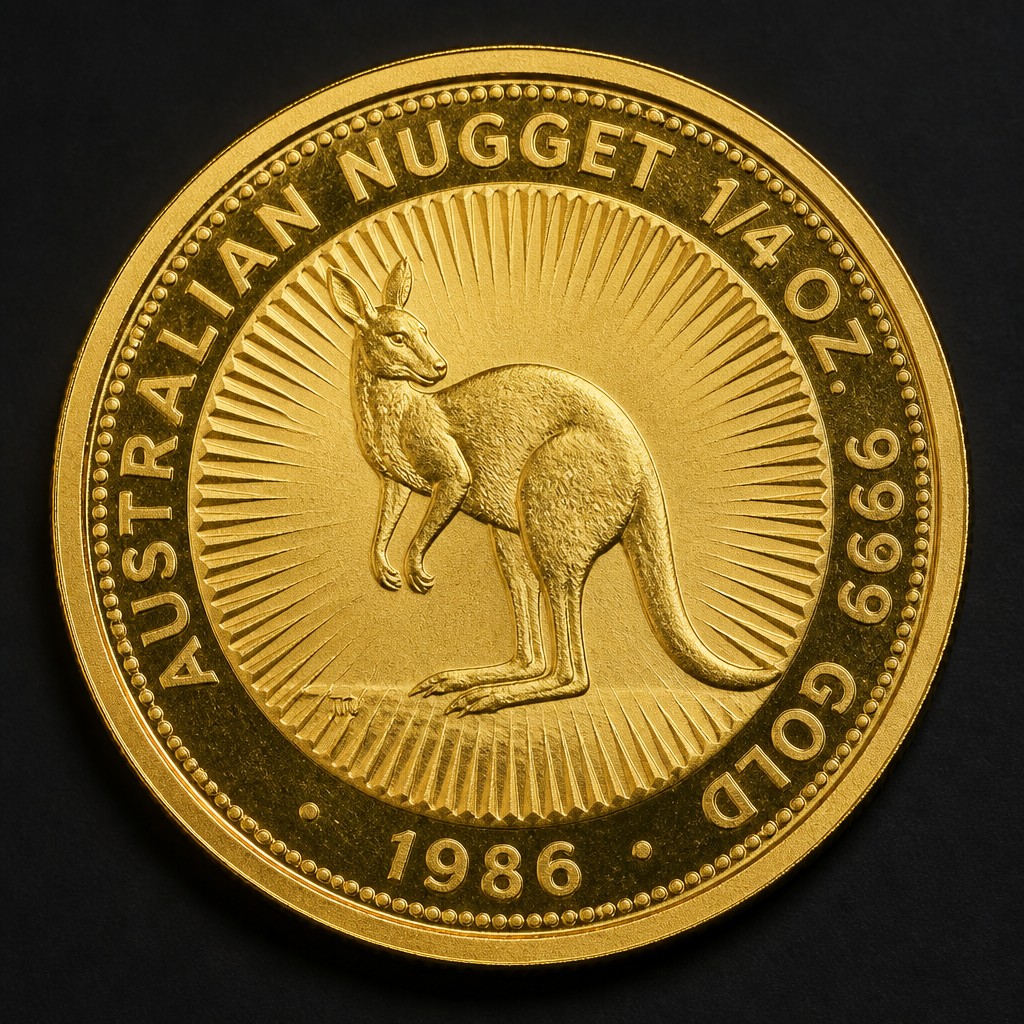
Australian Kangaroo Gold Nugget
1986-present
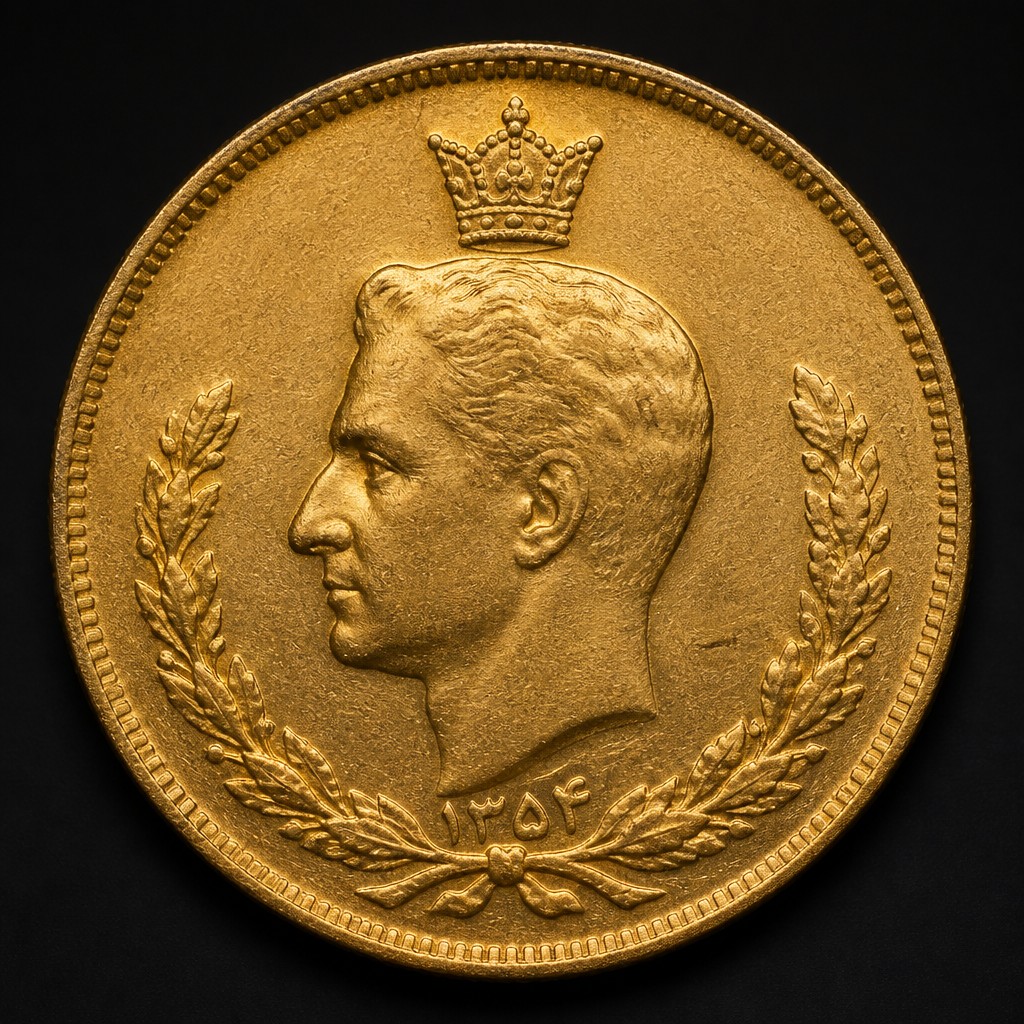
Iranian Pahlavi Gold Coin
1925–1979
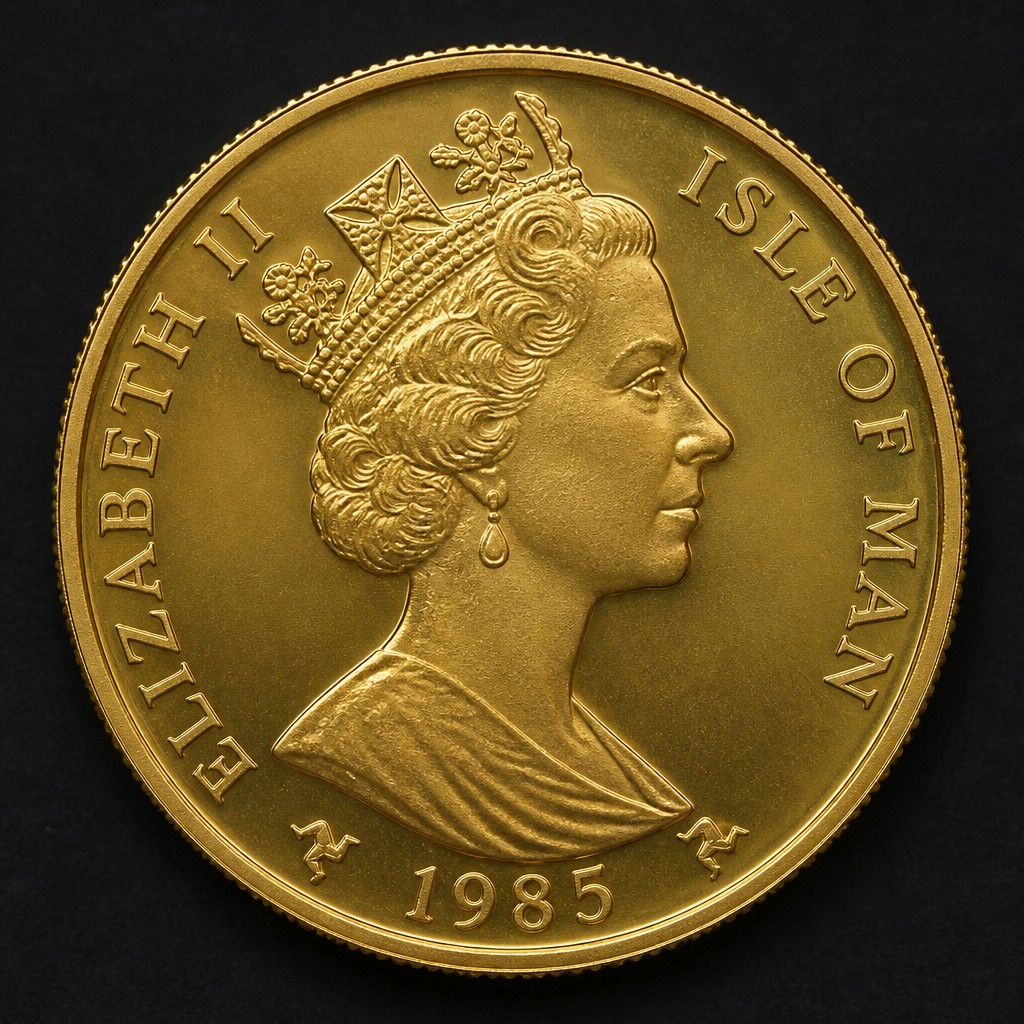
Isle of Man Angel Gold Coin
1984–present
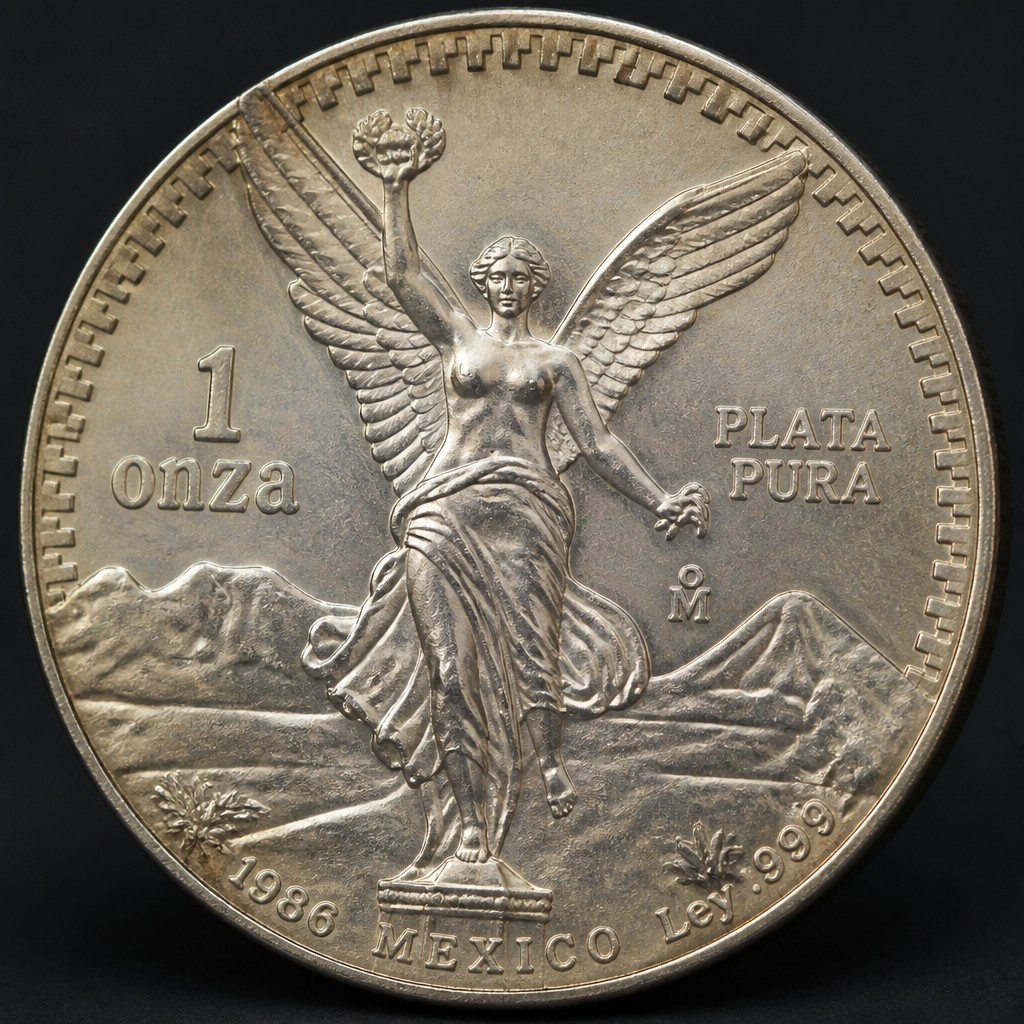
Mexican Libertad
1981-present (gold); 1982-present (silver)
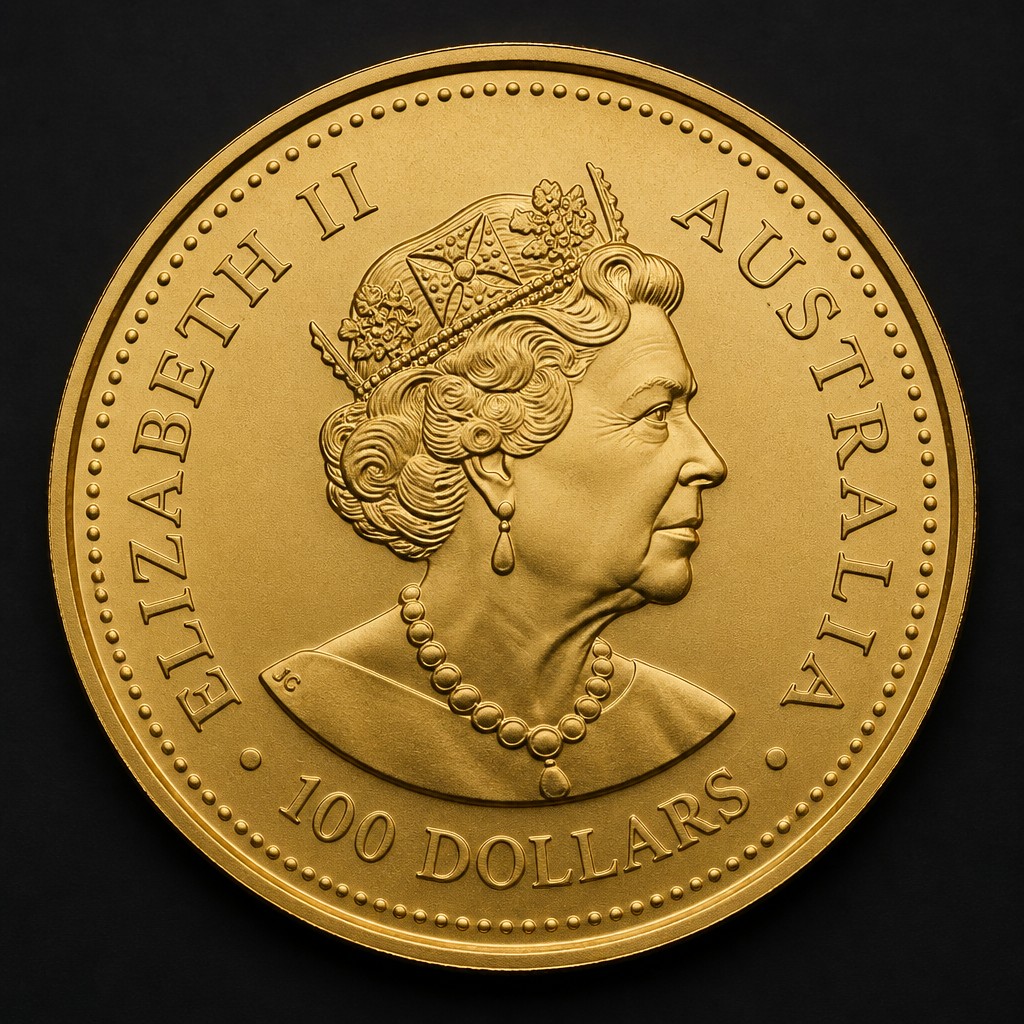
Australian Lunar Series (Perth Mint)
1996–present
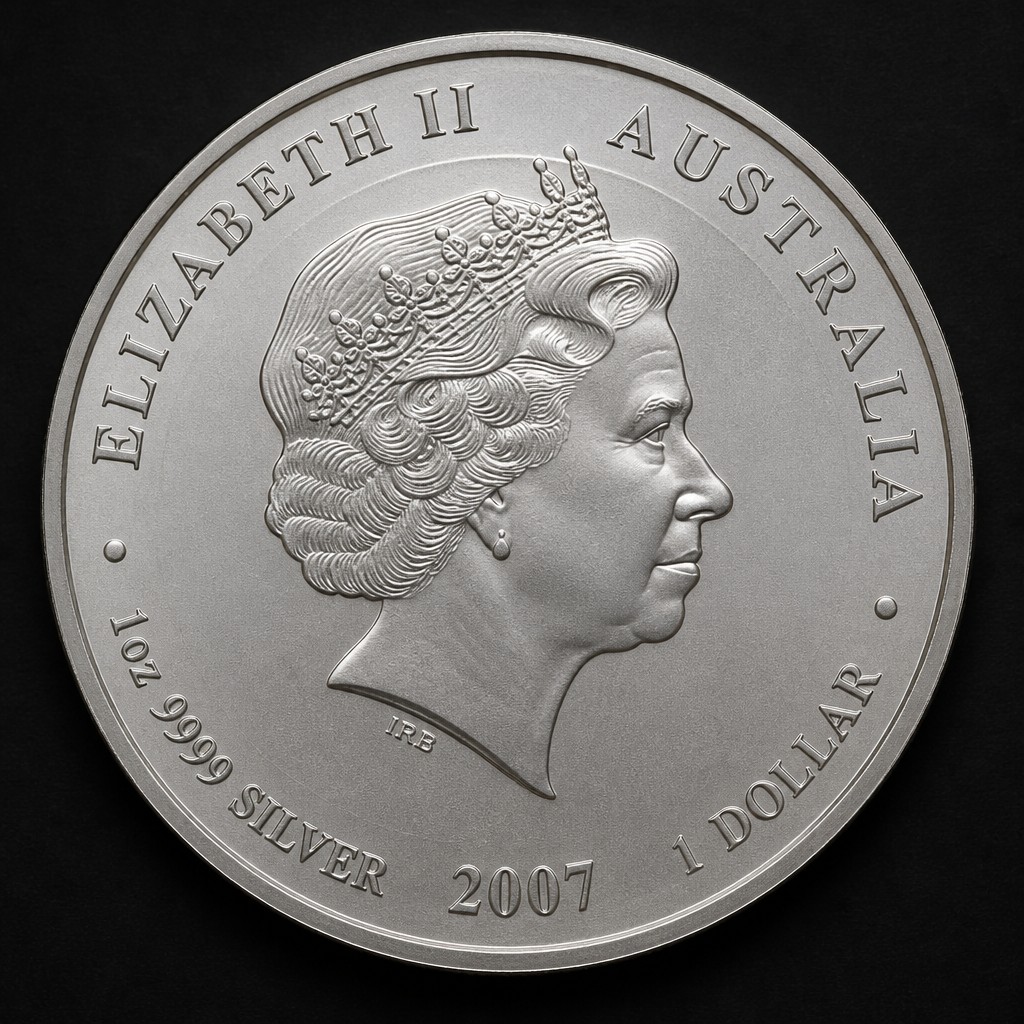
Australian Koala (Perth Mint)
1990-present (gold); 2007-present (silver)
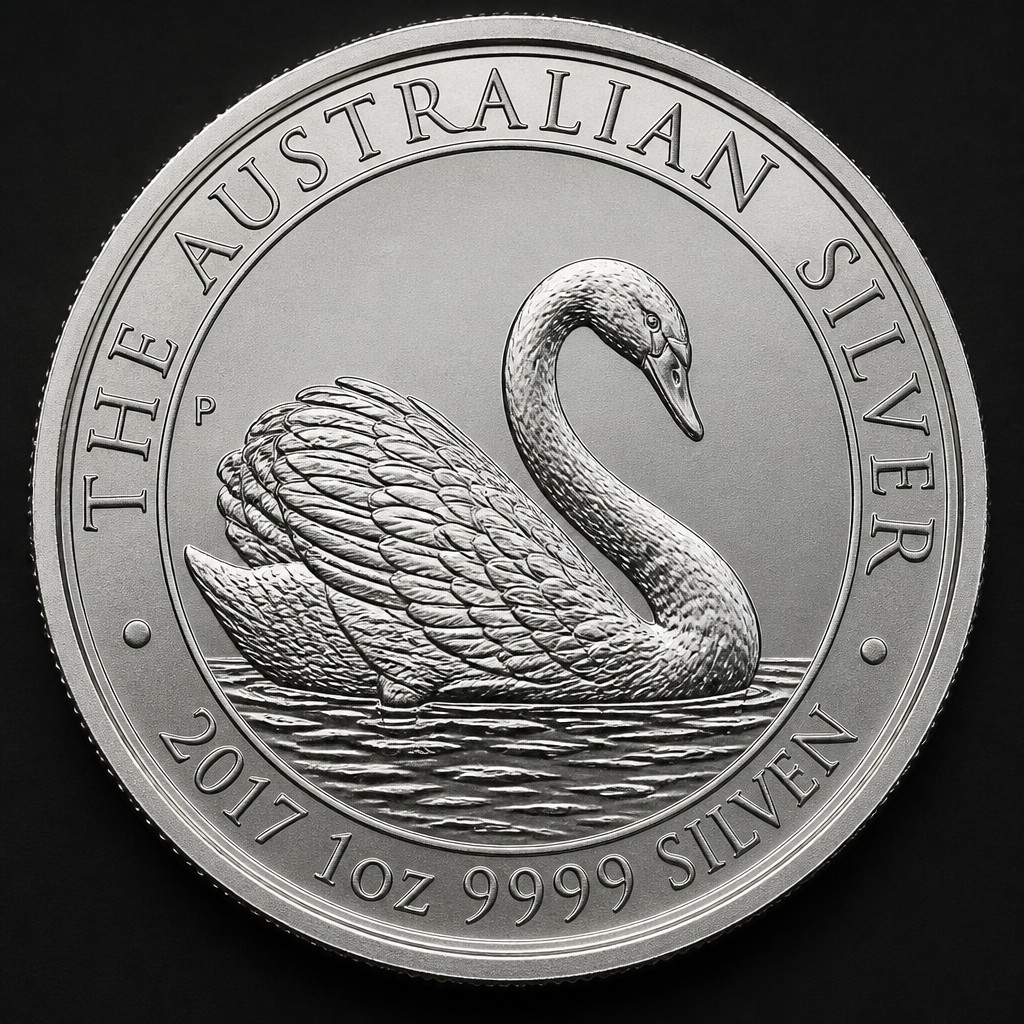
Perth Mint Silver Swan
2017–present
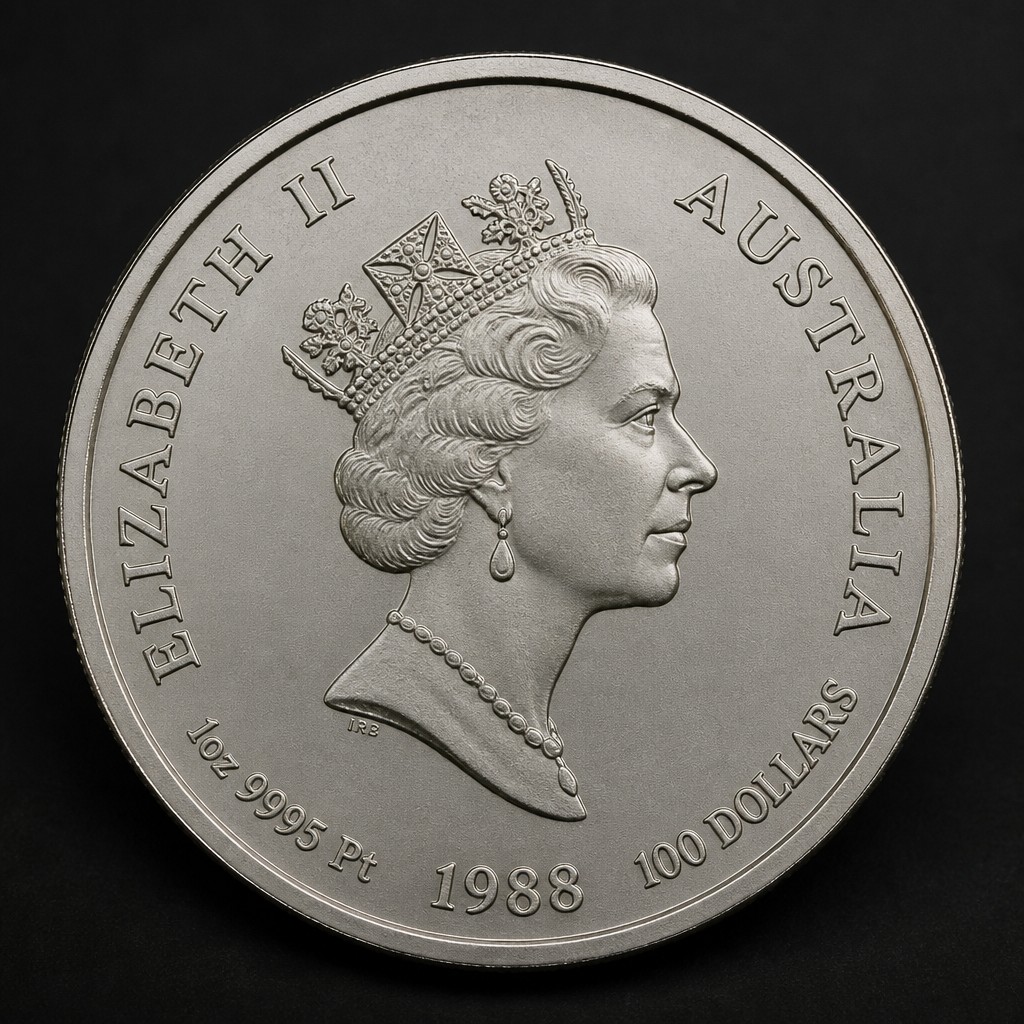
Australian Platinum Koala
1988–present
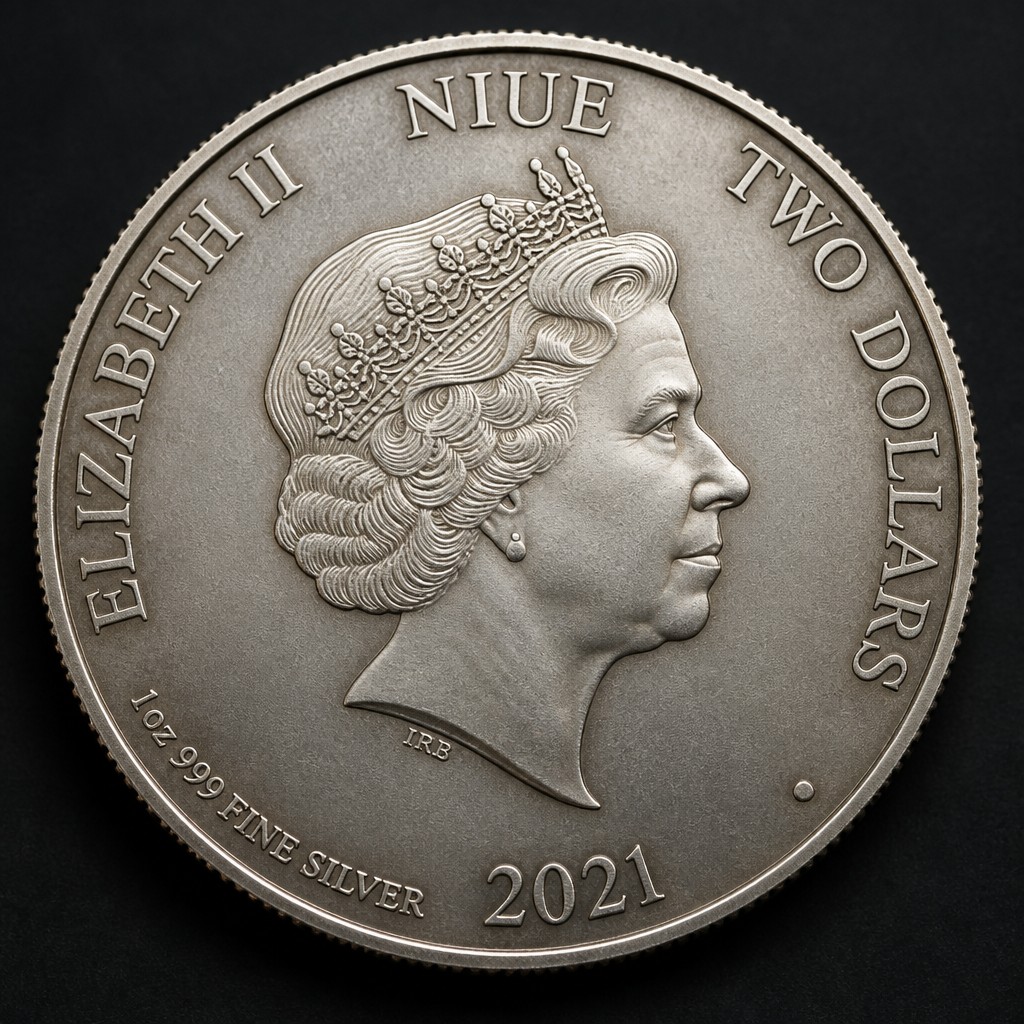
New Zealand Mint Silver Kiwi
2006–present
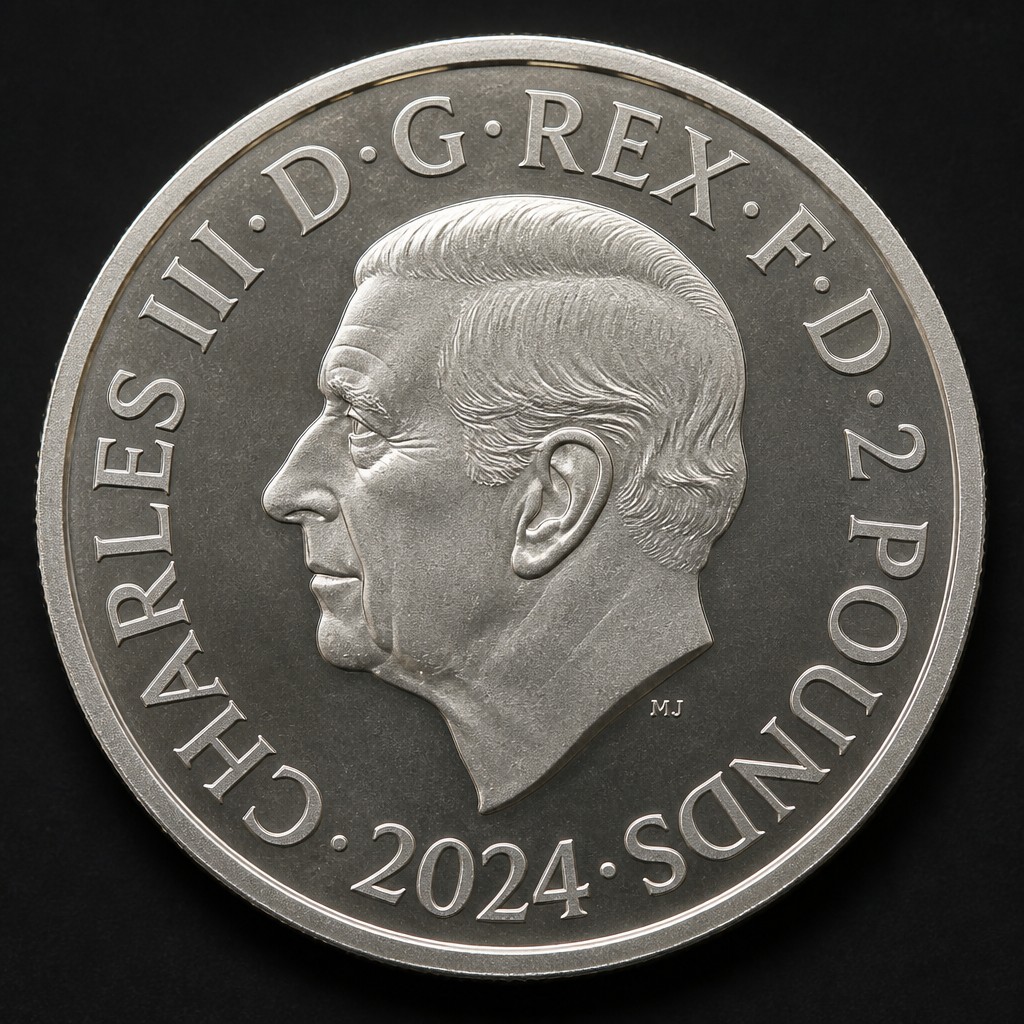
British Silver Landmarks of Britain
2020s–present
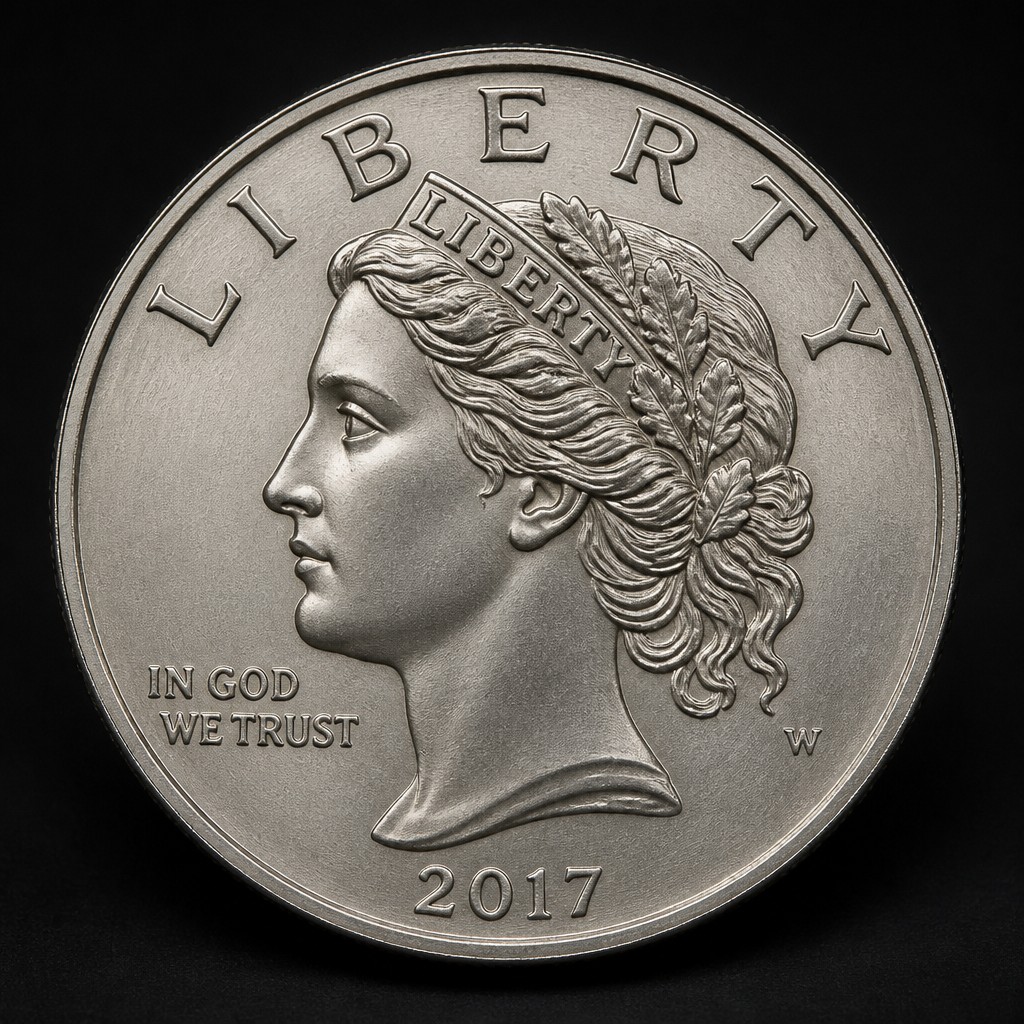
American Palladium Eagle
2017–present
South African Silver Krugerrand
2017–present