
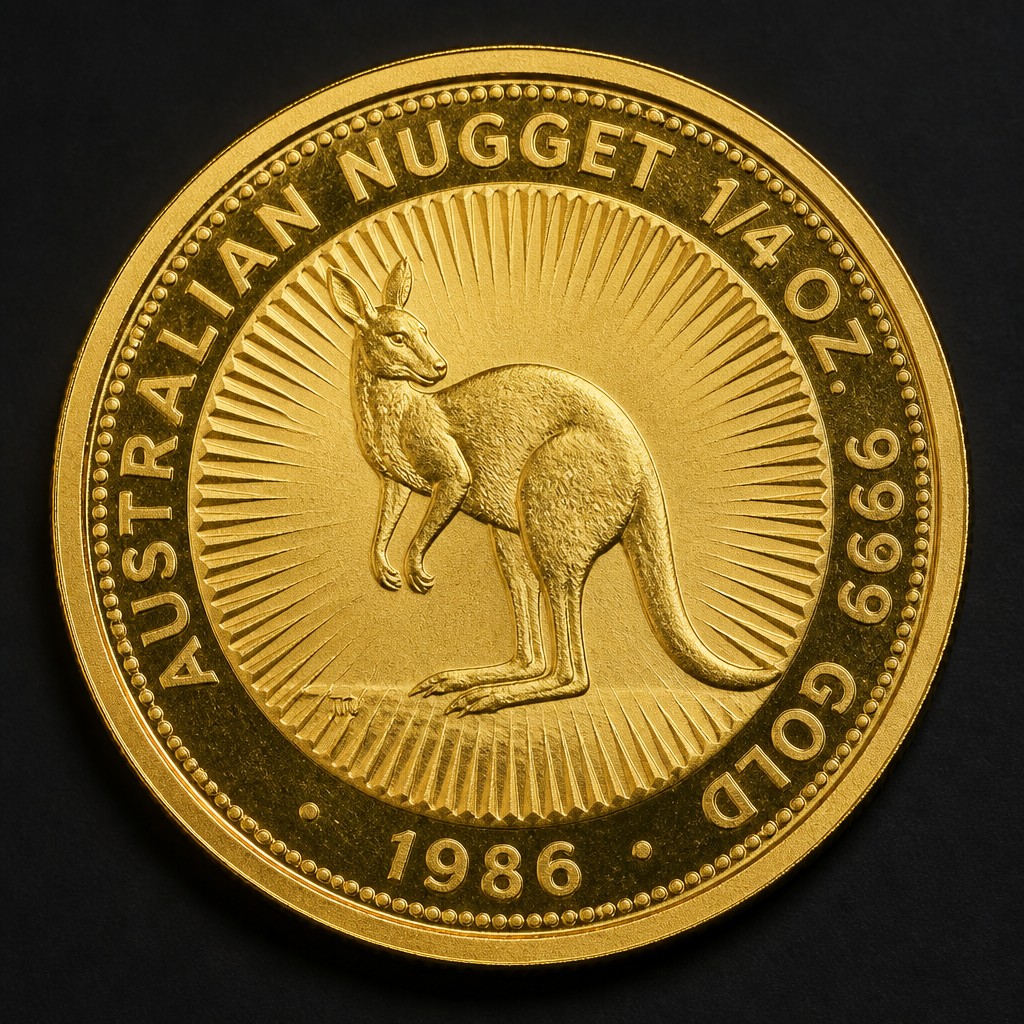
Australian Kangaroo Gold Nugget
Modern Australian gold bullion coin from the Perth Mint, launched in 1986 with changing nugget designs before adopting an annually updated kangaroo reverse.
- Country
- Australia
- Denomination
- Varies by weight (e.g., $15, $25, $100, $1000 AUD nominal)
- Metal
- 999.9 fine (24 karat) gold
Got a coin like this?
Identify any coin from a photo, free.
Overview
The Australian Gold Nugget series began in 1986 as a bullion competitor to coins like the Krugerrand and Maple Leaf, initially featuring images of famous Australian gold nuggets on the reverse. Struck in .9999 fine gold by the Perth Mint, it is available in a range of weights from 1/20 ounce up to one kilogram, with nominal Australian dollar face values that are far below the coin's actual gold value.
Starting in 1989 the mint replaced the nugget imagery with a kangaroo design that changes annually, leading collectors to commonly call the series the 'Gold Kangaroo,' though older coins and price guides still reference the 'Nugget' name.
The series is popular with both bullion investors, who value its high purity and government backing, and collectors who follow the yearly reverse design changes.
History & Background
The Perth Mint launched the Australian Gold Nugget in 1986 to give investors a pure, internationally recognized gold bullion coin backed by the Australian government, entering a market already served by South Africa's Krugerrand and Canada's Maple Leaf. The earliest issues depicted photographically realistic images of historic Australian gold nuggets, a design choice unique among world bullion coins at the time.
In 1989 the Perth Mint shifted to a kangaroo reverse that would change design each year, both to keep the series visually fresh and to align with the branding of its companion silver Kangaroo bullion coin. The obverse has always carried the current reigning monarch's effigy, updated over the decades from Raphael Maklouf to Ian Rank-Broadley and later Jody Clark portraits of Queen Elizabeth II, and King Charles III thereafter.
The series remains one of the most actively traded gold bullion products worldwide, valued for its .9999 purity, which is higher than the .9167 fineness used in coins like the sovereign or Krugerrand.
How to Identify
Obverse: the reigning monarch's portrait with denomination, weight, and fineness typically inscribed around the rim. Reverse: on early issues (1986-1988) a detailed image of a named historic gold nugget; from 1989 onward, a kangaroo design that is redesigned annually, along with the AUSTRALIA and date inscriptions.
The coins are struck in .9999 fine gold across standard weights of 1/20, 1/10, 1/4, 1/2, and 1 troy ounce, plus larger kilo and smaller fractional sizes in some years. Weight and fineness are stamped on the coin itself, making it easy to verify against a scale.
Because the design changes yearly, collectors identify a specific date by comparing the kangaroo artwork to reference catalogs; the underlying purity and general format remain consistent across the series.
Value & Collectibility
As a bullion coin, value tracks the live spot price of gold multiplied by the coin's exact weight, plus a modest premium for minting, dealer markup, and demand for the current year's design. Because purity and weight are guaranteed by the Perth Mint, pricing is generally transparent and tied closely to gold markets rather than rarity.
Limited-mintage weights, low-mintage early years, or coins with certified flawless (gem) surfaces can command small numismatic premiums above melt value, but the vast majority of these coins are bought and sold as investment bullion rather than rare collectibles.
Condition matters less than for classic coinage since most buyers care primarily about gold content; however, sealed original mint packaging or official assay certification can add resale confidence and modest value.
Frequently asked questions
Why is it called both 'Nugget' and 'Kangaroo'?
The series launched in 1986 with gold nugget imagery, then switched to an annually changing kangaroo design starting in 1989, and both names stuck.
What purity is the coin?
It is struck in .9999 fine (24 karat) gold, higher purity than many other national bullion coins.
Does the design change every year?
Yes, since 1989 the kangaroo reverse has been redesigned annually, which collectors track alongside the standard bullion weights.
Is it a good investment?
It is a recognized gold bullion product whose value follows the gold market; buyers should treat it as bullion, not a guaranteed appreciating collectible.
Other coins you may enjoy
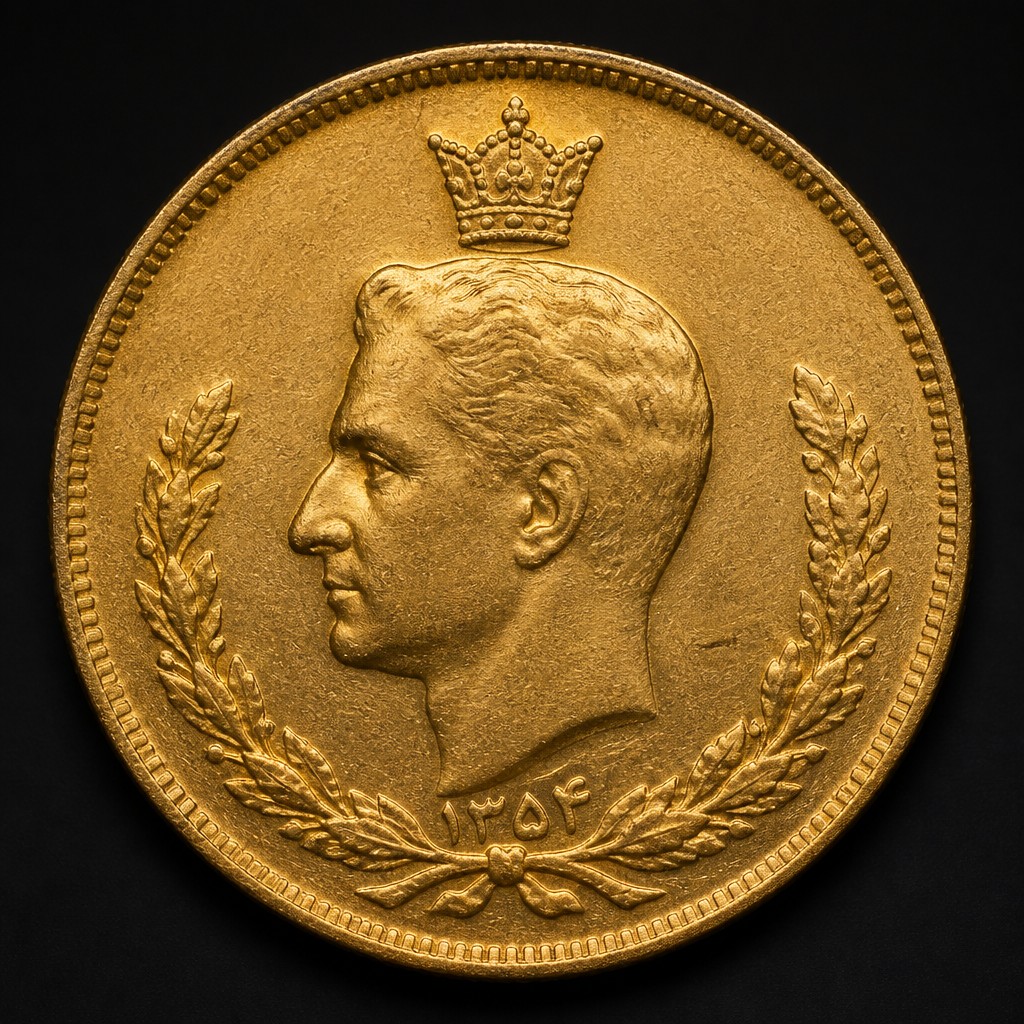
Iranian Pahlavi Gold Coin
1925–1979
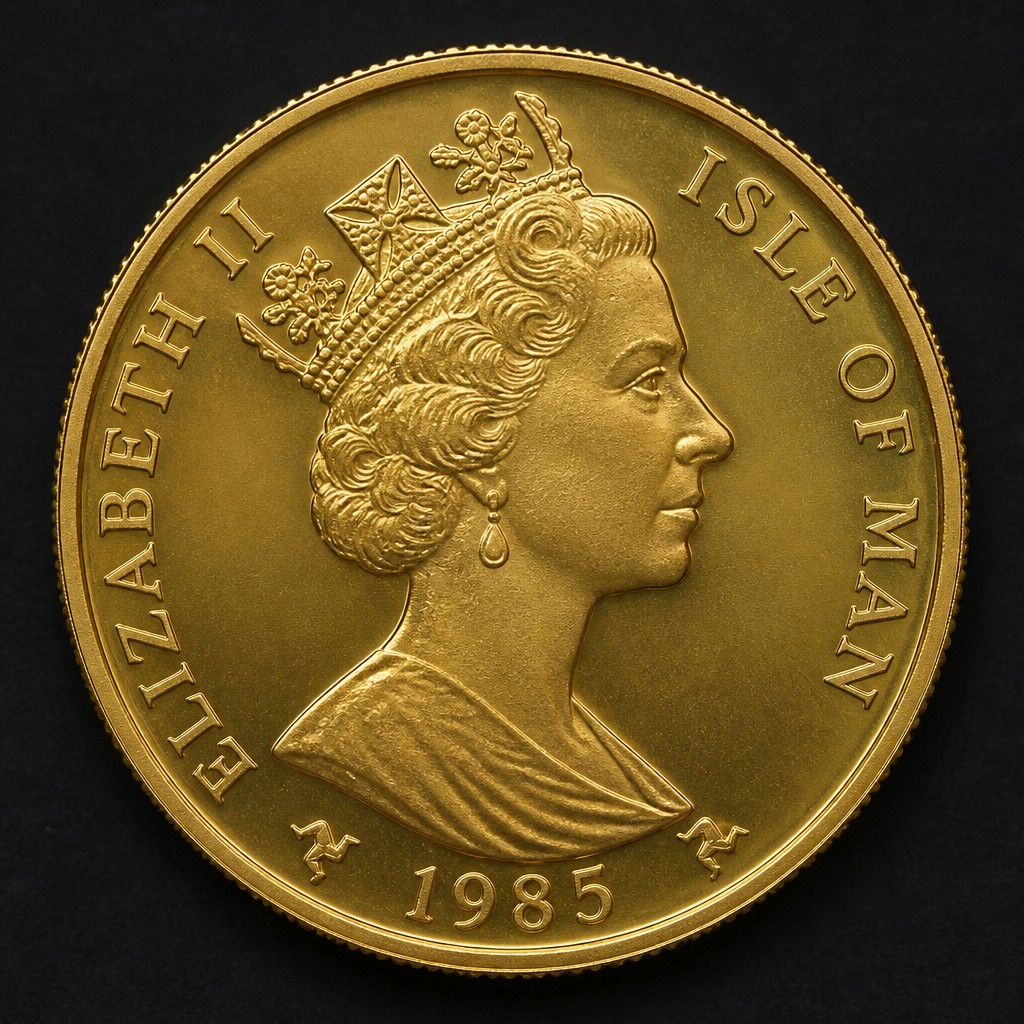
Isle of Man Angel Gold Coin
1984–present
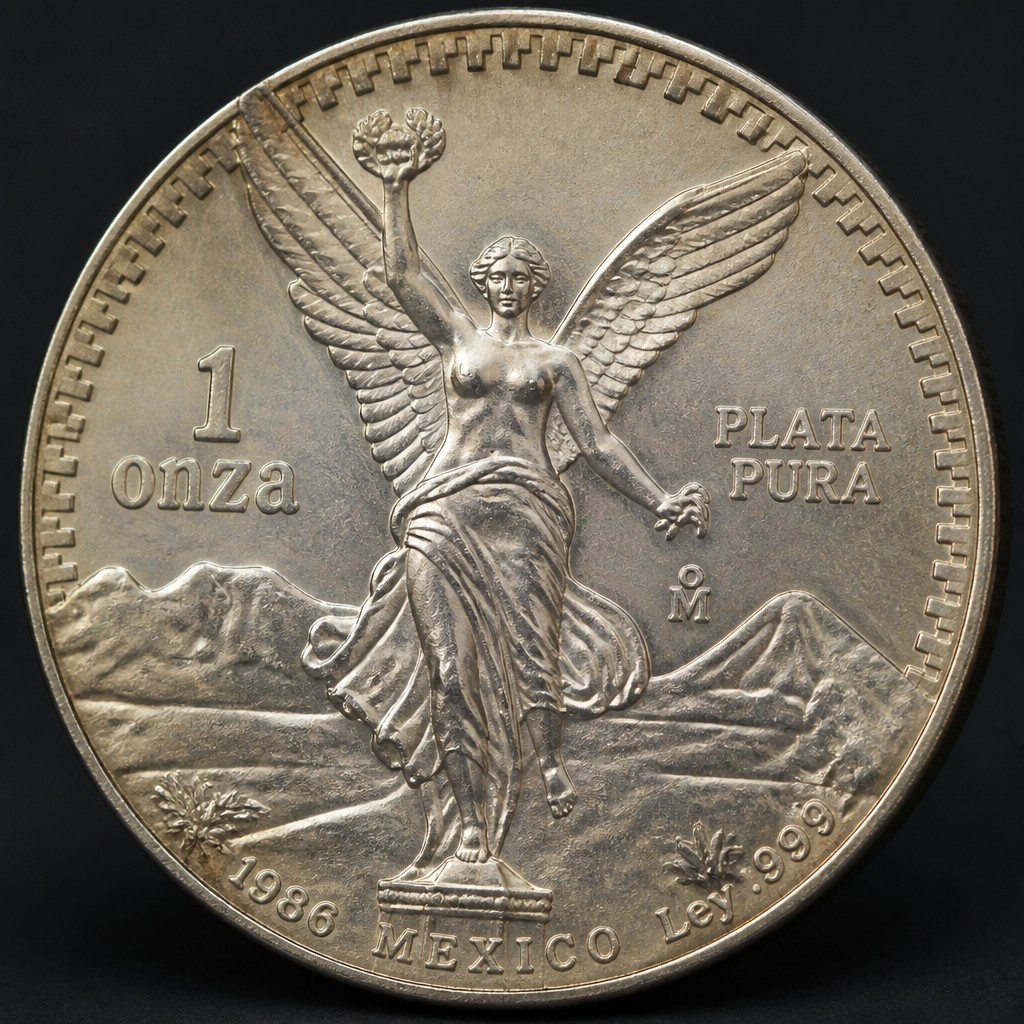
Mexican Libertad
1981-present (gold); 1982-present (silver)
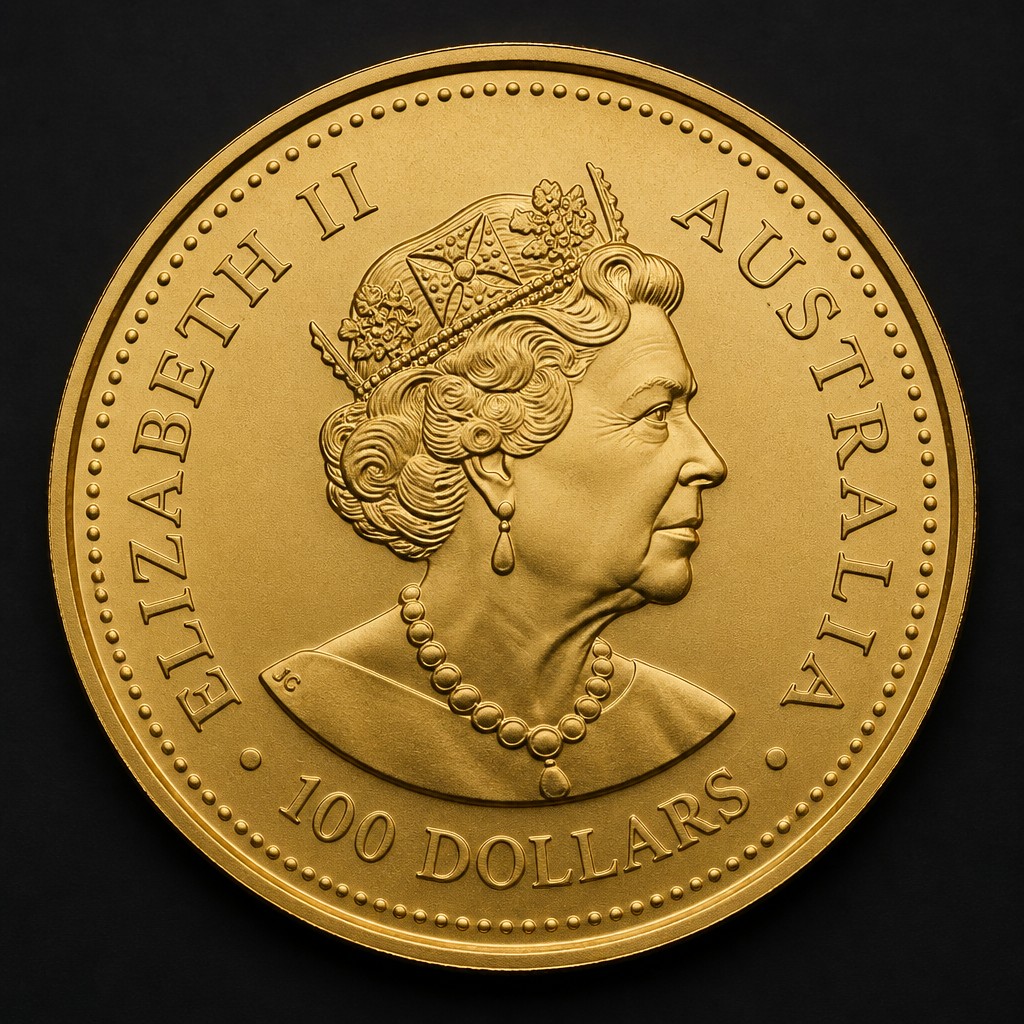
Australian Lunar Series (Perth Mint)
1996–present
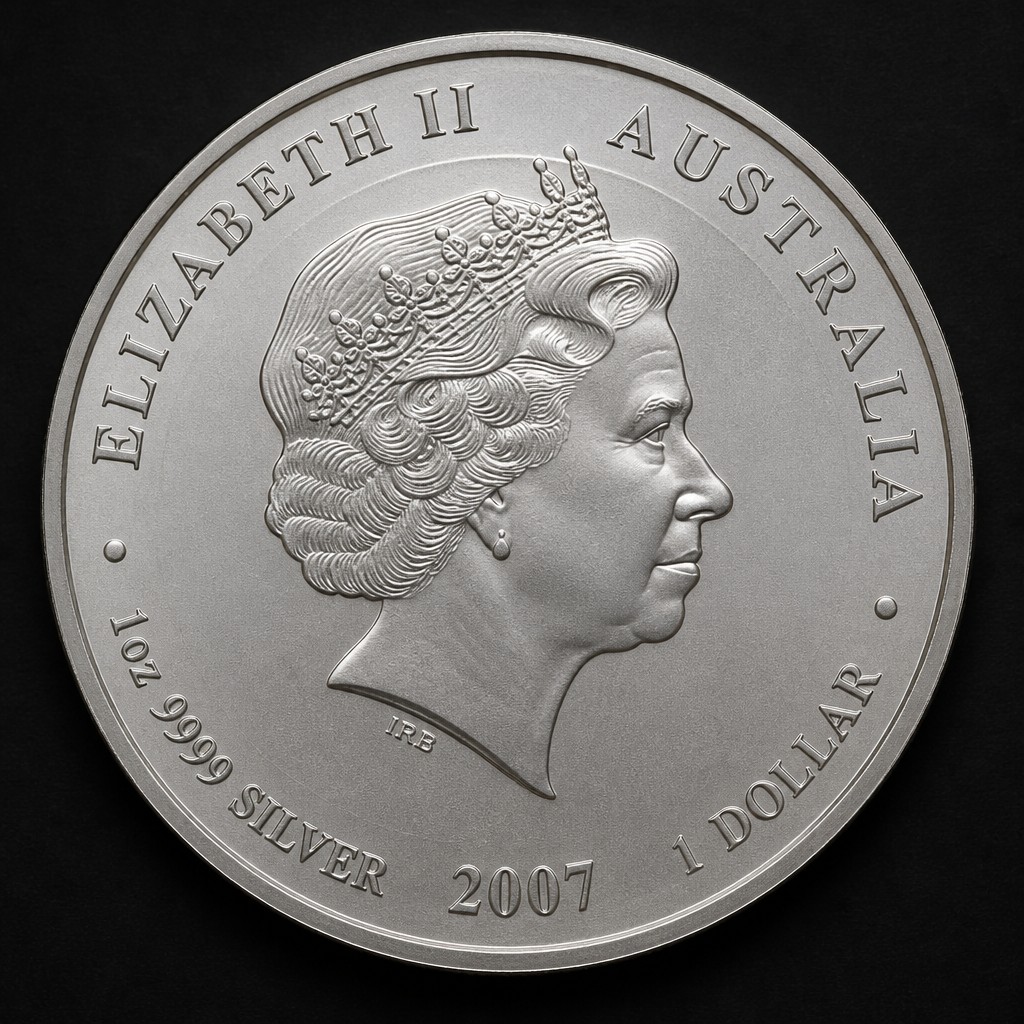
Australian Koala (Perth Mint)
1990-present (gold); 2007-present (silver)
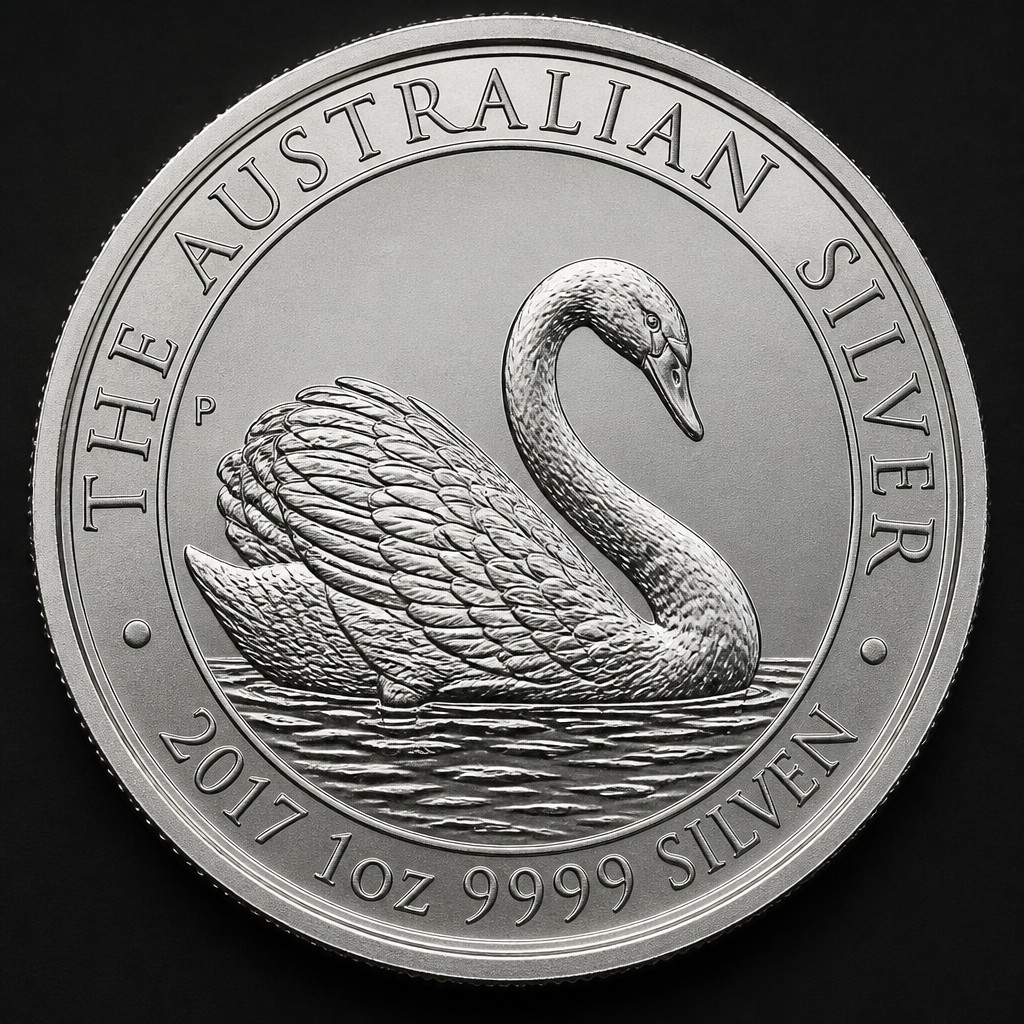
Perth Mint Silver Swan
2017–present
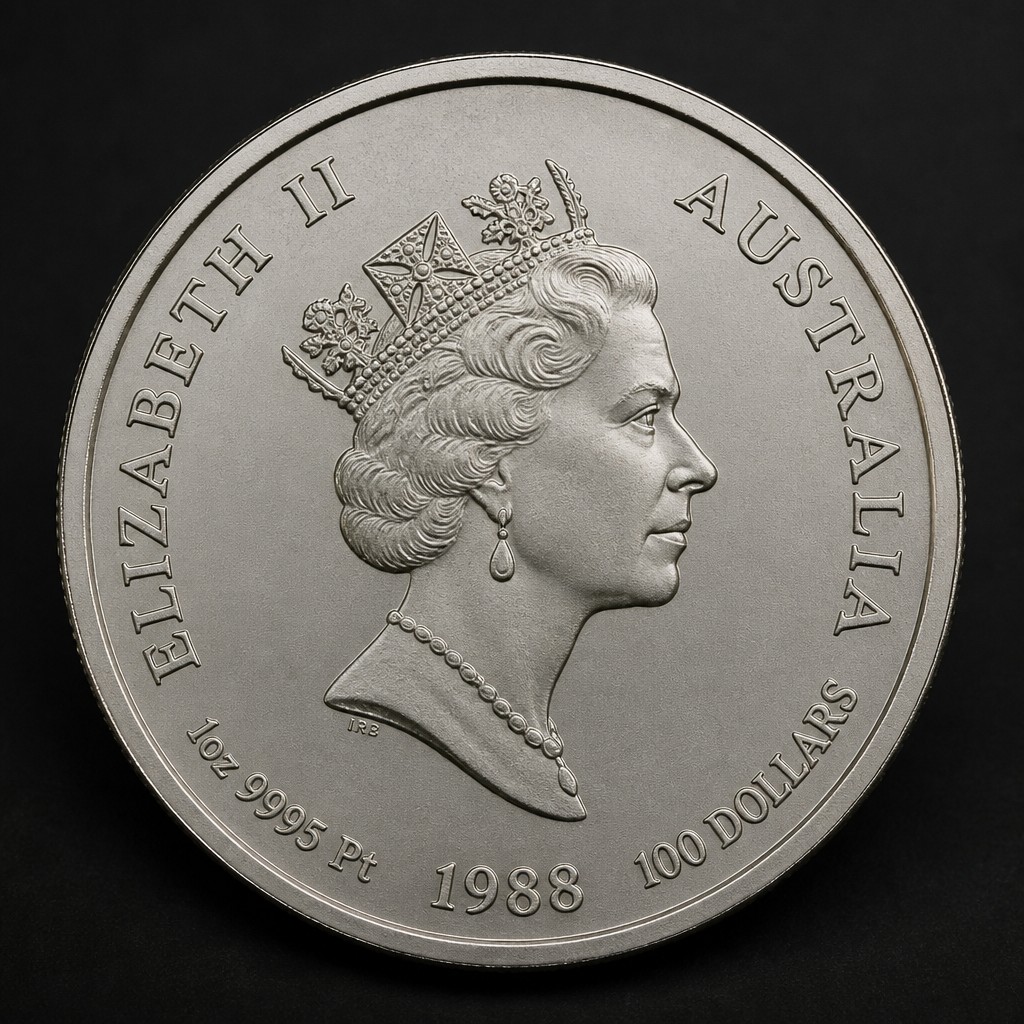
Australian Platinum Koala
1988–present
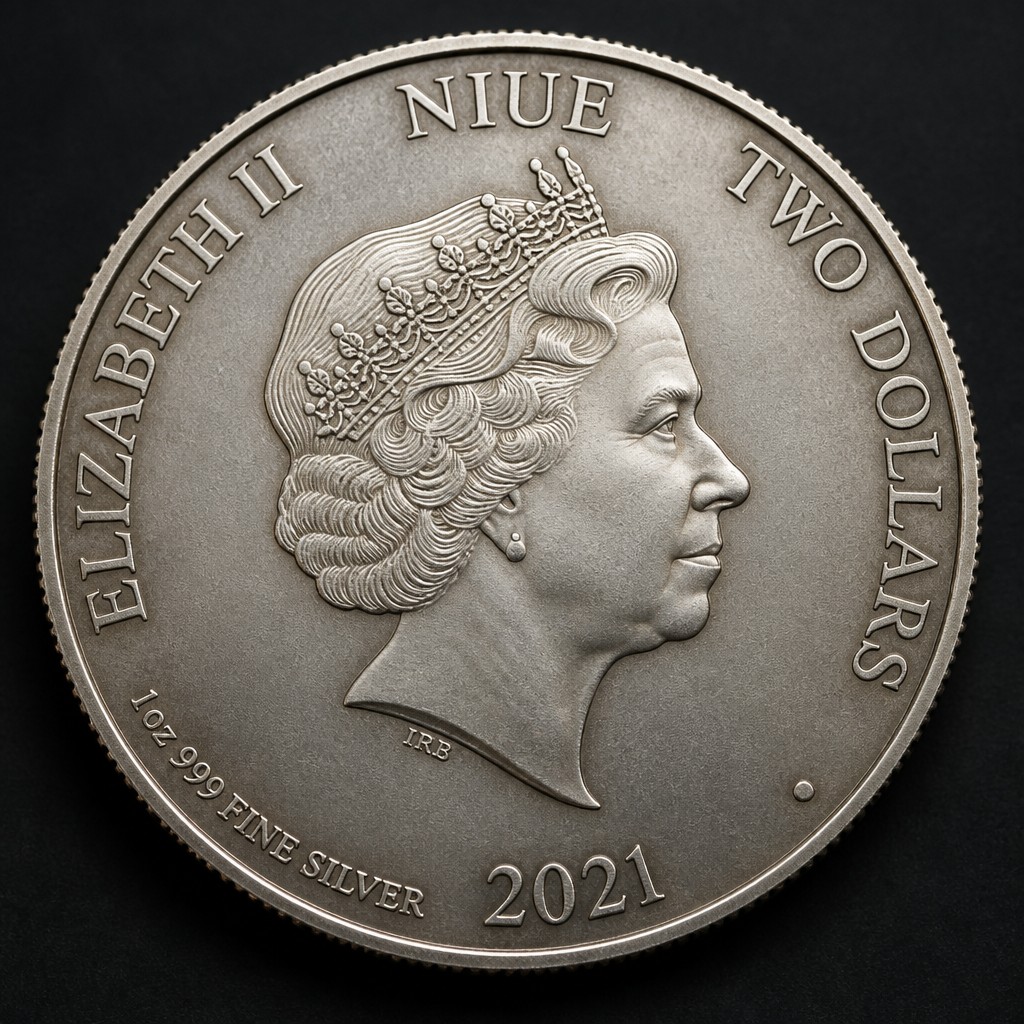
New Zealand Mint Silver Kiwi
2006–present
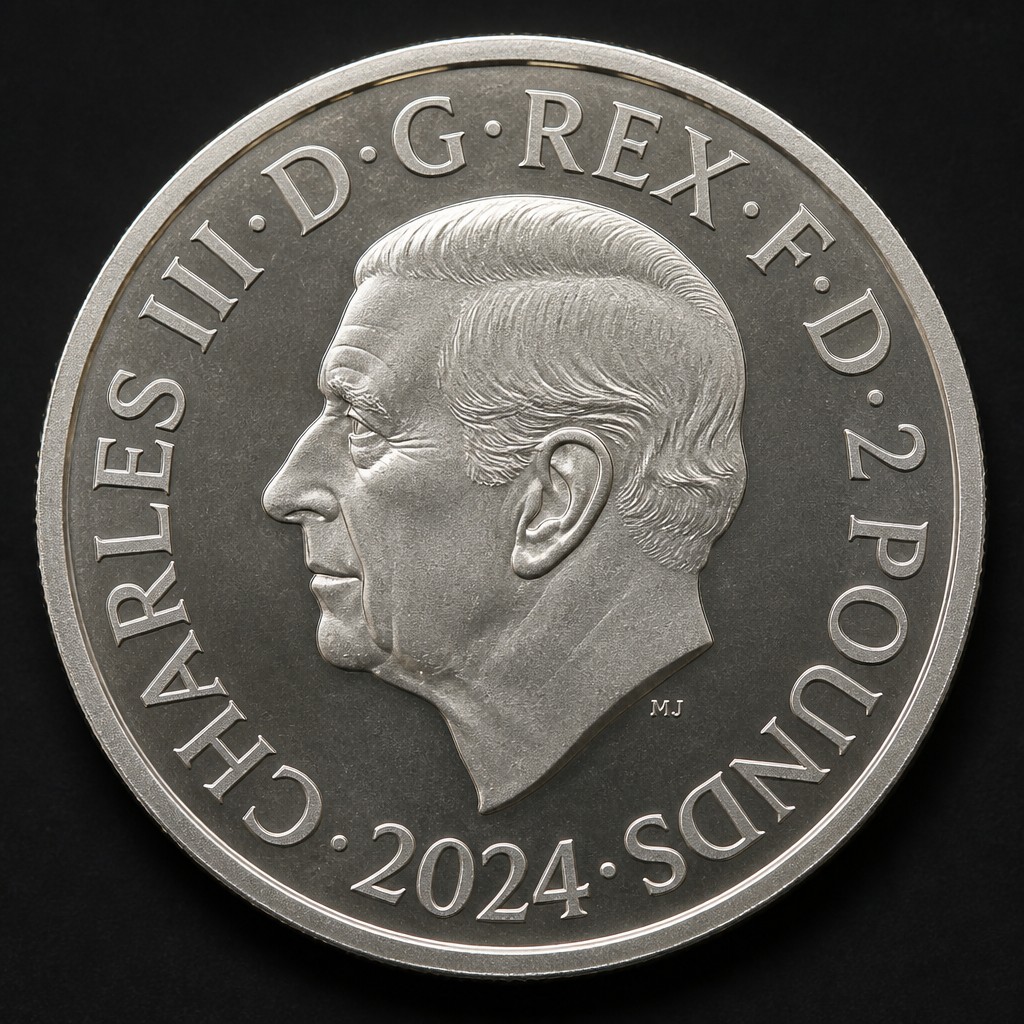
British Silver Landmarks of Britain
2020s–present
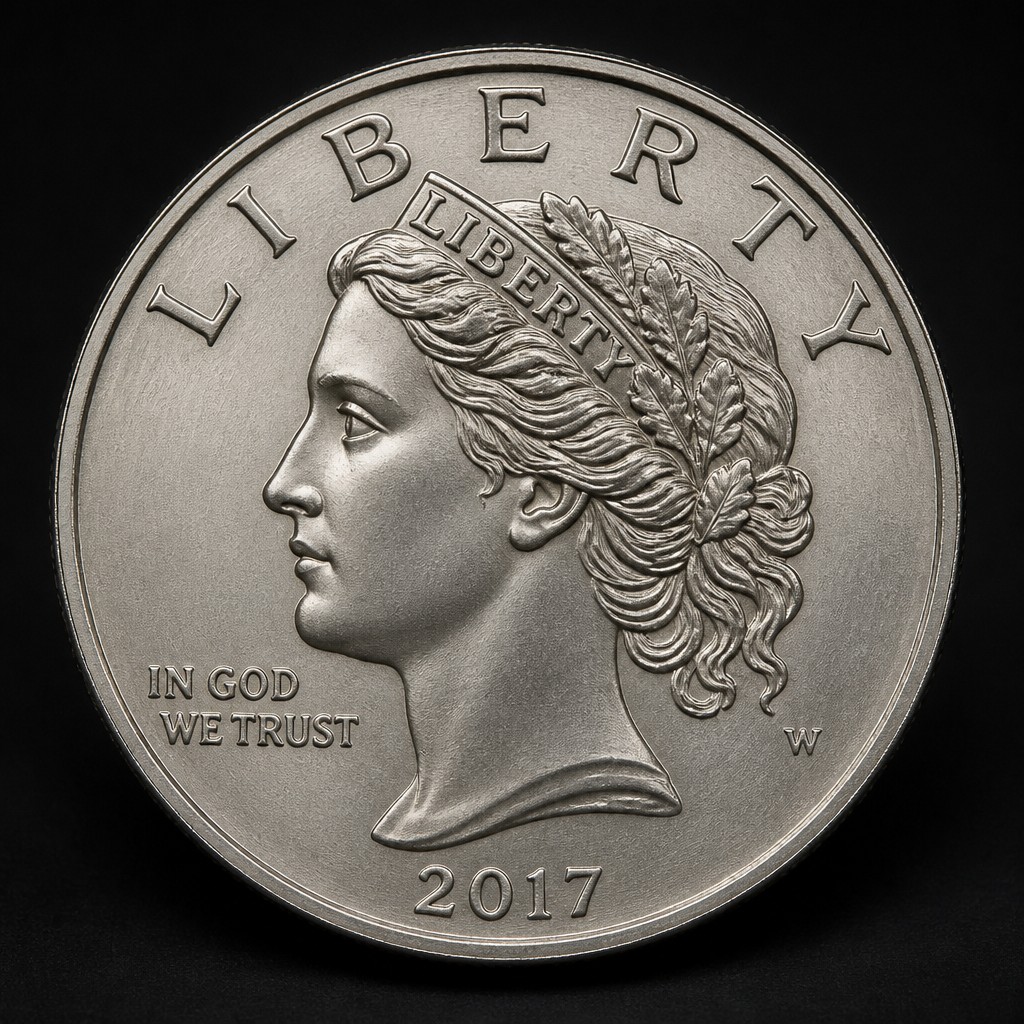
American Palladium Eagle
2017–present
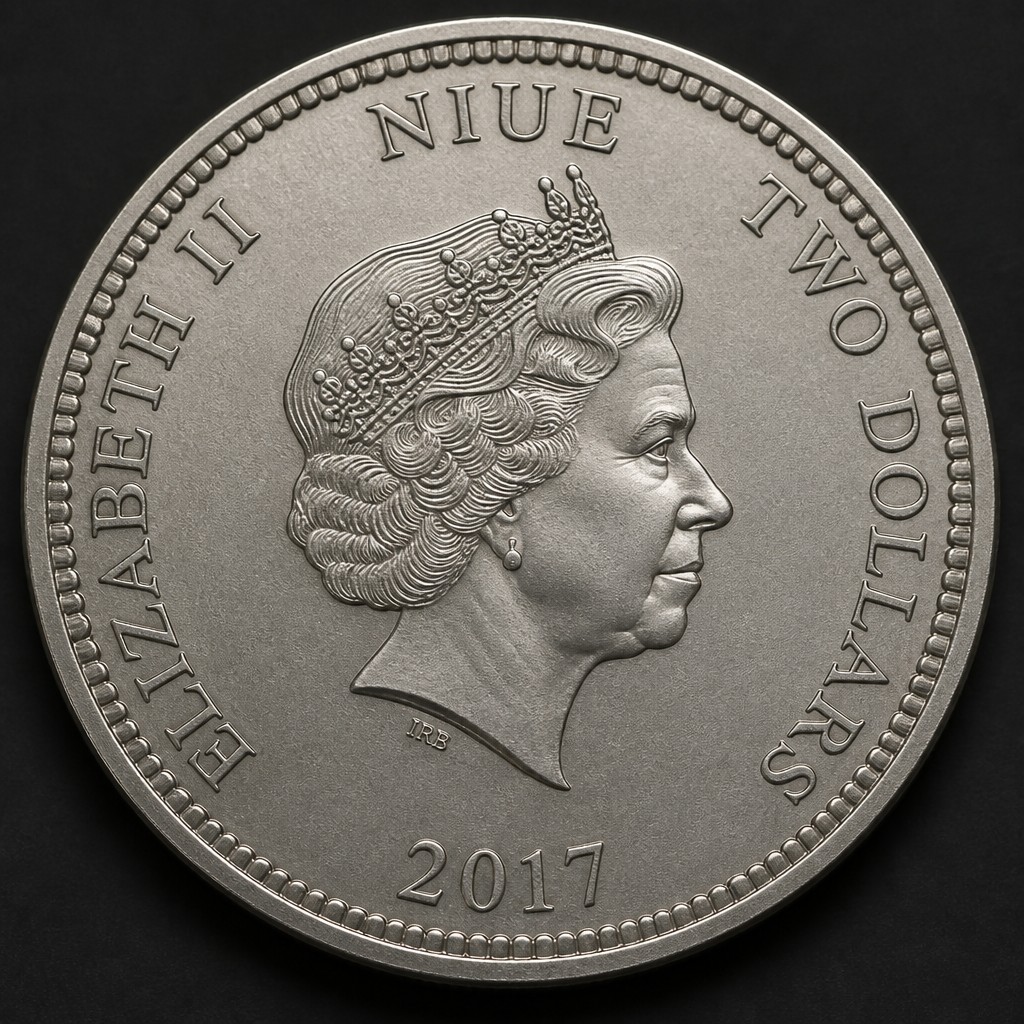
Niue Silver Owl (Athenian)
2010s–present
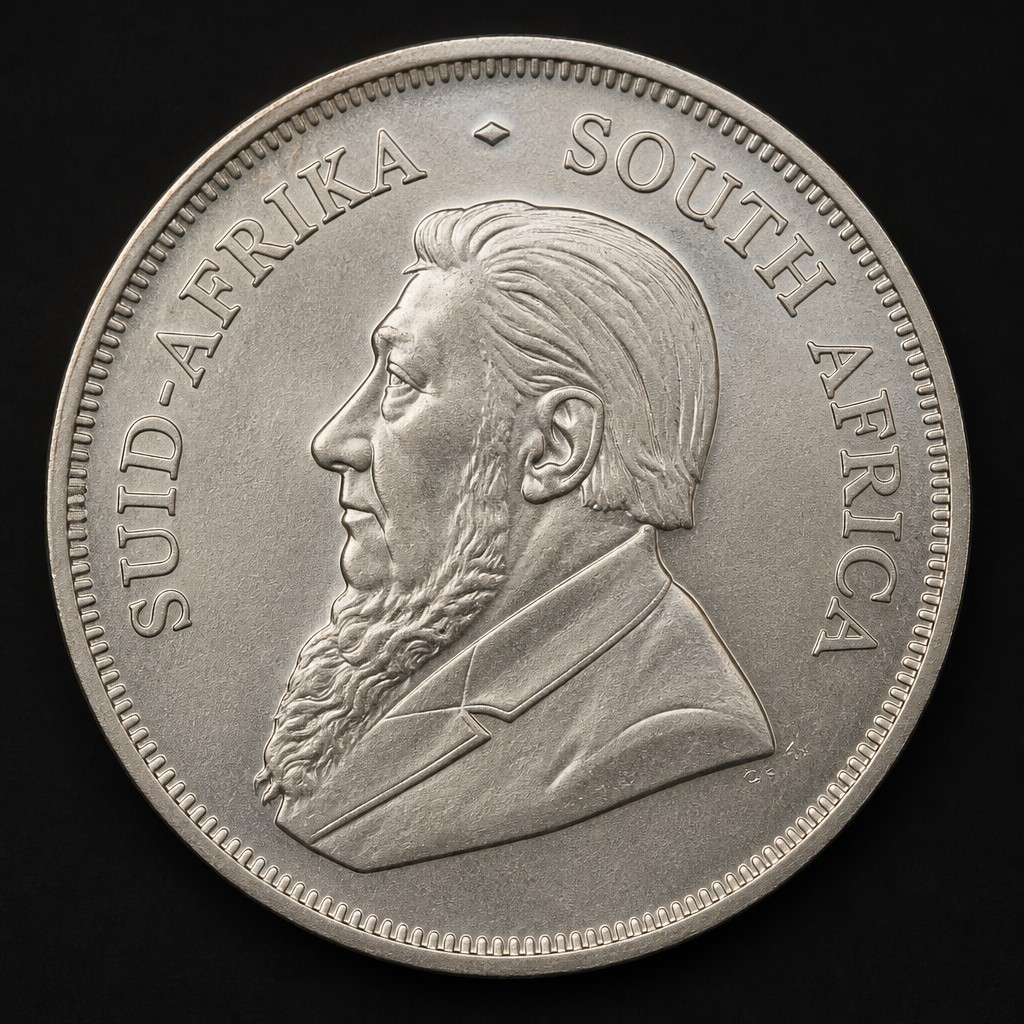
South African Silver Krugerrand
2017–present