
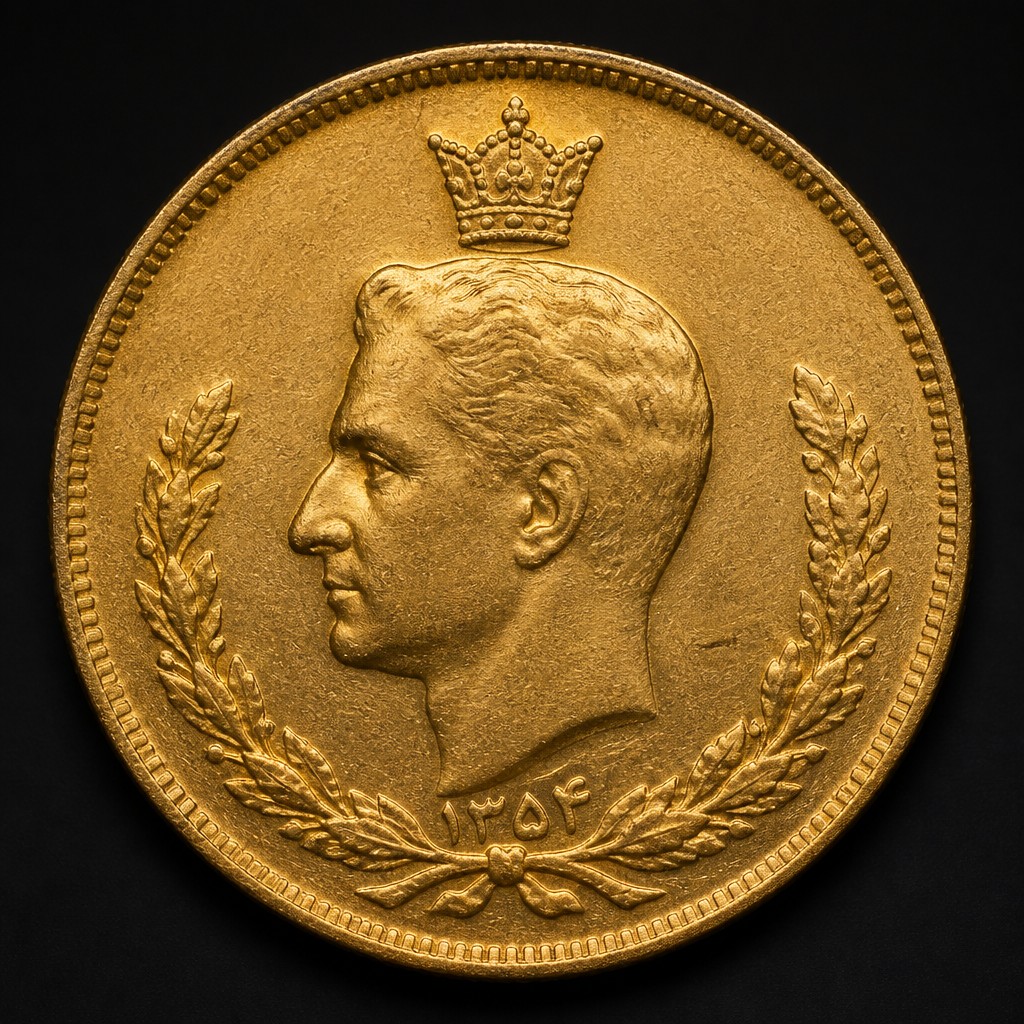
Iranian Pahlavi Gold Coin
A gold coin series named for Iran's Pahlavi dynasty, issued from the 1920s until the 1979 revolution and still widely traded today as a recognized gold bullion and savings coin.
- Country
- Iran
- Denomination
- 1 Pahlavi (also 1/4, 1/2, 2.5, and 5 Pahlavi)
- Metal
- Gold (.900 fine)
Got a coin like this?
Identify any coin from a photo, free.
Overview
The Pahlavi gold coin series takes its name from Iran's ruling dynasty founded by Reza Shah Pahlavi in 1925 and continued by his son Mohammad Reza Shah Pahlavi until the Islamic Revolution of 1979. Struck in several sizes, including the common one-Pahlavi coin as well as fractional (1/4, 1/2) and multiple (2.5, 5 Pahlavi) denominations, the series was widely used both for circulation-adjacent purposes and, especially in later decades, as a savings and gifting coin.
The coin has remained culturally significant in Iran and the broader Iranian diaspora well after the fall of the Pahlavi dynasty, continuing to be bought, sold, and gifted (for weddings, Nowruz, and other occasions) largely for its gold content and traditional value rather than for active circulation as money.
Because of its continued cultural relevance and gold content, the Pahlavi gold coin remains one of the more actively traded gold coins in Iranian and Middle Eastern markets, with prices closely tracking global gold prices alongside its collector and cultural premium.
History & Background
Reza Khan, an army officer who rose to power amid the political instability following the fall of the Qajar dynasty, was crowned Reza Shah Pahlavi in 1925 and initiated the Pahlavi dynasty along with broad efforts to modernize Iran's economy, infrastructure, and institutions, including its currency system. Gold coins bearing his portrait or the Pahlavi crown were introduced as part of this modernization, moving away from the earlier Qajar gold toman.
After Reza Shah's abdication in 1941 (under Allied pressure during World War II), his son Mohammad Reza Shah Pahlavi continued the monarchy and the associated gold coinage, and Pahlavi gold coins bearing his portrait were struck in substantial quantities through the mid-20th century, particularly as Iran's oil wealth grew. These coins became a widely recognized store of value both domestically and among Iranians abroad.
Production of Pahlavi coinage ended with the Islamic Revolution of 1979, which overthrew the monarchy and established the Islamic Republic of Iran; despite this, existing Pahlavi gold coins have continued to circulate actively in the gold trade and cultural gift-giving in Iran and its diaspora communities for decades since.
How to Identify
Later Pahlavi gold coins typically show a left- or right-facing portrait bust of the reigning shah (Reza Shah or Mohammad Reza Shah) on the obverse with his name and title in Persian, while the reverse displays the denomination, the Iranian state emblem or Pahlavi crown, and the date in the Iranian solar Hijri calendar. Some earlier or transitional issues instead emphasize the crown and national emblem rather than a portrait.
The coin is struck in .900 fine gold and comes in a range of sizes: the common one-Pahlavi piece as well as smaller fractional coins (1/4 and 1/2 Pahlavi) and larger multiples (2.5 and 5 Pahlavi), each differing proportionally in diameter and weight. Because the series was struck for decades and remains actively traded, both worn circulated examples and coins in excellent, lightly handled condition are found on the market.
Collectors and buyers should note that the Iranian solar Hijri calendar used for dating differs from both the Gregorian and Islamic lunar Hijri calendars, so converting the inscribed date correctly is necessary to determine which shah's reign and which specific year a given coin belongs to.
Value & Collectibility
As a gold coin still actively traded for its bullion content, the Pahlavi's value is closely tied to the spot price of gold, with a modest additional premium reflecting recognition, liquidity, and cultural demand in Iranian and Middle Eastern markets. Because it is not a particularly rare coin in most common dates and denominations, numismatic premiums above gold value are generally smaller than for genuinely scarce historical coins.
Pricing scales with size: the common one-Pahlavi coin trades for a value proportional to roughly a quarter troy ounce of gold, while the larger 2.5 and 5 Pahlavi coins are valued correspondingly higher, and smaller fractional Pahlavis correspondingly lower. Specific dates, particularly earlier Reza Shah issues or particularly well-preserved examples, can carry a modest collector premium beyond pure bullion value, but buyers should primarily think of this coin as a gold-value investment vehicle rather than a rare numismatic prize.
Frequently asked questions
How much gold is in a one-Pahlavi coin?
The common one-Pahlavi coin is struck in .900 fine gold and contains a gold weight of roughly a quarter troy ounce, though buyers should confirm exact figures for the specific size and date in question.
Is the Pahlavi coin still made today?
Original Pahlavi coins were struck only through 1979, but the coin remains widely traded in Iran's gold market, and its design and denomination continue to be a reference point for gold coin values there.
What calendar is used to date Pahlavi coins?
Dates are given in the Iranian solar Hijri calendar, which differs from both the Gregorian calendar and the Islamic lunar Hijri calendar used in many other Middle Eastern coinages.
Why do Iranians still buy and gift Pahlavi gold coins?
The coin remains a culturally recognized and trusted store of value and traditional gift for occasions like weddings and Nowruz, a status that has persisted even decades after the Pahlavi dynasty's fall.
Other coins you may enjoy
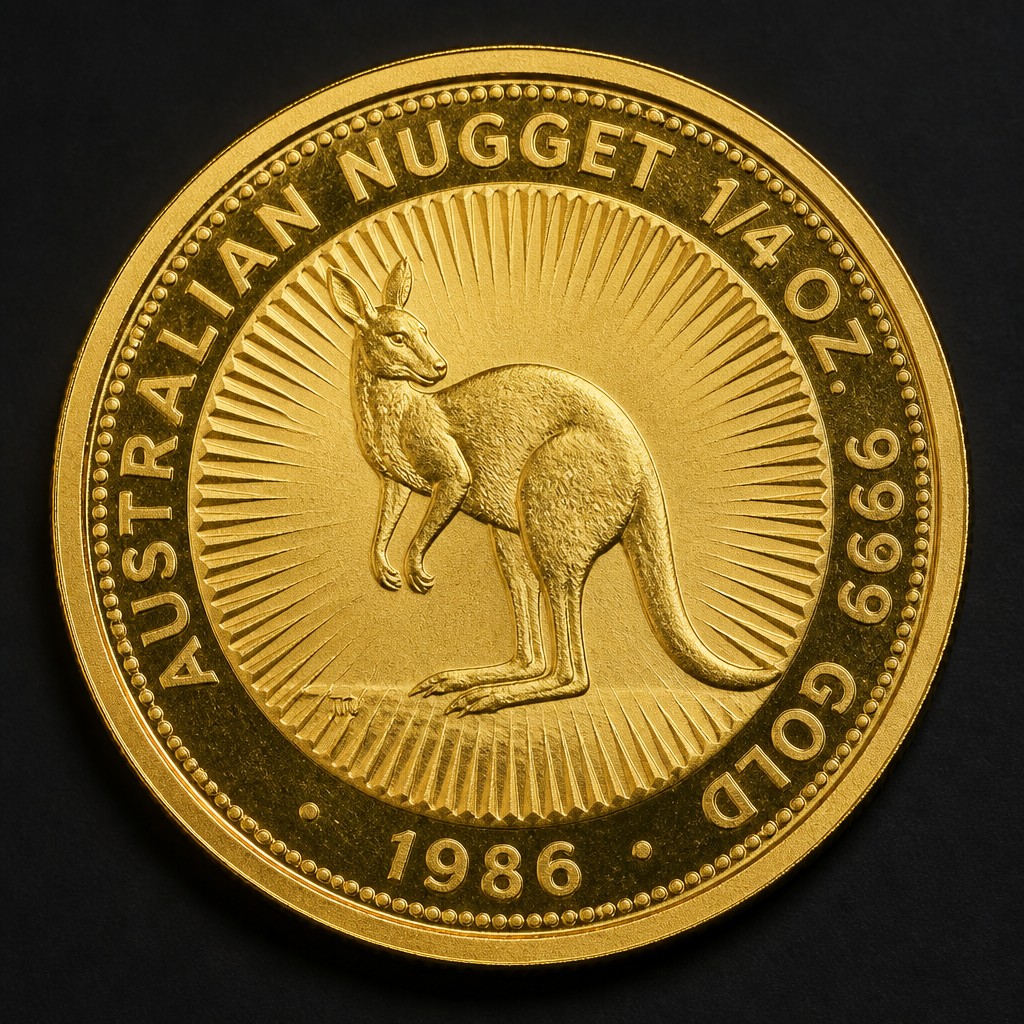
Australian Kangaroo Gold Nugget
1986-present
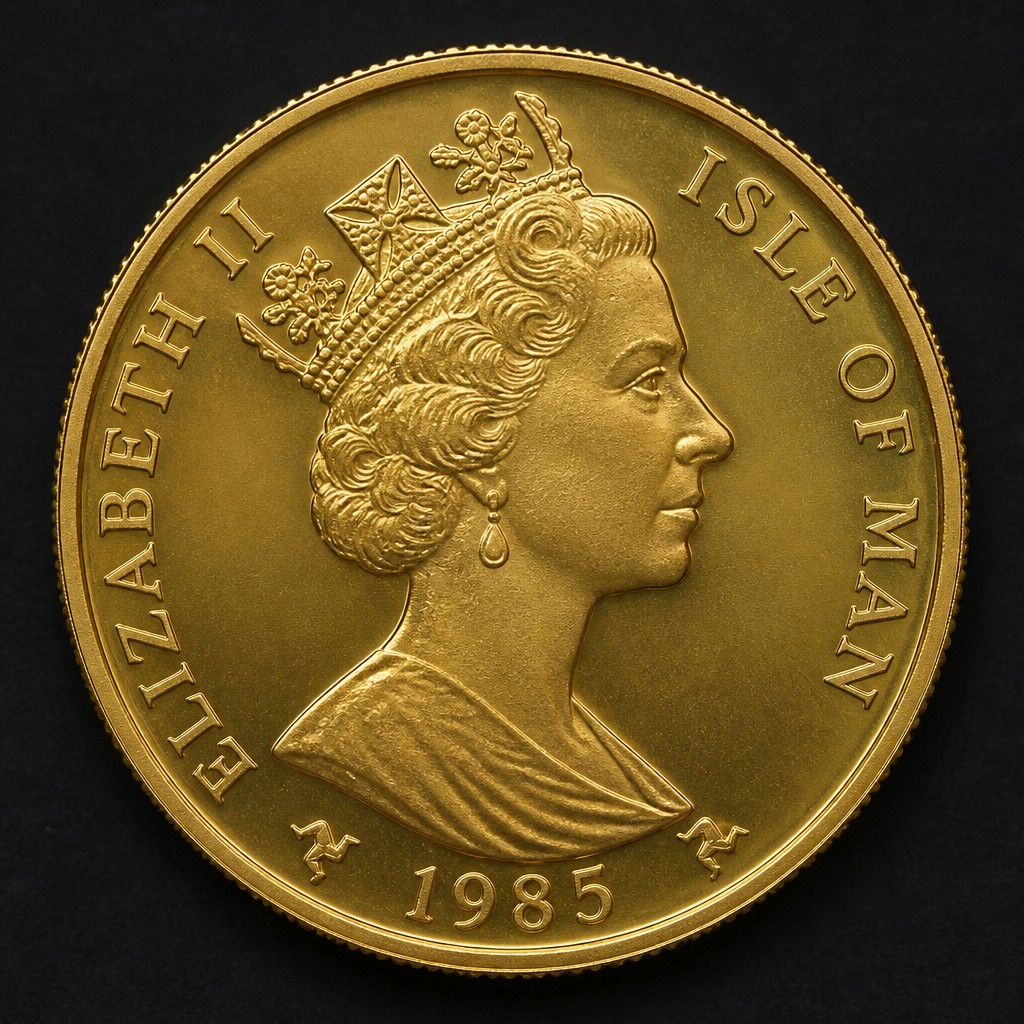
Isle of Man Angel Gold Coin
1984–present
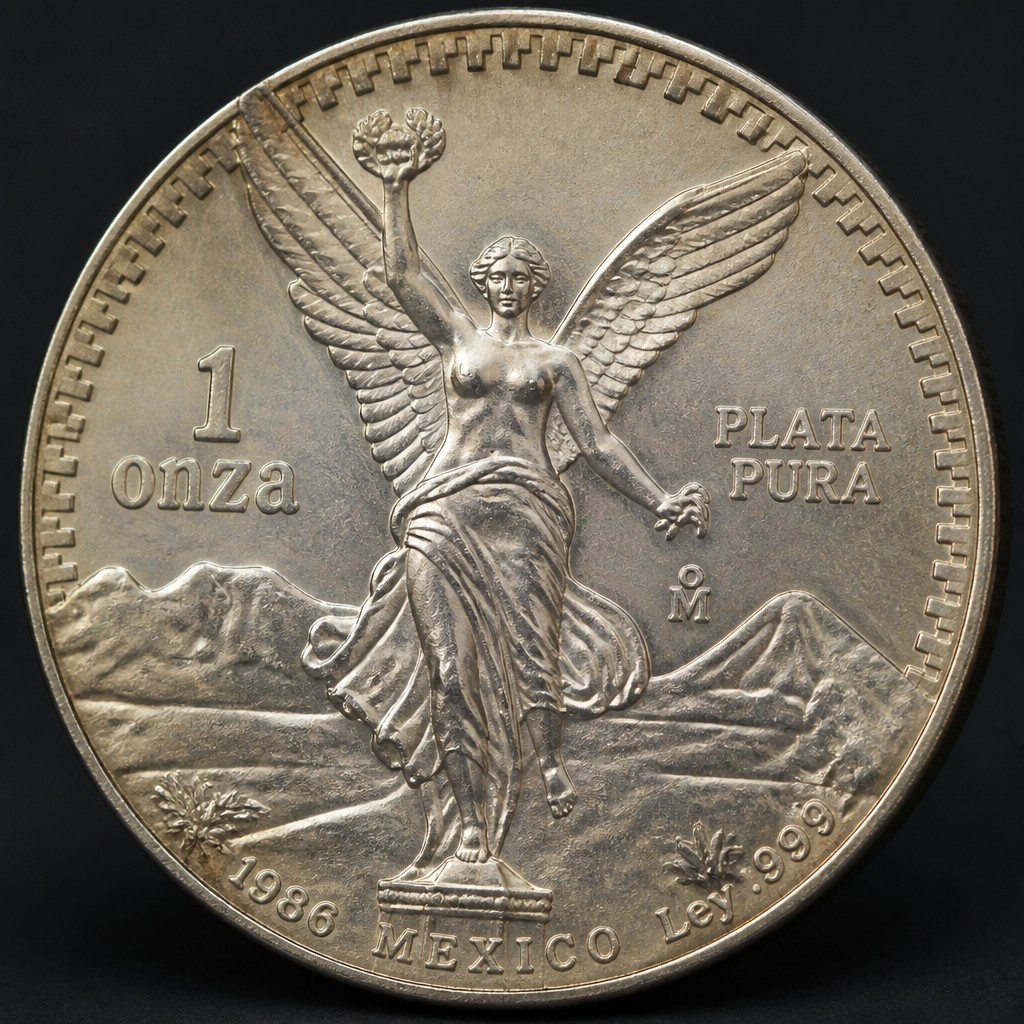
Mexican Libertad
1981-present (gold); 1982-present (silver)
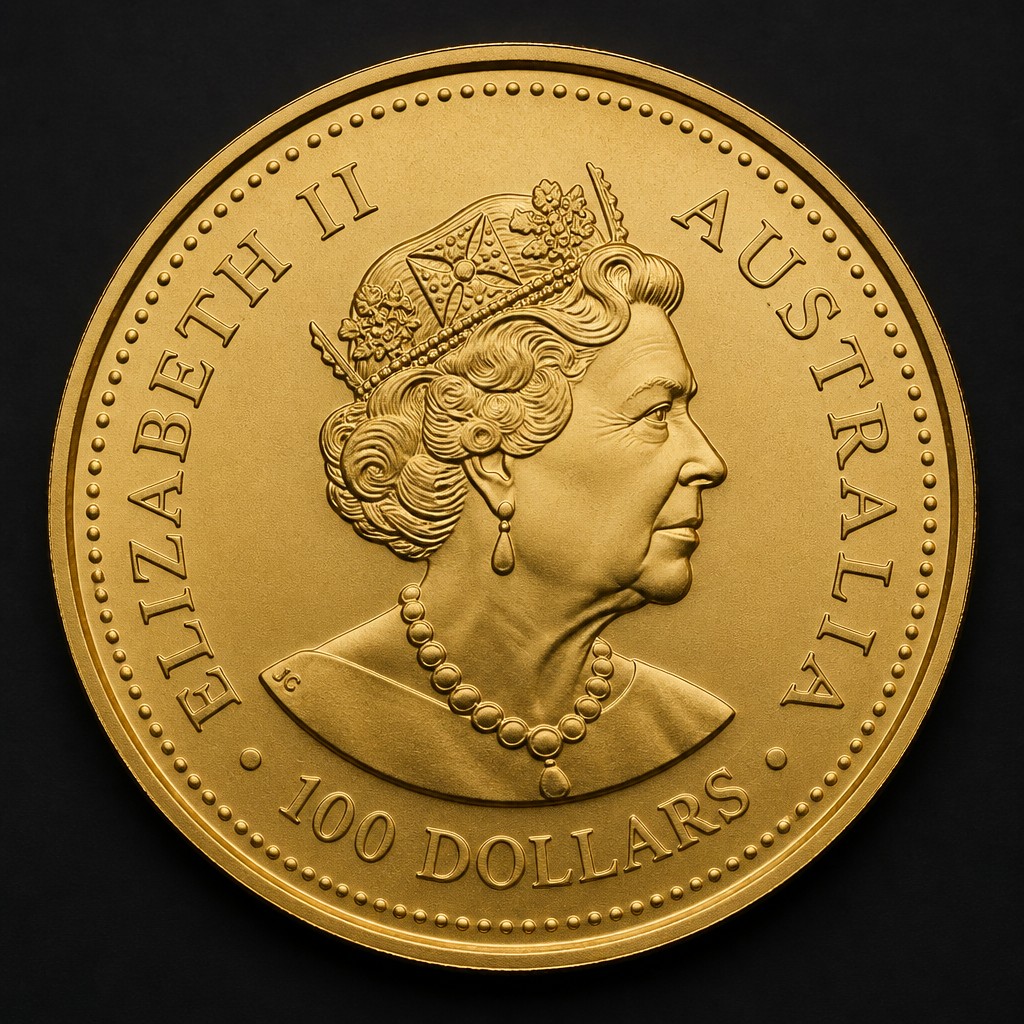
Australian Lunar Series (Perth Mint)
1996–present
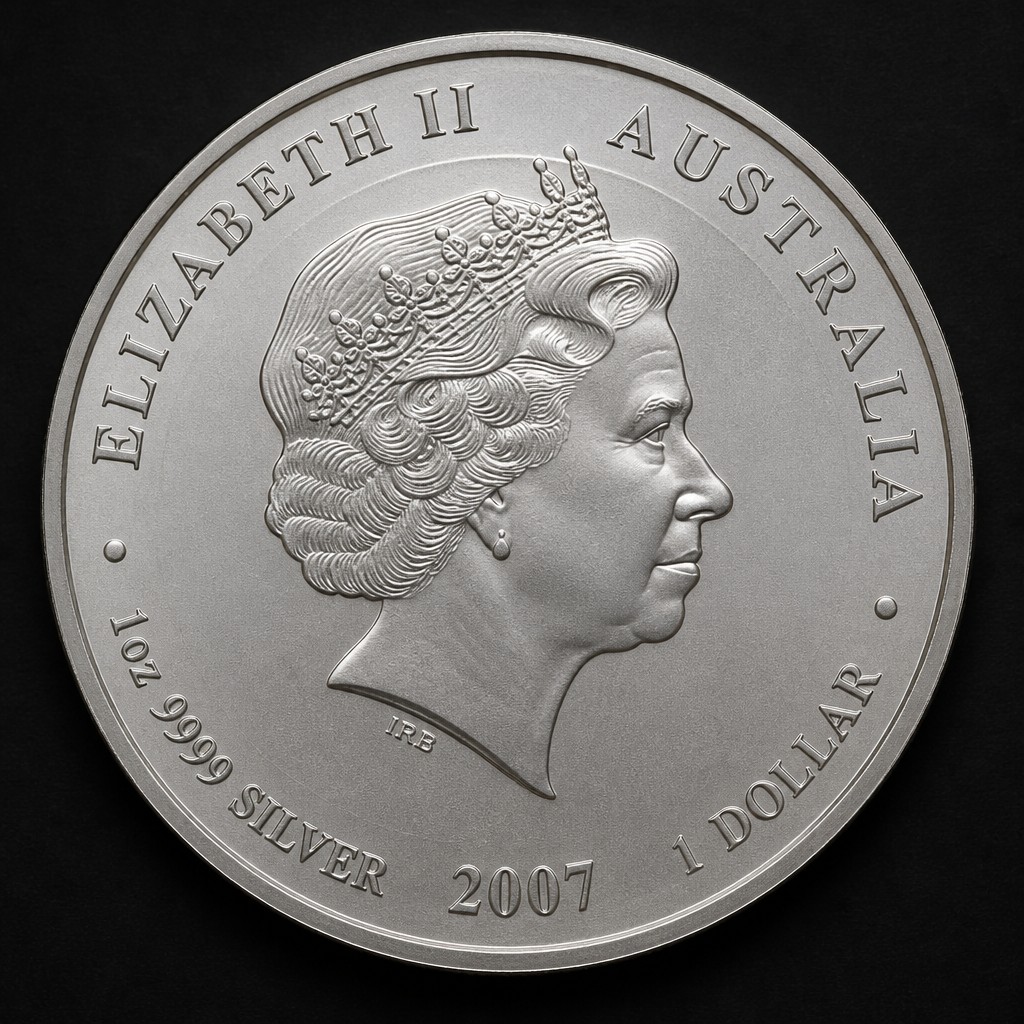
Australian Koala (Perth Mint)
1990-present (gold); 2007-present (silver)
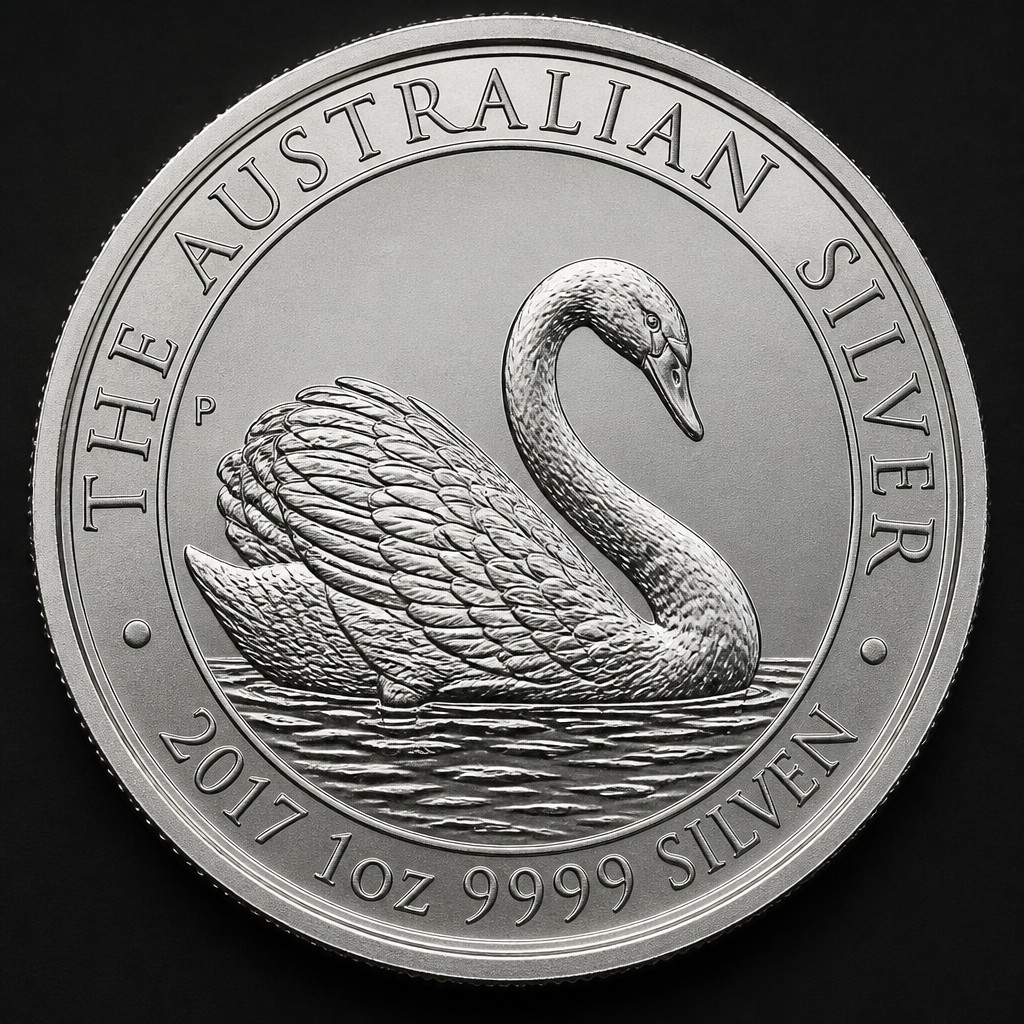
Perth Mint Silver Swan
2017–present
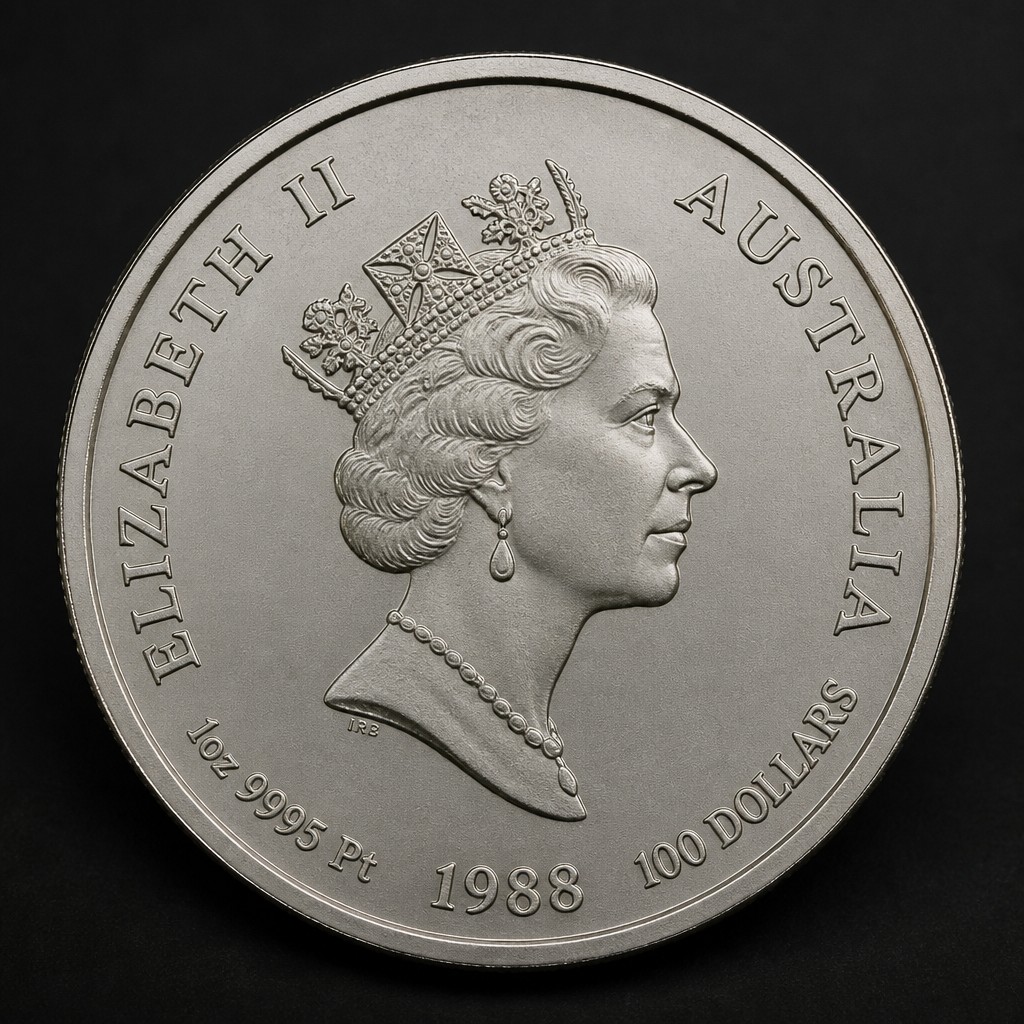
Australian Platinum Koala
1988–present
New Zealand Mint Silver Kiwi
2006–present
British Silver Landmarks of Britain
2020s–present
American Palladium Eagle
2017–present
Niue Silver Owl (Athenian)
2010s–present
South African Silver Krugerrand
2017–present