
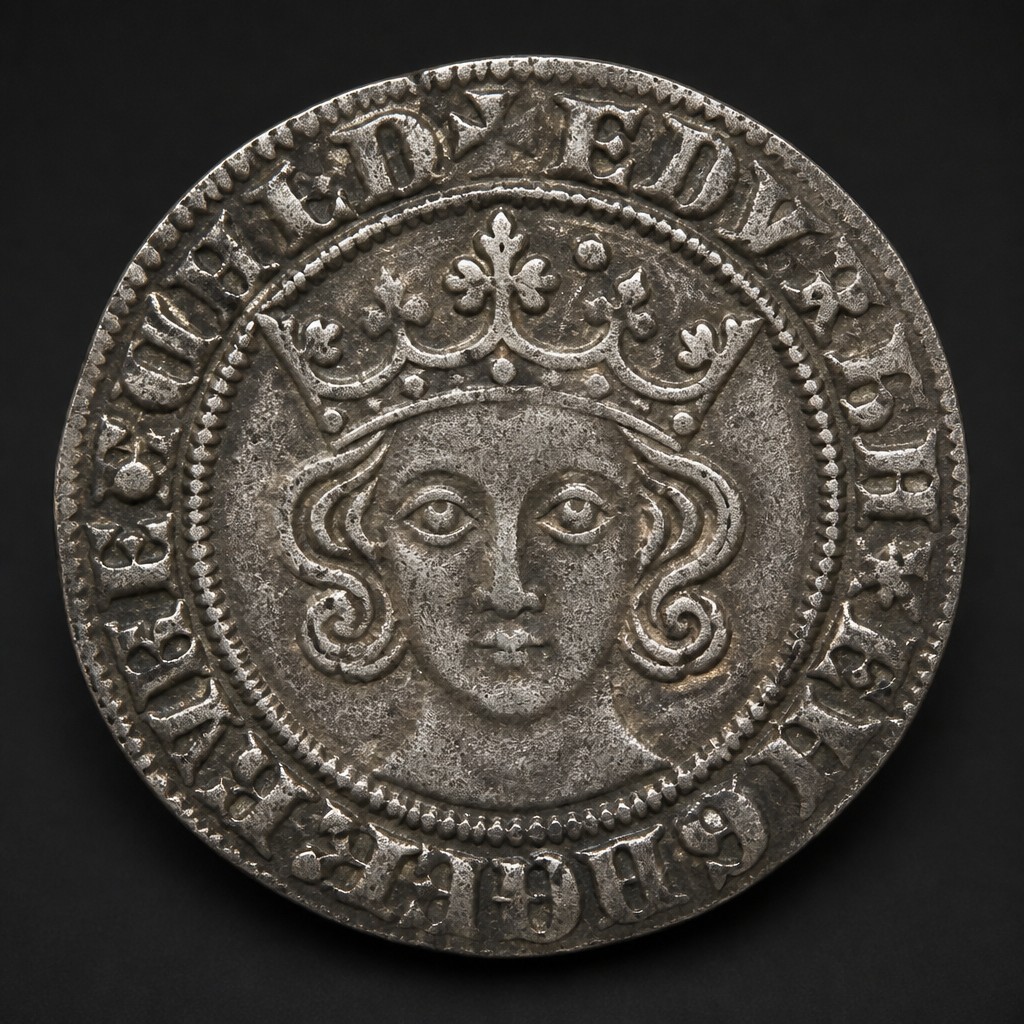
Half Groat
A small hammered silver coin worth half the value of the groat, or two pence, struck across three centuries of English coinage from the reign of Edward III through the Stuart era.
- Country
- England
- Denomination
- Two Pence
- Metal
- Silver
Got a coin like this?
Identify any coin from a photo, free.
Overview
The Half Groat was a standard small-denomination silver coin in English currency for several centuries, valued at two pence, half the value of the groat (fourpence). It circulated widely as everyday small change and appears in the coinage of nearly every English monarch from the 14th century through the mid-17th century.
Because it was struck over such a long span with many different royal portraits and mint marks, the Half Groat is a popular type for collectors assembling reign-by-reign sets of English hammered silver, and certain rarer mints or short-reign issues are especially sought after.
History & Background
The groat and half groat were introduced into English coinage in the mid-14th century under Edward III as part of an effort to provide larger, more convenient silver denominations than the long-standing penny. The half groat then remained a fixture of the coinage through the Plantagenet, Tudor, and early Stuart periods, undergoing many changes in weight, fineness, and design as the currency was periodically reformed and debased.
Production of the Half Groat as a general circulating coin effectively ended around the time of the English Civil War and the transition to milled coinage under the Commonwealth and later Charles II, after which twopence values continued mainly through the ceremonial Maundy coinage rather than ordinary circulation.
How to Identify
Obverse designs typically show a stylized profile or facing bust of the reigning monarch, with a Latin legend giving the ruler's name and titles; reverse designs commonly feature a long cross, sometimes with pellets or other devices in the angles, along with a legend referencing the mint or a religious phrase. Mint marks, small symbols in the legend, help date and attribute specific issues.
Half Groats are small, thin, irregularly shaped hammered coins, generally lighter and smaller in diameter than the corresponding groat of the same reign. Because designs and mint marks changed frequently, precise attribution to a specific king, queen, or minting period usually requires comparing the bust style, legend wording, and mint mark against reference details for that era.
Value & Collectibility
Values for Half Groats vary enormously depending on the issuing reign, mint, and condition, since some rulers' issues are common while others are quite scarce. Well-centered strikes with legible legends and full flans command a premium over the typically uneven, sometimes clipped, examples common to hammered coinage.
Frequently asked questions
What is a Half Groat worth in old English money?
It was valued at two pence, exactly half the value of the four-penny groat.
How is a Half Groat different from a modern coin?
It was hand-hammered rather than machine-struck, giving it an irregular shape and variable thickness typical of coins made before the mid-17th century.
Why do Half Groats vary so much in value?
Because they were struck across many different reigns and mints over three centuries, some issues are common while others are quite rare, and condition varies widely.
When did the Half Groat stop being used in everyday commerce?
General circulation largely ended around the mid-17th century, after which the twopence value survived mainly in the ceremonial Maundy coinage.
Other coins you may enjoy
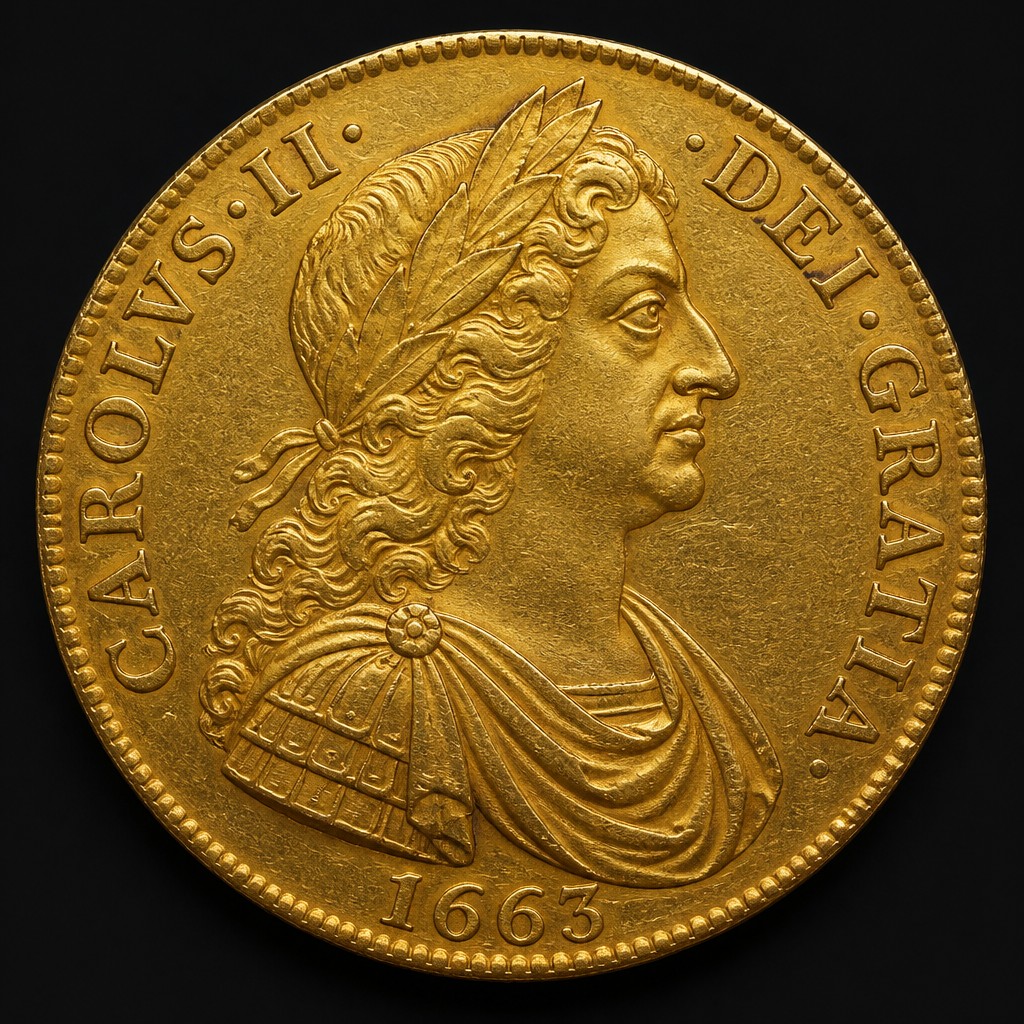
British Guinea
1663–1814
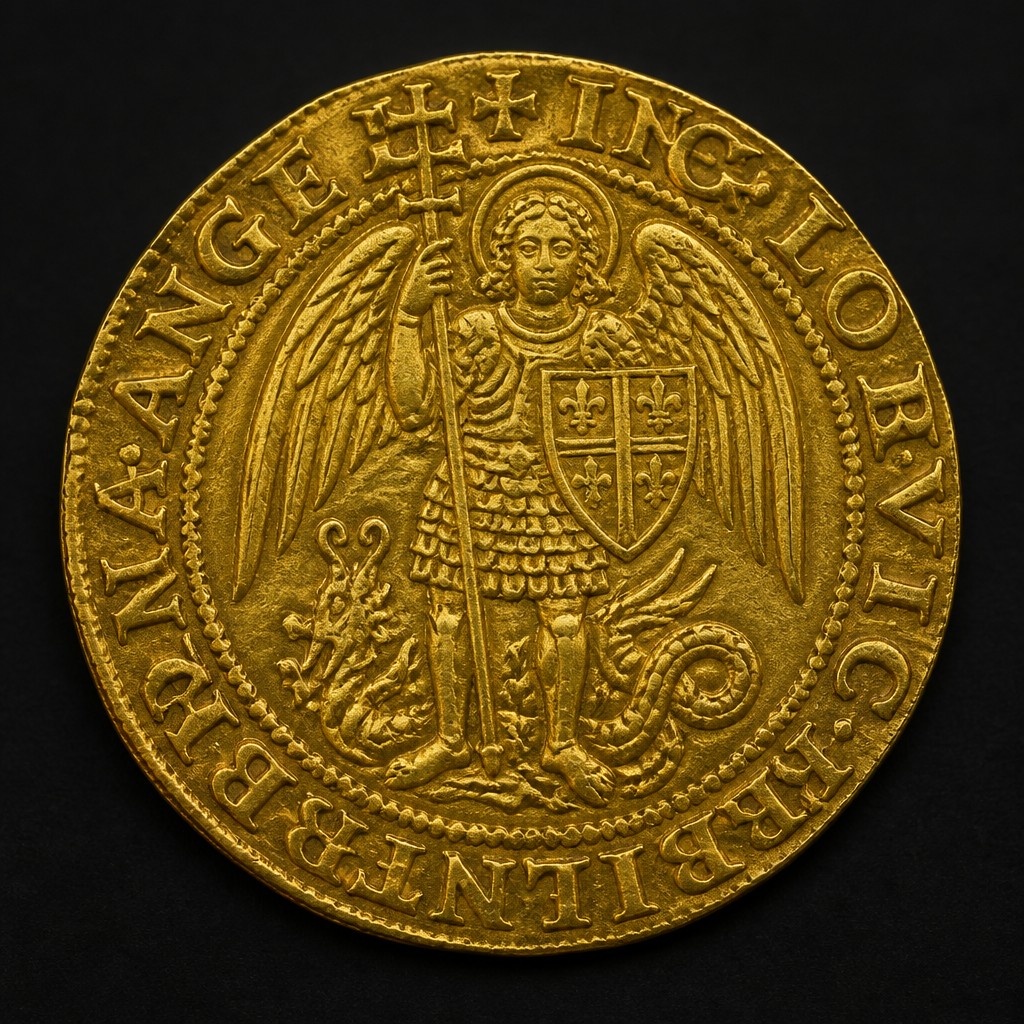
English Angel
1465–1642
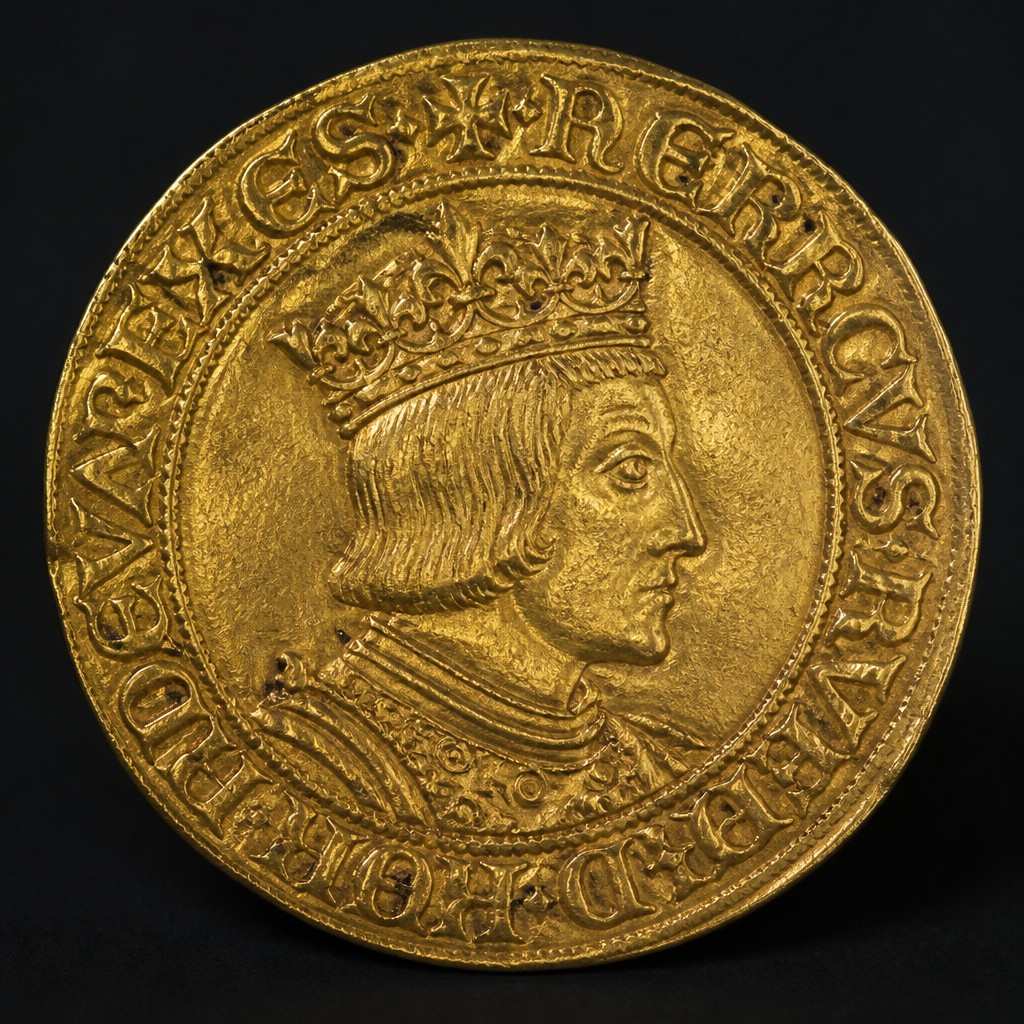
English Sovereign of Henry VII
1489–1509
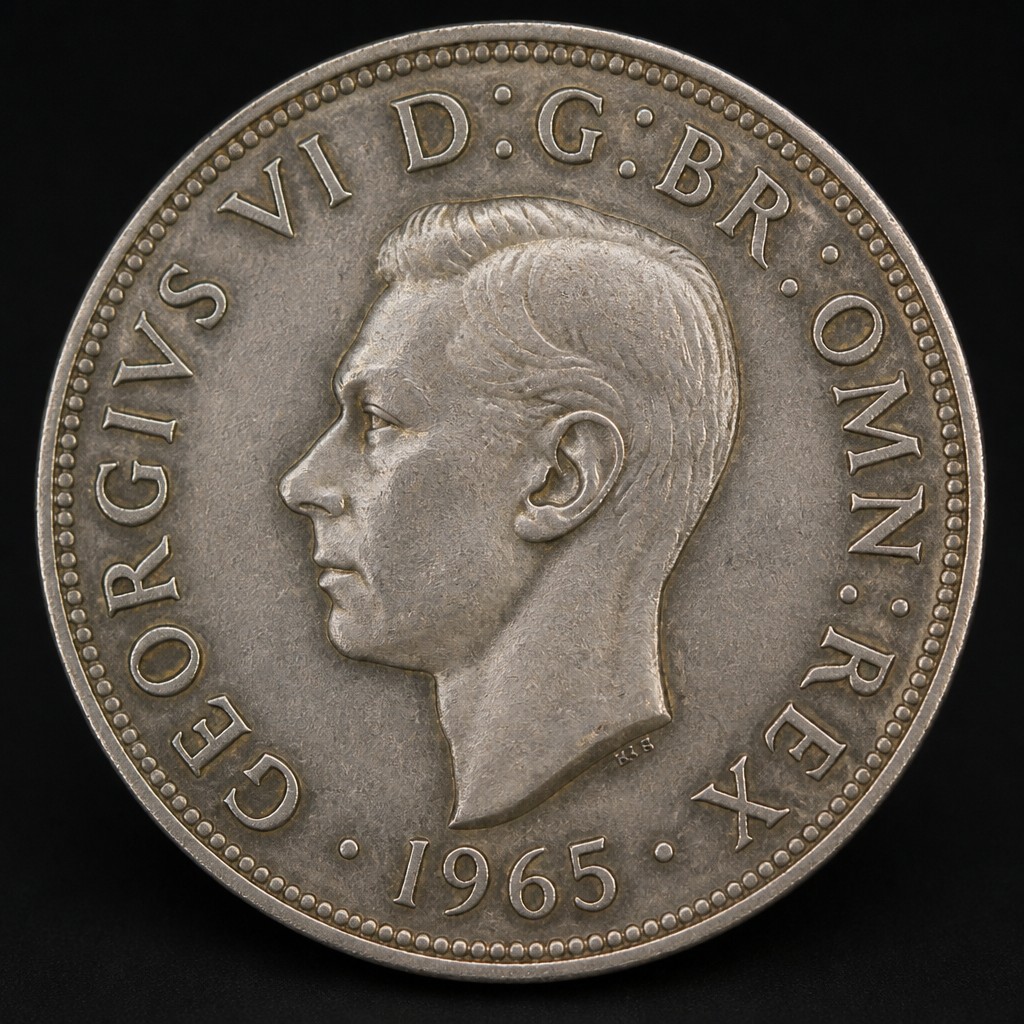
English Crown
1526–1965 (pre-decimal; commemorative crown-sized coins continue as five pound coins)
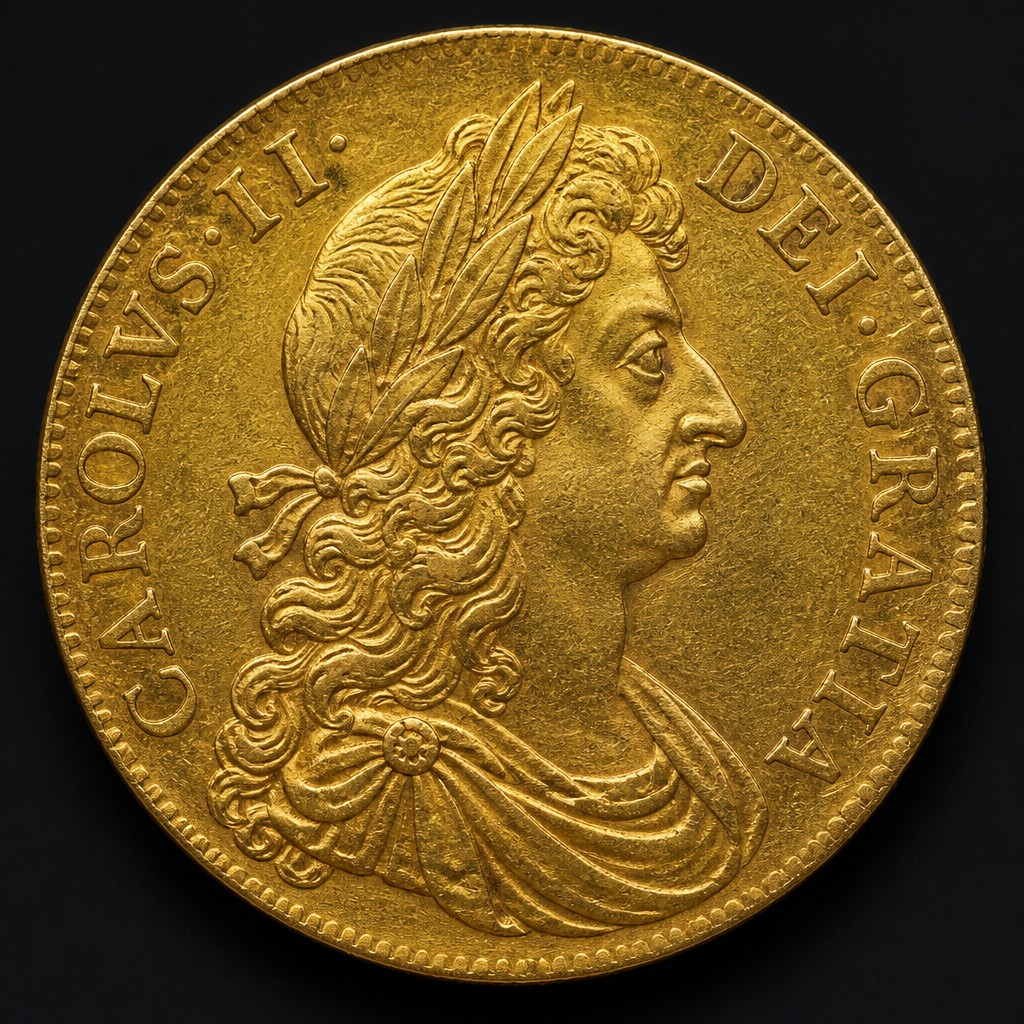
British Gold Guinea
1663–1814
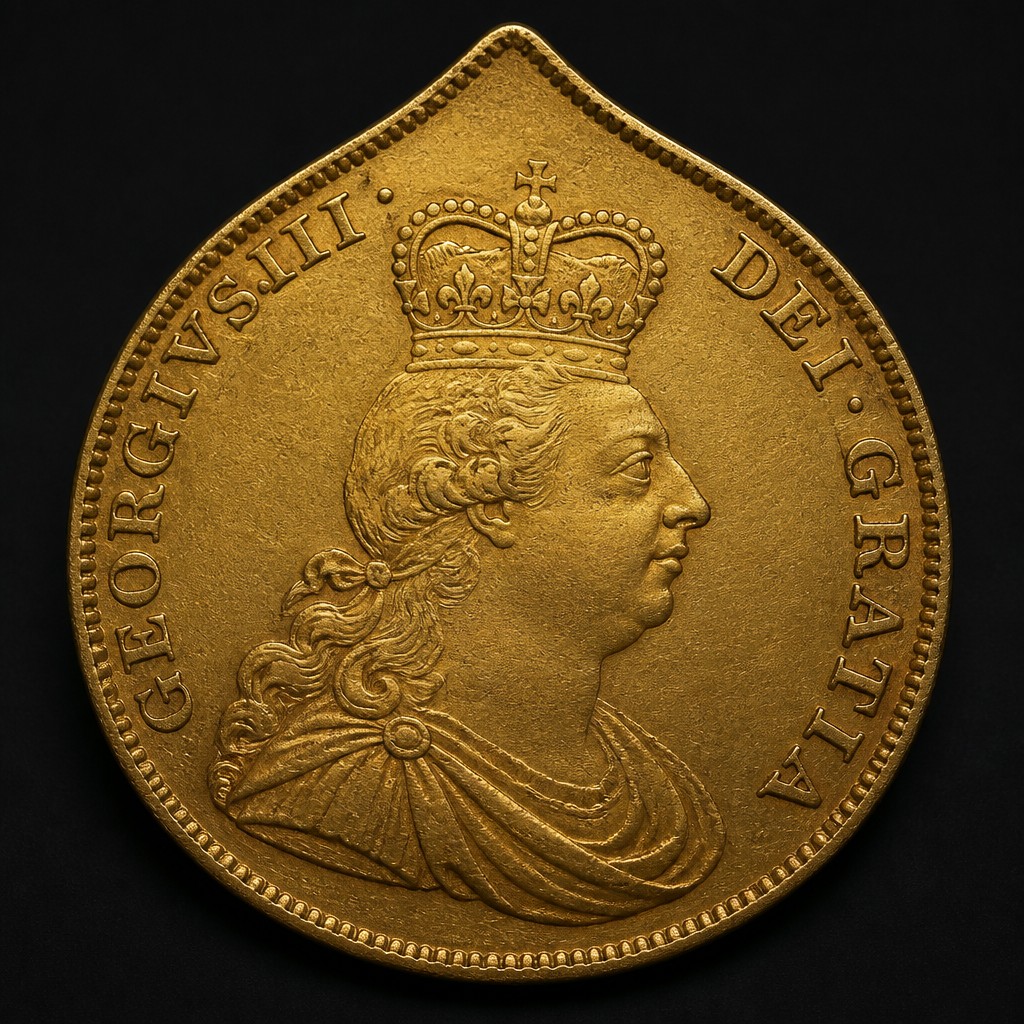
Spade Guinea
1787–1799
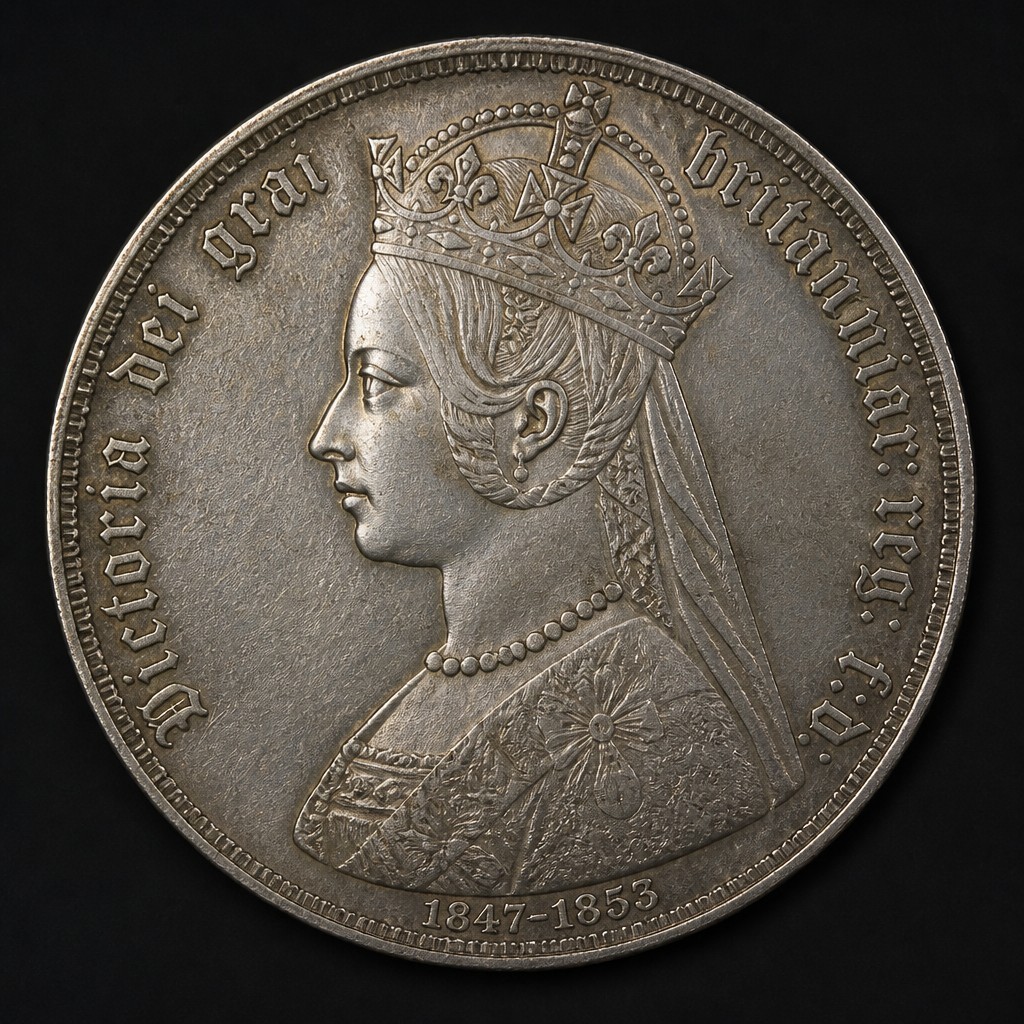
Gothic Crown
1847–1853
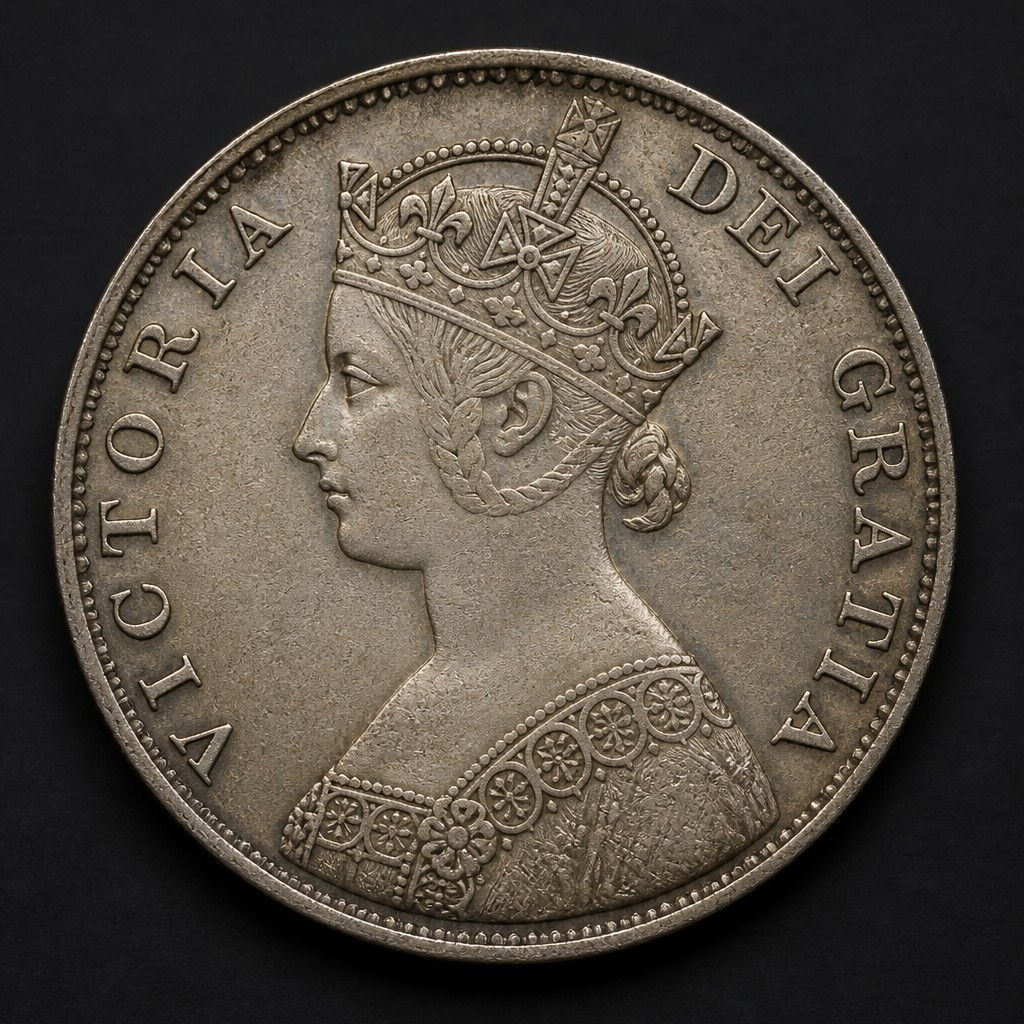
Groat (Fourpence)
1279–1888 (various revivals)
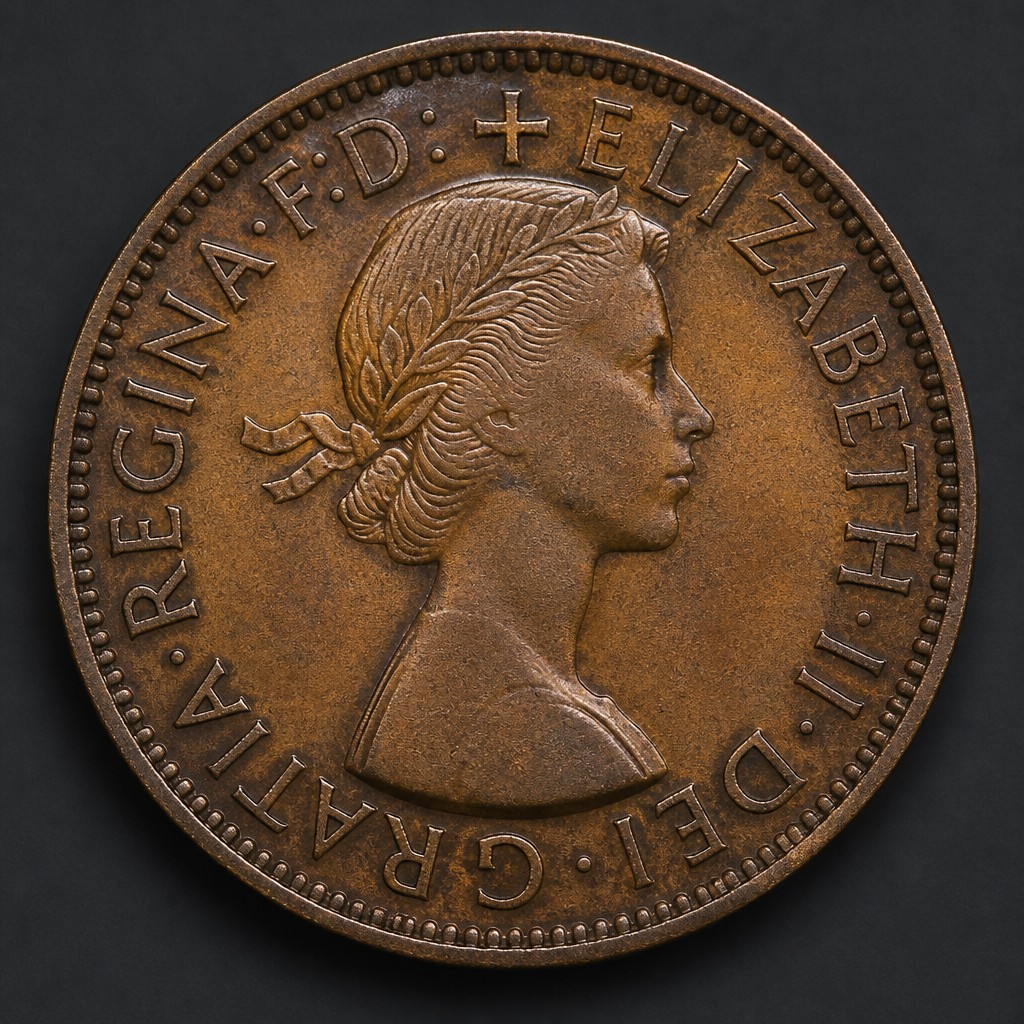
Farthing
13th century–1956
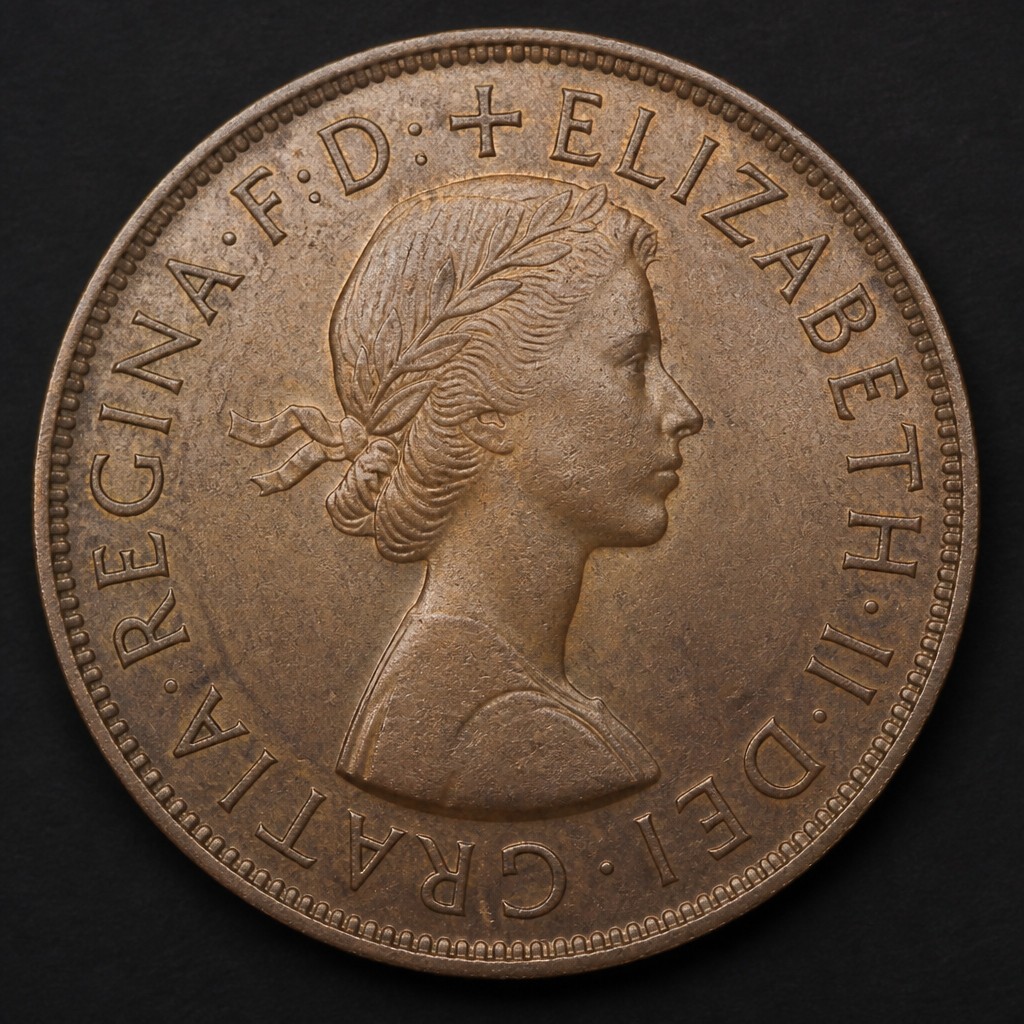
Halfpenny
c. 800s–1969
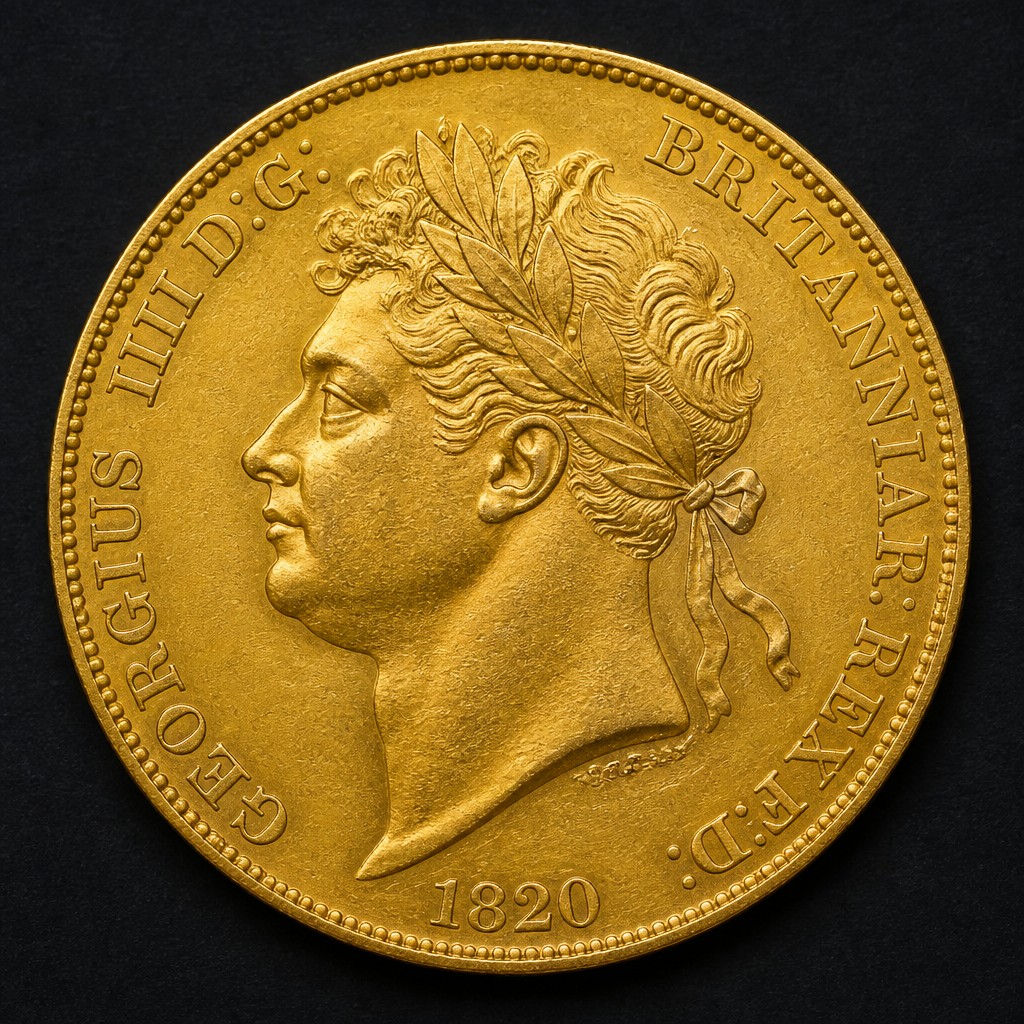
Five Pound Gold (Quintuple Sovereign)
1820–present (intermittent)
Threepence
1547–1970