
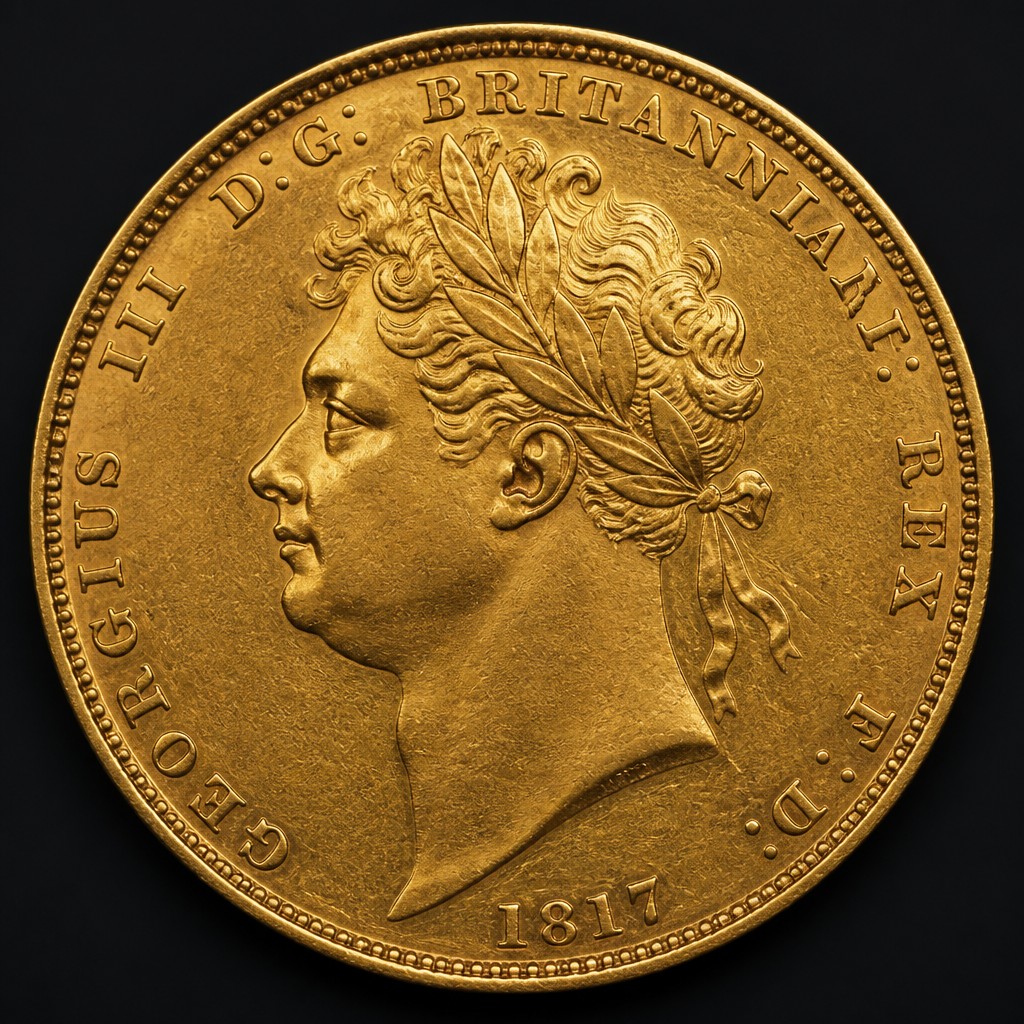
St George Sovereign (Pistrucci)
The modern gold sovereign's iconic reverse showing St George slaying the dragon, engraved by Benedetto Pistrucci in 1817 and still used on British sovereigns to this day.
- Country
- United Kingdom
- Denomination
- Sovereign (One Pound)
- Metal
- Gold (.917, 22 carat)
Got a coin like this?
Identify any coin from a photo, free.
Overview
The St George sovereign refers to the gold pound coin whose reverse carries Benedetto Pistrucci's celebrated depiction of St George on horseback slaying a dragon, first introduced when the sovereign denomination was reestablished in 1817. It is not a separate denomination from the ordinary sovereign but rather describes the design that has become synonymous with the coin across two centuries and multiple reigns.
The image has become one of the most recognized pieces of coin art in the world, appearing on sovereigns struck under monarchs from George III through the present day, with only occasional years substituting a different or commemorative reverse.
Collectors often build sovereign type sets specifically anchored around this design, comparing how the same George-and-dragon composition has been rendered across different reigns, mints, and centuries.
History & Background
Benedetto Pistrucci, an Italian gem engraver working in London, was commissioned to design the reverse for the newly reintroduced gold sovereign in 1817, part of the Great Recoinage that followed the Napoleonic Wars. His classical, dynamic composition of St George in Roman-style armor slaying the dragon was an immediate artistic success and quickly became the enduring symbol of the sovereign.
Over the following two centuries the design has been used, with occasional interruptions for shield-back or commemorative reverses, across the reigns of George III, George IV, William IV, Victoria, Edward VII, George V, George VI, and both Elizabeth II and Charles III, making it one of the longest continuously used coin designs in the world.
Sovereigns bearing this design were struck not only in London but at branch mints throughout the British Empire, including Australia, Canada, South Africa, and India, to supply gold coinage across British territories, and the design remains standard on today's Royal Mint sovereign.
How to Identify
The obverse carries the portrait of the reigning monarch at the time of striking, changing across reigns while the reverse design remains essentially constant. The reverse shows St George, nude or lightly armored in classical style, on a rearing horse, thrusting a broken lance or sword into a dragon coiled beneath the horse's hooves, with Pistrucci's initials often visible in the design.
The coin is struck in 22 carat gold, weighs about 7.99 grams, and measures approximately 22 millimeters in diameter, with a milled edge. Mint marks distinguishing London from historical branch mints (such as S for Sydney, M for Melbourne, P for Perth, C for Ottawa, SA for Pretoria, or I for Bombay) appear as a small letter below the horse's hooves on many issues, an important detail for collectors identifying the coin's mint of origin.
Value & Collectibility
Common date sovereigns in circulated condition generally trade close to their gold bullion value with a modest numismatic premium, making the design one of the more accessible ways to own historic gold coinage. Specific dates, mint marks, and mintages create significant variation, however, with certain branch mint issues and low-mintage years commanding substantially higher prices than common London-struck dates.
Condition also plays a large role: sovereigns are a popular coin for both bullion investors and date collectors, so choice uncirculated examples of scarcer years can sell for many times the bullion value of common dates. As with all gold coins, buyers should expect a range driven by gold price, date, mint, and grade rather than a single fixed value.
Frequently asked questions
Who designed the famous reverse of the sovereign?
Benedetto Pistrucci, an Italian engraver working for the Royal Mint, created the St George and the dragon design in 1817.
Has the sovereign always used this design?
No, some years and reigns used a shield-back or commemorative reverse instead, but the George-and-dragon design has been the most common and enduring choice.
How can I tell which mint struck a particular sovereign?
Look for a small mint mark letter below the horse's hooves on the reverse, indicating branch mints such as Sydney, Melbourne, Perth, Ottawa, Pretoria, or Bombay.
Is the sovereign still produced today?
Yes, the Royal Mint continues to strike sovereigns for collectors and investors, still generally featuring Pistrucci's design.
Other coins you may enjoy
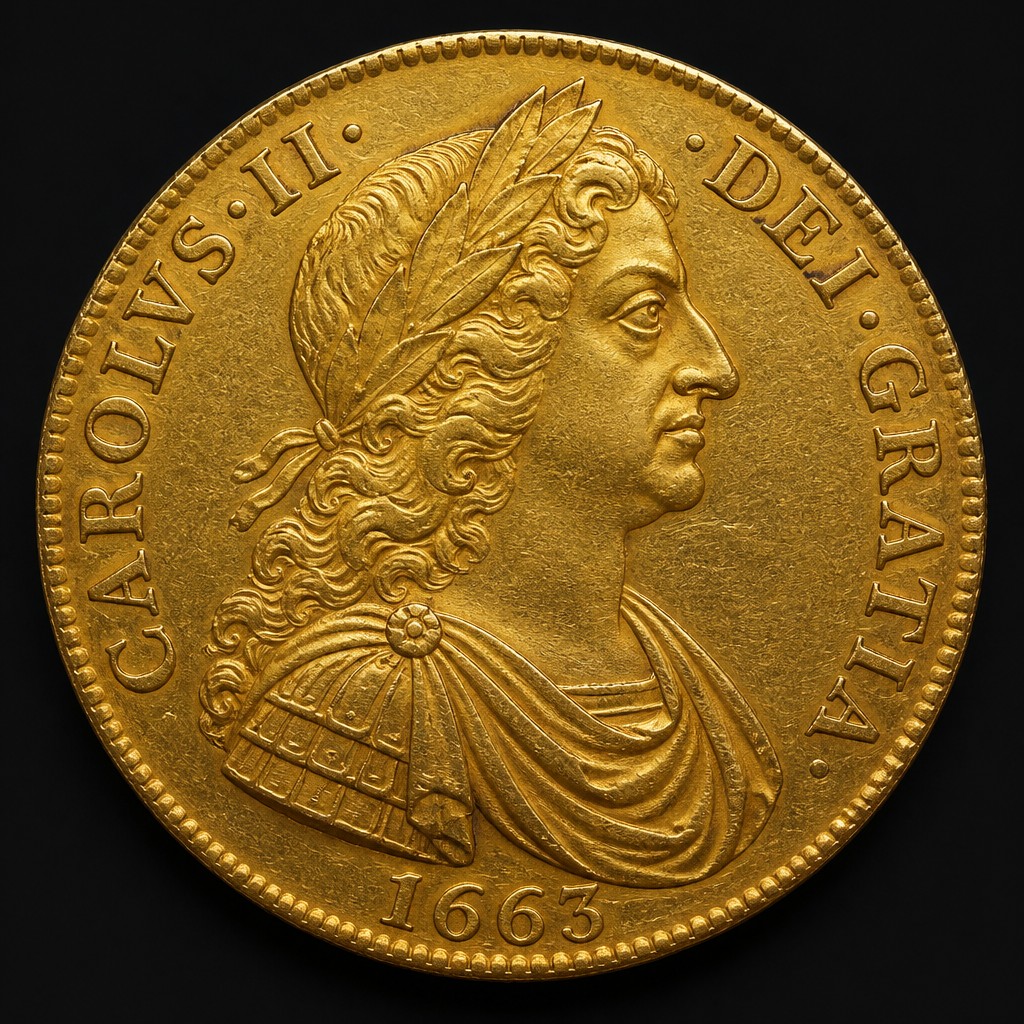
British Guinea
1663–1814
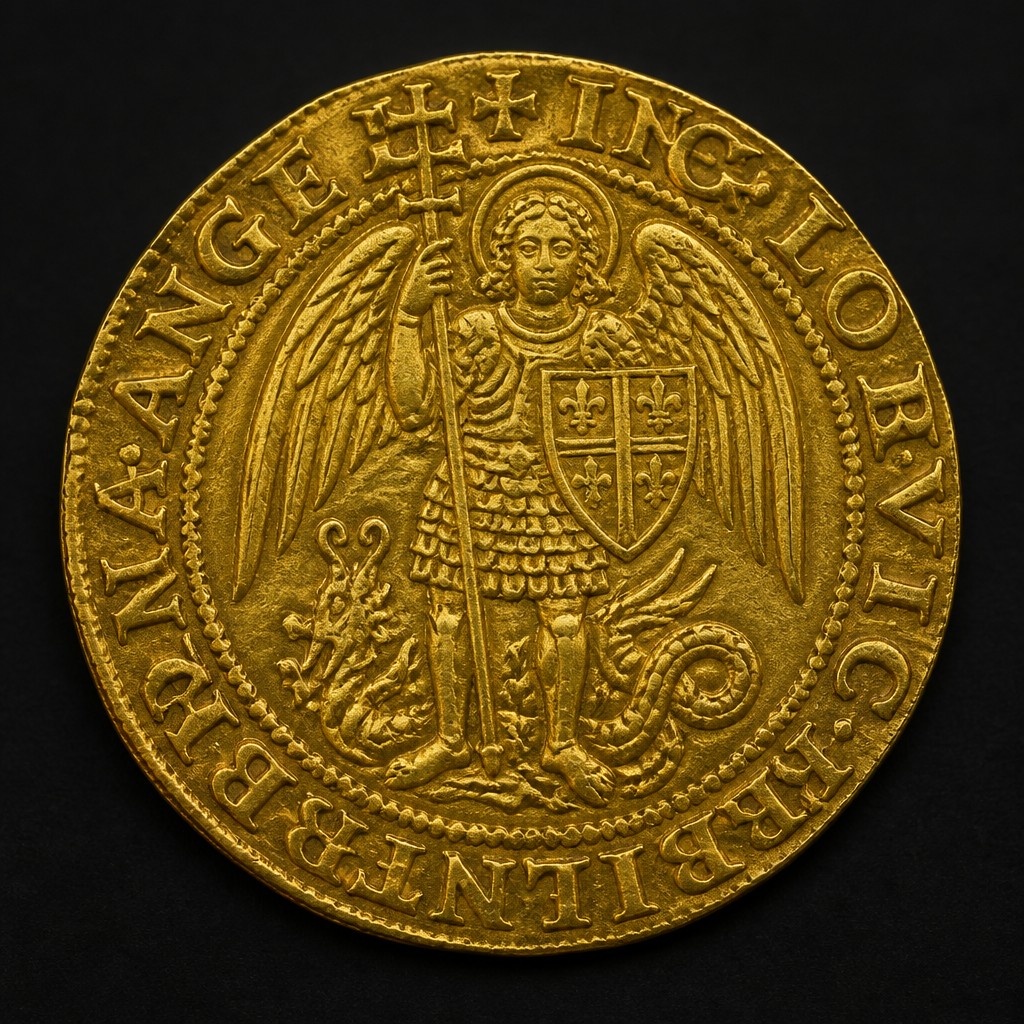
English Angel
1465–1642
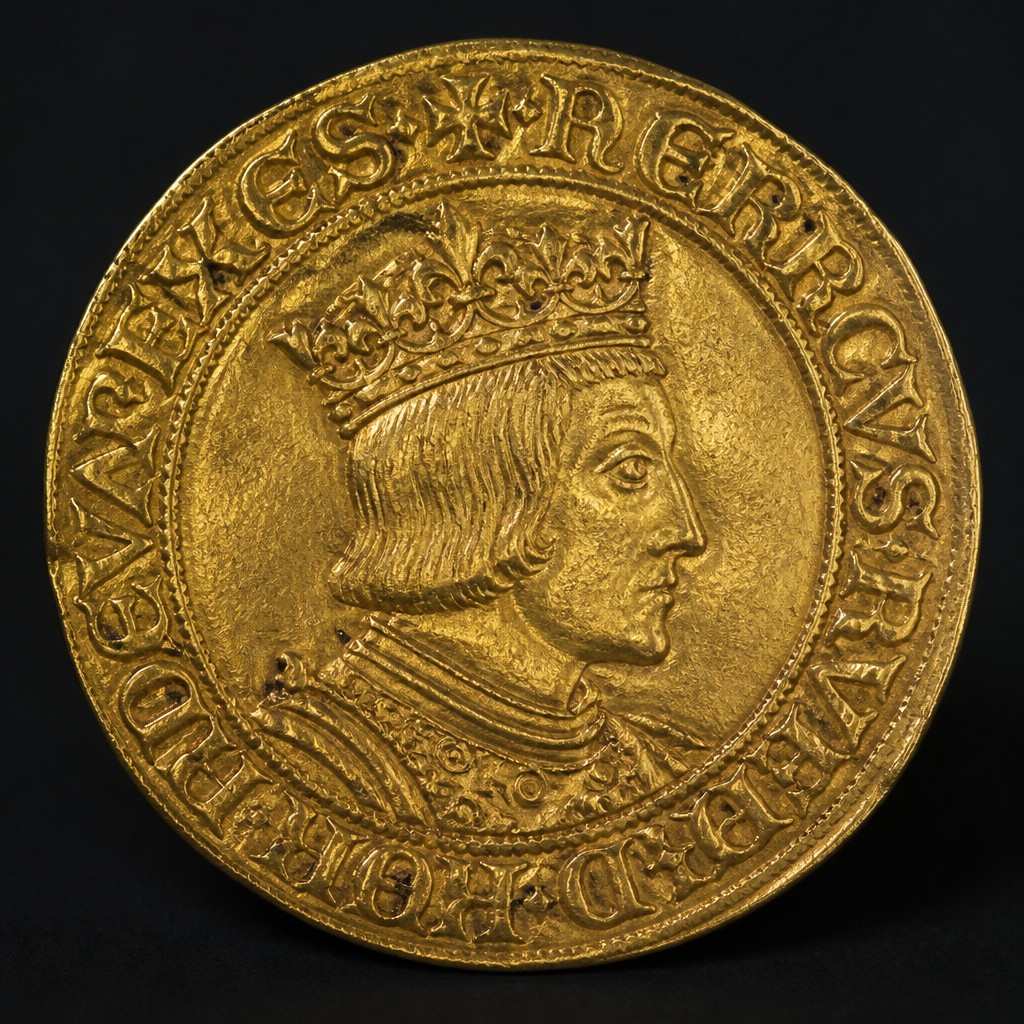
English Sovereign of Henry VII
1489–1509
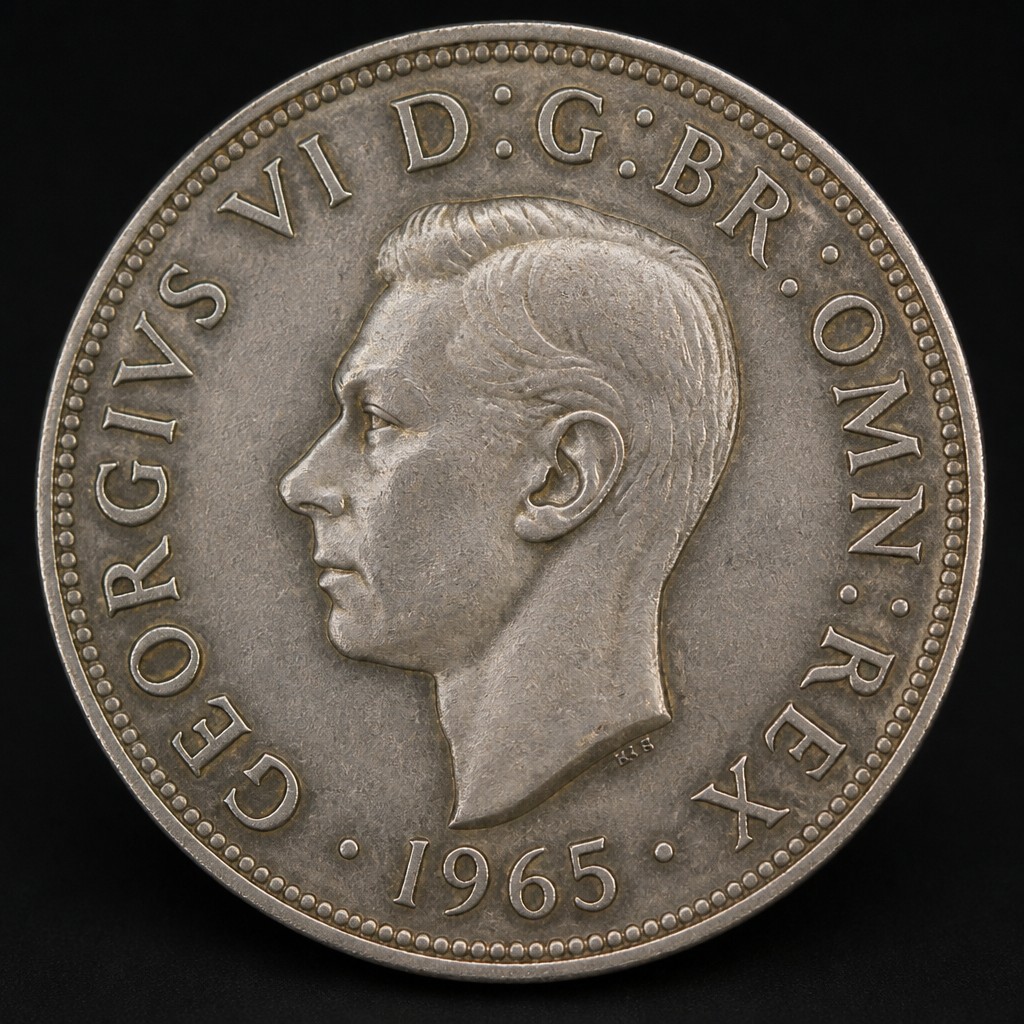
English Crown
1526–1965 (pre-decimal; commemorative crown-sized coins continue as five pound coins)
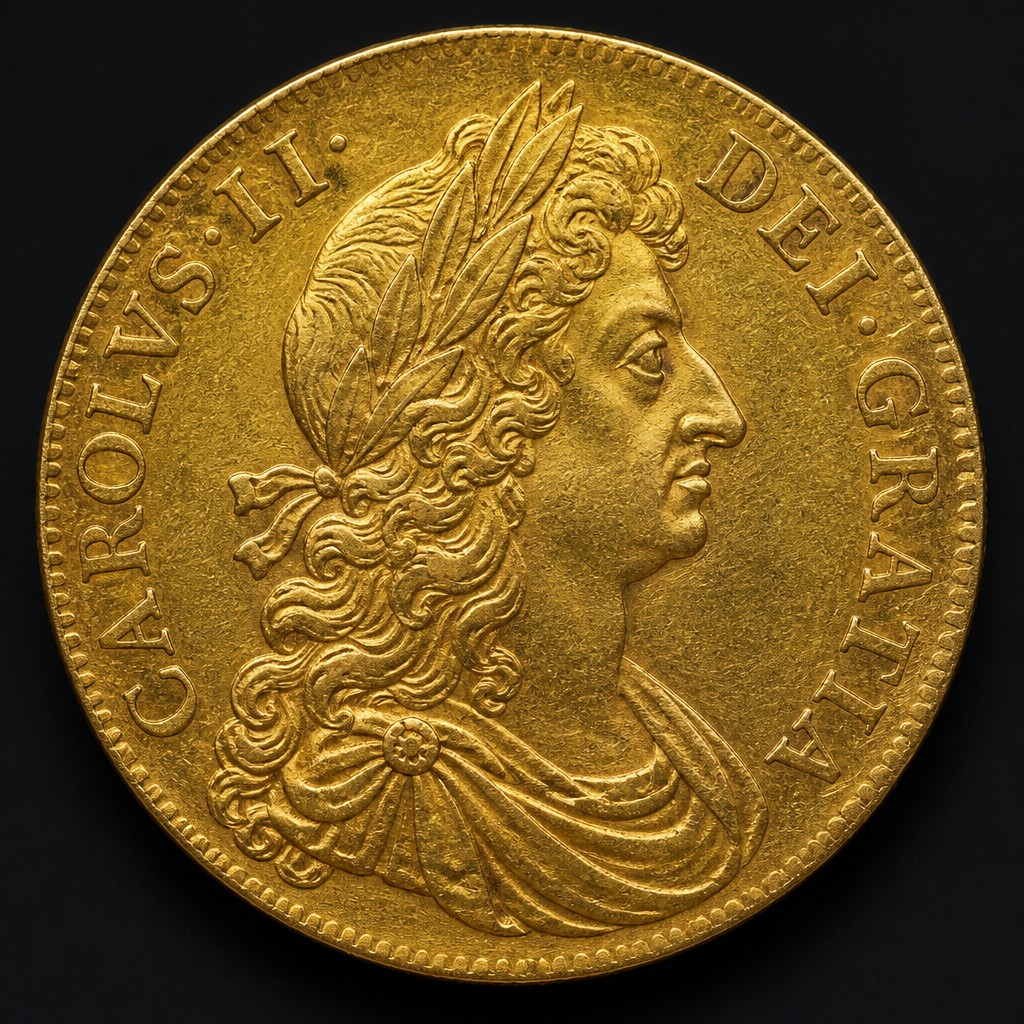
British Gold Guinea
1663–1814
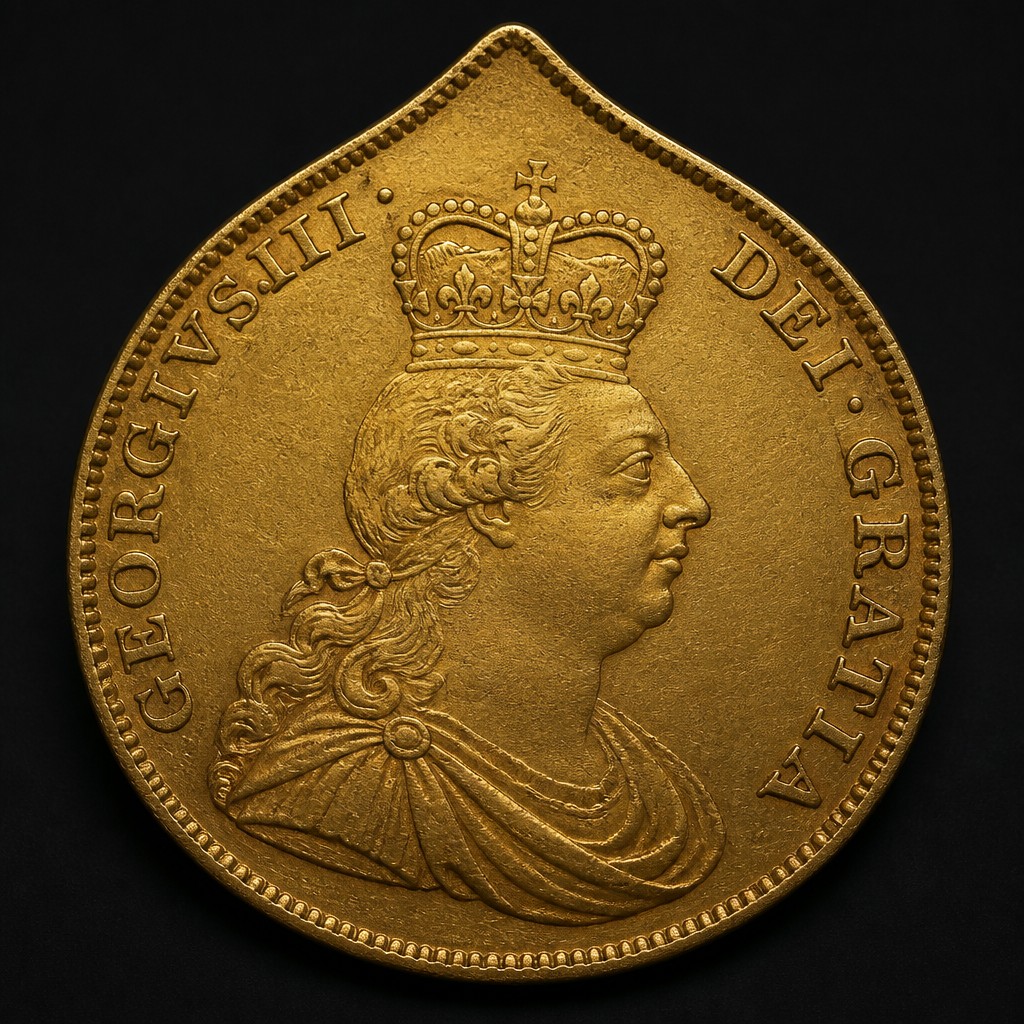
Spade Guinea
1787–1799
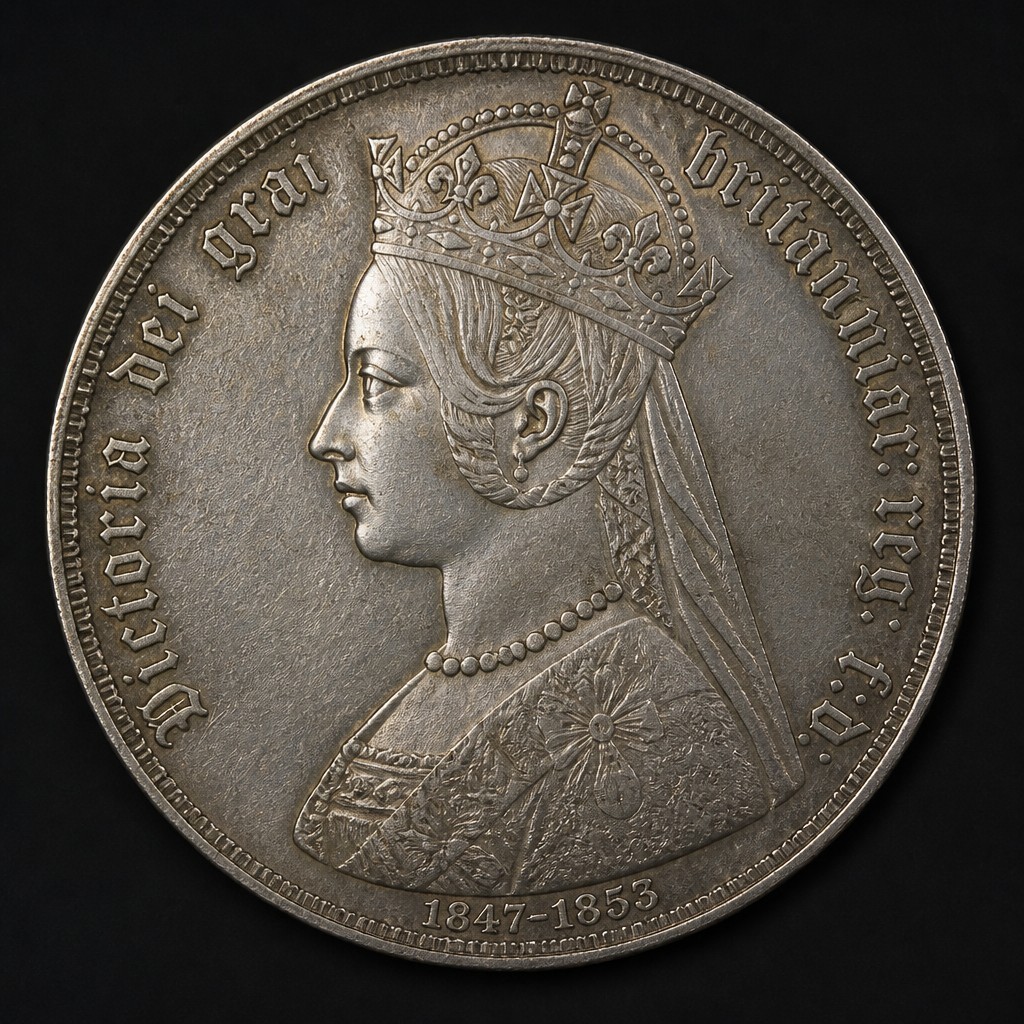
Gothic Crown
1847–1853
Groat (Fourpence)
1279–1888 (various revivals)
Farthing
13th century–1956
Halfpenny
c. 800s–1969
Five Pound Gold (Quintuple Sovereign)
1820–present (intermittent)
Threepence
1547–1970