
Unite
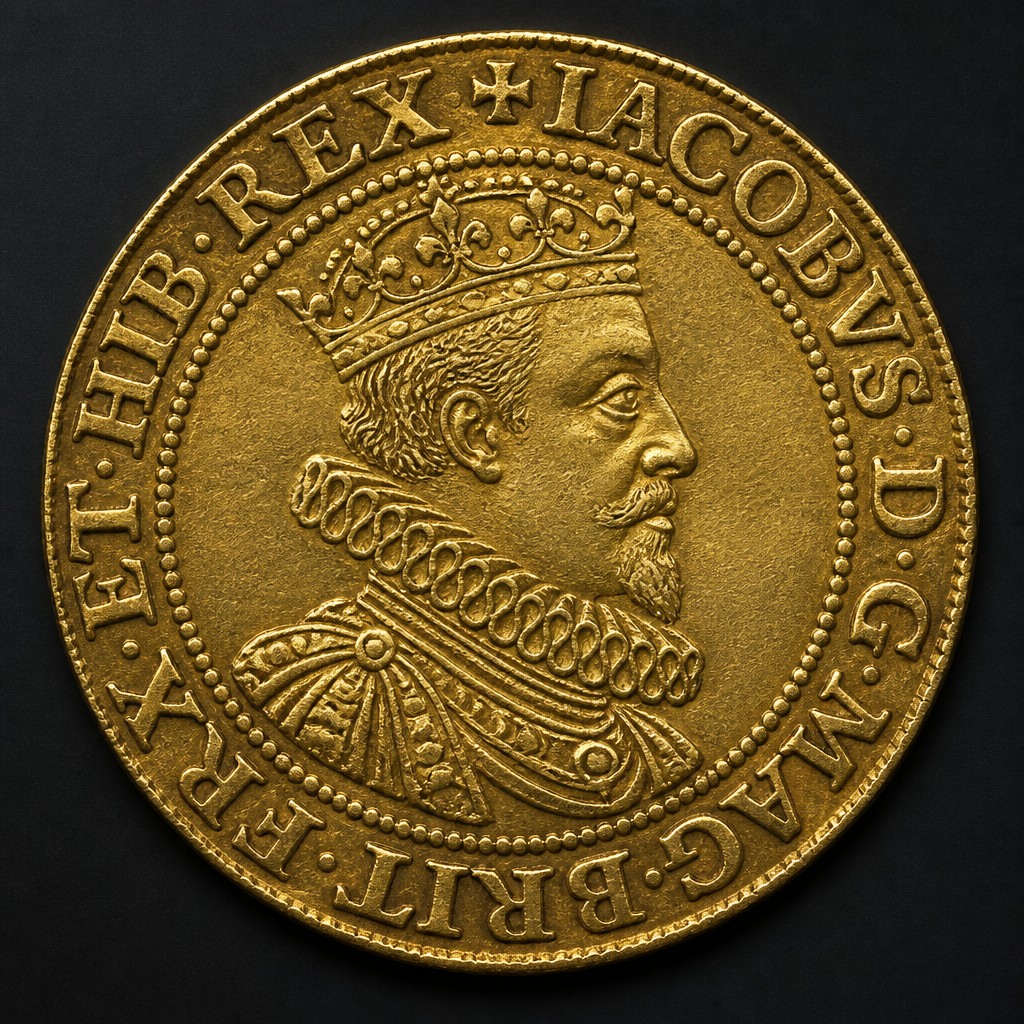
A gold twenty-shilling coin introduced by James I in 1604 to celebrate the union of the English and Scottish crowns, its name literally symbolizing the joining of the two kingdoms.
- Country
- England
- Denomination
- Twenty Shillings
- Metal
- Gold
Got a coin like this?
Identify any coin from a photo, free.
Overview
The Unite was introduced in 1604 as James I's flagship gold coin, valued at twenty shillings, and its very name commemorates the union of the crowns of England and Scotland under a single monarch. It replaced the earlier Sovereign as the principal large gold denomination of the reign.
Collectors value the Unite for its direct connection to a pivotal moment in British political history and for its handsome design, which was succeeded after 1619 by the similarly valued Laurel, making the Unite a relatively short-lived but historically rich type.
History & Background
When James VI of Scotland became James I of England in 1603, uniting the two crowns, the new king sought to reflect this political union in the coinage. The Unite, first struck in 1604, replaced the Sovereign and bore legends and imagery emphasizing the joined kingdoms, including a reverse motto referencing making the two realms one.
The Unite remained the principal gold twenty-shilling coin until 1619, when it was replaced by the Laurel, which featured a laureate royal portrait reflecting classical Roman imperial style. A version of the Unite name was later briefly revived during the reign of Charles I.
How to Identify
The obverse shows a crowned, armored bust or a crowned half-length portrait of James I, with a Latin legend giving his titles across both England and Scotland (and often France and Ireland as well, per traditional royal styling). The reverse displays a crowned shield of the royal arms, quartering the arms of England, Scotland, France, and Ireland, with a distinctive motto reflecting the union of the crowns.
The Unite is a substantial gold coin befitting its high face value, and its combined-kingdoms legend and union-themed motto are the clearest ways to distinguish it from the earlier Sovereign or the later Laurel, which used a laureate rather than crowned portrait.
Value & Collectibility
Unites are scarce, desirable pieces of early Stuart gold coinage, and their value reflects both their gold content and their strong historical association with the union of England and Scotland. Sharp strikes with full legends and good centering are particularly prized.
Given their rarity and significance, genuine Unites typically command prices from the low thousands of dollars into much higher figures for exceptional or well-documented examples, with condition and specific mint mark or bust variety playing a major role in final value.
Frequently asked questions
Why is it called a 'Unite'?
The name and its reverse motto celebrate the 1603 union of the English and Scottish crowns under James I.
What coin replaced the Unite?
The Laurel replaced the Unite in 1619, distinguished by its laureate portrait of the king in the style of a Roman emperor.
How much was a Unite worth?
It was valued at twenty shillings, making it one of the principal large gold coins of the early Stuart period.
Was the Unite name used again later?
Yes, a version of the name was briefly revived for a related gold coin during the reign of Charles I.
Unite guides
In-depth guides for identifying, valuing, and collecting Unite.
Other coins you may enjoy
British Sovereign (modern proof)
1979–present (modern proof era)
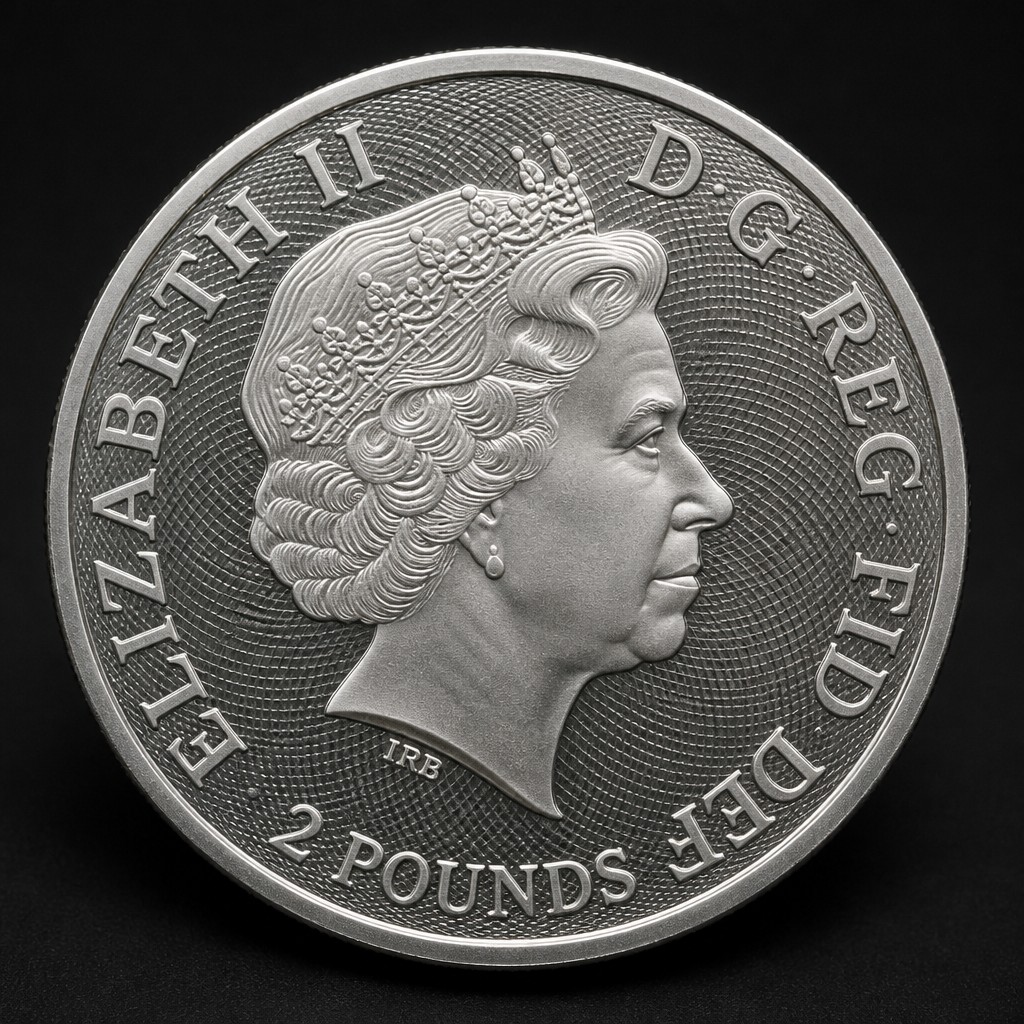
British Queen's Beasts Silver Series
2016-2021
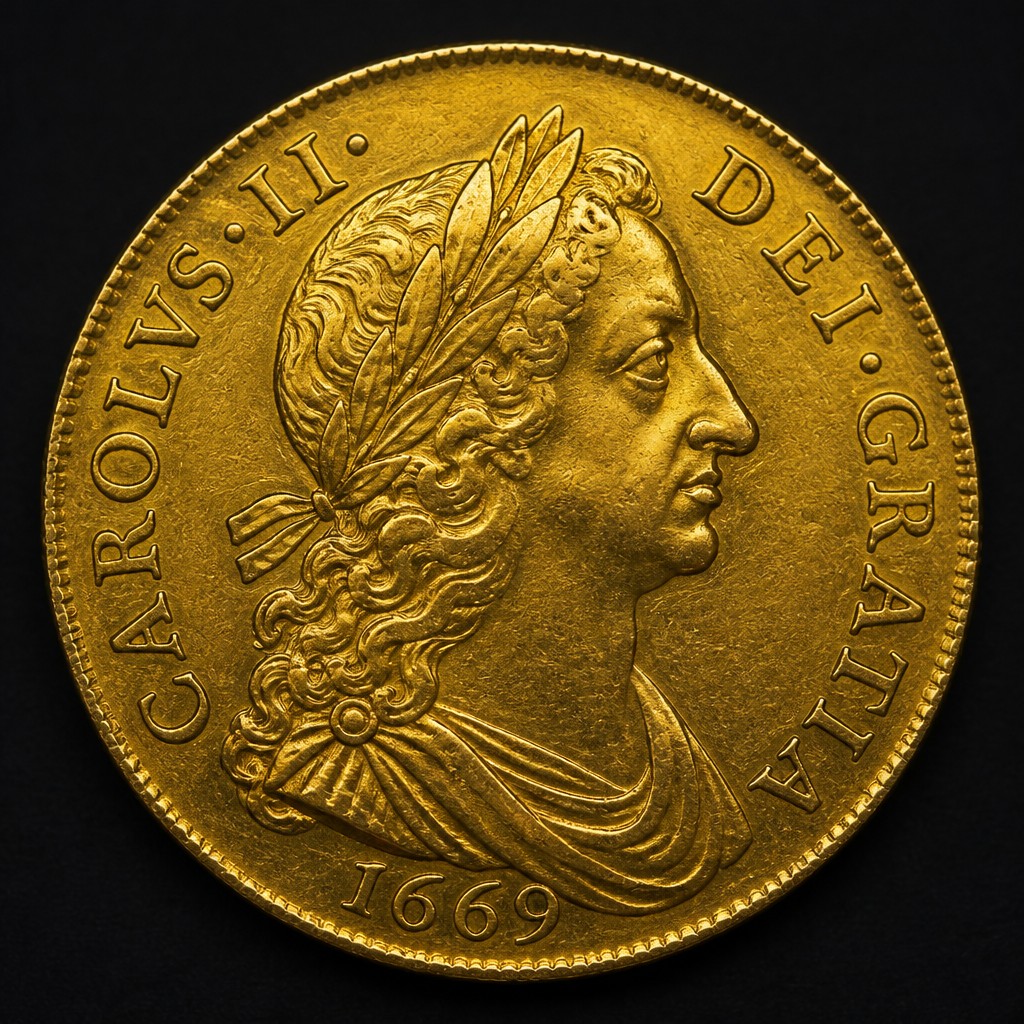
British Silver Lunar Series
2014-present
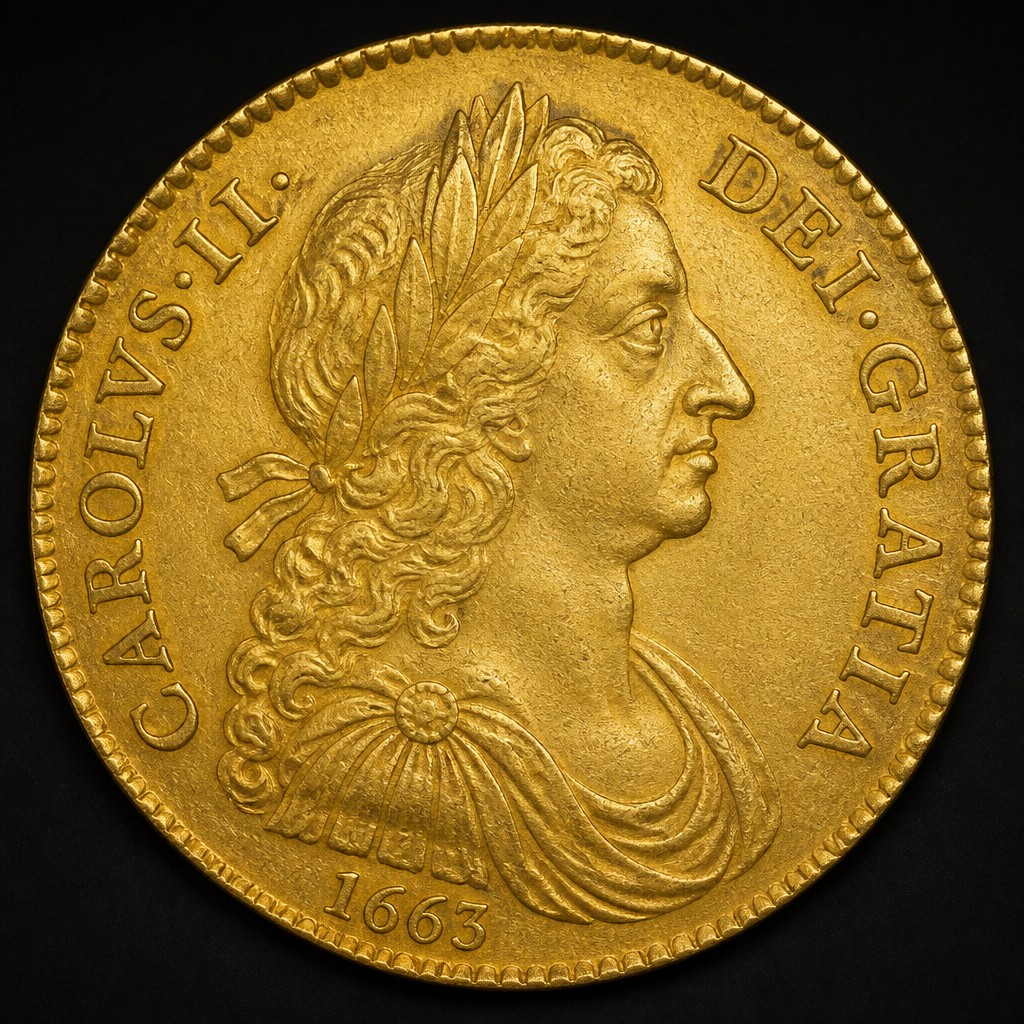
Half Guinea
1669–1813
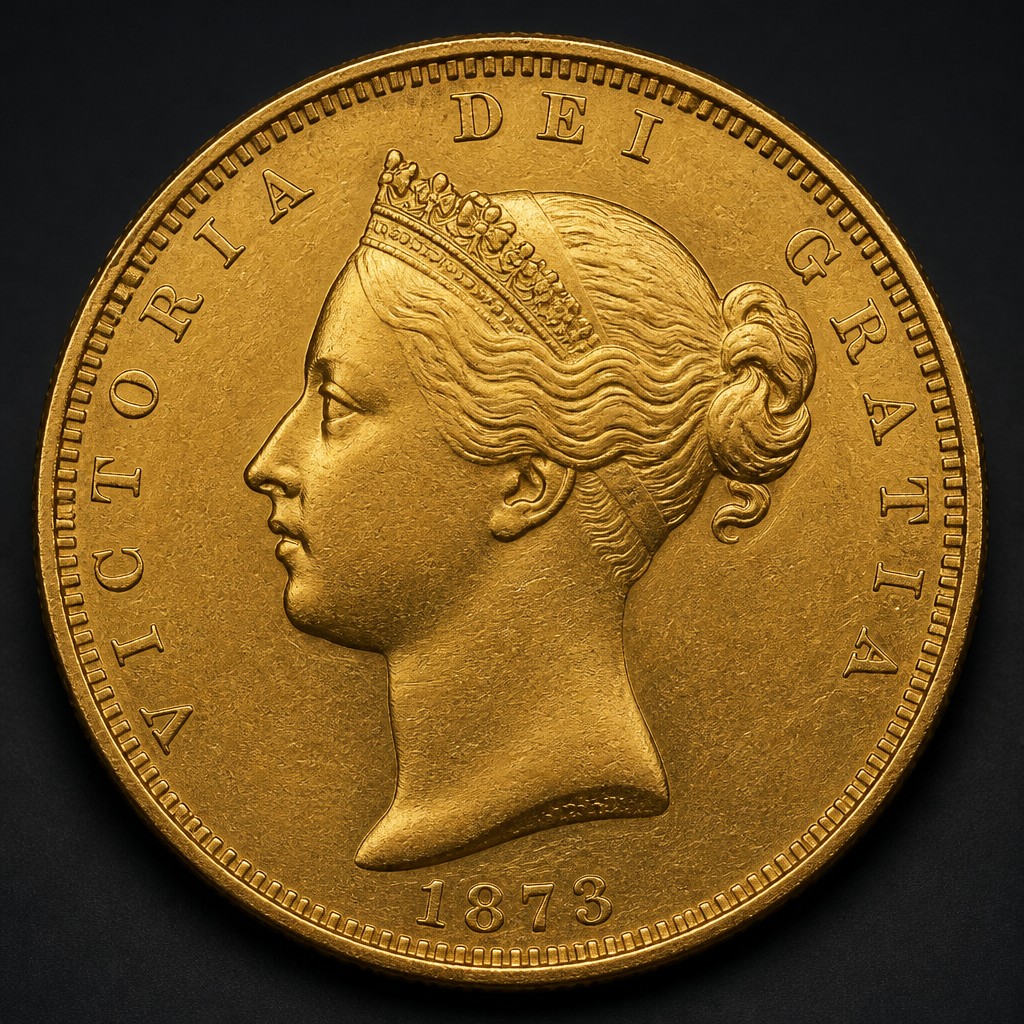
Guinea
1663–1813
Gold Sovereign
1489–1604 (Tudor); 1817–present (modern)
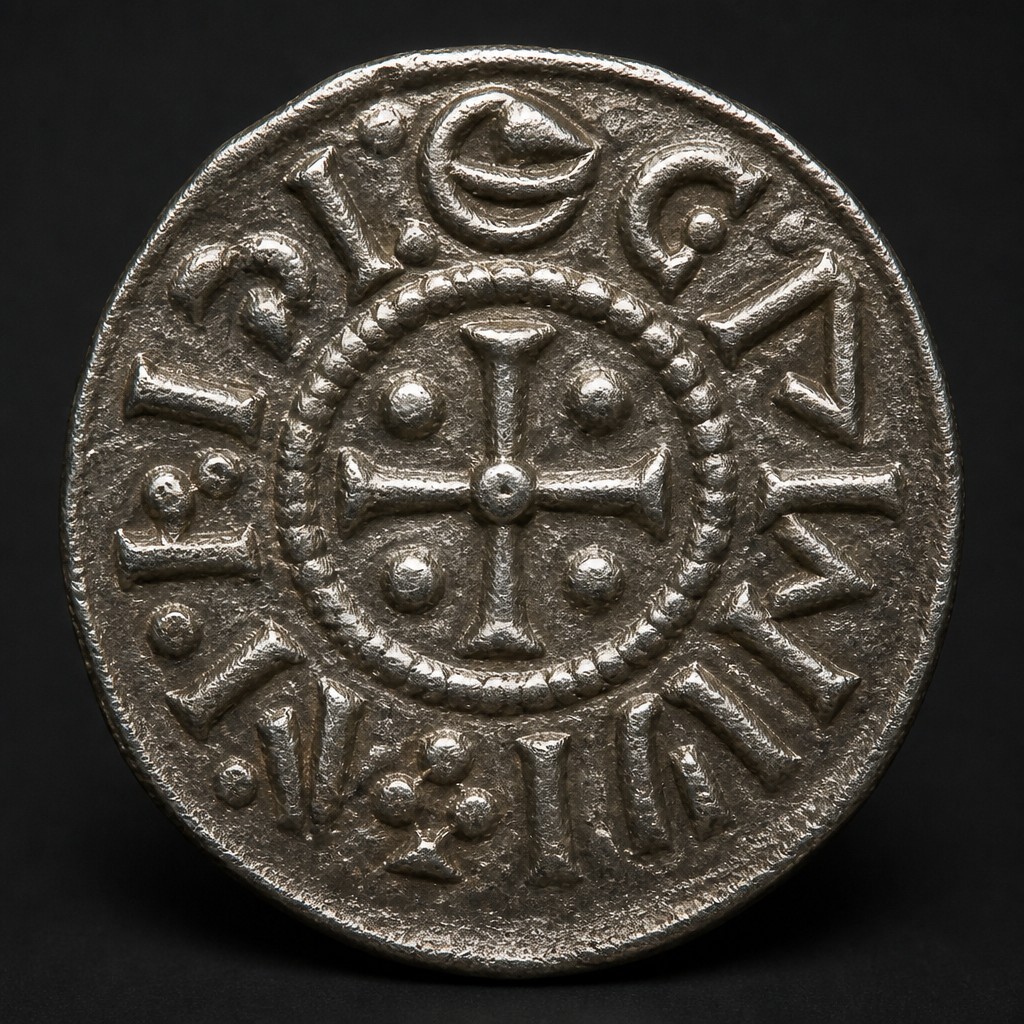
Anglo-Saxon Silver Sceat
c. 680–750 AD
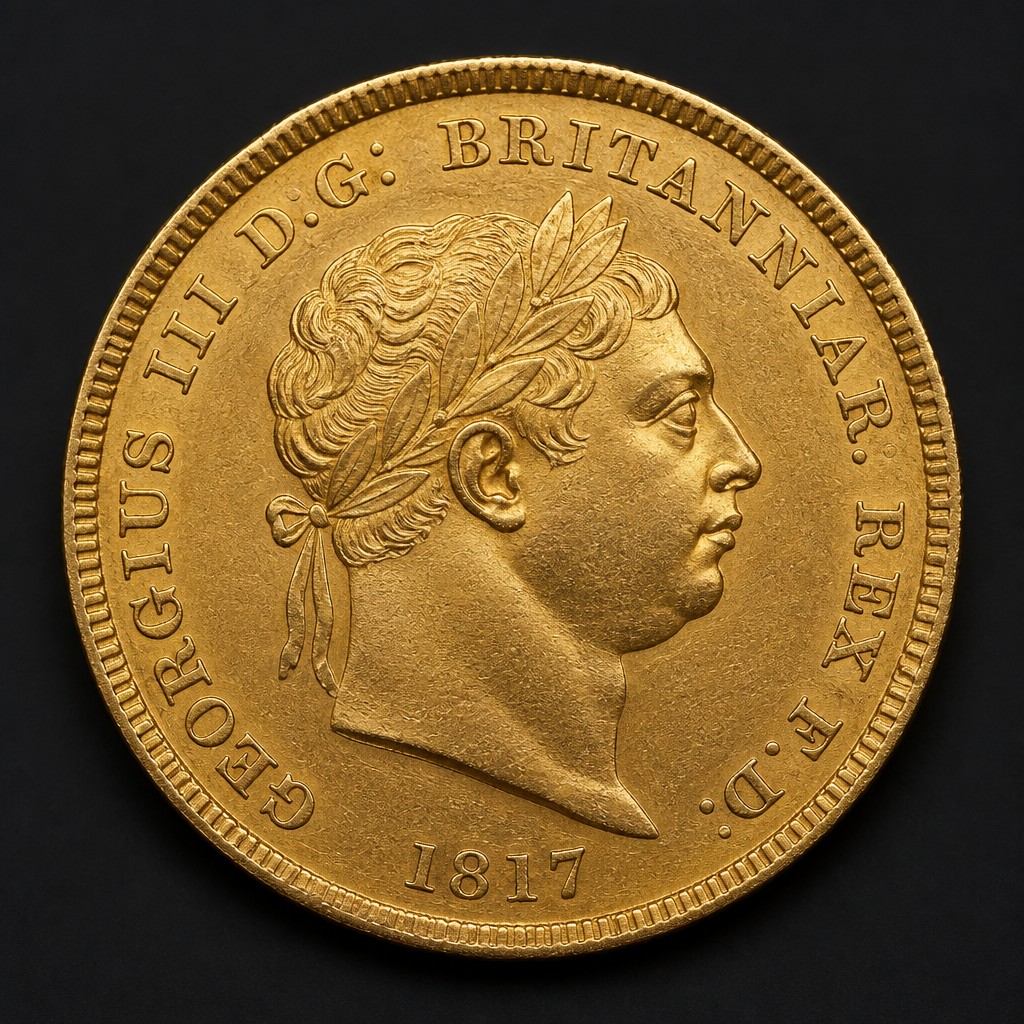
Gold Half Sovereign
1544–1553 (Tudor); 1817–present (modern)
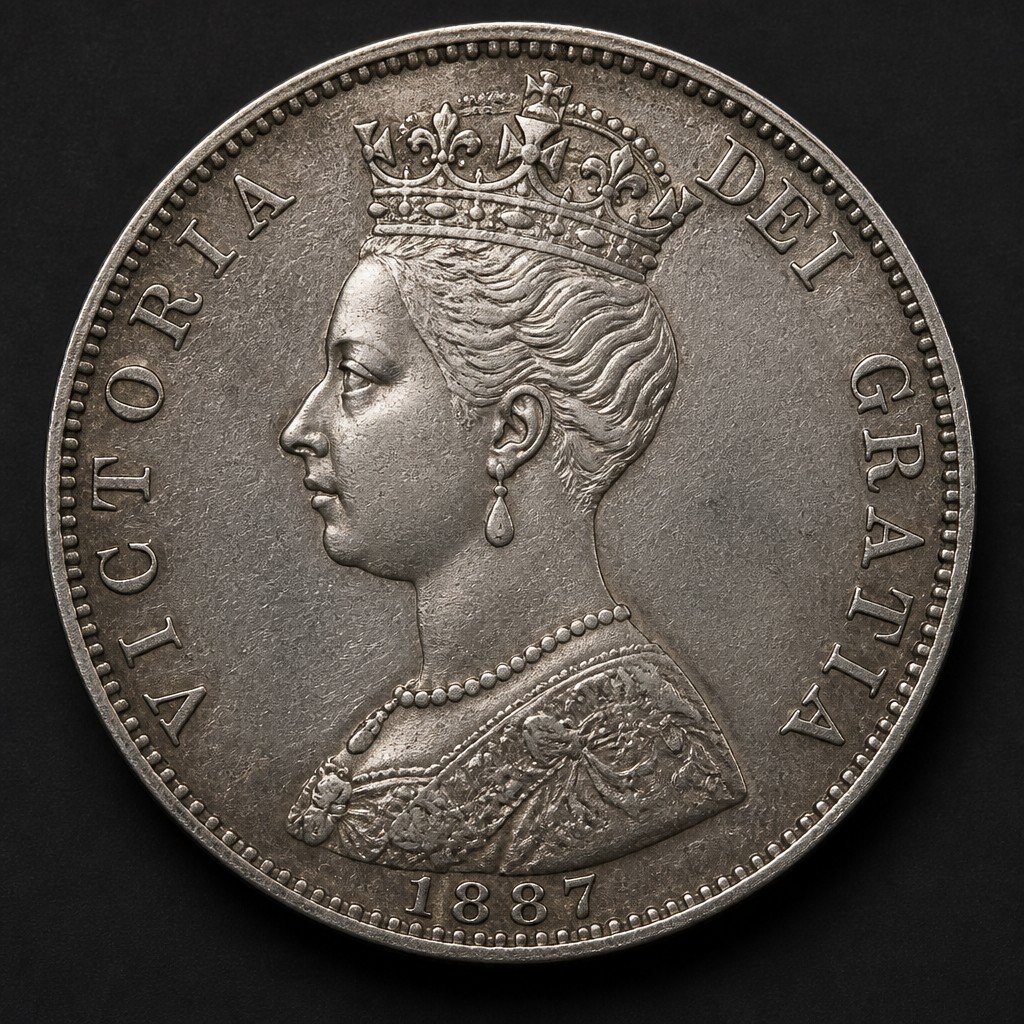
Crown
1551–present
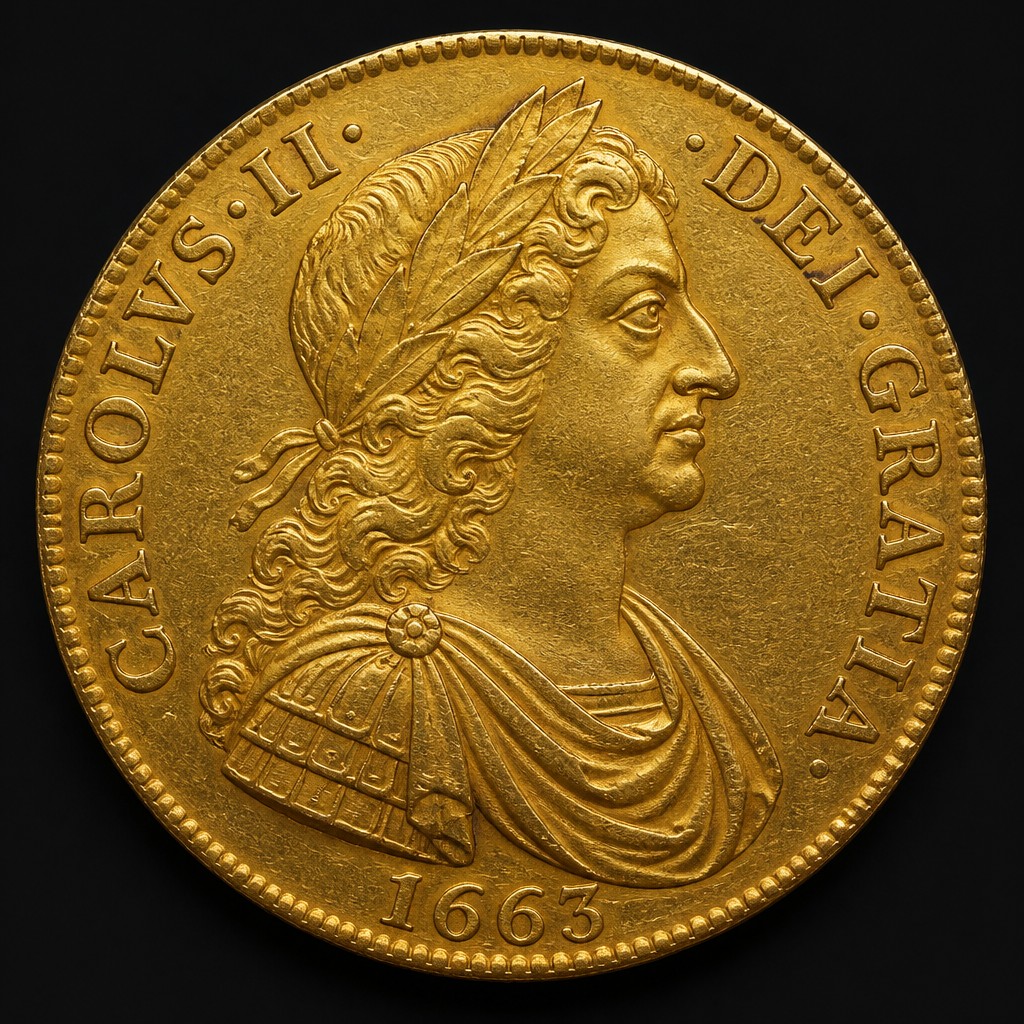
British Guinea
1663–1814
Viking Silver Penny of York
c. 895–954 AD
English Angel
1465–1642