
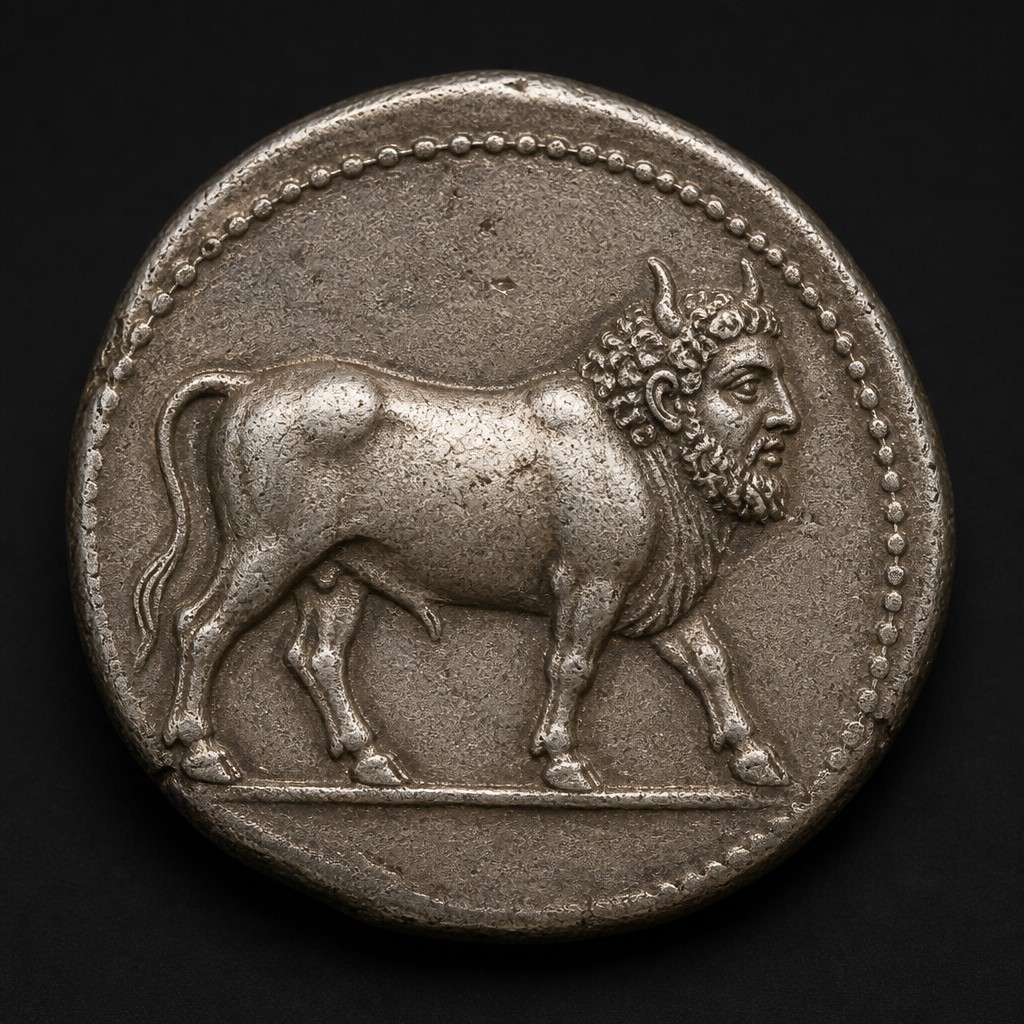
Gela Man-Headed Bull Tetradrachm
Silver tetradrachm of the Sicilian city of Gela, featuring a racing quadriga on the obverse and the man-headed bull river god Gelas on the reverse.
- Country
- Ancient Greece (Sicily)
- Denomination
- Tetradrachm
- Metal
- Silver
Got a coin like this?
Identify any coin from a photo, free.
Overview
The Gela tetradrachm is a celebrated Sicilian silver coin whose reverse depicts one of the most distinctive images in ancient numismatics: a bull with a bearded human face, personifying the river Gelas that flowed past the city. It is a favorite among collectors of Sicilian coinage for its combination of vigorous chariot imagery and the striking hybrid river-god design.
Gela's coinage reflects the wealth and equestrian culture of the city during its height in the Classical period, before its eventual decline following conflicts with Carthage.
History & Background
Gela was founded by Greek colonists from Crete and Rhodes in the 7th century BC on the southern coast of Sicily, growing into a powerful city that itself founded the colony of Akragas (Agrigento). Its coinage flourished especially in the 5th century BC, a period of prosperity and participation in the chariot-racing culture celebrated across the Greek world at Olympia and other Panhellenic games.
The city was severely damaged during the wars with Carthage at the end of the 5th century BC, and its population was later relocated, effectively ending significant civic coinage. The man-headed bull motif, representing the local river god Gelas, was a distinctly Sicilian convention seen on several river-adjacent cities' coinages, expressing the belief that rivers possessed a divine, sometimes monstrous, character.
How to Identify
The obverse shows a charioteer driving a fast quadriga (four-horse chariot), often with Nike flying above to crown the horses, a common Sicilian numismatic theme celebrating athletic and civic pride. The reverse depicts the man-headed bull, a bull's body with a bearded human face, walking or standing, representing the river god Gelas, accompanied by the ethnic ΓΕΛΑΣ or ΓΕΛΩΙΟΝ.
The tetradrachm typically weighs around 17 grams on the Attic-Sicilian standard, with size and style varying somewhat across the coinage's production run as different engravers worked at the mint.
This type is distinguished from other Sicilian river-god coinages, such as those of Gela's neighbor Akragas or the man-headed bull types of Campania, by the specific ethnic legend and stylistic details of the quadriga and bull figure.
Value & Collectibility
Gela tetradrachms are respected within Sicilian series and generally command solid prices reflecting Sicily's popularity among ancient coin collectors, with typical examples often ranging from several hundred to over a thousand dollars depending on strike quality and centering, and exceptional, well-preserved specimens reaching considerably higher.
As with most Sicilian tetradrachms, the sharpness and artistic quality of the man-headed bull design, along with full legends and good centering of the quadriga, are the primary drivers of value, more so than any single numeric grade.
Frequently asked questions
Why does the bull have a human face?
The man-headed bull represents the river god Gelas as a personification of the river that flowed past the city, a convention used by several Sicilian river cities to depict rivers as divine, part-human beings.
What does the chariot scene on the obverse represent?
It reflects Gela's wealth and participation in the chariot-racing culture celebrated at Panhellenic games, a common prestige theme on Sicilian coinage.
When did Gela stop minting its own coins?
Coinage declined sharply after the city was destroyed during conflicts with Carthage near the end of the 5th century BC.
Is Gela's coinage similar to Akragas's?
Both cities used river-god imagery reflecting Sicilian religious beliefs about rivers, but the specific designs, ethnics, and river gods depicted differ between the two cities.
Other coins you may enjoy
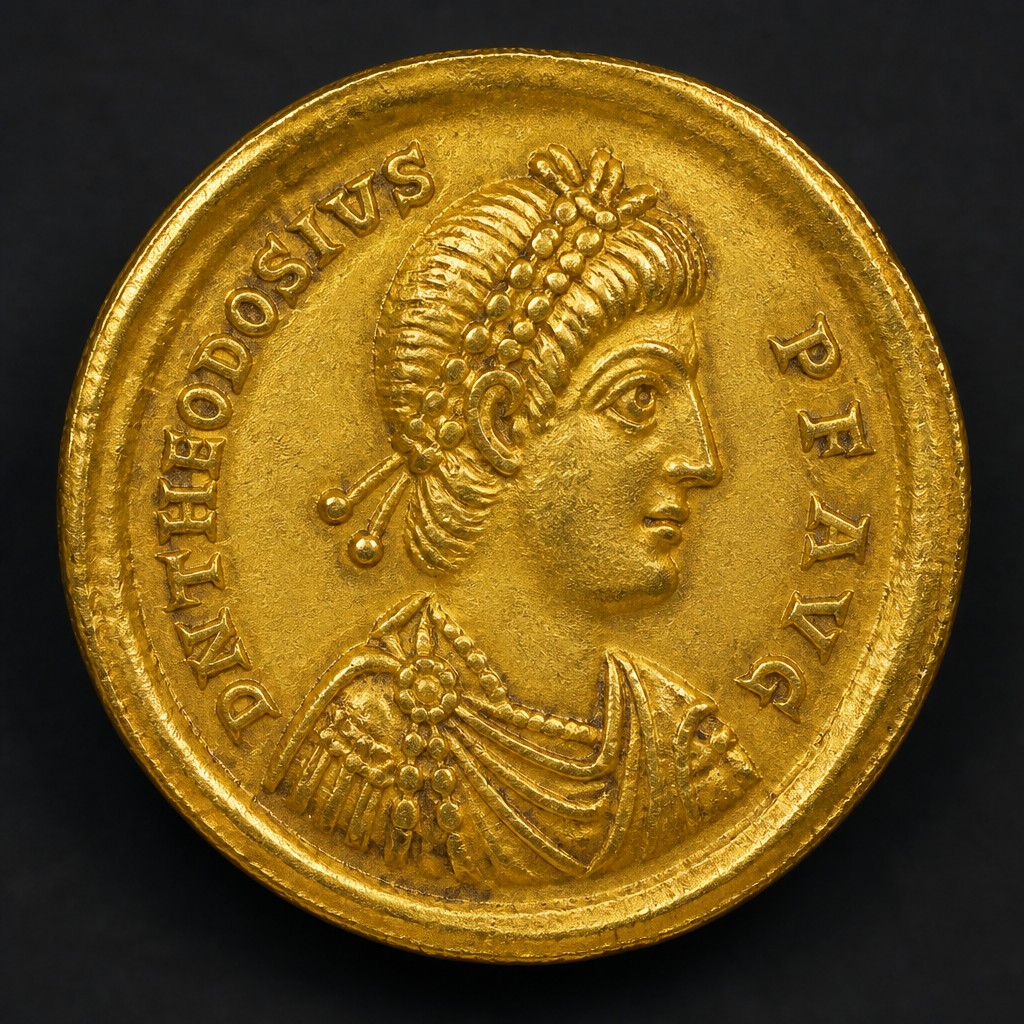
Theodosius I Solidus
379–395 AD
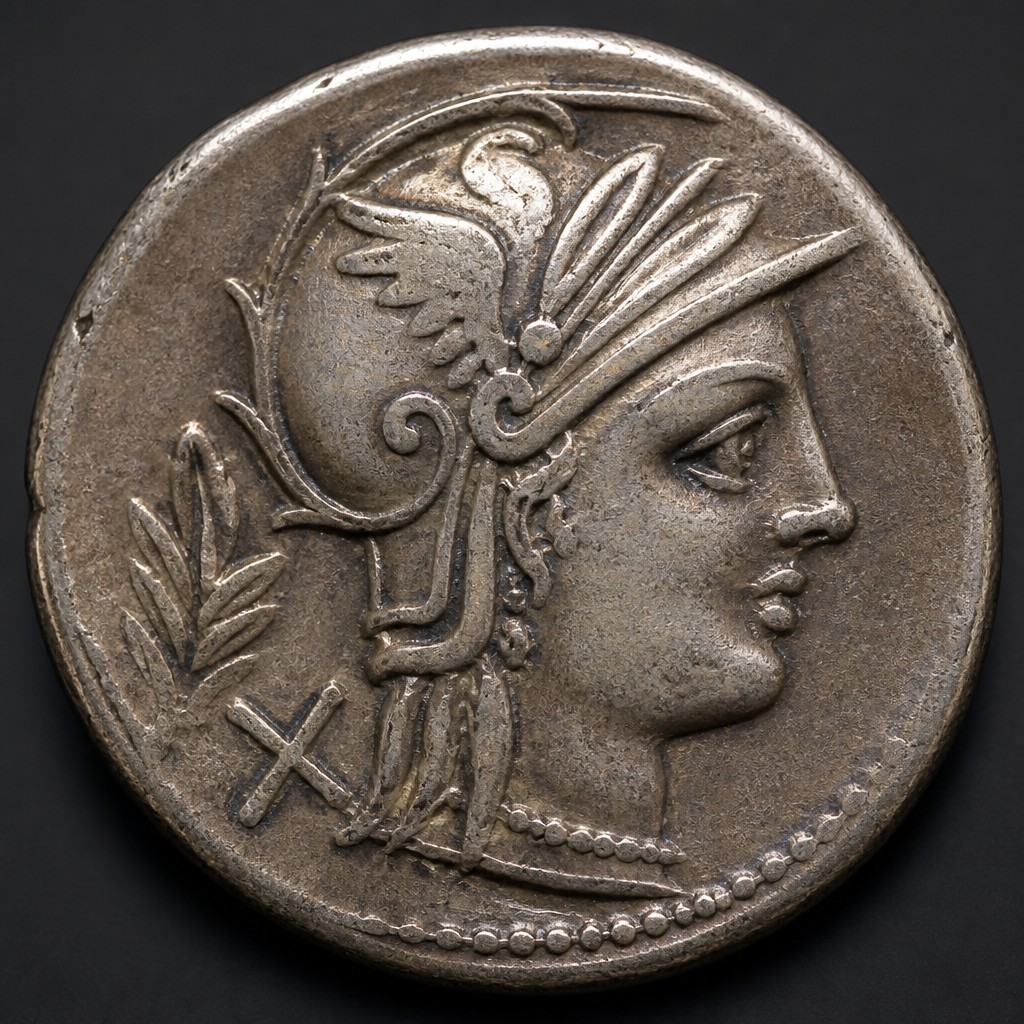
Republican Victoriatus
c. 211–170 BC
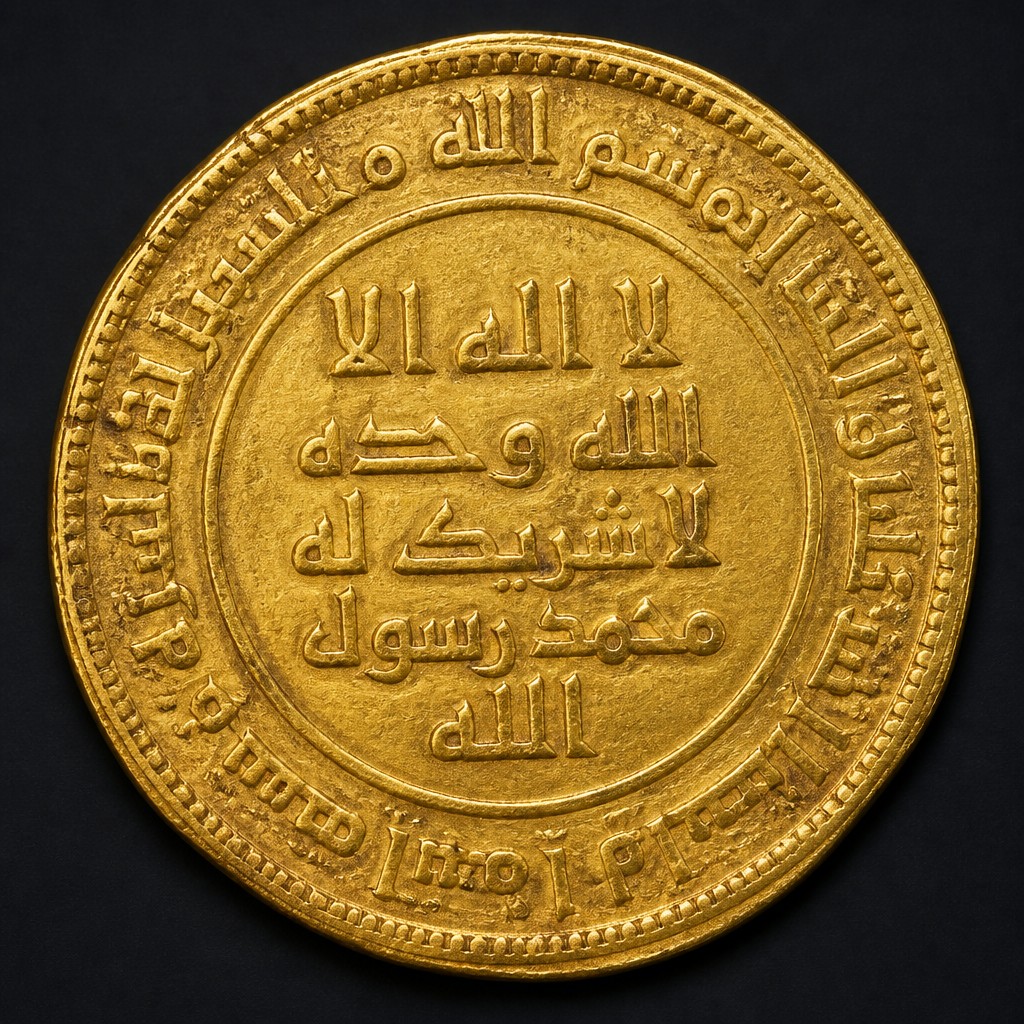
Islamic Gold Dinar (Umayyad)
c. 696–750 AD
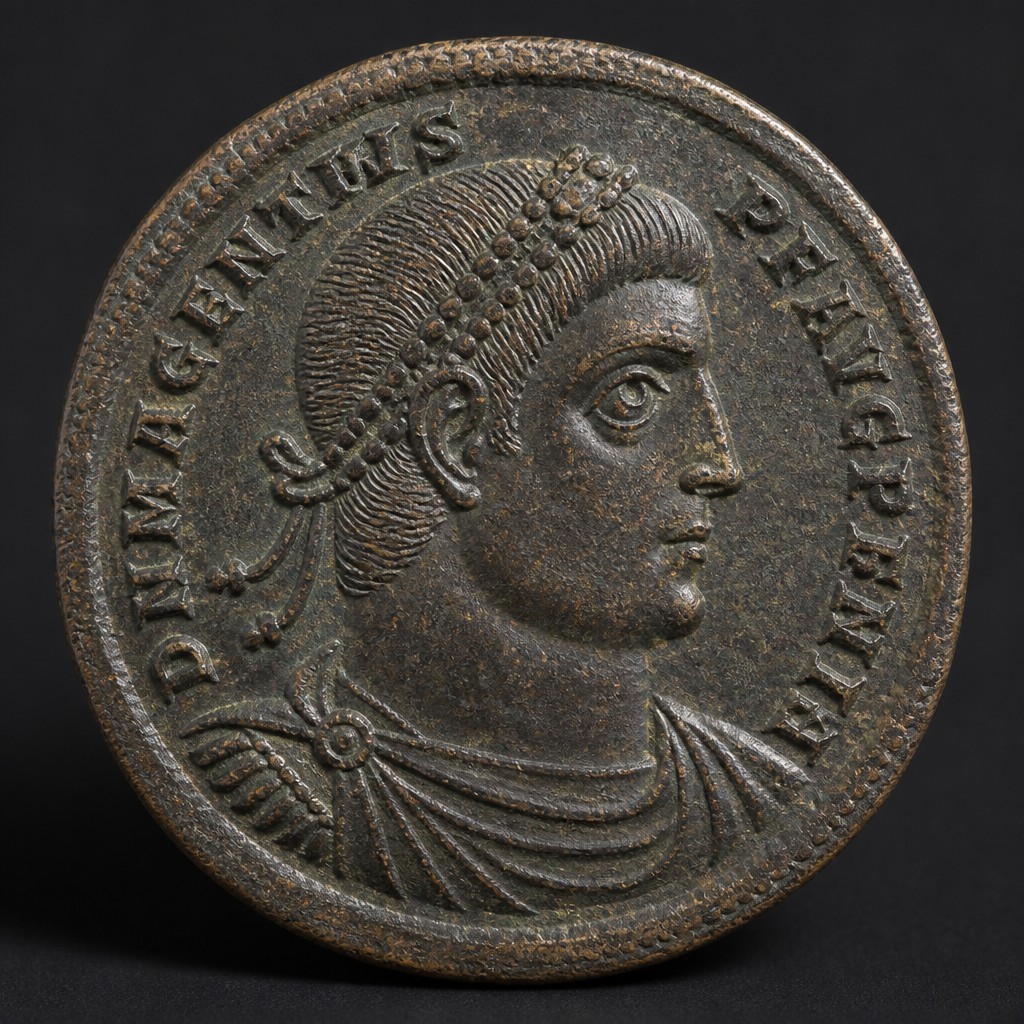
Magnentius Double Centenionalis
350–353 AD
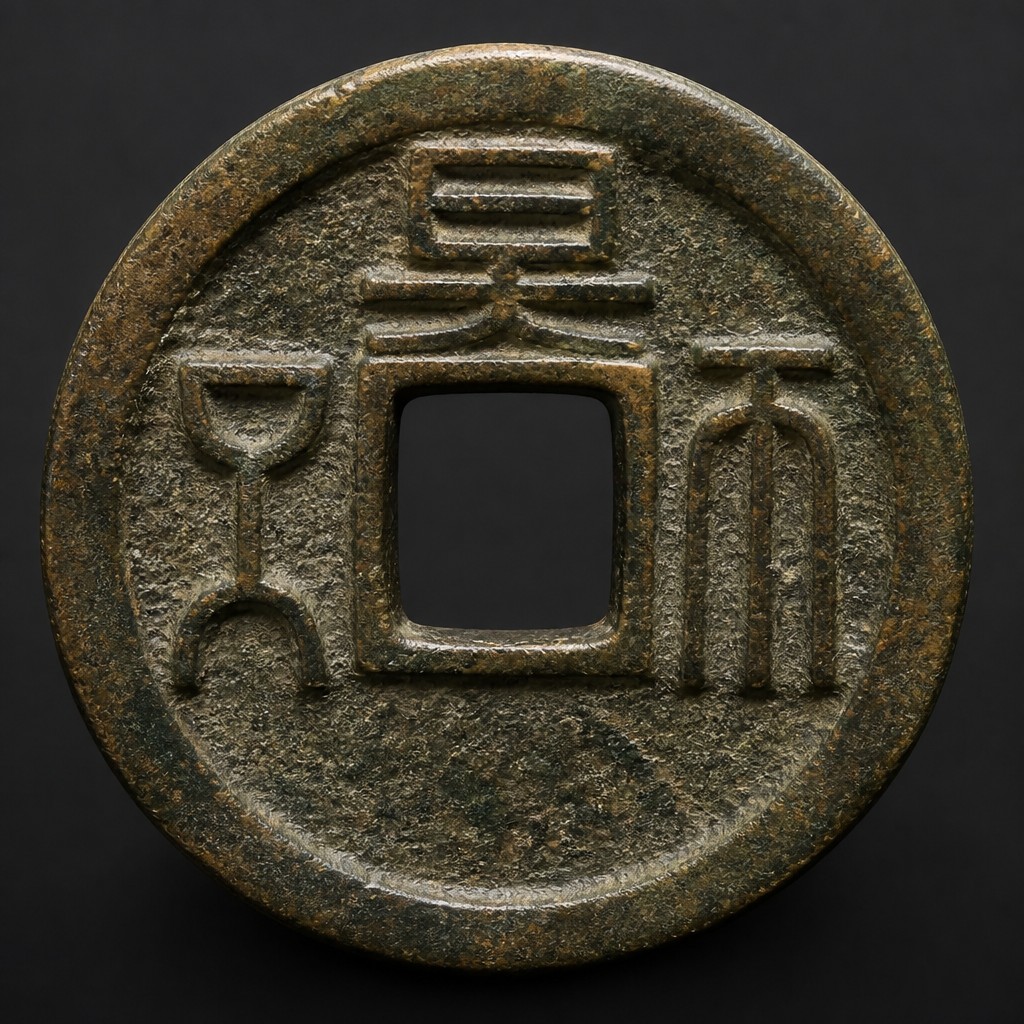
Chinese Wu Zhu Cash
118 BC – 618 AD
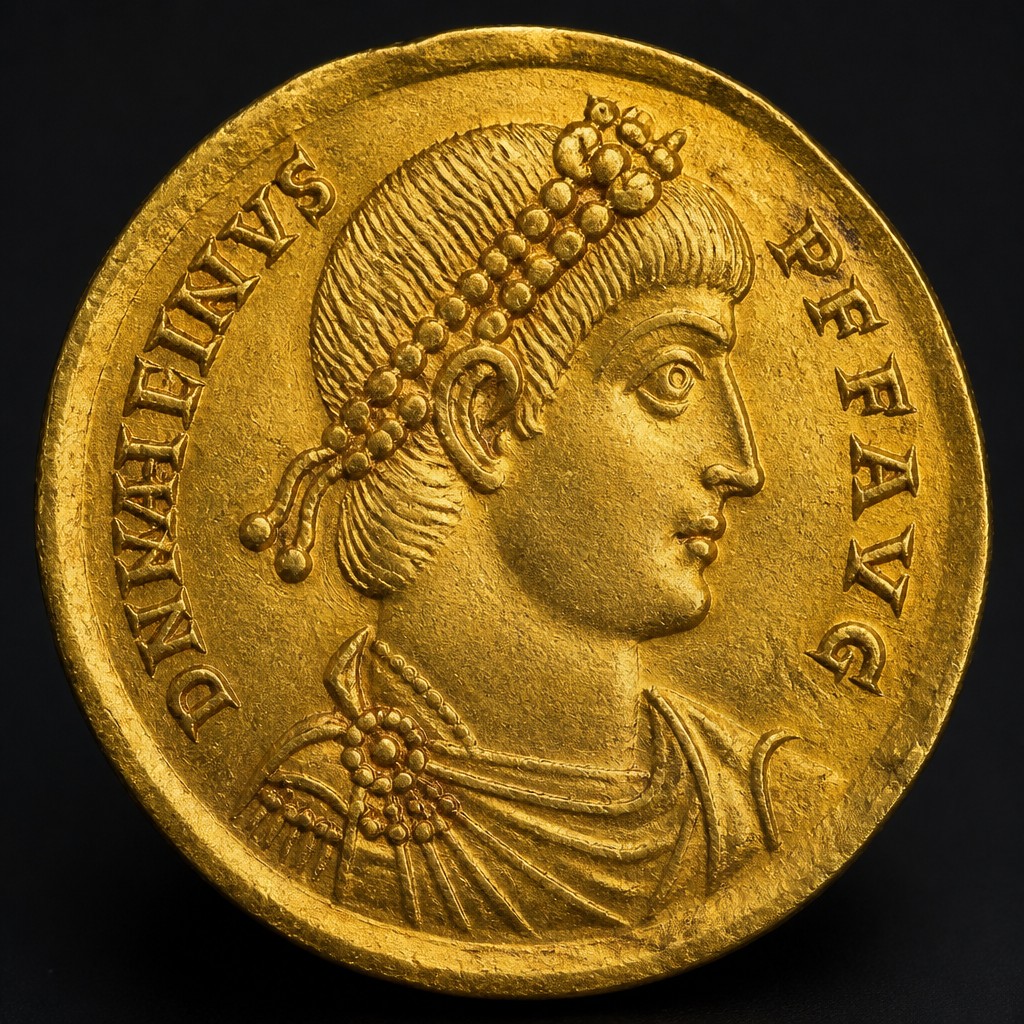
Valentinian I Solidus
364–375 AD
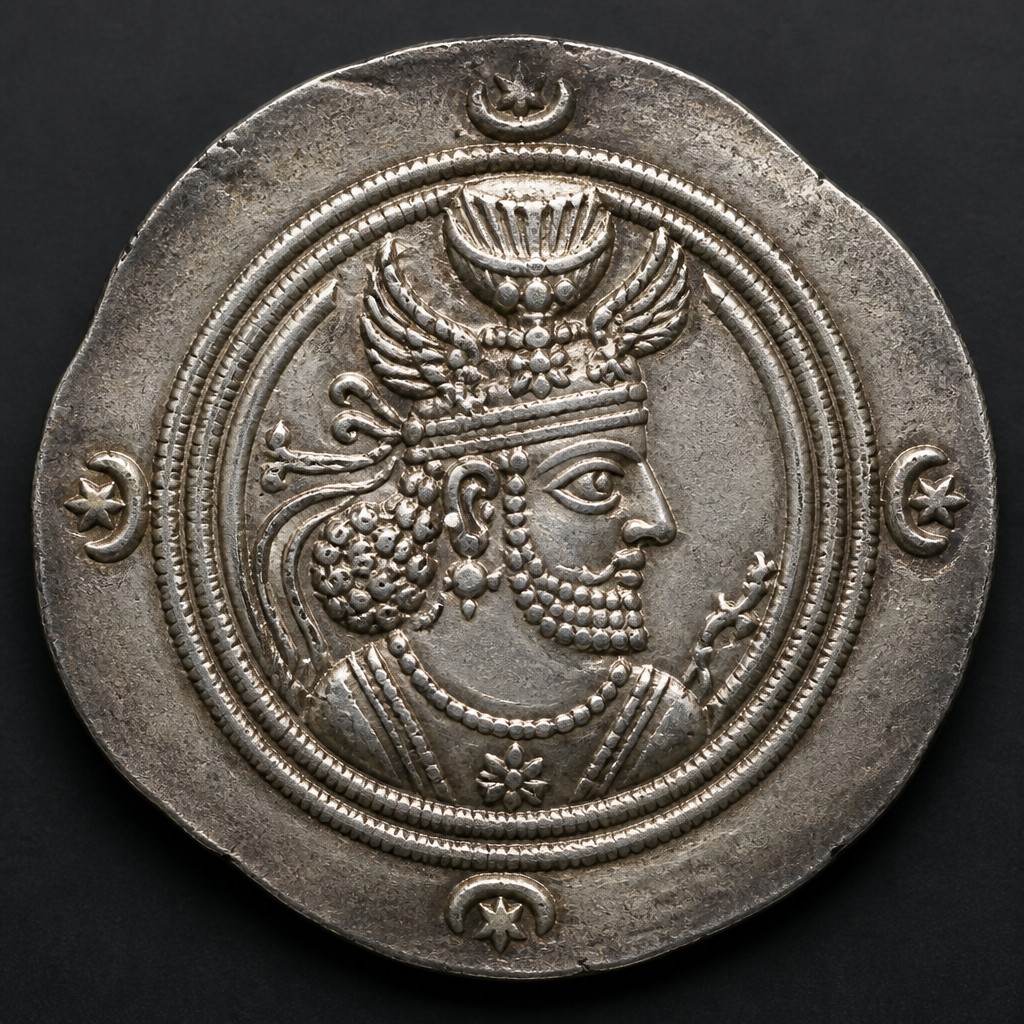
Sassanian Silver Drachm
c. 224–651 AD
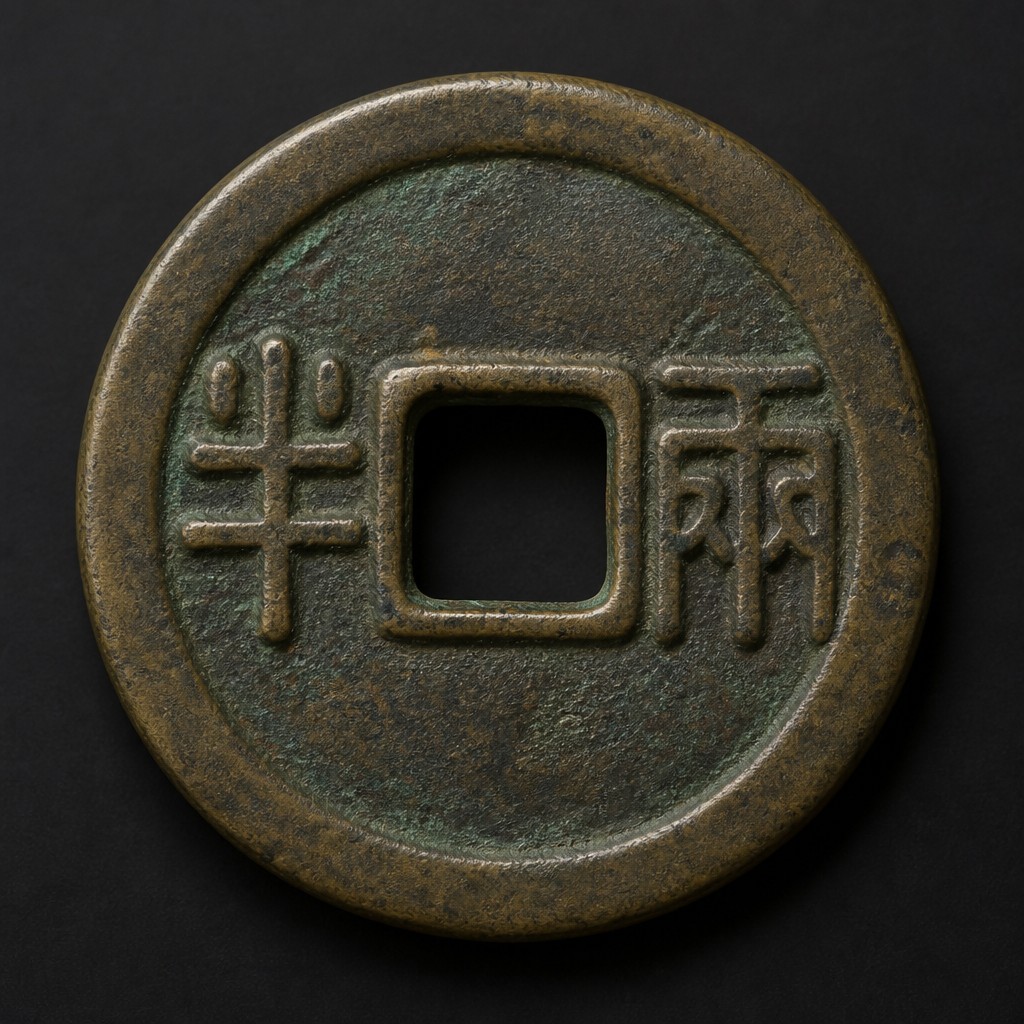
Chinese Ban Liang Cash
c. 221–118 BC
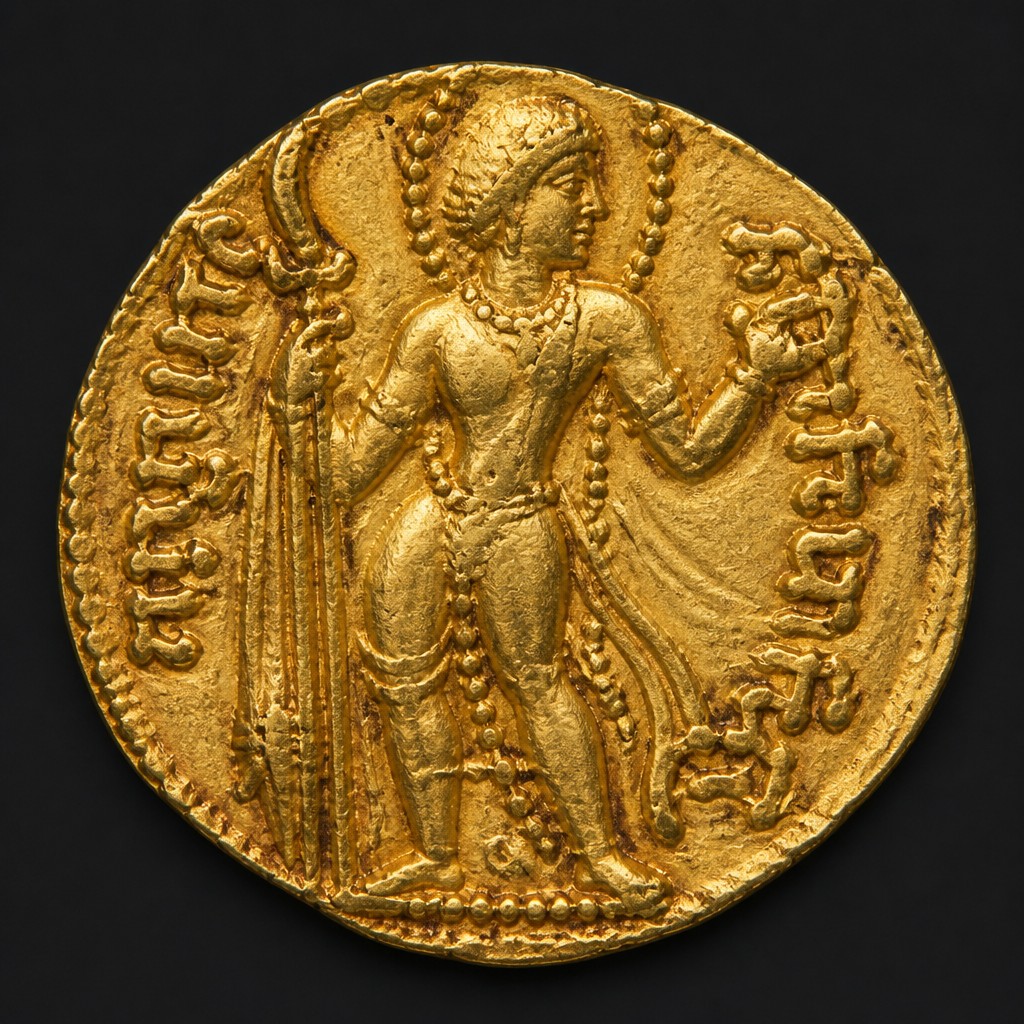
Gupta Empire Gold Dinar
c. 320–550 AD
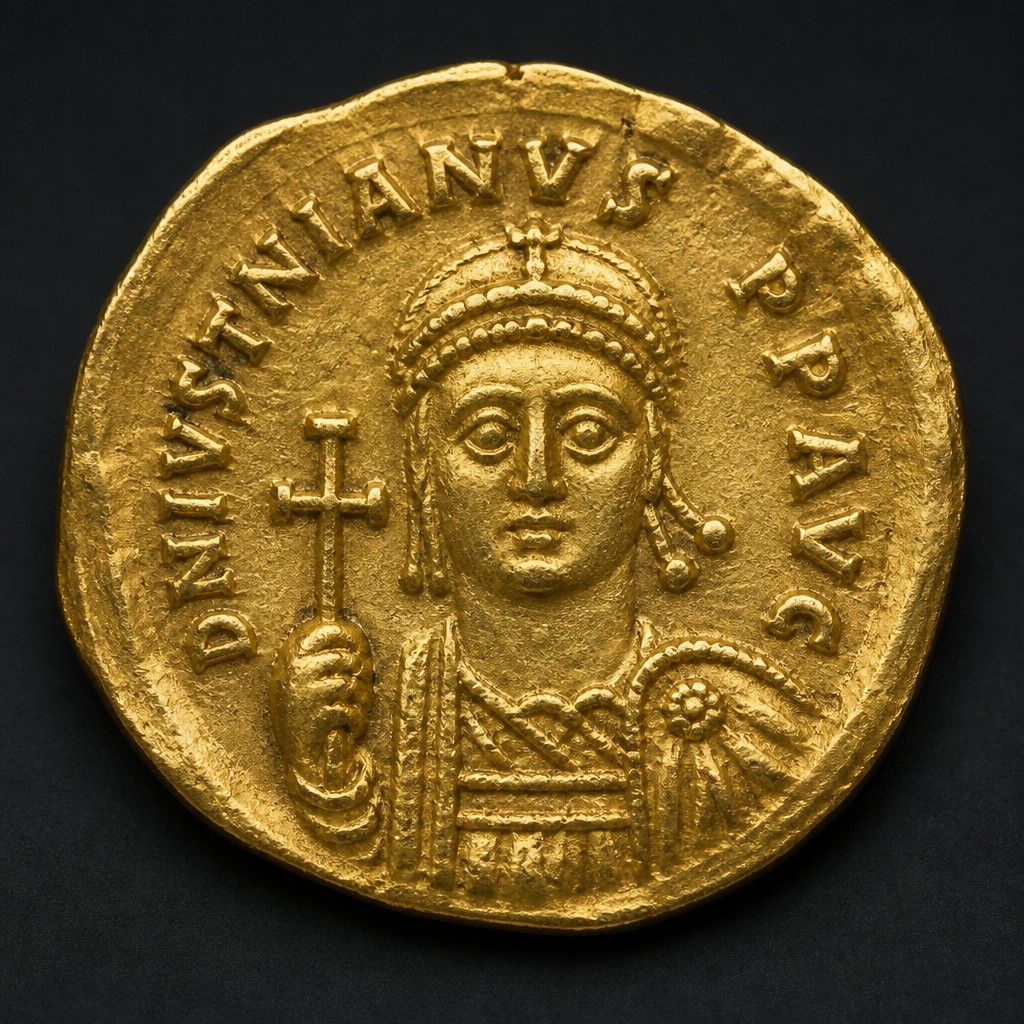
Byzantine Gold Tremissis
c. 4th–7th century AD
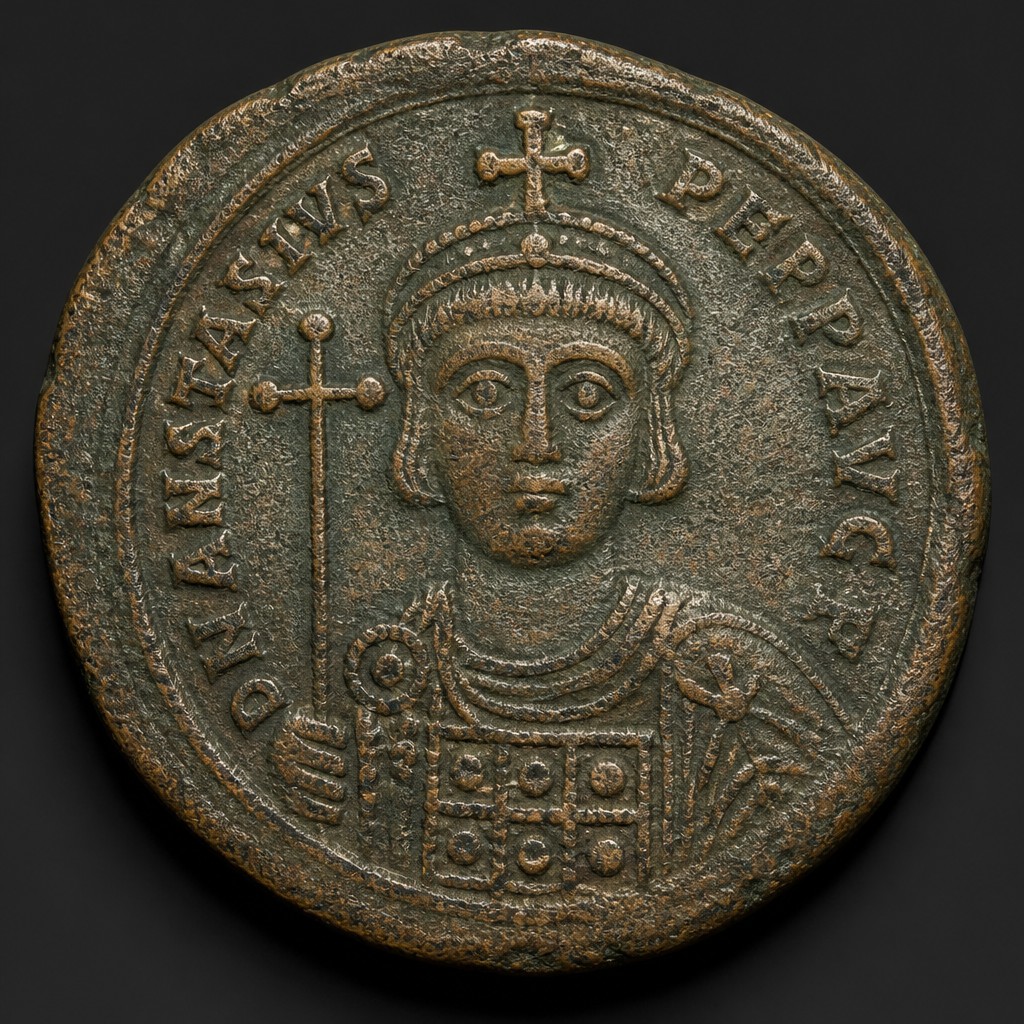
Byzantine Follis
498–c. 11th century AD
Celtic Gold Stater
c. 3rd century BC – 1st century AD